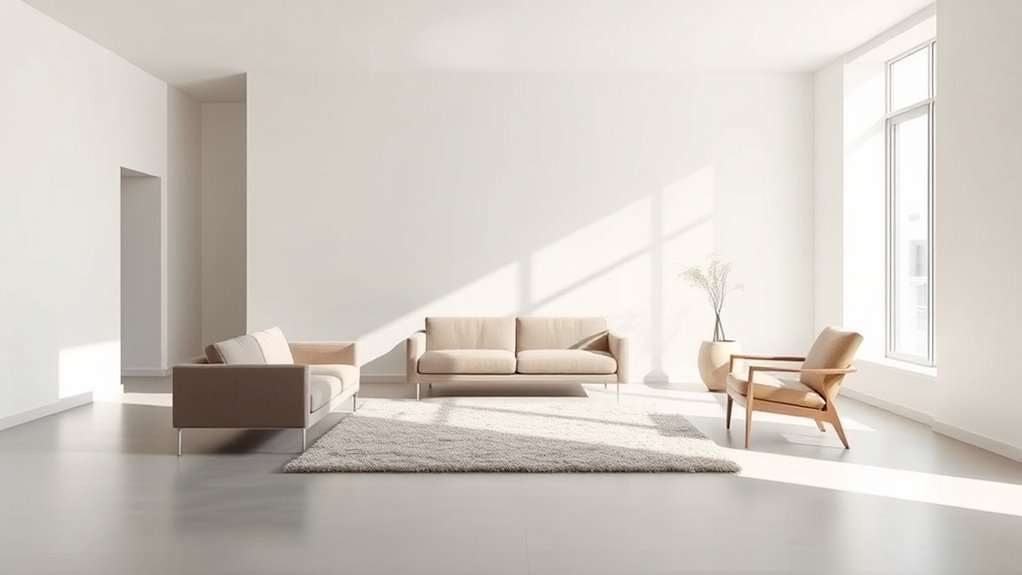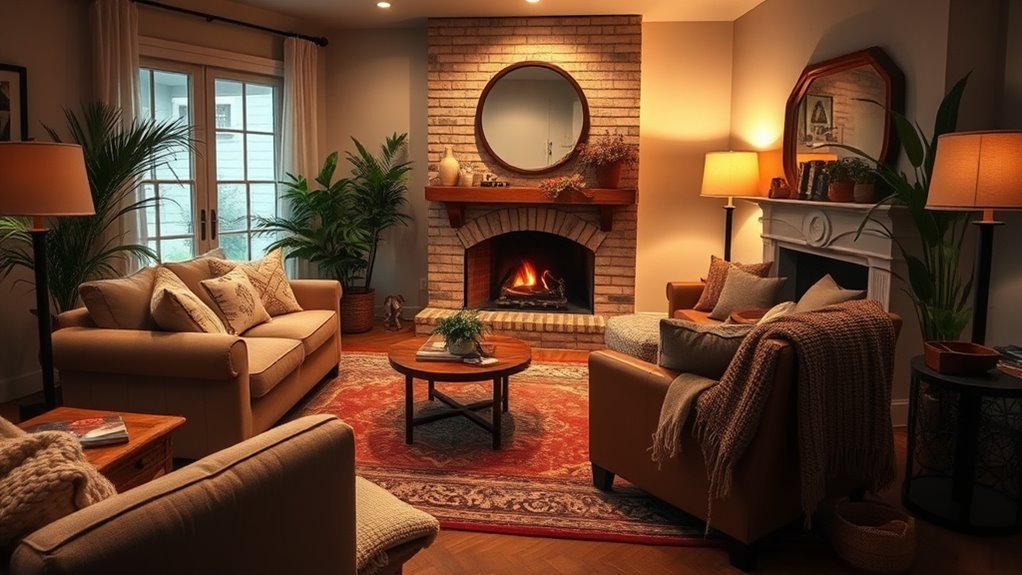
To make a large living room feel cozy, bring the furniture closer together instead of filling every wall. Create smaller activity zones, anchor the main seating group with a large rug, layer several warm light sources, and use curtains, textiles, art, books, and plants to soften the room’s scale. The goal is not to remove the spacious feeling. It is to make each part of the room feel connected, useful, and comfortable.
Last updated: August 19, 2026. This update verified furniture-spacing guidance, replaced dead lighting references, expanded high-ceiling and rug advice, and added clearer room-planning decisions.
Quick Answer
To make a large living room feel cozy, float furniture away from the walls, create two or more purposeful zones when the room is large enough, anchor the main seating group with a properly sized rug, and use several warm light sources instead of one bright overhead fixture. Finish with curtains, upholstered pieces, pillows, throws, books, art, and plants that match the scale of the room.
Key Takeaways
- Do not line every wall with furniture; pull seating inward to create conversation-friendly groupings.
- Use area rugs, lamps, and focal points to divide a large room into smaller, purposeful zones.
- Choose warm, layered lighting, plush textiles, and personal decor to soften the scale of the room.
- Use larger pieces, taller accents, curtains, art, and plants so the room feels balanced from floor to ceiling.
At a Glance
| Typical Time | An afternoon for measuring and rearranging; longer if you need to shop for rugs, lamps, curtains, or other additions |
| Difficulty | Easy to moderate |
| Tools Needed | Measuring tape, painter’s tape, floor plan sketch, and the furniture or decor you already plan to test in the room |
| Cost | Low if you rearrange and restyle first; higher if the room needs a larger rug, additional lighting, curtains, or new seating |
How to Make a Large Living Room Feel Cozy Without Overfilling It
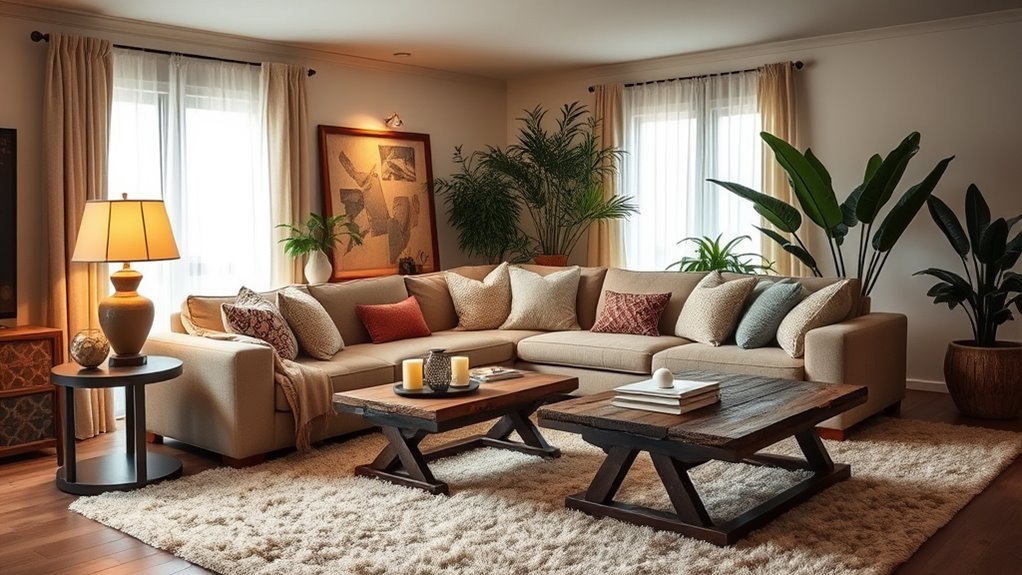
A cozy large living room works because the furniture, lighting, and surfaces support how people actually use the space. Seats face one another, lamps sit near the activities they serve, tables are easy to reach, and large rugs or textiles visually connect furniture that would otherwise feel scattered.
Instead of treating the room as one oversized box, identify the problem you notice first. Furniture pushed to the perimeter needs a tighter layout. A huge empty center usually needs a defined seating zone. A hollow-sounding room needs larger soft surfaces. A tall room that feels bottom-heavy needs more visual height.
| What Feels Wrong | Fix This First | Why It Helps |
|---|---|---|
| Furniture is spread around the walls | Pull the main seating inward | Creates a conversation area instead of an empty center |
| The middle of the room feels oversized | Define one or two zones with rugs and furniture | Breaks the room into usable areas without adding random decor |
| The room feels hollow or echoes | Add rugs, curtains, upholstery, and other broad soft surfaces | Softens hard floors, walls, glass, and other reflective surfaces |
| Tall walls make furniture look tiny | Add full-height curtains, taller lighting, substantial art, or vertical storage | Connects the seating level to the upper part of the room |
| Separate zones look unrelated | Repeat a few colors, materials, or shapes | Makes multiple areas read as one coordinated room |
Note: A cozy large room still needs open space. The goal is not to crowd the room, but to make every major area feel intentional.
Measure Before You Move Furniture
Before rearranging anything, measure the room, the main furniture pieces, and the walkways you use every day. This keeps the room cozy without making it awkward to cross.
- Mark the main seating zone. Use painter’s tape to outline the sofa, chairs, coffee table, and rug before moving heavy pieces.
- Leave comfortable paths. About 30 to 36 inches is a useful starting range for main circulation routes where the room allows it, especially between doorways and major seating groups.
- Keep the coffee table usable. Keep roughly 14 to 18 inches between the sofa and coffee table as a practical starting range, then adjust for seat depth, mobility needs, and table shape.
- Check every seat. Each chair or sofa spot should have reasonable access to a table, lamp, or surface for a drink, book, or phone.
Current furniture-arranging guidance from Better Homes & Gardens recommends about 30 inches of walking clearance and roughly 14 to 18 inches between a sofa and coffee table. For more detailed proportions, see the Nordic Design Blog coffee table size and placement guide.
This planning step prevents a common large-room problem: furniture that looks balanced from across the room but feels disconnected when people sit down.
Arrange Your Furniture for Intimacy and Flow
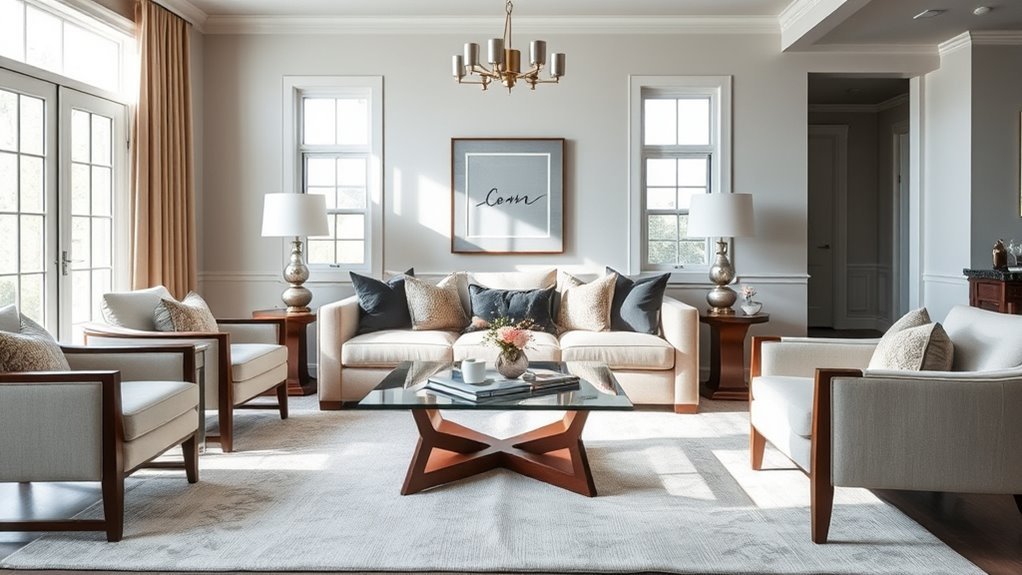
The best way to create an intimate atmosphere in a large living room is to pull the main seating group away from the perimeter and close unnecessary gaps between seats. This makes conversation easier and gives the center of the room a clear purpose.
Position Furniture Away From Walls
When furniture hugs every wall, the center of the room can become an empty void. Bring sofas and chairs closer together so people can talk comfortably. A U-shaped, semi-circular, face-to-face, or lightly angled arrangement can all work, depending on the room and its focal point.
If the room is very large, place a console table behind a floating sofa. Add lamps, books, framed photos, or a small decorative grouping. This gives the back of the sofa a purpose and helps the layout feel finished from more than one direction.
Create Multiple Seating Areas
Use multiple seating groups only when the room is large enough to support genuinely different activities. Two purposeful areas usually feel warmer than one enormous furniture arrangement surrounded by leftover space.
- Main conversation area: A sofa, two chairs, a coffee table, and a large rug.
- Reading nook: A comfortable chair, small table, floor lamp, and throw blanket near a window or bookshelf.
- Game or drinks corner: Two accent chairs with a round table between them.
Each zone should have its own job, but repeated colors, woods, fabrics, metals, or shapes can keep the room visually connected.
Use Area Rugs Effectively
The right area rug visually gathers a seating group and prevents individual pieces from looking stranded on a large floor. For the main conversation area, choose a rug large enough for at least the front legs of the sofa and major chairs to rest on it. If the room and budget allow, an even larger rug with all major furniture legs on it can create a stronger unified zone.
Use one large rug when the living room has one dominant seating area. Use two rugs when there are two clearly separate functions, such as a conversation area and a reading corner or a media area and a game table. The rugs do not need to match exactly, but repeating a color, material, or visual weight helps them belong in the same room.
Pro Tip: If the room still feels too spread out, angle two chairs slightly toward the sofa instead of placing everything in a strict square. Angled seating can reduce visual stiffness while keeping the conversation group connected.
Layer in Soft Lighting for Warmth and Ambiance
Lighting is one of the fastest ways to make a large living room feel more intimate because several smaller pools of light visually break up a wide space. ENERGY STAR describes 2700K to 3000K light as warmer in appearance, while higher color temperatures appear progressively cooler.
Use three lighting layers instead of asking one ceiling fixture to handle every activity:
- Ambient lighting: Ceiling fixtures, shaded pendants, or recessed lighting for general illumination.
- Task lighting: Table lamps and floor lamps near reading chairs, game tables, or work corners.
- Accent lighting: Picture lights, sconces, uplights, or small lamps that highlight art, shelves, plants, or architectural details.
Dimmers can also help a large room shift between brighter family activities and softer evening use. If your room mixes several bulb colors already, the Nordic Design Blog guide to mixed living room lighting color temperatures explains how to make them feel more consistent.
A large living room usually feels warmer when light comes from several heights and locations instead of one bright point in the ceiling.
Recommended Products

【Sleek Design for Modern Spaces】This modern floor lamp features a matte metal base and linen fabric shade, making it stable and long-lasting. Its understated elegance...
Add Texture and Comfort With Luxurious Textiles
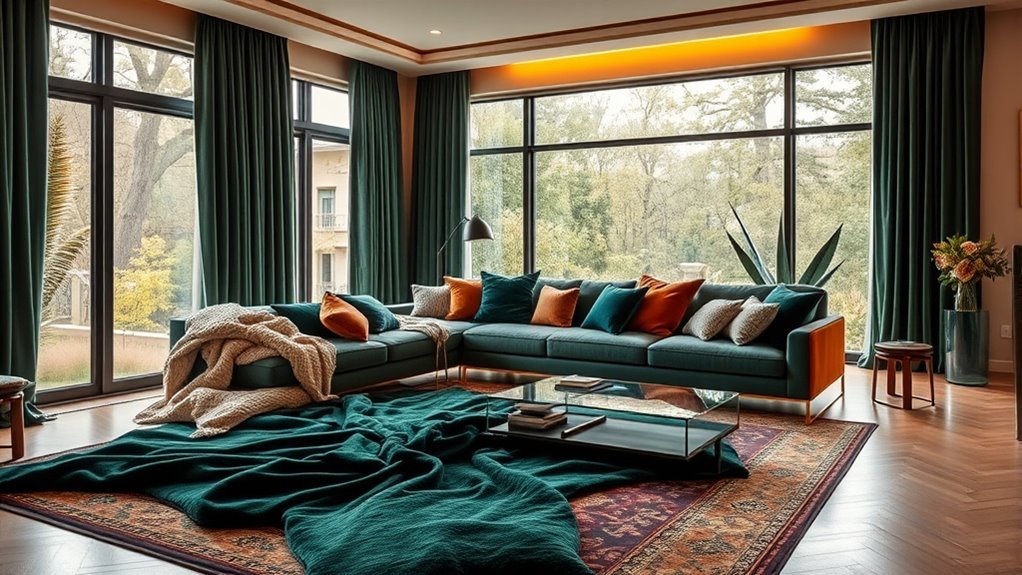
Large rooms often feel cold when wide floors, tall walls, big windows, and other hard surfaces dominate the space. Textiles introduce softness and visual weight without requiring more furniture.
Layer Fabrics for Coziness
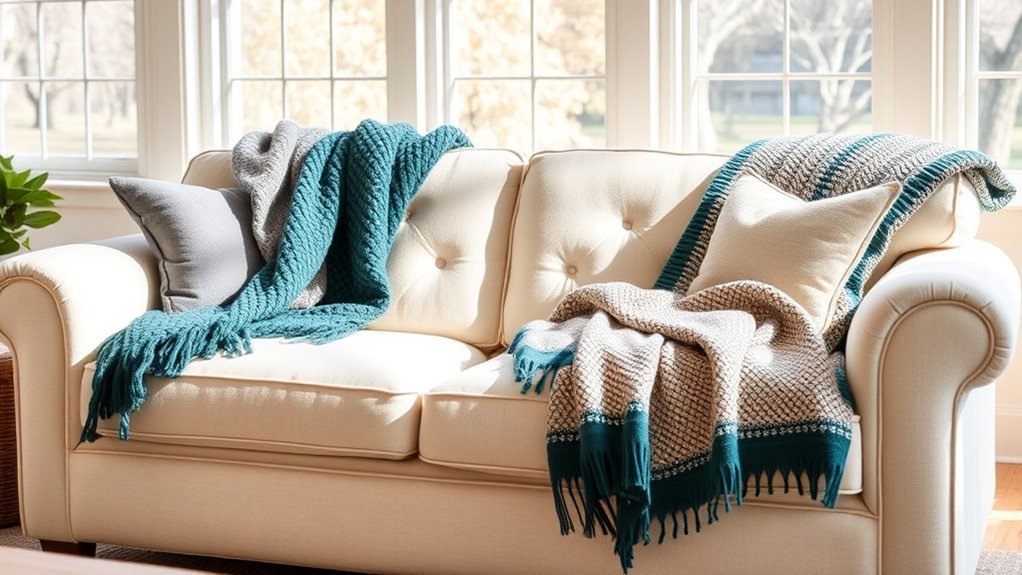
Layering fabrics adds depth without requiring a full redesign. Mix materials such as wool, cotton, linen, velvet, boucle, faux fur, and chunky knits. Aim for contrast rather than repetition: smooth beside nubby, matte beside subtle sheen, and structured beside relaxed.
- Start with large soft surfaces. Rugs, curtains, upholstered seating, and ottomans make the biggest visual difference.
- Add medium layers. Use pillows in different sizes and fabrics so seating feels inviting rather than flat.
- Finish with touchable accents. Drape throws over chairs, baskets, or ottomans where they will actually be used.
Use Plush Accents Without Overcrowding
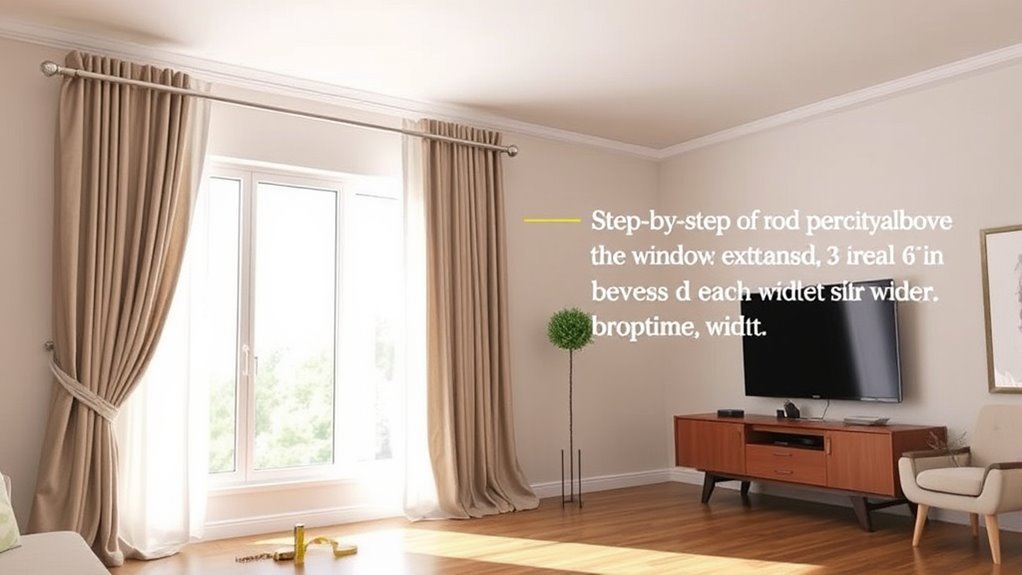
Plush accents work best when they are edited. Choose a few substantial cushions instead of covering every seat with tiny pillows. Use one generous ottoman when it fits the layout rather than several undersized pieces. Full-length curtains can soften large windows while adding visual height.
If the room echoes, broad soft surfaces matter more than small decorative objects. Rugs, curtains, upholstered furniture, and other fabric surfaces can reduce the hard, hollow feel of an open room. For a deeper treatment plan, see the guide to managing echo and noise in an open-concept living room.
Create Zones for Different Activities
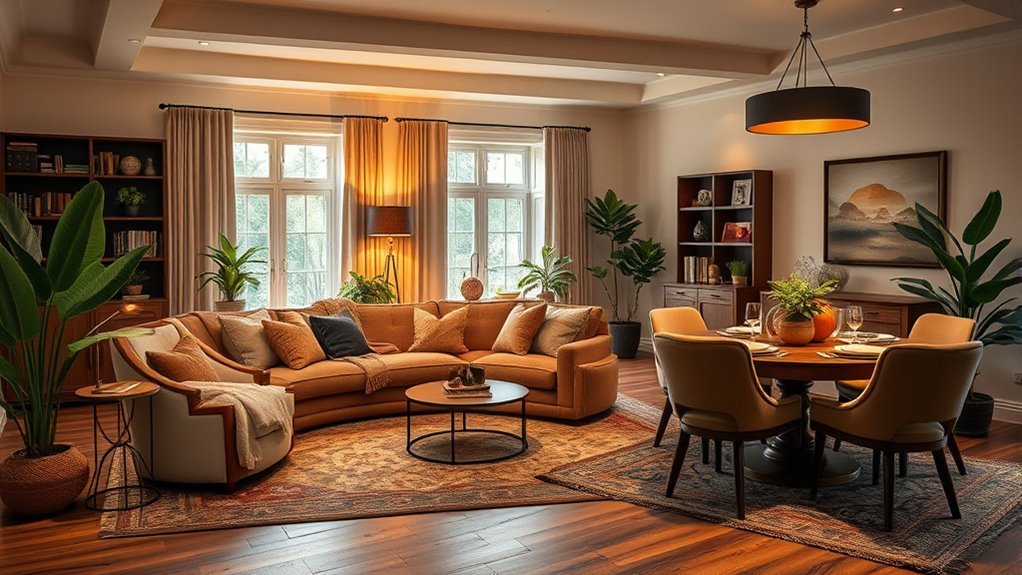
Zoning is different from simply adding more furniture. Give each area a specific activity, then use furniture orientation, rugs, lighting, tables, or art to make that activity legible at a glance.
- Reading nook: Set up a comfortable chair with a floor lamp, small side table, and basket for books or blankets.
- Conversation zone: Arrange sofas and chairs around a coffee table, fireplace, or central ottoman.
- Media area: Place seating at a comfortable viewing angle, but avoid letting the TV become the only focal point if the room is also used for hosting.
- Quiet corner: Add a writing desk, plant, or pair of chairs where a large leftover area would otherwise have no purpose.
Leave visual and physical breathing room between zones. The goal is to create smaller “rooms within the room,” not to fill every square foot.
Use Scale and Height So the Room Does Not Feel Empty
Small decor can disappear in a large living room. The solution is not to make every object oversized, but to include enough large and medium-scale pieces to balance the room.
- Go larger with rugs. A too-small rug makes an otherwise good furniture layout look disconnected.
- Use taller lighting. Floor lamps, sconces, and lamps on consoles help fill the middle height of the room.
- Hang curtains high. Full-length drapery visually connects windows to the upper part of the wall.
- Choose substantial art. One large piece or a cohesive gallery arrangement usually carries a broad wall better than isolated small frames.
- Add vertical furniture. Bookcases, cabinets, display shelves, and tall plants prevent all the visual weight from sitting at sofa height.
Scale works best as a mix of large, medium, and small elements. Large pieces establish structure, while smaller objects add detail after the layout already feels balanced.
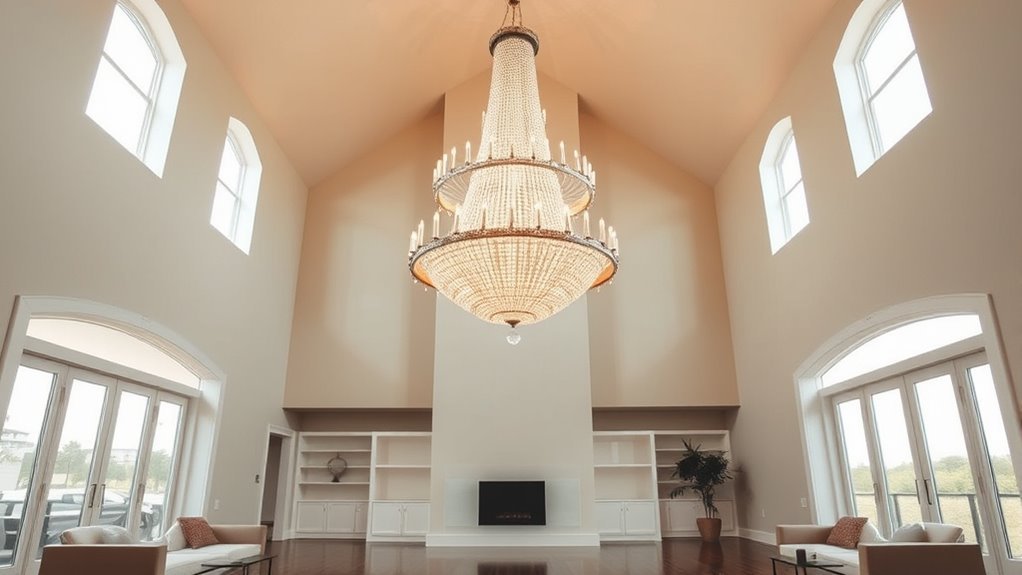
How Do You Make a Large Living Room With High Ceilings Feel Cozy?
A large living room with high ceilings feels cozier when the design connects the seating area to the upper part of the room. Start with full-length curtains, taller floor lamps, substantial artwork, bookcases, or other vertical elements rather than leaving every wall blank above sofa height.
Keep the lower half grounded at the same time. A large rug, substantial seating group, coffee table, and eye-level lamps give people a comfortable visual center. Then use taller pieces selectively to bridge the gap toward the ceiling. You do not need to decorate every high wall or suspend everything from above. A few appropriately scaled vertical elements are usually more effective than many small objects scattered across a large wall.
Personalize Your Space With Meaningful Decor
Once the layout works, use meaningful decor to make the room feel lived in rather than staged. Personal objects are most effective after the major furniture, rugs, lighting, and circulation are settled.
Use collections such as travel souvenirs, ceramics, books, family heirlooms, or framed photographs in deliberate groups instead of spreading tiny pieces across every surface. A gallery wall can warm a large blank area when the frames form one clear composition rather than several unrelated clusters.
A well-organized bookshelf can also make a large room feel settled. Mix books with sculptural objects, small framed art, baskets, and some negative space. Repeat a few sentimental colors or materials around the room so the personal elements connect rather than compete.
Add Greenery for a Vibrant Atmosphere
Greenery brings life, shape, and vertical interest to a large living room, but the plant should match the light available in its actual position. University of Minnesota Extension lists snake plant, pothos, and ZZ plant among plants that can suit lower-light indoor locations.
- Lower-light locations: Consider low-light-tolerant plants such as snake plant, pothos, or ZZ plant, then monitor how the plant responds in that specific spot.
- Brighter locations: Match the species to the window exposure and light level rather than choosing a plant only because it fills the right amount of space.
- Tabletop accents: Keep smaller plants where they receive suitable light without blocking sightlines or crowding surfaces used for drinks, books, or lamps.
See the University of Minnesota Extension guide to lighting for indoor plants for plant-light categories. Nordic Design Blog also has a dedicated guide to arranging indoor plants for better living room light.
Warning: Plants can make a room feel fresher, but do not rely on them as an air-cleaning strategy. The EPA says a reasonable number of houseplants has not been shown to remove significant pollutants in homes and offices. For indoor air quality, focus on source control, ventilation, and filtration.
Avoid overwatering as well. The EPA notes that overly damp plant soil may promote microorganisms that can affect people with allergies.
Select Harmonious Colors for a Cohesive Look
A harmonious color palette helps separate zones feel like parts of the same room. Start with a grounding base, add one or two deeper tones, and repeat the main colors or materials in more than one part of the room.
| Color Type | Example Shades | How to Use It |
|---|---|---|
| Neutral Base | Beige, taupe, warm white, greige | Use on walls, large rugs, sofas, or curtains |
| Depth Shades | Charcoal, olive, chocolate, deep blue | Use on chairs, pillows, cabinets, art, or accent walls |
| Accent Colors | Soft blue, rust, terracotta, warm green | Use selectively in pillows, throws, ceramics, and artwork |
| Natural Textures | Linen, wool, wood, rattan, stone | Use to add warmth without making the palette visually busy |
Repeat a few important colors or materials across the main zones instead of introducing a new palette in every corner. If you need a starting point, see these relaxing living room color scheme ideas.
What Lighting Types Are Best for a Cozy Living Room?
The best lighting for a cozy living room is layered lighting: general light for the room, task light beside activities, and smaller accent sources that create depth. A large room usually needs several fixtures because one overhead source cannot serve every seat and corner equally well.
- Table lamps: Best for end tables, consoles, and reading corners. They create light close to seated eye level.
- Floor lamps: Best for corners, chair groupings, and spaces without side tables.
- Sconces: Useful around fireplaces, bookshelves, art walls, and narrow areas where floor lamps would consume useful space.
- Accent lights: Useful for art, plants, shelves, and architectural features.
- Dimmers and smart controls: Useful for changing brightness as the room shifts from daytime activity to evening relaxation.
For relaxing zones, warmer-looking bulbs around 2700K to 3000K are a common choice. Task areas can use more brightness where needed without making the entire room equally bright.
Recommended Products

Multi-Function Dimmable Lamp: Vertical lamp includes an 12W dimmable LED bulbs that can be set to different color temperatures (3000K-6500K). 5%-100% dimmable brightness can be used to create different atmospheres and customize your favorite bedroom floor lamp.

2026 Upgrade: We always put users first and noticed customers expect greater durability and stability from their floor lamps. In February, we upgraded our materials to include high-quality LED bulbs and a full metal body, earning ETL certification. Our lamp is built to be more stable and durable, eliminating issues like sudden shut-offs and unsteady stands. Enjoy superior quality for a more convenient and comfortable life.

[DIMMABLE FLOOR LAMP FOR BRIGHTNESS & COLOR] This tall lamp can use the remote control to adjust the brightness by stepless from 10% to 100% and color temperature from 3000K to 6000K, for warm white, natural white, and cool white light. You can adjust the brightness from super soft and cozy to bright and energizing, and switch between warm, natural, and cool light depending on your mood.
Frequently Asked Questions
What is the 2/3 rule for living rooms?
The 2/3 rule is a flexible proportion guideline rather than a design standard. One common use is choosing a coffee table about two-thirds the length of the sofa. Treat it as a starting point, then adjust for traffic flow, seat depth, table shape, and how the room is actually used.
How do you make a large living room feel cozy?
Make a large living room feel cozy by pulling furniture away from the walls, tightening the main conversation area, anchoring it with a large rug, and layering warm light from several locations. Add curtains, upholstery, pillows, throws, books, art, and appropriately scaled decor after the layout works.
What is the 3-5-7 rule of decorating?
The 3-5-7 idea is an informal styling approach that uses odd-numbered groupings to avoid rigid-looking arrangements. You might group three objects on a table or use an odd number of pieces in a display, but there is no requirement to use exactly three, five, or seven. Scale, spacing, height, and negative space matter more than following the numbers mechanically.
What is the 70-20-10 rule in decorating?
The 70-20-10 rule is one optional color-balancing formula: roughly 70% dominant color, 20% secondary color, and 10% accent. It is a guideline, not a requirement. The better-known 60-30-10 variation serves a similar purpose, so use whichever proportion fits your palette and room.
Should all living room furniture sit on the rug?
Not necessarily. At minimum, placing the front legs of the main sofa and chairs on the rug helps connect the seating group. In a spacious living room, a larger rug that fits all major furniture legs can create an even stronger visual anchor.
How do you make a big living room feel less empty?
Start with layout rather than extra decor. Pull the main seating group inward, use a large rug to anchor it, and give genuinely unused areas a purpose such as reading, conversation, media, or games. Then add larger-scale art, full-length curtains, floor lamps, bookcases, and a few tall accents where the room still lacks visual weight.
What size rug works best in a large living room?
Choose the rug from the furniture arrangement rather than the room label alone. The rug should usually reach at least under the front legs of the main sofa and chairs. If the room is large enough, a rug that holds all major furniture legs can make the seating group feel even more unified. Measure the complete conversation area before buying.
How do you make a large living room with high ceilings feel cozy?
Ground the seating area first with a substantial rug, furniture grouping, and eye-level lamps. Then connect the lower room to the ceiling with a few vertical elements such as full-height curtains, tall floor lamps, bookcases, substantial artwork, or tall plants. Avoid scattering many small objects across high walls.
Conclusion
Start with the layout before buying more decor. Measure the room, pull the main seating group inward, keep comfortable circulation around it, and choose a rug large enough to visually connect the furniture. If the room is still too open, create a second purposeful zone rather than filling random corners.
After the layout works, layer lighting, curtains, upholstery, art, books, color, and plants. Those finishing pieces will make a spacious living room feel warmer without sacrificing the open space that makes the room special.
Sources
- ENERGY STAR — Downlights Key Product Criteria — supports the relationship between lower color temperatures such as 2700K–3000K and warmer-looking light.
- Better Homes & Gardens — How to Arrange Furniture — supports practical living-room circulation and sofa-to-coffee-table spacing guidance.
- University of Minnesota Extension — Lighting for Indoor Plants — supports low-light plant examples and matching indoor plants to available light.
- U.S. Environmental Protection Agency — Improving Indoor Air Quality — supports source control, ventilation, filtration, houseplant limitations, and overwatering cautions.
- U.S. Environmental Protection Agency — Guide to Air Cleaners in the Home — supports the broader indoor-air filtration context and limitations.