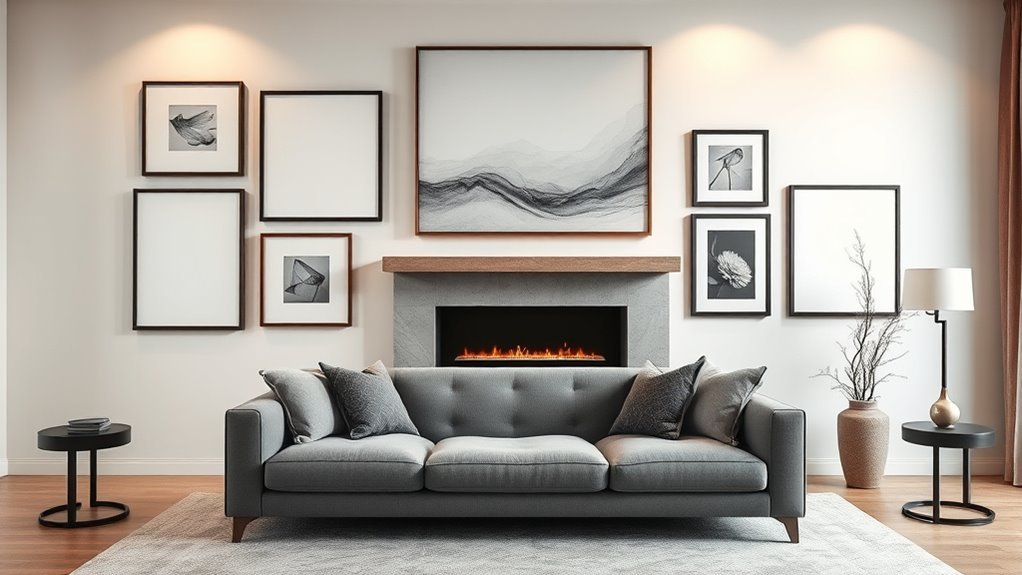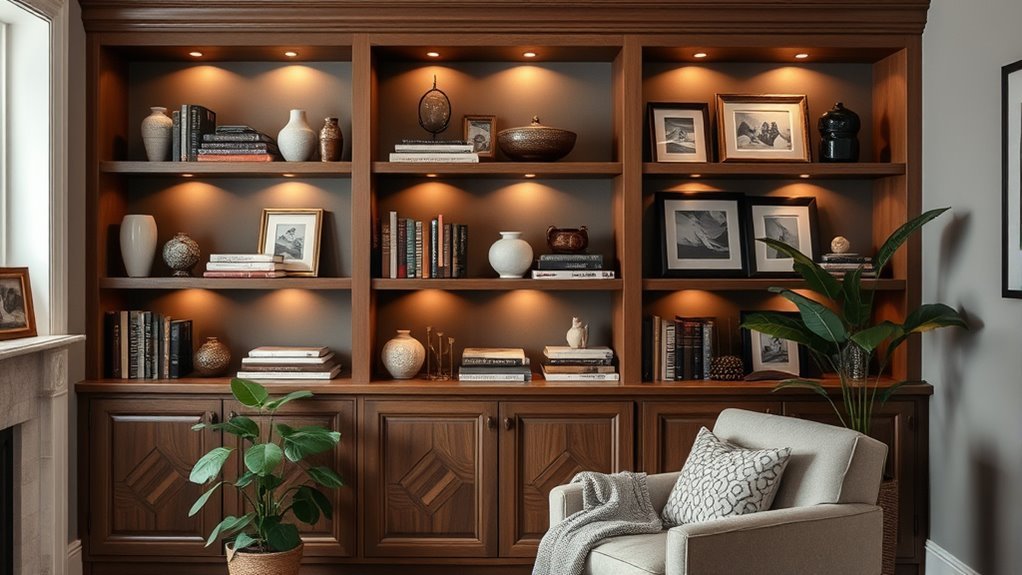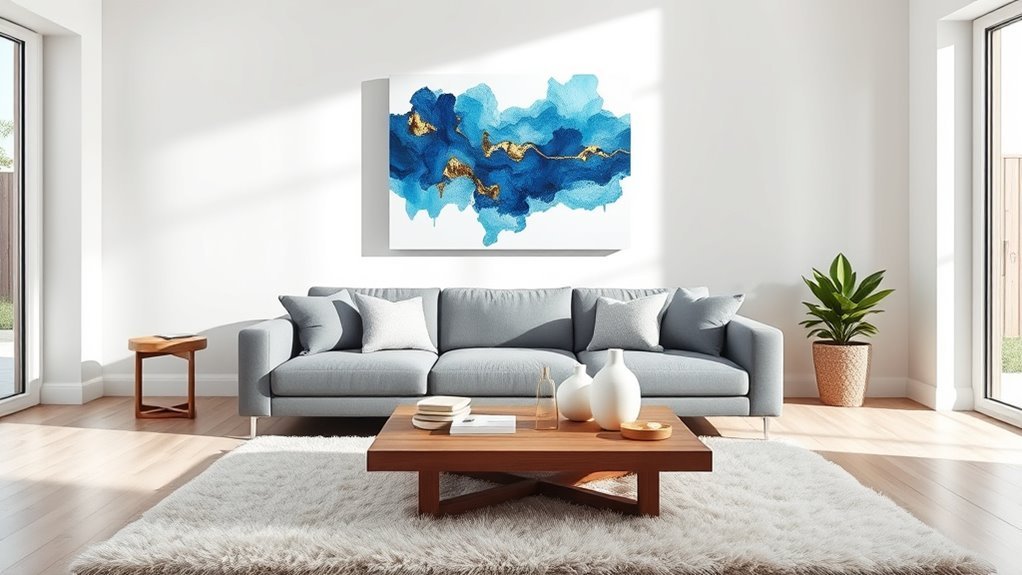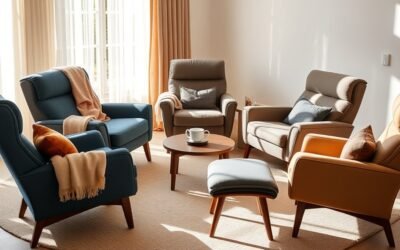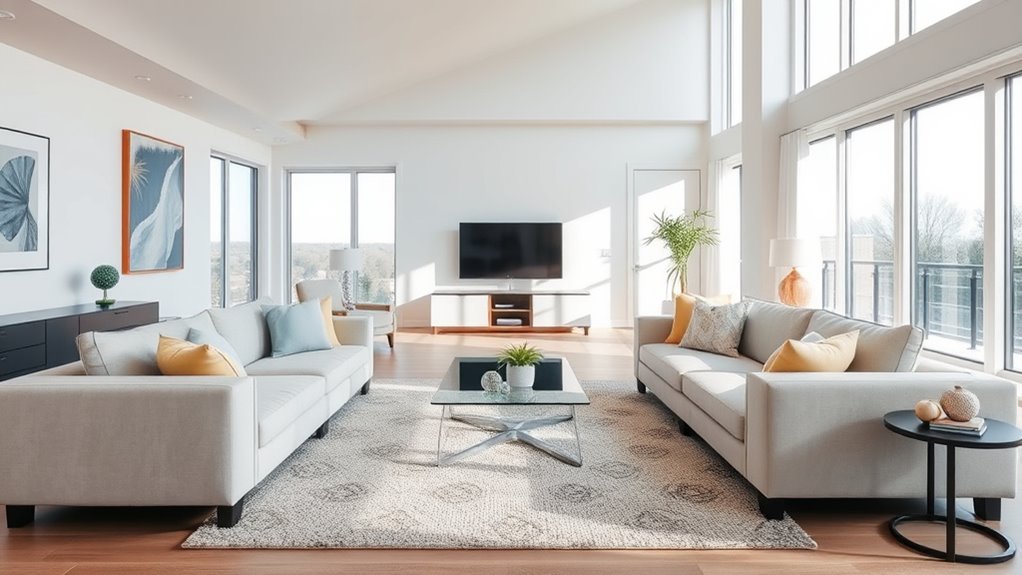
When you are planning a living room, the most useful number is not one “perfect” size. It is the amount of clear, comfortable space left after your sofa, tables, TV area, storage, door swings, and walkways are all accounted for. A commonly cited living room reference size is about 12 by 18 feet, or 216 square feet, but compact rooms, open-plan spaces, and large family rooms can work beautifully when the layout is scaled to the room.
Quick Answer
A standard living room is often around 12 by 18 feet, or 216 square feet, but there is no single required size. Small living rooms may be closer to 10 by 12 feet, while medium and large rooms often range from 250 to 400+ square feet. The best size depends on seating, traffic flow, and how the room is used.
Key Takeaways
- A 12×18-foot living room is a useful average-size reference, but compact and large rooms need different furniture plans.
- Keep coffee tables about 14-20 inches from seating, with 16-18 inches working well in many rooms.
- Plan at least 30 inches for ordinary walking paths and aim for 36 inches or more on main routes when accessibility or easy movement matters.
- Choose furniture by scale first: oversized sofas, tiny rugs, and blocked walkways make even large rooms feel uncomfortable.
- Use rugs, lighting, and furniture placement to create zones for conversation, TV watching, reading, or working.
Understanding Standard Living Room Sizes: What You Need to Know
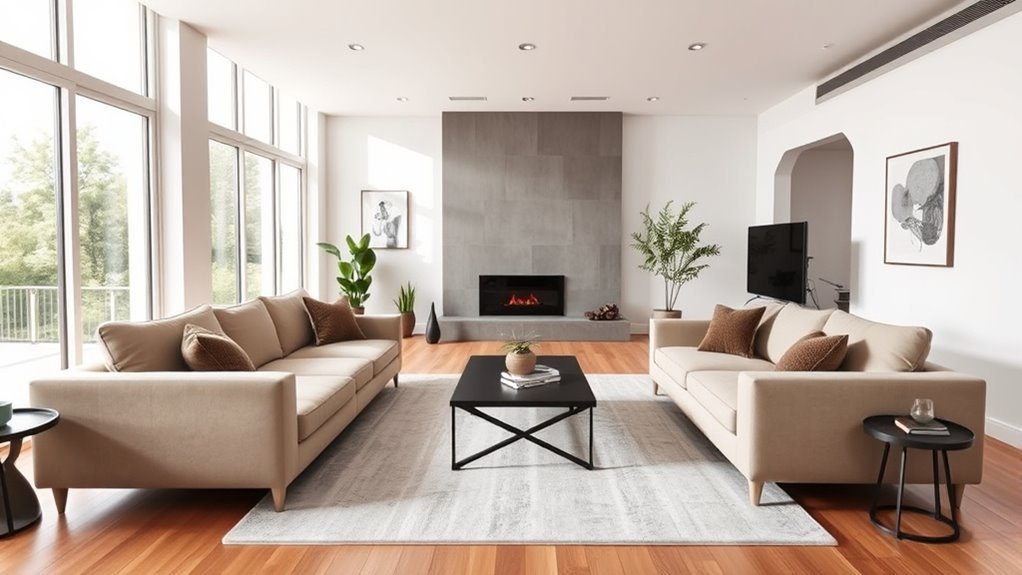
When people talk about standard living room dimensions, they usually mean common planning ranges rather than a strict rule. A room that feels comfortable in one home may feel crowded in another because ceiling height, door placement, windows, built-ins, and open-plan connections all affect how the space works.
Use the table below as a starting point before choosing sofas, chairs, rugs, and media furniture.
| Living Room Type | Common Dimensions | Approx. Square Feet | Best For |
|---|---|---|---|
| Compact | 10×12 ft | 120 sq ft | Apartments, small homes, reading or TV rooms |
| Small | 130-154 sq ft | Two to four seats with careful furniture choices | |
| Average reference size | 12×18 ft | 216 sq ft | A sofa, two chairs, coffee table, TV, and clear circulation |
| Medium | 14×18 ft to 16×20 ft | 252-320 sq ft | Larger seating groups, family use, entertaining |
| Large or open-plan | 18×20 ft and larger | 360+ sq ft | Multiple zones, sectional seating, game tables, or combined living/dining layouts |
The right size is the one that lets people sit, talk, watch TV, pass through the room, open doors, and use tables without squeezing around furniture.
Finding Your Ideal Living Room Size
Choosing the right size for your living room starts with how you live, not just the tape measure. A formal sitting room for two chairs can be compact, while a family room for movie nights, kids, pets, and guests needs more breathing room.
Before buying furniture, measure the room in this order:
- Measure the full length and width of the room.
- Mark doors, windows, fireplace openings, built-ins, radiators, vents, and outlets.
- Note door swings and cabinet clearances so furniture does not block them.
- Choose the main function: conversation, TV watching, entertaining, reading, play, work, or mixed use.
- Sketch the main walkway before placing the sofa. If the path is wrong, the room will feel crowded even with beautiful furniture.
Note: Room-size averages are planning references, not building-code requirements. For remodels, basements, low ceilings, accessible homes, or unusual layouts, check local code and leave extra clearance where people need to turn, pass, or use mobility devices.
As a general guide, a compact living room works best with a loveseat or apartment-size sofa, one accent chair, a smaller coffee table, and wall-mounted or narrow storage. A medium room can usually handle a standard sofa, two chairs, a coffee table, side tables, and a media console. A large room often needs multiple zones so the furniture does not feel stranded around the edges.
Essential Furniture Sizes for Your Living Room Layout
To create a balanced living room layout, focus on scale and clearance. The sofa may be the largest piece, but the room only works when tables, walkways, rugs, chairs, and the TV area all relate to one another.
| Furniture or Clearance | Recommended Size or Spacing | Why It Matters |
|---|---|---|
| Sofa | 72-96 inches long for many standard rooms | Large enough to anchor the room without overwhelming walkways |
| Sofa depth | About 36-40 inches for many full-size sofas | Deeper sofas need more room and can crowd small layouts |
| Seat height | About 17-19 inches | Comfortable for most adults and easy to pair with tables |
| Coffee table distance | 14-20 inches from sofa or chairs | Close enough to reach, far enough for knees and movement |
| Coffee table length | About one-half to two-thirds the sofa length | Keeps the table proportional instead of tiny or bulky |
| Side tables | Near arm height, usually within a few inches of the sofa arm | Makes lamps, drinks, and books easy to reach |
| Main walkways | 30-36 inches; 36+ inches where accessibility matters | Prevents the room from feeling blocked or difficult to navigate |
| TV stand or media console | Often 24-30 inches high, adjusted to screen height | Helps keep the screen near comfortable eye level |
| TV viewing distance | Start around 1.5-2.5 times the screen diagonal for many modern TVs | Balances immersion, comfort, and room size |
Pro Tip: Before ordering a sofa, tape its full footprint on the floor, including depth. Then tape the coffee table and main walkway. If you have to step sideways through the room, the furniture is too large or the layout needs to shift.
Recommended Products

👍𝗦𝗧𝗬𝗟𝗜𝗦𝗛 & 𝗦𝗔𝗙𝗘 𝗥𝗢𝗨𝗡𝗗𝗘𝗗 𝗗𝗘𝗦𝗜𝗚𝗡 — Prioritizing safety and style, this small round end table features smooth, rounded edges to prevent injuries, particularly in homes with children or elderly family members. Its contemporary aesthetic complements any living space while offering peace of mind.

FLUTED DESIGN: The fluted pattern on the surface of the coffee table is a perfect interpretation of modern craftsmanship, adding some three-dimensional and flowing feeling to our home space. Choosing our product can elevate your taste to a new level and make your friends amazed!

【Efficient Space Utilization】The end tables living room has a compact design and quick-folding storage to maximize the use of small spaces. Crafted with a solid metal frame and durable wood, this small table offers stability for everyday use
Layout Examples by Room Size
Different living room dimensions call for different furniture strategies. Use these examples as a practical starting point.
Recommended Products

【SMALL MODERN LOVESEATS】The smooth and simple lines of the sofa combined with the black iron legs make the sofa modern and minimalist. This inexpensive small double sofa is the perfect choice for your temporary furniture change, available in four colors and four options for small apartment configurations, living room, office, dormitory, and bedroom furniture

【Perfect Small Modern Loveseats for Small Spaces】 Our 74 " compact loveseats sofas small spaces are designed to maximize both style and comfort in compact areas. Ideal for living rooms, bedrooms, home offices, or apartments, this stylish piece elevates your space without overcrowding it. Our tiny settee couches for small spaces also adapts to any home style, whether modern, simple, or traditional, and creates a warm small space.

[COMPACT DESIGN FOR SMALL SPACES] The SoarTalent 69-inch two-seater sofa optimizes your floor space without sacrificing seating efficiency. Featuring a 57-inch inner seat width, this upholstered loveseat provides a spacious, unconstrained seating area for two adults, making it an ideal choice for compact apartments, studios, dorms, or cozy offices.
10×12 Living Room Layout
A 10×12 living room can work well, but it needs restraint. Choose a loveseat or apartment sofa, one slim accent chair, a small round or oval coffee table, and a wall-mounted TV or narrow media console. Keep the rug large enough to connect the seating, but avoid oversized sectionals that block the natural path through the room.
12×18 Living Room Layout
A 12×18 room is one of the most flexible living room sizes. You can usually fit a standard sofa, two accent chairs, a coffee table, side tables, and a TV or fireplace focal point. Place the sofa first, then build the conversation area around it. If the room is long and narrow, avoid pushing every piece against the wall; pull seating inward when there is enough walkway space.
15×20 Living Room Layout
A 15×20 living room can support a larger seating group, sectional, or two sofas. This size also works well for a split layout: one zone for conversation and one zone for reading, music, games, or a small desk. Use an area rug to anchor each zone so the space feels intentional instead of empty.
20×20 Living Room Layout
A 20×20 living room is large, not small. The challenge is usually connection, not space. Avoid lining furniture around the walls with a huge empty center. Instead, create one main seating group, then add a secondary zone such as a pair of chairs by a window, a game table, or a reading corner with a floor lamp.
How to Create Zones in Your Living Room for Multi-Functional Use
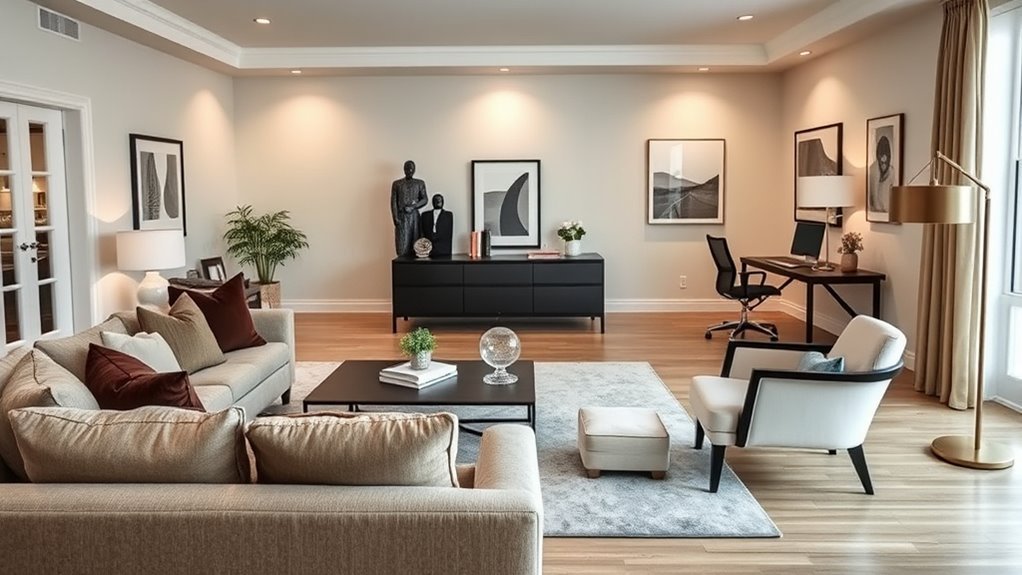
Creating distinct zones helps a living room support more than one activity without feeling cluttered. This is especially helpful in open-plan homes, family rooms, studio apartments, and large square rooms.
The best living room layout is not the one with the most furniture. It is the one with the clearest purpose, comfortable seating, and easy movement between zones.
- Use area rugs to visually define zones, such as a conversation area, reading nook, or TV area.
- Keep the main walkway open before adding accent furniture.
- Float furniture away from the walls when the room is large enough to support it.
- Use floor lamps, table lamps, and sconces to give each zone its own lighting.
- Choose multi-functional furniture, such as storage ottomans, nesting tables, and benches with hidden storage.
- Keep natural light paths open by avoiding tall, bulky furniture directly in front of windows.
Recommended Products

【Easy-Care Machine Washable Rug】 Designed for active households, this low-maintenance boho rug combines style with practicality. Conveniently machine washable (cold gentle cycle recommended), and do not add bleach. Maintain its vibrant print between washes with routine vacuuming or spot cleaning. Minor shipping creases naturally relax within days when laid flat – no extra effort needed.

Soft & Durable: This 8x10 area rug low-pile combines soft faux wool fibers with a 0.25-inch height for comfort. Tight weaving reduces shedding and edge fraying, making it perfect for high-traffic areas like living rooms, bedrooms, and entryways

PET FRIENDLY & NON-SLIP BACKING-9x12 area rugs featuring simple of colors while promising a luxurious feel underfoot. The blend of a hexagon pattern and a stylish design. Non-slip TPR backing makes the covering for bringing your space together. Make the most of your time at home with our pet-friendly and easy-to-clean area rugs. Elevate the floors of your home with this show-stopping and detailed rug
Avoid These Common Living Room Design Mistakes
Even a well-sized living room can feel awkward if the layout ignores scale, flow, and function. Watch for these common mistakes:
- Buying furniture before measuring. Always measure the room, entry doors, stairs, and elevator access before ordering large pieces.
- Choosing an oversized sofa. A sofa that blocks walkways, windows, or door swings will make the room feel smaller.
- Using a rug that is too small. At minimum, the front legs of the main seating pieces should connect to the rug in most layouts.
- Pushing every piece against the wall. In larger rooms, this can make conversation feel disconnected.
- Leaving too little space around the coffee table. Aim for 14-20 inches between seating and the table.
- Making the TV the only focal point. Balance TV viewing with conversation, lighting, and a comfortable seating shape.
- Overdecorating the focal point. A fireplace, media wall, or view needs breathing room. Too many small accessories can look busy.
Warning: Do not reduce main walkways just to fit one more chair or table. Tight pathways are one of the fastest ways to make a living room feel cramped, and they can be especially frustrating for children, older adults, guests, and anyone using mobility aids.
How Ceiling Height Affects Your Living Room Perception
Ceiling height changes how living room dimensions feel. A 12×18 room with an 8-foot ceiling may feel cozy and grounded, while the same footprint with a 10-foot ceiling can feel brighter and more open. The key is to match furniture, lighting, and wall decor to the vertical scale of the room.
Standard Ceiling Heights Impact
Many living rooms use 8- to 9-foot ceilings, which work well for standard sofas, low bookcases, table lamps, and medium-size art. In these rooms, avoid furniture that is so tall and heavy that it compresses the space. Use curtains hung close to the ceiling, vertical art, and layered lighting to make the room feel taller.
Perception of Spaciousness Enhanced
Higher ceilings can make a living room feel larger because they add visual volume. Tall bookshelves, large-scale art, statement lighting, and full-height curtains can help the room feel intentional rather than empty. If the ceiling is high but the furniture is very low or tiny, the room may feel unfinished.
Furniture Proportions Matter Most
Furniture proportions should match both the floor area and the ceiling height. In a low-ceiling room, choose cleaner silhouettes, lower visual clutter, and lighter-looking pieces. In a high-ceiling room, use taller lamps, larger art, and substantial rugs to balance the scale.
Using Technology to Optimize Your Living Room Layout
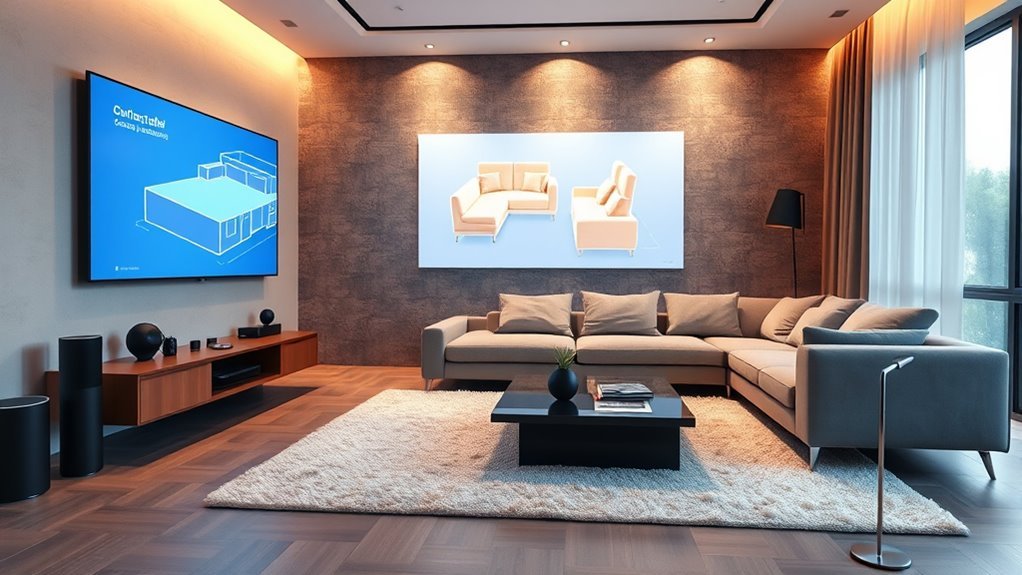
Technology can make living room planning easier because it lets you test furniture before moving heavy pieces or buying anything new. Online room planners, 3D modeling tools, and augmented reality apps can help you visualize sofa size, rug placement, traffic paths, and TV distance inside your actual square footage.
For best results, enter the exact room dimensions, then add fixed features such as doors, windows, fireplaces, built-ins, outlets, and radiators. After that, place the sofa, main walkway, coffee table, and TV area. Once the large pieces work, add accent chairs, lamps, storage, and decor.
Frequently Asked Questions
What is the 2/3 rule for living rooms?
The 2/3 rule is a proportion guideline, not a building rule. It is often used to size a coffee table at about two-thirds the length of the sofa, or to keep a room visually balanced by leaving enough open floor space around the main furniture group. Use it as a scale check, not a strict formula.
Is a 20×20 living room small?
No. A 20×20 living room is about 400 square feet, which is large for a living room. The best approach is usually to create zones instead of pushing all furniture against the walls. Try a main conversation area plus a reading corner, game table, or secondary seating area.
Is 250 sq ft a big living room?
A 250 sq ft living room is usually medium-sized and comfortable for many homes. It can often fit a standard sofa, two chairs, a coffee table, side tables, and a TV or fireplace focal point while still leaving room for circulation.
Is 10×12 too small for a living room?
A 10×12 living room is small, but it is not too small to be useful. Choose an apartment-size sofa or loveseat, one accent chair, a compact coffee table, and vertical storage. Keep the color palette simple and protect the main walkway from the entry to the seating area.
How much space should be between a sofa and coffee table?
Aim for about 14-20 inches between the sofa and coffee table. In many rooms, 16-18 inches is the sweet spot because it leaves space for knees and movement while keeping drinks, remotes, and books within easy reach.
How wide should living room walkways be?
For everyday comfort, leave at least 30 inches for secondary paths and 36 inches or more for main walkways when possible. Wider paths are especially helpful for accessibility, strollers, pets, and busy family rooms.
Conclusion
The best living room dimensions are the ones that support the way you actually use the space. A 12×18-foot room is a helpful average-size reference, but small, medium, and large living rooms can all feel comfortable when the furniture is scaled correctly. Start with accurate measurements, protect the walkways, keep the coffee table within reach, and build zones around real activities. With the right spacing, your living room can feel open, functional, and welcoming at any size.
Sources
- U.S. Census Bureau — Characteristics of New Housing — whole-home square-footage context for U.S. new residential construction.
- U.S. Access Board — ADA Guide to Accessible Routes — accessible-route clear-width guidance.
- Better Homes & Gardens — Furniture Arranging Guide — practical furniture spacing and living room clearance guidance.
- Homes & Gardens — Living Room Layout Guide — designer-backed layout spacing, traffic flow, and TV distance guidance.
- Schema.org — Article — structured data type used for the article schema.
- Schema.org — FAQPage — structured data type used for the FAQ schema.