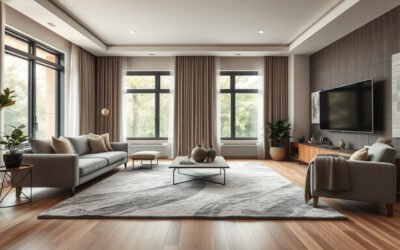
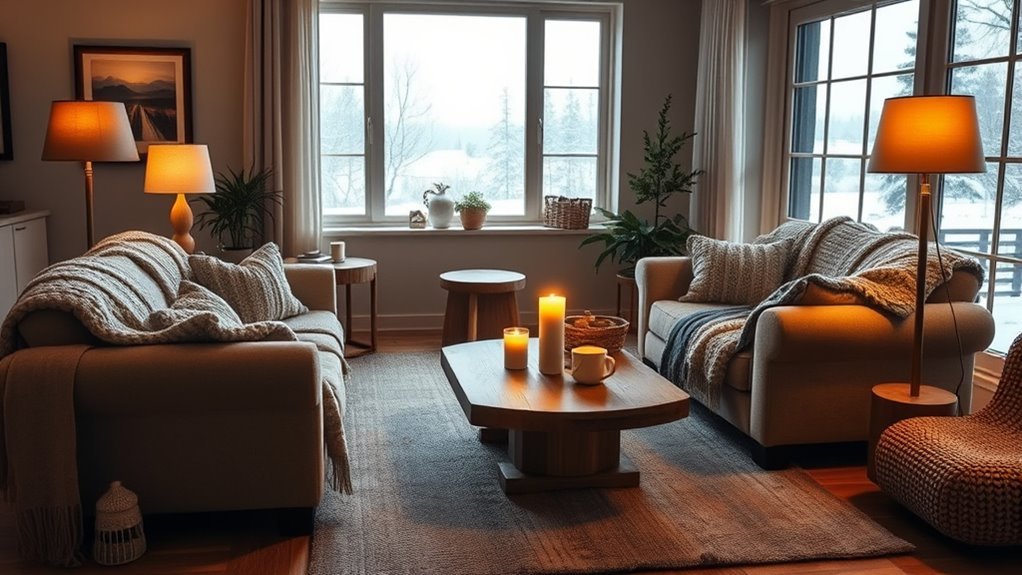
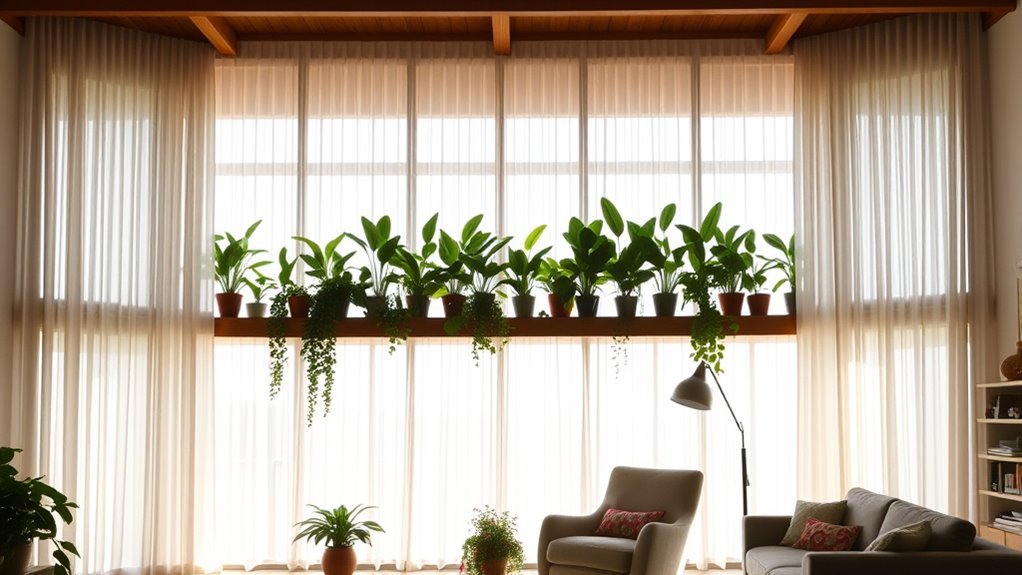
A statement piece in living room decor is the one bold, memorable element that gives the room a clear point of focus. It might be a sculptural coffee table, a colorful sofa, oversized artwork, a dramatic chandelier, a vintage cabinet, or even a richly textured rug. The best statement pieces do more than look loud: they support the room’s layout, connect with your color palette, and reveal something about your taste.
Quick Answer
A statement piece in a living room is a standout item that naturally draws attention and helps set the room’s style. It works best when it creates a focal point, fits the room’s scale, leaves walkways clear, and is supported by simpler surrounding decor.
Key Takeaways
- A statement piece should create focus, not clutter; one strong focal point usually works better than several competing ones.
- Color is only one way to make a piece stand out. Scale, shape, texture, lighting, material, age, and personal meaning can be just as powerful.
- The right piece should fit the room’s proportions, support your existing palette, and leave comfortable circulation space.
- Heavy furniture, tall shelves, large mirrors, oversized art, and chandeliers should be installed or anchored safely.
At a Glance
| Time Required | 30 minutes to plan; 1–3 hours to style or install, depending on the item |
| Difficulty | Easy for styling; moderate for wall-mounted art, mirrors, shelving, or lighting |
| Tools Needed | Tape measure, painter’s tape, phone camera, level, stud finder, wall anchors or furniture restraints when needed |
| Cost | $0 if restyling what you own; $50–$2,000+ for new art, lighting, rugs, furniture, or vintage pieces |
What Is a Statement Piece in Living Room Decor?

In living room decor, a statement piece is the item your eye notices first and remembers afterward. Interior designers often connect this idea to emphasis, scale, proportion, and harmony: the piece should stand out, but it should still make sense with everything around it.
A statement piece is closely related to a focal point, but the two are not always identical. A focal point is where the room visually centers itself, such as a fireplace, window wall, media wall, or large piece of art. A statement piece is the object or design feature that brings personality to that focal area. A bold sofa can become both. A sculptural lamp beside a neutral sofa may be a statement piece without becoming the room’s main focal point.
The key is intention. A successful statement piece feels chosen, not accidental. It may contrast with the room through color or scale, or it may harmonize through repeated materials, shapes, or tones. Either way, it gives the living room a clearer story.
Essential Traits of Statement Pieces in Living Rooms
While almost any decor item can stand out, a true statement piece usually has at least one of these traits:
- Strong scale: It is larger, taller, wider, or visually heavier than nearby pieces, such as an oversized painting or generous sectional.
- Memorable color: It uses a bold hue, deep tone, or unexpected color pairing that wakes up the room.
- Distinct shape: It has curves, angles, sculptural lines, or an unusual silhouette.
- Texture or material contrast: Think boucle beside smooth leather, carved wood beside flat painted walls, or marble against soft textiles.
- Personal meaning: Vintage finds, collected art, heirlooms, travel pieces, and handmade objects often feel more original than trend-led buys.
- Functional impact: It does something useful while still looking special, such as a statement sofa, storage cabinet, coffee table, or floor lamp.
Note: A statement piece does not have to be bright or expensive. A quiet plaster fireplace, a black-framed mirror, a walnut media cabinet, or a cream boucle chair can make a statement through shape, texture, proportion, or contrast.
Recommended Products

𝐒𝐢𝐦𝐩𝐥𝐢𝐬𝐭𝐢𝐜, 𝐘𝐞𝐭 𝐄𝐥𝐞𝐠𝐚𝐧𝐭 𝐅𝐥𝐨𝐨𝐫 𝐋𝐚𝐦𝐩! - (Designed by EJIAXIN, Patent No. D1079101) With its lightly aged finish and candleholder design, this black floor lamp exudes enchanting elegance. Transform your space with our Farmhouse Floor Lamp, embodying beloved warmth and timeless charm

3 Color Temperature Bulb Included: Dimension of this floor lamp is 60” height, diameter and height of lampshade is 10.04” and 7.87”, diameter of base is 8.66”. Includes a 9W LED bulb which has 3 different color adjustable temperature setting: 3000K/5000K/4000K. You can easily change the color temperature to set the overall ambiance of the room.
Inspiring Statement Pieces to Enhance Your Living Room
When you want to elevate your living room’s aesthetic, choosing the right statement pieces can make all the difference. Here are strong options that add personality without making the room feel chaotic:
- Vibrant Statement Sofa: A tangerine, moss green, cobalt, rust, or deep berry sofa can become the room’s anchor. Keep surrounding pieces calmer so the color feels confident rather than noisy.
- Unique Coffee Table: Choose a sculptural base, reclaimed wood slab, marble top, travertine block, or vintage brass design that doubles as a conversation starter.
- Bold Chandelier: Statement lighting adds height, glow, and drama. For the best effect, combine it with lamps or sconces so the room has layered light instead of one harsh overhead source.
- Large-Scale Artwork: A large painting, textile wall hanging, framed photograph, or sculptural wall piece can define the palette for the whole room.
- Patterned Rug: A rug with strong color, geometric pattern, or handwoven texture can ground neutral furniture and make the seating area feel finished.
- Oversized Mirror: A large mirror with a distinctive frame can bounce light around the room and create a natural focal point above a console, mantel, or sofa.
- Vintage Cabinet or Bookshelf: A collected storage piece adds soul and function, especially in rooms that feel too new or flat.
The strongest living rooms usually have one clear “look here” moment, then quieter supporting pieces that help the eye rest.
Recommended Products

Height Adjustable Chandelier: The hanging height of this chandelier can be adjusted by changing the number of rods, maximum hanging height is 53.8 inches. This sputnik chandeliers also suitable for sloped ceiling

Modern Linear Elegance: Bring balance and beauty to your dining area with this sleek black and gold chandelier. The minimalist linear frame paired with candle-style lights creates a timeless modern look—perfect for making a sophisticated statement above a long dining table or kitchen island.

Widely Use:This ceiling light fixture could light up your room and widely to create a superior and classy atmosphere in your living room, dining room, farmhouse,kitchen ,bedroom, bathroom, foyer or any other place.
Choosing Your Ideal Statement Piece

Choosing the perfect statement piece for your living room starts with the room you already have. Before buying anything, stand at the main entrance to the space and notice where your eye naturally lands. That sightline is often the best place for your strongest design moment.
Recommended Products

CREATE YOUR OWN LAYOUT – Four individual ginkgo panels give you more freedom to decorate your space. Arrange them in a row, pair them together, adjust the spacing, or create your own layout above a sofa, bed, console table, or along a hallway. Unlike one fixed wall piece, the flexible 4-piece design makes it easier to adapt the display to different wall sizes and decorating styles.

High definition modern sea beach canvas prints artwork is stretched for home decorations wall decor.

【Large Woven Tapestry】The large size 39"X29.5"(100X75cm) is a great fit for your wall, great size to place at any place of your house. The package includes 3 splicing wooden rods, which can be easily assembled into a large macrame wall hanging or also divided into two small wall decorations.
1. Decide What Should Be the Star
Pick one main focus: the sofa, fireplace, artwork, chandelier, rug, media wall, or a special furniture piece. If every item tries to be bold, the room can feel busy instead of curated. Designers often describe this as creating visual hierarchy: one dominant moment, a few supporting accents, and enough quiet space between them.
2. Check Scale and Proportion
A statement piece should feel important without overpowering the room. Use painter’s tape to mark the size of artwork, mirrors, rugs, or furniture on the wall or floor before you buy. In a small living room, one bold item with clean lines is usually better than several oversized pieces. In a large room, a tiny accent chair or small print may disappear unless you group it with lighting, side tables, or a larger wall treatment.
3. Match the Mood, Not Every Detail
Your statement piece does not need to match everything. It should connect through at least one shared element: a color from the rug, a wood tone from the floor, a metal finish from the lighting, or a shape repeated elsewhere in the room. This keeps the look intentional while still giving you contrast.
4. Consider Function
The most livable statement pieces are beautiful and useful. A bold sofa should still be comfortable. A dramatic coffee table should still leave space for movement. A chandelier should suit the ceiling height. A cabinet should store what you actually need to hide.
5. Choose Something You Will Still Like Later
Trendy pieces can be fun, but the best statement piece has staying power. Ask yourself: Would I still like this if the room were repainted? Does it fit my real lifestyle? Is it durable enough for kids, pets, guests, or daily lounging? Does it feel personal rather than copied?
Pro Tip: Take a photo of your living room in black and white before you buy. If the room already has many dark, heavy shapes, choose a lighter or more open statement piece. If everything looks flat, add stronger contrast, height, or texture.
Arranging and Showcasing Your Statement Piece
Once you’ve selected your ideal statement piece, the next step is to arrange and showcase it effectively in your living room. Here’s how to do it right:
- Place it on a natural sightline. Use the wall across from the entry, the area above the mantel, the center of the seating group, or the main wall behind the sofa.
- Give it breathing room. Leave negative space around large art, sculptural furniture, or bold lighting so the piece can be seen clearly.
- Repeat one detail elsewhere. Pull one color, shape, texture, or finish from the statement piece into pillows, books, lamps, or a small accessory.
- Use lighting to frame it. Picture lights, floor lamps, sconces, or dimmable lamps can highlight art, shelving, texture, or a special chair. Layered lighting is especially useful because a single overhead fixture rarely flatters every corner.
- Keep walkways open. Avoid placing bold furniture where people need to move through the room. As a practical accessibility reference, the 2010 ADA Standards use 36 inches as the minimum clear width for accessible walking surfaces in public and commercial settings, which is a helpful reminder to preserve comfortable circulation at home when possible.
Warning: Anchor tall cabinets, bookcases, shelving, and heavy mirrors or art to the wall, especially in homes with children or pets. Follow the item’s installation instructions, use hardware rated for the weight, and use a licensed electrician for hardwired statement lighting. The U.S. Consumer Product Safety Commission’s Anchor It! campaign recommends securing furniture with drawers, doors, and shelves to help prevent tip-over injuries.
Common Statement Piece Mistakes to Avoid
- Choosing only for shock value: A bold piece should still suit the room and the people who use it.
- Ignoring scale: Too small can look accidental; too large can block flow, windows, or conversation.
- Using too many focal points: A dramatic sofa, bold rug, oversized art, patterned curtains, and a sculptural chandelier can compete if they all demand equal attention.
- Forgetting comfort: A beautiful chair that no one wants to sit in will not improve the room.
- Skipping lighting: Even the best art, texture, or furniture can fall flat in poor light.
- Buying before measuring: Always check width, depth, height, doorway clearance, and delivery path before purchasing large furniture.
Frequently Asked Questions
What is a statement piece in interior design?
A statement piece is a standout object, finish, or furniture item that creates visual focus in a room. It might be bold because of its color, size, shape, texture, material, craftsmanship, age, or personal meaning.
What is the difference between a statement piece and a focal point?
A focal point is the area your eye goes to first, such as a fireplace, window, or main wall. A statement piece is the item that adds impact or personality. Sometimes one item, like a bold sofa or large artwork, can be both.
What makes a statement piece effective?
An effective statement piece is noticeable, well-scaled, useful, and connected to the rest of the room. It should create contrast or emphasis without making the space feel crowded or confusing.
How do I choose a statement piece for a small living room?
Choose one bold piece with a clear purpose, such as artwork, a compact accent chair, a distinctive coffee table, or a colorful rug. Avoid bulky pieces that block walkways, and use mirrors, raised legs, glass, or open frames to keep the room feeling lighter.
Can a neutral item be a statement piece?
Yes. A neutral piece can make a strong statement through scale, silhouette, texture, craftsmanship, or placement. A carved wood cabinet, oversized cream artwork, black marble table, or sculptural white lamp can stand out without bright color.
How many statement pieces should a living room have?
Most living rooms work best with one main statement piece and one or two quieter supporting accents. If several pieces are bold, connect them through color, material, or shape so they feel intentional instead of competitive.
Conclusion
In your living room, a statement piece is the design choice that gives the space focus, personality, and a sense of intention. Whether it’s a bold art piece, a unique furniture item, a sculptural rug, or an eye-catching light fixture, the best option balances impact with proportion, comfort, safety, and harmony. Let one piece lead, keep the supporting decor thoughtful, and your living room will feel expressive without feeling overdone.
Sources
- Homes & Gardens: The Key Principles That Define a Well-Designed Home — supports the use of emphasis, scale, proportion, balance, and harmony in interiors.
- Livingetc: Emphasis in Interior Design — supports focal points, visual hierarchy, and avoiding too many competing statement moments.
- Architectural Digest: Mood Lighting 101 — supports layered lighting and using lighting to highlight art, collections, and design features.
- Anchor It! by the U.S. Consumer Product Safety Commission — supports anchoring tall or heavy furniture to help prevent tip-over injuries.
- ADA.gov: 2010 ADA Standards for Accessible Design — supports clear-width guidance used as a practical reference for keeping walkways open.