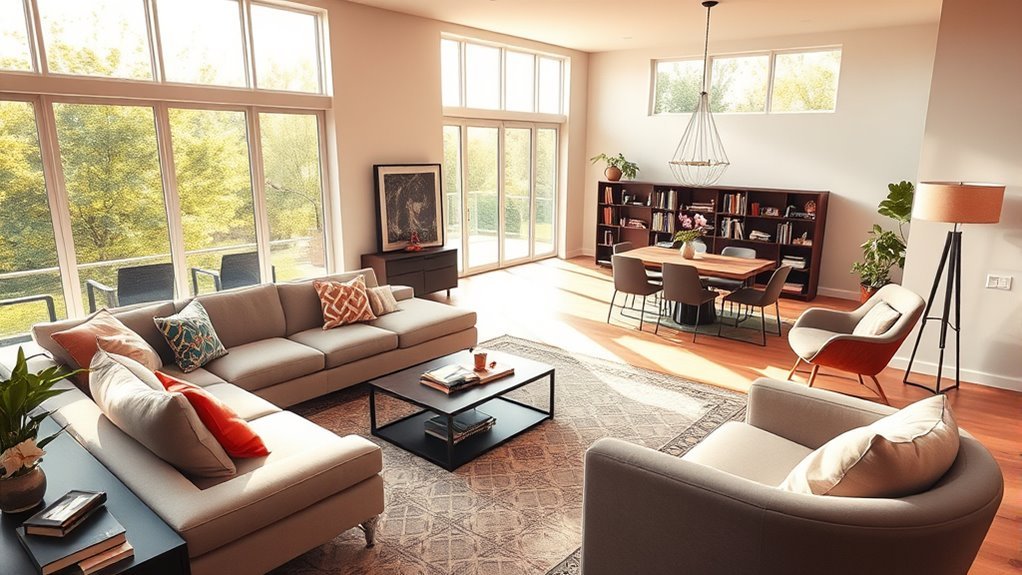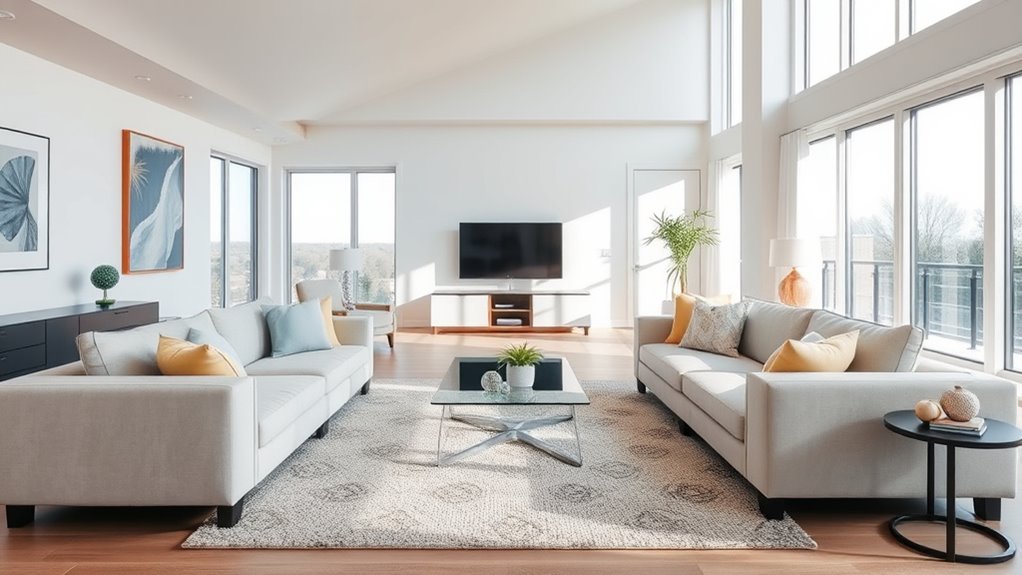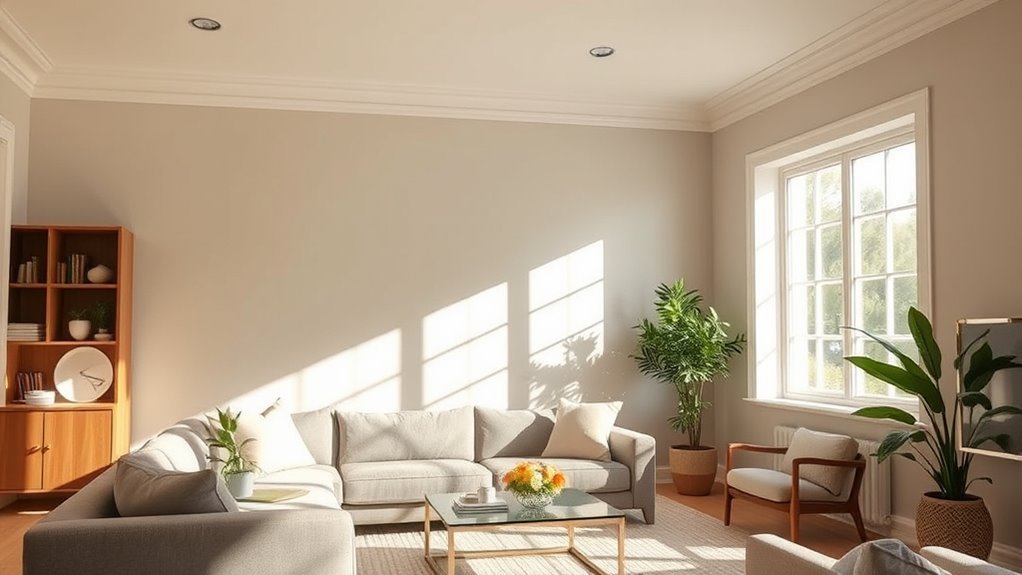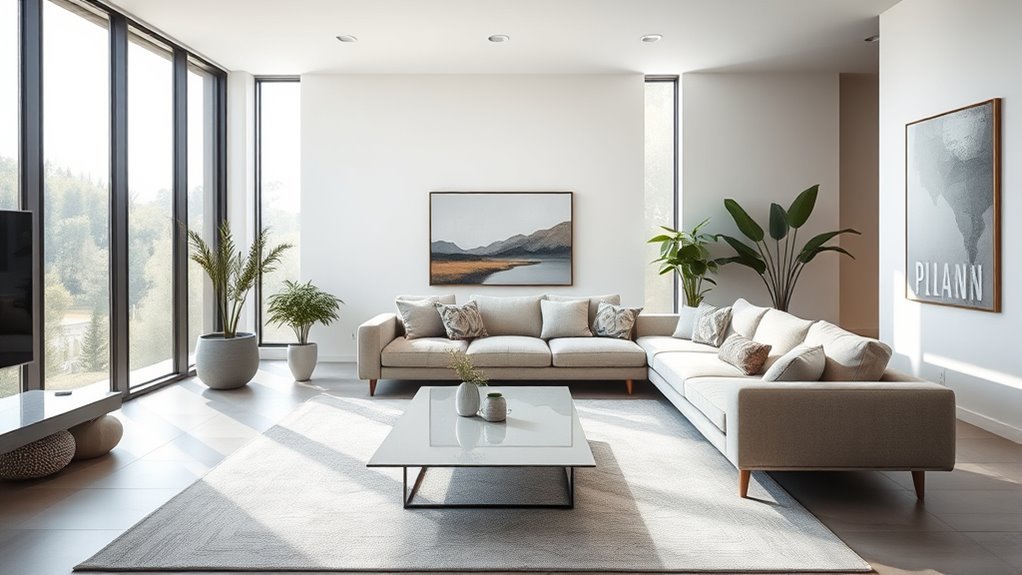
Modern living room style is all about calm, useful, uncluttered design. It favors clean lines, simple shapes, comfortable furniture, layered textures, natural light, and a restrained color palette. The goal is not to make the room feel empty; it is to make every sofa, table, rug, light, and accessory feel intentional.
Quick Answer
Modern living room style combines clean-lined furniture, practical layouts, neutral or earthy colors, layered lighting, natural materials, and a few bold accents. To get the look, start with a clear focal point, choose furniture that fits the room, keep walkways open, and add warmth through rugs, wood, art, and textured fabrics.
Key Takeaways
- Modern living rooms should feel open, comfortable, and purposeful rather than cold or overly minimal.
- Choose fewer, better-scaled furniture pieces with clean silhouettes and enough room for easy movement.
- Use a neutral base, then add contrast with art, black accents, wood, stone, metal, greenery, or one strong color.
- Layer ambient, task, and accent lighting so the room works for relaxing, reading, entertaining, and watching TV.
- Smart-home features are best when they simplify daily use, match your existing devices, and do not create visible clutter.
At a Glance
| Time Required | A weekend for planning and styling; several weeks if you are buying new furniture |
| Difficulty | Beginner to intermediate, depending on whether you are only restyling or replacing major pieces |
| Tools Needed | Tape measure, painter’s tape, floor plan sketch, paint or fabric samples, light bulbs, storage baskets, and a basic styling checklist |
| Cost | Low for styling updates; moderate to high for a new sofa, rug, lighting, or custom built-ins |
Understanding Modern Living Room Style: Key Characteristics
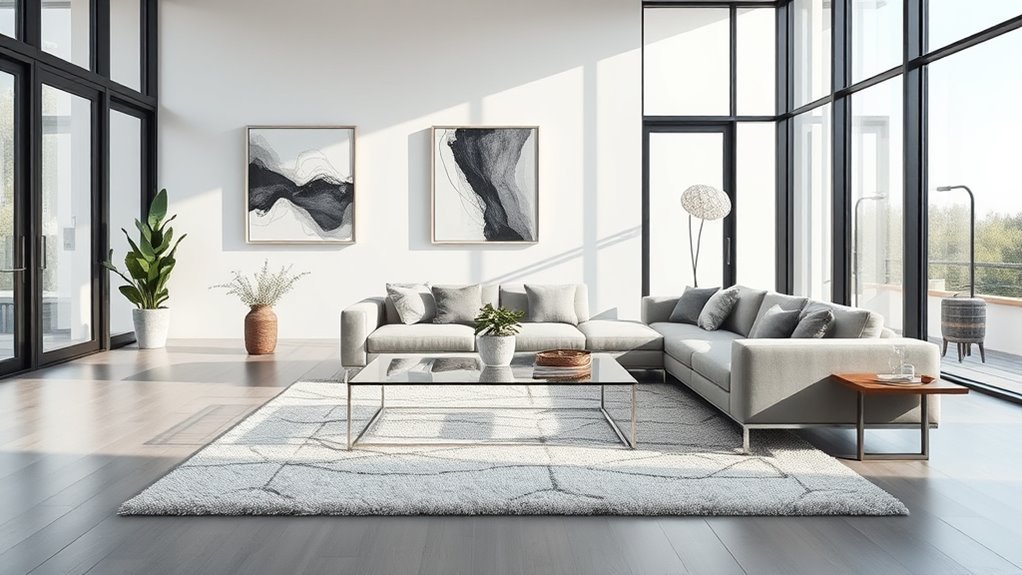
When you step into a well-designed modern living room, the first thing you notice is usually the sense of order. Furniture has simple silhouettes, the room has open breathing space, and decorative pieces are edited down so the best items stand out. This style grew from broader modern design ideas that moved away from heavy ornament and toward new forms, function, and simplicity, a shift explained in Britannica’s overview of Modernism.
In a home, that translates into clean lines, practical furniture, smooth surfaces, geometric forms, and a strong relationship between beauty and function. A modern living room can be bright white and minimal, warm and wood-filled, black-and-cream, soft beige, or rich with earthy colors. What matters most is restraint: the room should have a clear purpose, a limited palette, and enough texture to keep it from feeling flat.
The best modern living rooms are not empty rooms. They are edited rooms, where comfort, light, proportion, and storage all work together.
Core Features of Modern Living Room Design
Modern living room design starts with simplicity, but it should still feel livable. Use these core features as your foundation:
- Clean lines: Choose sofas, chairs, tables, shelving, and media units with simple shapes instead of heavy carving or ornate trim.
- Neutral base colors: White, cream, beige, taupe, warm gray, charcoal, and soft brown make it easier to layer art, rugs, and accents.
- Functional furniture: Prioritize comfort, storage, and scale. A beautiful sofa that blocks walkways or feels stiff will not work well.
- Natural materials: Wood, stone, leather, linen, wool, jute, cotton, clay, and metal add depth without visual clutter.
- Layered lighting: Combine overhead lighting, floor lamps, table lamps, sconces, and accent lighting instead of relying on one ceiling fixture.
- Intentional negative space: Leave some walls, shelves, and tabletops clear so the room feels calm.
Note: Neutral does not have to mean plain. A warm white wall, oak coffee table, boucle chair, woven rug, black lamp, and large abstract print can create a modern room with plenty of personality.
Popular Modern Living Room Styles You Should Know
Modern living room style is not one fixed look. These variations share clean lines and a functional layout, but each has a different mood.
Classic Modern Aesthetics
Classic modern living rooms feel polished, simple, and balanced. They often use low-profile sofas, slim coffee tables, large-scale art, simple curtains, and a controlled palette of white, gray, black, cream, and wood. This approach works well if you like a room that feels timeless and uncluttered.
Midcentury Modern Elements
Midcentury modern style brings in tapered legs, warm wood, organic curves, low seating, sculptural chairs, and iconic silhouettes. It works especially well with walnut, teak-inspired finishes, leather, wool rugs, globe lamps, and abstract art.
| Element | Description | Purpose |
|---|---|---|
| Iconic Furniture | Lounge chairs, low sofas, slim-legged consoles, triangular or rounded tables | Adds shape and function without visual heaviness |
| Color Palette | Warm wood, cream, olive, rust, black, camel, and muted blue | Creates warmth and contrast |
| Natural Materials | Wood, leather, wool, linen, and ceramic | Keeps the room grounded and tactile |
| Light and Space | Open layouts, slim profiles, and clear sight lines | Makes the room feel airy and usable |
Warm Modern Style
Warm modern style softens minimalism with creamy whites, tan, brown, muted green, natural oak, textured fabrics, curved seating, and soft lighting. It is a good choice if you want modern design without a cold or showroom-like feel.
Organic Modern Style
Organic modern rooms use natural shapes and materials: stone tables, wood shelving, linen sofas, woven rugs, handmade ceramics, and greenery. The palette is usually calm and earthy, with interest coming from texture instead of bright color.
Scandinavian Modern Style
Scandinavian modern style focuses on light, simplicity, comfort, and everyday function. Think pale woods, washable textiles, soft whites, practical storage, cozy throws, and furniture that looks simple but feels comfortable.
Step-by-Step Plan for a Modern Living Room
Before buying anything, plan the room in this order. It will help you avoid the most common mistake: purchasing beautiful pieces that do not work together.
- Decide how the room will be used. List your real needs: TV watching, reading, hosting, kids’ play, remote work, storage, or quiet evenings.
- Choose the focal point. This might be a fireplace, window view, media wall, artwork, or conversation area.
- Measure the room. Note wall lengths, window heights, outlets, door swings, radiator or vent locations, and walkways.
- Map the seating first. Place the sofa and chairs before choosing small tables, lamps, or decor.
- Pick a limited palette. Choose one base neutral, one secondary neutral, one wood or metal finish, and one or two accent colors.
- Add a rug that anchors the seating. The front legs of the main seating pieces should usually sit on the rug, or the rug should be large enough to visually connect the furniture group.
- Layer lighting. Plan general light, reading light, and mood light.
- Edit accessories last. Add art, books, trays, plants, and sculptural objects only after the main pieces are in place.
Pro Tip: Use painter’s tape on the floor to mark the sofa, rug, coffee table, and media unit before you buy. If the taped layout feels cramped, the real furniture will feel cramped too.
Tips for a Modern Living Room: Essential Strategies
To create a modern living room that feels stylish and functional, focus on proportion, contrast, and comfort. Start with furniture that has clean lines, then layer softness through rugs, pillows, curtains, and lighting.
- Use contrast carefully. A black lamp, dark-framed artwork, or charcoal accent chair can sharpen a pale room.
- Repeat materials. If you use black metal on a floor lamp, repeat it on a picture frame or table base.
- Choose one main statement. Let the sofa, art, fireplace, or coffee table lead instead of making every piece compete.
- Keep storage closed where possible. Modern rooms look calmer when remotes, toys, blankets, and cables have a place to disappear.
- Mix straight and curved forms. A square sofa with a round table, arched lamp, or curved chair keeps the room from feeling rigid.
- Use plants as soft architecture. A tall tree, trailing plant, or simple planter can warm up a room with many hard surfaces.
How to Choose the Right Furniture for Your Modern Living Room
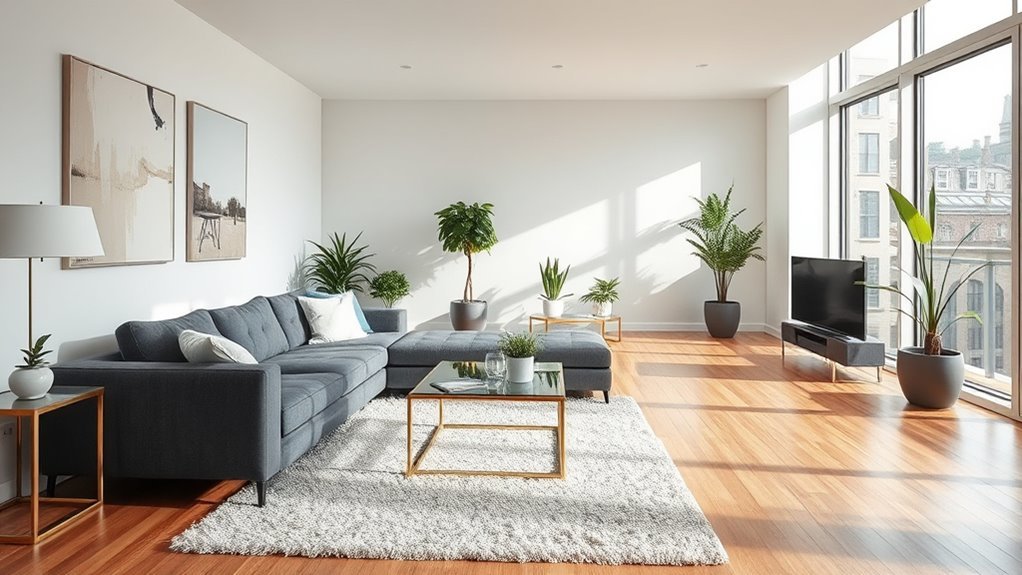
Choosing furniture for a modern living room is less about chasing trends and more about finding pieces that fit the room, support your lifestyle, and look visually light enough for the space.
Choose the Sofa First
The sofa is usually the largest piece in the room, so its scale matters most. For a modern look, choose a sofa with simple arms, a low or medium back, quality upholstery, and a depth that matches how you sit. Deep sofas are great for lounging, but they can overwhelm narrow rooms.
Pick Tables That Match the Layout
A coffee table should be easy to reach without blocking movement. Round and oval tables soften rooms with many straight lines. Rectangular tables work well with long sofas. Nesting tables, storage ottomans, and slim side tables are useful in small spaces.
Use Storage to Hide Visual Clutter
Modern design depends on clean surfaces, so storage matters. Choose closed media cabinets, low consoles, storage benches, or built-in shelves with a mix of hidden and open storage. If you have a TV, hide cables with a cable channel or in-wall solution installed safely.
Furniture Buying Checklist
- Measure the room, doorways, stairs, elevator, and delivery path.
- Confirm the sofa depth, seat height, and cushion firmness before buying.
- Choose performance fabric if you have kids, pets, or heavy daily use.
- Leave enough open space for walkways and door swings.
- Avoid buying a full matching set; modern rooms look better with coordinated, not identical, pieces.
- Balance heavy furniture with leggy or wall-mounted pieces to keep the room open.
Modern Color Palettes and Materials
A strong modern living room palette usually starts with restraint. Choose a base color for walls and large upholstery, then layer two or three supporting tones.
- Soft modern: warm white, beige, oak, cream, and brushed brass.
- High contrast modern: white, black, charcoal, walnut, and stone.
- Organic modern: clay, oatmeal, brown, olive, linen, and travertine.
- Scandinavian modern: white, pale gray, blond wood, soft blue, and natural wool.
- Moody modern: charcoal, espresso, deep green, cognac leather, and warm metal.
For materials, combine smooth and tactile surfaces. A modern room might include a linen sofa, wood sideboard, stone coffee table, wool rug, metal lamp, and ceramic vase. This mix adds depth while keeping the overall design simple.
Note: New furniture, rugs, paints, and adhesives can affect indoor air quality. The U.S. Environmental Protection Agency lists building materials and furnishings among possible VOC sources, so consider low-VOC finishes and ventilate well after painting, refinishing, or bringing in large new pieces.
Must-Have Accessories for Your Modern Living Room
Accessories can make a modern living room feel finished, but they should be edited. Instead of filling every surface, choose a few strong pieces that add texture, height, color, or personal meaning.
- A statement coffee table: wood, stone, glass, or metal can become the room’s central anchor.
- A large area rug: use it to define the seating zone and soften sound.
- Simple window treatments: linen curtains, Roman shades, or roller shades keep the look clean.
- Large-scale art: one oversized piece often looks more modern than many tiny pieces.
- Sculptural lighting: a floor lamp, sconce, or pendant can act as both light source and decor.
- Textured pillows and throws: use wool, linen, boucle, cotton, or velvet in a restrained palette.
- Greenery: one large plant often has more impact than many small scattered plants.
Use trays to group smaller items, keep books stacked intentionally, and leave some surfaces empty. Negative space is part of the design.
Recommended Products

Modern Floor Lamp with 0-100% Fully Dimmable Brightness :Compared to traditional non-dimmable living room floor lamps, our unique floor lamp offers a full stepless dimming function(0 - 100%), making it adaptable to various room styles and lighting requirements you need. This gold floor lamp has a convenient knob switch – simply twist it to customize your favorable lights of floor lamps for living room and bedrooms

Mirror Digital Clocks for Home Decor Bedroom Accessories: Peakeep alarm clocks boast a sleek and stylish golden casing, complementing any home office decor or bedroom desk accessories. The minimalist aesthetic desktop stand makes the clock remains stable and prominently visible at all times. The modern mirror-like clock face not only adds a touch of elegance but also ensures time is legible from a variety of angles
Modern Lighting for Living Rooms
Lighting has a major effect on how modern living rooms feel. A single overhead light can make the room look flat, while layered lighting adds warmth and flexibility.
Smart Lighting Solutions
Smart bulbs, dimmers, and lighting schedules can make a living room easier to use. The U.S. Department of Energy notes that lighting accounts for around 15% of an average home’s electricity use and that LEDs use up to 90% less energy and last up to 25 times longer than traditional incandescent bulbs. For a modern living room, choose warm white bulbs for evening comfort, dimmable fixtures where possible, and lighting controls that match the bulbs you plan to use.
- Ambient lighting: ceiling fixtures, recessed lights, or large floor lamps for general light.
- Task lighting: reading lamps beside sofas and chairs.
- Accent lighting: picture lights, shelf lighting, or uplights for art, plants, or textured walls.
- Smart controls: scenes for movie night, reading, entertaining, and evening wind-down.
Warning: Hire a qualified electrician for new wired fixtures, added outlets, recessed lighting, or in-wall cable work. Do not overload outlets or run power cords under rugs.
Smart Home Technology Ideas for Modern Living Rooms
Smart-home technology works best in a modern living room when it reduces clutter and makes everyday routines easier. Start small: lighting, a smart speaker, a thermostat, or a clean media setup. Then add only what you will actually use.
Integrated Entertainment Systems
A modern entertainment setup should look clean even when the TV is off. Use a low media console, cable management, wireless speakers where practical, and a balanced wall layout. If you mount a TV, center it at a comfortable viewing height and avoid placing it so high that you have to crane your neck.
Smart Thermostats and Device Compatibility
If your living room is part of a larger open plan, a smart thermostat can help with comfort. ENERGY STAR explains that smart thermostats are Wi-Fi enabled devices that can automatically adjust heating and cooling settings, and certified models are independently certified using actual field data. Before buying one, confirm compatibility with your HVAC system, router location, and existing smart-home platform.
For connected lights, speakers, plugs, and sensors, check whether the products support your preferred ecosystem. The Matter smart home standard is designed to improve reliable, secure, cross-brand compatibility, which can make future upgrades easier.
- Choose devices that solve a real problem, not just because they are trendy.
- Keep visible wires, chargers, and hubs out of sight.
- Use strong passwords and update device software.
- Group devices into simple scenes such as “Reading,” “Movie,” and “Evening.”
- Check whether smart devices still work manually if Wi-Fi goes down.
Small Modern Living Room Ideas
Small spaces can look especially good with modern design because the style rewards editing. The key is to use fewer pieces with better proportions.
- Choose raised-leg furniture. Seeing floor under a sofa or chair makes the room feel lighter.
- Use wall-mounted storage. Floating shelves and slim consoles free up floor space.
- Pick a round coffee table. It improves flow in tight rooms and softens boxy layouts.
- Go larger on the rug. A tiny rug can make a small room feel chopped up.
- Use mirrors thoughtfully. Place them where they reflect light or a pleasant view.
- Limit the palette. Too many colors and finishes can make a compact room feel busy.
- Try multifunctional pieces. Storage ottomans, nesting tables, and benches with hidden storage are useful without adding clutter.
Layout, Comfort, and Accessibility
A modern living room should be easy to move through. Keep the main pathway open, avoid sharp corners in tight walkways, and make sure doors, drawers, recliners, and cabinets can open fully.
For private homes, there is no one-size-fits-all decorating rule, but the U.S. Access Board’s ADA accessible route guidance is a helpful planning reference: accessible routes generally use a 36-inch continuous clear width. Even if you are not designing for ADA compliance, thinking in terms of clear routes can help prevent cramped layouts and make the room more comfortable for guests, kids, older adults, and people using mobility aids.
- Keep coffee tables far enough from seating for knees and foot traffic.
- Do not block floor vents, radiators, outlets, or window operation.
- Use non-slip rug pads.
- Anchor tall shelves and cabinets where tipping is a risk.
- Choose rounded tables in rooms where children play or walkways are tight.
Common Design Mistakes to Avoid in Modern Living Rooms
When designing a modern living room, avoiding common pitfalls can make the difference between a room that feels calm and one that feels unfinished.
- Overcrowding the room: Too much furniture ruins the clean, open feeling that modern rooms need.
- Buying furniture before measuring: A sofa that looks perfect online can dominate the room once it arrives.
- Using only overhead lighting: Add lamps and accent lights so the room feels warm at night.
- Ignoring natural light: Use lighter window treatments, mirrors, and reflective surfaces where they make sense.
- Skipping a focal point: A room without a focal point can feel scattered.
- Choosing everything in the same finish: Mix wood, metal, stone, fabric, and ceramic for depth.
- Using decor that is too small: Tiny art, small rugs, and undersized lamps can make the room feel less intentional.
- Letting tech dominate: Hide cables, scale the TV wall carefully, and balance screens with art, shelves, or texture.
- Making it too cold: Add texture, warm lighting, plants, books, and personal objects so the room feels lived in.
Frequently Asked Questions
What is considered modern living room design?
Modern living room design uses clean lines, practical furniture, open space, simple shapes, a restrained color palette, layered lighting, and minimal clutter. It can include warm textures, natural materials, smart technology, and bold art, but each element should serve a clear visual or functional purpose.
How do you describe a modern living room?
A modern living room feels clean, comfortable, and intentional. It often has streamlined furniture, a neutral or earthy palette, strong lighting, simple window treatments, uncluttered surfaces, and a few high-impact accents such as a large rug, sculptural lamp, or oversized artwork.
What is the new trend for living rooms?
Current modern living room trends lean toward warm minimalism, organic textures, multifunctional layouts, soft curves, earthy colors, oversized art, hidden storage, energy-efficient lighting, and smart-home features that blend into the room instead of standing out as gadgets.
What are 5 characteristics of a modern home?
Five common characteristics of a modern home are clean architectural lines, open or flexible layouts, simple color palettes, functional furniture, and a strong connection between indoor comfort and practical technology. Many modern homes also use natural materials, large windows, efficient lighting, and uncluttered storage.
How can I make my living room look modern on a budget?
Start by decluttering, rearranging furniture around a clear focal point, removing small mismatched decor, changing lampshades or bulbs, adding a larger rug, using simple curtains, and painting walls in a warm neutral. Then add one modern accent, such as a black floor lamp, large artwork, or sculptural coffee table.
What colors work best in a modern living room?
The best modern living room colors are usually warm whites, creams, taupes, soft grays, charcoal, black, brown, muted green, clay, and natural wood tones. For more energy, add one accent color through art, pillows, a chair, or a single painted feature wall.
Conclusion
Modern living room style works because it balances simplicity with comfort. Start with a clear layout, choose furniture that fits your room, keep the palette focused, layer the lighting, and use texture to make the space feel warm. With the right mix of clean lines, natural materials, smart storage, and personal accents, your living room can feel modern without feeling bare or impersonal.
Sources
- Encyclopaedia Britannica: Modernism — background on modernism as a break with the past and a search for new forms of expression.
- U.S. Department of Energy: Lighting Choices to Save You Money — LED efficiency, lighting energy use, dimmers, timers, and controls.
- ENERGY STAR: Smart Thermostats — smart thermostat features, certification, compatibility, and buying guidance.
- U.S. EPA: Volatile Organic Compounds’ Impact on Indoor Air Quality — VOC sources, including building materials and furnishings.
- U.S. EPA: Improving Indoor Air Quality — source control, ventilation, and filtration basics.
- U.S. Access Board: Accessible Routes — useful clearance reference for planning comfortable circulation paths.