
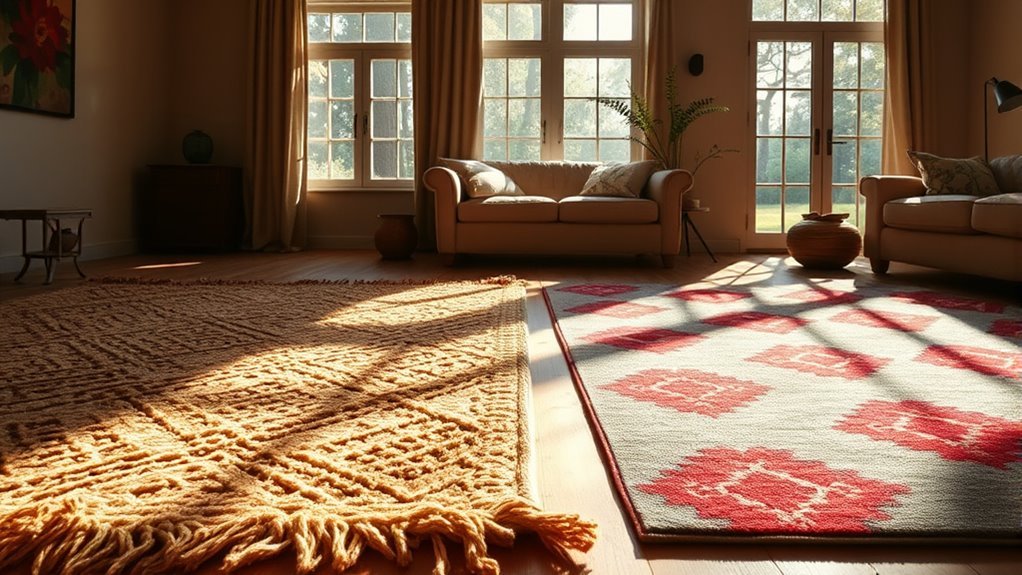
Choosing between wool and synthetic rugs for your living room comes down to how the room is used every day. Wool feels warm, soft, and timeless, and a well-made wool rug can age beautifully with proper care. Synthetic rugs cost less upfront, come in more washable and stain-resistant options, and often make sense for homes with pets, kids, heavy spills, or quick style changes.
Quick Answer
Choose wool if you want a soft, natural, long-lasting living room rug and you are willing to vacuum regularly and pay for careful deep cleaning. Choose synthetic if you need a lower-cost, easier-cleaning rug for pets, kids, spills, sunlight, or high-turnover decorating.
Key Takeaways
- Wool rugs are best for comfort, natural warmth, classic style, and long-term value when properly maintained.
- Synthetic rugs are best for lower upfront cost, stain-prone households, washable designs, and rooms where spills are common.
- Nylon is usually the strongest synthetic choice for traffic; polypropylene is budget-friendly and stain-resistant; polyester/PET is soft and colorful but may crush faster in busy areas.
- Material matters, but so do pile height, weave, density, backing, rug pad, and whether the rug is actually labeled washable or outdoor-safe.
Key Differences: Comfort, Durability, and Maintenance of Wool vs. Synthetic Rugs
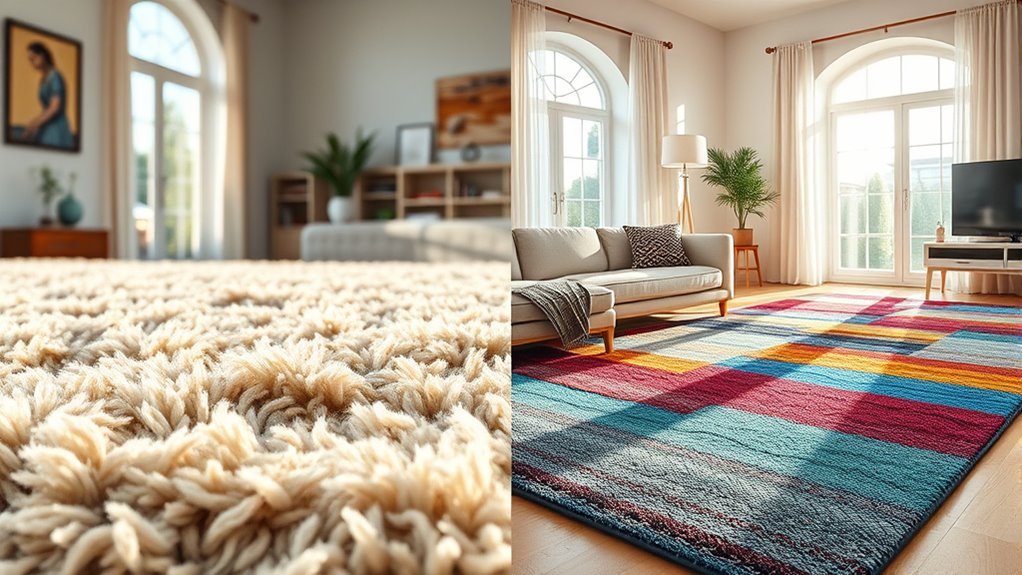
Wool and synthetic rugs can both work well in a living room, but they solve different problems. Wool rugs are made from natural animal fiber, so they tend to feel plush, warm, and substantial underfoot. They also hide soil well and can hold up beautifully when the rug is well constructed.
Synthetic rugs are made from man-made fibers such as nylon, polypropylene, polyester, PET, or recycled PET. They usually cost less than comparable wool rugs, and many are easier to spot clean. Some newer performance rugs are also designed to be machine washable, though you should always follow the care label.
| Factor | Wool Rugs | Synthetic Rugs |
| Comfort | Soft, warm, dense, and naturally cozy. | Can be soft, but feel varies widely by fiber, pile, and density. |
| Durability | Excellent when dense, well-made, and properly maintained. | Nylon performs well in traffic; polyester and polypropylene vary more. |
| Cleaning | Needs prompt blotting, gentle products, and periodic professional cleaning. | Usually easier to spot clean; some are washable or outdoor-safe. |
| Best For | Main living rooms, layered interiors, long-term design plans, natural materials. | Kids, pets, rentals, budget rooms, spill-heavy areas, washable needs. |
Synthetic Rug Materials: Nylon, Polypropylene, Polyester, and rPET
Not all synthetic rugs perform the same way. Before comparing wool to “synthetic,” look at the actual fiber on the rug label. A good material guide, such as Better Homes & Gardens’ carpet fiber overview, shows why fiber type affects durability, softness, stain resistance, and cost.
- Nylon: The strongest synthetic choice for high-traffic living rooms. It is resilient, but stain resistance often depends on treatment or solution-dyed construction.
- Polypropylene or olefin: A budget-friendly option that resists many water-based stains and is often used in indoor/outdoor styles. It can flatten or look worn faster than nylon or wool in busy areas.
- Polyester, PET, or recycled PET: Soft, colorful, and often affordable. It can work well in moderate-traffic spaces, but lower-quality polyester may crush or mat under heavy furniture and daily foot traffic.
- Washable performance blends: Great for pets and kids, but check the size limits for your washing machine and confirm whether the rug pad is washable too.
Note: A low-pile, dense synthetic rug often performs better than a fluffy budget synthetic rug in a busy living room. Pile height and density matter almost as much as fiber.
Cleaning and Maintenance of Wool and Synthetic Rugs
The right cleaning routine protects your rug’s color, texture, backing, and shape. For both wool and synthetic rugs, start with the basics: vacuum regularly, rotate the rug every few months, use a rug pad, and blot spills instead of rubbing them.
Recommended Products

Permanent Pet Stain Removal. Triple Action Cleaning System with oxy action.

INSTANT RESULTS: No rinsing, vacuuming or waiting to see results; Spots vanish before your eyes; Amazing surfactant action – instantly removes stubborn grease, dirt and grime

StainLift Technology. Lift and remove deep down dirt, stains and odors.
How to Care for Wool Rugs
Wool rugs should be vacuumed with care, especially if they are hand-knotted, antique, or have a high pile. Avoid harsh alkaline cleaners, aggressive scrubbing, and over-wetting. For spills, blot with a clean white cloth, work from the outside of the spill inward, and use a wool-safe cleaner only after testing a hidden spot. A delicate or heavily soiled wool rug is usually safest with a professional cleaner, a point echoed in wool cleaning guidance from Southern Living’s expert-backed wool rug cleaning guide.
How to Care for Synthetic Rugs
Synthetic rugs are often easier to spot clean, but they are not all hose-off rugs. A polypropylene indoor/outdoor rug may handle more water than a tufted indoor polyester rug with a glued backing. Always check the care label first. For most synthetic living room rugs, vacuuming, prompt blotting, mild soap when approved by the label, and full drying are safer than soaking the entire rug.
Warning: Do not hose down, steam, or fully soak an indoor rug unless the manufacturer says it is washable or outdoor-safe. Too much water can cause dye bleeding, odor, mildew, backing damage, or floor damage underneath.
How Each Material Performs in High-Traffic Areas
For high-traffic living rooms, the winner is not simply “wool” or “synthetic.” The better question is: what fiber, what pile, and what construction?
A dense wool rug can handle daily use well and often hides soil better than many smooth synthetic rugs. It is a strong choice for a main seating area where you want warmth, softness, and long-term style. However, wool is not the easiest choice for constant pet accidents, muddy shoes, or frequent food spills.
Among synthetic rugs, nylon is usually the best pick for heavy foot traffic because it has strong resilience. Polypropylene is helpful for stain-prone or budget spaces, especially in low-pile or indoor/outdoor designs, but it may flatten in the busiest paths. Polyester and PET rugs can feel soft and look beautiful, but they are usually better for moderate traffic unless the rug is specifically built as a performance product.
Pro Tip: In a busy living room, choose a low-pile or medium-low pile rug with a dense weave and a quality rug pad. It will be easier to vacuum, less likely to trap crumbs, and safer under furniture.
Comfort, Softness, and Style
If comfort is your top priority, wool usually has the edge. It feels warm under bare feet, has a natural springiness, and gives a room a grounded, high-quality look. Wool also works well with classic, Scandinavian, traditional, rustic, and layered interiors because it has natural texture rather than a shiny finish.
Synthetic rugs offer more design flexibility at lower prices. You can find faded vintage looks, bold modern patterns, washable neutrals, and indoor/outdoor textures without making a major investment. If you like changing your living room every few years, synthetic may give you more freedom.
The softest rug is not always the best rug. For living rooms, balance softness with pile height, cleanability, and how often the space is used.
Kids, Pets, Spills, and Sunlight
For homes with children or pets, synthetic rugs often win on practicality. A washable polyester or performance synthetic rug is easier to live with when juice, paw prints, snacks, or craft supplies are part of daily life. Low-pile polypropylene rugs can also be useful in family rooms because they are affordable and resistant to many common spills.
Wool can still work in homes with pets and kids, especially in patterned, medium-toned, low-pile styles that hide hair and crumbs. Choose wool when you want durability and comfort, but be realistic about cleaning. Pet urine, red wine, and oily stains need quick attention, and repeated accidents are harder on wool than on a washable synthetic rug.
For sunny living rooms, check whether the rug is solution-dyed or rated for indoor/outdoor use. Direct sunlight can fade many rugs over time, including natural and synthetic options. Window treatments, rotation, and UV-filtering film can help protect both types.
Indoor Air and Low-Emission Rugs
New rugs, rug pads, adhesives, and backing materials can sometimes have a noticeable smell after delivery. The U.S. Environmental Protection Agency explains that volatile organic compounds, or VOCs, can come from building materials and furnishings, and recommends ventilation when using products that emit VOCs.
If you are sensitive to odors, look for low-emission certifications, choose a rug pad carefully, unroll the rug in a ventilated space, and air it out before placing it in the main seating area. Natural wool may appeal to buyers who want a renewable fiber, while some synthetic rugs use recycled PET for a lower-waste option.
How Much Should You Spend on Wool vs. Synthetic Rugs?
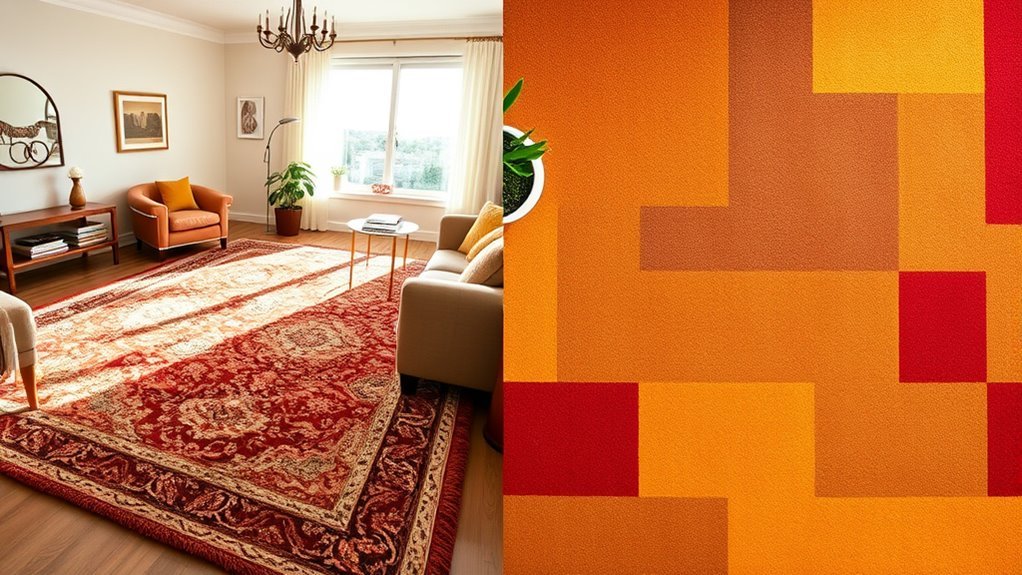
Instead of relying on one fixed price-per-square-foot rule, think in terms of cost per year of use. A higher-quality wool rug may cost more upfront, but it can be a better value if you plan to keep it for a long time. A lower-cost synthetic rug may be smarter if you are renting, decorating temporarily, or need something washable during the messy years of family life.
- Spend more on wool when the rug anchors your main living room, you love the design, and you are ready to maintain it.
- Spend moderately on nylon or performance synthetic when the room gets heavy traffic and you need resilience without wool pricing.
- Spend less on polypropylene or washable synthetics when spills, pets, kids, or short-term decorating matter more than long-term heirloom value.
Also budget for a rug pad. A good rug pad helps prevent slipping, adds cushion, protects floors, and can reduce wear by keeping the rug from grinding against the floor.
Recommended Products
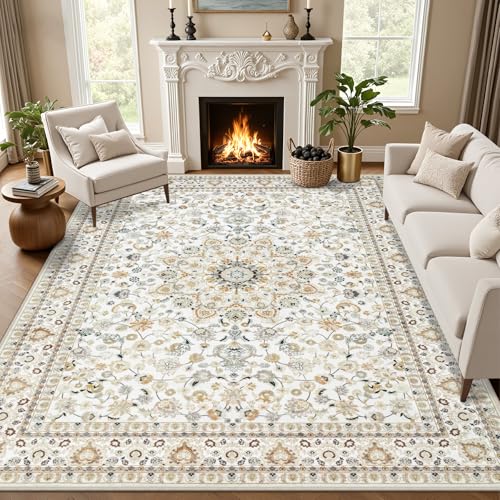
Timeless Classic Design Rug: Featuring an elaborate traditional pattern and harmonious color palette, these 5x7 area rugs bring artistic elegance to the interior. The versatile design works with various decor styles from vintage and bohemian to contemporary, making it suitable for living room, bedrooms, dining room, hallway, kids' playrooms, or home offices. Built to withstand daily use while maintaining its visual appeal, these rugs for living room 5x7 combines durability with timeless beauty

MACHINE WASHABLE: Our rug can be washed directly in washing machine in cold water and dried without heat. Daily maintenance is simple and convenient

Neutral Abstract Rug: This 8'×10' rug features a distressed abstract design in subtle tones, adding a modern, artistic touch to your space. It blends effortlessly with any home style, instantly enhancing your living room, bedroom, dining area, or office
How to Choose the Right Rug for Your Needs
Use your lifestyle first, then choose the material. The right rug should match how the room actually functions, not just how it looks in a product photo.
Recommended Products

Machine Washable: A stain-resistant finish handles spills with a simple wipe, while the low-pile surface makes daily vacuuming effortless. For a deep clean, just machine wash on a cold, gentle cycle—maintenance this easy truly lets you live freely

Classic Vintage Style: PureCozy 8x10 area rug has a trendy distressed style and a unique retro pattern with elegant floral details, tribal design blend perfectly with your home, suitable for the living room, bedroom, dining room, laundry room, entryway, kids' room, kitchen and office. These rug blends beautifully with farmhouse, vintage, traditional, and modern decor.

Soft & Durable: This 8x10 area rug low-pile combines soft faux wool fibers with a 0.25-inch height for comfort. Tight weaving reduces shedding and edge fraying, making it perfect for high-traffic areas like living rooms, bedrooms, and entryways
Choose Wool If…
- You want a natural, soft, warm rug with a classic feel.
- Your living room is used daily but not constantly exposed to messy spills.
- You prefer long-term value over the lowest upfront price.
- You are willing to vacuum regularly and pay for professional cleaning when needed.
- You want a rug that works with timeless, layered, or high-end interiors.
Choose Synthetic If…
- You need a budget-friendly living room rug.
- You have pets, young children, frequent spills, or muddy entry traffic.
- You want a washable, indoor/outdoor, or low-maintenance option.
- You like changing colors and patterns every few years.
- Your room gets strong sunlight and you need a fade-resistant performance option.
What to Check Before Buying
- Fiber content: Look for wool, nylon, polypropylene, polyester, PET, recycled PET, or blends.
- Pile height: Lower pile is easier to clean; higher pile feels softer but traps more debris.
- Construction: Hand-knotted and flatwoven rugs often age differently than tufted rugs with glued backing.
- Backing: Check whether the backing is cotton, latex, rubber, or synthetic, especially if you have sensitive floors.
- Care label: “Washable” and “spot clean only” are not the same thing.
- Rug pad: Choose a pad that matches your floor type and rug size.
- Ethical sourcing: For handmade rugs, look for transparent origin details or certifications such as GoodWeave.
Frequently Asked Questions
Is a synthetic rug better than a wool rug?
A synthetic rug is better if you want a lower price, easier spot cleaning, washable options, or a rug for pets and kids. A wool rug is better if you want natural softness, long-term style, and a more premium feel. Neither is best for every living room.
What’s the best material for a living room rug?
For a long-term living room rug, wool is one of the best materials because it is soft, warm, and durable when well made. For a busy family room, nylon or a washable performance synthetic may be more practical. For budget rooms, polypropylene or polyester can work well in low-pile styles.
What are the downsides of wool rugs?
Wool rugs cost more upfront, can shed at first, may need professional cleaning, and can be damaged by harsh cleaners or too much moisture. They are also not ideal for repeated pet accidents or rooms where spills happen constantly.
Are wool rugs good for living rooms?
Yes, wool rugs are excellent for many living rooms because they feel soft, insulate well, and bring natural texture to the space. They are best for homeowners who want a long-lasting rug and are comfortable with regular vacuuming and careful cleaning.
Are synthetic rugs safe for pets and kids?
Synthetic rugs can be a practical choice for pets and kids because many resist stains and are easier to clean. For sensitive households, look for low-emission certifications, ventilate the room after unrolling a new rug, and choose a non-slip rug pad that is safe for your floor.
Which rug material is easiest to clean?
Washable synthetic rugs are usually the easiest to clean, followed by low-pile polypropylene and many polyester performance rugs. Wool can be easy to maintain day to day, but it needs gentler spot cleaning and more careful deep cleaning.
Conclusion
In the wool versus synthetic rug debate, the best choice depends on your living room, not just the label. Choose wool if you want a soft, natural, long-lasting rug and are ready for careful maintenance. Choose synthetic if you need a lower-cost, stain-friendly, washable, or family-proof option. For most homes, the smartest rug is the one that balances comfort, cleaning, durability, and budget with the way you actually live.
Sources
- Better Homes & Gardens: Understanding Different Types of Carpet — supports fiber differences, including wool, nylon, olefin, and polyester.
- Architectural Digest: How to Clean a Rug — supports rug-cleaning precautions, care-label checks, and delicate-rug cleaning guidance.
- Southern Living: How to Clean a Wool Rug Without Damaging It — supports wool-safe cleaning, dye testing, and professional-cleaning cautions.
- U.S. Environmental Protection Agency: Volatile Organic Compounds’ Impact on Indoor Air Quality — supports the indoor-air and ventilation note for new furnishings and VOC-emitting products.
- GoodWeave — supports ethical sourcing checks for handmade rugs and home textiles.






[…] Wool Rugs vs. Synthetic Rugs Explained for Living Rooms […]