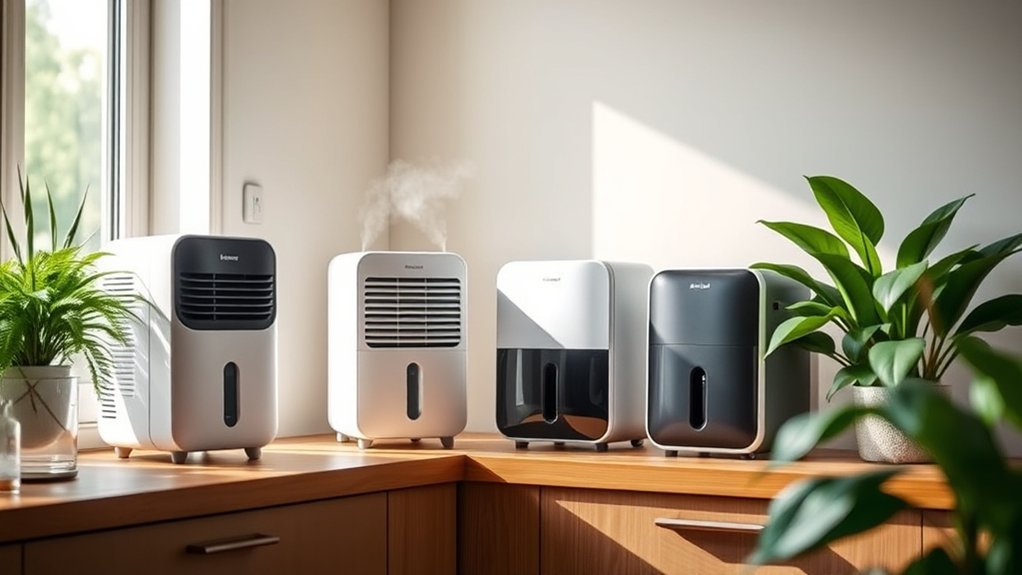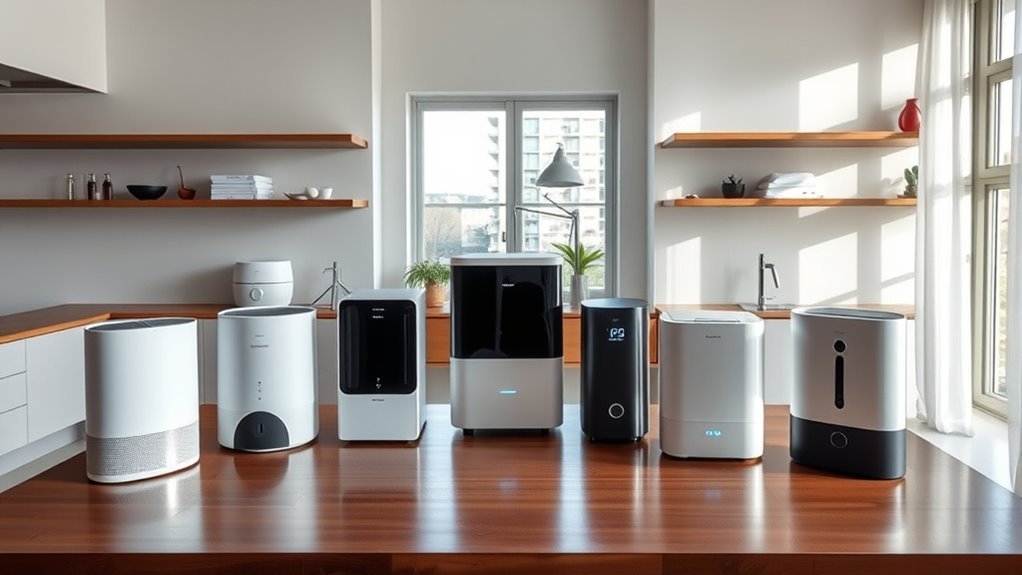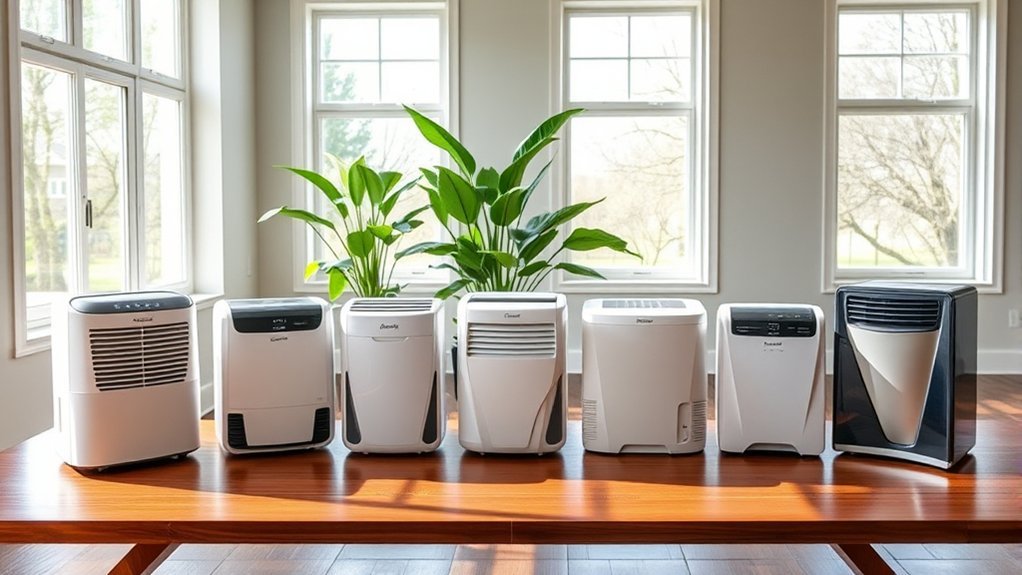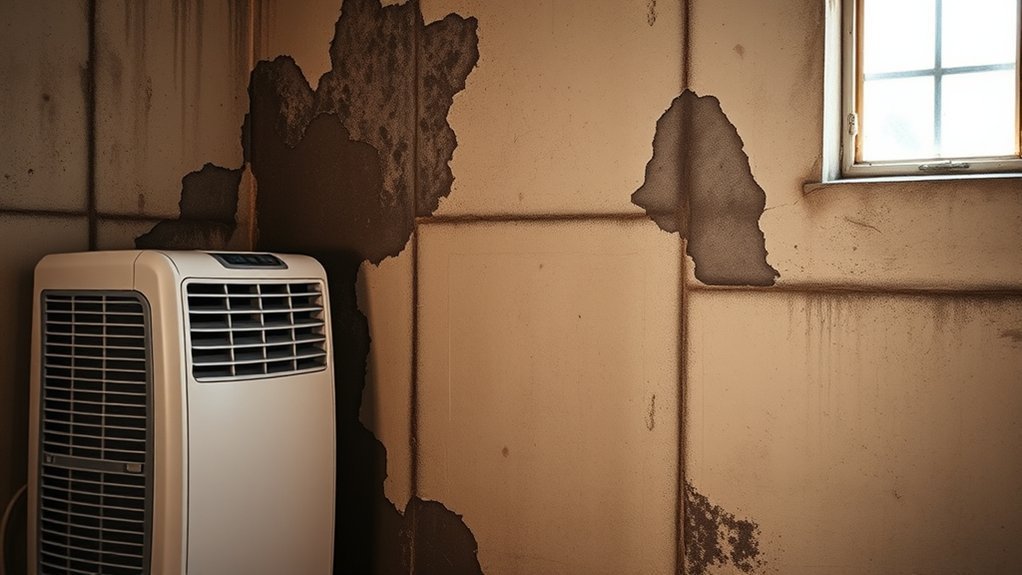
You may not realize that high indoor humidity can make a stuffy nose feel worse, especially if damp air is helping mold, dust mites, or musty odors build up in your home. A dehumidifier can help in that situation by lowering moisture and reducing common indoor allergy triggers. But it is not always the right tool. If your air is already dry, removing more moisture can irritate your nose and throat and make congestion feel worse.
Quick Answer
A dehumidifier may help with congestion if your indoor humidity is consistently above 50% and dampness is feeding mold, dust mites, or musty air. It will not cure a cold, sinus infection, allergies, asthma, or structural sinus problems. Aim for about 30% to 50% indoor humidity and measure with a hygrometer before deciding.
Key Takeaways
- Use a dehumidifier when your home feels damp or measures above 50% relative humidity.
- Avoid over-drying the air. Humidity below about 30% can irritate the nose, throat, eyes, and skin.
- A dehumidifier helps most when congestion is tied to mold, dust mites, musty rooms, condensation, or damp basements.
- A humidifier may be better if dry indoor air is causing dry sinuses, nosebleeds, or scratchy throat.
- See a clinician for severe, persistent, or recurring sinus symptoms, wheezing, fever, facial swelling, or breathing trouble.
At a Glance
| Best Humidity Range | About 30% to 50% relative humidity |
| Use a Dehumidifier When | Humidity is above 50%, rooms smell musty, windows collect condensation, or damp areas trigger allergy symptoms |
| Use a Humidifier When | Humidity is below 30% and your nose, throat, lips, or skin feel dry |
| Tools Needed | Hygrometer, dehumidifier or humidifier, clean filters, and leak/ventilation checks |
| Cost | Usually low to moderate: a hygrometer is inexpensive; dehumidifier cost depends on room size and capacity |
Warning: Humidity control can reduce indoor triggers, but it is not medical treatment. Talk with a health care professional if congestion lasts more than 10 days, keeps returning, comes with fever or facial swelling, causes wheezing or shortness of breath, or affects a child, an older adult, an immunocompromised person, or someone with asthma, COPD, chronic sinus disease, or sleep apnea.
Does a Dehumidifier Help With Congestion?
Yes, a dehumidifier can help with congestion when excess indoor moisture is part of the problem. The biggest benefit is not that the machine directly “clears” your sinuses. It is that it lowers damp conditions that can support mold growth, dust mites, condensation, and musty air.
The CDC recommends keeping humidity in the home no higher than 50% throughout the day to help prevent mold, and the EPA says indoor humidity should be kept below 60%, ideally between 30% and 50%. That range matters because air that is too damp can feed allergens, while air that is too dry can irritate your nose and throat.
A dehumidifier is most useful if your congestion gets worse in a basement, bathroom, bedroom with condensation, or any room that smells musty. If your air is already dry, a dehumidifier is more likely to backfire.
Check Your Humidity First
Before choosing a dehumidifier or humidifier, measure the room with a hygrometer. Guessing often leads to the wrong fix. A stuffy nose can happen in damp air, dry air, allergies, colds, sinus infections, smoke exposure, fragrance exposure, or CPAP-related dryness.
- Below 30% humidity: air may be too dry. A humidifier or saline spray may help more than a dehumidifier.
- 30% to 50% humidity: usually the best comfort range for most homes.
- Above 50% humidity: damp-air triggers become more likely, especially mold, dust mites, and condensation.
- Above 60% humidity: take action quickly, especially if you see condensation, damp surfaces, or mold.
Pro Tip: Measure humidity in the room where symptoms feel worst, not just in a hallway or near the thermostat. Basements, bathrooms, laundry rooms, and bedrooms can have very different humidity levels.
How Humidity Can Trigger Sinus Problems
Humidity affects congestion in two different ways. Too much moisture can support allergens and irritants. Too little moisture can dry out the tissues inside your nose and throat. The best target is balanced air, not the driest air possible.
When indoor humidity stays high, mold and dust mites are more likely to thrive. The Asthma and Allergy Foundation of America notes that dust mites like humidity above 50% and recommends keeping home humidity between 30% and 50% to help reduce dust mite exposure. Dust mite allergy symptoms can include stuffy nose, runny nose, sneezing, itchy eyes, and asthma symptoms.
Mold can also irritate the respiratory system. The CDC notes that mold exposure may cause symptoms such as stuffy nose, sore throat, coughing, wheezing, burning eyes, or skin rash in some people. If you are allergic to mold or have asthma, damp indoor air may make symptoms worse.
- More moisture can mean more triggers. Damp rooms can support mold, dust mites, and musty odors.
- Allergens can inflame nasal tissue. That swelling can make your nose feel blocked.
- Condensation points to a moisture problem. Wet windows, walls, or pipes should be dried and investigated.
How a Dehumidifier Changes Indoor Air
A dehumidifier pulls moist air into the unit, removes water from that air, and sends drier air back into the room. Most portable compressor units do this by passing air over cold coils so water vapor condenses into a tank or drain hose. Desiccant models use a moisture-absorbing material instead.
Moisture Removal Process
The basic process is simple:
- The fan pulls warm, damp room air into the machine.
- The unit removes moisture by condensation or absorption.
- The collected water leaves the room through a tank or drain line.
- The air returns to the room with less moisture.
That moisture control can make the room less friendly to mold and dust mites, especially when you keep humidity in the 30% to 50% range.
Lower Humidity Benefits
Lower humidity helps most when your congestion is tied to damp-air triggers. You may notice fewer allergy flares, less musty smell, less window condensation, and a cleaner-feeling room. But if your nose is blocked because of a cold, infection, nasal polyps, medication side effects, smoke, perfume, or CPAP dryness, a dehumidifier may not solve the main problem.
| Indoor Condition | Likely Best Move |
|---|---|
| Humidity above 50% | Use a dehumidifier and check for leaks or poor ventilation |
| Musty smell or visible mold | Fix moisture source, dry the area, clean safely, and consider professional help |
| Humidity below 30% | Avoid dehumidifying; consider a humidifier or saline spray |
| Normal humidity but ongoing congestion | Look for allergies, illness, irritants, medication effects, or medical causes |
Signs You Need a Dehumidifier
You may need a dehumidifier if your home regularly feels damp, smells musty, or measures above 50% relative humidity. The signs are usually strongest in rooms with poor airflow or water exposure.
Recommended Products

【The Undisputed Champion — Industry-Leading Dehumidifier Brand】When you choose AEOCKY, you get double market validation. According to data independently verified by Stackline, a leading third-party data analytics company, AEOCKY was an industry‑leading dehumidifier brand on Amazon U.S. in 2025. This means you’re not just choosing a flagship product from a market leader, but a top-performing brand backed by independent market data and trusted by millions of real users, delivering the ultimate combination of performance, quality and trust.

2500 Sq. Ft Dehumidifier - SEMKAP dehumidifier for basement features a quiet, high-performance compressor that removes up to 32 pints of moisture per day (at 95°F, 90% RH). Ideal for basements, offices, bathrooms, bedrooms, kitchens, stockrooms, living rooms, laundry rooms, garages, crawlspaces, or RVs. It helps maintain optimal humidity between 40%–60%RH for healthier, more comfortable living

2,500 SQ. FT. COVERAGE & 32 PINT DAILY MOISTURE REMOVAL - Designed for areas up to 2,500 sq. ft., the BANABIE dehumidifier helps manage excess moisture in basements, bedrooms, living rooms, bathrooms, laundry rooms, and other areas where humidity can build up. It removes up to 32 pints of moisture per day under 95°F and 90% RH conditions, using an efficient rotary compressor and optimized airflow design to help create a more comfortable indoor environment
Year-Round Allergy Flare-Ups
Year-round sneezing, stuffy nose, itchy eyes, or asthma symptoms can be linked to indoor allergens such as dust mites, mold, pet dander, or cockroach debris. A dehumidifier will not remove all allergens, but it can help reduce damp conditions that support mold and dust mites.
You may benefit from a dehumidifier when:
- Your symptoms are worse in damp rooms or after rainy weather.
- Your bedroom, basement, or bathroom measures above 50% humidity.
- You notice musty odors, condensation, or visible mold.
- Dust mite allergy is known or suspected.
Musty Smells and Dampness
A persistent musty smell often points to moisture problems. Mold can hide behind walls, under carpet, near windows, under sinks, or around HVAC components. If you smell mold but cannot see it, check for leaks, condensation, damp drywall, soft flooring, or stored items that feel moist.
A dehumidifier can dry the air, but it should not be the only fix. If water is entering the space, you need to repair the leak or improve drainage. If mold is already growing, it needs to be removed safely.
Pests and Water Leaks
High humidity can attract pests and make water-damaged spaces worse. Inspect bathrooms, basements, laundry areas, crawl spaces, and under-sink cabinets for leaks or damp spots. Watch for condensation on windows or pipes, peeling paint, warped flooring, or recurring mildew.
- Fix plumbing, roof, gutter, or foundation leaks first.
- Run bathroom and kitchen exhaust fans that vent outdoors.
- Use a dehumidifier in damp rooms while you correct the moisture source.
- Keep humidity near 30% to 50% after the room dries out.
When a Dehumidifier Can Ease Symptoms
A dehumidifier is most likely to ease congestion when humid indoor air is worsening allergy or asthma triggers. It may help if you have:
- Congestion that gets worse in basements, bathrooms, or damp bedrooms
- Musty odors or visible mold
- Dust mite allergy or year-round indoor allergy symptoms
- Condensation on windows, walls, or pipes
- Humidity readings consistently above 50%
In these cases, lowering humidity can improve the indoor environment. It may reduce exposure to damp-air triggers, which may make breathing feel easier. The key is to use the dehumidifier as part of a larger plan: fix leaks, ventilate wet rooms, clean safely, wash bedding, and reduce dust-collecting clutter.
When Dry Air Makes Congestion Worse
Dry air can make congestion worse, especially when indoor humidity falls below about 30%. According to Mayo Clinic, low humidity can bother the inside of the nose and throat, while high humidity can encourage allergens such as dust mites and molds.
If your home is dry, a dehumidifier can make your nose feel more irritated. Watch for these signs:
- Dry nose, dry throat, cracked lips, itchy eyes, or dry skin
- Nosebleeds or crusting inside the nose
- Static electricity, shrinking wood, or very dry indoor air in winter
- Symptoms that worsen after running heat or a dehumidifier
In that situation, a humidifier, saline spray, hydration, or adjusting your HVAC settings may help more. Keep the air balanced and avoid pushing humidity too high.
Note: More moisture is not always better. Humidifiers need regular cleaning because dirty tanks and filters can spread mold or bacteria into the air. Keep humidity in range and follow the manufacturer’s cleaning instructions.
Dehumidifier vs. Humidifier for Sinus Relief
The best choice depends on your humidity reading and symptoms. Do not choose based on the season alone.
Choose a Dehumidifier If
- Your room is above 50% humidity.
- The air feels damp, sticky, or musty.
- You see condensation on windows or walls.
- Mold, mildew, or dust mites seem to trigger symptoms.
- Symptoms are worse in a basement, bathroom, laundry room, or poorly ventilated bedroom.
Choose a Humidifier If
- Your room is below 30% humidity.
- Your nose, throat, lips, or skin feel dry.
- You have dry sinuses or nosebleeds from dry indoor air.
- Symptoms worsen when the heat runs in winter.
A humidifier adds moisture. A dehumidifier removes moisture. Using the wrong one can keep the irritation going.
The Best Humidity Range for Easier Breathing
The best indoor humidity range for most homes is about 30% to 50%. This range helps limit mold and dust mites while keeping the nose and throat from becoming too dry. The EPA recommends keeping indoor humidity below 60% and ideally between 30% and 50%, while the CDC recommends keeping home humidity no higher than 50% all day to help prevent mold.
For congestion, the goal is balanced air: dry enough to discourage mold and dust mites, but not so dry that your nasal passages become irritated.
- Buy a hygrometer and check the room where symptoms are worst.
- Run a dehumidifier if the room stays above 50%.
- Reduce runtime if the room drops below 30%.
- Fix leaks and ventilation problems instead of relying on the machine forever.
How to Use a Dehumidifier Safely
To use a dehumidifier safely, treat it as a moisture-control tool, not a cure for congestion.
Step 1: Set the Right Target
Set the unit or humidistat to keep the room around 40% to 50% humidity. If your model does not show humidity, use a separate hygrometer.
Step 2: Place It in the Damp Room
Use the unit where moisture collects: basement, bathroom, laundry room, crawl-space-adjacent room, or damp bedroom. Keep the machine away from walls, curtains, furniture, and blocked vents so air can move freely.
Step 3: Close Windows and Doors
A dehumidifier works best in a contained space. If humid outdoor air keeps entering, the unit has to work harder and may not bring humidity down.
Step 4: Empty and Clean It
Empty the tank regularly unless you use a continuous drain. Clean the tank and filter according to the manufacturer’s instructions. Standing water and dirty filters can create the same mold and bacteria problems you are trying to avoid.
Step 5: Fix the Moisture Source
If the room keeps getting damp, look for leaks, poor drainage, clogged gutters, missing exhaust ventilation, or condensation on cold surfaces. A dehumidifier can help dry the air, but it cannot repair the source of water.
What a Dehumidifier Cannot Do
A dehumidifier can improve a damp indoor environment, but it cannot diagnose or treat the cause of congestion. It will not cure:
- A cold, flu, COVID-19, or sinus infection
- Nasal polyps or a deviated septum
- Medication-related congestion
- Outdoor pollen allergy
- Asthma or COPD
- CPAP pressure, mask leak, or humidifier-setting problems
If your humidity is already in range and congestion continues, look beyond moisture. Common next steps include reducing dust, washing bedding weekly, using allergen covers, changing HVAC filters, avoiding smoke and fragrance, using saline spray, and asking a clinician about allergies or chronic sinus symptoms.
Frequently Asked Questions
Can a dehumidifier clear sinuses?
A dehumidifier may help your sinuses feel less irritated if damp air, mold, or dust mites are contributing to congestion. It does not directly clear sinuses or treat infections, allergies, asthma, or nasal structure problems. Measure humidity first and aim for about 30% to 50%.
What are the downsides of using a dehumidifier?
The main downside is over-drying the air. If humidity drops below about 30%, your nose, throat, eyes, and skin may feel irritated. Dehumidifiers also use electricity, need cleaning, and can grow mold or bacteria in the tank if neglected.
What is better for a stuffy nose: a humidifier or dehumidifier?
Use a humidifier if the air is too dry and your nose or throat feels irritated. Use a dehumidifier if the air is too damp and you notice musty smells, condensation, mold, or dust mite allergy symptoms. The best choice depends on the humidity reading, not the symptom alone.
Should I run a dehumidifier at night for congestion?
You can run it at night if your bedroom humidity is above 50%. Use a hygrometer and stop or reduce runtime if the room drops below 30% or your nose feels dry. A model with a built-in humidistat is safer because it cycles off near your target humidity.
Do I need a humidifier if I have a CPAP?
Many CPAP users benefit from heated humidification because pressurized air can dry the nose and mouth. If your CPAP makes you dry, check your machine’s humidifier settings, mask fit, tubing, and cleaning routine. Do not change pressure settings without your sleep clinician or equipment provider.
Can a dehumidifier make allergies worse?
Yes, it can if it makes the air too dry or if the tank and filter are not cleaned. Dry air can irritate nasal passages, while dirty equipment can harbor mold or bacteria. Keep humidity in range and maintain the unit carefully.
Conclusion
A dehumidifier can help with congestion when excess moisture is feeding mold, dust mites, musty air, or other damp-room triggers. It works best when indoor humidity is consistently above 50% and you bring the room back into the 30% to 50% range. If your air is already dry, a dehumidifier can make irritation worse, and a humidifier or saline support may be the better choice. Measure first, fix leaks, keep the machine clean, and get medical help for severe or persistent symptoms.
Sources
- U.S. Environmental Protection Agency: A Brief Guide to Mold, Moisture and Your Home — supports the 30% to 50% ideal humidity range, moisture control, dehumidifier use, and mold prevention.
- Centers for Disease Control and Prevention: Mold — supports keeping home humidity no higher than 50%, preventing mold, and mold-related respiratory symptoms.
- Mayo Clinic: Humidifiers — Ease Skin, Breathing Symptoms — supports dry-air irritation, ideal humidity range, humidifier cautions, and dehumidifier use when air is too damp.
- Asthma and Allergy Foundation of America: Dust Mite Allergy — supports dust mite allergy symptoms, humidity above 50%, and keeping indoor humidity between 30% and 50%.