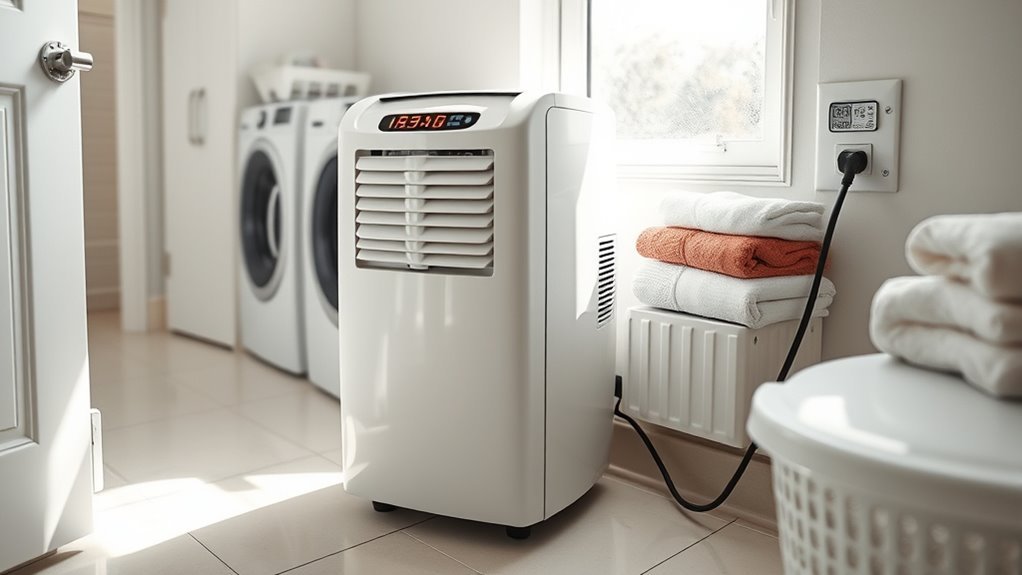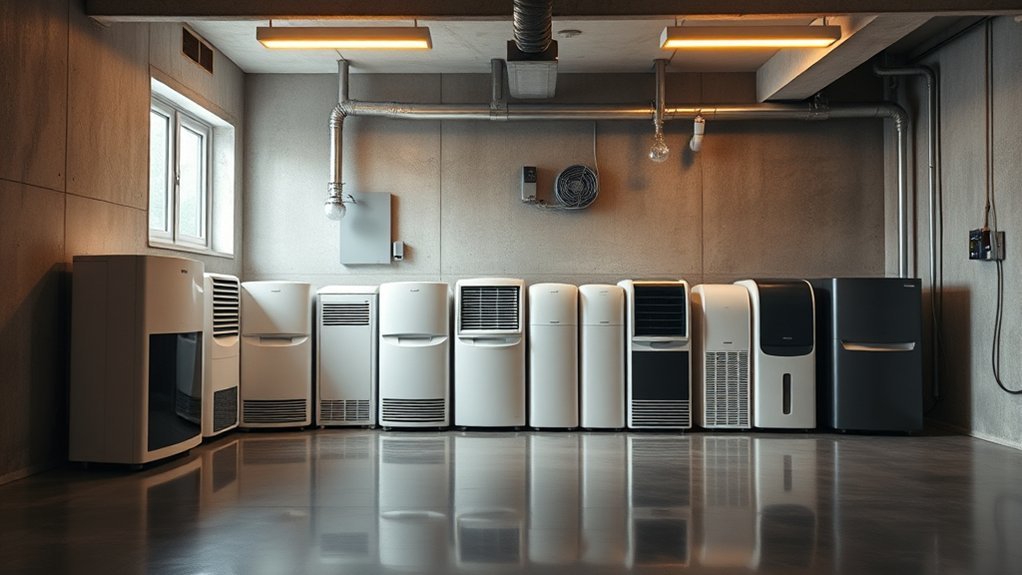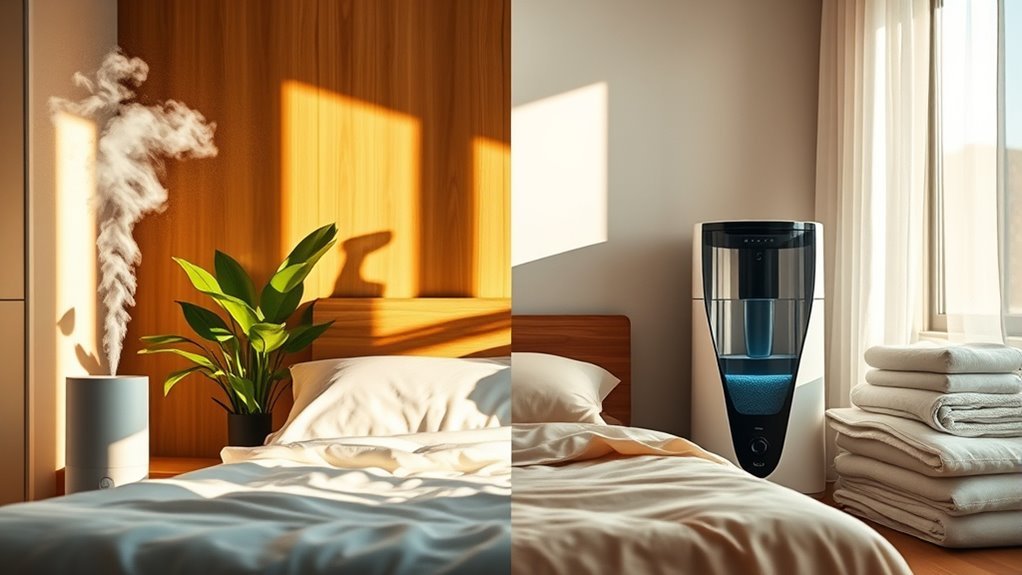
A humidifier and a dehumidifier solve opposite humidity problems. A humidifier adds moisture when dry indoor air drops below about 30% relative humidity. A dehumidifier removes moisture when damp air rises above about 50%. For most homes, the goal is a steady 30% to 50% range so the air feels comfortable without encouraging mold, dust mites, condensation, or dry-air irritation.
Quick Answer
Use a humidifier when indoor humidity stays below 30% and the air feels dry. Use a dehumidifier when humidity stays above 50% and the room feels damp, musty, or mold-prone. Measure first with a hygrometer, then aim for the 30% to 50% comfort range.
Key Takeaways
- A humidifier adds moisture; a dehumidifier removes moisture.
- The best indoor humidity target for most homes is 30% to 50%.
- Use a humidifier for dry skin, dry sinuses, static shocks, and cracking wood when humidity is low.
- Use a dehumidifier for musty smells, condensation, mildew, mold risk, and dust-mite control when humidity is high.
- Clean and size the device correctly, or it can create the problem you were trying to fix.
At a Glance
| Time Required | 5 to 10 minutes to measure humidity and choose the right device |
| Difficulty | Easy |
| Tools Needed | Hygrometer, room-size estimate, manufacturer manual, and a place to drain or refill water |
| Cost | Varies by room size, capacity, features, and whether you choose a portable or whole-home unit |
What’s the Difference Between a Humidifier and Dehumidifier?
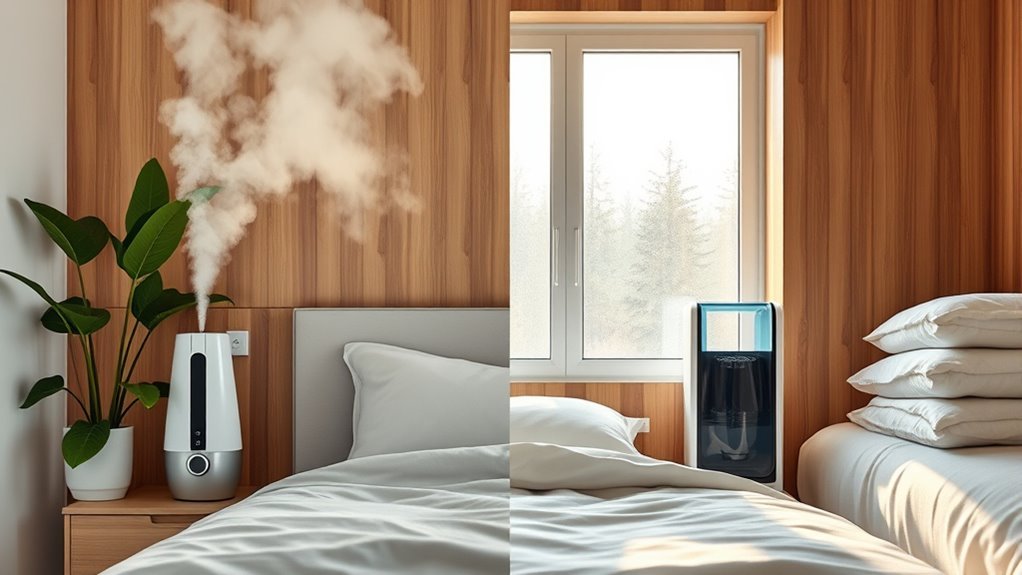
A humidifier adds moisture to dry air. A dehumidifier removes excess moisture from damp air. They are not interchangeable, because they push humidity in opposite directions.
Use a humidifier when indoor humidity is too low, especially during winter heating season or in an arid climate. Dry air can contribute to dry skin, cracked lips, irritated nasal passages, and static electricity. Mayo Clinic notes that humidifiers can ease dry-air problems but must be kept clean and used within a healthy humidity range.
Use a dehumidifier when humidity is too high, especially in basements, bathrooms, laundry rooms, crawl spaces, or warm humid climates. Damp air can lead to condensation, musty odors, mold, mildew, and dust mites. The CDC recommends keeping home humidity no higher than 50% all day to help prevent mold growth.
Pro Tip: Do not choose by season alone. Choose by the number on a hygrometer. A dry winter bedroom may need a humidifier, while a damp basement in the same home may need a dehumidifier.
Humidifier vs Dehumidifier Decision Table
The simplest way to decide is to measure relative humidity in the room where you feel the problem. Check more than once, because humidity can change after showers, cooking, laundry, rain, heating, and air-conditioning cycles.
| Humidity Reading | What It Usually Means | Best Choice |
|---|---|---|
| Below 30% | Air is too dry; dry skin, dry throat, static, or cracking wood may appear. | Use a humidifier. |
| 30% to 50% | This is the target comfort range for most homes. | Usually neither, unless a specific room still has a moisture problem. |
| Above 50% | Air is too damp; mold, mildew, dust mites, and condensation become more likely. | Use a dehumidifier and improve ventilation. |
How Humidity Affects Comfort and Damage
Humidity affects how your body feels and how your home ages. Low humidity can dry out skin, lips, eyes, and nasal passages. It can also increase static shocks and make wood furniture or floors shrink and crack. High humidity can make rooms feel heavy and clammy, and it can create damp surfaces where mold and mildew grow.
High humidity also encourages dust mites. The American Lung Association says humidity is the most important factor in whether a home has high dust-mite levels and recommends keeping humidity below 50% to reduce them.
Comfort and Health Effects
Balanced humidity supports everyday comfort. When the air is too dry, you may notice scratchy throat, dry sinuses, nosebleeds, itchy eyes, and dry skin. When the air is too damp, you may notice musty odors, worse allergy symptoms, heavier breathing, and more visible condensation.
For people with asthma, allergies, COPD, RSV, or other respiratory conditions, humidity control is only one part of indoor air quality. A humidifier or dehumidifier may help when humidity is clearly outside the ideal range, but it should not replace medical advice, prescribed treatment, ventilation, or mold cleanup.
Mold and Material Damage
If indoor humidity stays above 50%, the risk of mold growth, mildew, condensation, and dust mites increases. Moisture can also damage wood, drywall, insulation, paint, wallpaper, and stored fabrics. The EPA explains that indoor mold growth should be prevented or controlled by controlling moisture indoors.
- Protect wooden furniture and flooring from swelling, warping, shrinking, and cracking.
- Reduce the conditions that allow mold and mildew to grow.
- Preserve drywall, insulation, paint, wallpaper, books, and stored fabrics.
- Lower the chance of musty odors and hidden dampness in basements, closets, and bathrooms.
Warning: A dehumidifier can reduce moisture, but it does not remove existing mold. If you can see or smell mold, clean it safely and fix the water source. If the mold is widespread, hidden, or tied to water damage, consider professional help.
Ideal Indoor Humidity Levels
Keeping indoor humidity between 30% and 50% gives most homes the best balance of comfort, health, and material protection. Mayo Clinic describes 30% to 50% as the ideal home humidity range. ENERGY STAR also says the optimum relative humidity level for a building is generally considered to be 30% to 50%.
| Relative Humidity | Effect |
|---|---|
| 30% to 50% | Best range for most homes, people, and materials. |
| Below 30% | Dry air, static, dry skin, dry sinuses, and possible wood shrinkage. |
| Above 50% | Excess moisture, condensation, mold risk, mildew, and dust mites. |
Use a hygrometer to monitor humidity. Place it in the room where you feel the problem, keep it away from vents and direct mist, and check it at different times of day. One reading is useful, but a pattern is better.
When a Humidifier Works Best
A humidifier works best when indoor humidity stays below 30% and the air feels dry. This often happens in winter, when heating systems lower indoor relative humidity, or in naturally dry climates.
When humidity drops below 30%, a humidifier can restore comfort, reduce dry-air irritation, and help protect wood from cracking.
- Use it when a hygrometer shows humidity below 30%.
- Run it to ease dry skin, chapped lips, dry throat, or irritated sinuses.
- Use it in a dry bedroom, nursery, living room, or office.
- Choose a model sized for the room so you do not create condensation.
- Clean it often so the mist does not carry minerals, bacteria, or mold.
A humidifier should make the air feel comfortable, not damp. If windows fog, surfaces feel wet, or the room smells musty, turn it down, run it less, or stop using it until humidity returns to the target range.
When a Dehumidifier Works Best
A dehumidifier works best when indoor humidity stays above 50%. It is especially useful in basements, bathrooms, crawl spaces, laundry rooms, storage areas, and poorly ventilated rooms where dampness lingers.
Use a dehumidifier when you notice condensation on windows or pipes, musty odors, visible mildew, damp carpet, soft drywall, peeling paint, or swollen wood. A dehumidifier lowers moisture at the source, which helps protect indoor air quality and home materials.
- Run it in damp rooms where humidity remains above 50%.
- Close windows and doors while it runs so it can work efficiently.
- Choose a capacity that fits both room size and dampness level.
- Use a drain hose if the bucket fills quickly or the unit runs for long periods.
- Keep it away from walls and furniture unless the manual allows wall placement.
ENERGY STAR explains that dehumidifier capacity is usually measured in pints per 24 hours and depends on both the size of the space and how damp the space is without dehumidification.
Signs You Need a Humidifier
If indoor humidity consistently falls below 30%, your room may be too dry. A humidifier can help restore balance when dryness is the real problem.
- Frequent static shocks
- Dry skin with a tight or itchy feeling
- Chapped lips
- Dry throat or irritated sinuses
- Frequent nosebleeds during dry weather
- Wood furniture, trim, or flooring that cracks or separates
- Houseplants drying out faster than usual
Before you run the unit continuously, confirm the reading with a hygrometer. If humidity is already between 30% and 50%, the problem may be dust, ventilation, air filtration, temperature, or another indoor air issue rather than low moisture.
Signs You Need a Dehumidifier
A dehumidifier becomes useful when indoor humidity stays above 50%. High humidity can make air feel stale and can support mold, mildew, and dust mites.
- Musty odors
- Condensation on windows, pipes, or walls
- Mildew on grout, fabric, or stored items
- Peeling paint or blistering wallpaper
- Warped wood or swollen doors
- Damp carpet, soft drywall, or wet basement corners
- Allergy symptoms that feel worse in damp rooms
If moisture comes from a leak, flood, roof problem, or plumbing issue, fix that source first. A dehumidifier helps control air moisture, but it cannot solve an active water problem by itself.
Which Is Better for Health?
Neither device is automatically healthier. The better choice depends on your humidity reading and symptoms. A humidifier may help when dry air irritates the nose, throat, lips, or skin. A dehumidifier may help when damp air, mold, dust mites, or musty odors are the problem.
Respiratory Relief Benefits
A humidifier can support comfort when dry air makes breathing feel scratchy or irritating. It may be helpful during winter, dry weather, or cold symptoms, but only when the room is genuinely dry. Over-humidifying can encourage mold and dust mites, which can worsen breathing problems.
A dehumidifier can support respiratory comfort when high humidity makes a room damp, musty, or mold-prone. It can also help reduce dust-mite conditions by keeping humidity below 50%.
Mold and Allergen Control
If mold and allergens are your main concern, a dehumidifier is usually the better health-focused choice because it lowers excess moisture. This makes the space less favorable for mold, mildew, and dust mites.
A humidifier can make allergen problems worse if you use it in a damp room. If you already see condensation, smell mustiness, or measure humidity above 50%, do not add more moisture.
When Each Helps Best
- Humidifier: best for dry rooms below 30% humidity.
- Dehumidifier: best for damp rooms above 50% humidity.
- Neither: usually best when the room stays between 30% and 50%.
- Hygrometer: the tool that prevents guesswork.
Note: If you have asthma, allergies, COPD, RSV, immune compromise, or severe breathing symptoms, ask a healthcare professional for guidance. Humidity control can support comfort, but it is not a substitute for medical care.
Types of Humidifiers and Dehumidifiers
The right device also depends on how the machine works. A small bedroom, a child’s room, and a damp basement may need different designs.
Recommended Products


【Ideal for Large Homes & Basements (Up to 5,000 Sq. Ft)】The Waykar 80 pint dehumidifier efficiently removes up to 80 pints of moisture per day in high-humidity conditions (95°F, 90% RH). In warmer, damp spaces like basements (86°F, 80% RH), it removes 62 pints/day. This dehumidifier for basement is perfect for large areas such as basements, bathrooms, bedrooms, and living rooms. Customize your space by adjusting the humidity level from 30% to 80%, creating a drier and healthier environment
Common Humidifier Types
- Cool-mist humidifiers: Often preferred around children because they do not use hot steam.
- Evaporative humidifiers: Use a fan and wick filter; they can be less likely to over-humidify when properly sized.
- Ultrasonic humidifiers: Quiet and efficient, but they can release mineral “white dust” if you use hard tap water.
- Steam vaporizers: Boil water and release steam; they add moisture but can create burn risks around children and pets.
- Whole-home humidifiers: Connect to HVAC systems and should be installed and maintained according to professional and manufacturer guidance.
Common Dehumidifier Types
- Compressor dehumidifiers: Common for warm, damp rooms and basements.
- Desiccant dehumidifiers: Can work better in cooler spaces where compressor coils may frost.
- Portable dehumidifiers: Good for one room or problem area.
- Whole-home dehumidifiers: Designed for larger moisture problems and usually require professional HVAC installation.
How to Choose Between a Humidifier and Dehumidifier
Start by measuring your humidity levels with a hygrometer. If readings stay below 30%, choose a humidifier. If they stay above 50%, choose a dehumidifier. If readings stay between 30% and 50%, look for another cause of discomfort before buying a moisture-control device.
- Measure the room. Check humidity in the exact room where you feel discomfort.
- Match the symptom to the reading. Dry symptoms plus low humidity point to a humidifier. Musty symptoms plus high humidity point to a dehumidifier.
- Choose the right size. Match humidifier coverage area or dehumidifier pint capacity to the room size and moisture load.
- Check drainage and cleaning needs. Humidifiers need frequent water changes and cleaning. Dehumidifiers need bucket emptying, filter care, or drainage access.
- Consider noise and placement. Bedrooms may need quieter models; basements may need continuous drainage and larger capacity.
Recommended Products

Wellness Indicator: This humidity meter with humidity level icon indicates air conditions - DRY/COMFORT/WET, allowing this humidity sensor to ensure you’re always aware of changes to your home/household with just a quick glance

Smart Features: The Govee Wireless Thermometer Hygrometer supports all basic functions as well as smart functions such as remote monitoring and temp humidity graphs. Our humidity meters are reliable and easy to use for homes, greenhouses and more.(Only supports 164ft Bluetooth connection)

Face Icon Comfort Indicator: Humidity temperature gauge features face icons to indicate DRY/COMFORT/WET air conditions, quickly informs you how to adjust your humidifier or dehumidifier to achieve optimal comfort.
Room-by-Room Guidance
Different rooms have different moisture patterns. The same home may need humidification upstairs and dehumidification downstairs.
| Room | Common Problem | Best Move |
|---|---|---|
| Bedroom | Dry throat, dry nose, static, or dry winter air. | Use a properly sized humidifier if humidity is below 30%. |
| Nursery or child’s room | Dry air during colds, congestion, or heating season. | Use a clean cool-mist humidifier if advised; avoid hot steam vaporizers. |
| Basement | Musty smell, damp walls, stored items smelling stale. | Use a dehumidifier and check for leaks or drainage issues. |
| Bathroom | Condensation, mildew, damp towels. | Use exhaust ventilation first; add a dehumidifier if humidity remains high. |
| Laundry room | Moist air from drying clothes or poor dryer venting. | Vent the dryer outdoors and use a dehumidifier if the room stays damp. |
Recommended Products

Moisturize All Day: With a 0.5-gallon water capacity, enjoy up to 10 hours of hydration at low, 8 hours at medium, and 6 hours at high settings. Combat dry skin, wrinkles, insomnia, and sore throat to create a fully moisturized day.

[3-in-1 Humidifier Meets All You Expect] Cool Mist Humidifier+Aromatherapy+Mood Light, purchase for once to satisfy all you expect! Let Homvana H101 be the best companion in your bedroom.

Top-Fill Design for Easy Refilling: Easily refill the 3L water tank by removing the top cover. No need to flip or disassemble—just pour in water and keep your hands dry.
Sizing and Placement Tips
Correct sizing matters. A device that is too small may run constantly without fixing the problem. A device that is too large may cycle poorly, waste energy, or overcorrect the room.
Humidifier Sizing and Placement
- Choose a humidifier rated for the room’s square footage.
- Place it on a stable, elevated, water-resistant surface unless the manual says otherwise.
- Keep mist away from walls, bedding, curtains, wood furniture, electronics, and vents.
- Do not place it directly next to a crib, bed, or child’s face.
- Stop or reduce use if surfaces become damp or windows fog.
Dehumidifier Sizing and Placement
- Choose capacity by room size and dampness level, not just by price.
- Look for pint-per-day capacity and a built-in humidistat.
- Place the unit where air can circulate around it, unless the model is designed for wall placement.
- Close doors and windows while it runs.
- Use a hose drain if the bucket fills often, but keep hoses away from electrical cords and walkways.
- For cold spaces, check the manual for low-temperature operation or defrost features.
Can You Use Both in the Same Home?
Yes, you can use both in the same home if different rooms have different humidity problems. For example, a dry upstairs bedroom may need a humidifier in winter, while a damp basement may need a dehumidifier year-round.
Do not run a humidifier and dehumidifier against each other in the same room at the same time. That wastes energy and makes humidity harder to control. Measure each room separately, set a target range, and use the device only where it is needed.
Tips for Maintaining Both Devices
Routine maintenance keeps both devices safe and efficient. Poor maintenance can spread contaminants, create odors, reduce performance, and shorten appliance life.
Humidifier Maintenance
- Empty and refill the tank with fresh water daily if possible.
- Use distilled or demineralized water to reduce mineral buildup and white dust.
- Clean the humidifier every three days during regular use, or as often as the manual recommends.
- Rinse the tank thoroughly after cleaning so cleaning chemicals do not enter the air.
- Replace filters, wicks, or cartridges on the manufacturer’s schedule.
- Dry the unit before storing it for the season.
Dehumidifier Maintenance
- Empty the bucket often, or connect a drain hose if the unit supports continuous drainage.
- Clean the collection bucket and keep it dry when not in use.
- Wash or replace the air filter according to the manual.
- Keep intake and exhaust areas clear of dust, furniture, curtains, and stored boxes.
- Inspect coils and vents if performance drops.
- Unplug the unit before cleaning or moving it.
Warning: Do not add essential oils, disinfectants, or scented products to a humidifier unless the manufacturer specifically says the model is designed for them. A standard humidifier is for water, not inhaled additives.
Troubleshooting Common Problems
If the device is not solving the problem, check the humidity reading, placement, room size, and maintenance before replacing it.
| Problem | Likely Cause | Fix |
|---|---|---|
| White dust near humidifier | Minerals from hard tap water. | Use distilled or demineralized water and clean the tank. |
| Windows fog after humidifier use | Humidity is too high or mist is hitting cold surfaces. | Turn the unit down, move it, or stop use until humidity drops. |
| Room still feels damp | Dehumidifier is undersized, poorly placed, or fighting outdoor air. | Close doors/windows, clear airflow, check capacity, and look for leaks. |
| Dehumidifier bucket fills fast | The space has a heavy moisture load. | Use continuous drainage and check for water intrusion. |
| Musty smell continues | Existing mold, wet materials, or hidden moisture. | Clean mold safely, dry wet materials, and fix the moisture source. |
Frequently Asked Questions
Which one should I use, a humidifier or a dehumidifier?
Use a humidifier if indoor humidity is below 30% and the air feels dry. Use a dehumidifier if indoor humidity is above 50% and the room feels damp, musty, or mold-prone. If the room is between 30% and 50%, you usually do not need either device.
Should you use a dehumidifier if you have COPD?
A dehumidifier may help if high humidity, mold, musty air, or dust mites are triggers in your home. Keep humidity in the 30% to 50% range and ask your healthcare professional what indoor conditions are safest for your COPD symptoms.
Do air purifiers dry indoor air?
A standard air purifier filters particles or gases from indoor air; it does not meaningfully add or remove water vapor. If your room feels dry, check humidity with a hygrometer. If it feels damp, use ventilation or a dehumidifier rather than relying on an air purifier.
What kind of humidifier is best for RSV?
For children, a clean cool-mist humidifier is generally preferred over a hot-steam vaporizer because hot water and steam can burn. Keep it properly sized, clean it often, use fresh water, and contact a pediatrician promptly for RSV breathing trouble, dehydration, blue lips, or worsening symptoms.
Can I use a humidifier and dehumidifier in the same house?
Yes. Use them in different rooms if each room has a different humidity problem. For example, a dry bedroom may need a humidifier while a damp basement needs a dehumidifier. Do not run both in the same room at the same time.
Will a dehumidifier kill mold?
No. A dehumidifier helps prevent mold by lowering excess moisture, but it does not kill or remove existing mold. Clean visible mold safely, dry wet materials, and fix leaks or water intrusion so the problem does not return.
What humidity should a bedroom be?
A bedroom should usually stay between 30% and 50% relative humidity. If it drops below 30%, a humidifier may help. If it rises above 50%, reduce moisture, improve ventilation, or use a dehumidifier.
Conclusion
When you choose between a humidifier and a dehumidifier, you are choosing a direction for indoor moisture. A humidifier raises low humidity when dry air causes discomfort. A dehumidifier lowers high humidity when damp air creates musty smells, condensation, mold risk, or dust mites.
Measure first, then act. Keep indoor humidity between 30% and 50%, size the device for the room, maintain it carefully, and fix leaks or ventilation problems instead of asking an appliance to cover them up. That simple routine gives you cleaner-feeling air, better comfort, and stronger protection for your home year-round.
Sources
- Mayo Clinic — Humidifiers: Ease skin, breathing symptoms — backs ideal humidity range, dry-air symptoms, humidifier cleaning, and high-humidity risks.
- CDC — You Can Control Mold — backs keeping home humidity no higher than 50% and using a meter to check humidity.
- EPA — A Brief Guide to Mold, Moisture and Your Home — backs moisture control, mold prevention, and fixing water problems.
- ENERGY STAR — Dehumidifiers — backs dehumidifier capacity, sizing, placement, and 30% to 50% optimum RH guidance.
- American Lung Association — Dust Mites — backs the link between humidity, dust mites, allergies, and asthma triggers.
- Children’s Hospital of Philadelphia — Vaporizer or Humidifier: Which Is Best? — backs cool-mist guidance and burn-risk warnings for children.