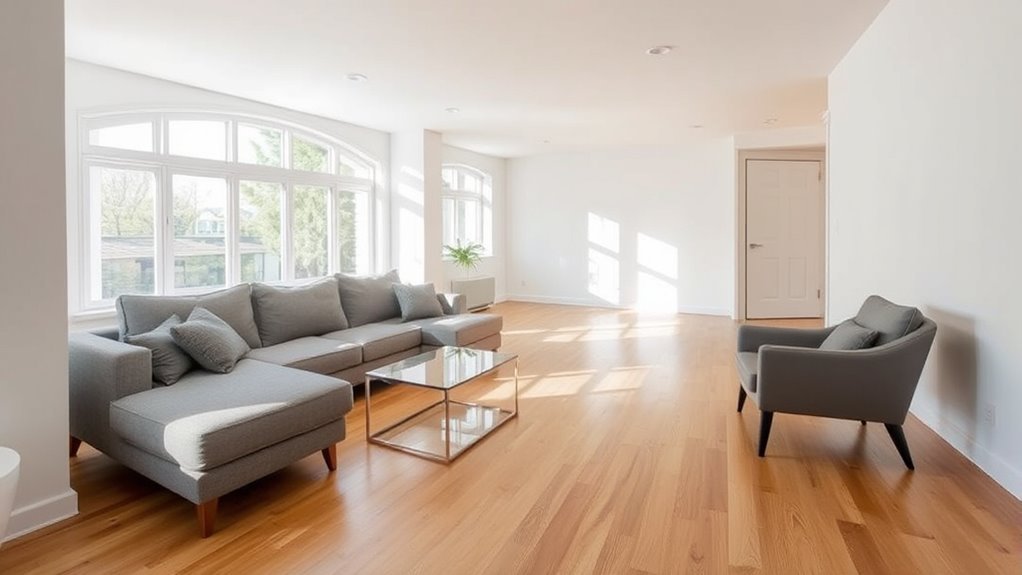
Color temperature in lighting describes how warm, neutral, or cool a white light appears. It is measured in Kelvin (K), and most LED packages list it as correlated color temperature, or CCT. For home interiors, the best choice usually depends on the room’s purpose: warm light for relaxing, neutral light for everyday tasks, and cooler light where clarity matters.
Quick Answer
For most homes, use 2700K to 3000K in living rooms, bedrooms, and dining areas; 3000K to 3500K in kitchens and bathrooms; and 3500K to 4000K in home offices, laundry rooms, garages, and task-heavy spaces. Use dimmers or tunable bulbs when one room needs both cozy and focused lighting.
Key Takeaways
- Lower Kelvin numbers look warmer and more golden; higher Kelvin numbers look whiter, crisper, and sometimes slightly blue.
- 2700K to 3000K is the safest range for cozy residential rooms such as bedrooms, living rooms, and dining rooms.
- 3000K to 4000K works well where you need better visibility, such as kitchens, bathrooms, closets, and home offices.
- Color temperature does not measure brightness. Choose brightness by lumens and color accuracy by CRI.
At a Glance
| Time Required | 10 to 20 minutes to review bulb labels and choose a room-by-room Kelvin plan |
| Difficulty | Easy |
| Tools Needed | Bulb packaging, fixture list, room-by-room notes, and optional dimmer or smart-bulb controls |
| Cost | Free to plan; replacement bulb cost varies by LED type, dimming, smart features, and fixture style |
What Is Color Temperature in Lighting?
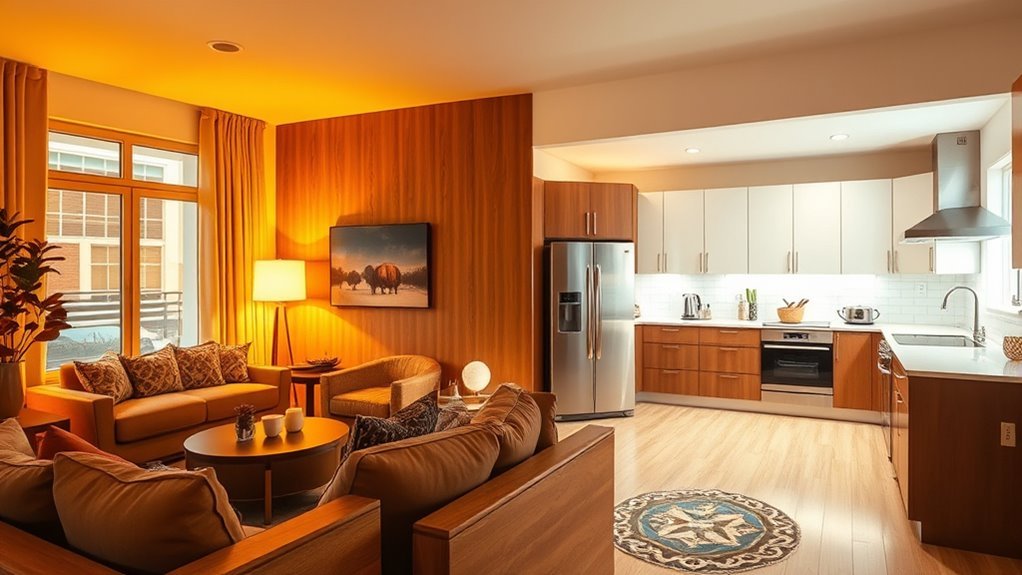
Color temperature is the appearance of white light, from amber and cozy to crisp and cool. In home lighting, it is usually listed in Kelvin, using numbers such as 2700K, 3000K, 4000K, or 5000K. A lower Kelvin value looks warmer and more yellow. A higher Kelvin value looks whiter, cooler, or slightly blue.
Most modern LED bulbs use the term correlated color temperature, or CCT, because LEDs are not heated like old incandescent filaments. Instead, CCT describes the white-light appearance your eye perceives. For everyday shopping, you can treat the Kelvin number as your warmth-to-coolness guide.
Color temperature matters because it affects how a room feels and how easily you can see details. Warm white light can make a living room feel relaxed and welcoming. Neutral white light can help a kitchen or bathroom feel cleaner and clearer. Cooler white light can support focus in task-heavy areas such as a home office, garage, or laundry room.
How Is Color Temperature Measured in Kelvin?
The Kelvin scale is a temperature scale used in science, but in lighting it works as a practical appearance scale. The important rule is simple: lower Kelvin looks warmer; higher Kelvin looks cooler. That can feel backwards at first because “warm” light has a lower number, but it matches how we describe the look of the light, not the physical heat of the bulb.
Kelvin Scale Explained
In home interiors, most white bulbs fall between about 2200K and 6500K. Extra-warm bulbs around 2200K can look candle-like or amber. A 2700K bulb looks similar to traditional warm incandescent light. A 3000K bulb still feels warm but a bit cleaner. A 4000K bulb looks neutral to cool. A 5000K to 6500K bulb is often sold as daylight and can look bright, crisp, and blue-white.
Measurement Techniques Overview
You do not need a light meter to choose a good bulb for your home. Check the bulb package or online product listing for these three measurements:
- Kelvin or CCT: the warmth or coolness of the white light.
- Lumens: the brightness of the bulb. ENERGY STAR explains that brightness is measured in lumens, not watts.
- CRI: the Color Rendering Index, which helps indicate how naturally colors appear under that light.
A bulb can be the right Kelvin but still be too dim, too bright, or poor at showing colors. For example, a 3000K kitchen bulb may feel pleasant, but you may still need more lumens over countertops and a higher CRI near food prep areas.
Color Temperature Ranges
Here is the easiest way to understand common lighting ranges:
| Kelvin Range | Common Name | Best Use at Home |
| 1800K to 2400K | Extra warm / amber | Accent lamps, evening lighting, decorative fixtures, cozy corners |
| 2700K to 3000K | Warm white / soft white | Living rooms, bedrooms, dining rooms, family rooms |
| 3000K to 3500K | Warm-neutral white | Kitchens, bathrooms, hallways, closets, mixed-use spaces |
| 3500K to 4000K | Neutral white / cool white | Home offices, garages, laundry rooms, workbenches, task zones |
| 5000K to 6500K | Daylight | Utility spaces, studios, detailed tasks, areas where a crisp daylight look is desired |
Exploring the Different Ranges of Color Temperature in Lighting
Choosing color temperature is not about picking the “best” Kelvin number for the whole house. It is about matching the light to the room, the time of day, and the activity.
- Warm white light from 2700K to 3000K creates a relaxed, familiar glow for bedrooms, living rooms, and dining spaces.
- Neutral white light from 3000K to 4000K gives better clarity for kitchens, bathrooms, closets, and home offices without feeling as stark as daylight bulbs.
- Daylight-style light from 5000K to 6500K can help in utility areas, craft rooms, garages, and detailed work zones, but it can feel too clinical in relaxing rooms.
Note: Color temperature is not the same as brightness. A 2700K bulb and a 5000K bulb can have the same lumen output but feel very different because one looks warmer and the other looks cooler.
Recommended Products

SWITCH ON BULB. YOUR LIGHT, YOUR WAY. – A preset switch built directly into the base of the bulb lets you cycle through five color temperatures, 2700K, 3000K, 3500K, 4000K, and 5000K, without any app, hub, or extra wiring required. From the warmest soft white for a relaxing evening at home to the crispest daylight for a focused and productive work session, the A19 gives you complete control over the tone, feel, and mood of any room with nothing more than a simple press of the switch on bulb.

SWITCH ON BULB. FIVE COLOR TEMPERATURES. – The A21 puts full control of your light color directly on the bulb itself, letting you cycle between 2700K warm white, 3000K soft white, 3500K neutral white, 4000K cool white, and 5000K daylight with a simple press, no app, no hub, and no extra hardware required. Choose the color temperature that fits the moment and the room, then leave it locked in until you decide to change it again, all from a single, versatile 1600-lumen bulb that does it all.
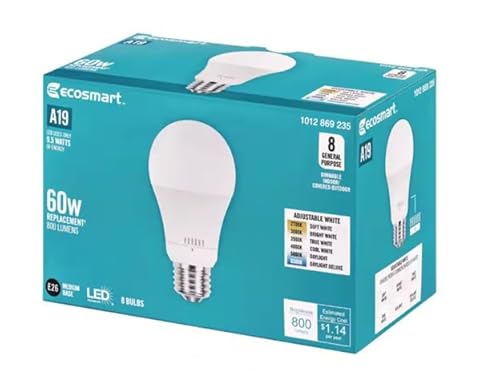
Selectable color temperature: soft white (2700K), bright white (3000K), true white (3500K), cool white (4000K), daylight (5000K) and daylight deluxe (6500K)
What Does Warm White Color Temperature Mean for Your Home?

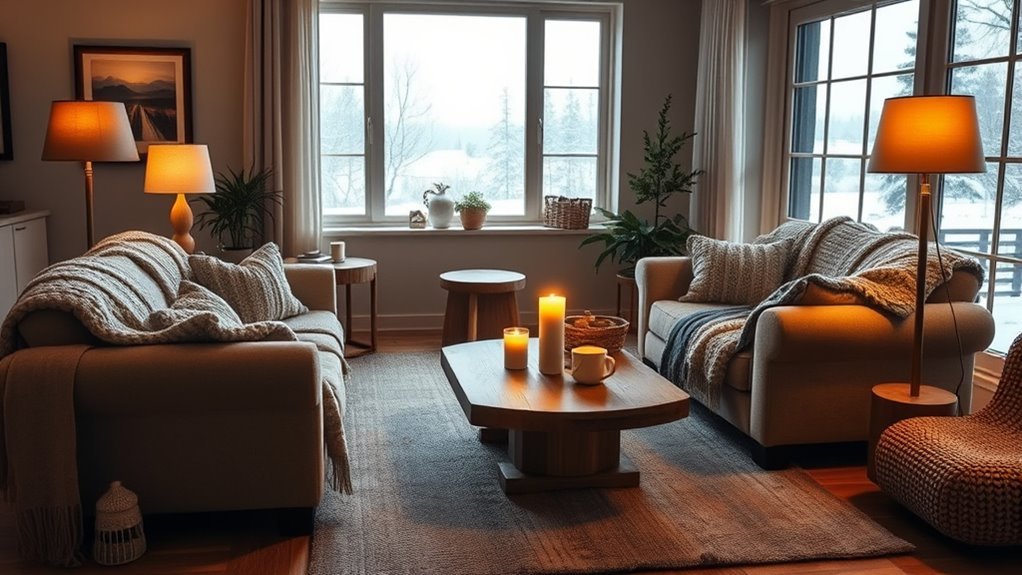
Warm white light usually sits between 2700K and 3000K. It gives off a soft yellow-white glow that feels comfortable, flattering, and familiar. This is why it works so well in living rooms, bedrooms, dining rooms, reading corners, and any space where you want people to settle in.
Warm light also tends to flatter wood tones, warm paint colors, brass finishes, woven textures, and soft furnishings. If a room feels cold or unfinished, switching from a 4000K bulb to a 2700K or 3000K bulb can make the space feel more inviting.
For bedrooms, 2700K is usually the safest choice. If the room also has a vanity, desk, or dressing area, consider layered lighting: warm bedside lamps for evening and a separate neutral task light for getting ready.
Why Cool White Light Is Great for Your Workspace?
Cool white light, usually around 3500K to 4000K in residential settings, can make a workspace feel clearer and more alert. It is useful when you need to read small text, sort materials, clean, cook, fold laundry, or work at a desk.
The key is balance. A home office does not need to feel like a hospital or warehouse. Many people are comfortable with 3500K or 4000K overhead lighting paired with a focused desk lamp. If your office is also a guest room or den, use dimmable or tunable bulbs so you can shift from task mode to relaxed mode.
Pro Tip: In a home office, place the brightest task light where the work happens instead of making the entire room cooler and brighter. This keeps the room comfortable while still improving visibility.
The Benefits of Daylight Color Temperature in Home Interiors
Daylight bulbs are usually labeled around 5000K to 6500K. They create a crisp, blue-white light that can be useful for detailed work, utility spaces, workshops, garages, sewing rooms, and studios. They can also help in spaces with very little natural light when you want a brighter daytime feel.
Still, daylight color temperature is not automatically better. In living rooms and bedrooms, 5000K can feel harsh or cold, especially at night. It may also make warm paint colors and natural materials look flatter or less cozy.
For color-sensitive tasks, do not rely on Kelvin alone. Look for a high-CRI bulb, especially in bathrooms, closets, kitchens, art spaces, and makeup areas. A 5000K bulb with poor color rendering can still make colors look inaccurate.
Warning: Avoid bright, cool lighting right before bed when you are trying to wind down. For evening use, dim the lights, choose warmer bulbs, and keep bedrooms as dark as practical during sleep.
How to Choose Color Temperature for Each Room
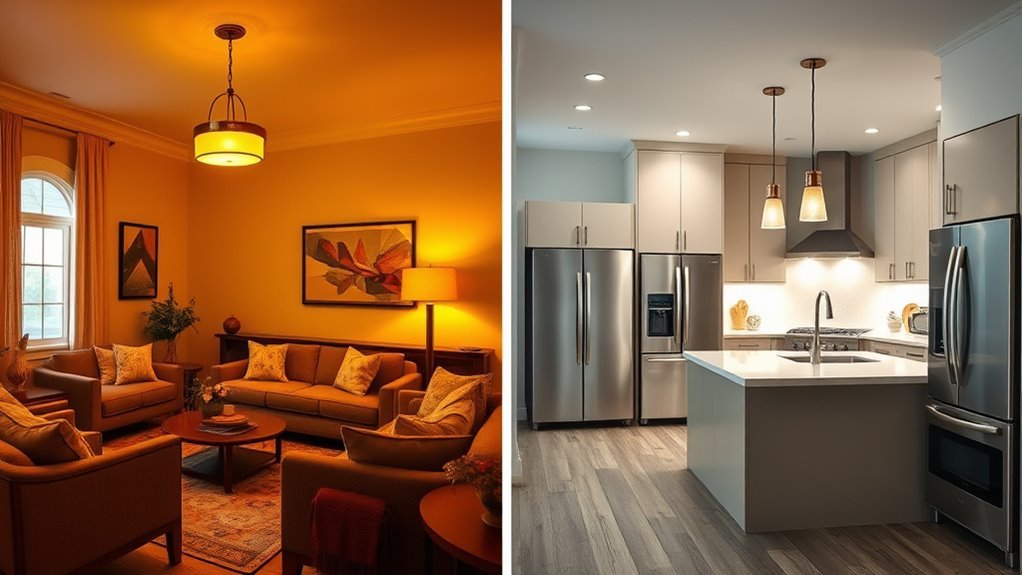
The best color temperature for each room depends on what you do there most often. Use this room-by-room guide as a starting point:
| Room | Recommended Kelvin | Why It Works |
| Living room | 2700K to 3000K | Creates a relaxed, welcoming atmosphere for conversation and lounging. |
| Bedroom | 2200K to 3000K | Supports a calmer evening feel; use dimmers for bedtime routines. |
| Dining room | 2400K to 3000K | Makes meals and finishes feel warm and intimate. |
| Kitchen | 3000K to 3500K | Balances warmth with clearer visibility for counters, appliances, and food prep. |
| Bathroom | 3000K to 4000K | Helps grooming tasks; choose high CRI for makeup and skin-tone accuracy. |
| Home office | 3500K to 4000K | Supports reading, writing, video calls, and focused daytime work. |
| Laundry / garage / utility | 4000K to 5000K | Gives strong clarity for cleaning, sorting, repairs, and storage. |
Recommended Products

【Dimmable & Versatile】Smoothly adjust brightness with TRIAC dimmer compatibility. Tailor your lighting from soft to bright, ideal for relaxing evenings or task-focused environments. Not compatible with smart dimmers

[Smooth Dimmable] With stepless dimmable range from 800lm down to 10%, adjust LED light bulb brightness of your space according to preference; No buzz & No flicker, smooth and comfortable lighting experience
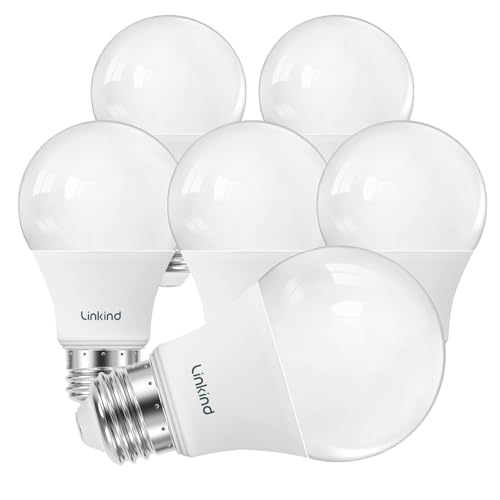
✔ 2700K WARM YELLOWISH LIGHT: The A19 dimmable LED light bulbs give off 800 lumens of 2700k cozy color light. Easy installation with the standard medium screw base E26. NOTE: Please confirm the Kelvin (K) value. This is the most accurate way to select your desired light color. This bulb is 2700K light, which produces a WARM YELLOWISH light. It is not a Bright White or Daylight White bulb. If you prefer a whiter light, please consider our 4000k Cool White or 5000K Daylight options.
Best Tasks for Cool White Lighting
Cool white lighting is best for tasks where detail, cleanliness, or contrast matters. Good places to use it include:
- Home offices and study zones
- Kitchen counters and under-cabinet lighting
- Bathrooms and vanity areas
- Laundry rooms and mudrooms
- Garages, workshops, and storage areas
- Craft rooms, sewing rooms, and hobby spaces
For comfort, avoid using cool white bulbs everywhere by default. A house with only 4000K or 5000K bulbs can feel stark at night. Instead, layer your lighting: warmer lamps for ambiance, neutral overhead light for general use, and brighter task lights where you need them.
CCT vs. Lumens vs. CRI: What to Check Before Buying
Before choosing bulbs, separate these three label details:
- CCT or Kelvin: tells you whether the light looks warm, neutral, or cool.
- Lumens: tells you how bright the bulb is. More lumens means more light output.
- CRI: tells you how well the light shows colors compared with a reference light source.
For cozy rooms, prioritize 2700K to 3000K and comfortable lumen levels. For kitchens and bathrooms, look for 3000K to 3500K with enough lumens for the task. For color-sensitive areas, choose a higher-CRI bulb, especially near mirrors, closets, artwork, tile, countertops, and food prep surfaces.
Recommended Products
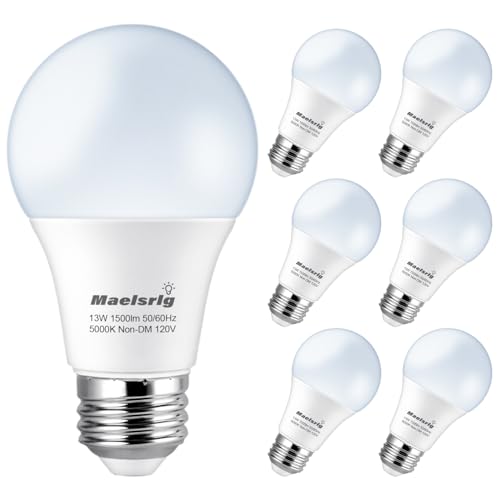
【Super Bright 100W Replacement】These A19 LED light bulbs deliver 1500 lumens of crisp brightness using just 13W, replacing traditional 100-watt incandescent bulbs while reducing energy costs by up to 85%

DIMMABLE LIGHTING: Adjust brightness to suit your space with dimmable A19 LED light bulbs. Each bulb provides 800 lm of illumination and is a 60 W incandescent replacement.

See True Colors: Ultra Definition bulbs are equipped with a color rendering index of 95 (CRI95) bringing out the true colors of your home allowing you to enjoy natural lighting indoors.
How to Mix Color Temperatures Without Making a Room Feel Off
Mixing color temperatures can work, but it needs intention. The safest rule is to keep visible bulbs in the same room within about 500K of each other. For example, 2700K lamps and 3000K recessed lights usually blend well. A 2700K chandelier next to 5000K recessed lights may look mismatched.
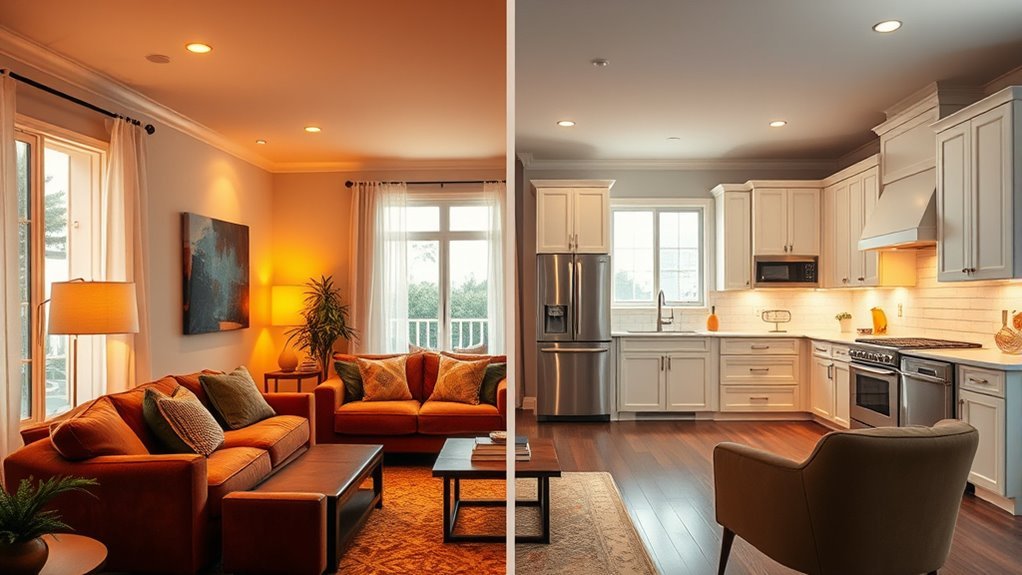
Open-plan homes need extra consistency. If the kitchen, dining area, and living room are all visible from one spot, choose a shared base temperature, such as 3000K, then use dimmers and task lighting to fine-tune each zone.
When a room feels wrong, check these common problems:
- Too yellow: move from 2700K to 3000K or add a neutral task light.
- Too cold: move from 4000K or 5000K down to 3000K.
- Too dim: increase lumens, not Kelvin.
- Colors look strange: choose a higher-CRI bulb.
- Glare feels harsh: use diffusers, lampshades, lower lumens, or dimmers.
Frequently Asked Questions
What is the recommended color temperature for residential interiors?
For most residential interiors, 2700K to 3000K is best for relaxed rooms, while 3000K to 4000K works better for task-heavy rooms. Use 2700K in bedrooms and living rooms, 3000K to 3500K in kitchens and bathrooms, and 3500K to 4000K in home offices or utility spaces.
Is 3000K or 4000K better for home?
3000K is usually better for general home comfort because it feels warm but not overly yellow. 4000K is better for focused tasks, garages, laundry rooms, and some bathrooms or offices. If you want one whole-home color temperature, 3000K is often the safer choice.
Is 3000K or 5000K better for a living room?
3000K is better for most living rooms because it creates a warm, comfortable atmosphere. 5000K can look too stark or blue-white in a room meant for relaxing. If you need brighter reading light, keep the room warm and add a focused task lamp instead.
What is the best Kelvin for living room light?
The best Kelvin for living room light is usually 2700K to 3000K. Choose 2700K for a softer, more traditional glow and 3000K for a slightly cleaner warm white. Add dimmers so the room can feel brighter during the day and softer in the evening.
Does a higher Kelvin bulb mean it is brighter?
No. Kelvin measures the color appearance of the light, not brightness. Brightness is measured in lumens. A 2700K bulb and a 5000K bulb can have the same lumen output even though one looks warm and the other looks cool.
What color temperature is best for a kitchen?
Most kitchens look good between 3000K and 3500K. This range keeps the room warm enough for home comfort while giving counters, cabinets, and prep areas a clearer look. If your kitchen is also a workspace, add brighter task lighting under cabinets.
Conclusion
The best color temperature for your home is not one number for every room. Start with 2700K to 3000K for comfort, move toward 3000K to 4000K where you need visibility, and reserve 5000K or higher for utility spaces or detailed tasks. Then check lumens for brightness, CRI for color accuracy, and dimming or tunable features for flexibility. When your lighting matches the room’s purpose, your home feels better, functions better, and looks more intentional.
Sources
- U.S. Department of Energy — LED Lighting — supports LED efficiency, LED product guidance, and the importance of checking the Lighting Facts Label for brightness and color.
- ENERGY STAR — Learn About Brightness — supports the explanation that brightness is measured in lumens, not watts.
- PLOS Biology — Recommendations for Daytime, Evening, and Nighttime Indoor Light Exposure — supports guidance about daytime light exposure, evening light reduction, and keeping the sleep environment dark.
- CIE S 026 Toolbox — supports modern melanopic-light measurement context used in circadian lighting recommendations.