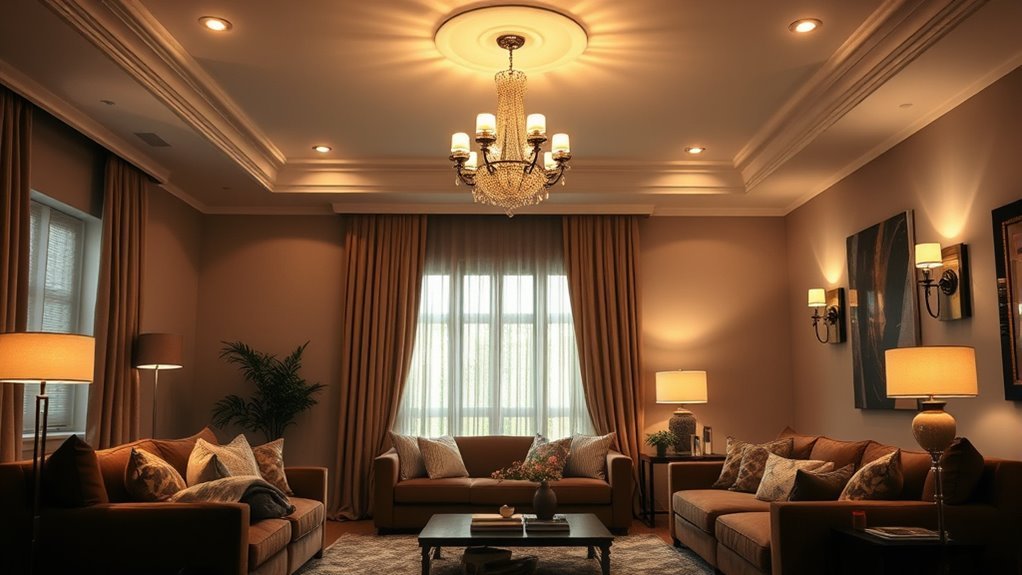
Layered lighting in your living room means using several light sources instead of relying on one overhead fixture. By combining ambient lighting for general brightness, task lighting for activities, and accent lighting for visual interest, you can make the room feel comfortable, practical, and finished at any time of day.
Quick Answer
Layered lighting in a living room combines ambient, task, and accent lighting so the space can support relaxing, reading, watching TV, entertaining, and highlighting decor. Start with soft general light, add focused lamps where activities happen, then use accent lights to bring depth to art, shelves, plants, or architectural details.
Key Takeaways
- Ambient lighting gives the room comfortable overall brightness.
- Task lighting supports reading, games, hobbies, and conversation areas.
- Accent lighting adds depth by highlighting artwork, shelves, fireplaces, plants, or textured walls.
- Choose bulbs by lumens, not watts, and keep most living room bulbs in a warm, comfortable color range.
- Use dimmers, smart bulbs, or separate switches so each lighting layer can work on its own.
At a Glance
| Time Required | 30–60 minutes to plan; a few hours to place lamps and bulbs; longer if adding hardwired fixtures. |
| Difficulty | Easy for plug-in lamps and bulb swaps; moderate to advanced for new switches, sconces, recessed lights, or ceiling fixtures. |
| Tools Needed | Tape measure, floor plan or phone notes, lamps, bulbs, dimmers or smart controls, and an electrician for hardwired changes. |
| Cost | Low-cost updates can start with bulbs and plug-in lamps; hardwired fixtures, smart systems, and electrician labor raise the budget. |
What Is Layered Lighting and Why Does It Matter in Your Living Room?
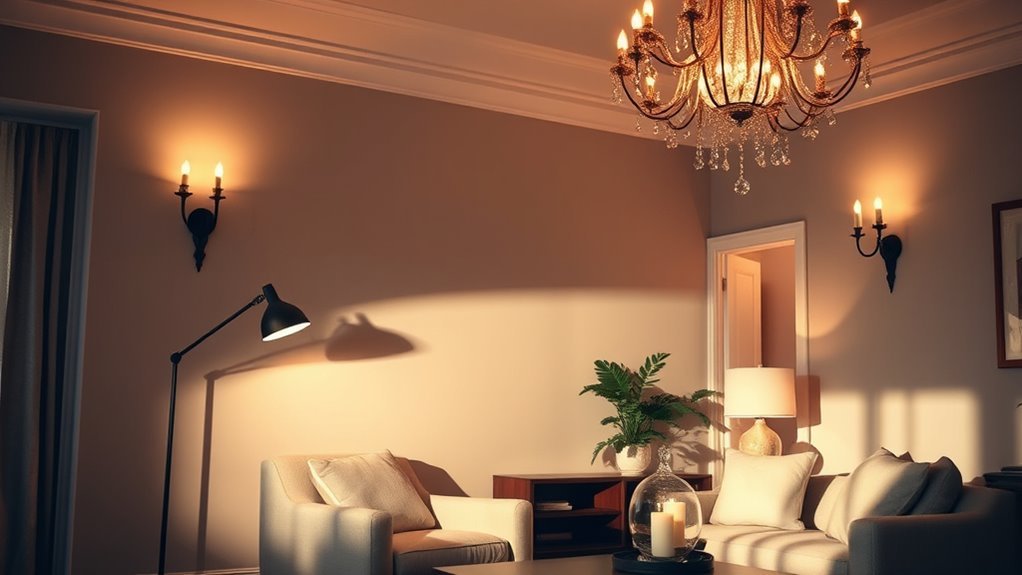
Layered lighting is the practice of using multiple light sources for different jobs. In a living room, that matters because the room often does several things: it hosts guests, supports reading, works as a TV room, shows off decor, and becomes a place to unwind at night.
A single ceiling light may brighten the room, but it often leaves corners flat, creates harsh shadows, or reflects on a TV screen. Layered lighting solves that by spreading light across different heights and directions. A ceiling fixture or recessed lights can provide general brightness, table and floor lamps can support activities, and accent lights can bring attention to the details that make the room feel personal.
According to the U.S. Department of Energy, ambient lighting provides general illumination, task lighting supports activities needing more light, and accent lighting draws attention to special features. Those three roles are the foundation of a well-lit living room.
The Three Essential Types of Layered Lighting: Ambient, Task, and Accent
The easiest way to plan your living room lighting is to give each layer a clear purpose. You do not need every fixture type in every room, but you do need a balance of general light, focused light, and visual interest.
Understanding Ambient Lighting Effects
Ambient lighting is the room’s main wash of light. It helps you move through the space, clean, gather with family, and keep the room from feeling gloomy. Common ambient sources include ceiling lights, chandeliers, flush mounts, recessed lights, pendant lights, and large floor lamps that bounce light upward.
For living rooms, ambient light should feel soft rather than clinical. Warm bulbs, shaded fixtures, diffusers, and dimmers can keep the light comfortable. If your room has strong daylight during the afternoon, your ambient lighting may only need to fill in shadows in the evening.
Enhancing Functionality With Task Lighting
Task lighting gives extra brightness exactly where you need it. In a living room, task lights are useful beside reading chairs, next to sofas, near game tables, by writing desks, or anywhere someone does close-up work.
Good task lighting should be easy to reach, bright enough for the activity, and positioned to avoid shining directly into the eyes. Adjustable floor lamps, swing-arm wall lamps, table lamps, and plug-in sconces all work well. Place task lights slightly beside or behind the seating position so they illuminate the page, project, or surface without creating glare.
Creating Drama With Accent Lighting
Accent lighting adds depth and helps the room feel designed rather than simply lit. Use it to highlight artwork, bookshelves, a fireplace, a textured wall, built-ins, plants, sculptures, or architectural details.
Accent lighting works best when it is selective. If everything is highlighted, nothing becomes a focal point. Choose two or three features you want people to notice, then use picture lights, small spotlights, LED strips, cabinet lights, or wall sconces to draw the eye.
Note: Accent lighting should support the room, not overpower it. If an accent light creates a hot spot, harsh shadow, or screen reflection, lower the brightness or adjust the angle.
How to Figure Out Your Lighting Needs
Before buying fixtures, map how the living room is actually used. This keeps you from overbuying lamps or choosing fixtures that look good but do not solve the room’s lighting problems.
- List the room’s activities. Include reading, TV watching, entertaining, working, gaming, relaxing, or children’s play.
- Notice dark zones. Stand in the room during the day and again at night. Look for corners, shelves, seating areas, and walkways that feel dim.
- Mark glare problems. Check whether existing lamps or windows reflect on the TV, framed art, glass tables, or computer screens.
- Identify focal points. Choose the artwork, fireplace, shelves, or architectural details worth highlighting.
- Decide what needs separate control. A reading lamp, overhead light, and accent lights should not all have to turn on together.
Pro Tip: Take a photo of your living room at night with only the current lights on. The photo will make dark corners, glare, and uneven lighting easier to spot.
Recommended Products

Multi-Function Dimmable Lamp: Vertical lamp includes an 12W dimmable LED bulbs that can be set to different color temperatures (3000K-6500K). 5%-100% dimmable brightness can be used to create different atmospheres and customize your favorite bedroom floor lamp.

2026 Upgrade: We always put users first and noticed customers expect greater durability and stability from their floor lamps. In February, we upgraded our materials to include high-quality LED bulbs and a full metal body, earning ETL certification. Our lamp is built to be more stable and durable, eliminating issues like sudden shut-offs and unsteady stands. Enjoy superior quality for a more convenient and comfortable life.

[DIMMABLE FLOOR LAMP FOR BRIGHTNESS & COLOR] This tall lamp can use the remote control to adjust the brightness by stepless from 10% to 100% and color temperature from 3000K to 6000K, for warm white, natural white, and cool white light. You can adjust the brightness from super soft and cozy to bright and energizing, and switch between warm, natural, and cool light depending on your mood.
Choosing the Right Fixtures for Each Light Layer
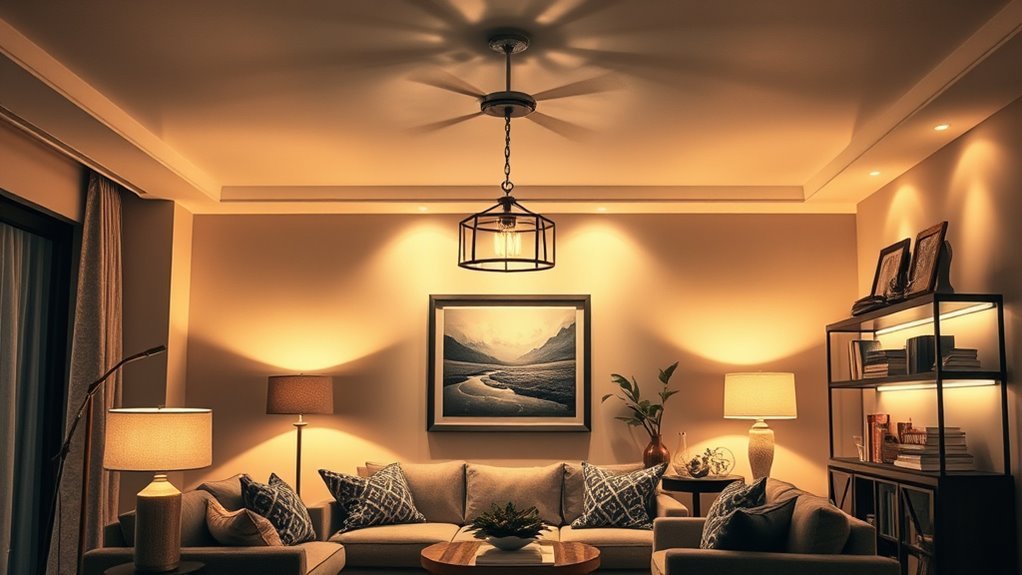
Choosing fixtures is easier when each one has a job. A beautiful chandelier may give ambient light, but it will not always help someone read on the sofa. A table lamp may be perfect for reading, but it will not brighten the whole room. Match the fixture to the layer first, then choose the style.
| Lighting Layer | Best Fixtures | Where to Use Them |
|---|---|---|
| Ambient | Chandeliers, flush mounts, recessed lights, pendants, large floor lamps | General room brightness, conversation areas, walkways |
| Task | Table lamps, reading lamps, swing-arm sconces, adjustable floor lamps | Beside sofas, chairs, desks, game tables, and hobby zones |
| Accent | Picture lights, LED strips, spotlights, cabinet lights, wall sconces | Artwork, shelves, fireplaces, textured walls, plants, built-ins |
Recommended Products

Five adjustable Arms: This tall floor lamp comes with flexible arms that allow for great flexibility in lighting area. The 5 arms are 360° bendable and you can freely adjust the lamp heads up and down or point it in different directions to add tons of light. The 5-light tree floor lamp is perfect for any task, work or sewing when you need night light or reading light.

Modern Fully Dimmable(0-100%) Floor Lamp & Convenient Rotary Switch: Compared with traditional Non-dimmable floor lamps for living room, our floor lamp is fully Stepless Dimmable, which suitable for all the room style and using situation ,find the perfect light for your needs. This standing lamp is very easy to turn on and off. Just simply twist it and then you can adjust the arc floor lamps brightness what you want. 4.1FT rotary switch, which is very convenient for you to adjust it.
Choosing Bulbs: Lumens, Color Temperature, and CRI
The fixture sets the style, but the bulb determines how the room actually feels. When shopping, look at the bulb label instead of relying only on wattage or decorative packaging.
- Buy by lumens, not watts. The U.S. Department of Energy explains that lumens measure brightness and are the better way to compare bulbs. A higher lumen number means a brighter bulb.
- Use warm color temperatures for comfort. For most living rooms, 2700K–3000K creates a soft, warm feel. If a reading area needs a little more clarity, 3000K–3500K can work, especially when it is limited to the task lamp.
- Check CRI for color quality. CRI measures how accurately colors appear under a light source. The Department of Energy notes that a CRI of 80 or higher is acceptable for most indoor residential applications.
- Choose dimmable LEDs only when the bulb says dimmable. Not every LED works with every dimmer, so check the bulb and dimmer compatibility before buying.
- Avoid mixing too many color temperatures. A room with warm table lamps, cool ceiling lights, and daylight accent strips can feel uneven. Pick one warm baseline and vary brightness instead.
A living room usually feels best when brightness is layered, but color temperature stays consistent.
Recommended Products
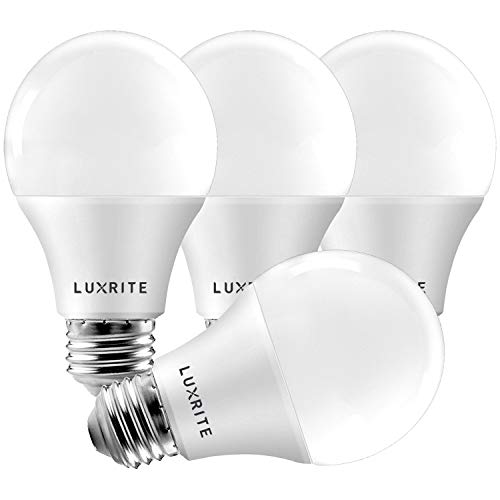
Brightest - Giving you 800 lumens of crisp, quality lighting that is perfect for any atmosphere and brighter than your standard A19 Led bulb. Provide more light to your kitchen, bedroom, living room, office, or any space for brighter home lighting.
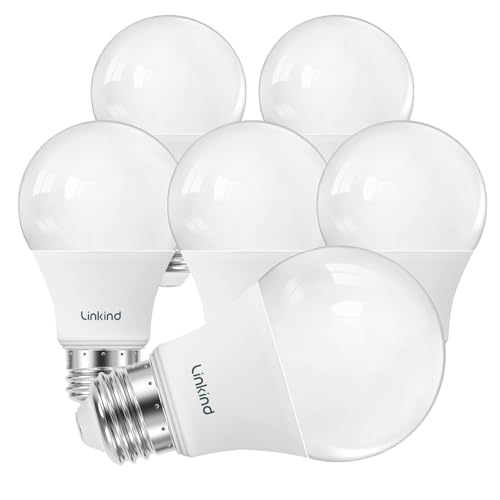
✔ 2700K WARM YELLOWISH LIGHT: The A19 dimmable LED light bulbs give off 800 lumens of 2700k cozy color light. Easy installation with the standard medium screw base E26. NOTE: Please confirm the Kelvin (K) value. This is the most accurate way to select your desired light color. This bulb is 2700K light, which produces a WARM YELLOWISH light. It is not a Bright White or Daylight White bulb. If you prefer a whiter light, please consider our 4000k Cool White or 5000K Daylight options.
Tips for Effectively Layering Light in Your Living Room
Once you understand the layers, use placement and control to make them work together. The goal is flexibility: bright enough for activity, soft enough for relaxing, and balanced enough that no one light source dominates the room.
Assess Your Lighting Needs
Start with the seating plan. Sofas, chairs, and side tables usually tell you where task lighting should go. Then look at the room’s perimeter. Corners, shelves, built-ins, and wall art often need accent lighting to keep the edges of the room from disappearing at night.
If the room has no ceiling fixture, use two or three floor and table lamps to create ambient light from different directions. If the room already has strong overhead lighting, soften it with dimmers and add lower lamps so the room does not feel flat.
Combine Different Light Sources
A balanced living room often uses light at several heights: overhead, eye level, table level, and low accent level. This creates depth and helps people feel comfortable in the space.
For example, you might use a dimmable ceiling fixture for ambient light, a table lamp beside the sofa for task light, a floor lamp near a reading chair, and LED strips inside bookshelves for accent light. Each source should be useful on its own, but better when combined.
Use Dimmers, Zones, and Smart Controls
Lighting layers work best when they are controlled separately. Use dimmers for overhead fixtures, plug-in dimmers for compatible lamps, smart bulbs for renter-friendly control, or separate switches for sconces and accent lights.
The Department of Energy notes that lighting controls such as dimmers, timers, motion sensors, occupancy sensors, and photosensors can help manage light levels and energy use. For a living room, dimmers and smart scenes are usually the most useful because they let you shift from daytime brightness to evening softness quickly.
Warning: Replacing a bulb or moving a plug-in lamp is usually simple, but installing hardwired sconces, ceiling fixtures, recessed lights, switches, or dimmers can involve electrical code and safety requirements. Hire a qualified electrician when wiring is involved.
Examples of Layered Lighting Styles for Different Living Rooms
Layered lighting can fit almost any design style. The fixture shapes, finishes, and materials can change while the three-layer method stays the same.
- Contemporary living room: Use a sculptural ceiling light for ambient lighting, slim floor lamps for task lighting, and picture lights or track lights to highlight artwork.
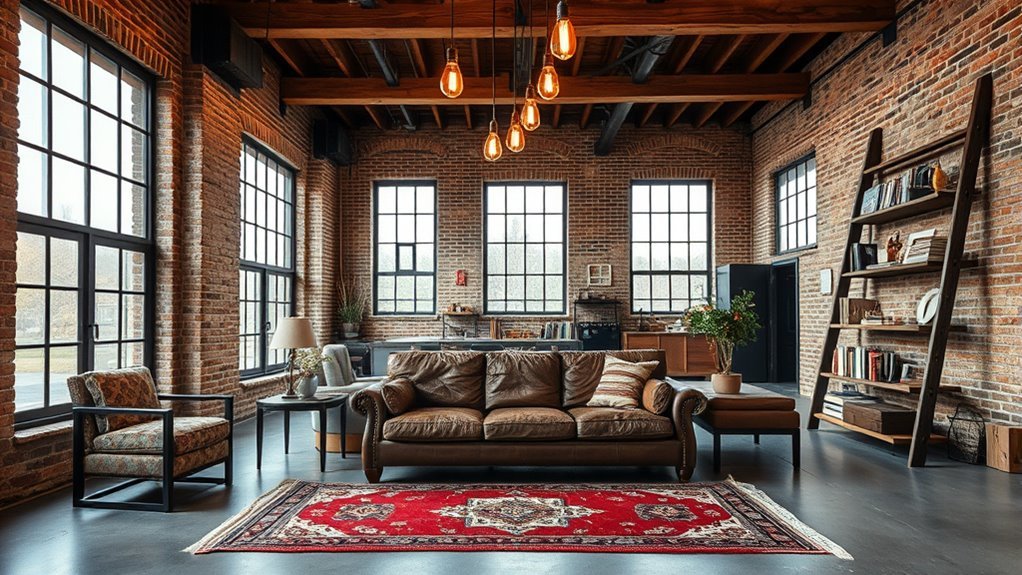
- Rustic living room: Pair a warm chandelier or lantern-style ceiling fixture with shaded table lamps and subtle accent lighting around a fireplace or wood beams.
- Modern minimalist living room: Choose recessed or low-profile ambient lighting, one clean-lined reading lamp, and hidden LED strips under shelves or behind media units.
- Traditional living room: Combine a classic ceiling fixture, matching table lamps, wall sconces, and small accent lights for framed art or built-ins.
- Small apartment living room: Skip hardwired changes and use plug-in sconces, floor lamps, smart bulbs, and LED strips to create layers without construction.
How to Avoid Glare and Flat Lighting
Glare is one of the most common living room lighting problems. It happens when a light source is too bright, too exposed, or aimed at the wrong surface. The Department of Energy notes that glare can come from bright light reflecting off screens, printed pages, or other surfaces.
- For TV rooms: avoid placing bright lamps directly opposite the screen. Use soft side lighting or low accent lighting behind or near the media wall.
- For reading areas: place the lamp slightly behind or beside the reader, not directly in front of the eyes.
- For artwork: angle accent lights so they brighten the piece without reflecting into the room.
- For ceiling lights: use dimmers, diffusers, or lower-lumen bulbs if the room feels harsh.
Common Layered Lighting Mistakes
Even beautiful fixtures can disappoint if they are used in the wrong way. Watch for these common mistakes before you buy more lighting.
- Relying on one overhead light: This can make the room bright but flat.
- Using only table lamps: The room may feel cozy, but walkways and corners can stay too dark.
- Mixing warm and cool bulbs randomly: This can make the room feel visually uneven.
- Forgetting dimmer compatibility: Non-dimmable LEDs may flicker, buzz, or fail when used with the wrong dimmer.
- Lighting every focal point: Accent lighting works best when it is selective.
- Ignoring shade material: A dark shade can dramatically reduce brightness, while a white or linen shade spreads light more softly.
Transform Your Living Room Atmosphere With Creative Lighting Techniques
Small lighting changes can have a big effect. Try placing a lamp in a dark corner, adding a picture light above favorite art, using LED strips under floating shelves, or placing a warm floor lamp near a reading chair. These updates make the room feel more intentional without requiring a full renovation.
If you are working with a tight budget, start with bulbs and placement. Match color temperatures, replace overly cool bulbs, add one task lamp where you actually need it, and use plug-in dimmers or smart bulbs for control. After that, decide whether larger fixtures, sconces, or recessed lighting are worth the investment.
Frequently Asked Questions
What does layered lighting mean?
Layered lighting means using more than one type of light in a room. In a living room, that usually includes ambient lighting for general brightness, task lighting for activities like reading, and accent lighting to highlight artwork, shelves, plants, or architectural details.
How do you layer lighting in a living room?
Start with soft ambient light from a ceiling fixture, recessed lights, or a large floor lamp. Add task lighting beside sofas, chairs, or desks. Then add accent lighting for art, shelves, fireplaces, plants, or textured walls. Put each layer on separate controls whenever possible.
What is multi-layered lighting in a residential interior space?
Multi-layered lighting is a lighting plan that combines different sources, heights, and purposes. Instead of using only one ceiling light, it blends general illumination, focused task light, decorative fixtures, accent lighting, and natural light so the room works for different moods and activities.
What is the 3 lighting rule?
The 3 lighting rule is the idea that a room should include three main lighting types: ambient, task, and accent. Ambient light brightens the room, task light supports specific activities, and accent light adds depth by highlighting features or decor.
What color temperature is best for living room lighting?
Most living rooms feel comfortable with warm bulbs around 2700K–3000K. For reading lamps or task areas, some people prefer 3000K–3500K for extra clarity. Try to keep the room’s main bulbs in a similar range so the lighting feels consistent.
Can you create layered lighting without rewiring?
Yes. Use plug-in floor lamps, table lamps, plug-in sconces, smart bulbs, LED strips, and plug-in dimmers. This is especially helpful for renters or anyone who wants better lighting without opening walls or changing electrical wiring.
Conclusion
Layered lighting can make your living room more comfortable, useful, and visually balanced. Start with ambient light for overall brightness, add task lights where people read or gather, and finish with accent lights that highlight the room’s best features. Keep bulb color consistent, choose brightness by lumens, use dimmers where compatible, and treat hardwired changes as a job for a qualified electrician. With the right mix, your living room can shift easily from bright and active to soft and relaxing.
Sources
- U.S. Department of Energy — Lighting Principles and Terms — definitions for ambient, task, accent lighting, lumens, color temperature, CRI, and glare.
- U.S. Department of Energy — Lumens and the Lighting Facts Label — guidance to compare bulb brightness by lumens instead of watts.
- U.S. Department of Energy — Lighting Controls — guidance on dimmers, sensors, timers, and LED dimmer compatibility.
- U.S. Department of Energy — Lighting Design — energy-efficient indoor lighting design principles.
- ENERGY STAR — Learn About LED Lighting — LED efficiency, directionality, heat management, and performance basics.
- Illuminating Engineering Society — Standards — lighting standards and professional lighting guidance context.