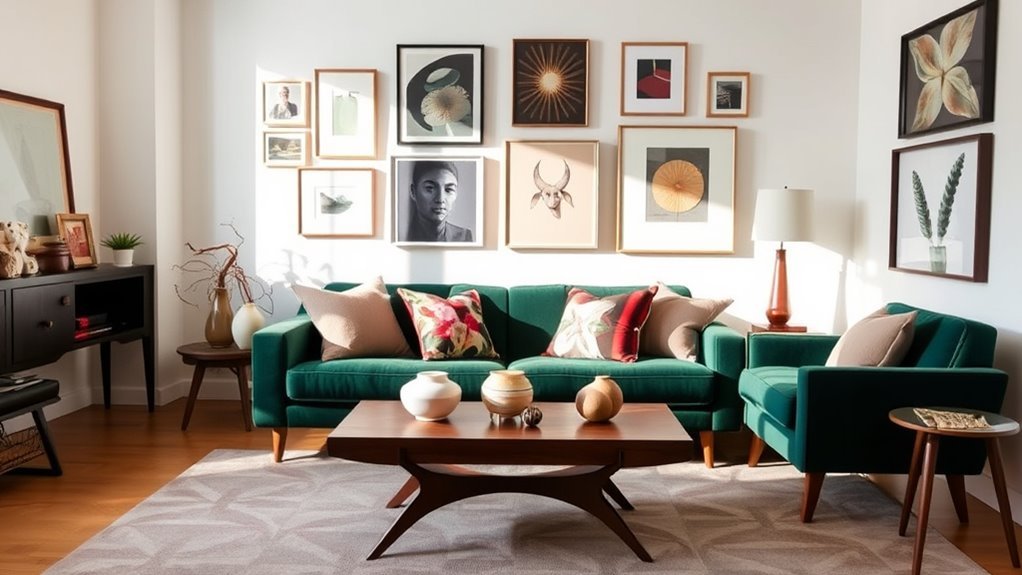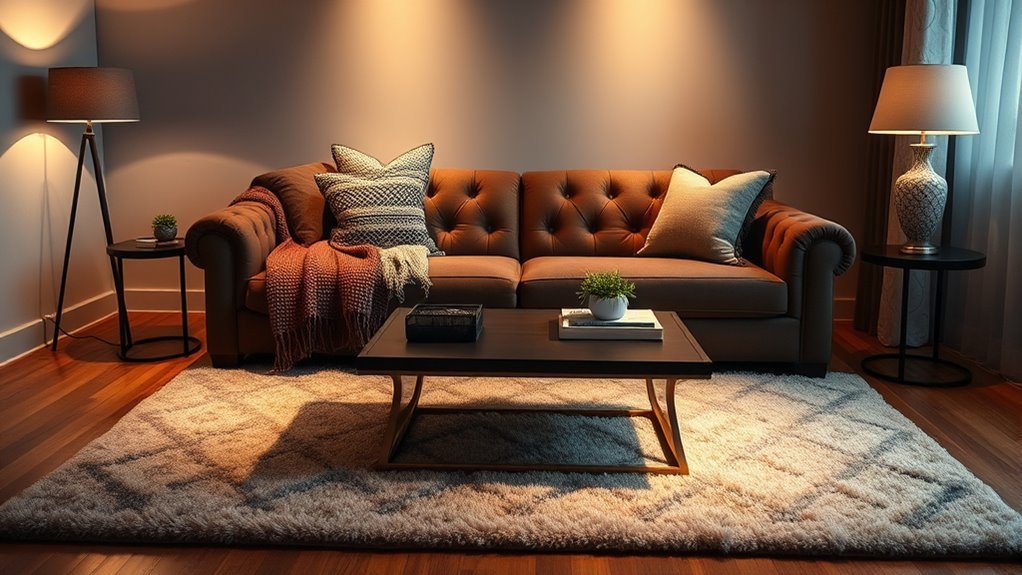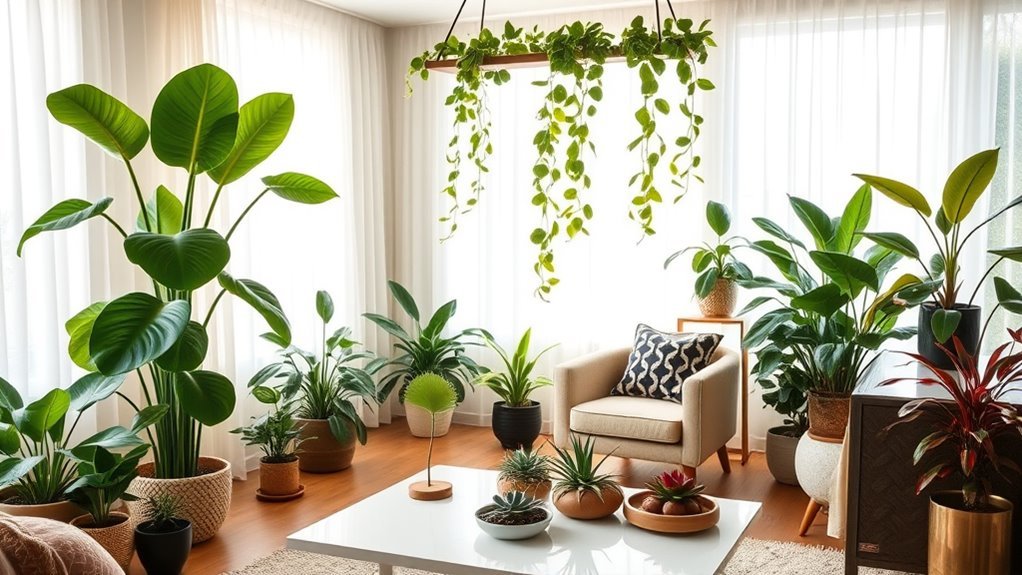
Feng Shui for your living room layout is about arranging the room so it feels open, grounded, welcoming, and easy to move through. In traditional feng shui, this means supporting smooth qi, or life-force energy, with a strong seating position, clear pathways, balanced materials, thoughtful color, good lighting, greenery, and meaningful decor. You do not need a full renovation to make the room feel better; small changes such as shifting the sofa, clearing a walkway, adding a lamp, or removing visual clutter can make the space feel calmer and more connected.
Quick Answer
The best Feng Shui living room layout places the main sofa in a command position, where you can see the entrance without sitting directly in line with it. Keep pathways open, arrange seats for conversation, balance the five elements, use layered lighting, and remove clutter that blocks movement or makes the room feel heavy.
Key Takeaways
- Place the main sofa where it has a clear view of the room entrance, ideally with a solid wall or substantial furniture behind it.
- Leave open walkways so people can move naturally around the seating area without squeezing between furniture.
- Use the five elements—wood, fire, earth, metal, and water—as a simple checklist for balanced materials, color, texture, and decor.
- Treat plants as a symbol of growth and freshness, but do not rely on houseplants as your main indoor air-quality solution.
- Keep decor meaningful and edited so the room feels personal, not crowded.
At a Glance
| Time Required | 30 to 90 minutes for a basic layout reset |
| Difficulty | Beginner-friendly |
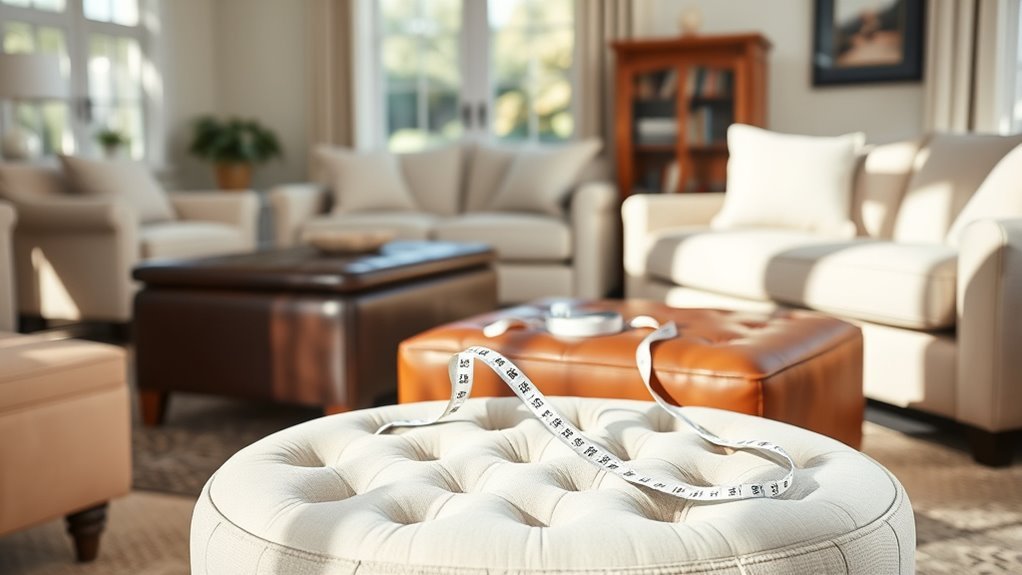
| Tools Needed | Tape measure, notepad, storage baskets or boxes, lamps, optional plants and decor |
| Cost | $0 if rearranging only; $25 to $150 if adding baskets, lighting, plants, or accents |
Understanding Feng Shui: The Key to Your Living Room Layout
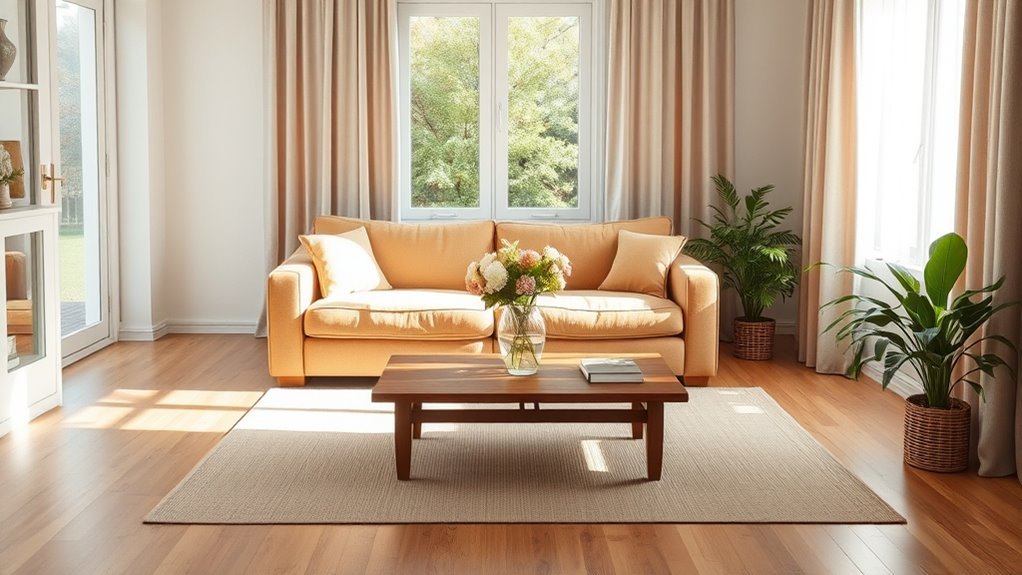
Feng shui is a traditional Chinese approach to arranging spaces with attention to flow, balance, placement, and the relationship between people and their surroundings. In a living room, the goal is simple: create a room that feels supportive when you sit down, open when you walk through it, and comfortable when people gather.
The most important idea for a Feng Shui living room layout is the command position. This means placing your main seat—usually the sofa—where you can see the entrance without being directly in the path of the doorway. That view creates a sense of ease because you are not startled by people entering the room.
Another key idea is balance. A room with only hard, shiny surfaces can feel cold. A room with too many soft items can feel heavy. A balanced space mixes shapes, textures, lighting, color, and natural materials so the room feels alive without feeling chaotic.
Note: Feng shui is a traditional design and placement practice. Use it as a way to make your living room feel calmer, clearer, and more intentional—not as a guarantee of health, wealth, or luck.
Key Principles of Feng Shui Living Room Design
Five practical principles guide a strong Feng Shui living room design:
- Use the command position. Place the sofa or main chair so it has a clear view of the entrance. If possible, keep a solid wall behind the seat for a grounded feeling.
- Keep pathways clear. People should be able to walk from the entrance to the seating area, windows, and other rooms without bumping into tables, ottomans, or chair legs.
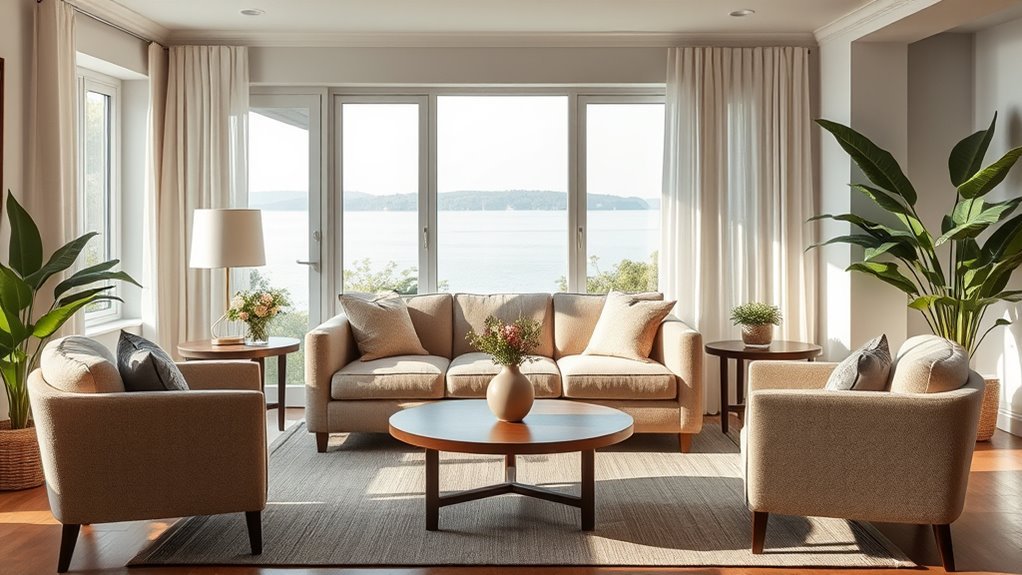
- Create a conversation circle. Angle chairs toward the sofa instead of lining every seat against the walls. This makes the room feel more social and connected.
- Balance the five elements. Add wood, fire, earth, metal, and water through furniture, color, texture, lighting, art, and accessories.
- Choose decor with purpose. Keep pieces that feel meaningful, useful, or beautiful. Remove items that only add noise or clutter.
For everyday living, these principles work because they also support comfort and function. A sofa with a good view feels secure. A clear walkway makes the room easier to use. Balanced lighting helps the space work for reading, relaxing, and gathering.
How to Arrange Furniture for Optimal Energy Flow
To create an inviting living room that supports smooth movement, start with the largest piece of furniture and work outward.
Step 1: Find the main entrance view
Stand at the living room entrance and look into the space. Notice the natural path your body wants to take. That path should stay open. Then identify the wall, corner, or area where a sofa can face the entrance without blocking that path.
Step 2: Place the sofa in command position
Set the sofa so you can see the door while seated. The ideal position is diagonal from the entrance or facing it from across the room. Avoid placing the sofa with its back directly to the entrance unless the room leaves no other option.
Step 3: Add support behind the main seat
A solid wall behind the sofa feels most grounded. If that is not possible, create a sense of support with a console table, tall plant, low bookcase, or substantial sideboard behind the sofa.
Step 4: Build a conversation area
Place chairs at a slight angle toward the sofa rather than pushing every piece to the perimeter. A coffee table, ottoman, or round table in the center can anchor the seating area. Rounded furniture is especially useful in tight rooms because it softens corners and makes movement easier.
Step 5: Keep walkways open
As a helpful benchmark, aim for about 30 to 36 inches of walking space on main paths when your room allows it. The U.S. Access Board uses 36 inches as a standard clear-width reference for accessible routes, which makes it a useful guide when planning comfortable movement. Private homes vary, but the principle is the same: avoid tight, blocked, or awkward paths.
Pro Tip: If your sofa must face away from the entrance, place a mirror where it lets you see the doorway from the sofa. Choose a mirror placement that reflects something calm, such as art, greenery, or natural light—not clutter.
Why You Should Incorporate the Five Elements in Your Living Room
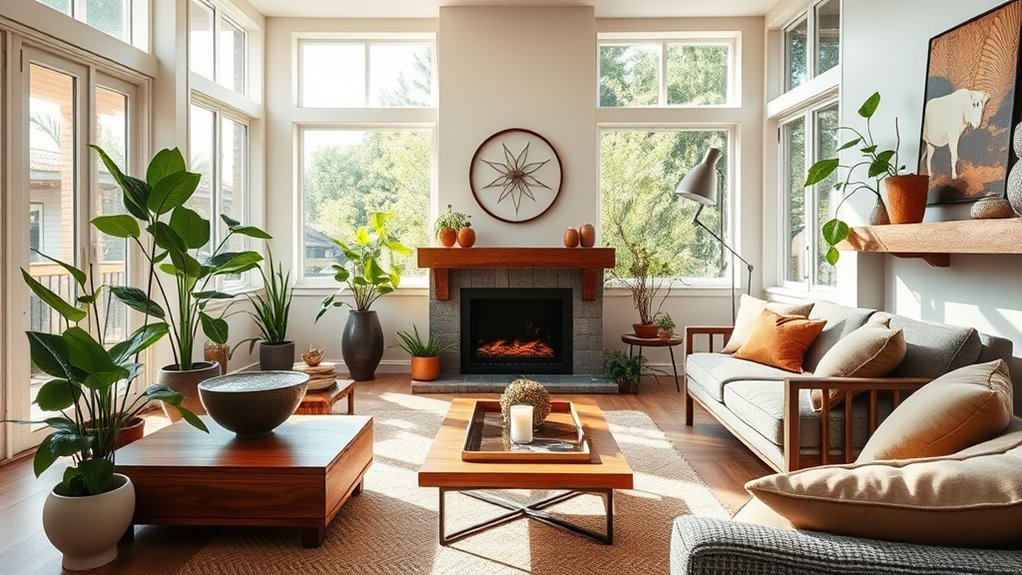
In feng shui, the five elements—Wood, Fire, Earth, Metal, and Water—help you create a room that feels complete. You do not need literal fire or a water fountain to use them. Think of the elements as a decorating checklist for color, shape, material, and mood.
| Element | Represents | Living Room Ideas |
| Wood | Growth, vitality, flexibility | Wood furniture, plants, green accents, botanical art |
| Fire | Warmth, energy, visibility | Candles, warm lamps, red or rust accents, triangular shapes |
| Earth | Stability, grounding, nourishment | Ceramics, stone, clay, beige, ochre, square shapes |
| Metal | Clarity, focus, refinement | Metal frames, round trays, white, gray, silver, gold accents |
| Water | Flow, calm, reflection | Mirrors, blue or black accents, wavy patterns, glass |
Enhance Energy Balance
A room often feels “off” when one element dominates. Too much metal and white can feel cold. Too much fire color can feel intense. Too much dark water energy can feel heavy. Balance does not mean using every element equally; it means adding what the room is missing.
For example, if your living room has a gray sofa, metal coffee table, and white walls, warm it up with a wood side table, a woven basket, a ceramic lamp, and a plant. If the room already has heavy wood furniture and dark colors, lighten it with metal accents, reflective glass, and soft cream textiles.
Foster Positive Atmosphere
The five elements also help you choose decor with intention. Wood supports a fresh, lively mood. Fire brings warmth and sociability. Earth makes the room feel settled. Metal adds order and polish. Water softens the space and encourages flow.
Use this approach when editing accessories. Instead of adding more decor at random, ask what the room needs: more warmth, more calm, more structure, more softness, or more life.
Using the Bagua Map Without Overcomplicating the Room
The Bagua map is a feng shui tool that divides a space into life areas such as family, wealth, reputation, relationships, creativity, career, knowledge, helpful people, and health. For a simple living room approach, stand at the main entrance to the room and imagine a three-by-three grid laid over the floor plan.
You do not need to decorate every Bagua area. Choose one or two areas that match how you want the living room to feel. If you want more connection, focus on the relationship and family areas with paired decor, family photos, or soft seating. If you want the room to feel more active and social, bring warmth and light to the reputation area. If you want calm, strengthen the career or knowledge areas with darker tones, books, or reflective elements.
Note: Different feng shui schools use the Bagua map differently. For a beginner-friendly living room, keep it simple and use the map as a reflection tool rather than a strict rulebook.
Choosing Colors and Lighting for Your Living Room
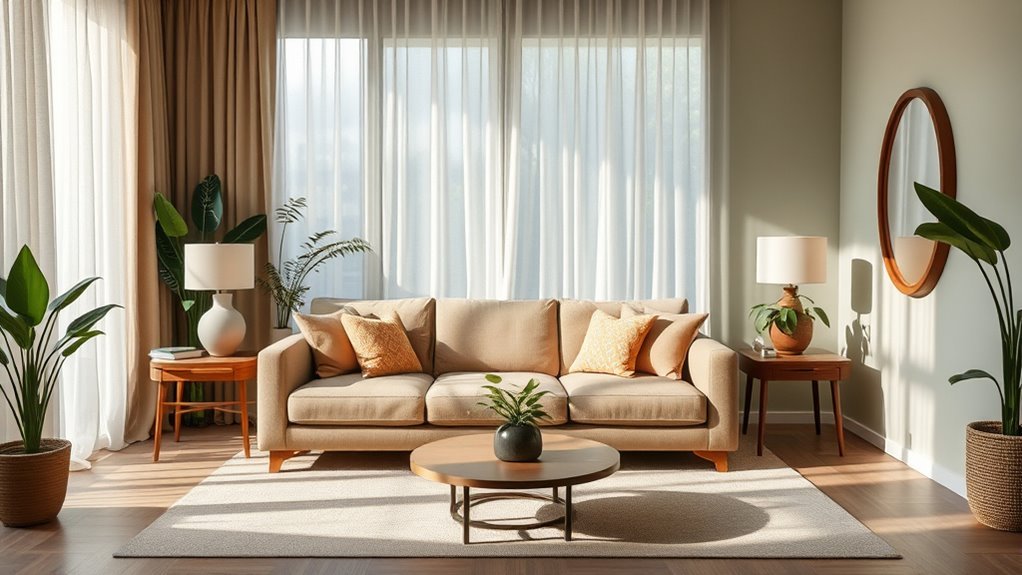
Color and lighting shape how your living room feels. A review in the Annual Review of Psychology notes that color can affect mood, cognition, and behavior, but responses depend on context and more real-world research is needed. In practical terms, use color as a guide, then test it in your room’s actual daylight and evening light.
Recommended Products

White Modern Floor Lamp: This floor light fits in any room from industrial to modern or traditional décor. Its simple and elegant design can make it easy to place in any room of the house.

【Sleek Design for Modern Spaces】This modern floor lamp features a matte metal base and linen fabric shade, making it stable and long-lasting. Its understated elegance complements modern, Nordic, or industrial decor styles, while the compact footprint fits effortlessly into corners, bedrooms, or living rooms.

ONLY 1 Beige Lamp Shade Included: please noted that this version comes only one piece beige lampshade. Please check carefully before you place order.
Color Psychology Impact
For a calm living room, try soft blues, greens, warm whites, sandy beige, or gentle earth tones. For a more social and energized room, use warm accents such as terracotta, coral, rust, golden yellow, or muted red. If you love dark colors, balance them with good lighting, natural textures, and lighter accents so the room does not feel closed in.
Use bold colors in smaller doses if you are unsure. Pillows, throws, art, lampshades, and vases are easier to change than a full wall color. This keeps the room flexible as your needs and seasons change.
Layered Lighting Techniques
Layered lighting helps a Feng Shui living room feel welcoming at different times of day. Instead of relying on one overhead light, combine three types of lighting:
- Ambient lighting: Ceiling fixtures, large floor lamps, or wall sconces that give the room overall brightness.
- Task lighting: Table lamps or reading lamps beside chairs and sofas.
- Accent lighting: Picture lights, small lamps, or candles that highlight art, plants, shelves, or architectural details.
Choose warm, comfortable light for evening relaxation. In dark corners, add a lamp, plant uplight, or reflective surface so energy does not feel stagnant. During the day, open curtains or blinds when privacy allows so natural light can brighten the room.
How to Keep Your Living Room Clutter-Free and Welcoming
Clutter matters because it changes how the room feels and functions. In a study published in Personality and Social Psychology Bulletin, researchers found that descriptions of homes as cluttered or unfinished were associated with cortisol patterns and mood in women. That does not mean every lived-in room must look perfect, but it does support what many people feel: visual overload can make it harder to relax.
To create a clutter-free living room, start with the surfaces you see first: the coffee table, media console, side tables, shelves, and floor. Remove anything that belongs in another room. Then sort what remains into three groups: useful, meaningful, and decorative. If an item is none of those, it probably does not need to stay in the living room.
Simple clutter reset
- Clear the floor first. Shoes, bags, toys, cords, and extra baskets can block movement quickly.
- Edit the coffee table. Keep only a tray, one useful item, and one decorative or meaningful piece.
- Create hidden storage. Use baskets, lidded boxes, storage ottomans, or cabinets for everyday items.
- Use the “one in, one out” rule. When you add a new pillow, vase, basket, or decorative object, remove one item.
- Reset weekly. Spend 10 minutes returning objects to their homes before clutter becomes part of the layout.
Open space is not empty space. It gives the room breathing room, helps the eye rest, and allows people to move comfortably.
Enhancing Your Living Room’s Feng Shui With Plants and Meaningful Decor
Plants can bring softness, height, color, and a sense of growth to your living room. In feng shui, healthy plants are often connected with the Wood element because they represent vitality and upward movement. Good living room options include pothos, parlor palm, bird’s nest fern, money tree, rubber plant, and snake plant, depending on your light and care habits.
Warning: Choose plants carefully if you have pets or small children. The ASPCA toxic and non-toxic plant database can help you check plant names before bringing greenery into your home.
Be careful with air-quality claims. The U.S. Environmental Protection Agency says there is currently no evidence that a reasonable number of houseplants removes significant amounts of pollutants in homes and offices. For healthier indoor air, focus first on source control, ventilation, and filtration. Use plants for beauty, symbolism, and connection to nature.
Meaningful decor matters just as much as greenery. Choose art, photos, books, ceramics, textiles, or objects that remind you of people, places, values, or memories you want to keep close. A living room with fewer but more meaningful pieces often feels more grounded than a room filled with trendy objects that have no personal connection.
Recommended Products

CHINESE MONEY PLANT: Our rare and popular houseplant is native to China and is known for its thick round leaves, making it a great addition to any home or office.


Fake bonsai tree is the communication ancient art and modern art form, precisely pruning various tree and bushes into miniatures that still resemble all the awe of a full sized indoor bonsai tree. This captivating juniper bonsai tree features the power and tranquility of bonsai trees. If space is a limitation, this fake bonsai fake tree can add color and harmony while still possessing all the characteristics of its larger version.
Mirror Placement for Better Flow
Mirrors are useful in feng shui because they reflect light, expand the feeling of space, and can improve sightlines. Place a mirror where it reflects something you want more of: daylight, greenery, a beautiful view, art, or a calm corner.
Avoid placing a mirror where it doubles clutter, reflects sharp corners, or creates visual busyness. If the room feels restless after adding a mirror, move it to a quieter wall or choose a smaller size. Mirrors should support the room, not dominate it.
Small Living Room Feng Shui Fixes
Small living rooms can still have strong feng shui. The key is to protect the main pathway and choose furniture with the right scale.
- Choose raised-leg furniture so the floor remains visible and the room feels lighter.
- Use round or oval tables to reduce sharp corners in tight walkways.
- Mount shelves vertically instead of filling the floor with extra storage pieces.
- Use one large rug to anchor the seating area instead of several small rugs that break up the room.
- Keep window areas clear so natural light can enter fully.
- Use fewer, larger decor pieces instead of many small objects that create visual clutter.
If your space is very tight, focus on the essentials: a comfortable main seat, one useful surface, one good lamp, one plant or natural texture, and a clear path through the room.
Recommended Products

Elegant Focal Point: Featuring a solid wood frame paired with a tufted upholstered seat, this upholstered ottoman coffee table adds a refined touch that blends with a variety of interior styles

Stylish and Modern Design: The 30-inch round storage ottoman features a contemporary boucle fabric upholstery, adding a chic touch to any living room, bedroom, or apartment

Stylish and Modern Design: The 30-inch round storage ottoman features a contemporary boucle fabric upholstery, adding a chic touch to any living room, bedroom, or apartment
Common Feng Shui Living Room Mistakes to Avoid
- Sofa with its back to the entrance: If you cannot move it, add a mirror or grounding console behind it.
- Blocked pathways: Remove extra stools, baskets, or side tables from main walking routes.
- All furniture against the walls: Pull at least one chair or table inward to create a more connected seating area.
- Too many sharp corners: Use round tables, soft textiles, plants, or curved decor to soften the room.
- Dark corners with no purpose: Add a lamp, plant, art, or storage solution.
- Cluttered surfaces: Use trays and closed storage so everyday items have a home.
- Decor with no meaning: Keep pieces that support the mood you want and remove objects that feel stale, stressful, or random.
Frequently Asked Questions
What is the best layout for a living room feng shui?
The best Feng Shui living room layout places the main sofa in command position, gives every seat an easy path in and out, keeps the center open enough for movement, and arranges chairs so people can talk comfortably. Add balanced lighting, natural textures, and decor that feels meaningful rather than crowded.
What should be avoided in a living room?
Avoid blocked walkways, a sofa with no view of the entrance, cluttered tables, harsh lighting, oversized furniture, dead or neglected plants, and decor that makes the room feel tense or impersonal. Also avoid mirror placements that reflect clutter or visually busy areas.
What is the 2/3 rule in interior design?
The 2/3 rule is a proportion guideline. A sofa often looks balanced when it takes up about two-thirds of the wall or rug area it relates to. Art above a sofa often looks best when it is about two-thirds the width of the sofa. This is not a feng shui rule, but it can help the room feel visually balanced.
Which direction should a sofa face for feng shui?
A sofa should face the entrance or sit at an angle where you can easily see the entrance while seated. It should not sit directly in line with the doorway if that makes the seat feel exposed. If the layout forces the sofa to face away from the entrance, use a mirror or reflective surface to improve the sightline.
Can I use feng shui in a small apartment living room?
Yes. In a small apartment, focus on clear pathways, correctly scaled furniture, good lighting, hidden storage, and one strong seating position. Use mirrors carefully to reflect light, choose raised-leg furniture when possible, and avoid filling every surface with decor.
Do feng shui living rooms need plants?
Plants are helpful but not required. They add Wood energy, softness, and a sense of growth, but a room can still feel balanced with wood furniture, green textiles, botanical art, or natural materials. If you have pets, check plant safety first.
Conclusion
By applying these Feng Shui principles, your living room can become a calmer, more welcoming place to gather, rest, and reconnect. Start with the biggest impact: move the sofa into a stronger command position, clear the main pathways, improve lighting, and remove clutter from visible surfaces. Then layer in the five elements through wood, warm light, earth tones, metal accents, reflective details, plants, and meaningful decor. You do not need a perfect room; you need a room that feels balanced, easy to use, and supportive every time you walk in.
Sources
- Architectural Digest: What Is Feng Shui? — supports the feng shui overview, command position, qi, and five-elements framing.
- U.S. Environmental Protection Agency: Improving Indoor Air Quality — supports indoor air-quality guidance and the limitation on houseplant pollutant-removal claims.
- U.S. Access Board: Guide to the ADA Accessibility Standards, Accessible Routes — supports the 36-inch clear-route benchmark used as a practical pathway reference.
- Saxbe & Repetti: No Place Like Home — supports the discussion of clutter, home descriptions, mood, and cortisol patterns.
- Annual Review of Psychology: Color Psychology — supports the careful framing of color effects on mood, cognition, and behavior.
- ASPCA Poison Control: Toxic and Non-Toxic Plants — supports the plant-safety warning for homes with pets.