Touching up paint on your living room walls works best when you treat the repair like a blending job, not a tiny repaint. The goal is to match the existing color, sheen, and wall texture as closely as possible, use less paint than you think you need, and soften the edges before the paint dries.
Quick Answer
To touch up living room wall paint, clean and dry the mark, repair holes or chips, spot-prime bare patches when needed, use the same color and sheen if possible, apply a thin coat with the smallest suitable brush or roller, then feather the wet edges outward.
Key Takeaways
- The best touch-ups use the same paint color, brand, product line, sheen, and applicator texture used on the original wall.
- Flat and matte paints usually hide small touch-ups better than eggshell, satin, semi-gloss, or glossy finishes because shine differences are less obvious.
- Prime bare spackle, torn drywall paper, stains, or larger patches before painting so the touch-up does not dry dull or blotchy.
- Never dry sand, scrape, or disturb paint in a pre-1978 home until you understand the lead-paint risk and can use lead-safe practices.
- If the touch-up flashes after drying, repainting the full wall from corner to corner usually gives a cleaner result than adding more spot paint.
At a Glance
| Time Required | 15–45 minutes of work time, plus drying time for cleaning, spackle, primer, and paint |
| Difficulty | Easy for small scuffs and nail holes; moderate for shiny paint, stains, corners, faded walls, or larger repairs |
| Tools Needed | Matching paint, stir stick, small artist brush, 2-inch angled sash brush, mini roller, tray, damp microfiber cloth, spackle, putty knife, spot primer, fine sanding sponge, painter’s tape, drop cloth |
| Cost | $0–$30 if you already have usable matching paint; more if you need color matching, primer, new paint, or new tools |
Start With the Right Paint Match
The most important part of touching up paint is matching the existing wall as closely as possible. Use leftover paint from the original job whenever you can. Stir it thoroughly from the bottom of the can because pigment and binders can settle during storage.
Before using old paint, check its condition. Do not use paint that smells rotten, has dried chunks that will not stir smooth, has heavy skin throughout the can, or has separated into a texture that will not mix back together. Bad paint can leave grit, uneven sheen, poor coverage, and a repair that looks worse than the original mark.
For the best match, use the same:
- Paint color and formula
- Brand and product line
- Sheen, such as flat, matte, eggshell, satin, or semi-gloss
- Applicator style, such as brush texture or roller nap
- Room conditions, especially temperature and lighting
If you do not have the original paint, cut a small paint chip from a hidden area, such as behind a switch plate or low behind furniture, and take it to a paint store for matching. A physical chip or sample is safer than relying on a phone photo because room lighting, screen settings, and camera processing can shift the color.
Pro Tip: If you need to buy more paint and the match is not exact, stop at a natural break such as a corner, doorway, window opening, trim line, or ceiling line. A full wall painted corner to corner usually blends better than a random patch in the middle of the wall.
Check Safety Before You Scrape, Sand, or Patch
Before touching damaged paint, think about the age of your home. In 1978, the federal government banned the sale of lead-based paint for use in homes, childcare facilities, and preschools, but many older homes may still contain lead-based paint under newer coatings. If your home was built before 1978, avoid dry sanding, aggressive scraping, or creating dust until you have checked the risk and reviewed lead-safe guidance from the EPA Renovation, Repair and Painting Program.
Warning: In a pre-1978 home, disturbing old paint can create lead dust if lead-based paint is present. If you are unsure, use lead-safe DIY methods or hire a lead-safe certified professional before sanding, scraping, or repairing painted surfaces.
Also ventilate the room when painting. Open windows when weather allows, use a fan to move air out of the room, keep children and pets away from the work area, and follow the paint label. The EPA notes that paints, varnishes, waxes, and solvents can release VOCs, so fresh air and label precautions matter even for small touch-ups.
Gather Your Tools and Materials
Having the right tools helps the repair blend instead of leaving a shiny blob or raised patch. You do not need a large paint setup for most living room touch-ups, but you do need clean tools and a light hand.
- Original or matched paint: Use the same color and sheen whenever possible.
- Stir stick: Mix the paint completely before applying it.
- Small artist brush: Best for tiny chips, scratches, and pin-size marks.
- 2-inch angled sash brush: Best for corners, trim edges, and small controlled repairs.
- Mini roller: Best for larger scuffed areas if the wall was originally rolled.
- Spackle and flexible putty knife: Use for nail holes, dents, and small chips.
- Spot primer: Use on bare spackle, torn drywall paper, stains, and larger repaired spots.
- Fine sanding sponge: Smooth dried spackle only when sanding is safe for the surface.
- Damp microfiber cloth: Clean dust, grime, and fingerprints before painting.
- Drop cloth and painter’s tape: Protect floors, trim, outlets, and furniture.
Do not overload the brush or roller. Most bad touch-ups happen because too much paint is applied at once.
Prepare the Living Room Wall
Good preparation is what separates a clean touch-up from a spot that catches the light every time you walk past it. Start by clearing furniture and decor away from the area. Lay down a drop cloth, improve the lighting, and inspect the mark from several angles.
| Prep Step | Why It Matters |
|---|---|
| Move furniture and decor | Prevents paint splatters and gives you room to work |
| Clean the wall | Paint sticks better to a dust-free, grease-free surface |
| Repair holes and dents | Paint alone will not hide a raised edge, dent, or missing wall material |
| Prime absorbent patches | Spackle and bare drywall can soak up paint and leave a dull spot |
| Use good lighting | Helps you see sheen, texture, brush marks, and uneven edges |
| Ventilate the room | Reduces paint odor and exposure to paint vapors |
Fix Holes, Chips, and Dents Before Painting
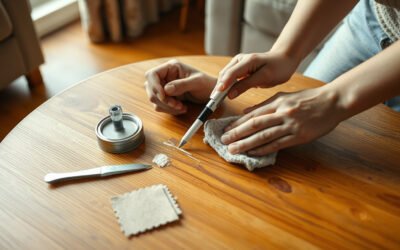
If the wall has a nail hole, chip, gouge, or corner ding, repair the surface before you paint. Use a flexible putty knife to press a small amount of spackle into the damaged area. Keep the patch tight to the hole instead of spreading it far across the wall.
After the spackle dries, smooth it lightly with a fine sanding sponge if sanding is safe for your wall. Wipe away dust with a damp cloth and let the area dry. If the patch is larger than a tiny nail hole, if drywall paper is exposed, or if the area feels more porous than the surrounding wall, spot-prime it before painting so the repaired area does not absorb paint differently.
Note: A stain is different from a dent. If the mark is water, smoke, marker, rust, or grease, clean it and use the correct stain-blocking primer before paint. Regular wall paint may not stop the stain from bleeding through.
Recommended Products

Drywall repair kit can be used for repairing interior or exterior surfaces like drywall, plaster, wood, brick and stone
Use the Right Touch-Up Method for the Damage
Different marks need different techniques. A tiny nick does not need a roller, and a larger scuffed area usually should not be brushed heavily. Match the tool to the size of the damage and the texture of the original wall finish.
| Damage Type | Best Method | Tip |
|---|---|---|
| Tiny nick or scratch | Small artist brush | Dab paint only into the mark, then soften the edge |
| Scuff or rubbed area | Mini roller or very light brush feathering | Clean first; some scuffs wipe off without paint |
| Nail hole | Spackle, smooth, spot-prime if needed, then paint | Do not leave a raised spackle mound |
| Corner chip | Angled sash brush | Use the brush tip and keep paint off the adjacent wall face |
| Stain | Clean, stain-blocking primer, then paint | Paint alone may not block water, smoke, marker, rust, or grease stains |
| Several marks on one wall | Repaint the full wall | Corners and trim lines hide the stopping point better than spot patches |
Step-by-Step Guide to Touching Up Paint
- Clean the mark. Wipe the area with a damp cloth and mild cleaner if needed. Let the wall dry completely.
- Repair the surface. Fill holes or chips with spackle, smooth the patch, and spot-prime repaired areas when needed.
- Stir the paint well. Mix from the bottom of the can until the color and sheen look consistent.
- Test in a hidden spot. Apply a small amount behind furniture or low on the wall. Let it dry before judging the match.
- Apply a thin touch-up. Dab paint onto the damaged spot instead of brushing a thick coat across the wall.
- Feather the edges. While the paint is wet, lightly blend outward with a nearly dry brush or roller so there is no hard border.
- Let it dry fully. Check the repair later in daylight and under your normal evening lighting.
- Add a second thin coat only if needed. Two light coats look better than one heavy patch.
Do not thin the paint unless the manufacturer’s label or product data sheet says it can be reduced. Sherwin-Williams notes that most products are ready to use from the can, and the product data page should state whether reduction is allowed, the maximum amount, and the correct reducer.
Techniques for Blending Touch-Ups Seamlessly
Blending is about controlling texture and sheen. On a rolled wall, a brushed touch-up can leave a different pattern. On a brushed corner, a roller can leave too much stipple. Use the smallest tool that matches the existing finish.
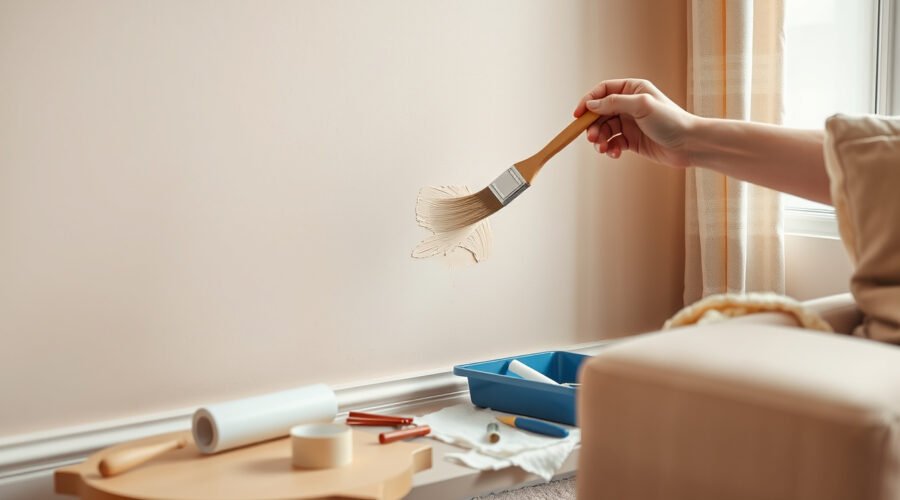
For small marks, dip only the tip of the brush into the paint, wipe off excess, and dab the color onto the damaged area. Then use light strokes from the center outward to soften the edge. For larger scuffs, load a mini roller lightly and roll in several directions with very little pressure.
If the original wall was rolled and you only have a brush, keep the repair as small as possible. Dab the center of the mark, then use the almost-dry brush tip to break up the edge. Do not brush a smooth rectangle over a wall that has roller texture.
The less paint you use, the easier it is to blend. Heavy touch-ups create raised texture, shiny spots, and visible borders.
Choose Proper Lighting Before You Judge the Result
Paint can look matched in one light and obvious in another. Natural daylight, warm lamps, cool bulbs, and angled light can all change how color and sheen appear. After the touch-up dries, look at the wall in the morning, afternoon, and evening if possible.
Avoid judging the repair while it is still wet. Wet paint usually looks shinier and darker than dry paint. Give the paint enough drying time according to the label before deciding whether it needs another coat or a larger repaint.
Also remember that “dry to the touch” is not always the same as fully cured. A fresh spot may look slightly different for a while, especially on higher-sheen paint. If the repair is not urgent, check it again the next day before adding more paint.
Avoid These Common Touch-Up Mistakes
- Using the wrong sheen: Eggshell over flat, satin over eggshell, or semi-gloss over satin can flash even if the color is close.
- Applying too much paint: Thick paint leaves brush marks, raised edges, and a different texture.
- Skipping cleaning: Dust, hand oils, and grime can stop paint from sticking evenly.
- Painting over unprimed patches: Spackle can absorb paint differently and create a dull spot.
- Touching up faded paint: Aged walls may not match fresh paint from the same can.
- Using paint from a different batch without testing: Paint bought later may not match exactly, even when the color name is the same.
- Ignoring room temperature: Try to paint in normal room conditions and avoid very cold, hot, or humid conditions unless the product label allows them.
- Sanding old paint without checking lead risk: This is especially important in homes built before 1978.
When a Touch-Up Is Not Enough
Sometimes the best touch-up is not a spot touch-up at all. If the repair is large, the wall is heavily faded, the paint has a glossy sheen, or several marks are spread across the same wall, repainting the whole wall from corner to corner may look cleaner.
Repaint the full wall if:
- The touch-up is larger than a few inches.
- The paint flashes or looks shiny after drying.
- You do not know the original color or sheen.
- The wall has several dents, stains, or scuffs.
- The room gets strong sunlight and the old paint has faded.
- The surface texture changed after patching.
- You are using a new can that does not match the old paint exactly.
- The wall has eggshell, satin, semi-gloss, or glossy paint that catches side light.
Painting one full wall usually blends better than painting a random patch because corners, trim, and ceiling lines create natural stopping points.
Troubleshooting Visible Touch-Ups
| Problem | Likely Cause | Fix |
|---|---|---|
| Touch-up looks shiny | Wrong sheen, too much paint, or overworked edge | Let it dry fully; if still visible, repaint the full wall with the correct sheen |
| Color is slightly off | Faded wall, different formula, different batch, or poor match | Try a better match from a paint chip or repaint corner to corner |
| Patch looks dull | Spackle or bare drywall absorbed the paint | Prime the patch, let it dry, then repaint lightly |
| Raised texture or brush marks | Too much paint or wrong applicator | After it cures, smooth carefully if safe, then repaint with a thin coat |
| Stain comes back | No stain-blocking primer | Clean, prime with a stain-blocking primer, then repaint |
Maintaining Your Paint and Touch-Ups for Longevity
Keep leftover paint sealed, labeled, and stored in a temperature-stable area. Write the room name, paint color, brand, product line, sheen, and date on the container. This makes future touch-ups much easier.
Inspect high-traffic areas every few months, especially around light switches, sofa backs, hallway openings, and children’s play areas. Clean small marks before painting because many scuffs come off with a damp cloth. Touch up only when the paint film is damaged or cleaning leaves a visible mark.
Dispose of old or unwanted paint according to your local household hazardous waste rules. Do not pour paint down drains, and keep stored paint away from children and pets.
Frequently Asked Questions
How do you blend touch-up paint on a wall?
Use the same paint and sheen if possible, apply a very small amount only where needed, and feather the edges while the paint is wet. For a rolled wall, a lightly loaded mini roller often blends better than a brush. Let the paint dry before judging the match.
What is the recommended order for a paint touch-up?
Clean the wall, repair holes or chips, sand only if safe, spot-prime patches or stains, stir the paint, test in a hidden area, apply a thin touch-up, feather the edges, and check the repair after it dries.
What is the best way to touch up paint on living room walls?
The best method is to use leftover original paint, match the original applicator texture, and apply thin layers. Tiny marks can be dabbed with an artist brush, while larger scuffed spots usually blend better with a lightly loaded mini roller.
Do I need primer before touching up wall paint?
Use primer on bare spackle, exposed drywall paper, water stains, smoke stains, marker, rust, grease, or larger patched areas. Primer helps the repair absorb paint more evenly and helps block stains that regular wall paint may not hide.
Is a brush or roller better for touching up walls?
Use the tool that best matches the original texture. A tiny chip is easiest with a small brush, but a rolled wall usually blends better with a lightly loaded mini roller. The goal is to avoid creating a texture that looks different from the surrounding wall.
What mistakes should I avoid when touching up paint?
Avoid using the wrong sheen, skipping wall cleaning, painting over unprimed spackle, applying too much paint, thinning paint without manufacturer approval, and sanding old paint in a pre-1978 home without checking lead safety.
Why does my touch-up paint look shiny?
A shiny touch-up usually means the sheen does not match, the paint was applied too heavily, the edge was overworked, or the patched area absorbed paint differently. Let it dry fully first. If it still flashes, repainting the full wall is usually the cleanest fix.
Why does paint from the same can still not match?
The wall may have faded, the old paint may not have been stirred fully, the touch-up may have a different texture, or the surrounding sheen may have changed from cleaning and wear. Test first, use a thin coat, and repaint the full wall if the spot still stands out.
Can I touch up paint if I do not have the original can?
Yes, but the match may not be perfect. Take a small paint chip from a hidden area to a paint store and match both the color and sheen. Test the new paint in a hidden spot before touching up a visible wall.
Conclusion
Touch-ups can make your living room walls look fresh again when the damage is small, the paint match is close, and the application is light. Clean first, patch carefully, prime absorbent or stained areas, use the same paint and sheen whenever possible, and feather the edges instead of brushing on a heavy coat. If the spot still stands out after drying, repainting the full wall from corner to corner will usually give the most polished result.
Sources
- EPA — Lead Renovation, Repair and Painting Program — lead-safe guidance for renovation, repair, and painting in pre-1978 homes.
- EPA — Protect Your Family from Lead in Your Home — current lead-paint safety pamphlet information for homes built before 1978.
- EPA — Volatile Organic Compounds’ Impact on Indoor Air Quality — ventilation and label-precaution guidance for products that emit VOCs.
- Sherwin-Williams — Paint Sheen Guide — how sheen affects paint appearance, performance, durability, and room use.
- Sherwin-Williams — Painting FAQs — manufacturer guidance on paint reduction, product data sheets, batch matching, and lead safety cautions.