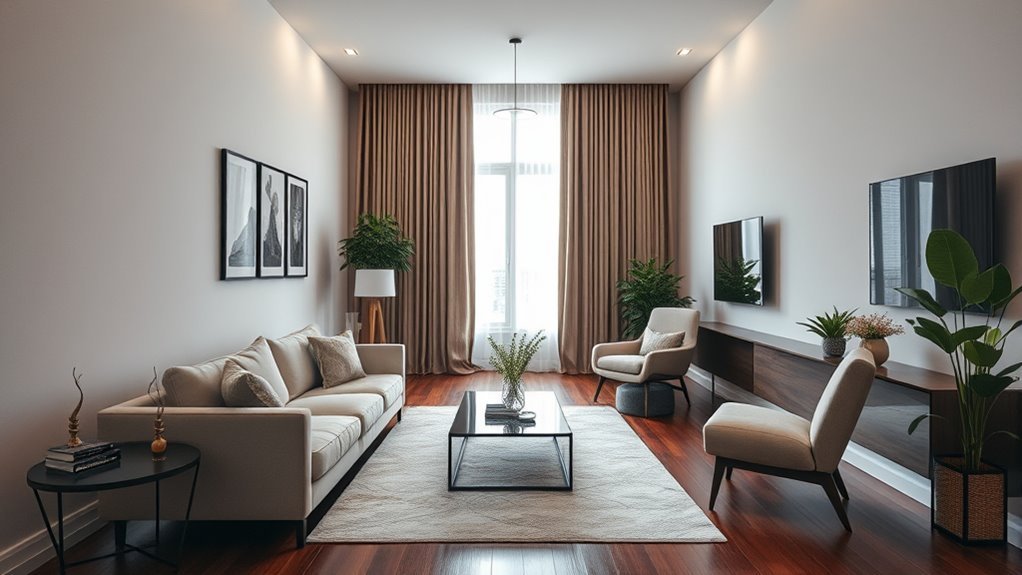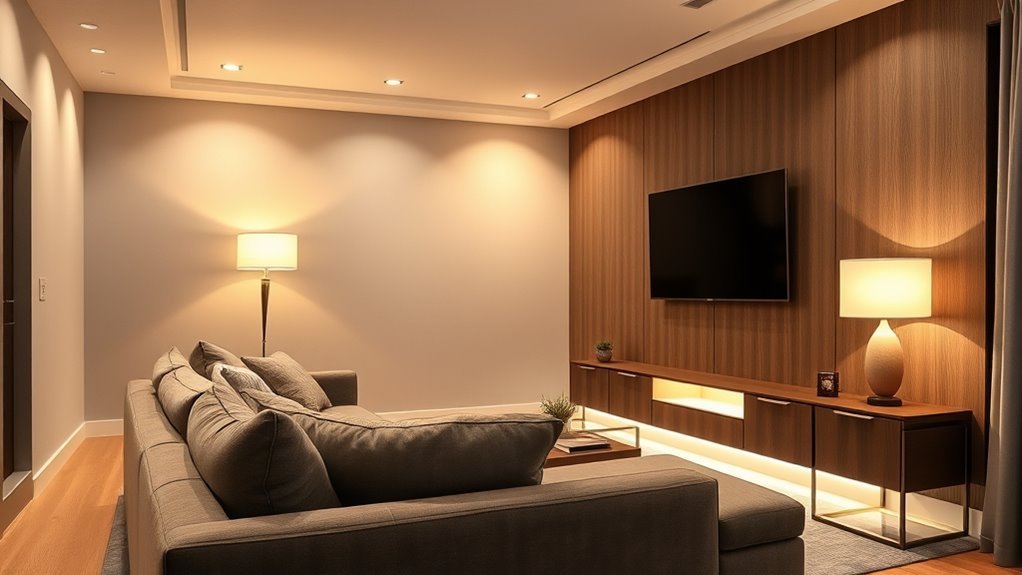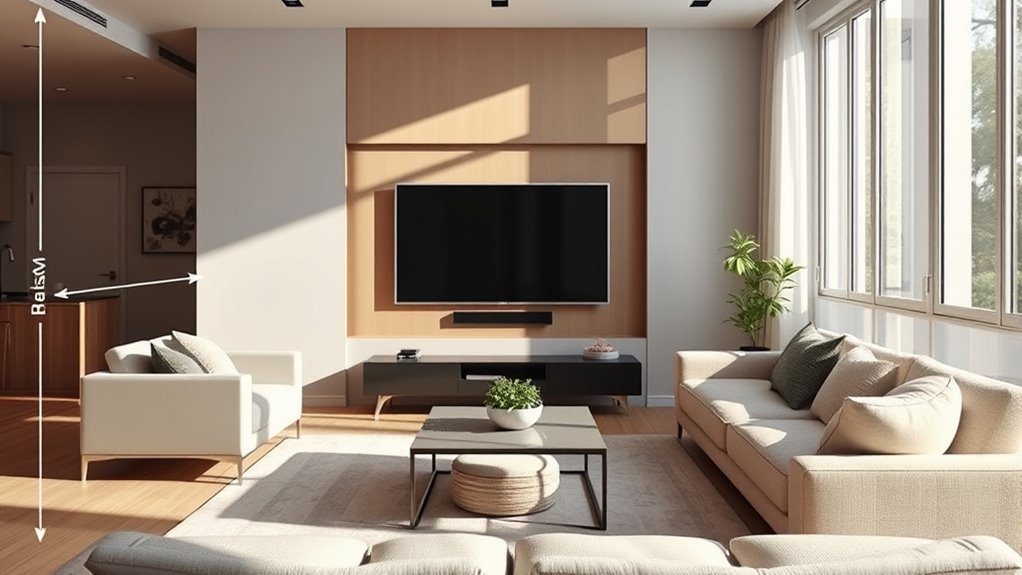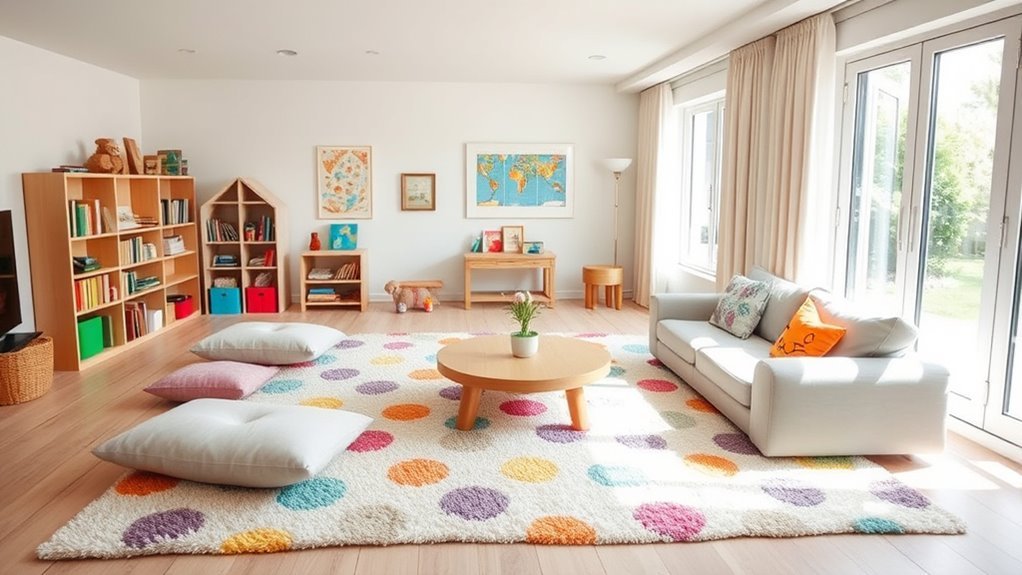
Designing a kid-friendly living room does not mean turning your main gathering space into a plastic-filled daycare. The most practical family rooms start by removing hidden physical hazards at floor and climbing height, then layer in stain-resistant fabrics, wipeable surfaces, and low storage that children can reach on their own. With clear activity boundaries and a five-minute evening reset, your living room can handle daily roughhousing and still feel calm for adults at night.
Quick Answer
To make a living room kid-friendly, secure high-risk hazards first: anchor tall furniture and TVs into wall studs, switch to cordless window coverings, add non-slip rug pads, and lock away button batteries. Next, choose rounded, heavy-duty seating (30,000+ double rubs) and organize daily toys in low, labeled bins.
At a Glance
| Time Required | 1 to 2 hours for a floor-level safety audit and layout reset; 30 to 60 minutes per piece for wall anchoring |
| Difficulty | Easy to moderate (requires locating wall studs and drilling for anti-tip brackets) |
| Tools Needed | Tape measure, stud finder, drill, ASTM F3096 furniture and VESA TV anchoring kits, non-slip rug pad, cord covers, and labeled bins |
| Cost | $15 to $60 for anti-tip straps, outlet covers, and cord raceways; $150 to $1,500+ when upgrading rugs, ottomans, or upholstery |
Why a Kid-Friendly Living Room Matters: Safety and Fun First
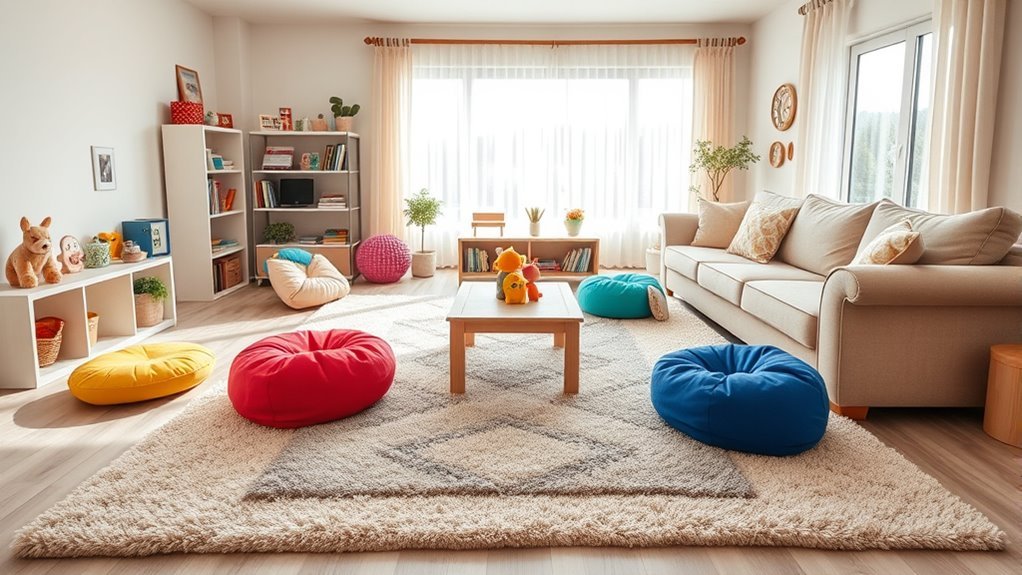
A well-planned family living space prevents common household injuries while giving children room to move, read, and build without constant “don’t touch” warnings. When physical risks are engineered out of the layout, parents can relax and children gain confidence exploring their environment.
Start with the structural hazards you cannot see at a glance: top-heavy shelving, unsecured flat-screen televisions, dangling blind cords, slippery area rugs, sharp table corners, and tiny objects under sofa cushions. According to the U.S. Consumer Product Safety Commission’s Anchor It! tip-over prevention campaign, unsecured furniture and televisions caused 217 reported tip-over fatalities between 2013 and mid-2023, with 71% of victims aged 1 to 3 years old. Anchoring shelving, cabinets, and TVs directly into wall studs—and keeping remotes and toys off top shelves so kids are not tempted to climb—eliminates this crush hazard.
Once the safety foundation is secure, focus on function and comfort. A balanced family room gives kids clear boundaries for active play, a quiet corner to rest, and intuitive storage systems that make daily cleanup quick.
Warning: Interior layout choices never replace active adult supervision or proper hardware installation. Anchor heavy furniture and televisions into wall studs or solid masonry according to the manufacturer’s instructions, and hire a qualified installer if you are unsure how to secure a piece safely.
Start With a Safety-First Living Room Checklist
Before buying new decor or storage bins, get down on your hands and knees to inspect the room from a toddler’s eye level. Looking upward and underneath furniture reveals hidden pinch points, electrical hazards, and small items within reach.
- Anchor tall or climbable furniture: Secure bookcases, media consoles, dressers, and cabinets to wall studs using steel L-brackets or anti-tip straps rated under ASTM F3096. While the CPSC mandatory safety standard for clothing storage units (16 CFR Part 1261) requires freestanding bedroom dressers 27 inches or taller (weighing 30+ pounds) made after September 1, 2023, to pass stability tests, living room bookcases and open shelves are not covered by that rule and must always be wall-anchored.
- Secure the television: Mount flat-screen TVs to wall studs or attach VESA-compatible anti-tip straps to both the back of the TV and a stud behind the media console. Place any unmounted TV only on a wide, stable stand rated for its size and weight.
- Control electrical cords: Enclose lamp cords, phone chargers, and media wires inside rigid wall raceways or lockable cable boxes, and place floor lamps behind heavy sofas so children cannot pull them down.
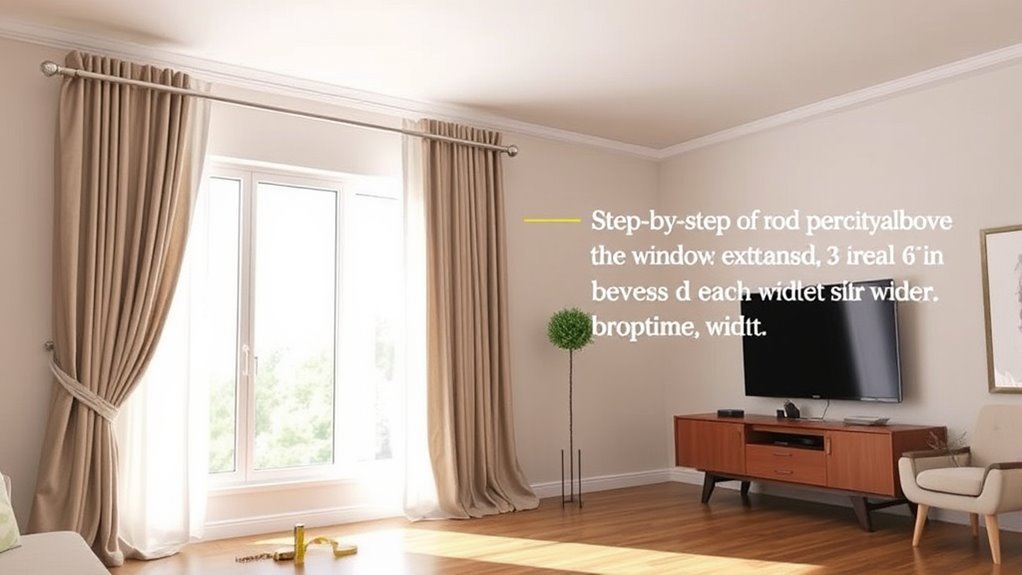
- Replace corded window coverings: The CPSC advises that cordless window coverings are the safest option when young children are present because accessible cords longer than 8 inches pose a fatal strangulation hazard. Immediately replace blinds made before November 2000 (which contain hazardous inner loops), or install tension devices on continuous loops and set cord stops within 1 to 2 inches of the head rail.
- Add non-slip rug pads: Place a grippy rubber or felt-and-rubber underlay beneath every area rug and secure curling corners with double-sided rug tape to prevent slips and trips.
- Sweep for choking hazards: Under CPSC regulation 16 CFR Part 1501, any object that fits inside a test cylinder measuring 1.25 inches wide by 2.25 inches long (roughly the diameter of a cardboard toilet paper tube) is a choking hazard for children under age 3. Check under sofa cushions and side tables for coins, marbles, beads, latex balloons, and loose game pieces.
- Soften sharp edges: Swap glass or sharp-cornered tables for rounded wood or upholstered pieces, or attach dense silicone or foam bumpers to low corners and fireplace hearths.
- Lock up button batteries and household toxins: The CPSC warns that a swallowed button or coin battery can burn through a child’s throat or esophagus in as little as two hours. Under Reese’s Law (16 CFR Part 1263), battery compartments on remotes, flameless candles, and key fobs must require a screwdriver, coin, or two independent motions to open. Also follow the American Academy of Pediatrics home childproofing checklist by keeping visitors’ purses, medicines, liquid nicotine, alcohol, and toxic houseplants in locked high cabinets (and save Poison Help at 800-222-1222 and the National Battery Ingestion Hotline at 800-498-8666).
- Protect accessible electrical outlets: Replace standard wall plates with sliding self-closing outlet plates or tamper-resistant receptacles (TRRs) rather than small pull-out plastic caps that can become choking hazards, following CPSC childproofing guidance.
- Restrict window openings to 4 inches: Keep sofas, armchairs, and toy boxes away from windows so kids cannot climb onto the sill. Install window stops that prevent sashes from opening more than 4 inches, or fit ASTM F2090 window guards with bars spaced at most 4 inches apart and an adult quick-release egress mechanism. As the CPSC notes on window safety, insect screens are designed only to keep bugs out and will pop out under a child’s weight.
Choosing Safe and Durable Furniture for Your Family
The best furniture for a family living room combines a low, wide base with stain-resistant upholstery and curved edges. While padded corners prevent forehead bumps, structural weight and balance matter even more: a lightweight shelving unit or tippy accent table is far more dangerous than a solid, heavy sofa or anchored sideboard.
Recommended Products

Ultra Soft & Non-slip: Featuring a shaggy carpet surface, the Ophanie soft area rug is highly soft with a high-density sponge interlayer. This rug effectively reduces shedding, and the non-slip bottom with small, durable anti-slip dots enhances friction to prevent sliding.


Selecting Kid-Friendly Materials
Choose upholstery and rug fibers engineered to survive juice spills, markers, pet claws, and repeated washing. When shopping for a sofa, check the fabric specification tag for two indicators: a Wyzenbeek abrasion rating of 30,000 double rubs or higher (which qualifies as heavy-duty residential wear) and a cleaning code of W (water-based cleaning) or W/S (water or mild solvent cleaners) rather than S (dry-clean solvent only).
| Material or Feature | Best Specification to Look For | Why It Helps in a Kid-Friendly Living Room |
|---|---|---|
| Performance Fabrics (Crypton, Solution-Dyed Acrylic, Tightly Woven Polyester) | 30,000+ double rubs; cleaning code W or W/S; PFAS-free stain finish | Liquids bead up on the surface so spills blot away with mild soap and water before soaking into cushions |
| Machine-Washable Slipcovers | Pre-shrunk cotton canvas, performance linen blend, or polyester weave with zippered cushion and frame covers | Lets you unzip and wash entire sections in cold water after sickness, muddy paws, or food spills |
| Top-Grain Leather or Wipeable Faux Leather | Protected (pigmented) top-grain leather or polyurethane vegan leather | Wipes clean in seconds with a damp cloth, does not trap dust mites or pet dander, and develops patina over time |
| Low-Pile or Machine-Washable Area Rugs | Pile height under 0.25 to 0.5 inches; washable polyester, polypropylene, or tightly tufted wool | Keeps small toy pieces and crumbs on top for easy vacuuming and provides a flat surface for block building |
| Rounded Solid-Wood or Upholstered Tables | Bullnose or waterfall edges; matte polyurethane finish or padded ottoman top (no glass tops) | Eliminates sharp 90-degree corners at toddler head height and removes the risk of shattered tempered glass |
When evaluating indoor air quality, look past vague marketing phrases like “eco-friendly” or “non-toxic.” The EPA explains that volatile organic compounds (VOCs) off-gas from paints, pressed-wood adhesives, foam flame retardants, and chemical upholstery treatments, often reaching indoor concentrations two to five times higher than outdoor air. Choose zero-VOC or low-VOC wall paints, solid kiln-dried wood or furniture carrying UL GREENGUARD Gold or OEKO-TEX Standard 100 certifications, and air out new rugs and sofas in a ventilated space before heavy family use.
Prioritizing Safety Features
Build child safety directly into your furniture choices so the room still looks sophisticated. Replace tall, narrow shelving towers with a low, horizontal credenza (24 to 30 inches high) anchored to the wall. If you have an infant learning to cruise or a toddler taking early steps, swap a hard coffee table for a round storage ottoman or leather pouf.
Inspect moving parts on storage furniture every few months. Tighten wobbly furniture legs, sand down wood splinters, and test every hinged lid. If you use a toy box or storage bench, follow CPSC and ASTM F963 safety guidance: choose a bench with no lid, a lightweight removable top, or a spring-loaded support stay that holds the lid open at any angle so it cannot slam on small fingers or heads, and verify the chest has ventilation cutouts in case a child climbs inside.
Designate Zones in Your Kid-Friendly Living Room
Dividing your living room into distinct activity zones stops toys from migrating across every square foot of the floor. Clear visual boundaries also help young children understand where messy crafts belong, where quiet reading happens, and where to return items when playtime ends.
Define Activity Areas
Use area rugs, sofa backs, low shelving, and task lighting to separate functions without building walls. Even a compact living room can fit two or three focused micro-zones when furniture is arranged with clear traffic flow.
- Reading nook: Place a washable floor cushion or child-sized armchair beside a forward-facing book ledge or low woven basket under a wall-mounted sconce.
- Building and floor-play zone: Dedicate a low-pile rug or wipeable foam play mat (at least 4 by 6 feet) near a low shelf for wooden blocks, magnetic tiles, train tracks, and floor puzzles.
- Craft and table-play station: Set up a wipeable activity table (18 to 22 inches high for preschoolers) or use a silicone-rimmed lap tray on the coffee table with washable markers and paper kept in an adult-controlled caddy.
- Family lounging zone: Anchor the main sofa and armchairs around conversation and movie nights, keeping 14 to 18 inches of legroom between the seating and the ottoman or coffee table.
Maintain 30 to 36 inches of unobstructed walkway along the main path through the room. Clear circulation paths prevent adults from tripping over stray blocks while carrying hot drinks, laundry baskets, or a sleeping baby.
Balance Play and Relaxation
A living room dominated by primary-colored plastic quickly overwhelms adults, while an all-white formal sitting room makes kids feel restricted. Strike a visual truce by containing active play to roughly 20% to 30% of the room’s footprint and choosing kid gear in materials that match your existing decor—such as birch plywood, rattan, muted canvas, and matte metal.
Give children a clear physical boundary for their toys, such as “blocks stay on the patterned rug.” Pair that active zone with cozy sensory textures—chunky knit throws, corduroy floor pillows, or a soft pouf—so kids can transition smoothly from high-energy building to quiet story time.
Pro Tip: Practice the 8-to-10-toy rotation rule in the living room. Keep only 8 to 10 toys or activity sets out on low shelves at a time and pack the rest into a closet bin, swapping items every two to three weeks. Kids play more deeply when they face fewer choices, and cleanup takes under five minutes.
Adapt the Living Room as Kids Grow
A childproofed living room must evolve each time your child reaches a new developmental milestone—rolling, crawling, pulling to stand, climbing, or reading independently. Base your layout updates on what your child can physically reach and open today rather than waiting for a birthday.
| Developmental Stage | Primary Hazards to Address | Best Furniture and Storage Updates |
|---|---|---|
| Crawling & Early Walking (6 months to 2 years) | Tip-overs when pulling to stand, choking on parts under 1.25 inches, sharp table corners, exposed outlets, and blind cords | Anchor all furniture and TVs, replace hard coffee tables with padded ottomans, add padded play mats, and use open soft baskets at floor level |
| Preschool Years (3 to 5 years) | Climbing open shelves or furniture near windows, slamming toy chest lids, and opening markers, glue, or scissors unattended | Add a child-sized craft table, use picture-labeled bins on a 24-to-30-inch shelf, and store messy art kits in latched upper cabinets |
| School-Age Years (6 to 12 years) | Tiny hobby pieces (LEGO bricks, beads) left on floors around younger siblings, plus charging cables and coin batteries in electronics | Create a well-lit homework or board-game spot, add lidded trays for multi-piece building sets, and use closed cabinet doors to hide gaming gear |
Perform a fresh 10-minute safety walk-through every six months or whenever a child learns to climb onto the sofa arm. Moving climbable chairs away from windows and raising fragile decor by 12 inches prevents accidents before they happen.
Using Montessori Principles to Foster Independence in Play
Montessori-inspired living room design empowers children to choose an activity, focus without adult help, and return items independently. Instead of dumping dozens of mixed toys into one deep chest where kids have to tip everything onto the carpet to find a single piece, Montessori shelving displays a few complete activities in plain view.
Place a sturdy, wall-anchored open shelf (24 to 30 inches tall) in your play zone and limit each compartment to one toy set placed on a shallow wooden tray or low-sided basket. For a 10-piece wooden puzzle, display the board alongside a small bowl holding the pieces so your child can carry the entire tray to the rug. Clip laminated photo tags onto bins for toddlers and pre-readers, then switch to printed word + picture labels as children begin recognizing letters.
Prioritize open-ended toys in shared family spaces because one compact bin can fuel hours of varied play across multiple age groups. Wooden unit blocks, magnetic tiles, animal figurines, play silks, and interlocking train tracks support building, sorting, and pretend play without cluttering the room with noisy, single-purpose battery toys.
Personalize Your Living Room for Family Fun
Making your living room welcoming for kids does not require sacrificing your personal design style. You can showcase family memories, travel books, and children’s creativity safely by adjusting how and where you display them.
Move heavy ceramics, glass vases, and taper candles to mantels or wall shelves mounted at least 48 to 60 inches off the floor. For gallery walls above sofas or play zones, hang lightweight frames fitted with shatterproof acrylic (plexiglass) rather than standard glass, and secure both top and bottom corners with interlocking picture-hanging strips so frames cannot be knocked off hooks by a stray pillow.
Give children ownership of the space by installing a front-opening kids’ art frame or a magnetic wooden poster hanger at their eye level. Letting your child pick which painting goes on display each Friday, choose a textured throw pillow, or help place photo labels on toy baskets turns maintaining the living room into a shared family habit.
Smart Ways to Store Toys and Supplies
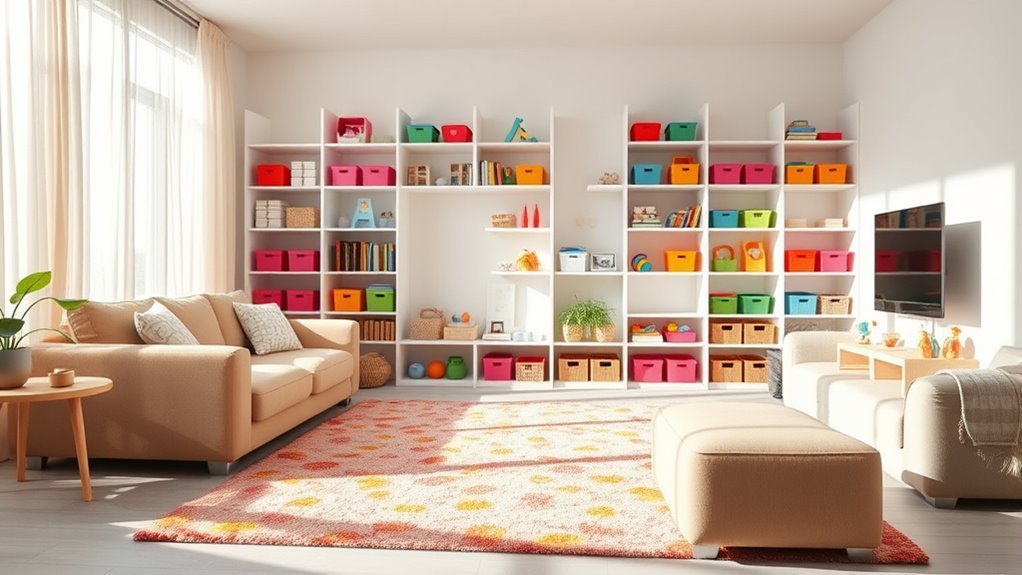
The secret to a clutter-free family living room is an 80/20 storage split: hide 80% of visual clutter behind closed cabinet doors or inside lidded ottomans, and keep 20% of everyday favorites accessible on low open shelves. Matching storage containers to the room’s palette makes toy organization blend seamlessly with adult furniture.
- Large woven floor baskets for bulky soft items: Use soft cotton-rope or seagrass baskets (without stiff wire frames) so toddlers can toss in stuffed animals, throw blankets, and dress-up capes effortlessly.
- Shallow trays and clear-latch boxes for small sets: Keep magnetic tiles, wooden puzzles, and building bricks sorted by category on trays or inside stackable bins stored above younger siblings’ reach.
- Closed media-console cabinets for visual noise: Store multi-colored board game boxes, kinetic sand, playdough, coloring books, and video game controllers behind solid doors fitted with magnetic child locks when needed.
- Forward-facing book ledges or low baskets: Display 8 to 12 picture books with covers facing outward so young children can spot their favorite story without pulling an entire shelf of spines onto the floor.
- Color-coded or photo labels: Attach a removable picture + word tag to the front edge of every basket so babysitters, kids, and tired parents know exactly where each item lives.
Double-duty furniture multiplies storage capacity without shrinking floor space. A tufted storage ottoman swallows bulky train tracks in seconds before guests arrive, while a credenza with deep lower drawers keeps art pads and puzzles hidden right beside the sofa.
Recommended Products
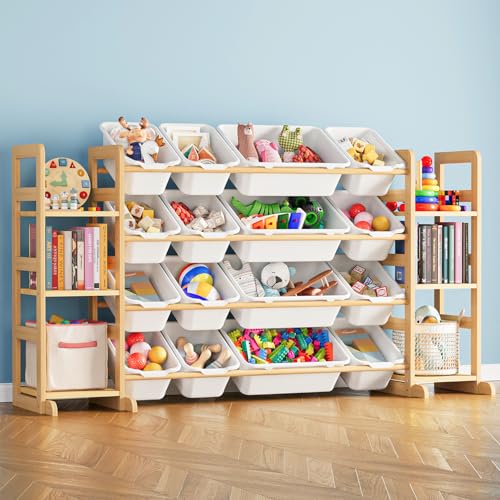
BEAUTIFUL AND ORGANIZED - Make your kids playroom space neat and organized with this toy storage organizer with bookshelf and 16 white bins; Shelf Size: 60.2"W x 13.6"D x 31.5"H

BEAUTIFUL AND ORGANIZED - Make your kids playroom space neat and organized with this toy storage organizer with bookshelf and 12 white bins; Shelf Size: 52.3"W x 13.6"D x 31.5"H

DURABLE AND STURDY: Engineered wood frame with steel dowels and stabilizing braces supports up to 20 lbs per tier so you never have to worry about tipping, bending, or daily wear and tear
Kid-Friendly Small Living Room Ideas
In a small apartment or narrow living room, every piece of furniture must earn its footprint by serving at least two functions. Instead of squeezing a separate play table and toy shelf into a tight layout, build kid storage directly into your core living room pieces.
- Keep a 30-to-36-inch main walkway clear: Never place floor baskets or play mats where they bottleneck the path from the doorway to the sofa.
- Consolidate toys into one vertical-safe zone: Dedicate the bottom two shelves of an anchored media unit or bookcase to everyday toys and books rather than scattering bins across every corner.
- Swap the coffee table for nesting tables or dual ottomans: Two lightweight storage cubes or nesting C-tables can tuck flush against the sofa during daytime floor play and pull out for drinks after bedtime.
- Use wall-mounted sconces and picture ledges: Free up floor space and eliminate lamp-pull hazards by mounting plug-in wall sconces (with cord covers) and narrow floating ledges for bedtime books.
- Never use unanchored tall shelves to save floor space: Narrow, tall bookcases are the easiest pieces to tip over when a child climbs the lower shelves; always anchor vertical storage into wall studs.
Recommended Products

【QUICK ASSEMBLY, EASY FOLDAWAY】This storage ottoman from the SONGMICS MAZIE Collection has a foldable design that allows quick setup in seconds by simply inserting the bottom panel. Easily fold and store it under the bed or in a closet when not in use

【QUICK ASSEMBLY, EASY FOLDAWAY】This storage ottoman from the SONGMICS MAZIE Collection has a foldable design that allows quick setup in seconds by simply inserting the bottom panel. Easily fold and store it under the bed or in a closet when not in use.

【ELEGANT DESIGN, ENDURING COMFORT】This ottoman boasts a chic linen-look surface with an elegant tufting design, adding a stylish touch to your space. The double-layer fabric and high-resilience foam ensure lasting comfort for relaxation
Make the Room Easy to Clean
Fast daily cleanup starts before messes happen by reducing dust-trapping surfaces and keeping safe cleaning tools within arm’s reach (but locked away from kids). Choose flat-weave or washable rugs, sealed wood or laminate tables, and zippered cushion covers that survive regular laundering.
Store a compact spill kit inside an upper cabinet or locked closet near the living room: include white microfiber cloths (which won’t transfer dye when blotting upholstery), a handheld cordless vacuum for cracker crumbs, and a fabric-safe stain spray. When buying surface sprays and upholstery cleaners, look for products certified by the EPA Safer Choice program, which screens every chemical ingredient for human health and environmental safety and restricts VOC content to protect indoor air quality around babies and pets.
Keeping Your Kid-Friendly Space Clean and Tidy
Even the smartest storage layout fails if cleanup feels like a 45-minute chore at the end of the night. Build these five simple habits into your daily rhythm so the room resets quickly before adult downtime:
- Enforce a shoes-off basket by the entry: Leaving outdoor shoes at the door cuts down tracked-in dirt, lawn chemicals, and street grit on rugs where infants crawl and toddlers play.
- Run a five-minute bedtime timer reset: Put on one upbeat three-to-five-minute song before bath or bedtime and have everyone race the timer to toss toys into labeled bins, fold throws, and carry cups to the kitchen.
- Practice the “one bin out, one bin back” rule: Teach children to slide their current basket of blocks or figures back onto the shelf before pulling out a new activity tray.
- Rotate overflow toys every two to three weeks: When bins start overflowing or kids stop playing with the current setup, pack half the items into a closet tote and swap in fresh choices.
- Sweep under cushions during the nightly reset: Take 30 seconds each evening to check the rug and sofa crevices for coins, loose batteries, or small sibling toys so the floor is safe the next morning.
Note: Renters can childproof effectively using low wide storage, non-slip rug pads, adhesive cord raceways, and tension-mounted gates. However, freestanding dressers, bookcases, and TVs still require wall anchoring to prevent tip-overs. Standard anti-tip brackets leave only two small screw holes in a wall stud that are easily patched with spackle at move-out—check your lease or ask your landlord for written approval to install safety anchors.
Key Takeaways
- Anchor bookcases, consoles, and TVs directly into wall studs, limit window openings to 4 inches, and eliminate accessible window cords longer than 8 inches.
- Check for choking hazards using the CPSC 1.25-by-2.25-inch small-parts standard and keep button or coin batteries locked in tool-secured compartments.
- Choose heavy-duty upholstery (30,000+ double rubs, cleaning code W or W/S), rounded edges, and low-pile washable rugs paired with non-slip pads.
- Use an 80/20 storage split—hiding 80% of visual clutter in closed cabinets while keeping 8 to 10 rotated daily toys on low, photo-labeled open shelves.
Frequently Asked Questions
How do you make a living room kid-friendly?
Start by anchoring tall furniture and the TV into wall studs, replacing corded blinds, adding non-slip rug pads, and removing choking hazards smaller than 1.25 inches wide. Next, choose rounded, stain-resistant furniture and set up defined zones for play, reading, and lounging. Finish with low, labeled storage bins so kids can reach daily toys and help clean up.
How do I create a play area in the living room without sacrificing style?
Define one compact play zone using a low-pile washable rug, a low wooden shelf, and matching woven or canvas baskets that repeat your living room’s color palette. Keep only 8 to 10 daily toys visible on open trays and tuck bulky plastic or messy craft items behind closed cabinet doors.
How do I make a small living room work for kids?
Keep a 30-to-36-inch main walkway clear, choose multi-purpose furniture like a storage ottoman or nesting tables, and consolidate daily toys onto the lower shelves of an anchored media console. Store overflow toys in a bedroom closet and rotate them every few weeks so the floor stays open.
How can renters make a living room safer for kids?
Use low, wide storage units, adhesive cord covers, non-slip rug pads, and removable bin labels, and lock hazardous items in high cabinets. Because climbable furniture and TVs still pose a tip-over risk, check your lease or ask your landlord about installing stud-mounted safety anchors, which leave only minor screw holes to patch later.
What furniture is best for a kid-friendly living room?
The safest, most durable furniture includes wall-anchored low bookcases, rounded solid-wood or upholstered coffee tables, storage ottomans, and sofas upholstered in washable slipcovers or performance fabric rated for 30,000+ double rubs. Avoid glass-topped tables, top-heavy unanchored towers, and toy chests with heavy, unhinged lids that can slam shut.
How do you store toys in a living room without making it look messy?
Follow an 80/20 rule: store 80% of bulky games, puzzles, and crafts behind closed credenza doors or inside storage ottomans, and keep 20% of daily favorites in matching, picture-labeled baskets on low shelves. Rotating toys every two to three weeks prevents bins from overflowing onto the floor.
Conclusion
A thoughtfully planned kid-friendly living room keeps children safe while giving the whole family a comfortable place to gather, play, and unwind. By anchoring heavy furniture and TVs to wall studs, eliminating cord and battery hazards, choosing forgiving upholstery, and pairing closed cabinets with low, labeled baskets, you can stop policing the room and start enjoying it. As your next step today, get down at floor level for a 10-minute safety walk-through and secure the single highest-risk hazard—such as an unanchored bookcase or accessible remote battery—before shopping for new storage or decor.
Sources
- CPSC Anchor It!: Supports furniture and television wall-stud anchoring guidance and tip-over injury and fatality data.
- CPSC: Clothing Storage Units (16 CFR Part 1261): Supports STURDY Act stability requirements for freestanding clothing storage units 27 inches or taller and why living room shelving still requires anchoring.
- CPSC: Window Covering Cords: Supports cordless window covering recommendations, 8-inch cord hazard thresholds, and tension/cord-stop rules.
- CPSC: Button Cell and Coin Batteries: Supports Reese’s Law compartment security, two-hour esophageal burn warnings, and emergency hotline numbers.
- American Academy of Pediatrics (HealthyChildren.org): Childproofing Your Home: Supports locking cabinets, securing purses, medicines, liquid nicotine, and toxic houseplants, and checking floors for small objects.
- CPSC: Childproofing Your Home: Supports outlet protection, safety latches, corner bumpers, and spring-loaded hinges on storage chests.
- CPSC: Window Safety: Supports keeping climbable furniture away from windows and using window stops or guards limited to 4-inch openings.
- EPA: Volatile Organic Compounds’ Impact on Indoor Air Quality: Supports low-VOC material selection and ventilation guidance for household furnishings and paints.
- EPA Safer Choice: Supports selecting household and upholstery cleaners that meet strict ingredient and VOC limits.