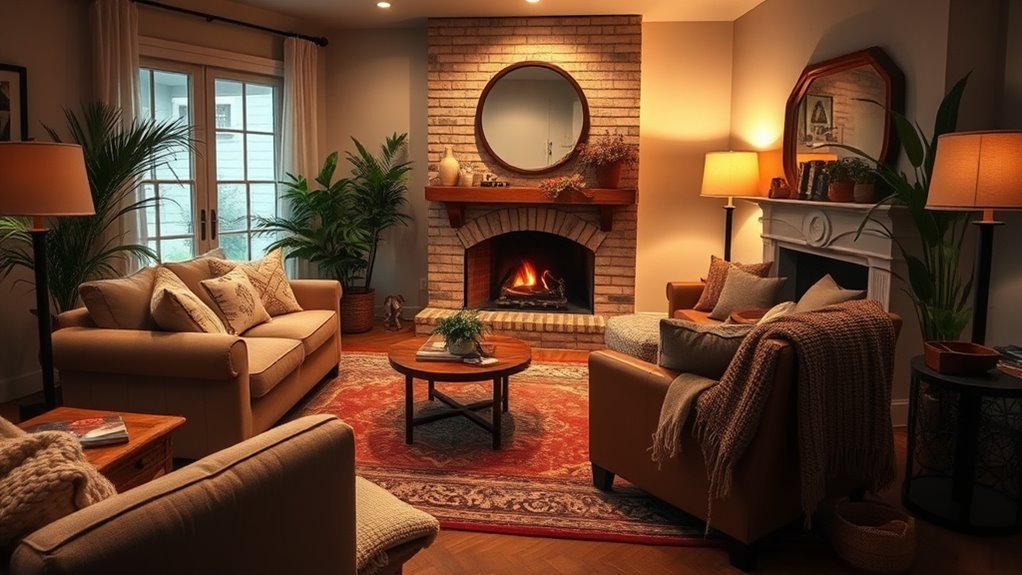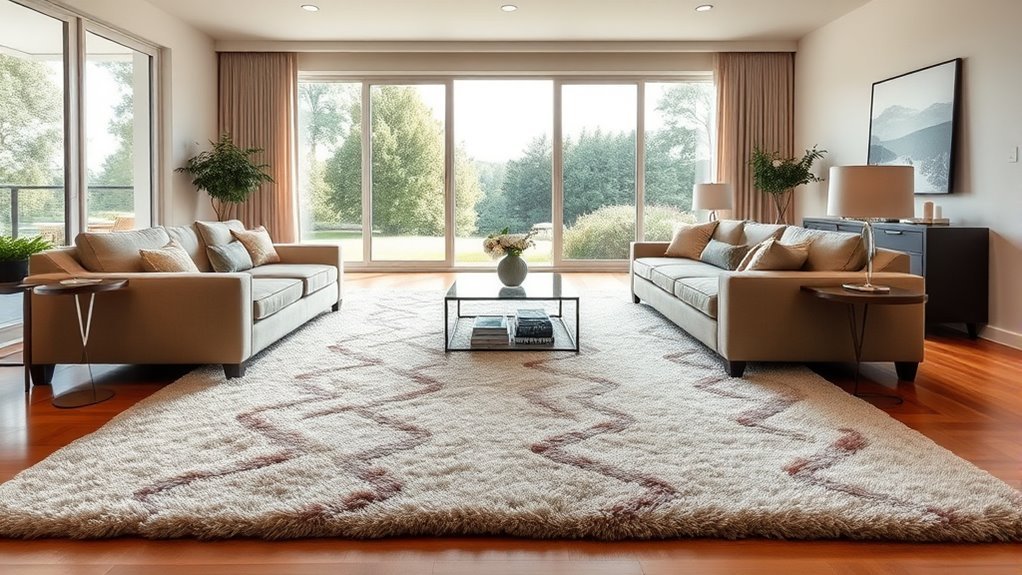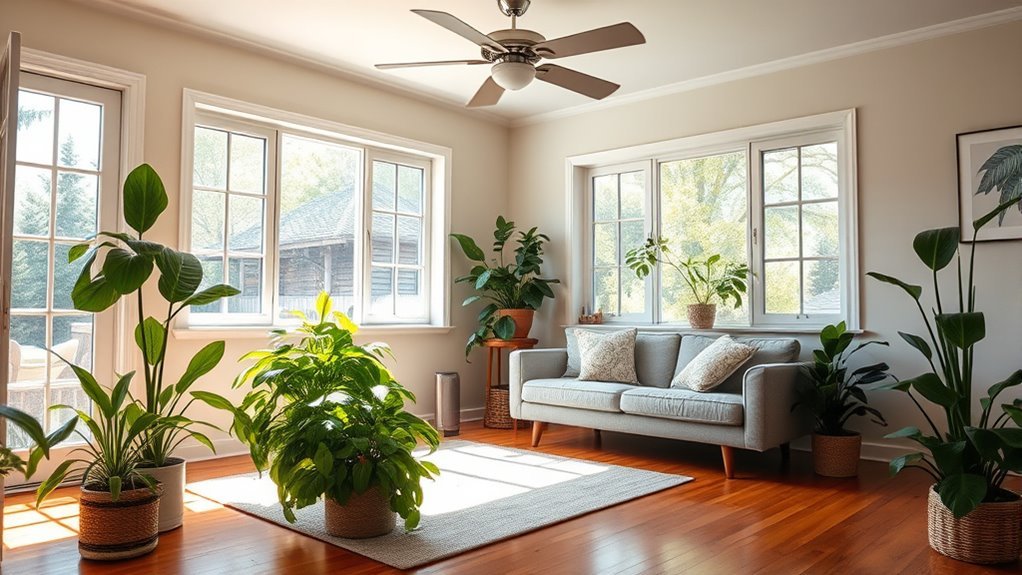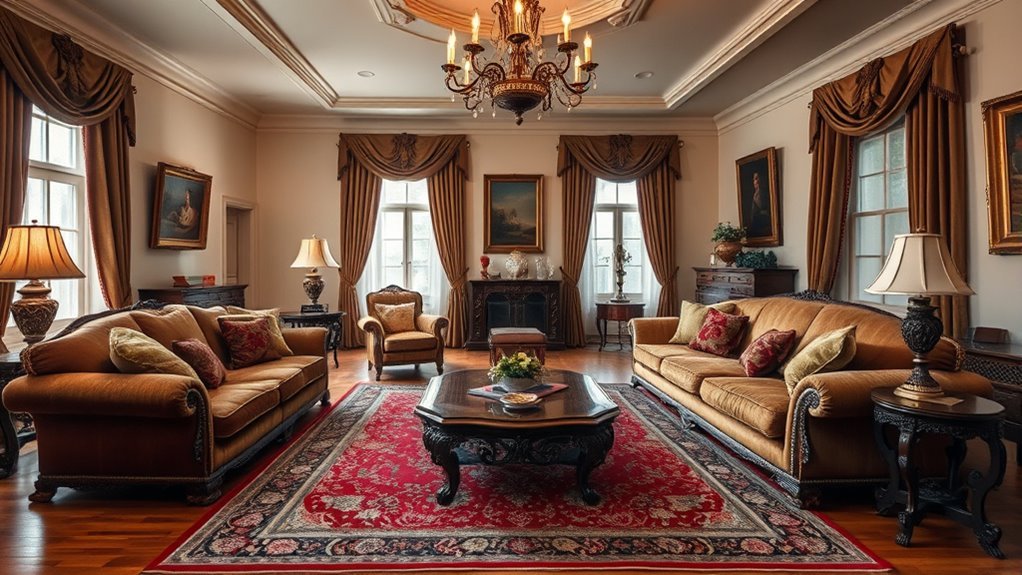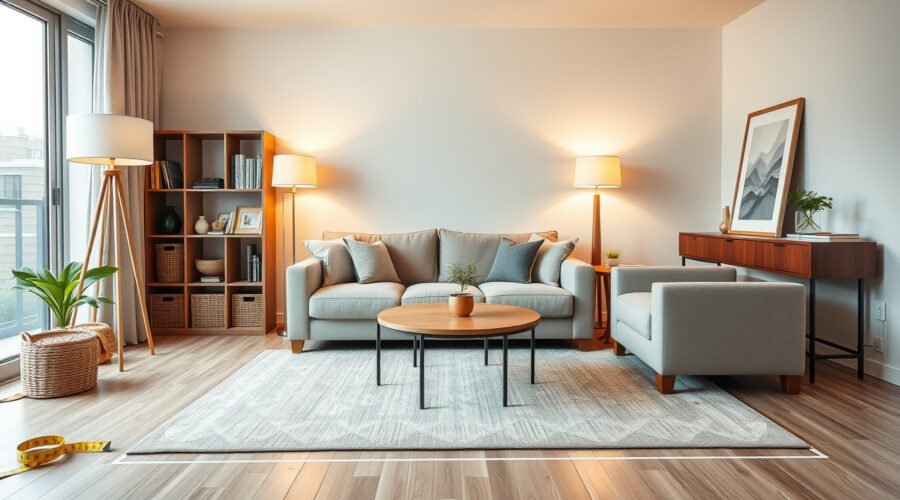
Designing your rental living room starts with smart, reversible choices: furniture that fits, lighting that works without rewiring, storage that hides clutter, and decor that adds personality without putting your deposit at risk. The best rental living room feels comfortable now and can still be restored easily when it is time to move.
Quick Answer
For a rental living room, choose a sofa that fits your floor plan and delivery path, pair it with a coffee table that is easy to reach, layer plug-in lighting, use rugs and removable decor for personality, and keep 30–36 inches of walkway space where possible.
Key Takeaways
- Measure the room, doorways, stairs, elevators, and furniture footprint before buying a sofa or sectional.
- Use renter-friendly upgrades like area rugs, freestanding shelves, washable sofa covers, plug-in lamps, and removable wall decor.
- Keep the layout easy to move through by leaving clear walkways and keeping the coffee table close enough to use comfortably.
- Check your lease before painting, drilling, mounting heavy items, or installing anything permanent.
At a Glance
| Time Required | 1–2 hours to measure and plan; a weekend to shop, arrange, and style |
| Difficulty | Beginner-friendly |
| Tools Needed | Tape measure, painter’s tape, notepad, phone camera, level, removable hooks, rug pad, cord clips |
| Cost | Low to high, depending on whether you refresh with decor or buy new furniture |
Essential Furniture Choices for Renters
When you are working with a rental living room, every piece should earn its space. Start with the furniture you use daily: a sofa or loveseat, a coffee table or ottoman, side tables, storage, and lighting. Then add personality with pieces that are easy to move, clean, and remove.
Recommended Products

👍𝗦𝗧𝗬𝗟𝗜𝗦𝗛 & 𝗦𝗔𝗙𝗘 𝗥𝗢𝗨𝗡𝗗𝗘𝗗 𝗗𝗘𝗦𝗜𝗚𝗡 — Prioritizing safety and style, this small round end table features smooth, rounded edges to prevent injuries, particularly in homes with children or elderly family members. Its contemporary aesthetic complements any living space while offering peace of mind.

【LED Light Strip】: This corner shelf has been specially equipped with LED light strips, with multiple colors available for adjustment. It can create a cozy atmosphere at night, enhance the gaming experience when placed in the game room, or add the atmosphere when watching movies at night when placed in the living room.

Small Bookshelf for Small Spaces: Featuring a compact design, the floor standing tree bookshelf optimizes floor space, making it an excellent choice for bedrooms, home offices, corners, hallways, or smaller living rooms. This narrow small bookcase organizer provides ample storage for books, CDs, game cassettes, decorations, and more. Keep your belongings stylishly organized, ensuring a neat and clutter-free space. ( Book shelf dimensions: 47.4"H*14.6"L*"7.9"W )
Rental Living Room Checklist
- Sofa or loveseat: Choose the largest comfortable option that still leaves walkways, door swings, and windows usable.
- Accent chair: Add one if you need flexible seating without crowding the room.
- Coffee table or storage ottoman: Pick a piece that supports drinks, remotes, books, and trays without blocking movement.
- Side tables: Use slim tables, nesting tables, or C-tables if the room is tight.
- Lighting: Layer floor lamps, table lamps, plug-in sconces, and accent lights so the room works at night.
- Storage: Use baskets, media cabinets, ottomans, and freestanding shelves to hide everyday clutter.
- Rug: Anchor the seating area and protect floors with a rug pad underneath.
Measure Before You Buy
Before choosing furniture, measure the room width, room length, ceiling height, doorways, hallway turns, stairs, and elevator openings. A sofa that looks perfect online is not useful if it cannot get through the building or if it blocks the only clear path across the room.
- Map the footprint: Use painter’s tape to mark the sofa, coffee table, chair, and media console on the floor.
- Check walkways: Aim for 30–36 inches of clear space in main paths when the room allows it.
- Protect door swings: Make sure entry doors, closet doors, and balcony doors can open fully.
- Plan outlets: Put lamps and media pieces close enough to outlets that you do not need cords crossing walkways.
Pro Tip: Take photos of your empty room from every corner before shopping. They help you compare scale, wall space, outlets, windows, and awkward corners while you are in a store or browsing online.
How to Choose the Perfect Sofa for Your Rental?
The sofa is usually the anchor of a rental living room, so choose it for scale, comfort, durability, and flexibility. A good rental sofa should fit the room you have now, but it should also be versatile enough to work in a future apartment.
Size And Space Considerations
There is no single perfect sofa size, but many rental living rooms work well with sofas in the 72- to 90-inch range. Smaller apartments may need a loveseat, apartment sofa, or chaise sofa, while larger rooms may handle a sectional. The right choice depends on your wall length, traffic flow, windows, and how many people usually sit there.
For depth, look for a seat that feels comfortable without swallowing the room. Deep lounge sofas are cozy for movie nights, but they can make a small room feel crowded. If you have limited space, a sofa with raised legs, narrow arms, or a lower visual profile can make the room feel lighter.
Style And Aesthetic Match
With the right sofa, your rental can reflect your style without permanent changes. Classic shapes, simple arms, and neutral upholstery are easy to restyle with pillows, throws, rugs, and art. If you like color, consider adding it through washable slipcovers, pillows, or a statement chair instead of locking yourself into a hard-to-match sofa.
Modular sofas are especially helpful for renters because you can reconfigure them in a new layout. A reversible chaise is another smart option because it can switch sides if your next living room has a different wall or window placement.
Fabric And Maintenance Needs
Selecting the right sofa fabric is essential for a stylish but realistic rental living room. Polyester blends, performance fabrics, microfiber, and tightly woven fabrics tend to be easier to live with than delicate upholstery. Removable and washable covers are useful if you have pets, children, frequent guests, or a habit of eating on the sofa.
Darker colors, heathered textures, and subtle patterns can hide small stains better than flat white or very pale fabric. Before buying, check the cleaning code and care instructions. A sofa that needs professional cleaning after every spill is usually not the easiest choice for everyday rental living.
Delivery Path and Moving Flexibility
Measure the sofa’s total width, depth, height, diagonal depth, and leg height. Then compare those numbers with your doorways, stairwells, elevator, and hallway turns. If you move often, consider sofas with removable legs, modular sections, or smaller components that are easier to carry.
Selecting a Functional Coffee Table for Your Living Room
A well-chosen coffee table can make your rental living room feel finished, but it also needs to work with your sofa, walkway, and daily habits. Think about height, length, clearance, storage, and shape before choosing the prettiest option.
Style and Design Match
Start with your sofa. A clean-lined sofa pairs well with wood, glass, metal, stone-look, or upholstered tables, depending on the mood you want. A glass or acrylic table can feel lighter in a small room, while wood adds warmth and texture. If your rental has plain finishes, the coffee table is a safe place to add character because it moves with you.
Size and Proportions Matter
For easy reach, place the coffee table about 16–18 inches from the sofa. The table should usually be close to the height of the sofa seat, or within about 4 inches higher or lower. A table that is too high feels awkward; a table that is too low can be hard to use.
For length, aim for a table that is roughly one-half to two-thirds the length of your sofa. If the room is narrow, choose a round, oval, nesting, or slim rectangular table. If you need hidden storage, a lift-top coffee table or storage ottoman can hold blankets, remotes, chargers, and game controllers.
Shape, Safety, and Storage
- Round or oval: Best for tight walkways and homes where sharp corners are a concern.
- Rectangular: Best with standard sofas and longer seating arrangements.
- Square: Best with sectionals or conversation layouts.
- Storage ottoman: Best for renters who need a footrest, extra seating, and hidden storage in one piece.
- Nesting tables: Best for small rentals because they expand when guests come over and tuck away later.
Creating Ambiance With Layered Lighting
Layered lighting makes a rental living room more comfortable because one overhead light rarely works for every activity. Combine ambient lighting for general brightness, task lighting for reading or hobbies, and accent lighting for warmth and style.
| Lighting Type | Purpose | Renter-Friendly Fixtures |
|---|---|---|
| Ambient | Overall room brightness | Floor lamps, plug-in ceiling pendants, torchieres, existing ceiling fixtures |
| Task | Reading, working, puzzles, hobbies | Table lamps, swing-arm floor lamps, clip-on lamps, adjustable desk lamps |
| Accent | Mood, depth, and decorative highlights | Plug-in sconces, picture lights, LED strips, small lamps on shelves |
Choose efficient bulbs where you can. The U.S. Department of Energy notes that LEDs use up to 90% less energy and last up to 25 times longer than traditional incandescent bulbs. Warm white bulbs usually feel best for relaxing living rooms, while brighter task lamps are better for reading or work.
Note: If your rental has no ceiling light, use two or three light sources at different heights: one floor lamp, one table lamp, and one small accent light. This makes the room feel intentional instead of dim.
Recommended Products

White Modern Floor Lamp: This floor light fits in any room from industrial to modern or traditional décor. Its simple and elegant design can make it easy to place in any room of the house.
Decor Tips to Personalize Your Rental Living Room
Transforming your rental living room into a personal sanctuary does not require paint, built-ins, or permanent changes. Focus on layers you can remove: textiles, art, lamps, plants, baskets, and freestanding furniture.
- Use removable wall decor: Peel-and-stick wallpaper, removable decals, and adhesive hooks can add color and pattern without a major commitment.
- Add an area rug: A rug defines the seating zone, softens noise, protects floors, and adds texture. Use a rug pad to reduce slipping.
- Style with plants: Plants add shape, color, and life, but do not rely on them as air cleaners. The EPA says there is currently no evidence that a reasonable number of houseplants removes significant pollutants in homes and offices.
- Create a gallery wall carefully: Use removable adhesive hooks for lightweight frames and check weight limits before hanging anything.
- Swap soft goods: Pillows, throws, curtains, and lampshades can change the entire mood without changing the apartment.
Warning: Before painting, drilling, mounting shelves, adding peel-and-stick products, or changing hardware, check your lease and get written permission when needed. Security-deposit rules vary, but state guidance such as the California Courts security-deposit guide shows landlords may be able to deduct for tenant-caused damage beyond normal wear and tear.
Space Optimization Strategies for Your Living Room Layout
A strong rental living room layout balances comfort, movement, storage, and sightlines. Start by choosing the room’s main purpose: watching TV, hosting, reading, working from home, or a mix of everything. Then arrange furniture around that purpose.
Small Rental Living Room Layout
In a small room, use fewer pieces with more function. Choose an apartment sofa, slim media console, round coffee table, nesting tables, and vertical storage. Keep furniture legs visible when possible because raised pieces make the floor feel more open.
Long or Narrow Living Room Layout
For a long room, avoid lining everything against one wall. Float the sofa slightly, use a rug to define the seating zone, and create a second small zone with a reading chair, plant, desk, or console table. A narrow coffee table or upholstered bench can work better than a bulky square table.
Open-Plan or Studio Layout
In an open-plan rental or studio, use rugs, shelves, sofas, and lighting to create zones. A sofa can divide the living area from the dining or sleeping area. A low bookcase can add storage while still letting light move through the room.
Walkway and Accessibility Targets
Aim for at least 30 inches of clear walking space in main paths, and choose closer to 36 inches where possible. The U.S. Access Board uses 36 inches as the minimum continuous clear width for accessible routes in ADA contexts, which is a helpful reference when you want a room to be easier to navigate.
Storage Solutions That Keep the Room Clutter-Free
Storage is what keeps a rental living room feeling calm after the decorating is done. Choose storage that is freestanding, portable, and useful in more than one room.
- Storage ottoman: Holds blankets, toys, games, or remotes and doubles as seating.
- Media cabinet with doors: Hides cords, routers, game consoles, and extra cables.
- Baskets: Good for throws, pet toys, kids’ toys, and quick cleanup before guests arrive.
- Freestanding bookcase: Adds vertical storage without built-ins.
- Console table: Works behind a sofa, near an entry, or under a window.
- Cord management: Use cord clips, cable sleeves, and outlet-safe solutions so wires do not become visual clutter or tripping hazards.
Renter-Friendly Safety Checks
A beautiful living room should also be safe. Check rugs, cords, tall furniture, TV stands, shelves, and lamps after you arrange the room.
- Anchor tall furniture: Bookcases, storage units, TV stands, and pieces with drawers can tip. The U.S. Consumer Product Safety Commission’s Anchor It! campaign recommends anchoring furniture with drawers, doors, and shelves to the wall to help prevent tip-over injuries and deaths.
- Ask before drilling: In a rental, use landlord-approved anchoring methods and repair holes properly when moving out.
- Use rug pads: They reduce slipping and protect floors.
- Keep cords out of walkways: Run cords behind furniture or along walls with removable cord clips.
- Balance shelves: Put heavier items low and lighter decor higher.
- Check lamp stability: Avoid wobbly floor lamps in high-traffic corners.
Common Rental Living Room Problems and Fixes
| Problem | Fix |
|---|---|
| The room feels cramped. | Remove one bulky piece, choose a lighter coffee table, expose more floor, and keep the main walkway clear. |
| There is no overhead light. | Use a floor lamp for ambient light, a table lamp for task light, and a small accent lamp for warmth. |
| The sofa looks too large. | Pull other furniture back, replace the coffee table with a round or nesting option, and remove extra side tables. |
| The room feels bland. | Add a rug, textured pillows, art, a plant, warmer lighting, and one accent color repeated in three places. |
| There is not enough storage. | Use a storage ottoman, baskets, a closed media cabinet, and vertical shelving. |
Frequently Asked Questions
What do you need in a living room checklist?
A rental living room checklist should include a sofa or loveseat, coffee table or ottoman, side tables, layered lighting, storage, a rug, window treatments if allowed, cord management, and renter-safe decor like pillows, throws, plants, and removable art hooks.
What is the 4-inch rule?
For coffee tables, the 4-inch rule means the tabletop should be within about 4 inches higher or lower than the sofa seat height. This keeps drinks, books, and remotes easy to reach while helping the furniture look balanced.
How do I make a rental living room look bigger?
Use furniture with visible legs, choose a lighter rug, keep the walkway clear, avoid oversized sectionals, hang curtains high if allowed, and use mirrors or glass tables to keep sightlines open. Good lighting also makes a small room feel larger.
Can I use removable wallpaper in a rental?
Often, yes, but check your lease first. Some peel-and-stick products can damage paint or leave residue, especially on textured, old, or poorly painted walls. Test a hidden spot and get written permission if the lease restricts wall changes.
How much space should be between a sofa and coffee table?
A good target is about 16–18 inches. That distance usually keeps the table close enough to reach while leaving enough space for knees, feet, and movement around the seating area.
Do houseplants improve indoor air quality?
Houseplants can make a living room feel fresher and more inviting, but a normal number of plants should not be treated as an air-cleaning system. For indoor air quality, focus on source control, ventilation, cleaning, and appropriate air filtration.
Conclusion
Your rental living room does not need permanent changes to feel finished. Measure first, choose flexible furniture, layer lighting, add renter-safe decor, and keep the layout easy to move through. With the right sofa, coffee table, storage, rug, and lighting, your rental can feel personal, polished, and practical while still being easy to restore when you move.
Sources
- U.S. Department of Energy — Lighting Choices to Save You Money — backs LED efficiency and lighting guidance.
- U.S. EPA — The Inside Story: A Guide to Indoor Air Quality — backs source control, ventilation, air-cleaner context, and houseplant caveats.
- Cummings & Waring, Journal of Exposure Science & Environmental Epidemiology — backs the correction that potted plants do not meaningfully improve indoor air quality in typical buildings.
- California Courts — Guide to Security Deposits — backs the renter caution about deposits and damage beyond normal wear and tear.
- CPSC Anchor It! — backs furniture and TV tip-over prevention guidance.
- U.S. Access Board — ADA Accessible Routes — backs the 36-inch clear-route accessibility reference.