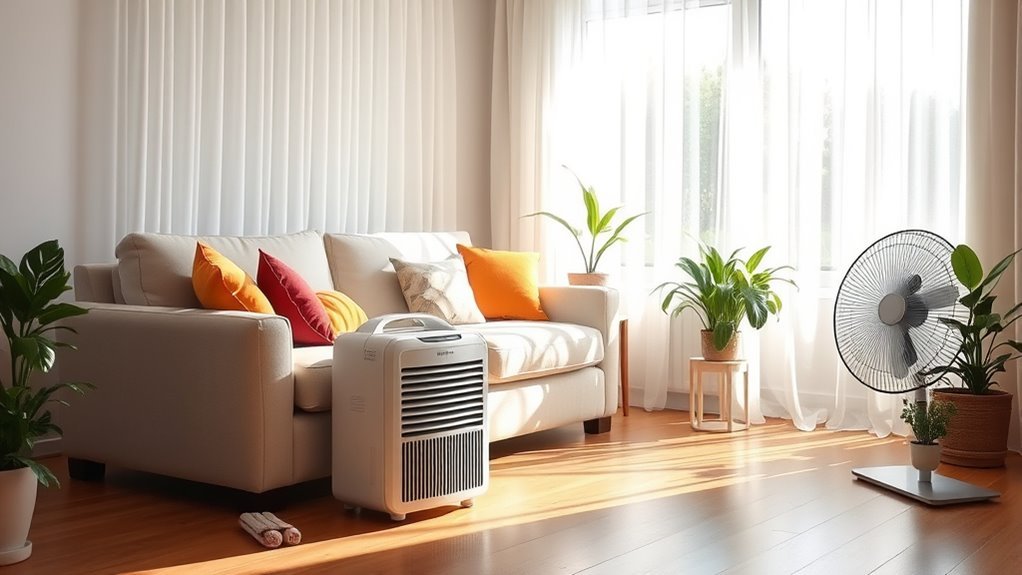
To prevent mold and mildew on living room textiles, control moisture first. Keep indoor humidity in the comfortable 30% to 50% range, dry spills and damp fabrics fast, improve airflow around sofas and curtains, and clean dust from upholstery, rugs, and soft furnishings regularly. These habits protect your fabrics and help keep your living room healthier.
Quick Answer
Keep living room textiles mold-free by keeping humidity around 30% to 50%, drying spills within 24-48 hours, vacuuming fabrics often, improving ventilation, and fixing leaks or condensation quickly. If mold covers a large area, keeps returning, or affects carpets, padding, mattresses, or HVAC systems, call a professional.
Key Takeaways
- Moisture control is the most important step: mold cannot grow without water or dampness.
- Use a hygrometer, dehumidifier, air conditioner, exhaust fans, or open windows when needed to keep humidity low.
- Clean fabric surfaces regularly, but always follow the care label before using bleach, heat, or strong cleaners.
- Discard or professionally assess porous items that are heavily moldy, sewage-contaminated, or impossible to dry completely.
At a Glance
| Time Required | 10-20 minutes weekly for prevention; several hours to a full day for washing and drying affected textiles |
| Difficulty | Easy for prevention; moderate for small washable items; professional help for large, hidden, or recurring mold |
| Tools Needed | Hygrometer, vacuum with upholstery attachment, fans, dehumidifier or air conditioner, mild detergent, gloves, goggles, and N95 respirator for cleanup |
| Cost | Low for routine cleaning; moderate if you need a hygrometer or dehumidifier; higher for professional upholstery, rug, or mold remediation |
Understanding Mold and Its Impact on Textiles
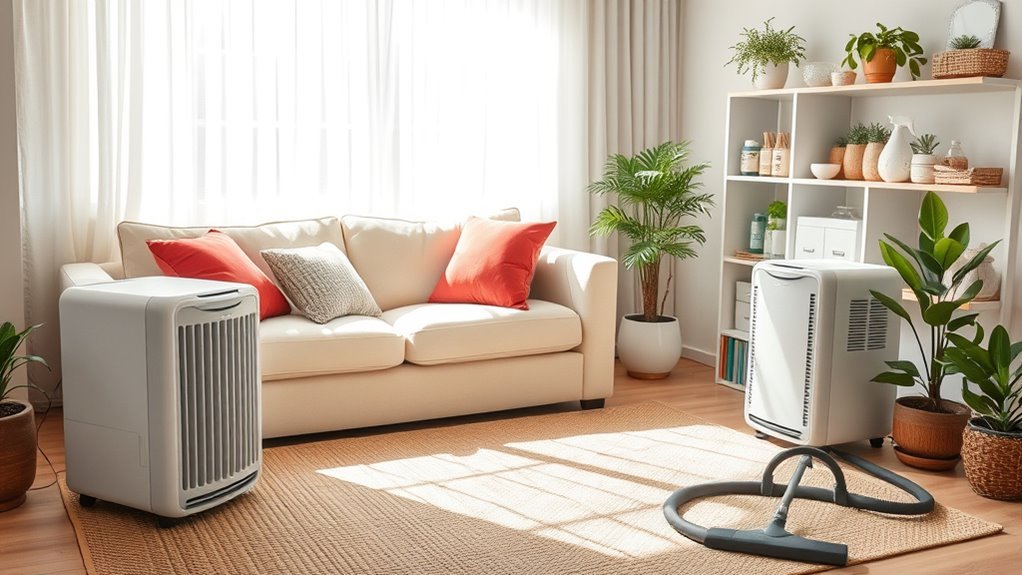
Understanding mold and its impact on textiles is essential for maintaining a clean, comfortable living room. Mold spores are naturally present in indoor and outdoor air, but they only become a household problem when they land on damp surfaces and have enough moisture to grow. Upholstery, curtains, rugs, carpet, throw pillows, and fabric storage baskets can all hold moisture, dust, skin cells, and other organic material that mold can feed on.
Mold can stain fabric, weaken fibers, create a musty odor, and trigger allergic or respiratory symptoms in sensitive people. The U.S. Environmental Protection Agency explains that the key to mold control is moisture control, and that wet materials should be dried within 24-48 hours whenever possible. The Centers for Disease Control and Prevention also recommends removing mold when you see or smell it and fixing the moisture problem that allowed it to grow.
Note: Mildew is often used to describe a light, surface-level mold growth. Whether you call it mold or mildew, the solution is the same: remove the growth, dry the material completely, and stop the moisture from returning.
Common Causes of Mold Growth on Fabrics
Mold growth on fabrics usually starts with a moisture problem. High humidity, poor airflow, wet spills, leaks, condensation, and damp items left on soft furnishings can all create the right conditions. Once a fabric stays damp long enough, mold can settle into fibers and become harder to remove.
High Humidity Levels
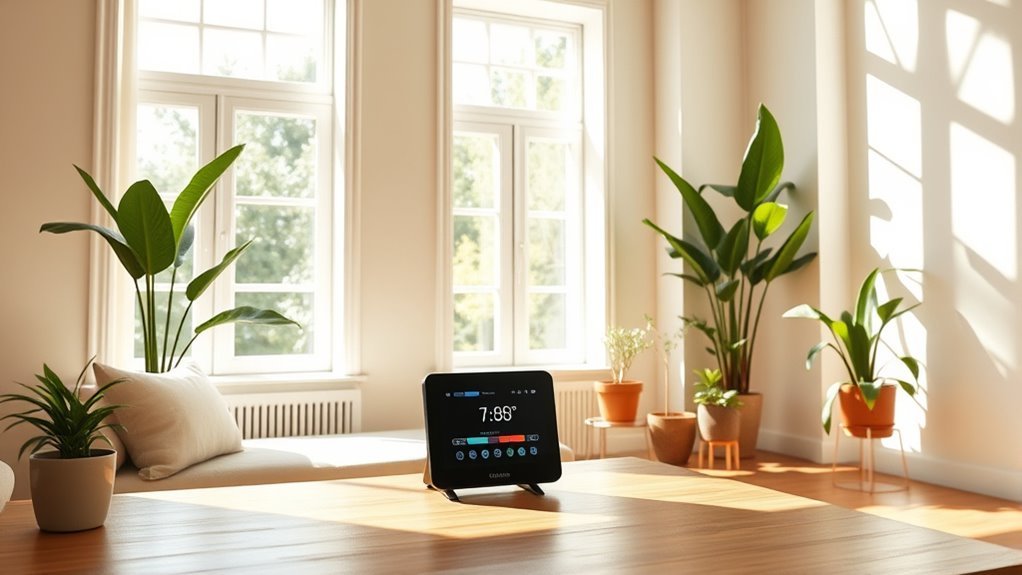
When indoor humidity stays high, textiles absorb moisture from the air. Aim for 30% to 50% relative humidity in the living room, especially during humid weather. A small hygrometer makes this easy to track. If readings stay high, use a dehumidifier or air conditioner, run exhaust fans during cooking and showering, and avoid drying laundry indoors near upholstered furniture.
Also check for hidden moisture sources. Leaky windows, damp exterior walls, roof leaks, plumbing leaks, clogged gutters, wet basements, and poorly drained foundations can raise indoor moisture. If a sofa, rug, or curtain panel sits near a cold or damp wall, pull it away and inspect behind it regularly.
Poor Ventilation Areas
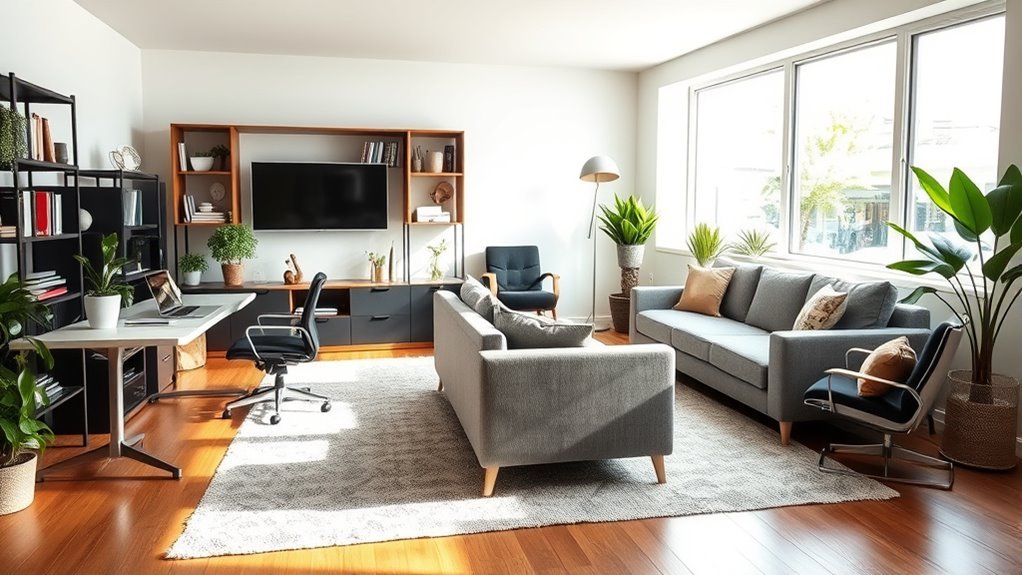
Fabrics are more likely to smell musty when air cannot move around them. Heavy curtains pressed against condensation-prone windows, sofas pushed tight to exterior walls, and large rugs over damp flooring can trap moisture. Improve air circulation by leaving a few inches of space behind furniture, opening curtains during the day, using fans when needed, and keeping HVAC vents unblocked.
Do not store damp towels, wet blankets, gym bags, umbrellas, or freshly cleaned cushion covers in the living room. Even one damp textile can raise localized humidity and spread musty odors to nearby fabrics.
How to Keep Your Living Room Textiles Mold-Free
To keep your living room textiles mold-free, build prevention into your normal cleaning routine. The goal is simple: keep fabrics dry, clean, and well-ventilated.
- Check humidity weekly. Use a hygrometer and keep readings around 30% to 50% when possible.
- Vacuum upholstery and rugs. Dust and organic debris can hold moisture and give mold something to grow on.
- Dry spills fast. Blot liquid immediately, then use airflow to dry the fabric completely within 24-48 hours.
- Move air around fabrics. Open windows when outdoor conditions are dry, use fans, and keep furniture from blocking vents.
- Wash removable covers. Launder slipcovers, pillow covers, and washable curtains according to the care label.
- Choose practical fabrics. For humid homes, washable covers, quick-drying textiles, moisture-resistant rug pads, and treated performance fabrics are easier to maintain than delicate or absorbent materials.
- Inspect hidden areas. Look behind sofas, under rugs, along window treatments, and inside storage ottomans for musty odors or discoloration.
Pro Tip: After cleaning upholstery or rugs, point a fan at the fabric until it is fully dry. A textile that feels only slightly damp can still support mold if the room is humid or poorly ventilated.
Recommended Products

WATERPROOF: Protect your floors from spills, pet accidents, and everyday mishaps. The moisture barrier—crafted from thermoplastic rubber (TPR)—keeps liquids from seeping through to your floors, preventing long-term damage.

THE ORIGINAL EXTRA STRONG GRIPPER: our trusted Gorilla Grip nonadhesive rug pads offer a unique, dual sided grip that firmly holds onto both the rug pad and your hard floor to help prevent rug movement
Effective Cleaning Techniques for Moldy Textiles
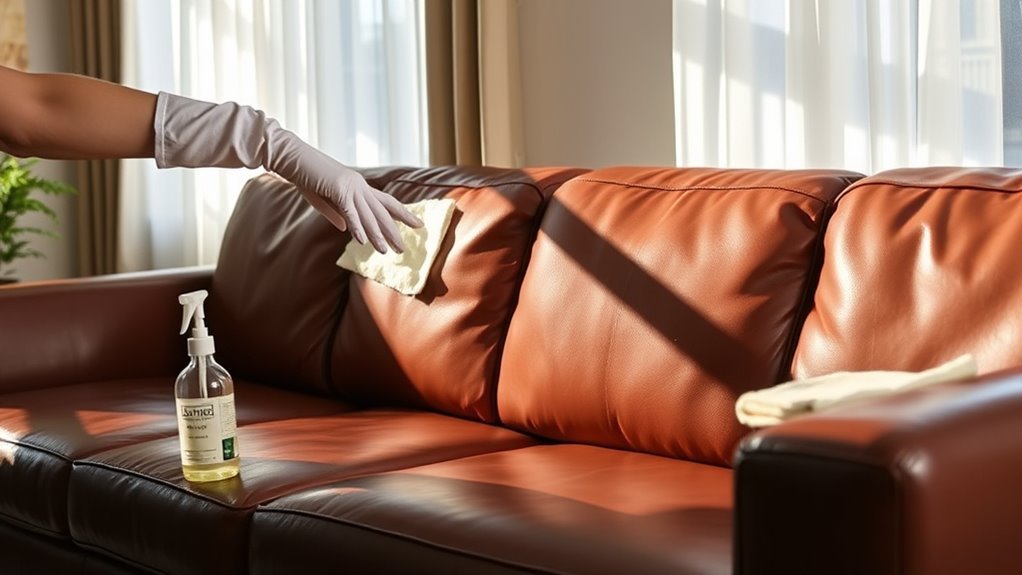
Cleaning moldy textiles can be intimidating, but the safest method depends on the material, the size of the problem, and whether the fabric can be washed. Before you start, put on gloves, goggles, and at least an N95 respirator if you will disturb visible mold. Avoid shaking or brushing moldy fabric indoors because that can spread spores.
Warning: Never mix bleach with ammonia, vinegar, or other cleaners. Use bleach only when the fabric care label allows it, ventilate the area, and remember that removing mold is more important than simply trying to kill it.
Recommended Products
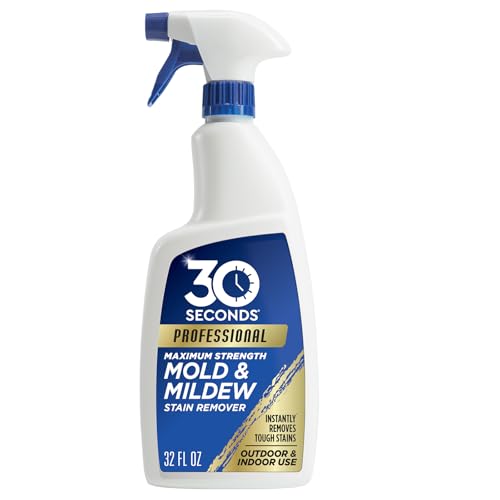
BRIGHTER RESULTS INSTANTLY: Noticeably brightens indoor and outdoor surfaces, removing black mold and mildew stains as you watch, with no scrubbing or pressure washing required for fast, visible results

Fast and Effective: ACTIVE Seal & Grout Stain Remover is a Powerful Whitening Deep Cleaner. Mildew Stain Remover has an Instant Effect in Minutes to Quickly Clean Mold Stain and Eliminate Unwanted Musty Dirt and Grime
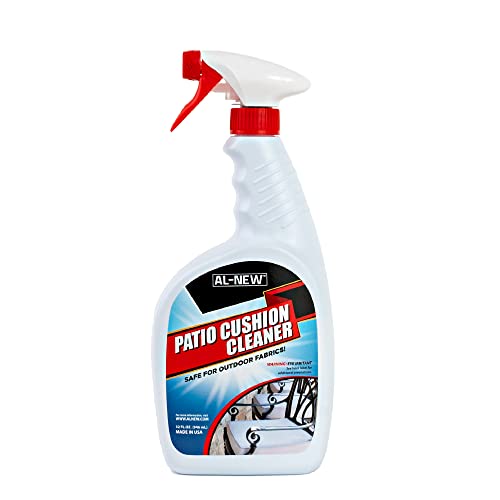
Best Way to Clean Outdoor Patio Cushions, Fabric Cushions, Patio Furniture Covers, Sunshades & Sail Cloth, Fabric Awnings, Umbrellas & More!
Washable Slipcovers, Curtains, and Pillow Covers
- Take the item outside if visible mold is present.
- Gently remove loose surface mold outdoors while wearing protection.
- Wash the item with detergent at the warmest temperature allowed by the care label.
- Use oxygen bleach or chlorine bleach only if the care label says it is safe for that fabric and color.
- Dry the item completely before bringing it back to the living room.
Upholstery and Non-Washable Fabrics
For a small surface spot on upholstery, first fix the moisture source. Then vacuum with a HEPA-filter vacuum if available, spot-clean according to the manufacturer’s instructions, and dry the area completely with fans. Always test cleaners in a hidden area first. If the mold has moved into foam, batting, stuffing, or the cushion core, surface cleaning may not be enough.
Rugs, Carpets, and Padding
Small washable rugs may be cleaned like other washable textiles, then dried fully in sunlight or strong airflow if the care label allows. Wall-to-wall carpet, rug pads, and carpet padding are riskier because mold can grow deep inside porous layers. If carpet or padding has stayed wet, smells musty after drying, or shows visible mold, replacement or professional cleaning is often safer than repeated surface cleaning.
Pillows, Mattresses, and Foam Inserts
Porous foam and mattresses are difficult to clean thoroughly once mold grows inside them. If a pillow, mattress, or foam insert has visible mold, a persistent musty smell, or water damage that reached the inner filling, it is usually better to discard it than to keep exposing the room to spores and odors.
How to Maintain Proper Humidity Levels at Home
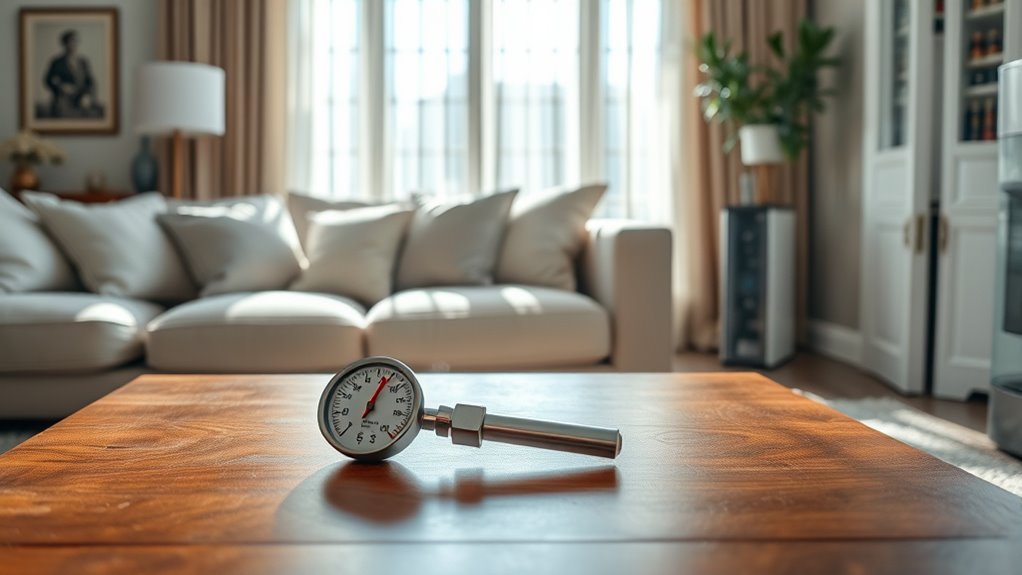
To prevent mold growth on textiles, keep indoor humidity under control every day, not only after you notice a musty smell. The EPA recommends keeping indoor humidity below 60% if possible, ideally between 30% and 50%. The CDC recommends keeping humidity no higher than 50% all day long to help prevent mold growth.
Recommended Products

Face Icon Comfort Indicator: Humidity temperature gauge features face icons to indicate DRY/COMFORT/WET air conditions, quickly informs you how to adjust your humidifier or dehumidifier to achieve optimal comfort.

This 2-pack indoor hygrometer thermometer helps monitoring room temperature and humidity in real time. Temperature range: -58 ~ 158 ℉( -50 ~ 70℃ ), Humidity range: 10%~99%

Real-Time Precision Monitoring with High Accuracy Sensors: Built with high-precision sensors, this indoor thermometer hygrometer delivers real-time temperature and humidity monitoring with reliable accuracy. It features a wide measuring range from -58°F to 158°F (±1.8°F accuracy) and 10%–99% RH humidity range (±5% RH accuracy). Providing stable data for daily home monitoring.
Ideal Humidity Levels
The best humidity range for most living rooms is about 30% to 50%. Below that, air may feel dry; above that, fabrics may start holding extra moisture. Place a hygrometer in the living room, then check it during humid weather, after storms, and after activities that add moisture to the home.
If humidity rises above the target range, close windows on humid days, run air conditioning or a dehumidifier, and use exhaust fans in nearby kitchens and bathrooms. Keep air conditioning drip pans clean and drain lines clear so the system removes moisture instead of adding it.
Humidity Control Methods
Use these practical steps to keep moisture away from your textiles:
- Run a dehumidifier in damp rooms or during humid seasons.
- Use exhaust fans while cooking, showering, running the dishwasher, or doing other moisture-producing tasks.
- Vent dryers outdoors and avoid drying clothes inside the living room.
- Fix leaks quickly around windows, roofs, pipes, and exterior walls.
- Reduce condensation by improving airflow, insulating cold surfaces where appropriate, and lowering indoor humidity.
- Keep textiles off damp surfaces such as basement floors, wet window sills, or exterior walls with condensation.
When to Hire Mold Remediation Professionals?
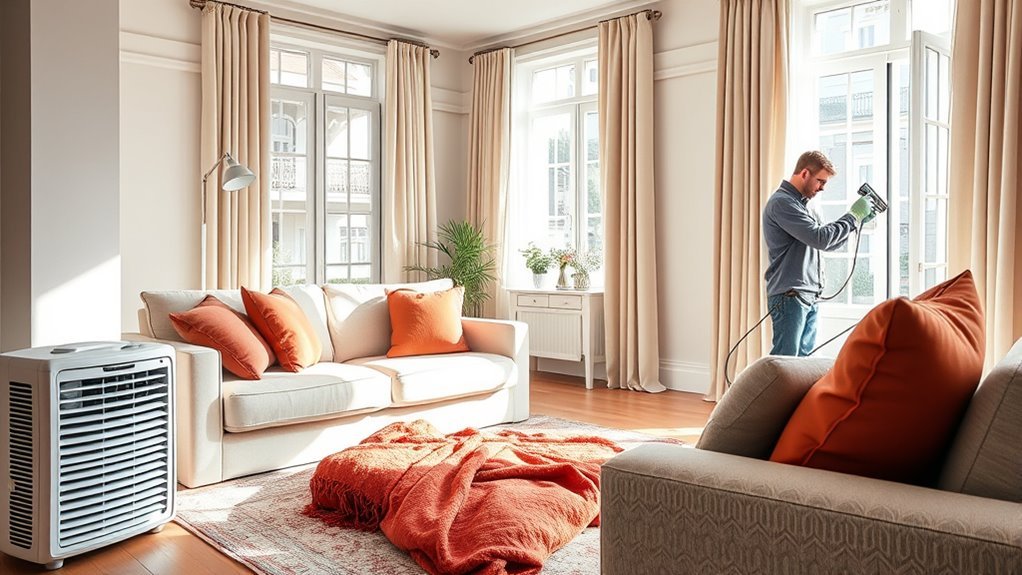
If you notice mold growth on textiles or a persistent musty odor in your living room, first look at the size and source of the problem. Small, surface-level mold on washable items may be handled at home if you can clean and dry the fabric safely. Larger, recurring, or hidden problems need more caution.
Hire mold remediation professionals when:
- The moldy area is larger than about 10 square feet.
- Mold keeps returning after cleaning.
- You suspect mold behind walls, under carpet, inside padding, or inside upholstered furniture.
- The HVAC system may be contaminated with mold.
- The moisture came from sewage, floodwater, or other contaminated water.
- Someone in the home has asthma, COPD, a weakened immune system, severe allergies, or ongoing symptoms that may be related to mold exposure.
- The affected item is expensive, antique, sentimental, or difficult to replace.
You usually do not need to identify the mold type before acting. If you can see or smell mold, remove it safely and correct the moisture problem.
What Not to Do When Preventing Mold on Textiles
- Do not ignore the moisture source. Mold will likely return if the leak, condensation, or humidity problem remains.
- Do not cover musty smells with fragrance. Air fresheners and sprays may hide odor without solving the cause.
- Do not paint, seal, or cover moldy surfaces. Clean and dry the area first.
- Do not dry-brush mold indoors. Move small items outside first when possible and wear protection.
- Do not keep porous items that cannot dry. Moldy padding, foam, and mattresses can be difficult or impossible to clean fully.
- Do not rely on testing before cleanup. Visible or smelled mold is enough reason to remove it and fix moisture.
Simple Weekly Prevention Routine
A simple routine helps stop mold before it starts:
- Once a week: Check humidity, vacuum upholstery and rugs, and inspect window areas for condensation.
- After every spill: Blot, clean according to the care label, and dry the textile completely within 24-48 hours.
- Once a month: Wash removable covers, rotate cushions, look behind furniture, and check under rugs.
- Seasonally: Clean curtains, inspect roof/window leaks, service HVAC or dehumidifiers, and review damp storage areas.
Frequently Asked Questions
What keeps mold away from living room textiles?
Moisture control keeps mold away. Keep humidity around 30% to 50%, dry spills quickly, improve airflow behind furniture and curtains, vacuum fabrics often, and fix leaks or condensation as soon as you notice them.
What kills mold permanently?
No cleaner keeps mold away permanently if the fabric stays damp. The lasting fix is to remove the mold, dry the textile completely, and correct the moisture source. Dead mold can still cause reactions in some people, so removal matters more than simply killing it.
Can mold cause croup?
Croup is usually caused by a virus, not mold. However, mold can irritate airways and may worsen coughing, wheezing, allergies, or asthma in sensitive children. If a child has noisy breathing, trouble breathing, blue lips, high fever, or symptoms that concern you, contact a pediatrician or seek urgent care.
What can I put in my room to stop mold?
Use a hygrometer to monitor humidity, a dehumidifier or air conditioner to lower moisture, and fans or open windows to improve airflow when outdoor air is dry. Moisture absorbers can help in small enclosed spaces, but they will not fix leaks, wet carpet, or a room-wide humidity problem.
Should I throw away moldy pillows, rugs, or cushions?
Throw them away if mold has reached the filling, foam, padding, or backing, or if the item still smells musty after proper cleaning and drying. Washable covers and small rugs may be saved if the mold is minor and the fabric can be cleaned and dried fully.
Conclusion
Keeping living room textiles free from mold and mildew comes down to consistent moisture control. Keep humidity in the right range, dry spills fast, clean upholstery and curtains regularly, and give fabrics enough airflow to stay dry. If mold appears, clean small washable items safely, but do not take risks with large, hidden, recurring, or contaminated mold problems. A little prevention now can save your sofas, curtains, rugs, and pillows from stains, odors, costly replacement, and avoidable health concerns.
Sources
- U.S. Environmental Protection Agency: A Brief Guide to Mold, Moisture and Your Home — supports moisture control, 24-48 hour drying, humidity targets, cleanup size guidance, porous-material cautions, PPE, and hidden mold guidance.
- Centers for Disease Control and Prevention: About Mold — supports humidity prevention, health effects, cleaning basics, bleach safety, and guidance that mold type testing is usually unnecessary.
- Centers for Disease Control and Prevention: Mold Clean Up Guidelines and Recommendations — supports N95, gloves, goggles, bleach dilution limits, ventilation, and health-risk cautions during cleanup.