In 2026, guitarists can choose the Positive Grid Spark 40-Watt and the Blackstar Fly 3 Mini as top amplifiers. The Spark offers versatility with onboard effects and smart technology for enhanced playability. In contrast, the Fly 3 is compact and portable, ideal for travel, featuring tonal adjustments and built-in delay. When selecting an amplifier, factors like power output, connectivity options, and user-friendly controls are essential. Further insights on these features are explored in greater detail.
⚡ Quick Verdict
BEST OVERALL Positive Grid Spark 40-Watt — the smart, feature-packed pick for home practice and recording.
BEST FOR TRAVEL Blackstar Fly 3 Mini — the compact, battery-friendly pick for playing anywhere.
Quick Comparison
| Feature | Positive Grid Spark 40-Watt | Blackstar Fly 3 Mini |
|---|---|---|
| Power | 40 watts | 3 watts |
| Power Source | AC power | Battery (6×AA) or DC power |
| Approx. Weight | ~11.5 lbs | ~2.2 lbs |
| Standout Feature | Smart Jam, Spark AI, USB audio interface | Patented ISF tone shaping + tape delay |
| Best For | Home practice, recording, tech-forward players | Travel, quiet practice, grab-and-go players |
| Check Price on Amazon | Check Price on Amazon |
Positive Grid Spark 40-Watt Guitar Amplifier BEST OVERALL
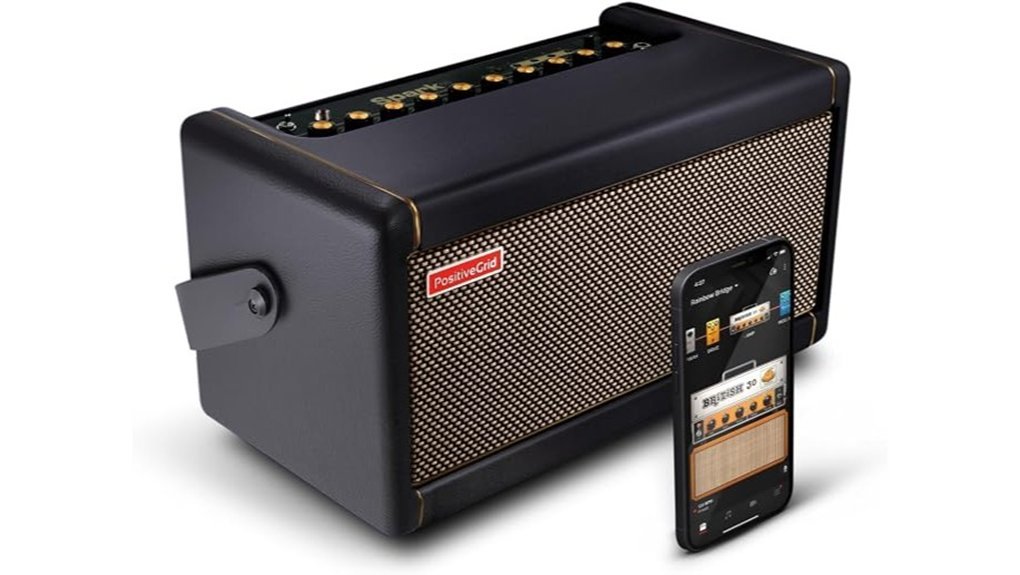
The Positive Grid Spark 40-Watt Guitar Amplifier stands out as an exceptional choice for musicians seeking versatility and modern technology in their gear. This combo amplifier accommodates electric, acoustic, and bass guitars, featuring onboard tone stack controls and effects. Its intelligent Smart Jam feature learns a player’s style, generating authentic bass and drums, while Spark AI enhances music interaction. The amplifier connects seamlessly with music from Spotify, Apple Music, or YouTube, displaying chords in real time. Additionally, it functions as a USB audio interface, compatible with various DAWs, and the Spark app provides access to over 100,000 tones for creative exploration.
Best For: Musicians of all skill levels looking for a versatile amplifier with advanced technology and recording capabilities.
Quick Specs: 40W · AC-powered · ~11.5 lbs · USB audio interface · Bluetooth streaming
Pros:
- Versatile Compatibility: Supports electric, acoustic, and bass guitars, making it suitable for various musical styles.
- Smart Features: Includes innovative tools like Smart Jam and Spark AI for enhanced music interaction and practice.
- Extensive Tone Library: Access to over 100,000 tones and 50,000+ amp-and-FX presets for endless creative possibilities.
Cons:
- Learning Curve: The advanced features may require time to fully understand and utilize effectively.
- Size and Portability: As a combo amplifier, it may be less portable compared to smaller, more compact models.
- Price Point: Higher cost compared to basic amplifiers, which may not be suitable for beginners on a budget.
Who Should Buy This: Players who practice at a desk or in a home studio and want app-driven tones, backing tracks, and recording features in one unit.
Who Should Avoid This: Anyone who needs a battery-powered, pocketable amp for travel — see the Fly 3 Mini below instead.
Blackstar Fly 3 Mini Guitar Amplifier BEST FOR TRAVEL
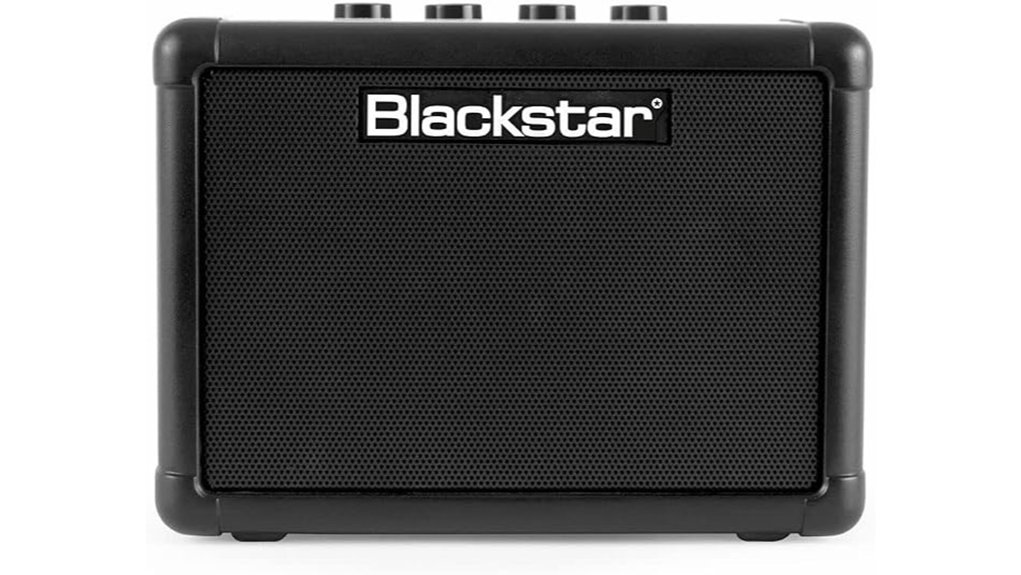
Compact and powerful, the Blackstar Fly 3 Mini Guitar Amplifier is perfect for musicians seeking portability without sacrificing sound quality. This 3-watt amplifier features a 1×3 inch full-range driver, providing clear audio without requiring additional subwoofers. Its patented Infinite Shape Feature (ISF) allows for versatile tonal adjustments, while the built-in digital tape delay effect enhances sound depth. Designed with a focus on superior tonal clarity, the sealed housing and specially selected materials guarantee peak performance. Comparable to nearfield monitors, the Fly 3 preserves key tonal frequencies, making it an excellent choice for both practice and performance settings.
Best For: Musicians seeking a compact and versatile amplifier for practice and performance without compromising sound quality.
Quick Specs: 3W · Battery (6×AA) or DC powered · ~2.2 lbs · Analog-style tape delay + ISF tone shaping
Pros:
- Patented ISF technology allows for extensive tonal shaping tailored to personal preferences.
- Built-in digital tape delay effect adds depth and richness to sound.
- Compact design makes it highly portable, ideal for on-the-go musicians.
Cons:
- Limited power output may not be sufficient for larger venues or ensemble performances.
- Single speaker design might not deliver the full range of sound expected in larger amplifiers.
- Lack of advanced features compared to larger, more complex amplifiers.
Who Should Buy This: Guitarists who want a grab-and-go practice amp for travel, dorms, or quiet apartment playing.
Who Should Avoid This: Anyone wanting app-based tone libraries, backing-track generation, or USB recording — the Spark 40 covers that instead.
Factors to Consider When Choosing Guitar Amps 2026: Top Picks and Buying Guide
When selecting a guitar amplifier in 2026, several key factors come into play. Amplifier power output, portability and size, sound quality features, connectivity options, and smart technology integration are essential considerations. Each element influences not only the performance but also the overall user experience.
✅ Before You Buy: Quick Checklist
- Where will you play most — home desk, stage, or on the road?
- Do you need battery power, or is AC power fine?
- Do you want app-based tones and recording, or simple hands-on controls?
- How much weight/bulk are you willing to carry?
- Do you need built-in effects like delay, or will you use external pedals?
Amplifier Power Output
Choosing the right amplifier power output is essential for achieving the desired sound and performance. Amplifier power is measured in watts, with higher wattage typically yielding louder volume and more headroom for clean tones. For small gigs and rehearsals, a 40-watt amplifier is often sufficient, while lower wattage options, like a 3-watt amp, excel in home practice and recording settings. The type of music played also influences this choice; higher wattage amps manage heavier distortion and larger venues more effectively. Conversely, lower output amplifiers tend to produce a compressed sound at lower volumes, making them ideal for studio use. Ultimately, power output notably affects tonal characteristics, with higher wattage amplifiers offering greater dynamic range and clarity at elevated volumes.
Portability and Size
Portability and size play a significant role in selecting a guitar amplifier, especially for musicians who frequently travel or perform. The weight and dimensions of an amplifier can greatly influence its ease of transport, with many compact models weighing less than 5 pounds and easily fitting into a backpack. Smaller amplifiers, particularly mini versions, are specifically designed for mobility, making them suitable for both travel and home use without compromising sound quality. Features such as built-in battery operation further enhance portability, allowing musicians to perform in various settings without a power outlet. Additionally, many portable amps utilize lightweight materials and innovative designs that maintain sound integrity while minimizing bulk, ensuring they meet the needs of players on the go.
Sound Quality Features
Sound quality features are paramount in the selection of a guitar amplifier, as they directly influence a musician’s performance and creativity. The quality of the speaker driver is vital; larger drivers typically produce a fuller sound and enhanced clarity. Features like the Infinite Shape Feature (ISF) allow musicians to tailor their tonal palette, adapting to various musical styles. Built-in effects, such as digital delay and reverb, add depth and richness, enhancing the overall performance. Additionally, the cabinet design considerably impacts sound projection and resonance, with materials and construction techniques affecting tonal response and bass performance. Effective frequency management is essential for preserving key tonal frequencies, ensuring clarity and minimizing muddiness in the sound output.
Connectivity Options Available
As musicians explore their options for guitar amplifiers, connectivity features play an essential role in enhancing their overall experience. USB connectivity is crucial for seamless integration with digital audio workstations (DAWs), facilitating straightforward recording and production. Additionally, amplifiers that support Bluetooth or Wi-Fi enable wireless streaming and interaction with various music apps, increasing versatility during practice and performance. Compatibility with music import features from popular streaming services allows users to easily play along with their favorite tracks. Furthermore, amplifiers with built-in effects and presets accessible via mobile apps provide expanded tonal options and real-time control. Finally, the inclusion of headphone outputs and auxiliary inputs caters to private practice and connectivity with external audio sources, making these features indispensable for modern guitarists.
Smart Technology Integration
The integration of smart technology in guitar amplifiers considerably enhances the musician’s experience, building on the connectivity options that facilitate seamless interaction with various devices. Features like chord display and automated accompaniment generation allow for real-time interaction with music, making practice sessions more engaging. Advanced AI capabilities can learn a player’s style, providing realistic bass and drum accompaniment tailored to individual preferences. Many modern amplifiers grant access to extensive online libraries of amp and effects presets, enabling exploration of diverse tones. Additionally, mobile apps associated with these amplifiers streamline user experience, offering customizable settings directly accessible from smartphones. USB connectivity further enhances integration with digital audio workstations (DAWs), simplifying the recording and music production process.
User-Friendly Controls
User-friendly controls are essential for maximizing the guitar playing experience, allowing musicians to make quick adjustments to tone, volume, and effects with ease. Onboard tone stack controls enable players to shape their sound effortlessly, accommodating various genres and playing styles. Additional features such as built-in tuners and tap tempo functions enhance practice sessions and live performances, ensuring seamless shifts. Intuitive mobile app integrations can auto-display chords in real time, simplifying the learning process for users. Moreover, clear labeling and accessible layouts of knobs and switches promote efficient navigation of settings. This attention to user experience fosters a more enjoyable and productive practice environment, ultimately allowing musicians to focus on their creativity and expression.
Price and Budget Considerations
Establishing a budget is essential when choosing a guitar amplifier, as prices can vary widely, from compact models around $100 to premium options exceeding $1,000. The intended use of the amplifier plays a significant role; practice amps are generally more affordable than performance-grade models suited for larger venues. Additional costs may arise from features like built-in effects, audio interfaces, and mobile app integrations, which enhance the playing experience but increase the overall price. Value can be found in versatile amps that offer multiple functionalities, justifying a higher investment. Finally, shoppers should consider sales and second-hand options, as many reputable brands provide discounts or refurbished models, ensuring quality sound at a more accessible price point.
Frequently Asked Questions
What Wattage Is Ideal for Home Practice Versus Live Performances?
For home practice, 5 to 20 watts is typically sufficient, allowing for comfortable volume levels. In contrast, live performances generally require 50 to 100 watts to guarantee adequate sound projection and clarity in larger venues.
How Do Tube Amps Compare to Solid-State Amps in Sound Quality?
Tube amps generally provide warmer, richer tones with dynamic response, while solid-state amps deliver cleaner, more consistent sounds. Musicians often prefer tube amps for their character, but solid-state options are valued for reliability and affordability.
Are Bluetooth Capabilities Essential for Guitar Amplifiers?
Bluetooth capabilities are not essential for guitar amplifiers, but they enhance convenience and connectivity. Many musicians appreciate the ability to stream music or control settings wirelessly, making Bluetooth a valuable feature for modern amplifiers.
What Is the Average Lifespan of a Guitar Amplifier?
The average lifespan of a guitar amplifier typically ranges from 10 to 20 years, depending on usage, maintenance, and quality. Regular servicing and careful handling can extend its longevity, ensuring peak performance throughout its lifespan.
Can I Use a Guitar Amp for Other Instruments?
Why limit oneself to just guitar sounds? A guitar amp can indeed accommodate other instruments, such as keyboards or microphones, though results may vary. Exploring different tones can lead to unexpected creative possibilities.
Is There a Newer Version of the Spark 40 Worth Considering?
Positive Grid also offers the Spark 2, a 50-watt successor with redesigned speakers and a built-in looper, for players who want to spend more for extra headroom and features. The original Spark 40 remains a currently sold, well-supported amp with access to the same app ecosystem, making it a solid choice for most home players.
Conclusion
In the ever-evolving landscape of music, the right guitar amplifier serves as a trusted companion, breathing life into each note and chord. As the sun sets on 2026, the Positive Grid Spark and Blackstar Fly 3 stand as beacons of innovation and sound quality. Selecting the perfect amp is akin to finding a soulmate for your guitar—a harmonious union that transforms raw sound into a symphony of emotion, inspiring creativity and igniting passion in every strum.