Steam mops are mainly used on sealed hard floors where dirt, grease, and sticky residue build up fast. They can help clean kitchens, entryways, and bathrooms with less need for chemicals. They also reach into grout and can reduce bacteria and allergens with heat. But they are not right for every surface, and the best results depend on how and when they are used.
What Is a Steam Mop?
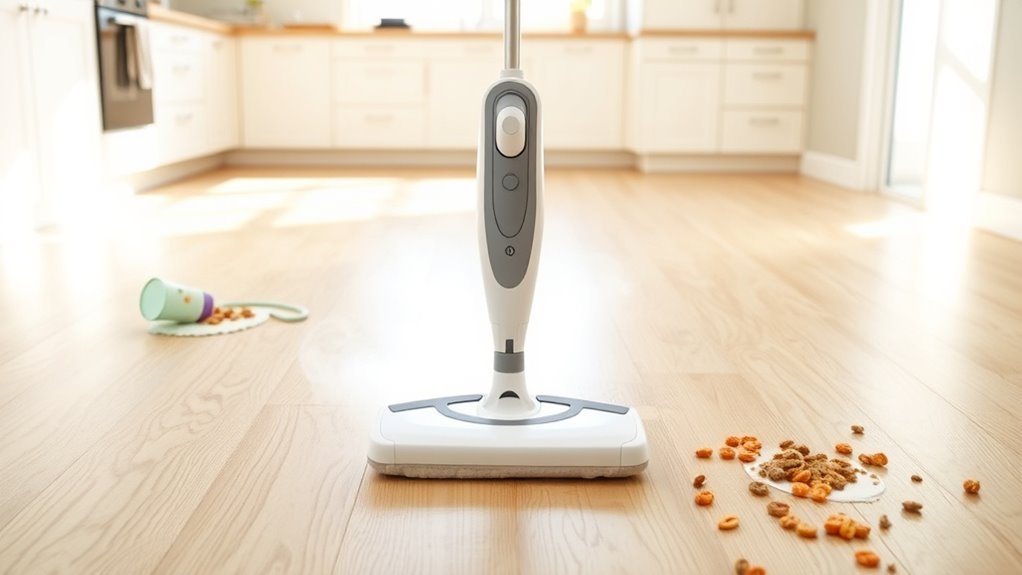
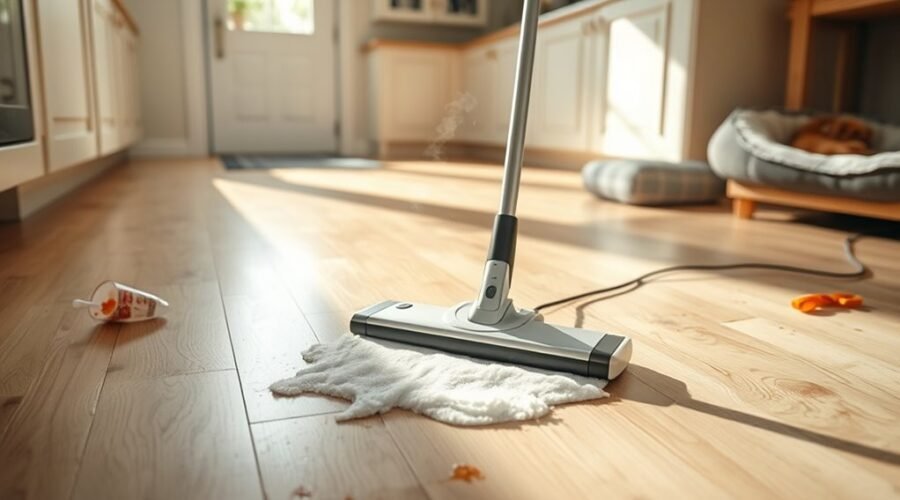
A steam mop is a floor cleaning device that uses high-temperature water vapor to loosen dirt and remove residue without relying on traditional cleaning solutions.
It delivers steam through a mop head, where high-temperature steam softens grime and microfiber pads lift the debris away. This design improves cleaning performance while reducing dependence on chemicals, offering a practical path to cleaner living.
It is especially useful for deep cleaning and sanitizing, since the heat can help kill bacteria and remove stains from everyday buildup. A steam mop is generally suitable for sealed floors, including certain flooring materials that tolerate moisture and heat, but it should not be used on unsealed surfaces.
Proper preparation matters: vacuum first, then use distilled water to limit mineral buildup and maintain steady output.
With expert guidance, users can match the tool to their home and use it with confidence.
Best Surfaces for a Steam Mop
Steam mops work best on sealed hard floors, where high-temperature steam can lift dirt, loosen sticky residue, and refresh the surface without causing damage.
As a floor cleaning tool, the steam mop’s strength is effective cleaning on tile floors, sealed hardwood, laminate, vinyl, and grout. It can remove stains and sanitize surfaces with little effort, which supports healthier homes for children and pets.
- Sealed hardwood: safe when fully finished and well protected
- Tile floors and grout: ideal for deep cleaning and brightening joints
- Laminate and vinyl: suitable when moisture exposure stays controlled
- Avoid unsealed wood and porous stone: moisture may warp or damage them
The main pros and cons are clear: strong results on sealed surfaces, but serious risks on absorbent materials.
Strong results on sealed surfaces, but serious risks on absorbent materials.
Regular use helps keep high-traffic rooms fresher, while reducing reliance on harsh chemicals.
When to Use a Steam Mop
Knowing the best surfaces for a steam mop also helps determine the right moments to use it. A steam mop is most useful when sealed hard floors need deep cleaning after daily wear, spills, or sanitizing tasks.
It works well on kitchen and entryway floors, especially in high-traffic areas where dirt builds up quickly. It is also a strong choice after meals, when crumbs, grease, and sticky spots need removing stains without harsh chemicals. For households with children or pets, steam cleaning can support cleaner floors between sessions of regular mopping.
Before use, the floor should be swept or vacuumed so debris is not spread around. Filling the water tank and adjusting steam levels to match the surface helps protect delicate finishes and improve results.
Because steam mops leave less water behind than traditional methods, they can help produce clean floors with a quicker dry time and best results.
Steam Mop Tips for Better Results
For the best steam mop results, the floor should be vacuumed or swept first so loose dirt and debris do not get pushed around during cleaning.
A cleaning expert would also recommend distilled water in the tank, because it helps the steam mop perform well and reduces mineral buildup. On a hardwood floor, low steam settings are usually safest; tile and grout can handle stronger heat. The manufacturer’s instructions should always guide use, since each model has limits.
- Move slowly over stains so steam can loosen grime before the microfiber pad wipes it away.
- Keep the mop pads clean after each session for stronger absorption and better hygiene.
- Match steam settings to the surface to avoid damage and extra work later.
- Refill with distilled water regularly to support steady output.
Used this way, a steam mop delivers cleaner floors with less effort and more control.
Steam Mop and Robot Vacuum: Do You Need Both?
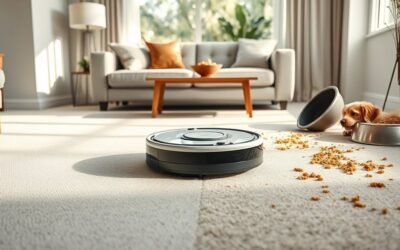
A steam mop handles weekly deep cleaning and sanitizing on sealed hard floors, while a robot vacuum keeps up with daily dust, pet hair, and small debris. Together, they form a practical cleaning routine that reduces manual effort and supports extensive floor care.
The robot vacuum manages daily maintenance with ease of use, especially in busy homes where dirt returns quickly. A steam mop then steps in for deep cleaning, removing tough stains and sanitizing sealed floors without chemicals. It can also reach corners and edges that a robot vacuum may miss, adding thoroughness to the process.
This pairing is not redundant; it is complementary. The robot vacuum preserves order between sessions, and the steam mop restores a higher level of cleanliness when needed. For households seeking more freedom from constant floor work, using both tools can create a simpler, more effective system.
Frequently Asked Questions
Is Steaming Floors Better Than Mopping?
Steam cleaning is often better for sealed hard floors, delivering Steam Benefits, Bacteria Elimination, and Stain Removal with Chemical Free efficiency. Yet Floor Types matter: surface safety, Cost Comparison, Time Savings, and user experience determine whether mopping wins.
What Are the Potential Downsides of Using a Steam Mop?
Potential downsides include limited Steam mop effectiveness on stubborn stains, surface compatibility issues across flooring types, heat sensitivity damage, maintenance requirements, water quality concerns, safety precautions, irregular cleaning frequency, and possible chemical residues from improper use.
When Should You Not Use a Steam Mop?
A steam mop should not be used on unsealed hardwood floors, porous stone, or risky laminate surfaces. Though stubborn stains tempt users, tile cleaning and sanitization benefits do not justify damage; avoid carpet use, pet messes, and follow maintenance tips.
How Often Should You Steam Mop Your Floor?
It depends on dirt levels and floor types: weekly for high-traffic areas, every two weeks for light use, immediately after spills, and every three to six months for deep cleaning. Vacuum first; follow surface materials, pet considerations, steam temperature, maintenance tips, health benefits, and practical cleaning schedules for time efficiency.
Conclusion
In the quiet hum of a steam mop, a home finds its reset button. Where foot traffic leaves muddy traces and kitchen spills cling like shadows, steam lifts the burden cleanly from sealed floors and grout. It symbolizes a simpler routine: less scrubbing, fewer chemicals, and a fresher space for children, pets, and daily life. For households seeking practical cleaning power, a steam mop remains a dependable tool, especially when paired with a robot vacuum.