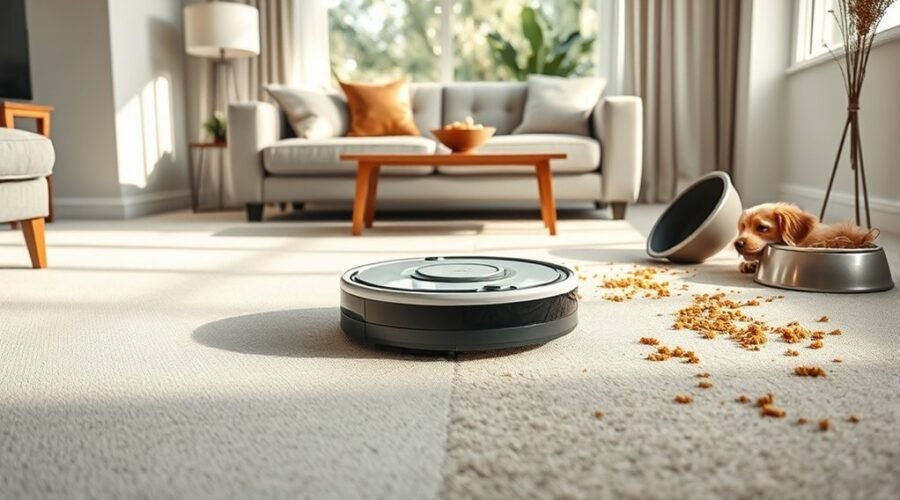
A robot vacuum’s mapping run and cleaning run serve different functions, even though they often look similar in motion. During mapping, the machine surveys a room, identifies boundaries, and builds a stored floor plan using sensors and navigation software. During cleaning, it follows that map to plan routes, reduce overlap, and target problem areas. The difference affects coverage, speed, and reliability, especially when the map contains errors or missing zones.
What Is a Mapping Run?
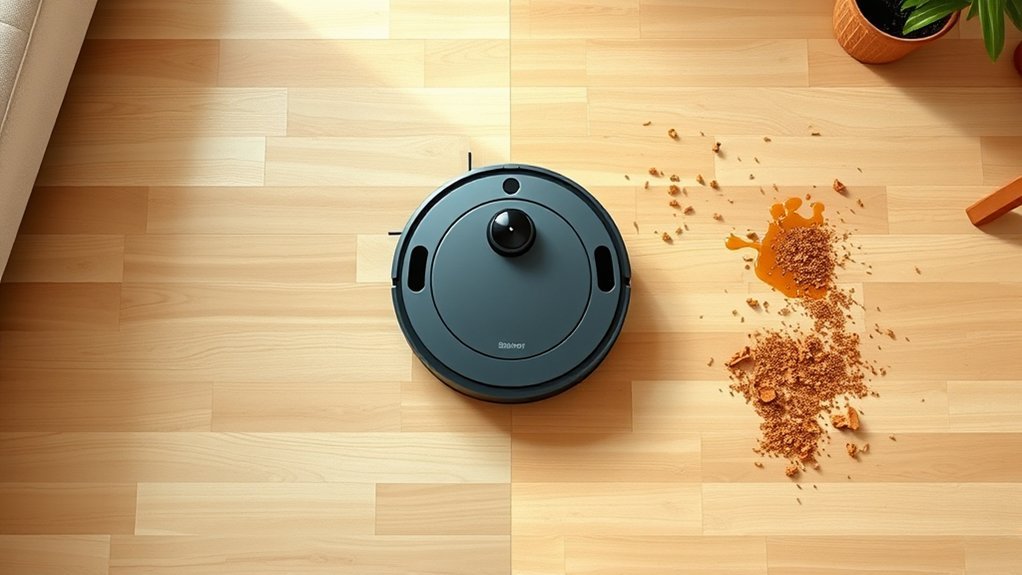
A mapping run is the robot vacuum’s initial pass through a home, during which it builds a digital floor plan by detecting walls, furniture, and other obstacles. This mapping cleaning cycle uses sensors and navigation algorithms to scan rooms and measure boundaries, producing a precise digital map rather than a simple route log.
The resulting map records structural features and obstacle locations, giving the machine a navigable reference for later sessions. In most systems, multiple maps can be stored, which supports efficient use in homes with more than one level or with distinct cleaning zones.
Accuracy improves when the environment is decluttered, because fewer temporary barriers distort the map. For users seeking liberation from manual labor, the mapping process matters because it establishes order without constant supervision.
How a Cleaning Run Uses the Map?
During a cleaning run, the robot vacuum relies on the stored map to determine room boundaries, fixed obstacles, and navigable corridors before setting its route.
This map-guided planning enables structured coverage, minimizing redundant passes while improving efficiency across the entire floor plan.
In advanced units, the same data also supports real-time adjustments to preserve coverage when temporary obstacles or changed conditions are detected.
Map-Guided Route Planning
Once the map is generated, the robot vacuum uses it as the basis for route planning during each cleaning run, calculating an efficient path that covers the full area with minimal overlap and repetition.
Through mapping technologies and navigation systems, it segments cleaning zones, identifies room boundaries, and assigns localized suction settings where needed.
The control software prioritizes high-traffic areas, then adjusts movement in real time when obstacles interrupt the planned line.
Progress is tracked against the stored layout, allowing the unit to revisit missed patches when sensor data indicates incomplete coverage.
This map-guided logic reduces wasteful motion and supports systematic cleaning without user micromanagement.
For households seeking liberation from constant supervision, the result is a more autonomous, precise, and adaptable cleaning workflow.
Efficient Room Coverage
With the stored map as its reference frame, the robot vacuum executes a structured cleaning run that covers the room methodically while minimizing overlap, backtracking, and missed areas. Through mapping data, it identifies walls, furniture, and boundaries, then selects an optimized route that preserves motion efficiency.
The cleaning pattern remains steady, yet the system can redirect in real time when debris or layout changes appear.
- Systematic coverage reduces redundant passes.
- Obstacle recognition supports uninterrupted navigation.
- Adaptive pathing concentrates effort where traffic is highest.
This map-driven cleaning workflow shortens task time compared with exploratory mapping runs, while allowing the machine to reclaim floor space with disciplined autonomy. The result is precise room coverage that supports practical liberation from manual vacuuming.
Mapping Run vs Cleaning Run
A mapping run builds a detailed digital model of the home by using sensors and navigation algorithms to identify walls, furniture, and obstacles.
In contrast, a cleaning run uses that stored layout to follow efficient coverage paths.
Mapping typically requires more time because the robot must explore and analyze the environment, whereas cleaning prioritizes dirt removal with fewer exploratory actions.
The choice between the two depends on whether the goal is to create an accurate map for future use or to execute a fast, systematic cleaning cycle.
Mapping Run Basics
Mapping runs allow a robot vacuum to scan the home and build a digital layout by identifying walls, furniture, and other obstacles, while cleaning runs use that saved map to move efficiently through the space and remove dirt and debris.
In mapping, robot vacuums prioritize environmental measurement over suction, covering the entire area to produce an accurate spatial record for later use. This process supports greater autonomy and reduces dependency on manual control.
- Capture room boundaries and fixed objects.
- Store the map for future navigation.
- Enable efficient path planning during later sessions.
The result is a more orderly cleaning system, where the machine can operate with less wasted motion and more deliberate coverage, giving users practical freedom from repetitive oversight.
Cleaning Run Differences
Once a robot vacuum has built its digital layout, the cleaning run uses that data to work in a different mode. Instead of scanning broadly, the machine follows predetermined routes derived from mapping systems, allowing robot vacuums map to guide coverage with precision.
The cleaning run is typically faster than the initial mapping pass because the path is already optimized for each room and obstacle boundary. Advanced sensors, including LiDAR and cameras, may continue supporting updates during motion, so the vacuum can adjust in real time if furniture or debris shifts.
This approach reduces wasted movement, improves area coverage, and preserves a structured sequence. The result is a more efficient, technically controlled process that supports cleaner floors with less manual intervention.
When To Use Each
For initial setup, a mapping run should be used first so the robot vacuum can create and store an accurate digital layout of the home, identifying walls, furniture, and other obstacles that will shape later cleaning paths. This is the proper use case for robot vacuums seeking efficient autonomy.
- Use mapping before any scheduled cleaning runs to establish the map.
- Use cleaning runs after the map is saved for faster, systematic coverage.
- Repeat mapping when furniture moves, rooms change, or accuracy declines.
During mapping, the unit moves slowly and may traverse spaces multiple times.
Cleaning runs then exploit stored spatial data to remove debris without remapping.
This sequence supports liberated hands-off operation while preserving precision, efficiency, and adaptable performance across changing interiors.
How Robot Vacuums Create and Store Maps
During an initial mapping run, robot vacuums navigate through a home while using sensors such as LiDAR and cameras to detect walls, furniture, and other obstacles, building a digital blueprint of the space as they move.
This robot vacuum mapping process lets the machine create a map by translating sensor data into structured room geometry and obstacle placement. The resulting layout is stored in onboard memory, so later sessions can reference it without repeating the survey.
Users typically access the map through a companion app, where they may merge or split rooms, define no-go zones, and adjust preferences to fit changing conditions.
Advanced systems add Multi-Map Saving, preserving several floor plans for multi-level homes or separate areas.
Why Mapping Improves Cleaning Performance
A stored map does more than document room layout; it gives a robot vacuum a basis for structured cleaning behavior. With mapping, robot vacuums convert spatial data into systematic routes, replacing random wandering with planned coverage that improves cleaning performance. Algorithms can then select efficient paths, reduce overlap, and limit missed zones, which shortens run time and conserves battery capacity.
- The initial mapping run identifies furniture, walls, and obstacles, enabling adaptive navigation during later cycles.
- Accurate map data supports no-go zones, preserving control over where cleaning occurs.
- Continuous map updates let the system respond to moved objects and layout changes without degrading performance.
This technical framework frees the machine from guesswork and frees the user from constant oversight. The result is a cleaner environment achieved through precision, repeatability, and localized decision-making by robot vacuums, all grounded in reliable mapping.
How to Fix Bad Maps and Missed Spots
Bad maps and missed spots are often corrected by tightening the robot vacuum’s operating conditions and updating its navigation data. Stable mapping begins at a fixed home base, with minimal movement during the run to preserve accuracy. Obstructions, glossy walls, and mirrored furniture should be removed or isolated because they can distort sensors and create missed spots.
| Action | Effect |
|---|---|
| Start from base | Improves mapping consistency |
| Clear clutter | Expands coverage |
| Update software | Refines algorithms |
| Edit in app | Corrects room layout |
After each run, the app should be used to merge or split rooms when the digital layout does not match the real space. Re-running mapping in adequate light and a less crowded room further improves coverage. Regular firmware updates matter, since manufacturers often improve navigation logic. Together, these steps support cleaner maps, stronger accuracy, and more reliable cleaning freedom.
Frequently Asked Questions
Does a Robot Vacuum Clean While Mapping?
No; during mapping, a robot vacuum usually prioritizes navigation technology and mapping accuracy, collecting spatial data rather than cleaning. Some models may clean afterward, but mapping runs typically sacrifice cleaning efficiency for precise layout creation.
Does Roomba Clean During Mapping Run?
Yes; a Roomba may pick up debris during mapping, but the run prioritizes navigation technology and mapping accuracy over cleaning efficiency. Suction and coverage are typically reduced, so the result is exploratory, not fully cleaned.
How Long Should Roomba Mapping Take?
Roomba mapping should take about 30 to 60 minutes, depending on home size and complexity. Better mapping accuracy depends on mapping technology and mapping strategies that let the robot systematically chart walls, furniture, and obstacles.
Which Robot Vacuum Has the Best Mapping System?
Narwal Freo Z10 Ultra appears strongest: in a dim apartment, its LiDAR and dual cameras preserve mapping accuracy, guiding navigation technology efficiently. For user experience, Roomba j7+ and Neato D7 remain excellent alternatives, but less adaptable.
Conclusion
In conclusion, a mapping run establishes the robot vacuum’s spatial reference, while a cleaning run applies that reference to optimize coverage, obstacle avoidance, and room-specific sequencing. One useful statistic to include is that mapped cleaning can reduce redundant traversal by up to 30%, depending on layout and sensor quality. This efficiency gain helps explain why accurate map generation directly affects both runtime performance and cleaning consistency across repeated sessions.