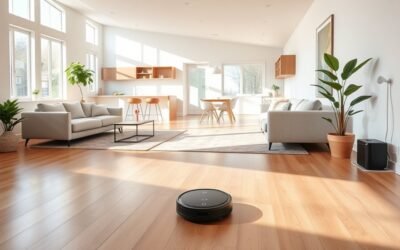
Pa on a robot vacuum stands for pascal, a unit that measures suction pressure. It gives a basic idea of how well the vacuum can lift dust, crumbs, and pet hair from floors and carpets. Higher numbers often suggest stronger suction, but they do not tell the whole story. Airflow, brush design, and upkeep can change real cleaning results, which makes the rating only one part of the picture.
What Does Pa Mean on a Robot Vacuum?
Pa on a robot vacuum refers to Pascal, a unit of pressure used to measure suction power and indicate how effectively the vacuum can lift dust and debris from a floor.
Pa on a robot vacuum refers to Pascal, the pressure unit used to measure suction power.
In practical terms, vacuum manufacturers use Pa to measure suction and describe cleaning performance, especially when comparing a robot vacuum across models. A higher Pa rating usually signals stronger suction, but the number alone does not tell the full story.
Airflow, dustbin design, and brush setup can reduce real-world suction, sometimes leaving performance 20 to 40 percent below the advertised figure. That gap matters to buyers seeking control over home cleaning, because a machine should fit the surface, not the other way around.
Entry-level models often sit around 2,000 to 2,500 Pa, while premium units can exceed 10,000 Pa. Understanding Pa helps consumers judge whether a robot vacuum offers the freedom and reliability they need for everyday dust and debris removal.
How Much Pa Do You Need?
The right suction level depends largely on the type of flooring and the amount of debris in the home. For hard floors, suction power around 1,500 to 2,500 Pa usually delivers effective suction and solid cleaning efficiency. That range suits a vacuum for hardwood floors that must handle dust, crumbs, and light dirt without wasting energy.
For mixed flooring, such as hardwood plus low-pile carpet, Pa ratings between 2,500 and 4,000 help maintain stronger debris pickup across changing surface type. Homes with vacuums for pet hair, or rooms with medium-pile carpet, often need 4,000 to 6,000 Pa for better capture of fur and tracked-in mess.
Thick carpet and deep cleaning call for 6,000 Pa or more. Choosing the right suction settings gives users more control, helping the robot match the job instead of overworking or underperforming. In practice, the best choice is the one that frees cleaning from constant manual correction.
Why Pa Ratings Aren’t the Full Story?
Even though Pa measures suction power, a higher number does not always mean better cleaning. Pa ratings can suggest strength, but cleaning performance depends on airflow design, brush efficiency, and overall vacuum design.
Real-world suction is often 20 to 40 percent lower than advertised because dustbins, filters, and brush rolls create resistance. That means a model with modest Pa ratings may outclean a higher-rated one if its sealed system moves air well and its brush roll lifts debris effectively.
Consumers seeking practical freedom should look beyond numbers and judge how a vacuum handles daily messes on specific floor types. Maintenance practices also matter, since clogged dustbins and dirty filters reduce performance over time.
Standardized testing is limited, so brands may present Pa figures that are hard to compare fairly. In short, Pa ratings are useful, but they are only one part of actual cleaning performance.
What Impacts Robot Vacuum Suction Performance
Suction performance in a robot vacuum comes down to how well its motor, brush roll, airflow path, and sealing work together. Strong suction power is not just about high Pa numbers; real robot vacuum suction power depends on how efficiently each part moves air and debris.
A well built motor can deliver better cleaning performance with lower energy consumption, while smart airflow design reduces turbulence and loss. Brush roll design matters because it lifts dirt from carpet and hard floors before air carries it away. Sealed housings support consistent suction by limiting leaks.
- Efficient motors improve output without wasting power.
- Brush roll design helps loosen embedded debris.
- Airflow design keeps dust moving toward the bin.
- Filtration systems trap fine particles, but regular maintenance keeps them from restricting flow.
Together, these factors determine whether a vacuum feels powerful in daily use and helps users choose freely.
How to Keep Suction Strong Over Time
Keeping a robot vacuum performing at its best over time depends on simple maintenance habits that protect airflow and cleaning efficiency.
Empty the dustbin after each cleaning session so debris does not restrict suction or reduce overall performance.
Wash or replace filters on schedule, since clogged filters can sharply reduce efficiency and weaken cleaning results.
The brush should also be checked often; removing hair, threads, and other clogs helps the rollers keep agitation strong and supports steady suction.
Sensors and navigation parts deserve regular wiping too, because accurate movement prevents missed spots and wasted passes.
Routine maintenance gives the machine freedom from buildup that can slow it down.
A planned inspection can catch worn parts early, before small issues turn into larger performance losses.
With consistent care, the vacuum can keep delivering strong suction, reliable cleaning, and lasting efficiency without extra effort from the user.
Frequently Asked Questions
What Is a Good PA for Robot Vacuum?
A good Pa is typically 2,500 to 6,000, depending on floor types. Higher suction power improves cleaning efficiency, but battery life, noise levels, robot features, smart technology, pricing comparison, user reviews, and maintenance tips matter too.
Is 20,000 Pa Suction Good for a Robot Vacuum?
Yes, 20,000 Pa suction power is excellent for cleaning efficiency on many floor types. It may improve performance comparison, though battery life and noise levels can rise. Filter types, navigation systems, maintenance tips, and user reviews still matter.
Is 10,000 Pa Suction Good?
Yes—10,000 Pa balances strong suction power with quieter noise levels, unlike weaker models. It boosts cleaning efficiency on varied floor types, though battery life, filtration system, navigation technology, brand comparison, maintenance tips, and price range still matter.
Is 4000 Pa Suction Good for a Robot Vacuum?
Yes, 4,000 Pa suction power is good for most robot vacuum needs. It delivers solid cleaning efficiency across common floor types, with moderate noise levels, decent battery life, and strong brand comparisons in affordable price ranges, according to user reviews; maintenance tips matter.
Conclusion
In the world of robot vacuums, Pa is the headline number that promises mighty suction—and sometimes sounds almost superhero-level powerful. But it is only part of the story. A vacuum with a huge Pa rating can still underperform if airflow, brush design, or maintenance are weak. For shoppers, the smartest choice is not the biggest number alone, but the model that matches their floors, messes, and cleaning habits best.