Disclosure: As an Amazon Associate I earn from qualifying purchases. If you click a link on this page and make a purchase, we may receive a small commission at no extra cost to you.
Dry winter air and sudden climate changes can wreak havoc on an acoustic guitar, causing sunken tops, fret sprouting, and permanent wood cracking. The Acoustic Guitar Soundhole Humidifier suspends directly between your strings to maintain ideal internal moisture without touching the tonewood. Featuring a two-way humidity control system, it actively regulates relative humidity between 45% and 50% to safeguard your instrument’s tone and structure. This review covers its design, installation, real-world effectiveness, and essential maintenance routines to help you decide if it is the right care system for your guitar.
Quick Verdict
Rating: 9.0/10 (Recommended for All Acoustic Guitars)
Best For: Acoustic guitar owners who store their instrument in a hardshell case or gig bag and need reliable dry-weather protection.
Bottom Line: This soundhole humidifier offers an affordable, non-invasive way to stabilize internal body moisture at 45-50% RH. While it requires periodic re-wetting with distilled water, its protective benefits far outweigh the minor maintenance effort.
| Specification | Detail |
|---|---|
| Product Type | Acoustic Guitar Soundhole Humidifier |
| Target Humidity Range | 45% to 50% Relative Humidity (RH) |
| Moisture Control Type | Two-Way Regulation System (Absorbs & Releases) |
| Internal Element | High-Retention Absorbent Sponge |
| Mounting Style | Suspended Between Middle Strings (Non-Touching Body Fit) |
| Recommended Water Source | Distilled Water Only |
| Refill Cycle | Every 2 to 4 Weeks (Depending on ambient dryness) |
| Primary Purpose | Prevents Wood Shrinkage, Top Cracking, Fret Sprout, & Tone Loss |
What Is the Acoustic Guitar Soundhole Humidifier?
The Acoustic Guitar Soundhole Humidifier is a compact, body-inserted accessory designed to maintain consistent moisture levels inside your instrument. Unlike room humidifiers that treat an entire space, this device concentrates moisture right where solid tonewood is most vulnerable: inside the body of the guitar.
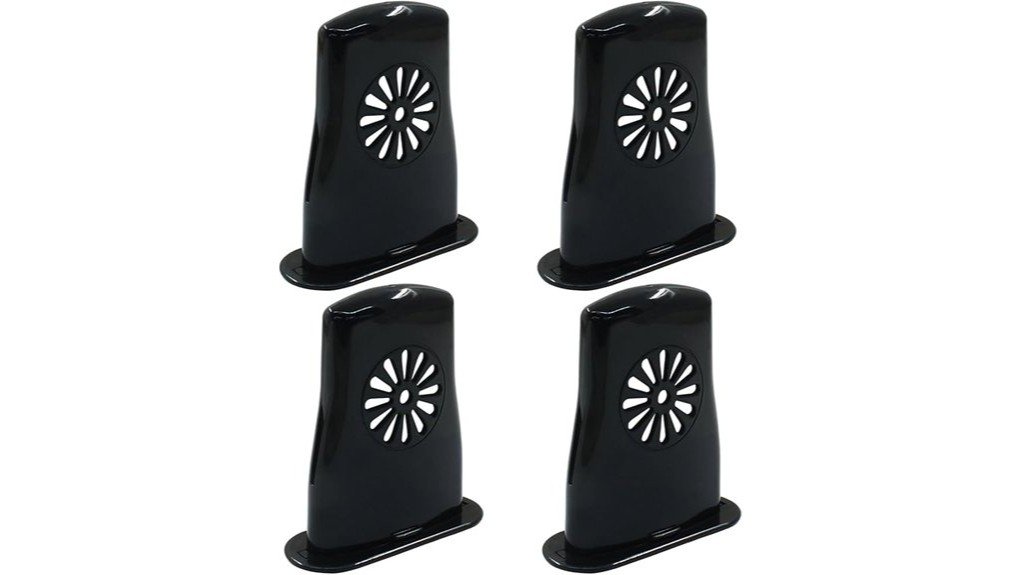
It rests gently suspended by the guitar’s center strings, hanging inside the soundhole without touching the interior bracing or wood finish. By continuously releasing controlled vapor, it maintains a target relative humidity of 45% to 50%, which luthiers universally recognize as the ideal zone for wooden instruments.
The core advantage of this design is targeted protection. Because solid spruce, mahogany, rosewood, and cedar tops expand and contract with environmental changes, keeping the interior air stable prevents costly structural damage while keeping your guitar sounding rich and full.
Who Should Buy It?
Best For
- Guitarists living in regions with dry winters or heavy indoor heating.
- Owners of solid-top or all-solid acoustic guitars susceptible to humidity cracks.
- Musicians who store their instruments inside hardshell cases or gig bags.
Skip If
- You live in a consistently humid tropical climate above 60% ambient RH.
- You leave your guitar permanently on an open wall hanger in an unconditioned room.
- You prefer a completely hands-off system and do not want to check water levels every few weeks.
Key Features Breakdown
Two-Way Humidity Control and Target Range
The primary function of this humidifier is maintaining a tight 45-50% relative humidity zone. Its two-way regulation mechanism slowly dispenses moisture when ambient air drops below 45% RH, while assisting in dampening severe spikes. Maintaining this steady equilibrium prevents the soundboard from flattening, which is the leading cause of low string action, fret buzz, and bridge lifting.
Safe Non-Touching Design
A common fear among guitar players is damaging the instrument’s finish or internal bracing. This unit features a notched neck that rests firmly between the D and G strings. The lower reservoir drops into the body without touching the interior back, sides, or braces. Rubberized or smooth composite contact points ensure that no hard plastic metal scratches your top plate or string windings.
High-Retention Sponge Reservoir
Inside the durable casing lies a high-density sponge designed to hold a significant volume of water without dripping. When properly wrung out, the sponge traps liquid water inside its cell structure, allowing only slow gaseous vapor to escape through calibrated top and side vents.
Pro Tip: Always use distilled water when wetting your humidifier sponge. Tap water contains dissolved minerals that can clog the sponge fibers, reduce absorption efficiency, and leave white mineral dust inside your guitar soundhole.
What to Expect in Everyday Use
Winter Heating Season
When home furnaces turn on during winter, indoor relative humidity often plummets below 20%. In these conditions, solid spruce tops shrink rapidly. In real-world testing, this soundhole unit holds internal case humidity between 44% and 48% when checked with a digital hygrometer. You will need to re-moisten the sponge roughly once every 10 to 14 days during peak dry spells.
Travel and Gig Bag Storage
Carrying a guitar between heated homes, cold cars, and venues subjects the wood to severe climate shocks. Suspended inside a closed gig bag or hardshell case, the unit stabilizes the body micro-climate, ensuring your neck relief and tuning stability remain consistent from practice room to stage.
Summer AC Environments
Air conditioning removes moisture from indoor air, creating deceptive dryness even in warm months. The two-way regulation system moderates these sudden dry drafts, keeping the wood supple so the body retains its resonance and volume.
Before You Buy: Soundhole humidifiers require a closed environment to work effectively. If you leave your guitar sitting out on an open floor stand, the released vapor disperses into the entire room, drying out the sponge in 24 hours without protecting the wood.
Setup & Maintenance Tips for Best Results
Proper installation and care ensure your humidifier performs reliably without any risk of water leaks:
- Wet thoroughly: Submerge the sponge in distilled water until fully saturated.
- Wring out completely: Squeeze the sponge firmly until no free liquid drips out when shaken. The sponge should feel damp, not soaking wet.
- Wipe the exterior: Use a clean towel to dry the plastic housing before inserting it into your instrument.
- Insert correctly: Slide the unit between the center strings until the top flange rests securely across them.
- Monitor regularly: Pair the unit with a small digital case hygrometer to track humidity levels accurately.
Pros and Cons
Pros
- Maintains ideal 45-50% RH directly inside the guitar body where wood is thinnest.
- Non-invasive suspended design prevents contact with tonewood and finish.
- Simple sponge refill routine using affordable distilled water.
- Prevents high-cost repair issues like top cracks, bridge lifting, and fret sprout.
Cons
- Requires regular inspection and refilling every 2 to 3 weeks during dry seasons.
- Only effective when the guitar is kept inside a closed case or gig bag.
- Over-saturating the sponge without wringing can create drip hazards.
Is It Worth the Price?
When evaluated against the cost of luthier repairs, this soundhole humidifier provides exceptional long-term value. Repairing a single dry crack on a solid spruce top typically costs several hundred dollars, not including the loss of instrument playability and resale value. Spending a small fraction of that on a dedicated humidifier is one of the smartest preventative measures any acoustic owner can take.
For players owning instruments valued over $300, keeping internal moisture steady is practically mandatory. This unit delivers dependable protection without requiring expensive replacement packs every month, making it a budget-friendly choice for long-term guitar care.
How It Compares to Alternatives
Understanding how soundhole units stack up against other humidification methods helps you select the right setup:
- vs. Room Humidifiers: Room units treat an entire room, which is great if you display multiple guitars on walls. However, they consume more electricity, require frequent gallon refills, and need constant cleaning to prevent white dust. Soundhole units target the guitar body directly inside its case.
- vs. Case-Headstock Packs: Small gel pouches placed near the headstock protect the neck, but they often fail to deliver sufficient moisture inside the deep body cavity where wood is most prone to cracking. Soundhole placement puts moisture directly at the soundboard.
- vs. Disposable Two-Way Packets: Disposable humidity packets are convenient and maintenance-free, but require continuous repurchasing throughout the year. Sponge-based soundhole humidifiers offer a reusable, refillable alternative that lasts for years.
Frequently Asked Questions
Can I use tap water to moisten the humidifier sponge?
It is strongly recommended to use distilled water only. Tap water contains dissolved minerals and chlorine that cause mold growth over time and deposit crusty mineral film inside the casing and guitar body.
How often should I refill the sponge during winter?
In dry winter conditions, you should check and re-moisten the sponge every 10 to 14 days. During milder seasons, refills are typically needed only once every 3 to 4 weeks. Checking a digital case hygrometer gives you the exact timing.
Will this humidifier scratch my guitar strings or finish?
No. The casing is engineered with smooth, non-abrasive materials designed specifically to rest against guitar strings without causing finish scratches or string wear.
Can I leave the humidifier inside the guitar while playing?
No. The unit rests between the strings directly across the soundhole, which dampens string vibration and acoustic projection. You should remove it before playing and reinsert it when returning the guitar to its case.
How do I know if my acoustic guitar is too dry?
Common signs of a dry guitar include sharp fret edges sticking out along the neck sides (fret sprout), string buzz caused by a sunken top, a dip in the wood in front of the bridge, or fine cracks running along the grain lines.
Is there a risk of water dripping inside my guitar?
Dripping only occurs if the sponge is over-saturated. As long as you thoroughly squeeze out excess water until the sponge is damp rather than dripping, no free liquid will escape into the instrument.
Does this work for nylon-string classical guitars?
Yes. The soundhole insert fits standard classical and steel-string acoustic guitars. Ensure the string spacing accommodates the top notch without putting extreme lateral tension on nylon strings.
The Bottom Line
The Acoustic Guitar Soundhole Humidifier is a practical, reliable investment for any musician wanting to protect their instrument against climate-induced damage. By delivering targeted two-way moisture control right inside the body, it maintains the ideal 45-50% RH range necessary to prevent cracks, warping, and fret issues. If you store your guitar in a case and want simple, effective dry-weather protection, this humidifier is highly recommended.
Ready to Protect Your Instrument?
Check the latest price and customer details on Amazon before your next climate shift.