Written by: Environmental Health & Building Science Team | Reviewed by: | Last Updated: August 1, 2026
No, intact dehumidifiers are not toxic during normal operation. They do not release harmful fumes, toxic gases, or hazardous chemicals into your home. Their sole primary function is extracting excess moisture from indoor air. However, health risks and toxicity concerns can arise if the water collection bucket grows mold or bacteria, an active ionizer releases ground-level ozone, the unit off-gases new plastic VOCs, or the sealed refrigerant system suffers physical damage.
Quick Answer
Standard dehumidifiers emit zero toxic fumes. The primary indoor health risks stem from microbial growth (mold and bacterial biofilms in uncleaned water buckets), airway irritation from over-drying the air below 30% relative humidity, ground-level ozone emitted by optional ionizer modes, electrical fire hazards, and rare refrigerant leaks. Maintain indoor humidity between 30% and 50%, clean the unit regularly, and verify your model against active CPSC recall lists.
Key Takeaways
- A undamaged, properly maintained dehumidifier does not release toxic substances into your living space.
- Maintain indoor relative humidity between 30% and 50%; levels above 60% foster mold growth, while levels below 30% aggravate respiratory passages.
- Dehumidifiers control humidity but do not filter particulate air pollution or replace dedicated ventilation systems.
- Turn off ionizer or plasma features if present, as active ionization can generate lung-irritating ground-level ozone ($O_3$).
- Empty and sanitize the water bucket, air filter, and condensate drain pan according to manufacturer guidelines to stop bacterial biofilm formation.
- Unplug and stop using the appliance immediately if it emits a burning odor, smokes, sparks, leaks oil, or appears on a CPSC recall notice.
What’s Inside a Dehumidifier?
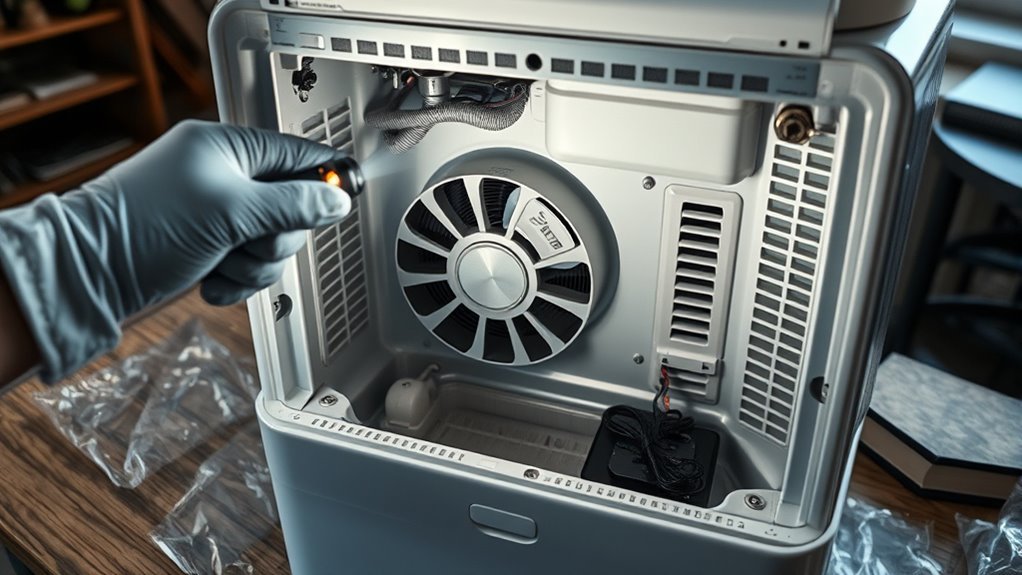
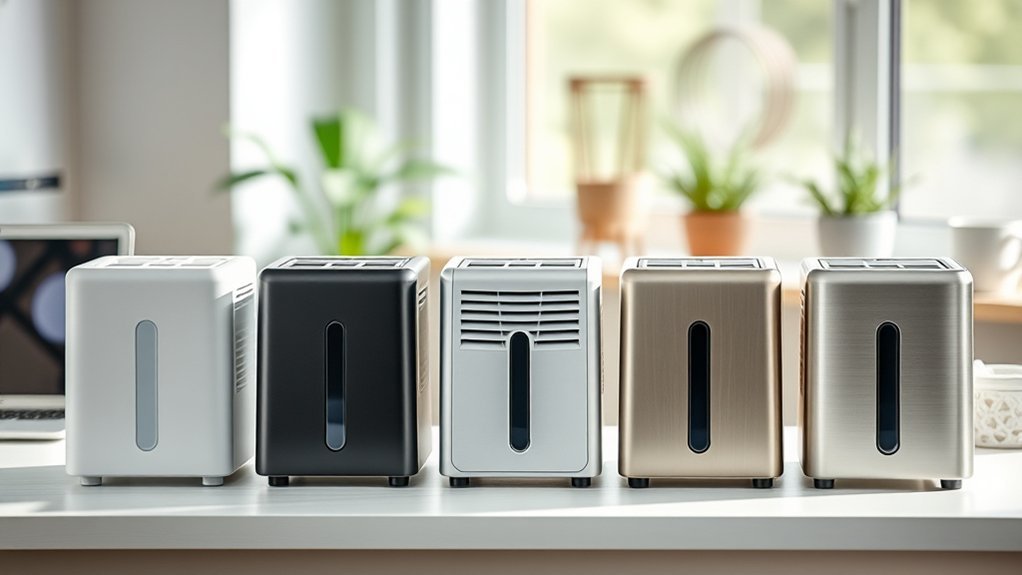
Most residential compressor-style dehumidifiers contain a fan, an evaporator coil, a condenser coil, a hermetically sealed compressor, a mechanical dust filter, and a water collection bucket or continuous drain connection. The internal fan draws humid room air over the ice-cold evaporator coil. Moisture condenses out of the air onto the coil and drips into the bucket, while the drier air passes over the warm condenser coil before returning to the room.
The chemical refrigerant circulates strictly inside a factory-sealed metal circuit. The exact compound depends on the model’s age, capacity, and market design. Common refrigerants include R-410A and R-134a (ASHRAE Class A1 non-flammable hydrofluorocarbons) or R290 (specially refined propane, an ASHRAE Class A3 flammable hydrocarbon). The EPA evaluates residential dehumidifier refrigerants based on global warming potential, ozone depletion impact, flammability, and human exposure risks.
Refrigerant Safety Warning: Modern eco-friendly refrigerants like R290 contain propane. Never drill, puncture, solder, cut, or attempt to recharge a sealed refrigerant circuit yourself. Puncturing the coil releases pressurized gas that can cause frostbite, asphyxiation in unventilated spaces, or ignition if exposed to open flames.
Desiccant dehumidifiers utilize a moisture-absorbing wheel (often silica gel) rather than a compressor and refrigerant loop. While desiccant units operate effectively in cold environments, they vent noticeably warmer discharge air. Whole-house dehumidifiers integrate directly into home HVAC ducting systems and require professional electrical, drainage, and ductwork installation.
Can Dehumidifiers Affect Indoor Air?
Yes. A dehumidifier significantly improves indoor air quality when excess humidity fosters mold spores, dust mite proliferation, or structural condensation. However, improper operation, neglected cleaning, or mistaking a dehumidifier for a dedicated air purifier can cause airway irritation or circulate unpleasant odors.
Humidity Control Benefits
Moisture regulation is the central health benefit. The EPA recommends maintaining indoor relative humidity between 30% and 50% while fixing plumbing leaks and water intrusion. Keeping humidity below 50% deprives mold spores and dust mites of the moisture required to thrive.
Note that a dehumidifier does not eliminate pre-existing mold growth on drywall, subflooring, or furniture. Active mold colonies must be physically remediated using safe protocols, damaged building materials replaced, and the root moisture source eliminated. For step-by-step containment procedures, review our guide on home mold remediation steps.
Mold and Odor Risks
The dehumidifier itself can become a secondary source of biological contamination if standing water, organic dust, or debris accumulates in the bucket, drain pan, air filter, or coils. A neglected machine will blow musty odors and fungal fragments across the room.
Empty the collection bucket daily when operating. Never leave standing water in an inactive machine. Wash the bucket weekly with mild dish soap and warm water, rinse thoroughly, and air dry. Clean the washable intake filter at least once every two to four weeks per manual instructions.
Air Quality Considerations
A standard dehumidifier is not an air purifier. Its primary nylon mesh filter is designed solely to protect internal coils from large lint and dust clumps. Unless the manufacturer explicitly specifies a certified filtration system, do not assume the unit removes microscopic particles, allergens, or chemical vapors.
| Appliance Type | Primary Function | Target Pollutants Captured |
|---|---|---|
| Standard Dehumidifier | Extracts ambient air moisture | Coarse dust, lint (coil protection only) |
| HEPA Air Purifier | Filters airborne particulate matter | Mold spores, pollen, pet dander, dust mites (PM2.5) |
| Activated Carbon Filter | Adsorbs gaseous pollutants | VOCs, chemical fumes, smoke odors, off-gassing |
For fine particulate removal, operate a dedicated HEPA air cleaner alongside your dehumidifier. The EPA offers comparative guidelines on home air filters to help select appropriate CADR ratings.
Ionizer and Ozone Hazards in Hybrid Units
Some combination air-treatment units feature built-in “ionizers,” “plasma generators,” or “ozone modes.” These systems release negative ions into the air to clump particles together. However, electronic ionization inherently produces **ground-level ozone ($O_3$)** as a byproduct.
Ozone is a toxic chemical gas and potent lung irritant. Even low levels of indoor ozone can trigger asthma attacks, chest tightness, coughing, and throat irritation. If your dehumidifier includes an ionizer feature, verify that it can be independently turned off, or choose a model without electronic air ionization.
Can Dehumidifiers Grow Mold and Bacteria?
Yes. Fungal spores and bacterial biofilms can colonize the damp internal surfaces of a neglected dehumidifier. This contamination results from stagnant water and collected organic dust, not from the dehumidification process itself.
Mold Growth Risks
Inspect the collection bucket, filter housing, drain hose, and intake grilles routinely for slime build-up, black or green discoloration, or pungent musty smells. If surface mold appears on washable plastic parts, unplug the unit immediately and sanitize those components.
According to the CDC mold health guidelines, exposure to damp, mold-contaminated appliances can trigger severe allergic reactions, asthma exacerbations, and fungal hypersensitivity in vulnerable individuals.
Chemical Safety Warning: Never mix chlorine bleach with ammonia, vinegar, or acidic cleaners when sanitizing your dehumidifier. Combining these chemicals generates toxic chloramine or chlorine gases that cause immediate lung damage. Use mild dish soap or a diluted white vinegar solution (rinsed thoroughly) per manual directions.
Bacteria in Standing Water
Water collected in a dehumidifier bucket is **non-potable greywater**. As room air passes through the unit, condensate washes airborne dust, ambient bacteria, heavy metal trace elements from internal coils, and chemical residues into the bucket. Never drink dehumidifier water, use it for cooking, pour it into pet bowls, or use it on edible garden crops.
Continuous gravity drainage via a flexible hose reduces bucket handling. Ensure the drain hose slopes steadily downward without kinks, dips, or air locks, discharging safely into a floor drain or sink without creating a tripping or electrical hazard.
How to Clean a Dehumidifier Safely
- Power Down and Unplug: Disconnect the appliance from the wall outlet before touching internal parts or using liquids.
- Empty and Scrub the Bucket: Remove collected condensate. Wash the bucket thoroughly using warm water and mild dish soap.
- Disinfect the Reservoir: Wipe internal bucket corners with a soft brush to remove slippery bacterial biofilms. Rinse completely.
- Wash the Air Filter: Gently vacuum loose dust, then wash mesh filters under warm tap water. Allow to air-dry completely before reinstallation.
- Wipe Exterior and Intake Grilles: Clean dust build-up from intake vents using a damp microfiber cloth. Do not spray liquids directly onto electrical housing, digital controls, or compressor motor vents.
- Inspect Drain Hoses: Flush continuous drain tubing with warm water to clear algae or sediment build-up. Replace brittle or discolored hoses.
- Dry and Reassemble: Ensure all washable parts are 100% dry before plugging the unit back into power.
Maintenance Tip: Set a recurring monthly calendar reminder to wash the bucket and filter. Regular maintenance prevents biofilm accumulation and extends compressor lifespan.
Do Dehumidifiers Release VOCs?
A brand-new dehumidifier may emit a temporary plastic, chemical, or “warm engine” smell during its initial operating cycles. This off-gassing occurs as new plastic enclosures, circuit board coatings, and internal adhesives warm up for the first time. It does not automatically indicate a dangerous refrigerant leak or hazardous chemical emission.
New Appliance “Burn-In” Protocol
To prevent initial volatile organic compound (VOC) off-gassing from concentrating inside bedrooms or living areas, follow this 24-hour setup protocol:
- Phase 1 (Initial Run-In): Place the new unit in an isolated, well-ventilated space (such as a garage, covered porch, or room with open windows) for its first 12 to 24 hours of operation.
- Phase 2 (Continuous Ventilation): Run the machine on high fan speed with target humidity set to minimum (continuous mode) to accelerate thermal off-gassing.
- Phase 3 (Evaluation): Verify that the chemical “new plastic” smell has fully dissipated before moving the appliance into occupied bedrooms or basements.
If persistent chemical fumes, burning smells, smoke, or eye/throat irritation occur beyond the initial burn-in period, turn off the appliance, unplug it immediately, and contact the manufacturer or a certified service technician.
Which Dehumidifier Type Is Safest for Homes?
Safety depends primarily on accurate sizing, electrical integrity, drainage setup, routine cleaning, and checking recall status rather than appliance design alone.
| Type | Best Use Case | Key Safety Considerations |
|---|---|---|
| Portable Compressor | Warm, humid rooms, living areas, and basements | Maintain upright orientation, ensure 12+ inches of air clearance, protect sealed coils, and use grounded wall outlets. |
| Desiccant Wheel | Unheated spaces, cool garages, and cold basements (<60°F) | Generates warm discharge heat; keep exhaust grilles completely unblocked to prevent thermal cut-off tripping. |
| Whole-House Ducted | Multi-room homes requiring centralized humidity management | Requires professional HVAC sizing, dedicated electrical line, code-compliant p-trap drainage, and duct balancing. |
Select daily pint capacity based on room square footage and dampness level. An undersized unit will run continuously without lowering moisture, accelerating internal motor wear. Consult the official ENERGY STAR dehumidifier sizing guide to match capacity with square footage.
Look for recognized safety certification marks (such as UL, ETL, or CSA) on the rear specification label. Verify that the certification mark is authentic through official testing laboratory directories.
Recommended Products

True ENERGY STAR Most Efficient 2025 Compressor Dehumidifier (2600 Sq.Ft) - High-Efficiency Dehumidifier - Dr.Prepare dehumidifier features a high-performance and quiet compressor that removes up to 38 pints of moisture per day (at 95°F, 90% RH). Ideal for basements, living rooms, bathrooms, bedrooms, garages, or travel trailers. Being able to adjust humidity from 30%RH to 80%RH, and cut costs bills year-round. (You can verify Dr. Prepare models DDH12LA on the official ENERGY STAR Product Finder.)

【Compact Size, Big Efficiency】 The upgraded 2025 Waykar dehumidifier features cutting-edge rotary compressor technology. It’s more compact but still powerful, capable of removing up to 34 pints of moisture per day (at 95℉, 90% RH), ideal for spaces up to 2,000 sq. ft. such as living rooms, basements, bedrooms, and offices. The adjustable humidity range from 30% to 80% helps you easily maintain the ideal indoor humidity

【Ideal for Large Homes & Basements (Up to 5,000 Sq. Ft)】The Waykar 80 pint dehumidifier efficiently removes up to 80 pints of moisture per day in high-humidity conditions (95°F, 90% RH). In warmer, damp spaces like basements (86°F, 80% RH), it removes 62 pints/day. This dehumidifier for basement is perfect for large areas such as basements, bathrooms, bedrooms, and living rooms. Customize your space by adjusting the humidity level from 30% to 80%, creating a drier and healthier environment
How to Use a Dehumidifier Safely
- Review Rating Plate Limits: Check operating voltage, current draw, and room temperature limits on the rear rating sticker.
- Plug Directly into Grounded Outlets: Connect the plug directly into a dedicated wall outlet. Avoid extension cords or power strips, which can overheat under continuous heavy electrical draw.
- Separate Water from Power: Route continuous drain lines away from electrical cords, outlets, and extension connections.
- Maintain Minimum Air Clearances: Provide at least 12 to 18 inches of unobstructed clearance around air intake and exhaust vents.
- Close Exterior Doors and Windows: Keep doors and windows closed during operation to avoid continuously drawing outdoor humidity into the home.
- Monitor with an External Hygrometer: Use a standalone digital hygrometer to verify actual room humidity independently of internal machine sensors.
- Inspect Recall Bulletins: Match your exact model number and serial date code against CPSC recall databases.
Fire Safety Note: Major CPSC recalls have affected over 6.5 million dehumidifiers manufactured under various brand names due to internal component overheating, smoke, and fire risks. Always verify your serial code.
Recommended Products

Face Icon Comfort Indicator: Humidity temperature gauge features face icons to indicate DRY/COMFORT/WET air conditions, quickly informs you how to adjust your humidifier or dehumidifier to achieve optimal comfort.

Smart Features: The Govee Wireless Thermometer Hygrometer supports all basic functions as well as smart functions such as remote monitoring and temp humidity graphs. Our humidity meters are reliable and easy to use for homes, greenhouses and more.(Only supports 164ft Bluetooth connection)

Face Icon Comfort Indicator: Humidity temperature gauge features face icons to indicate DRY/COMFORT/WET air conditions, quickly informs you how to adjust your humidifier or dehumidifier to achieve optimal comfort
When to Stop Using the Unit
Unplug your dehumidifier immediately if you observe any of the following warning signs:
- Visible smoke, sparks, melting plastic, or scorch marks on the cabinet or plug
- A strong burning plastic or hot electrical smell
- An unusually hot power cord, wall outlet, or plug face
- Frayed insulation, cracked outer casing, or loose electrical prongs
- Frequent tripping of home circuit breakers or internal overload fuses
- Liquid water leaking directly into electrical control compartments
- Hissing gas sounds or oily residue accumulating on refrigeration coils (indicating a refrigerant leak)
- Your exact model appears on an active CPSC stop-use recall list
Never attempt internal electrical repairs or puncture sealed refrigerant tubes. Contact an authorized appliance repair technician or replace the unit.
What Humidity Level Is Best for Health?
For optimal respiratory health and mold prevention, maintain indoor **relative humidity between 30% and 50%**. This range aligns with guidelines established by the EPA and ASHRAE.
- Above 50% RH: Fungal growth, dust mite reproduction, and bacterial activity accelerate rapidly.
- Above 60% RH: Moisture condenses on cool surfaces, creating prime conditions for active toxic mold colonies.
- Below 30% RH: Dry air irritates nasal passages, worsens dry skin, causes eye discomfort, and increases susceptibility to viral respiratory infections.
- Cold Climates (Winter): Target 30% to 40% RH to prevent window glass condensation and sub-wall moisture accumulation.
Position your digital hygrometer away from the dehumidifier’s direct dry air exhaust to obtain an accurate ambient room reading.
How to Check for Dehumidifier Recalls
Recall identification requires inspecting the underlying rating label, not just the front brand logo. Original equipment manufacturers (OEMs like Gree and New Widetech) produced millions of units rebadged under dozens of popular consumer brand names.
- Unplug the appliance completely before inspecting rear panels.
- Locate the silver or white rating plate sticker on the back casing or behind the water bucket.
- Record the exact Brand Name, Model Number, Serial Number, and Manufacturing Date Code.
- Search the official CPSC Dehumidifier Recall Database.
- Cross-reference every character of your model number and date code range.
- If recalled, follow official remedy instructions immediately (which typically involve free replacement or refund). Never donate, resell, or run a recalled unit.
When Should You Replace an Old Dehumidifier?
Decide whether to repair or replace an aging dehumidifier based on physical condition, operating efficiency, electrical safety, and recall status rather than arbitrary age limits.
| Observed Condition | Recommended Safety Action |
|---|---|
| Appears on active CPSC stop-use recall list | Unplug immediately. Cut the power cord (if instructed by CPSC) and file a claim. |
| Burning odor, overheating casing, electrical sparking | Discontinue use permanently. Replace with a certified modern appliance. |
| Oily coil residue or loss of refrigeration charge | Replace unit. Sealed loop repairs on portable models exceed replacement cost. |
| Compressor runs continuously but fails to collect water | Clean filter and coils. If performance remains zero, replace compressor/unit. |
Do not dispose of old refrigerant appliances in residential curbside trash. Utilize local municipal electronic recycling programs or retailer take-back services certified under EPA Responsible Appliance Disposal (RAD) protocols.
Recommended Products


ENERGY EFFICIENT & POWERFUL: Our Energy Star Dehumidifier removes up to 50 pints per day under DOE standard conditions (65°F, 60% RH) and up to 104 pints per day at 90°F/90% RH, effectively reducing humidity in spaces up to 2,500 square feet, making it ideal for medium-sized rooms
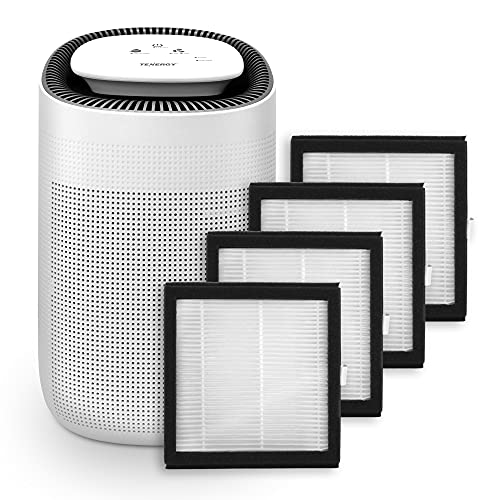
Breathe better - Reduce excess moisture and make your living space more comfortable with a home dehumidifier.
Related Guides
Frequently Asked Questions
Can a dehumidifier cause health issues?
A dehumidifier can cause health discomfort if it dries the air below 30% relative humidity, grows biological mold/slime inside an unwashed collection bucket, or emits ozone from an active ionizer feature. Intact, clean units operating between 30% and 50% RH do not cause toxicity or health problems.
Is it safe to be in a house with a dehumidifier?
Yes. Running a dehumidifier is safe for humans and pets. Ensure the appliance is plugged directly into a grounded wall outlet, keep intake vents clear of curtains, sanitize the bucket routinely, and verify that your model is not subject to an open CPSC fire recall.
Should you use a dehumidifier if you have COPD or asthma?
Maintaining indoor humidity between 30% and 50% helps reduce allergen triggers like dust mites and mold spores that aggravate COPD and asthma. However, avoid over-drying the air below 30%, clean filters frequently to prevent dust re-circulation, and consult your pulmonologist regarding target indoor air conditions.
Is my dehumidifier making me sick?
If you experience respiratory irritation while running your unit, check for a dirty/moldy water bucket, an unwashed air filter, relative humidity dropping below 30%, an active ionizer mode releasing ozone, or initial off-gassing from a new machine. Turn off the unit, inspect internal components, and seek medical care for severe symptoms.
Can you drink water collected by a dehumidifier?
No. Dehumidifier condensate is non-potable greywater. It washes dust, bacterial biofilms, coil metals, and airborne pollutants into the bucket. Do not drink condensate, use it in cooking, or give it to pets.
Can you leave a dehumidifier running overnight?
Yes, provided the appliance is undamaged, plugged directly into a grounded wall outlet, placed on a hard level surface away from bedding or curtains, and verified safe from CPSC recalls. Never leave a malfunctioning or hot-smelling unit running unattended.
Conclusion
Dehumidifiers are non-toxic, highly beneficial appliances when operated correctly. Health and safety concerns stem from secondary factors: neglected water buckets harboring microbial mold growth, air dropping below 30% relative humidity, electronic ionizers emitting ground-level ozone, or thermal fire hazards in recalled units. By keeping humidity between 30% and 50%, performing monthly bucket sanitization, and verifying recall status, you can safely maintain clean, dry indoor air.
If your appliance exhibits hot electrical smells, smoke, oil leakage around coils, or damaged power cords, disconnect it from power immediately. For additional guidance on controlling home moisture safely, explore our detailed resource on basement moisture and humidity control.
Sources
- U.S. Environmental Protection Agency: Improving Your Indoor Environment — Moisture control, indoor relative humidity thresholds, and ventilation guidance.
- Centers for Disease Control and Prevention: Mold & Health — Fungal health effects, allergic sensitivity, and safe sanitization standards.
- ENERGY STAR: Dehumidifier Specifications — Capacity selection, square-footage sizing, and operating temperature efficiency.
- U.S. Consumer Product Safety Commission: Dehumidifier Recalls — Official safety recall database, affected manufacturer date codes, and remedy instructions.
- EPA SNAP: Substitutes in Residential Dehumidifiers — Refrigerant classifications (R290, R-410A), flammability ratings, and safety profiles.
- American Lung Association: Prevent a COPD Flare-Up — Environmental triggers, relative humidity management, and indoor airway health.