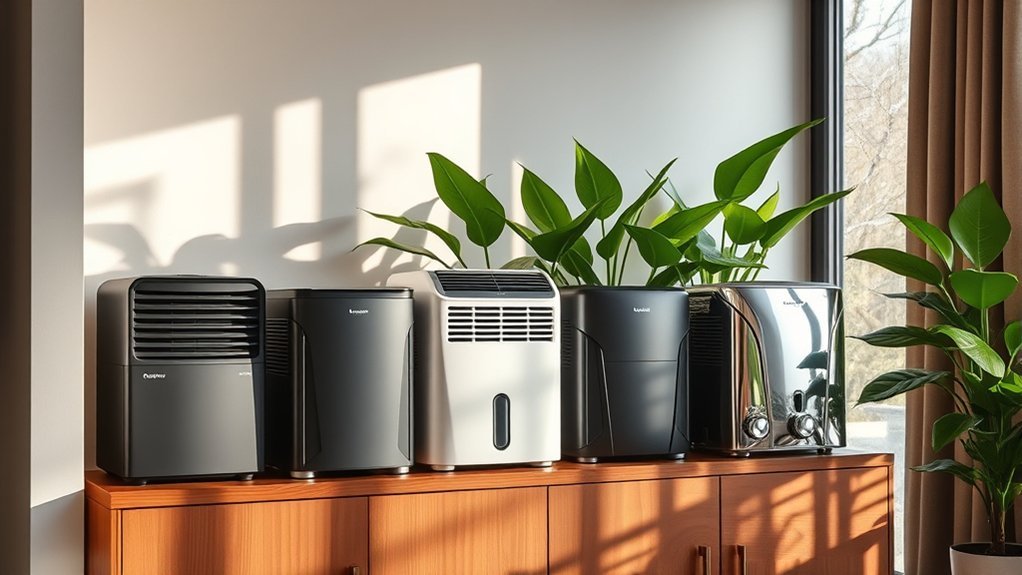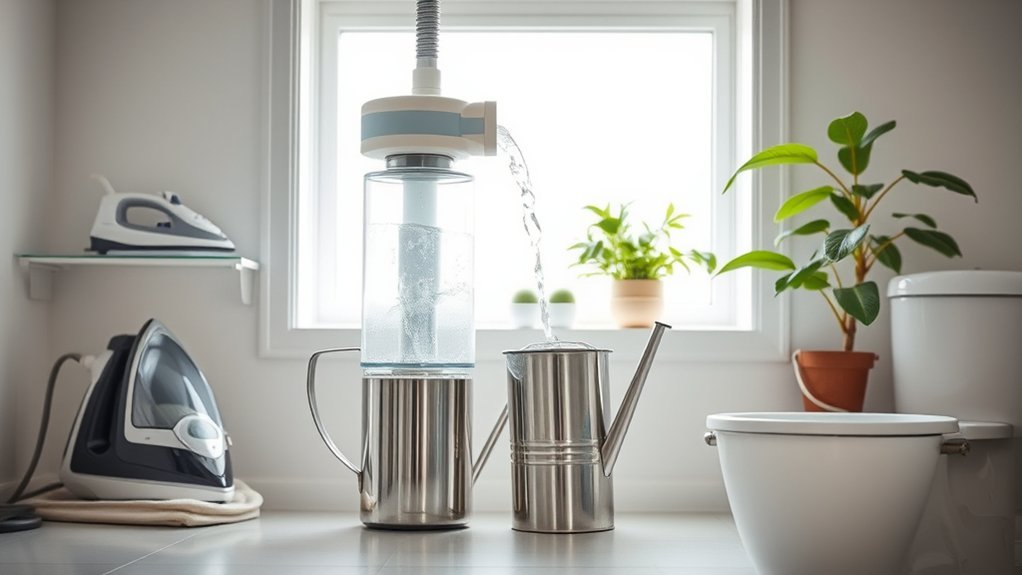
Safe uses for dehumidifier water include watering non-edible ornamental plants, manually flushing toilets, and some low-contact cleaning jobs. The collected water is non-potable condensate, so do not drink it, cook with it, give it to pets, use it on edible crops, or treat it as distilled water for another appliance.
Last updated: August 19, 2026
Quick Answer
You can reuse clear, fresh dehumidifier water for low-contact jobs such as watering non-edible ornamental plants, manually flushing toilets, and mopping some sealed hard floors. Do not drink it, cook with it, give it to pets, use it on edible crops, put it in a humidifier, or use it on food-contact surfaces. For irons, vacuums, steam mops, and other appliances, use only the water type allowed by that appliance’s manufacturer.
Key Takeaways
- Dehumidifier water is non-potable condensate and is not safe to drink, even when it looks clear.
- The safest reuses are non-food, low-exposure tasks such as ornamental plant watering and manual toilet flushing.
- Discard it if it smells bad, looks cloudy, contains debris, has slime, or came from a dirty tank or contaminated room.
- Clean the bucket and filter according to your dehumidifier manual before routinely reusing collected water.
- Do not assume condensate is distilled water. Check appliance manuals before putting it in irons, vacuums, steam mops, or other machines.
At a Glance
| Safer Uses | Non-edible ornamental plants, manual toilet flushing, and selected low-contact cleaning jobs |
| Avoid | Drinking, cooking, pets, aquariums, edible plants, humidifiers, medical devices, personal washing, and food-contact surfaces |
| Use Promptly | Use it the same day when practical and discard water that becomes cloudy, slimy, or foul-smelling |
| Best Rule | Avoid a reuse if the water could be swallowed or inhaled, contact food or sensitive skin, or enter an appliance that specifies another water type |
Is Dehumidifier Water Safe to Use?
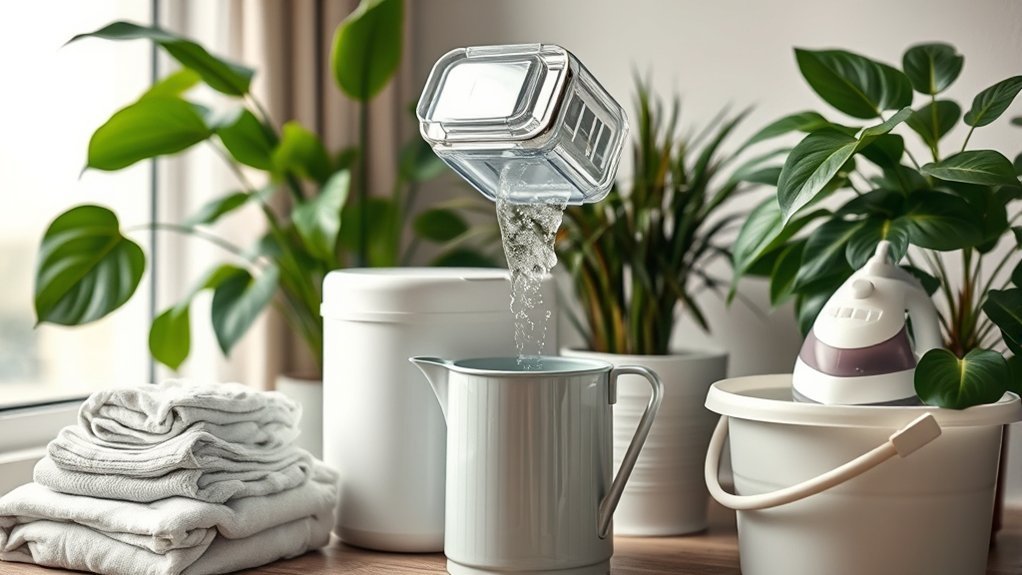
Dehumidifier water is not safe to drink. It is condensate collected from indoor air, and the water then contacts internal coils, drainage surfaces, tubing, and the collection bucket. Dust, mold spores, bacteria, biofilm, cleaning residues, and other contaminants can therefore end up in the reservoir. Midea’s dehumidifier manual warns users not to drink water from the bucket.
Treat the water as non-potable condensate, not as drinking water or laboratory-grade distilled water. Some plumbing guidance also distinguishes condensate from gray water. For example, Georgia’s gray-water recycling guidance defines condensate from dehumidifier evaporator coils separately from household gray water.
A useful decision rule is to avoid any reuse where the water could be swallowed or inhaled, contact food or sensitive skin, or enter equipment whose manufacturer specifies a particular water type. That leaves low-contact jobs such as ornamental plant watering, manual toilet flushing, and selected cleaning tasks as the most practical household uses.
Warning: Do not drink dehumidifier water, cook with it, make ice with it, mix baby formula with it, give it to pets, use it in aquariums, rinse wounds with it, use it in humidifiers or medical devices, or use it on edible plants.
Safety Checklist Before Reuse
Before you reuse the water, check these basics:
- Look at it: discard cloudy water, water with floating debris, or water with slime in the tank.
- Smell it: dump it if it smells musty, sour, metallic, or chemical-like.
- Check the tank: do not reuse water from a moldy, dirty, or neglected reservoir.
- Use it promptly: do not leave collected water sitting for days before reuse.
- Know the room: do not reuse water collected in garages, workshops, spaces with chemical fumes, or rooms with active mold contamination.
Keep the unit itself clean. GE Appliances recommends emptying the reservoir, washing it with dish soap and water, and using a diluted bleach solution when needed to help prevent mildew. Always follow your own dehumidifier manual first.
Pro Tip: If you would not want to touch the inside of the bucket, do not reuse the water. Dump it, clean the tank, and start fresh.
Can You Use Dehumidifier Water on Houseplants?
Yes, clear condensate from a clean dehumidifier can be used on non-edible houseplants and ornamental flowers. It is generally low in dissolved minerals compared with hard tap water, but it is not sterile and can pick up contaminants from the air and the appliance.
Use it only when the plant actually needs watering. If the potting mix smells musty, develops unusual fungal growth, or stays wet too long, stop adding water and let the soil dry according to that plant’s normal care requirements.
Best Plants to Water
These non-edible plants are reasonable candidates when the water is clear, odor-free, and collected from a clean tank:
| Plant | Watering Need | Best Use |
|---|---|---|
| Pothos | Moderate moisture | Occasional direct watering |
| Peace lily | Even moisture | Use when soil begins to dry |
| Snake plant | Low to moderate moisture | Light watering only |
| Ferns | Consistent moisture | Use only from a clean tank |
| Spider plant | Regular moisture | Occasional direct watering |
Safety for Houseplants
Reserve dehumidifier water for ornamental plants only. Do not use it on herbs, lettuce, tomatoes, peppers, berries, fruit trees, microgreens, or any plant you plan to eat. The water has not been collected or stored as potable irrigation water.
Do not treat low-mineral condensate as fertilizer. Keep following the plant’s normal potting-mix and fertilizer routine, and do not water more often simply because collected water is available.
Reduce Water Waste
Reusing dehumidifier water on non-edible plants can reduce the amount of treated tap water you use indoors. This is most useful during humid months, in basements, or anywhere a dehumidifier fills its bucket frequently.
Do not overwater just because the water is available. The best reuse is the amount your plant actually needs.
Can You Use Dehumidifier Water to Flush a Toilet?
Yes. Manual toilet flushing is one of the more practical low-contact uses for fresh dehumidifier condensate. The EPA WaterSense program says toilets account for nearly 30% of an average home’s indoor water consumption. EPA also notes that older inefficient toilets can use as much as 6 gallons per flush, while WaterSense-labeled models use 1.28 gallons per flush or less.
Using fresh dehumidifier condensate for a manual pour flush can replace some potable water that would otherwise be used for toilet flushing.
Recommended Products
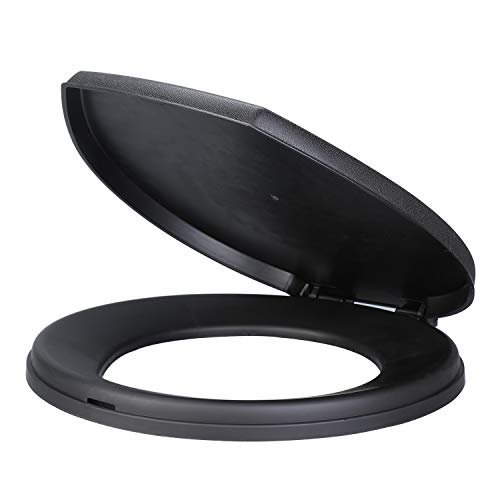
MATERIAL-High density polypropylene, it’s durable enough to match your daily uses

【Universal Fit】Effortlessly convert your 5 gal bucket into a portable toilet or a convenient stool with the PAHTTO toilet seat. Widely compatible for standard 5 gallon/ 19 litter buckets with diameter 11.9-12.5 inch. Specifically tailored to fit Home Depot and Lowe’s 5-gallon buckets.

【Comfort & Convenience】New upgrade — TRIPTIPS bucket toilet seat is made with a cushiony seat, which is soft and ensures you won't feel too cold in the winter or too hot in summer. Wide enough support area provides ultimate comfort. Plus, toilet paper holder with a shelf keeps your paper and phone handy, adding ease and organization. Take it with you and enjoy luxurious relaxation!
How to Bucket-Flush a Toilet With Dehumidifier Water
For a manual flush, pour the collected water directly into the toilet bowl in a steady, reasonably quick stream. The added water can initiate the bowl’s normal siphon action and clear the contents without using the toilet tank. Stop if the bowl level rises instead of draining, and use the toilet’s normal flush if the manual pour does not clear the bowl.
Do not simply top off the bowl and then press the normal flush handle if your goal is to save potable water, because activating the normal flush releases water from the toilet tank as usual. Use a clean container, pour carefully to prevent splashing, and discard condensate that smells musty or came from a slimy or dirty dehumidifier bucket.
How Much Water Can Manual Flushing Save?
The amount depends on your toilet and how much water your dehumidifier collects. Older inefficient toilets can use substantially more water per flush than modern WaterSense models, so there is no single household savings figure that applies to every toilet.
Note: Manual bucket flushing is different from installing a permanently plumbed reuse system. Do not connect a dehumidifier drain to toilet or potable-water plumbing as a DIY shortcut. Permanent reuse systems may be subject to local plumbing, backflow, treatment, and permitting requirements.
Can You Use Dehumidifier Water in a Steam Iron?
Do not assume dehumidifier condensate is an acceptable substitute for distilled or demineralized water. Although condensate is often low in dissolved minerals, it can contain residue or microorganisms from the appliance and reservoir. Use it in a steam iron only if the iron manufacturer explicitly allows that water type. Otherwise, use the water specified in the iron’s manual.
For example, Panasonic’s steam iron guidance says most tap water can be used in certain models, distilled or demineralized water may be used in hard-water areas, and substitute waters or additives can stain fabrics or damage the iron. Other manufacturers may give different instructions.
| Check | Action | Why It Matters |
|---|---|---|
| Iron manual | Verify the permitted water types | Reduces the risk of stains, clogs, damage, or warranty problems |
| Water type | Do not assume condensate equals distilled water | Low mineral content does not guarantee appliance-approved purity |
| Tank condition | Never use dirty, cloudy, slimy, or foul-smelling water | Keeps obvious contamination and debris out of the appliance |
If the manual does not specifically support the water you intend to use, choose the manufacturer-recommended option instead. If an iron sputters, stains fabric, or leaves residue, stop using it and follow the iron’s cleaning instructions.
Recommended Products
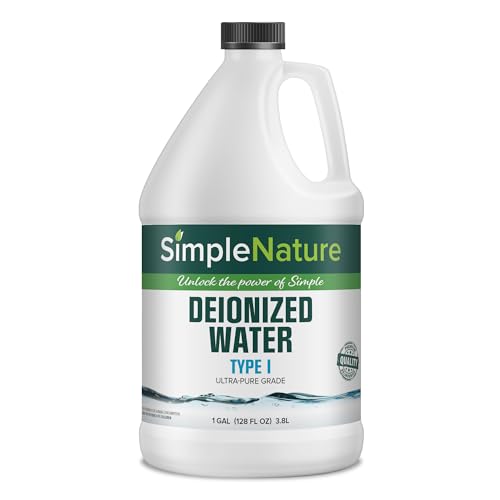
Ultra-pure Type I water delivers up to 18.2 MΩ resistivity, giving you dependable performance for sensitive lab work, precision rinsing, and applications where mineral content simply cannot interfere.

smartwater is h2o crafted through a vapor distillation process inspired by the clouds, for a taste that is always crisp and pure

NOTHING LEFT BEHIND IN THE TANK: Tap water carries calcium and lime, and that residue collects on the heating element until steam output drops off. The minerals are already taken out of this water, so there is nothing to harden inside the machine. Start using it from day one on a steam mop and the tank stays clear from the first fill to the last.
Can You Use Dehumidifier Water for Mopping and Cleaning?
Fresh dehumidifier condensate can be useful for basic low-contact cleaning where the water will not touch food, skin, pets, or sensitive porous materials. Possible uses include mopping suitable sealed hard floors, rinsing outdoor tools, wiping non-food utility surfaces, or filling a general cleaning bucket before adding a surface-appropriate cleaner.
Follow the cleaner label and the surface manufacturer’s care instructions. Never mix cleaning products randomly. In particular, never mix household bleach with ammonia, vinegar, acids, or other cleaners because dangerous vapors can be released.
If you plan to use dehumidifier water in a wet/dry vacuum, carpet extractor, steam mop, or floor-cleaning machine, check the manufacturer’s manual first. Some machines specify tap, purified, distilled, or another particular water type and may not permit substitute water.
Recommended Products

REMOVES OVER 99% OF BACTERIA W/ JUST WATER: O-Cedar's EasyWring Microfiber Spin Mop & Bucket Floor Cleaning System provides a deep-cleaning solution for all your at home needs by effectively removing dirt, grime and over 99% of bacteria with just water! It is safe on all hard floor surfaces, including finished hardwood, wood, laminate, tile, vinyl, and more.

35-quart mop bucket and side-press wringer combo for cleaning floors or mopping up messes; designed for commercial use

CLEAN WITH CLEAN WATER: The O-Cedar RinseClean Spin Mop lets you clean your floors with clean water from start to finish. Never mop with dirty water again
What Not to Do With Dehumidifier Water
Not every reuse is worth the risk. Avoid any use where contaminants could reach people, pets, food, the respiratory tract, or sensitive equipment.
- Do not drink it or use it for coffee, tea, ice, cooking, baby formula, or rinsing produce.
- Do not use it on edible plants, including herbs, vegetables, fruit, and microgreens.
- Do not use it for personal washing, pet baths, aquariums, CPAP equipment, wound care, or other medical devices.
- Do not put it in a humidifier. Cool-mist and ultrasonic humidifiers can disperse material present in their water into indoor air, so use the water type recommended by the humidifier manufacturer.
- Do not use it on food-contact surfaces, such as cutting boards, counters used for food preparation, dishes, baby bottles, or refrigerator food drawers.
- Do not use it on porous materials such as unfinished wood, natural stone, leather, mattresses, or upholstery unless the relevant care instructions specifically allow the cleaning method.
- Do not keep it sitting for days. Standing water and dirty reservoirs can develop biofilm, odor, mold, or other microbial growth.
How to Dump or Store Dehumidifier Water
For ordinary household disposal, a sink, toilet, utility drain, or other sanitary drain is usually the simplest choice when local rules allow it. If you reuse the water outdoors, limit it to ornamental soil and prevent runoff into storm drains, ponds, streams, wells, edible beds, or other sensitive areas.
If you plan to reuse the water, use it the same day when practical. If you need to hold it briefly, keep it in a clean, covered container, label it clearly as non-drinking water, and keep it away from children and pets. Discard it if its appearance or odor changes.
Frequently Asked Questions
Can you do anything with the water from a dehumidifier?
Yes. Clear, fresh dehumidifier condensate can be reused for low-contact tasks such as watering non-edible ornamental plants, manually flushing toilets, mopping suitable sealed hard floors, or rinsing outdoor tools. Do not use it for drinking, cooking, pets, aquariums, edible plants, humidifiers, medical devices, or food-contact surfaces.
Can you put dehumidifier water in a humidifier?
No. Do not treat dehumidifier condensate as distilled humidifier water. It may contain contaminants picked up from the dehumidifier, and some humidifiers can disperse material in their water into indoor air. EPA humidifier guidance recommends keeping humidifier water clean and using low-mineral water as appropriate. Follow your humidifier manufacturer’s instructions.
Can you use dehumidifier water in a steam iron?
Only if the iron manufacturer allows that water type. Dehumidifier condensate may be low in minerals, but it is not automatically equivalent to distilled or demineralized water. If the manual does not permit recovered condensate or an equivalent water type, use the water the manufacturer recommends.
Can dehumidifier water be used to flush a toilet?
Yes. For a manual pour flush, add the collected water directly to the toilet bowl in a steady, reasonably quick stream so the bowl can begin its normal siphon action. Do not top off the bowl and then automatically press the normal flush handle if your goal is to avoid using the water stored in the toilet tank.
Where should you dump dehumidifier water?
A sink, toilet, utility drain, or other sanitary household drain is usually the simplest disposal option when local rules allow it. Clear, fresh condensate can also be used on ornamental plants. Avoid outdoor disposal where runoff could enter storm drains, waterways, wells, or edible growing areas.
Is dehumidifier water the same as distilled water?
No. Dehumidifier condensate is often low in dissolved minerals because water vapor condenses from the air, but the appliance does not collect or store it under drinking-water or laboratory distillation conditions. The water can contact coils, drainage surfaces, tubing, airborne debris, and the reservoir before you empty the bucket.
Conclusion
Dehumidifier water does not always have to go straight down the drain, but it should be treated as non-potable condensate. The lowest-risk household uses are watering non-edible ornamental plants, manual toilet flushing, and selected low-contact cleaning jobs. Keep it away from drinking, cooking, pets, edible crops, humidifiers, medical devices, and food-contact surfaces. If the water looks cloudy, smells unusual, came from a dirty tank, or would enter an appliance that specifies another water type, dump it and use the correct fresh water instead.
Sources
- Midea Dehumidifier User Manual — supports the warning not to drink water collected in the bucket.
- GE Appliances: Dehumidifier Cleaning and Maintenance — supports reservoir cleaning guidance.
- EPA WaterSense: Residential Toilets — supports toilet water-use and efficiency figures.
- CDC: Mold — supports keeping indoor humidity controlled to reduce mold risk.
- EPA: Use and Care of Home Humidifiers — supports humidifier water-quality and microorganism precautions.
- Panasonic: How to Fill a Steam Iron Water Tank — supports following iron-specific water guidance instead of assuming substitute water is acceptable.
- Georgia Environmental Protection Division: Gray Water Recycling Systems Guidelines — distinguishes dehumidifier condensate from gray water and describes requirements that may apply to plumbed reuse systems.
- Queensland Government: Water or Electricity Problems — supports manual toilet flushing by filling the cistern or pouring bucket water directly into the bowl.