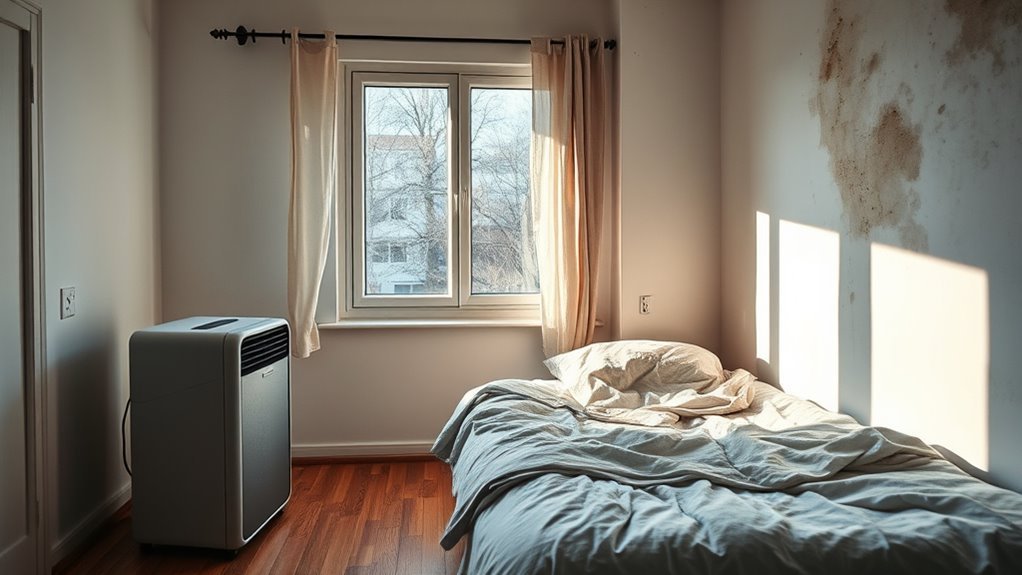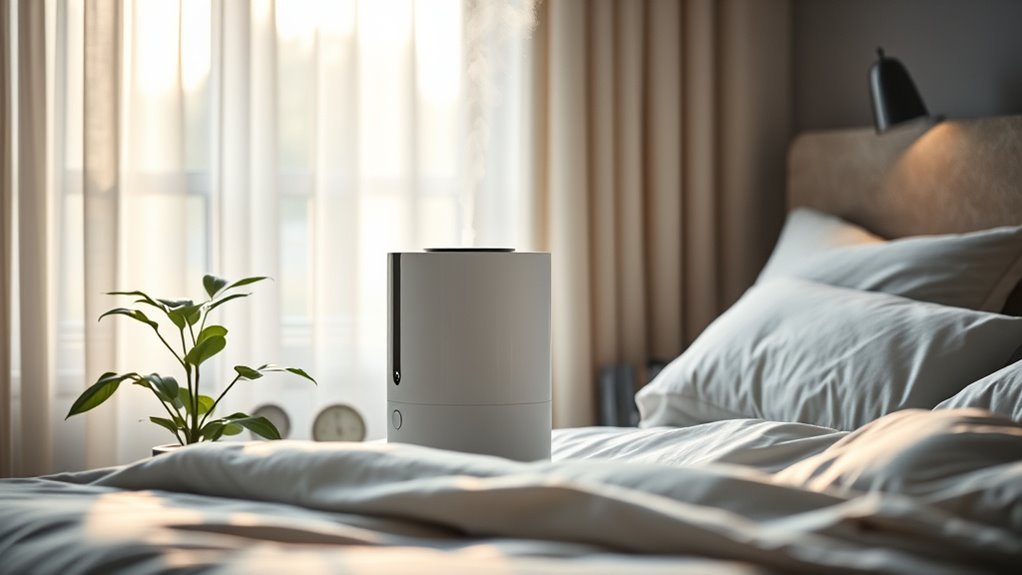
A true humidifier-dehumidifier combo is not a common plug-in appliance, and most homes get better humidity control from separate units. Use a humidifier when indoor air stays too dry, usually below 30% relative humidity, and use a dehumidifier when moisture stays high, especially above 50%. The goal is not to run both constantly; it is to keep each room near a healthy, comfortable range.
Quick Answer
A true humidifier-dehumidifier combo is rare. A humidifier adds moisture when air is too dry, while a dehumidifier removes moisture when air is too damp. For most homes, the best setup is a hygrometer plus separate right-sized units, or a professionally installed whole-home humidity-control system.
Key Takeaways
- Aim for about 30% to 50% indoor relative humidity; the EPA recommends this range for indoor air quality.
- Use a humidifier for dry winter air, static, dry sinuses, dry skin, or cracking wood; clean it often so it does not spread mold or bacteria.
- Use a dehumidifier for condensation, musty odors, damp basements, crawl spaces, or humidity that stays above 50%.
- Do not run a humidifier and dehumidifier against each other in the same room unless a humidity controller or HVAC professional has designed the setup.
At a Glance
| Time Required | 5 to 10 minutes to check humidity; longer if sizing a whole-home system |
| Difficulty | Easy for one room; moderate for whole-home planning |
| Tools Needed | Hygrometer, room measurements, device specifications, drain access for dehumidifiers |
| Cost | A basic hygrometer is inexpensive; humidifier and dehumidifier costs vary by capacity, pump, smart controls, and whole-home installation needs |
Do Humidifier-Dehumidifier Combos Exist?
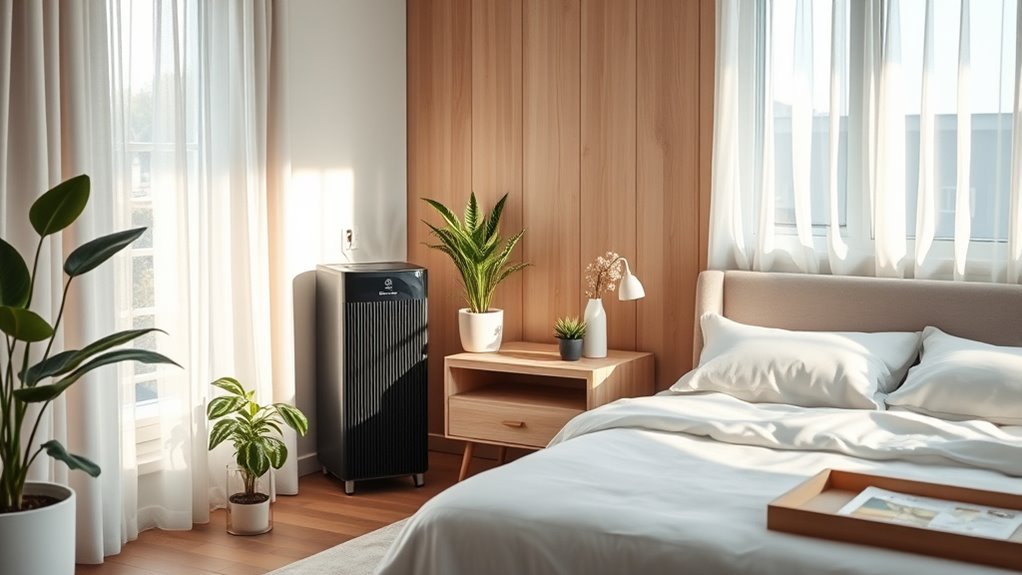
Not in the simple way most people mean. You may find air-treatment appliances with humidity sensors, “dry” modes, or smart controls, but a true portable unit that both adds moisture and removes moisture well is not widely available in mainstream home categories. The reason is simple: a humidifier and a dehumidifier solve opposite problems.
A humidifier adds water vapor when indoor air is too dry. A dehumidifier pulls water from humid air when a room feels damp or clammy. Because the two jobs require different mechanisms, most homes get better results from separate devices sized for the room, or from dedicated whole-home equipment connected to the HVAC system.
For accurate control, start with a small hygrometer. The EPA recommends keeping indoor humidity between 30% and 50%. If your readings stay below that range, add moisture. If they stay above it, remove moisture.
A practical target for most homes is 30% to 50% relative humidity: high enough to avoid dry-air discomfort, but low enough to reduce mold and dust-mite risk.
Why Most Homes Use Separate Units
Most homes use separate humidifiers and dehumidifiers because each appliance handles one side of the humidity balance. One adds moisture. The other removes it. Combining both jobs into one small appliance usually means lower performance, more complexity, or poor control.
Separate Humidity Functions
A humidifier works best when indoor air is too dry, especially during heating season or in naturally dry climates. A dehumidifier works best in damp conditions, such as basements, bathrooms, laundry rooms, and crawl spaces. With separate units, you can solve the real room-by-room problem instead of forcing one appliance to do everything.
This also helps with energy use. Running the right device only when the room needs it is more efficient than letting a humidifier and dehumidifier fight each other.
Whole-Home Climate Control
For whole-home climate control, separate systems can still work together. For example, a whole-home humidifier may connect to ductwork to add moisture in winter, while a whole-home dehumidifier can remove moisture during damp seasons. Manufacturers such as AprilAire, Carrier, and Trane describe dedicated whole-home equipment rather than one small magic box.
If you want automatic humidity control across the house, ask an HVAC professional about a humidistat, ductwork compatibility, drainage, electrical needs, and whether your home has separate dry and damp zones.
How Humidity Affects Home Comfort
Humidity changes how your home feels even when the thermostat setting stays the same. When humidity is too high, rooms can feel sticky, stale, or heavy. High humidity also increases the chance of mold and can support dust mites. The American Lung Association recommends keeping homes below 50% humidity to help reduce dust mites.
When humidity is too low, you may notice dry skin, dry sinuses, scratchy throat, static electricity, shrinking wood trim, or cracking wood furniture. Humidifiers can ease dry-air symptoms, but the Mayo Clinic warns that dirty humidifiers or humidity that stays too high can spread mold or bacteria.
The safest approach is steady monitoring. Place a hygrometer in the room that feels uncomfortable, not just near the thermostat. Check readings at different times of day because humidity can shift after cooking, showering, laundry, rain, heating, or air conditioning.
Pro Tip: Use a separate hygrometer even if your humidifier or dehumidifier has a built-in display. Built-in sensors can read the air near the machine, not the whole room.
When Should You Use a Humidifier?
You should use a humidifier when indoor air stays too dry, especially when readings fall below 30% relative humidity. Dry air is common in winter because heated indoor air often holds less moisture. It can also happen in dry climates, tightly heated bedrooms, offices, or rooms with lots of air leakage.
Common signs you may need a humidifier include:
- Dry nose, throat, or lips
- Dry, itchy skin
- Static electricity
- Wood floors, trim, or furniture shrinking or cracking
- A room that feels harsh even when the temperature is comfortable
Use a humidifier to bring the room back into the 30% to 50% range, then stop or lower the setting. Do not chase extra moisture. If windows start fogging, walls feel damp, or humidity rises above 50%, turn the humidifier down and ventilate if outdoor air is not humid.
Warning: Clean portable humidifiers exactly as the manufacturer recommends. Standing water, mineral buildup, and dirty tanks can allow mold or bacteria to grow and spread into the air.
When Should You Use a Dehumidifier?
You should use a dehumidifier when indoor humidity stays above 50% or when a room shows dampness problems. Dehumidifiers are especially useful in basements, crawl spaces, laundry rooms, bathrooms, garages, and other enclosed areas where moisture lingers.
High Humidity Signs
Consider a dehumidifier if you notice:
- Humidity readings above 50%
- Condensation on windows, walls, pipes, or toilet tanks
- Musty odors
- Visible mold or mildew
- Clammy bedding, carpets, or upholstery
- Peeling paint, swollen trim, or warped wood
- Allergy symptoms that seem worse in damp rooms
A dehumidifier can lower indoor moisture and make damp spaces feel cleaner, but it does not fix leaks. If moisture comes from a roof leak, plumbing leak, wet foundation, or flooding, repair the water source first.
Best Spaces To Use
Dehumidifiers work best in damp, enclosed spaces where moisture builds faster than the room can dry. In basements, they help protect stored items, flooring, and framing. In laundry rooms and bathrooms, they reduce moisture from washing and showering. In crawl spaces, they can help limit dampness that attracts pests or damages materials.
Choose a unit by both room size and moisture load. A lightly damp bedroom does not need the same capacity as a wet basement. If the room has a floor drain, sink, or sump pump nearby, a model with continuous drainage or a built-in pump can save you from emptying the bucket every day.
Can You Run Both at the Same Time?
Yes, but only in the right situation. You can use a humidifier in one dry room and a dehumidifier in a different damp room at the same time. You may also have a whole-home system where controls decide which device runs based on measured humidity.
What you should usually avoid is running a humidifier and dehumidifier in the same room at the same time. That wastes energy because one device adds moisture while the other removes it. It can also make the humidity level swing up and down instead of staying stable.
A better rule is simple: measure first, then run only the device that matches the reading.
- Below 30%: add moisture with a humidifier.
- 30% to 50%: usually do nothing unless a room still has a specific comfort issue.
- Above 50%: remove moisture with a dehumidifier, air conditioning, ventilation, or source control.
- Above 60%: act quickly because mold risk increases, especially if surfaces are cool or damp.
Best Dehumidifiers by Space
For the right space, you need a dehumidifier sized to match both square footage and moisture load. Dehumidifier capacity is usually listed in pints per day, which means how much water the unit can remove in 24 hours under test conditions. ENERGY STAR explains that dehumidifier capacity and efficiency ratings are based on DOE test methods, and newer ratings may look lower than older ratings because test conditions changed in 2019.
Note: Do not choose by square footage alone. A 600-square-foot damp basement may need more dehumidifying power than a 1,000-square-foot dry living room.
| Space | What to Look For | Example to Compare |
| Large basement or open plan | Higher pint capacity, continuous drain option, washable filter, auto restart | A 50-pint Wi-Fi model such as the hOmeLabs 50 Pint Wi-Fi Dehumidifier may suit large zones when its current listing matches your room and moisture load. |
| Mid-size room needing easier drainage | Built-in pump, hose connection, low-temperature operation | Frigidaire 60 Pint Built-In Pump Dehumidifier |
| Crawl space or tight basement | Compact body, pump or gravity drain, auto defrost, low-clearance design | BaseAire AirWerx models or AlorAir crawl space and basement models |
| Small office, closet, bath, or RV | Compact size, quiet operation, auto shutoff, small tank | A mini dehumidifier such as the Pro Breeze Mini can help in tight spaces, but it will not handle a wet basement. |
Skip fixed prices in evergreen content because prices change often. Compare current pricing, warranty, drainage, capacity, noise level, and return policy before buying.
Recommended Products

Smart Functions: Dehumidifier for home with smart APP/voice/touch control brings a more convenient living experience, such as setting up the dehumidifier in basement at your fingertips with the APP, even when away. Compatible with Alexa, Google Assistant, and IFTTT. (Support 2.4Ghz WiFi and Bluetooth, need to enable mobile phone positioning.)

4,500 SQ. FT. DEHUMIDIFIER – Removes up to 50 pints of moisture per day with an adjustable humidity setting from 35% to 85%. Perfect for use in basement, bathroom, bedroom, office, kitchen, cellar, or crawlspace. Maintain a healthy 45%-55% humidity range

EASY TO CLEAN WASHABLE FILTER: Capture dust from the air and keep your dehumidifier working efficiently with our easy-to-clean washable filter.
Which Humidifier Type Fits Your Home?
Once you know the room is too dry, choose a humidifier that fits your home’s layout and comfort goals. Your best humidifier type depends on whether you need one-room relief or whole-house balance.
| Humidifier Type | Best For | Main Tradeoff |
| Portable cool-mist humidifier | Bedrooms, offices, nurseries, and single rooms | Needs frequent cleaning and refilling |
| Bypass whole-home humidifier | Homes with compatible forced-air HVAC systems | Depends on furnace or air-handler airflow |
| Powered whole-home humidifier | Homes needing stronger air movement through the humidifier | Uses its own fan and may cost more than bypass models |
| Steam humidifier | Higher-output whole-home moisture control | Usually higher energy use and professional installation needs |
If you already have central HVAC and dry air affects the whole house, a whole-home humidifier can be cleaner than running several portable units. If only one bedroom feels dry, a portable humidifier and a hygrometer may be enough.
Find The Right Setup For Your Space
Because true humidifier-dehumidifier combo units are rare, the best setup is usually a measured, room-by-room plan. Do not guess based on how the air feels once. Measure the humidity, watch the trend, and choose the device that solves the actual problem.
- Measure humidity for several days. Place a hygrometer in the problem room and note morning, afternoon, and evening readings.
- Find the moisture source. Dry rooms may have heating, leaks in the building envelope, or dry climate issues. Damp rooms may have poor ventilation, foundation moisture, plumbing leaks, or shower/laundry moisture.
- Choose the correct device. Use a humidifier below 30%; use a dehumidifier above 50%; repair leaks and improve ventilation when moisture keeps returning.
- Size the unit properly. Match dehumidifier pint capacity to room size and dampness. Match humidifier output to room size or HVAC design.
- Set a target range. Keep most rooms near 30% to 50% relative humidity.
- Maintain the equipment. Clean tanks, replace filters or wicks, rinse buckets, and keep drain hoses clear.
Warning: If you see large mold growth, recurring wet drywall, standing water, or a sewage-related moisture problem, do not rely on a dehumidifier alone. Fix the water source and consider professional remediation.
Recommended Products

[3-in-1 Humidifier Meets All You Expect] Cool Mist Humidifier+Aromatherapy+Mood Light, purchase for once to satisfy all you expect! Let Homvana H101 be the best companion in your bedroom.
Frequently Asked Questions
Should you use a dehumidifier if you have COPD?
A dehumidifier may help if your home is damp, musty, or above 50% humidity because excess moisture can support mold and dust mites. However, COPD needs are personal. If you have COPD, asthma, allergies, or another lung condition, ask your clinician what indoor humidity range is safest for you.
Can a humidifier reduce dry eyes?
Yes, a humidifier can help if dry indoor air is making your eyes feel irritated. Keep the room near 30% to 50% relative humidity and avoid over-humidifying. If dry eyes continue, talk with an eye-care professional because allergies, medications, screens, and medical conditions can also cause symptoms.
Does a dehumidifier help with rhinitis?
It can help when rhinitis symptoms are triggered by dampness, mold, or dust mites. A dehumidifier is most useful when humidity stays above 50%. If your nasal symptoms are caused by dry air, smoke, pollen, infection, or another trigger, a dehumidifier may not help.
Can a humidifier help with snoring?
A humidifier may help if dry air irritates your throat or nasal passages at night. It will not fix every cause of snoring. Loud snoring, choking, gasping, or daytime sleepiness can be signs of sleep apnea, so speak with a healthcare professional if those symptoms are present.
What humidity level should I set at home?
For most homes, set your target around 30% to 50% relative humidity. In cold weather, you may need to stay closer to the lower end to avoid window condensation. In damp weather, use ventilation, air conditioning, or a dehumidifier to keep humidity from staying above 50%.
Is an air conditioner the same as a dehumidifier?
No. Air conditioners remove some moisture while cooling, but their main job is temperature control. A dehumidifier is designed specifically to remove moisture. If your home feels cool but still damp, a dehumidifier may work better than lowering the thermostat.
Conclusion
You may want one magic box that both adds and removes moisture, but most homes need two different tools. A humidifier helps when air feels dry and scratchy. A dehumidifier helps when rooms feel damp, clammy, or musty. The smart move is to measure first, then use the right device for the reading.
Keep your indoor humidity near 30% to 50%, clean the equipment regularly, and avoid running both devices against each other in the same room. If humidity problems affect the whole house or keep coming back, a right-sized HVAC solution and professional installation can give you better control than portable units alone.
Sources
- U.S. EPA — Care for Your Air — backs the 30% to 50% indoor humidity target and use of humidity gauges.
- Mayo Clinic — Humidifiers: Ease Skin, Breathing Symptoms — backs humidifier benefits and cleaning cautions.
- ENERGY STAR — Dehumidifier Testing and Capacity — backs pint-capacity ratings and DOE test-method changes.
- American Lung Association — Dust Mites — backs the connection between humidity, dust mites, and respiratory triggers.
- Frigidaire, BaseAire, and AlorAir — product specifications used for dehumidifier examples.
- AprilAire, Carrier, and Trane — whole-home humidity-control equipment references.