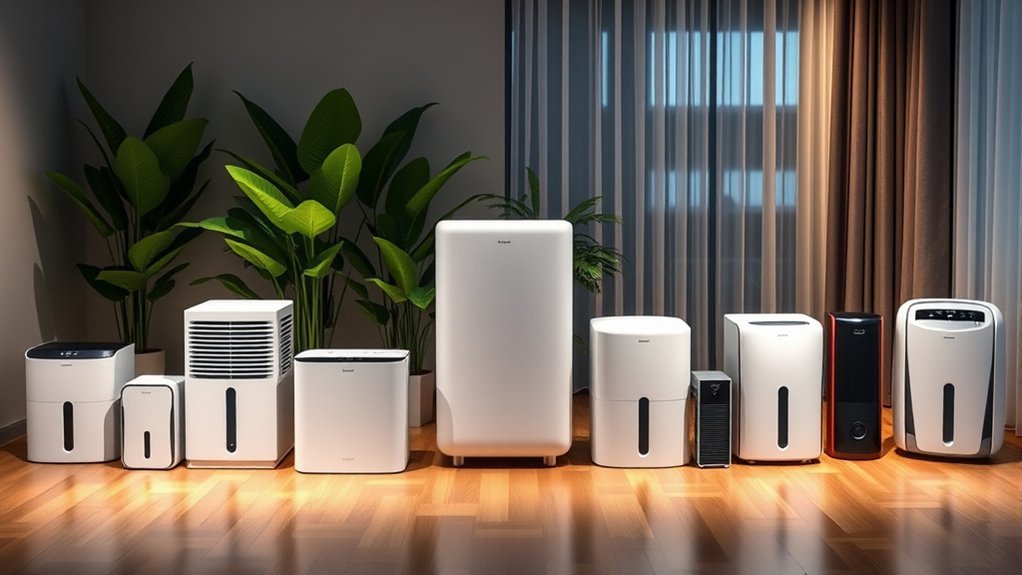
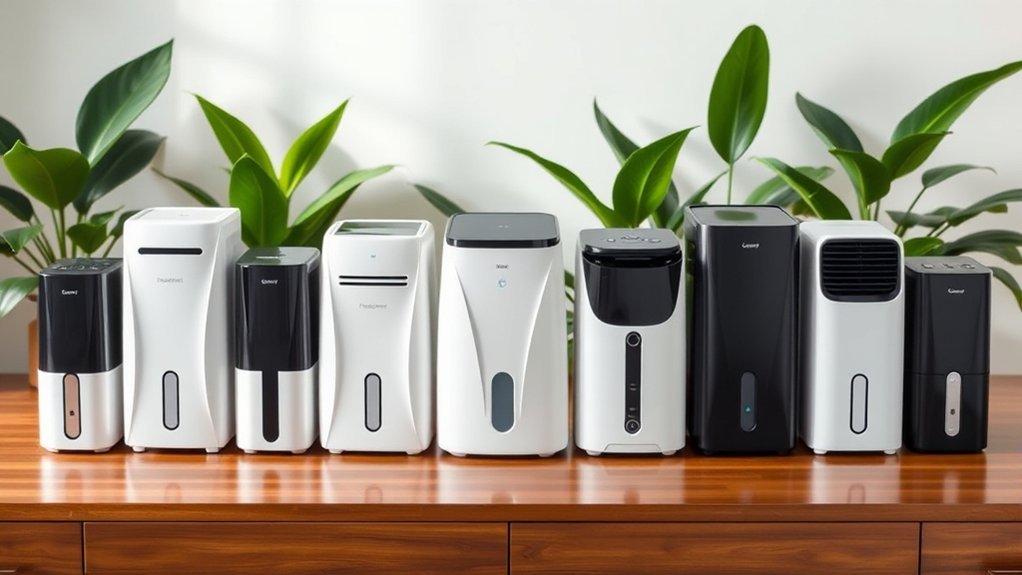
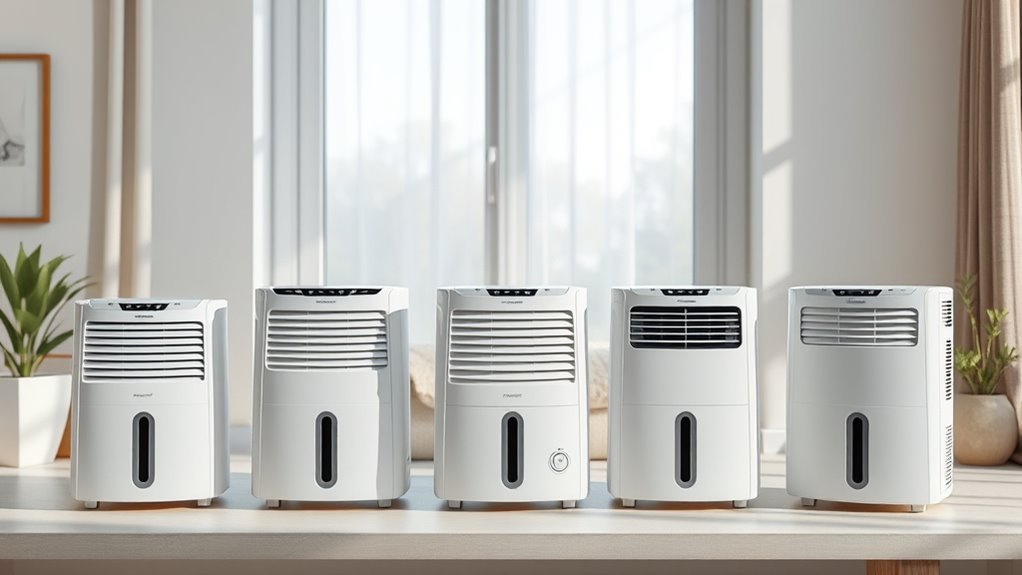
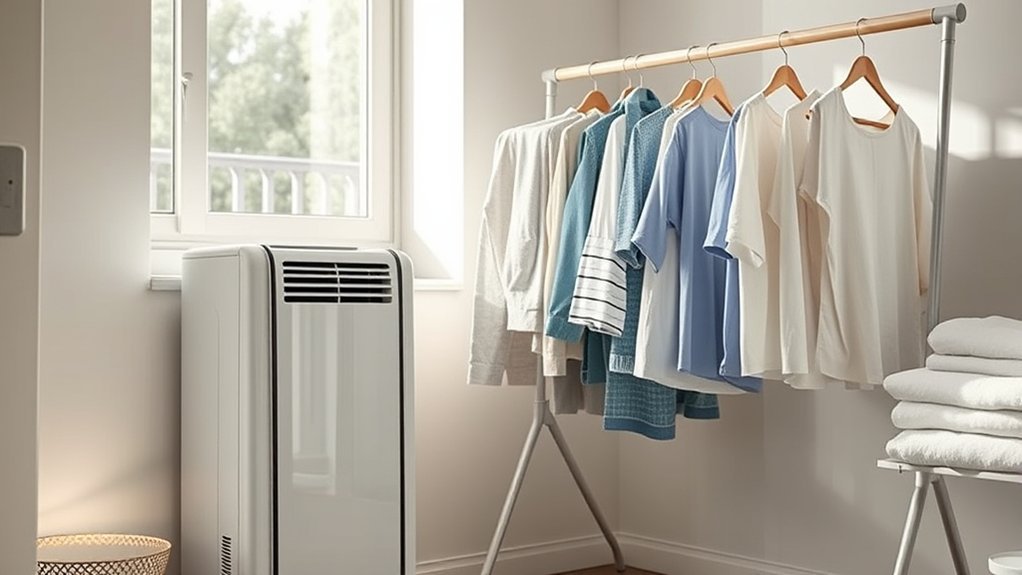
If you’re shopping for a 70 pint dehumidifier in Canada for 2026, focus on three things first: moisture-removal power, drainage setup, and whether the unit fits your basement, crawl space, or large room. The models in this roundup include the AprilAire E070 Pro, Moiswell SP60, Yaufey 70-Pint, AIRPLUS 4500 Sq. Ft, and AIRPLUS 70 Pint Home/Basement model. Each one targets damp spaces, but they do not all serve the same buyer. Some are better for crawl spaces, some are better for automatic drainage, and some are easier for general home use. Use this guide to compare coverage, drainage, controls, portability, and practical buyer concerns before you click through to Amazon.
Quick Verdict
Best overall for crawl spaces: AprilAire E070 Pro because it is compact, built for low-maintenance drainage, and includes a washable MERV 8 filter.
Best for automatic drainage: Moiswell SP60 because its built-in pump can move water upward when gravity drainage is not enough.
Best for large damp areas: Yaufey 70-Pint Commercial Dehumidifier because it combines 70-pint moisture removal, high airflow, and continuous gravity drainage.
Best general home option: AIRPLUS 4500 Sq. Ft Dehumidifier because it offers multiple modes, continuous drainage, and a manageable 22.2-pound build.
Best simple basement pick: AIRPLUS 70 Pint Home/Basement model because it gives large-area coverage, simple five-button controls, and flexible modes for everyday use.
| Product | Best For | Drainage Style | Key Buyer Note | Amazon |
|---|---|---|---|---|
| AprilAire E070 Pro | Crawl spaces and compact installations | Drain tubing, no bucket tray | More installation-focused than a basic room dehumidifier | Check Price |
| Moiswell SP60 | Basements, crawl spaces, attics, and pump drainage setups | Built-in pump | 70-pint rating is at saturation; AHAM output is lower | Check Price |
| Yaufey 70-Pint Commercial | Large residential or commercial damp spaces | Continuous gravity drain hose | Best when the drain location is lower than the unit | Check Price |
| AIRPLUS 4500 Sq. Ft | Homes, basements, bedrooms, and bathrooms | Continuous drain hose support | A practical option if you want flexible modes | Check Price |
| AIRPLUS 70 Pint Home/Basement | Large rooms and simple basement moisture control | Continuous drain option | Simple controls, but no advanced smart features mentioned | Check Price |
Before You Buy
For Canadian homes, check the product listing carefully for voltage compatibility, shipping region, return terms, warranty coverage, and drain-hose requirements. Dehumidifier performance also changes with room temperature and humidity level, so a “70 pint” rating may not always equal the same real-world daily output in a cool basement.
AprilAire E070 Pro 70-Pint Dehumidifier with Drain Hose
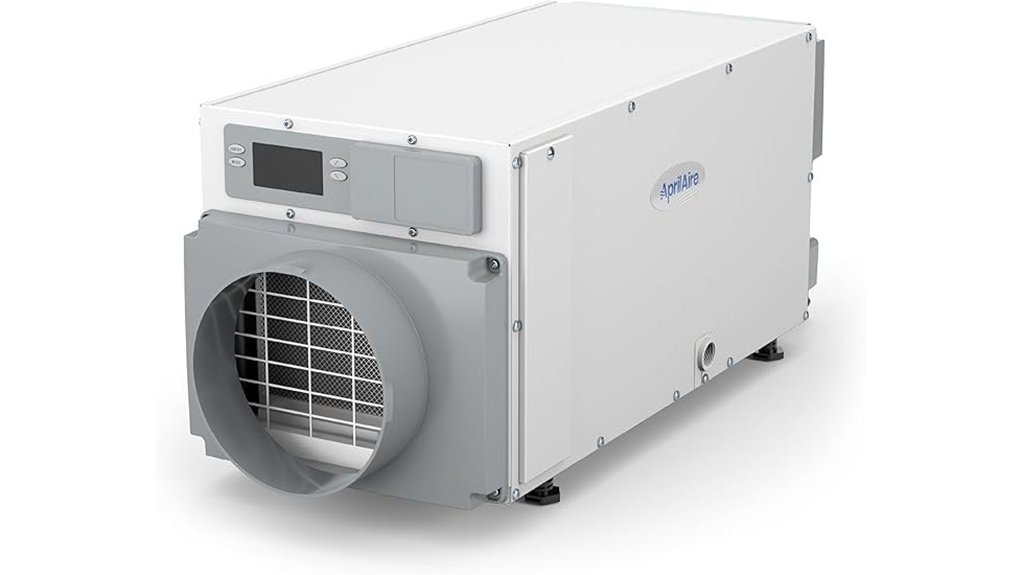
Best Positioning: Best crawl space and compact-installation pick.
The AprilAire E070 Pro is a strong pick if you need a compact 70-pint dehumidifier for a crawl space or other area up to 2,200 sq. ft. You get up to 70 pints of moisture removal per day in a small 12.5” x 12.5” x 25” cabinet. Its front-mounted controls make setup easy, and automatic humidity-based cycling keeps operation simple. Because it has no tray to empty, upkeep stays low. You also get corrosion-resistant aluminum coils, a washable MERV 8 filter, duct collars, drain tubing, and a 5-year warranty.
Why You’ll Like It: This model is built for buyers who do not want to keep checking a water bucket. It is especially appealing for crawl spaces, utility areas, and moisture-prone zones where set-it-and-drain-it operation matters more than room-to-room portability.
Best For: Homeowners or property managers needing a compact, low-maintenance crawl space dehumidifier for areas up to 2,200 sq. ft.
Who Should Buy This: Choose this model if you want a serious moisture-control unit for a crawl space, sealed basement area, or managed property where long-term drainage and durability matter.
Who Should Avoid This: Skip it if you want a lightweight plug-and-play room dehumidifier with a bucket, wheels, and quick portability.
Pros:
- Removes up to 70 pints of moisture per day in a compact cabinet
- Front-mounted controls and automatic humidity-based operation make it easy to use
- No water tray to empty, plus a washable MERV 8 filter and 5-year warranty
Cons:
- Not compatible with 50 Hz power systems
- Requires ducting and drain setup, which may be more involved than a plug-and-play unit
- Best suited for crawl spaces and similar areas, so it may be overkill for smaller spaces
Buyer Tip: Before buying, measure the installation area and confirm that the drain path works with your space. This unit makes the most sense when you can route water away continuously.
70-Pint Commercial Dehumidifier with Pump
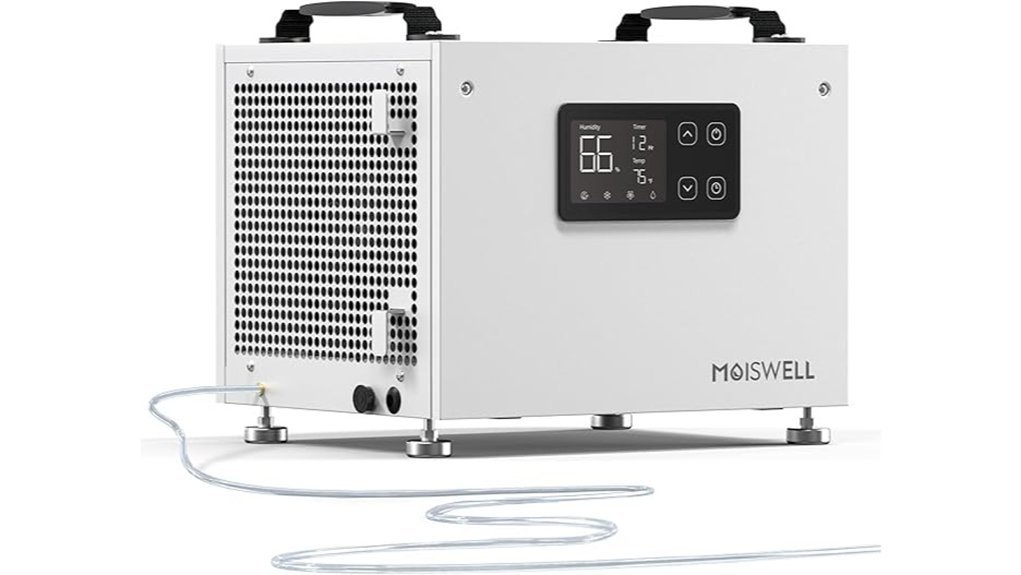
Best Positioning: Best pick for pump drainage.
If you need automatic drainage for damp spaces, the Moiswell SP60 makes a strong choice. You can use this portable, Energy Star efficient unit in basements, crawl spaces, attics, or homes up to 1,000 sq ft. It removes up to 70 pints a day at saturation, or 35 PPD under AHAM conditions, while using just 450 watts. Its built-in pump sends water up to 16.4 feet, so you don’t need to empty a bucket. You also get adjustable humidity control, auto on/off, defrost, restart protection, and a washable filter for easier maintenance.
Why You’ll Like It: The built-in pump is the main reason to consider this model. In many basements, the best drain location is not lower than the dehumidifier. A pump can make placement easier because it can move water upward to a sink, utility drain, or other suitable outlet.
Best For: Homeowners, landlords, and property managers who need a portable, energy-efficient dehumidifier with automatic drainage for basements, crawl spaces, attics, or other spaces up to 1,000 sq ft.
Who Should Buy This: Choose this model if you want automatic drainage but cannot rely on gravity alone.
Who Should Avoid This: Skip it if you need coverage for a very large open basement or if your drain location is already perfect for simple gravity drainage.
Pros:
- Built-in pump drains water up to 16.4 ft away, reducing the need to empty a bucket.
- Energy Star efficient with low 450-watt power use and R32 refrigerant for better efficiency.
- Handy features like adjustable humidity control, auto on/off, defrost, restart protection, and a washable filter.
Cons:
- Best suited for smaller areas up to 1,000 sq ft, so it may not be enough for larger spaces.
- At 43.68 lbs, it may still be somewhat heavy for frequent moving despite the handles.
- The 70-pint rating is at saturation; real-world AHAM performance is lower at 35 PPD.
Buyer Tip: A built-in pump is useful, but you still need a safe place for the water to go. Check pump lift, hose routing, and drain location before ordering.
Yaufey 70-Pint Commercial Dehumidifier with Drain Hose
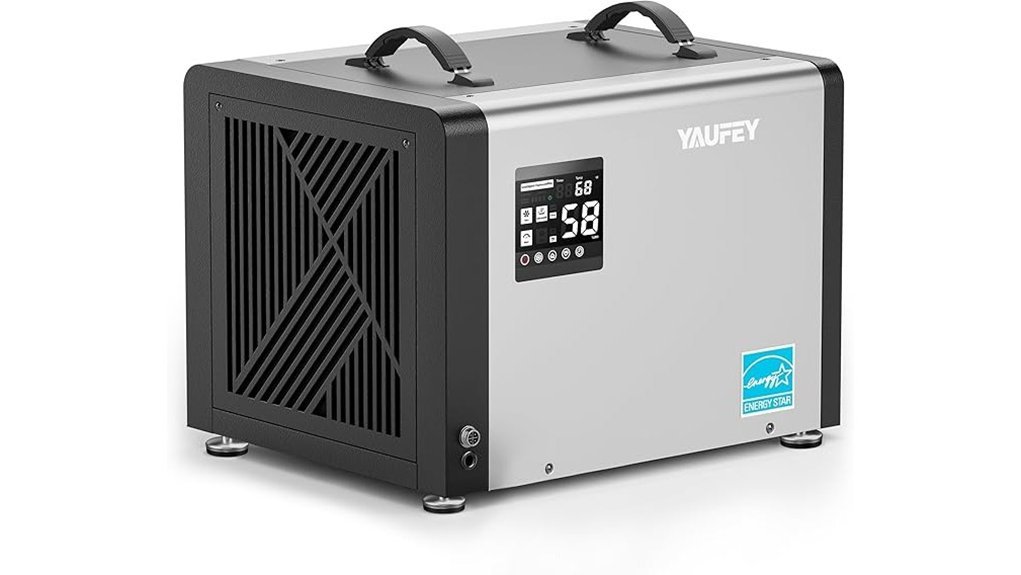
Best Positioning: Best for large damp spaces.
Need nonstop moisture control in a large space? You can count on the Yaufey 70-Pint Commercial Dehumidifier with Drain Hose. It covers up to 5,000 sq. ft., pulls 70 pints a day, and moves air at 159 CFM. The 6.56-foot hose lets you drain continuously by gravity, so you won’t need to empty a tank. Its auto-defrost helps in cold rooms, while auto shutoff, restart, and a digital display keep use simple. The all-metal housing stands up to tough jobs, and Energy Star efficiency with R32 refrigerant helps cut power use.
Why You’ll Like It: This model is a better match for buyers who care about airflow, larger coverage, and a tougher housing. It is not the smallest option, but it gives you a more commercial-style setup for demanding moisture problems.
Best For: Large residential, basement, and commercial spaces up to 5,000 sq. ft. that need continuous, low-maintenance moisture removal.
Who Should Buy This: Choose this model if your basement, storage area, workshop, or commercial room needs strong drying power and you have a suitable gravity-drain location.
Who Should Avoid This: Skip it if you need a light bedroom dehumidifier or if your drain point is higher than the unit and you need a pump.
Pros:
- 70-pint capacity and 159 CFM airflow handle large areas efficiently.
- Continuous gravity drainage with the 6.56 ft hose means no tank emptying.
- Energy Star efficiency, R32 refrigerant, and auto-defrost add convenience and lower operating impact.
Cons:
- At 42 pounds, it may be somewhat heavy to move around frequently.
- The 6.56 ft drain hose may not reach every ideal drainage point without extension or repositioning.
- Best suited for larger spaces, so it may be overkill for small rooms.
Buyer Tip: For gravity drainage, the hose should slope downward without kinks. If the hose must climb upward, consider a pump model instead.
AIRPLUS 4500 Sq. Ft Dehumidifier with Drain Hose
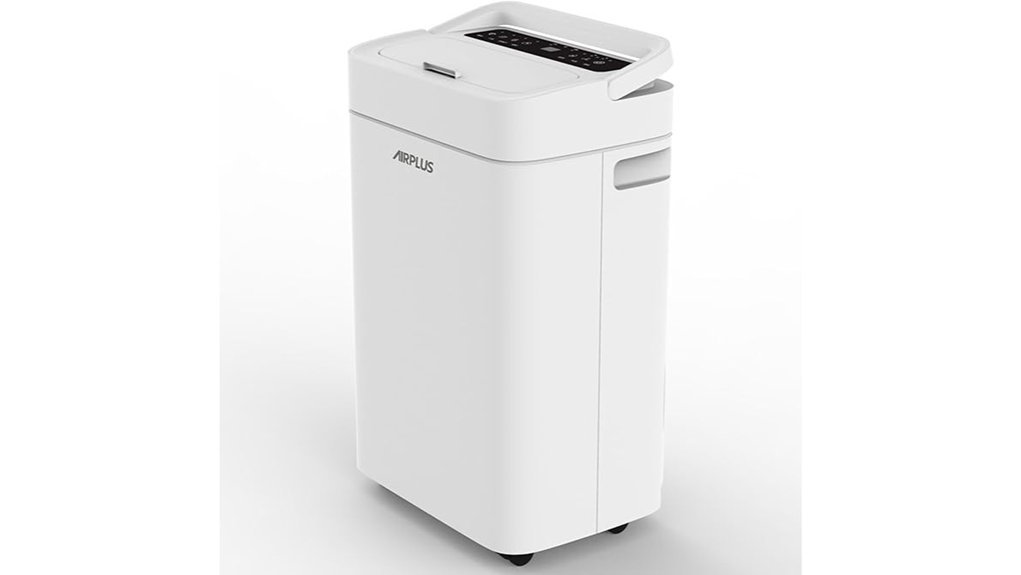
Best Positioning: Best general home option.
AIRPLUS 4500 Sq. Ft Dehumidifier with Drain Hose gives you reliable moisture control for spaces up to 5,000 sq. ft. It pulls up to 70 pints of water daily, so you can keep basements, bathrooms, and bedrooms drier with less effort. You can switch between dehumidification, drying, and air supply modes, while adjusting airflow and humidity to suit your space. The continuous drain hose lets you skip bucket emptying, and auto shutoff adds peace of mind. Its compact 22.2-pound build, timer, and 2-year warranty make it a practical pick.
Why You’ll Like It: This AIRPLUS model is useful if you want one dehumidifier for different home areas rather than a crawl-space-specific machine. The multiple modes make it easier to use for daily humidity control, laundry drying support, and general air movement.
Best For: Homeowners or renters who need powerful, low-maintenance moisture control for larger spaces like basements, bathrooms, or bedrooms.
Who Should Buy This: Choose this model if you want a practical home dehumidifier with continuous drainage and flexible modes.
Who Should Avoid This: Skip it if you need a heavy-duty metal commercial unit or a built-in pump for upward drainage.
Pros:
- Removes up to 70 pints of moisture per day, making it effective for spaces up to 5,000 sq. ft.
- Includes continuous drain hose support, so you can avoid frequent bucket emptying.
- Offers multiple modes plus adjustable airflow and humidity settings for flexible use.
Cons:
- At 22.2 pounds, it may be a bit bulky for frequent moving between rooms.
- Best performance is tied to proper drainage setup, which may take a little extra effort.
- The plastic build is practical, but not as premium as some metal-bodied alternatives.
Buyer Tip: This is a good style of unit for everyday home use, but make sure the rated coverage fits your actual room layout. Closed doors, poor airflow, and very damp corners can reduce real-world coverage.
AIRPLUS 70 Pint Dehumidifier for Home/Basement
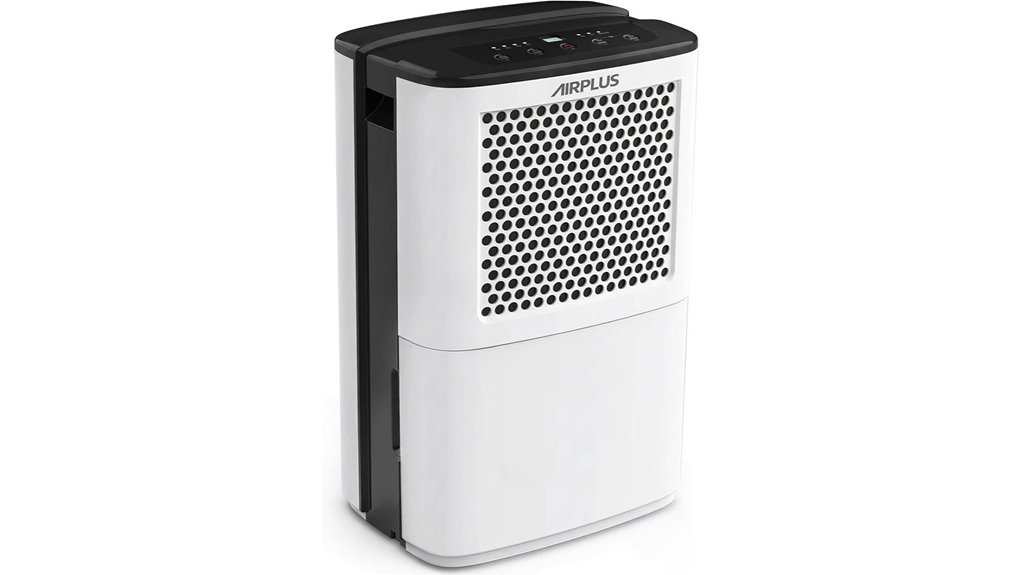
Best Positioning: Best simple basement pick.
With 4,500 square feet of coverage, this AIRPLUS model handles big, damp spaces with ease. You get 70 pints of moisture removal per day, so it works well in basements, bedrooms, bathrooms, and other large rooms. The continuous drain option lets you connect a hose and skip manual emptying, while auto shutoff protects against overflow. You can adjust airflow, humidity, and wind speed to suit your needs. Use dehumidify, drying, or fan mode for added flexibility. Five-button controls keep operation simple, and the 2-year warranty gives you extra peace of mind.
Why You’ll Like It: This model keeps the buying decision simple. It gives you the core features most basement buyers want: strong capacity, continuous drainage, auto shutoff, adjustable settings, and simple controls.
Best For: Homeowners, renters, or anyone needing a powerful dehumidifier for large, damp spaces like basements, bedrooms, and bathrooms.
Who Should Buy This: Choose this model if you want a straightforward large-room dehumidifier without paying extra for smart controls or commercial-style construction.
Who Should Avoid This: Skip it if you need app control, advanced scheduling, or a pump that can push water upward.
Pros:
- Covers up to 4,500 sq. ft., making it suitable for large rooms and basements.
- 70-pint daily moisture removal with continuous drainage and auto shutoff for convenience and safety.
- Simple five-button controls with multiple modes, plus a 2-year warranty for added peace of mind.
Cons:
- Best performance is under specific high-humidity conditions, so real-world output may vary.
- Larger capacity units can take up more space and may be heavier than compact models.
- No advanced smart features or app control mentioned.
Buyer Tip: If you plan to use this in a finished basement, check noise expectations, hose placement, and where the unit will sit so it does not block walkways.
Factors to Consider When Choosing a 70 Pint Dehumidifier in Canada
When you choose a 70 pint dehumidifier in Canada, start by matching the coverage area and pint capacity to your room size and moisture level. You’ll also want to check drainage options, energy efficiency, and noise levels so the unit fits your daily routine. The right balance of power, convenience, and quiet operation can make a big difference in comfort.
Coverage Area
Coverage area is one of the most important factors to check before buying a 70-pint dehumidifier in Canada, since most models are designed to handle anywhere from about 1,000 to 5,000 square feet depending on the conditions. You should match the unit to the room size so it can remove moisture efficiently. In a basement, attic, or crawl space, humidity can build quickly, so a model that fits the full space matters. Larger open areas need a dehumidifier that can cover the square footage without losing performance. If the air is very damp or ventilation is poor, the effective range can drop, and you may need a stronger unit. Always compare the manufacturer’s specs with your space to keep humidity under control.
Pint Capacity
A 70-pint dehumidifier can remove up to 70 pints of moisture per day, so it’s a strong choice for medium to large spaces that stay damp, like basements, crawl spaces, and big rooms. You’ll want this capacity when humidity stays high, especially during wet seasons or after flooding. It gives you enough drying power to keep moisture under control without struggling in demanding conditions. Keep in mind that performance can drop in drier environments, so you should match the unit’s capacity to your space’s size and humidity level. If you choose a model with true 70-pint output, you’ll get more reliable moisture removal and better results when your home needs serious humidity control.
Drainage Options
Drainage options matter just as much as moisture-removal power, because they determine how often you’ll need to empty the unit. Choose a 70 pint dehumidifier with continuous drainage if you want automatic water removal through a hose. That setup saves you from constant bucket checks. If you’re placing the unit in a basement, a built-in pump can push water upward to a sink or drain, where gravity alone won’t work. Also, check the drain hose length; a 16-foot hose or longer gives you more placement freedom. Make sure the fittings match your plumbing or drain system, since some models need specific connections. If possible, pick a unit that offers both gravity drainage and pumping, so you can adapt it to changing room layouts and moisture conditions.
Energy Efficiency
When you’re comparing 70 pint dehumidifiers in Canada, energy efficiency should be high on your list because it directly affects your power bill and long-term operating costs. Look for Energy Star certification, since it shows the unit meets strict efficiency standards and uses less electricity. Check the wattage rating too; lower wattage usually means lower running costs, especially if you’ll keep it on for long periods. Make sure the 70-pint capacity stays effective at different humidity levels without wasting power. You should also consider the refrigerant, and eco-friendlier choices like R32 can improve efficiency while reducing environmental impact. Finally, choose features like programmable timers and automatic shutoff so you can limit runtime and avoid unnecessary energy use.
Noise Levels
Noise matters when you’re choosing a 70 pint dehumidifier in Canada, especially if it’ll run in bedrooms, basements, or other shared spaces. You should check the decibel rating before you buy, since many models sit around 40 to 50 dB, which is close to a quiet conversation or library background noise. For residential use, aim for a unit below 50 dB if you want less disruption. Look for noise-reduction features like insulated housing and quiet fans, because they can noticeably soften operating sounds. Placement helps too: set the dehumidifier farther from where you spend time to reduce how loud it seems. Keep it clean by washing the filter and maintaining airflow, since clogged parts can make it louder over time.
Temperature Range
Temperature range matters because a 70 pint dehumidifier only works well within certain conditions, and performance can drop in colder rooms or basements. You should check the unit’s rated operating range before you buy, since some models handle heat up to 104°F, while others top out near 95°F. For most homes, the sweet spot is about 60°F to 80°F, where the dehumidifier removes moisture efficiently without wasting energy. If you plan to use it in a cooler basement, crawl space, or garage, pick one with low-temperature operation and auto-defrost. That feature helps stop ice from forming on the coils, so the machine keeps running smoothly when temperatures fall. Matching the temperature range to your space will improve results and reduce problems.
Build Quality
Build quality matters because a 70 pint dehumidifier has to stand up to constant moisture, heavy use, and sometimes rough conditions in basements, crawl spaces, or commercial spaces. You should choose models with corrosion-resistant parts, like aluminum coils or all-metal housing, so they hold up in damp Canadian environments. If you need the unit for commercial or industrial use, look for rugged construction that can handle frequent operation and tougher conditions. Check the weight and dimensions too, since a compact design makes moving and installing it easier in tight spaces. A strong warranty, ideally one to five years, gives you added protection. Washable filters and other easy-maintenance features also help you keep performance steady and extend the dehumidifier’s life.
Portability and Placement
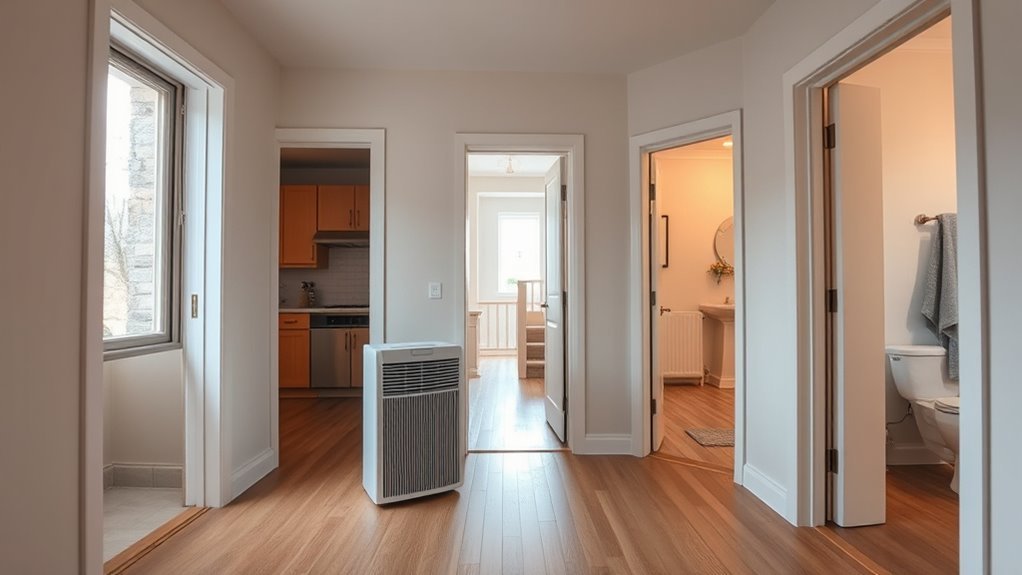
Portability can be easy to overlook, but it affects how often you will actually use the dehumidifier. If you plan to move the unit between a basement, bathroom, laundry room, and bedroom, check the weight, handle design, caster wheels, and cord length. A lighter unit is easier to move, while a heavier commercial-style model may be better left in one fixed damp area. Also think about airflow clearance. Most dehumidifiers need space around the intake and exhaust so they can work efficiently. Do not push the unit tightly against a wall, furniture, storage boxes, or laundry baskets.
Canadian Basement Use
Canadian basements can be cool, damp, and poorly ventilated, especially during wet seasons. For that reason, choose a dehumidifier with auto-defrost, continuous drainage, and adjustable humidity control if the basement is your main target area. If the basement is unfinished, check that the floor is level and that the hose can drain safely. If the basement is finished, noise level and appearance may matter more. In either case, use a separate hygrometer if you want a clearer reading of the actual room humidity.
Pro Tips for Better Results
- Close windows and doors while the unit is running so it is not trying to dry outdoor air.
- Use continuous drainage in basements if you want less daily maintenance.
- Clean the filter often because dust buildup can reduce airflow and raise noise.
- Place the unit near the dampest zone, but keep enough open space around it for airflow.
- Check the humidity with a hygrometer instead of guessing from room feel alone.
Safety and Use Note
Always place a dehumidifier on a stable, level surface and keep the power cord away from standing water. Do not use an extension cord unless the manufacturer allows it. If your basement has active flooding, electrical issues, or mold growth, solve the source problem first instead of relying only on a dehumidifier.
Frequently Asked Questions
How Noisy Are 70-Pint Dehumidifiers During Overnight Operation?
They’re usually moderate, around 45–55 dB, so you’ll hear a steady hum overnight. You can lower noise by using lower fan settings, placing it on a hard floor, and keeping it away from bedrooms. If you are sensitive to sound, check the listing for a decibel rating before buying.
Do 70-Pint Dehumidifiers Work Well in Unheated Canadian Basements?
Yes, you’ll usually get good results in an unheated Canadian basement, but you’ll need a low-temperature model with auto-defrost. Without that, you’ll see reduced moisture removal, frost buildup, and poorer performance in cold conditions. Very cold spaces may need ventilation improvements or a different moisture-control plan.
How Often Should Filters Be Cleaned or Replaced?
You should clean your filter every 2–4 weeks, especially in dusty areas. If it’s washable, rinse and dry it fully before reinstalling. Replace disposable filters when they look worn or when the manufacturer recommends replacement.
Can These Dehumidifiers Run Continuously During Winter?
Yes, you can run them continuously, but you should monitor them. In winter, colder air can reduce efficiency, so you’ll want to adjust settings, check frost buildup, and let the unit rest if needed. A model with auto-defrost is a safer choice for cool basements.
What’s the Average Electricity Cost for Daily Use?
You’ll usually pay about $0.20 to $0.80 per day, depending on wattage, runtime, and local electricity rates. If you run it nonstop, costs rise. A hygrometer, timer, and built-in humidistat can help you avoid running the unit longer than necessary.
Is a Pump Better Than Gravity Drainage?
A pump is better when the water must travel upward to reach a sink or drain. Gravity drainage is simpler when the hose can slope downward the whole way. If your basement floor drain is nearby, gravity drainage may be enough. If your only drain is higher than the unit, a pump model is more convenient.
What Humidity Level Should I Set?
Many homeowners aim for a comfortable indoor range around the mid-40s to low-50s percent relative humidity. If you set the target too low, the unit may run longer and use more electricity. If you set it too high, the room may still feel damp. Adjust based on comfort, odor, condensation, and the dampness of the space.
Final Recommendation
If you’re choosing a 70-pint dehumidifier in Canada, focus on drainage, coverage, and how much noise you can live with. Pick the AprilAire E070 Pro if you want a compact crawl-space unit, the Moiswell SP60 if you need pump drainage, the Yaufey if you need stronger large-space performance, or one of the AIRPLUS models if you want a simpler home and basement option. The right unit can make your basement feel more comfortable and help protect your home from moisture damage. Match the product to your drain setup and room size, and you’ll have a much easier time keeping humidity under control.
Conclusion
A good 70-pint dehumidifier can make a noticeable difference in a damp Canadian home, especially in basements, crawl spaces, bathrooms, laundry rooms, and storage areas. Do not choose by pint rating alone. Look at the drainage method, room size, temperature range, noise level, warranty, and how much maintenance you are willing to do. If you want the lowest-effort setup, prioritize continuous drainage. If your drain is above the unit, choose a pump model. If you need tougher construction, look at commercial-style designs. Pick the one that fits your space, and you’ll breathe easier all season long.