You want cookware that responds quickly to heat, handles serious searing, and can improve as its seasoned surface develops. Carbon steel delivers many of those benefits without relying on a conventional nonstick coating, but the right choice depends on weight, handle design, rust resistance, oven use, and how much maintenance you are comfortable with.
This guide compares three carbon steel frying pans that fit that buyer intent: the Mauviel M’Steel, Matfer Bourgeat Black Carbon Steel Frying Pan, and KitchenAid NITRO. Each takes a slightly different approach to searing, seasoning, handling, and everyday care.
Affiliate Disclosure: This article contains Amazon affiliate links. We may earn a commission from qualifying purchases at no extra cost to you.
Quick Verdict
Mauviel M’Steel: A strong fit if you prioritize responsive heating, high-temperature searing, induction compatibility, and stovetop-to-oven cooking.
Matfer Carbon: Best suited to cooks who value a professional-style, rivet-free interior and an uncoated pan designed to build a natural seasoned surface.
KitchenAid NITRO: The easier choice if you want carbon-steel performance with improved rust resistance, a lighter feel than many cast-iron pans, and verified oven, broiler, and grill use up to 750°F.
Top Picks
|
Best For |
Product |
Main Advantage |
|---|---|---|
|
High-Heat Searing & Oven Use |
Responsive carbon steel with a riveted iron handle and oven use up to 680°F. |
|
|
Professional-Style Cooking |
Rivet-free welded handle and smooth interior with strong heat retention. |
|
|
Lower-Maintenance Everyday Use |
Nitride-treated surface improves rust resistance while preserving carbon-steel versatility. |
Selection Criteria
We prioritized construction, heat response, seasoning potential, cooktop compatibility, handle design, oven versatility, maintenance requirements, and everyday usability. A good carbon steel frying pan should heat responsively, tolerate repeated cooking and seasoning, and match the way you actually cook.
We also looked closely at buyer tradeoffs. Traditional uncoated carbon steel generally rewards more hands-on seasoning and drying, while a nitrided surface can provide additional resistance to corrosion. Weight, size, handle shape, and oven requirements matter just as much as raw heat performance.
Before You Buy a Carbon Steel Pan
- Choose the right diameter: Smaller pans suit eggs and single portions, while 10- to 12-inch pans are more practical for many everyday meals.
- Check the handle: Long steel or iron handles can become hot, especially in the oven.
- Expect seasoning: Carbon steel develops better food release as a thin polymerized-oil layer builds through proper seasoning and cooking.
- Plan for hand washing: The pans in this guide are intended for hand washing rather than the dishwasher.
- Watch acidic ingredients: Long exposure to tomato, vinegar, wine, or citrus can weaken a developing seasoned layer on traditional carbon steel.
- Confirm oven needs: Maximum oven guidance differs by manufacturer, so use the limit published for your exact pan.
Mauviel M’Steel
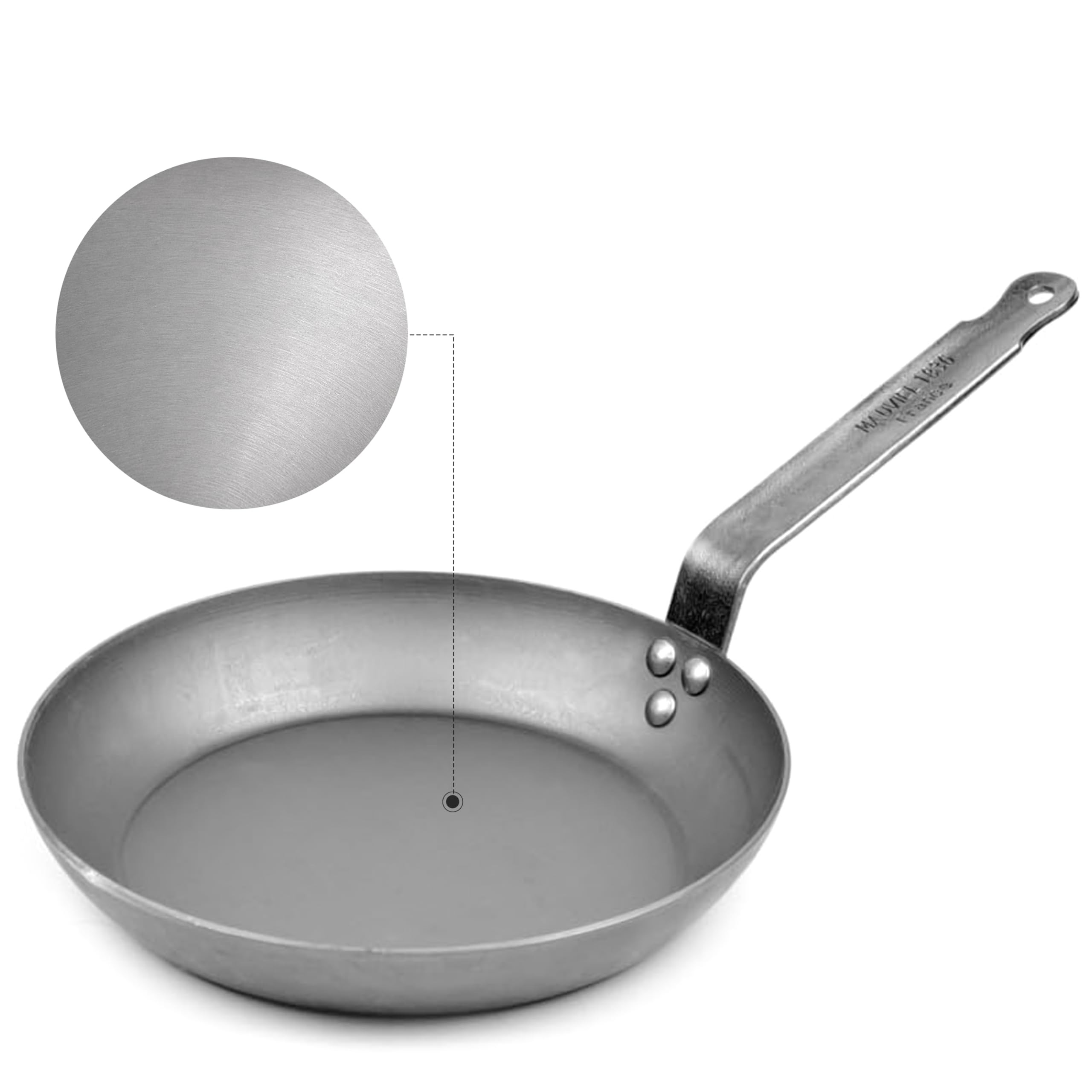
The Mauviel M’Steel is a traditional carbon steel frying pan designed for cooks who want responsive heat and a surface that develops natural nonstick-like performance through seasoning. Mauviel uses a protective beeswax coating for shipping, so the pan requires preparation before its first serious cooking session.
It works on gas, electric, induction, and halogen cooktops and can move into the oven. Mauviel currently rates M’Steel oven use up to 680°F. That combination makes it especially useful for searing proteins on the stovetop and finishing them in the oven.
Why You’ll Like It: Responsive heating, strong searing capability, broad cooktop compatibility, and a traditional surface that improves as the seasoning builds.
Who Should Buy This: Cooks willing to season and hand-wash their pan in exchange for a durable high-heat cooking surface.
Who Should Avoid This: Anyone who wants dishwasher cleaning, zero seasoning work, or a pan that behaves like coated nonstick immediately out of the box.
What People Say
Buyer feedback around carbon steel pans such as M’Steel commonly focuses on the strong sear and responsive heat once the user learns seasoning and temperature control. Initial preparation and the changing appearance of the patina can take some adjustment for cooks coming from coated nonstick cookware.
Customer feedback and review totals can change, so check the latest Amazon reviews for current information.

Long-Term Cost Benefits
Carbon steel does not depend on a disposable factory nonstick coating. If the seasoned surface becomes patchy, you can clean and re-season it rather than automatically replacing the pan. Longevity still depends on drying, storage, and rust prevention.
Return On Investment
The value is strongest for someone who cooks frequently and wants one pan for searing, sautéing, frying, and oven finishing. There is no fixed payback period; the benefit comes from versatility and the ability to maintain and renew the cooking surface over time.
Situational Benefits
|
Situation |
How It Helps |
|---|---|
|
Searing Steaks |
Carbon steel handles the temperatures needed for aggressive browning while responding faster to burner adjustments than very heavy cookware. |
|
Eggs After Seasoning |
As seasoning develops and your heat control improves, the surface can provide increasingly easy food release. |
|
Oven Finishing |
The metal construction allows stovetop-to-oven cooking, with Mauviel specifying oven use up to 680°F. |
|
Everyday Sautéing |
Responsive heating and sloped sides suit browning vegetables, sautéing proteins, and tossing ingredients. |
Versatility
M’Steel works across gas, electric, induction, and halogen cooktops and can be used in the oven. Its shape makes it useful for searing, frying, sautéing, browning, and oven finishing.
Aesthetic Appeal
The raw carbon-steel surface changes color as seasoning develops. Brown, bronze, blue-black, and darker areas are normal parts of building a working patina rather than signs that the pan must remain cosmetically uniform.
Durability
Carbon steel is mechanically simple and can be re-seasoned repeatedly. The main durability concerns are rust from moisture, overheating an empty pan for prolonged periods, and damaging the seasoned surface through overly aggressive cleaning.
Practicality
Before first use, follow Mauviel’s instructions for removing the protective beeswax and applying the first seasoning layers. After cooking, hand wash according to the maker’s guidance, dry promptly, and keep the pan lightly protected from moisture during storage.
Problem Solving
This pan is useful when you want stronger browning and higher-temperature versatility than many coated nonstick pans provide, but you still want a skillet that responds relatively quickly when the burner setting changes.
Key Benefits
- Responsive carbon-steel construction for searing and browning
- Compatible with gas, electric, induction, and halogen cooktops
- Develops a renewable seasoned cooking surface
- Riveted iron handle
- Oven use up to 680°F according to Mauviel
Matfer Carbon

The Matfer Bourgeat Black Carbon Steel Frying Pan is built around a traditional uncoated carbon-steel cooking surface and a welded handle that leaves the pan interior free of rivet heads. That smooth construction is particularly useful when you are scraping, tossing food, or cleaning around the sides of the skillet.
Matfer lists the pan as oven-safe, suitable for high-heat cooking, and compatible with all hob types including induction. Its surface develops a more slippery seasoned finish over time rather than relying on a synthetic nonstick coating.
Why You’ll Like It: Rivet-free interior, substantial construction, strong heat retention, and straightforward traditional carbon-steel performance.
Who Should Buy This: Frequent cooks who prioritize searing, durability, a smooth interior, and professional-style construction.
Who Should Avoid This: Buyers who want the lightest possible skillet or do not want to season, dry, and maintain bare carbon steel.
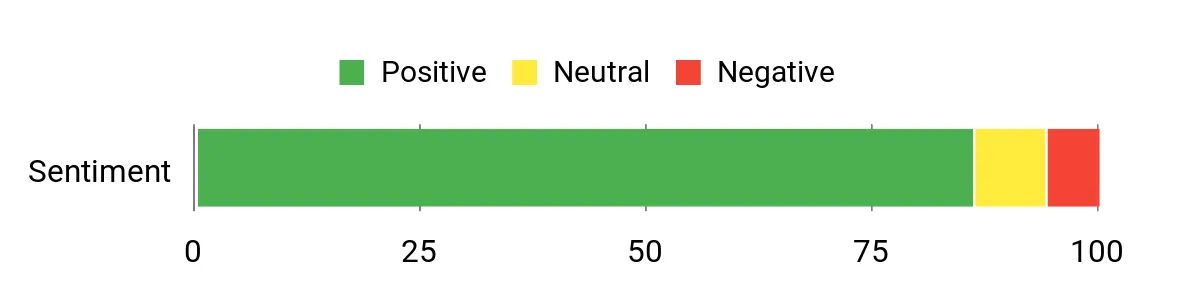
What People Say
Users of this style of Matfer pan often focus on its smooth rivet-free interior, sturdy feel, high-heat performance, and the improvement in food release as seasoning develops. Its substantial build can also feel heavier than lighter carbon-steel alternatives, especially in larger sizes.
Check current Amazon feedback before relying on changing customer-review trends.
Long-Term Savings
Because the cooking surface can be re-seasoned, normal wear does not automatically mean the pan needs to be discarded. Proper drying and periodic seasoning can keep the pan useful for long-term cooking.
Return On Investment
Matfer makes the most sense if you regularly sear, sauté, fry, or finish food in the oven and are willing to maintain carbon steel. Occasional cooks who strongly prefer dishwasher-safe cookware may get less practical value from it.
Situations
|
Situation |
How It Helps |
|---|---|
|
High-Heat Searing |
Its carbon-steel construction is designed for high-heat cooking and provides the thermal stability needed for strong browning. |
|
Frequent Stovetop Cooking |
The smooth rivet-free interior leaves fewer obstructions when moving food or cleaning the cooking surface. |
|
Oven Finishing |
Matfer identifies the pan as oven-safe. Follow the manufacturer guidance supplied with your exact size rather than assuming an unsupported maximum temperature. |
|
Induction Cooking |
The pan is compatible with induction as well as other common hob types. |
Versatility
You can use the pan for searing, sautéing, frying, browning, and oven finishing. Matfer lists compatibility with all hob types, including induction.
Aesthetic
Like other traditional carbon-steel cookware, the surface changes color as it seasons. The gradually darkening patina is part of normal use rather than a finish that is expected to remain factory-bright.
Durability
The welded handle eliminates cooking-surface rivets, while the carbon-steel body can be repeatedly re-seasoned. Keeping it dry after washing is essential because traditional carbon steel can rust if moisture is left on the surface.
Practicality
This is a strong fit for buyers comfortable with traditional carbon-steel care. Follow Matfer’s seasoning and cleaning instructions for the exact pan rather than treating it like dishwasher-safe stainless or coated nonstick cookware.
Problem Solving
The pan addresses two common buyer concerns at once: it offers an uncoated high-heat cooking surface and removes interior rivet heads that can otherwise collect residue around the handle attachment area.
Key Benefits
- Traditional black carbon-steel cooking surface
- Welded handle with a rivet-free interior
- Suitable for high-heat cooking
- Compatible with induction and other common hob types
- Oven-safe according to Matfer
KitchenAid Nitro
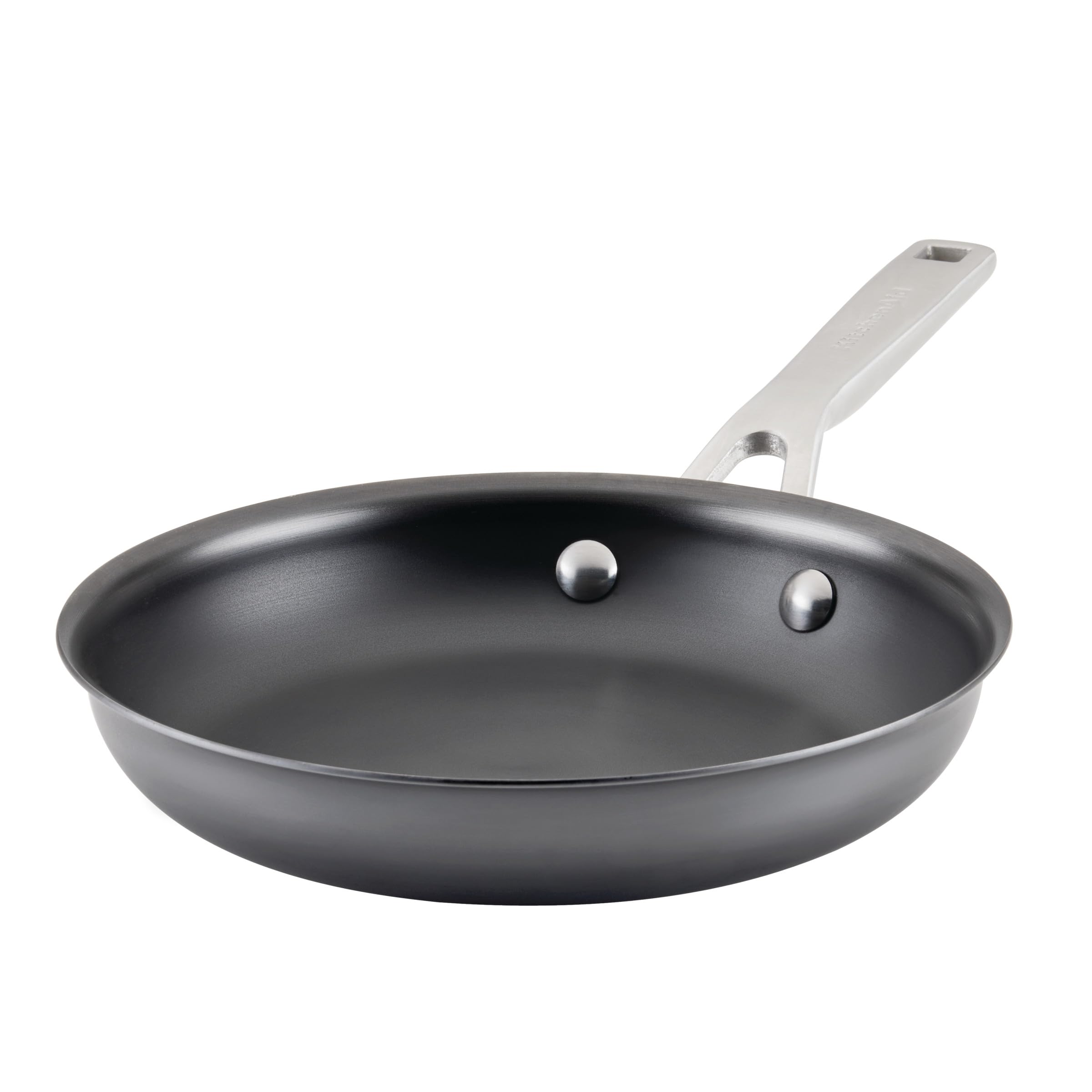
The KitchenAid NITRO takes a different approach from traditional untreated carbon steel. Its nitride-treated carbon-steel surface is designed to improve rust resistance while retaining the heat response and seasoning potential buyers expect from carbon steel.
KitchenAid lists the NITRO line as induction-ready and safe for oven, broiler, and grill use up to 750°F. The surface can still be seasoned over time, so this is better viewed as easier-care carbon steel rather than maintenance-free nonstick cookware.
Why You’ll Like It: Improved rust resistance, lighter handling than many cast-iron alternatives, induction compatibility, and a high verified oven-temperature rating.
Who Should Buy This: Home cooks who want carbon-steel searing and seasoning potential with less concern about surface corrosion.
Who Should Avoid This: Anyone expecting a maintenance-free factory nonstick surface or dishwasher-safe cookware.
What People Say
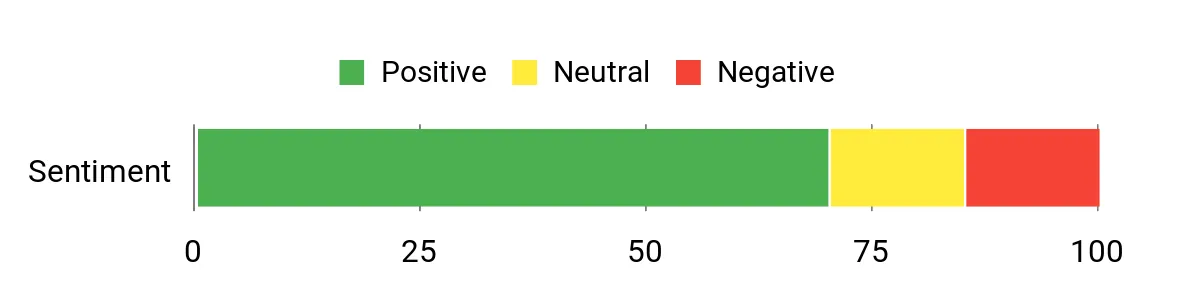
Buyer discussions commonly highlight the combination of carbon-steel browning with a surface designed to resist rust better than untreated steel. The pan still has a learning curve because seasoning, preheating, and hand washing influence food release and long-term performance.
Review trends can change, so check current Amazon feedback for the latest owner experience.
Long-Term Savings
The nitride-treated surface is intended to improve rust resistance, while the underlying carbon steel can develop seasoning over time. That combination may reduce some maintenance frustration, although the pan still requires hand washing and sensible drying.
Return On Investment
The strongest value case is convenience: you get induction compatibility, high oven versatility, and a carbon-steel surface in one pan. Whether that justifies the purchase depends on how often you use those capabilities.
Situations
|
Situation |
How It Helps |
|---|---|
|
Weeknight Meals |
Responsive heating and easier handling suit frequent sautéing, browning, and one-pan meals. |
|
Searing Proteins |
Carbon steel handles the temperatures used for browning steaks, chops, chicken, and similar proteins. |
|
Induction Cooking |
KitchenAid identifies the NITRO line as induction-ready. |
|
Oven, Broiler, or Grill Finishing |
The line is rated for oven, broiler, and grill use up to 750°F. |
Versatility
This skillet can move among common stovetops, including induction, and is designed for oven, broiler, and grill use. That makes it particularly flexible for recipes that begin with stovetop browning and finish with another heat source.
Aesthetic
The dark surface suits a modern kitchen, but buyers should still expect a working carbon-steel pan to develop additional color and patina as seasoning builds.
Durability
KitchenAid describes the nitrided surface as harder than traditional carbon steel and designed for improved rust resistance. Those features help with durability, but proper cleaning and drying remain important.
Practicality
The NITRO line is hand-wash cookware. Build seasoning gradually, cook with oil or fat while the surface is young, and avoid leaving strongly acidic ingredients in contact with the pan for long periods because they can weaken seasoning.
Problem Solving
This model is particularly attractive to buyers who like the performance concept of carbon steel but are concerned about rust. The nitride treatment addresses that concern without turning the pan into conventional coated nonstick cookware.
Key Benefits
- Nitride-treated carbon steel for improved rust resistance
- Can develop nonstick-like performance through seasoning
- Induction-ready
- Oven, broiler, and grill safe up to 750°F
- Lighter handling than many cast-iron alternatives
FAQ
How Do I Season And Care For A Carbon Steel Pan?
Start with the instructions supplied by the manufacturer because first-use preparation differs among brands. Traditional pans may arrive with wax or another protective layer that must be removed before seasoning.
Seasoning generally involves applying a very thin layer of suitable cooking oil and heating it until it polymerizes onto the steel. For routine care, hand wash the pan according to the maker’s guidance, avoid soaking it, dry it promptly, and protect exposed carbon steel from moisture. If food begins sticking or bare steel appears, refresh the seasoning.
Which Carbon Steel Pan Should I Choose For My Cooking?
Choose based on cooking style rather than one specification alone. Mauviel M’Steel makes sense when responsive heating and high-temperature oven versatility are priorities. Matfer suits buyers who want traditional carbon steel with a welded, rivet-free interior. KitchenAid NITRO is appealing when improved rust resistance and easier everyday handling matter more.
Also consider diameter and weight. A smaller skillet is easier to maneuver and suits eggs or one-person meals, while a 10- to 12-inch pan generally provides more room for family portions and searing multiple pieces of food.
Can I Use Metal Utensils With Carbon Steel?
Carbon steel itself is durable, but utensil guidance can vary by manufacturer and surface treatment. Some makers permit metal utensils while others advise avoiding aggressive scraping that can damage developing seasoning. Follow the instructions for your exact pan.
Does Carbon Steel Work On Induction?
The three pans in this guide are designed for induction use. Always make sure the pan base fits the induction element appropriately, especially with larger skillets.
Can Carbon Steel Go In The Dishwasher?
The pans covered here should be hand washed. Dishwasher detergents, prolonged moisture, and the dishwasher environment can damage seasoning and increase the risk of corrosion on exposed carbon steel.
Can I Cook Tomatoes Or Other Acidic Foods In Carbon Steel?
Short exposure may be manageable on a mature surface, but extended cooking with tomatoes, vinegar, wine, citrus, and other acidic ingredients can weaken seasoning. Stainless steel or enameled cookware is usually easier for long acidic simmers.
Is Carbon Steel Naturally Nonstick?
Not in the same way as a factory-coated nonstick pan. Carbon steel develops a seasoned layer through polymerized cooking oil. Food release generally improves as that layer matures and as you learn the right combination of preheating, fat, and temperature control.
Customer Preferences
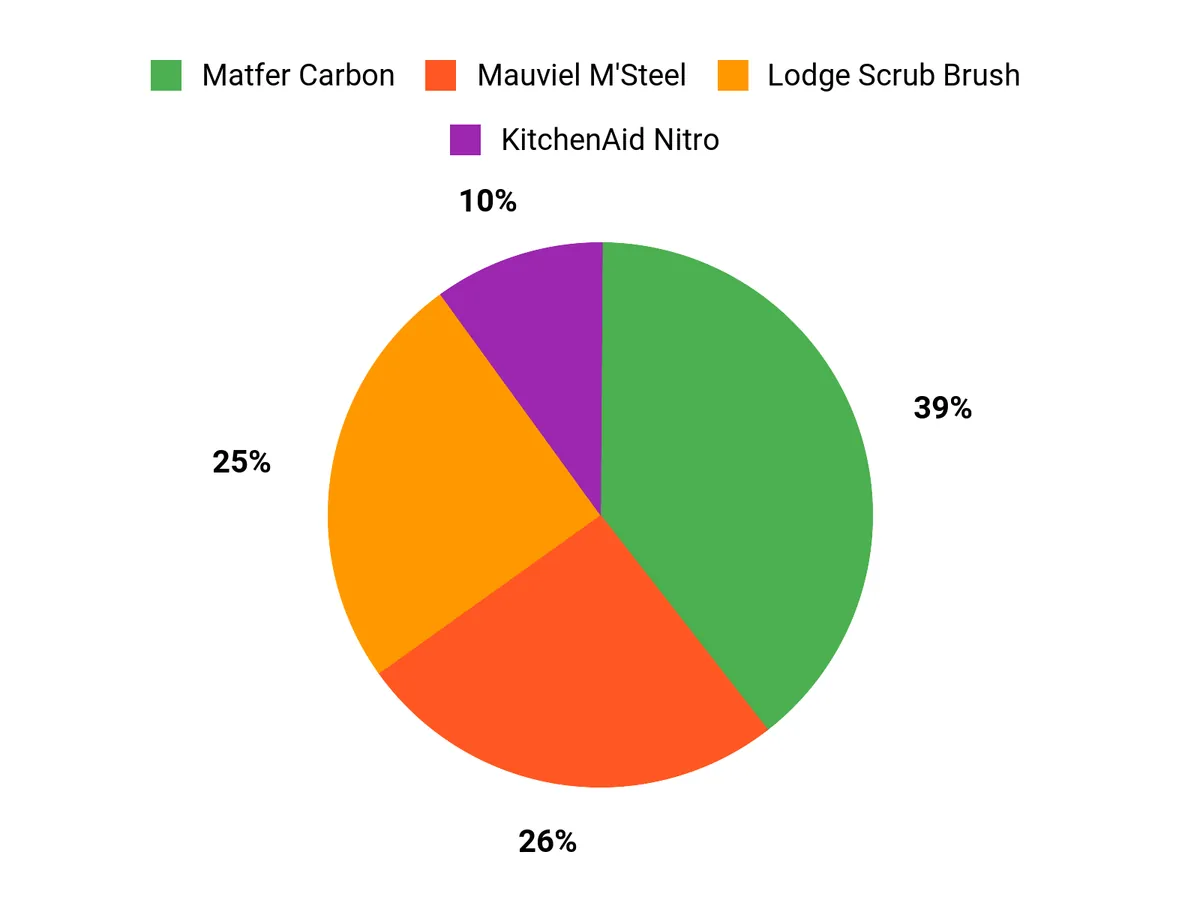
Your best fit depends mainly on maintenance tolerance and cooking style. Mauviel M’Steel appeals to cooks who want a responsive traditional carbon-steel pan with verified oven use up to 680°F. Matfer stands out for its welded, rivet-free interior and professional-style construction. KitchenAid NITRO provides a different balance by adding a nitride-treated surface for improved rust resistance and verified oven, broiler, and grill use up to 750°F.
Wrapping Up
Choose the Mauviel M’Steel if your priority is responsive traditional carbon steel with broad cooktop compatibility and verified oven use up to 680°F. Choose the Matfer Bourgeat if you value a substantial professional-style skillet with a welded, rivet-free interior.
The KitchenAid NITRO is the more distinctive option if rust resistance is a major concern. Its nitride-treated carbon steel remains seasonable while offering induction compatibility and oven, broiler, and grill use up to 750°F.
Whichever pan you choose, the biggest performance gains come from learning carbon-steel heat control, building seasoning gradually, hand washing, and keeping the surface dry between uses.
| Mauviel M’Steel Black Carbon Natural Nonstick Frying Pan | Matfer Bourgeat Black Carbon Steel Frying Pan | KitchenAid NITRO Carbon Steel Frying Pan/Skillet | |
|---|---|---|---|
|
|
|
|
|
| Best For | Searing & oven versatility | Professional-style rivet-free construction | Rust-resistant everyday versatility |
| Material | Carbon steel | Black carbon steel | Nitride-treated carbon steel |
| Handle Design | Riveted iron handle | Welded, rivet-free handle design | Stainless steel handle |
| Induction Compatible | Yes | Yes | Yes |
| Oven Guidance | Up to 680°F | Oven-safe; follow manufacturer guidance for the exact pan | Up to 750°F; also broiler and grill safe |
| Maintenance | Season and hand wash | Season and hand wash | Season and hand wash; nitride treatment improves rust resistance |
| Check Price on Amazon | Check Price on Amazon | Check Price on Amazon |
This roundup is reader-supported. When you click through qualifying affiliate links, we may earn a referral commission at no extra cost to you.