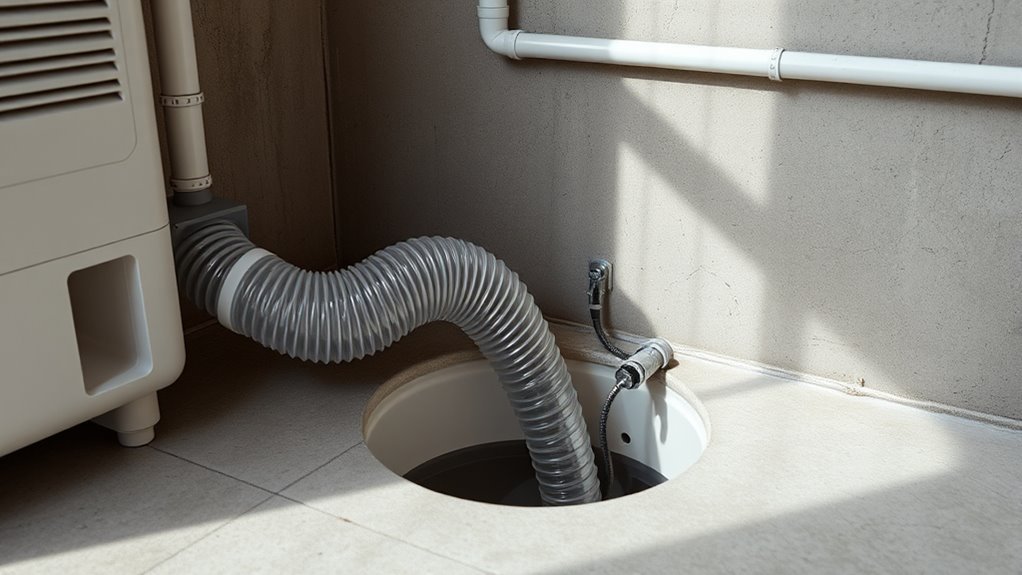
Can you drain a dehumidifier into a sump pump? Yes, usually, but the hose should empty into the sump pit (the basin), not connect to the pump or its pressurized discharge pipe. ENERGY STAR says a hose can be directed into a floor drain or sump on units that have a hose fitting. The hose must slope downhill and end above the highest water level in the pit.
Quick Answer
- Open sump pit: fine when the unit supports hose draining, the hose runs downhill, and the outlet stays above the water line.
- Never tap the hose into the sump pump’s discharge pipe.
- Sealed (radon) sump cover: do not open or drill it. Ask a radon professional about an airtight inlet, or choose another drain.
- Drain is higher than the unit: use a built-in or external condensate pump.
- Unreliable sump: use a floor drain, utility sink, or approved standpipe instead.
Can You Drain a Dehumidifier Into a Sump Pump?
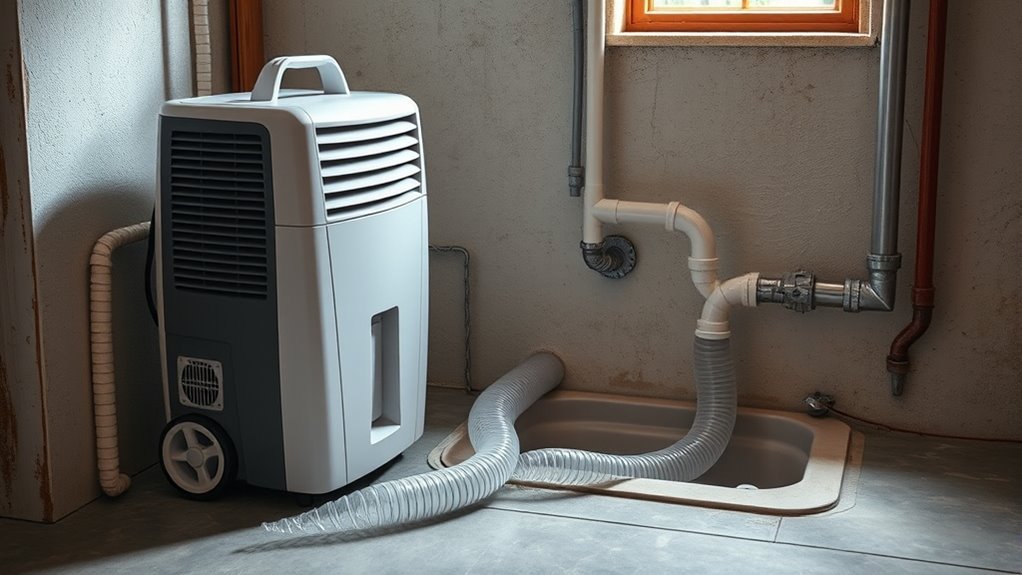
Yes, with the right destination. The target is the sump pit, not the pump. The safest basic arrangement is a gravity discharge: the dehumidifier sits above the pit, the hose slopes down, and its open end stays securely above the highest expected water level. Follow your appliance manual, since connector sizes and drain modes differ.
ENERGY STAR also advises keeping drain hoses away from electrical cords and connections, and never setting up drainage near electrical circuits or devices.
Warning: Never drill or tap the dehumidifier hose into the pump’s discharge pipe. That pipe carries pumped water under pressure, and an improvised joint can leak, obstruct the pump, or push water toward the dehumidifier.
Why Sump Drainage Can Back Up
A properly routed gravity hose does not share the pressure in the sump discharge pipe. Problems start when the hose has a low spot, clogs, ends below the water surface, or the pit is already full.
Backflow Into the Dehumidifier
If the hose outlet is submerged as the pit fills, flow can stop, water can siphon, or stagnant water can sit in the hose. Keep the hose end:
- Above the pit’s highest expected water level, with a visible air space
- Visible and easy to inspect
- Secured so vibration cannot pull it into the water
- Free of sludge, algae, kinks, and crushed sections
Sump Water Levels
Condensate is usually a small part of what enters the pit. Heavy rain, snowmelt, a power outage, or a failed pump can matter far more. Before relying on the pit, confirm that:
- The pump starts and stops normally.
- The float moves freely and does not touch the hose.
- The discharge pipe is not frozen, blocked, or disconnected.
- A high-water alarm or backup is in place where flooding would cause major damage.
If the pit fills quickly even in dry weather, the cause may be groundwater, foundation drainage, or a failing pump. Have a drainage or sump professional inspect it.
Check Valves
A sump system commonly has a check valve in the pump’s discharge pipe so water does not fall back into the pit after the pump stops. That does not mean the small gravity hose from a portable dehumidifier needs one. A restrictive valve can interrupt low-pressure drainage, so add one only if the dehumidifier or condensate pump maker specifies it.
How to Route a Dehumidifier Drain Safely
Use gravity when the dehumidifier’s drain port is higher than the pit opening. GE advises keeping a gravity hose short with free flow to the drain, and says the unit’s bucket must stay in place for it to operate (GE draining options).
- Place the unit on a stable, level surface above the pit opening.
- Attach the hose the manual recommends.
- Run it in one continuous downhill path with no loops, upward bends, or sags.
- Support the hose and keep it away from the sump float, pump intake, and power cord.
- Secure the outlet above the highest expected water level.
- Keep plugs and power strips where water cannot reach them.
Do not raise a portable dehumidifier on loose blocks, boxes, or furniture. Make the connection removable for cleaning and pump service. Plumbing code on condensate disposal, air gaps, and traps varies by location, so confirm local requirements before making any permanent connection to plumbing.
Recommended Products

[Convenient] This drain hose automatically drains water from the dehumidifier to the drain for uninterrupted use.
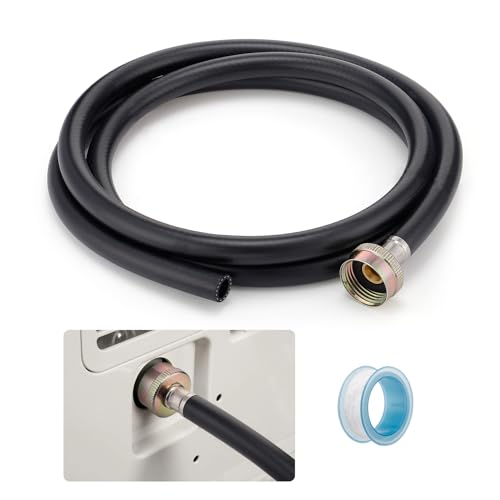
Leak-Proof Design: Our dehumidifier drain hose features sealing tape and rubber gaskets at the connector, ensuring a tight and secure connection with dehumidifier, effectively eliminating the risk of leakage. The galvanized iron connector is rust-resistant and durable, providing reliable protection for your drainage system.

Versatile Universal Hose: This 20-foot hose is designed for multiple applications, including dehumidifier drainage and a variety of gardening tasks. It can be easily cut to the desired length, offering customizable flexibility to fit your specific needs.
Before You Start: Check the Sump and Dehumidifier
- Read the manual: confirm the model supports hose or pumped drainage.
- Inspect the drain connector: check the gasket, cap, adapter, and threads.
- Test the sump pump: pour clean water into the pit until the float activates and confirm the level drops.
- Check the sump discharge: pumped water should exit to an approved spot and not return to the foundation.
- Look for a sealed lid: a gasketed cover, radon pipe, gauge, or fan alarm means a radon system.
- Check the height: the pit opening must be lower than the drain port.
Skip the sump as a destination if the pump is unreliable, the pit regularly reaches the hose outlet, the discharge freezes or clogs, or access would mean breaking a radon seal.
Step by Step: Drain a Dehumidifier Into an Open Sump Pit
- Turn off and unplug the dehumidifier. Move it only with the bucket empty.
- Position the unit with good airflow and enough height for gravity drainage.
- Install the drain adapter or hose per the manual, hand-tightening threaded fittings.
- Route the hose downhill by the shortest path.
- Protect the hose from sharp edges, foot traffic, the float, and the pump intake.
- Secure the outlet above the highest water level without sealing it to the pit.
- Restore power and select the drain setting the manual specifies.
- Watch a full test. Confirm water flows, the bucket does not keep filling, and a sump cycle does not move or submerge the hose.
For humidity, ENERGY STAR says the optimum for a building is generally 30 to 50 percent relative humidity. A separate hygrometer helps if your unit does not show humidity.
When a Condensate Pump Makes Sense
Use one when the unit sits too low for gravity or the water must travel uphill. Some dehumidifiers have a built-in pump, while others need a separate low-profile condensate pump.
| Situation | Better choice |
|---|---|
| Pit opening is lower than the dehumidifier | Gravity hose |
| Water must move uphill | Built-in or external condensate pump |
| Route has unavoidable high points | Condensate pump with approved tubing |
| Sump cover is radon-sealed | Approved sealed inlet or a different drain |
| Sump pump is unreliable | Floor drain, utility sink, standpipe, or a repaired sump |
Do not assume every pump has the same lift or tubing limits. Follow its instructions, and discharge to an approved receptor rather than the sump pump’s pressurized line unless a qualified installer designs an approved connection.
Recommended Products
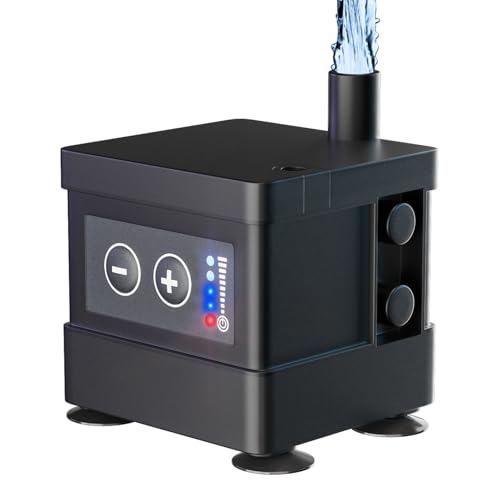
16 Ft Max.Drain Height – Max drainage height up to 16 ft, efficiently removing water from your dehumidifier, air conditioner, or HVAC system.It's very fit for basement usage.

Efficient 70 GPH Flow Rate: The condensate pump can handle up to 70 GPH, with a vertical lift of up to 16 feet. The condensate pump for hvac offers quick drainage and quiet operation, making it the ideal choice for removing condensate from AC units, furnaces, and dehumidifiers

AUTOMATIC CONDENSATE PUMP: features a vertical-type switch to reduce footprint and is designed to automatically remove condensate produced by boilers, furnaces, air conditioners and de-humidifiers
Do You Need a Trap or Check Valve?
Not automatically. It depends on the appliance, the destination, and local code.
| Setup | Typical protection |
|---|---|
| Portable unit draining by gravity into an open sump | Continuous downhill slope and outlet above the water; normally no added hose valve |
| Sump pump discharge pipe | Check valve installed per the pump manual |
| External condensate pump | Outlet valve and tubing the manufacturer specifies |
| Whole-home or ducted unit | Trap or vent arrangement required by its installation manual |
| Radon-sealed sump cover | Airtight inlet designed for the mitigation system |
A generic spring-loaded check valve can keep a low-head gravity drain from opening, and a homemade U-trap can collect debris or dry out. Install either only when a manual, approved design, or code calls for it.
Recommended Products

Slip‑x‑slip 1‑1/2″ PVC body check valve with unions for easy installation on sump pump or drainage systems
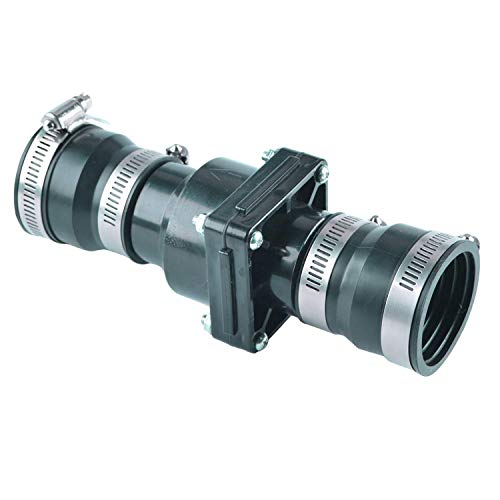
1-1/2" or 1-1/4" Slip-on check valve for most sump pumps
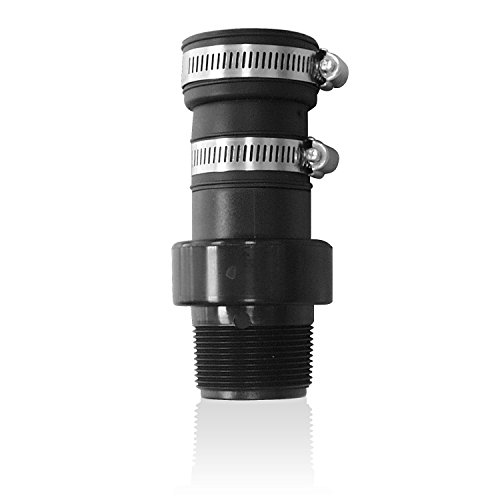
For Wayne Sump/Sewage Pumps
Radon and Sealed Sump Covers
An open sump can let soil gas enter a basement, so homes with radon mitigation often have a gasketed sump cover and sealed penetrations. An air gap that works in an open pit would defeat an airtight cover.
Do not:
- Lift a sealed lid and leave it partly open.
- Cut an oversized hole around the hose.
- Use loose foam or tape as the only permanent seal.
- Disturb a radon fan, alarm, suction pipe, or pressure gauge.
If your sump has a radon system, have a qualified radon professional install or approve any hose inlet, or pick another drain.
Keep the Water Away From the Foundation
Once condensate reaches the pit, the sump pump’s outdoor discharge decides where it ends up. Make sure it sends water away from the house.
- Keep the discharge extension connected and clear.
- Make sure the ground slopes away from the foundation.
- Do not let downspouts and sump discharge empty beside the same wall.
- Check for erosion, standing water, or discharge returning to the pit.
- Protect outdoor piping from freezing in cold weather.
ENERGY STAR also recommends extending downspouts, keeping gutters clear, and sloping soil away from the foundation to help reduce basement humidity. Do not run the small dehumidifier hose through a wall and let it drip beside the foundation.
Troubleshooting a Dehumidifier Sump Drain
If the pump and pit work normally but the bucket still fills, see why a dehumidifier is not draining through the hose.
| Symptom | Likely cause | What to do |
|---|---|---|
| Bucket keeps filling | Drain mode off, loose adapter, blocked hose, or hose rising above the outlet | Check the manual, reseat the connection, restore a downhill slope |
| Water stays in the hose | Low spot, kink, clog, or wrong hose size | Straighten, support, clean, or replace it |
| Water around the pit | Pump failure, high water, displaced hose, or blocked discharge | Turn off the dehumidifier, protect electrical areas, service the sump |
| Musty smell from the hose | Stagnant water, algae, or biofilm | Unplug the unit, clean the drain parts, remove low spots |
| Pit level keeps rising | Blocked, frozen, worn, or undersized pump system | Stop relying on the pit and have the pump and discharge inspected |
Common Mistakes
- Connecting to the sump discharge pipe.
- Letting the hose outlet sit underwater.
- Allowing the hose to sag and trap water.
- Adding an unapproved check valve or trap.
- Letting the hose interfere with the float.
- Damaging a radon seal.
- Skipping a full test before leaving the setup unattended.
- Ignoring a frozen or clogged outdoor discharge.
Safer Alternatives to Sump Drainage
- Floor drain: use the indirect connection or air space local code requires.
- Utility or laundry sink: secure the hose so it cannot fall out or be submerged.
- Standpipe: only where local code permits.
- Condensate pump: to move water uphill to an approved receptor.
- Bucket: keep the automatic shutoff and empty it regularly.
Dehumidifier water is not drinking water, so do not use it for drinking, cooking, pets, or aquariums. See draining a basement dehumidifier without a floor drain for more options.
Maintenance Checklist
Inspect monthly in humid weather and after storms or power outages.
- Clean the dehumidifier filter per its manual.
- Check the drain adapter and gasket for seepage.
- Flush the hose using a method the manufacturer approves.
- Remove kinks, low spots, and debris.
- Confirm the outlet stays above the pit’s water level and clear of the float.
- Test the sump pump by adding clean water to the pit.
- Check the high-water alarm and backup.
- Inspect the outdoor discharge for blockage, freezing, or erosion.
Frequently Asked Questions
Is it safe to drain a dehumidifier into a sump pit?
It is generally safe when the dehumidifier supports hose draining, the sump pump works reliably, and the hose slopes downhill into an open pit. Keep the outlet above the highest expected water level and separate from the sump discharge pipe.
Does a dehumidifier drain hose need a check valve?
Usually not for a portable gravity-drain setup. The sump pump discharge pipe normally has its own check valve. Add one to the dehumidifier or condensate-pump line only when its manufacturer specifies it.
Can I run the hose through a sealed radon sump cover?
Only through a purpose-built airtight inlet that suits the cover and mitigation system. Do not leave the lid open or drill an unsealed hole. A qualified radon professional should handle any change to an active mitigation system.
Can a dehumidifier drain hose go uphill?
Not by gravity. The whole route must stay below the drain port. If water must rise or cross a high point, use a built-in or external condensate pump within its lift and tubing limits.
What happens if the sump pump fails while the dehumidifier drains into it?
Stop using the sump as the drain until the pump and discharge work again. Rising pit water can submerge the hose outlet and cause a leak or overflow. Use another approved drain or the dehumidifier bucket in the meantime.
Related Guides
- How to connect a dehumidifier to a sump pump safely
- How to drain a basement dehumidifier without a floor drain
- How to drain a dehumidifier using a hose or gravity
- How to drain a dehumidifier to the outside
Sources