If you are deciding between an air purifier and a dehumidifier, start with the problem in the room. Dust, pollen, pet dander, smoke, and airborne mold spores point to an air purifier. Damp air, musty smells, condensation, or humidity above the ideal range point to a dehumidifier. Many homes need both because one filters particles while the other controls moisture.
Quick Answer
Choose an air purifier if your main problem is airborne particles like dust, pollen, pet dander, smoke, or mold spores. Choose a dehumidifier if the room feels damp, smells musty, has condensation, or stays above about 50–60% relative humidity. Use both when you have moisture and airborne irritants.
Key Takeaways
- An air purifier filters airborne particles; it does not dry the room.
- A dehumidifier removes excess moisture; it does not filter dust, pollen, smoke, or pet dander from the air.
- For mold, a dehumidifier helps control the moisture that allows mold to grow, while a HEPA air purifier can help capture airborne spores.
- Aim for indoor humidity around 30–50% when possible, and avoid letting it stay above 60%.
- For air purifiers, match the unit’s CADR and room-size rating to the room you will use it in.
At a Glance
| Time Required | 5–10 minutes to check humidity, room size, and the main air problem |
| Difficulty | Easy |
| Tools Needed | Hygrometer, tape measure or room dimensions, and the device label or product specifications |
| Cost | A hygrometer is usually inexpensive; device costs vary by room size, capacity, filter type, and features |
Air Purifier vs Dehumidifier: Which Is Better?
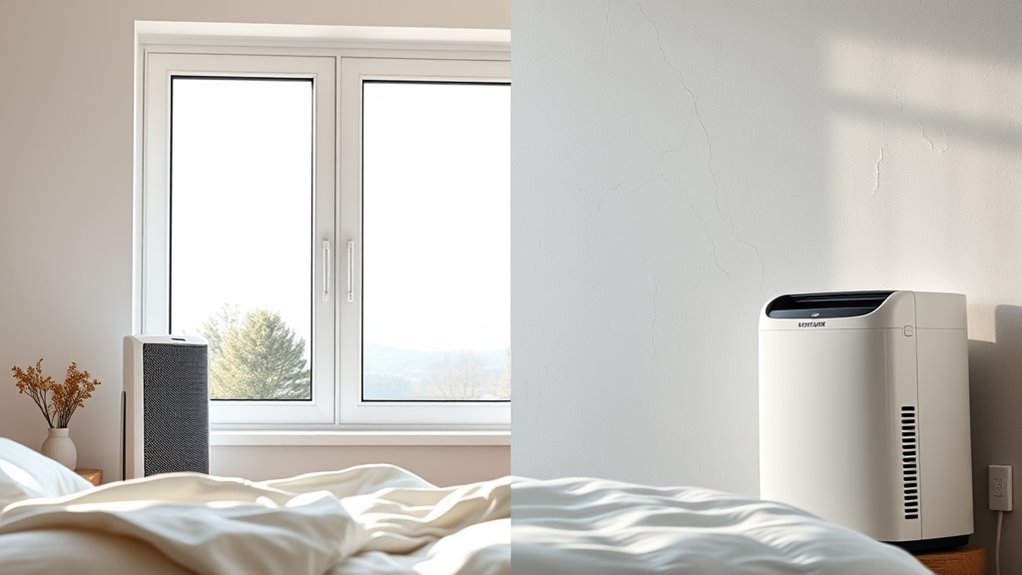
Neither device is automatically better. An air purifier is better for airborne particles. A dehumidifier is better for dampness. The right choice depends on whether your main problem is dirty air, wet air, or both.
| Question | Air purifier | Dehumidifier |
|---|---|---|
| What it removes | Airborne particles; some models also reduce some gases and odors | Water vapor from the air |
| Best for | Dust, pollen, pet dander, smoke, fine particles, airborne mold spores | High humidity, musty rooms, condensation, damp basements, mildew risk |
| What it does not do | It does not lower humidity or fix leaks | It does not filter smoke, pollen, dust, or pet dander |
| Best first step | Check room size and CADR | Check humidity with a hygrometer |
The simplest rule: filter particles with an air purifier, control moisture with a dehumidifier, and use both when the room has both problems.
Recommended Products

𝐖𝐇𝐘 𝐂𝐇𝐎𝐎𝐒𝐄 𝐀𝐇𝐀𝐌 𝐕𝐄𝐑𝐈𝐅𝐈𝐃𝐄 𝐏𝐑𝐎𝐃𝐔𝐂𝐓𝐒: AHAM (Association of Home Appliance Manufacturers) is an ANSI-accredited organization that sets strict standards for appliance performance. Air purifiers with the AHAM VERIFIDE seal have been independently tested for air cleaning performance, safety, and energy efficiency. When you choose an AHAM certified air purifier, you're choosing a product trusted for reliable and effective indoor air quality improvement.
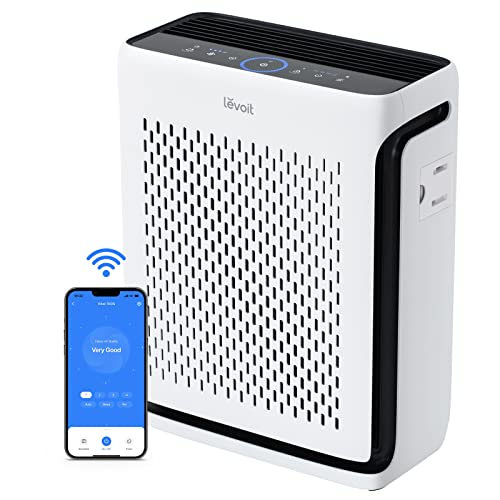
𝐖𝐇𝐘 𝐂𝐇𝐎𝐎𝐒𝐄 𝐀𝐇𝐀𝐌 𝐕𝐄𝐑𝐈𝐅𝐈𝐃𝐄 𝐀𝐈𝐑 𝐏𝐔𝐑𝐈𝐅𝐈𝐄𝐑𝐒: AHAM (Association of Home Appliance Manufacturers) is an ANSI-accredited organization that sets strict standards for appliance performance. Air purifiers with the AHAM VERIFIDE seal have been independently tested for air cleaning performance and energy efficiency. When you choose an AHAM certified air purifier, you're choosing a product trusted for reliable and effective indoor air quality improvement

Cleaner Air In Minutes: Purivortex is proven to filter common pollutants from your home’s air. This air purifier purifies rooms up to 880 ft² in one hour. It can purify a 215 ft² room in about 15 minutes, giving you noticeably fresher air in a short time. Breathe clean, crisp air and feel the difference in your space. (*Tested in an ISO 17025 certified laboratory under typical residential room ventilation conditions.)
What an Air Purifier Removes
An air purifier pulls room air through one or more filters and sends filtered air back into the room. A model with a real HEPA filter can theoretically remove at least 99.97% of dust, pollen, mold, bacteria, and other airborne particles at 0.3 microns. That makes a HEPA purifier useful when the problem is airborne dust, pollen, pet dander, smoke particles, or mold spores.
For odors, cooking smells, wildfire smoke odor, or chemical gases, look for a purifier that also has a meaningful activated carbon filter. Carbon can reduce some gases and odors, but performance depends on the filter design, the amount of carbon, airflow, and the pollutant source. A thin carbon sheet will not perform like a large carbon filter.
Warning: Avoid ozone generators sold as air cleaners. Ozone can irritate the lungs, and the EPA cautions against claims that these devices are always safe and effective for indoor air pollution.
How a Dehumidifier Reduces Moisture
A dehumidifier reduces moisture by pulling humid air into the unit, cooling it so water condenses, and collecting that water in a tank or sending it through a drain hose. It does not clean the air like a purifier, but it changes the room conditions that allow mold, mildew, and dust mites to thrive.
For most homes, aim for indoor relative humidity around 30–50% when possible. The EPA recommends keeping indoor humidity between 30% and 50% in general indoor air guidance, and its mold guidance says indoor relative humidity should be kept below 60%, ideally 30–50%. The CDC’s mold guidance is even stricter for mold prevention: keep humidity no higher than 50% all day when possible.
A dehumidifier is especially useful in basements, bathrooms, laundry rooms, crawl-space-adjacent rooms, and any area with condensation on windows or walls. If the room has an active leak, roof problem, plumbing issue, or water intrusion, fix that source first. A dehumidifier can help manage moisture, but it cannot solve a structural water problem by itself.
Air Purifier vs Dehumidifier for Allergies and Mold
For allergies, choose based on the trigger. If your symptoms flare around pollen, pet dander, dust, smoke, or other airborne particles, a properly sized HEPA air purifier is usually the better first device. If symptoms are worse in damp rooms or you notice musty odors, condensation, mildew, or visible mold, a dehumidifier should come first because moisture control is the foundation of mold prevention.
For mold, the best answer is often both. A dehumidifier lowers humidity so mold is less likely to grow. A HEPA air purifier can help capture airborne mold spores that are already floating in the room. However, neither device replaces cleaning or professional remediation when mold is visible, widespread, or caused by water damage.
Note: If you can see mold on drywall, insulation, carpet, or a large surface area, do not rely on an air purifier alone. Find and fix the moisture source, then clean or remediate the affected material safely.
How to Choose the Right Device
Use this quick check before buying anything:
- Measure humidity. Put a hygrometer in the room for a day. If the room stays above 50% and especially if it reaches 60% or higher, start with moisture control.
- Check your symptoms and sources. Sneezing, dust, pet dander, pollen, smoke, or odors point toward an air purifier. Musty smells, condensation, damp walls, or mildew point toward a dehumidifier.
- Look at surfaces. Dust on furniture is a cleaning and filtration issue. Wet windows, damp baseboards, or recurring mildew are humidity or water-intrusion issues.
- Match the device to the room. Air purifiers need enough CADR for the room size. Dehumidifiers need enough moisture-removal capacity for the room and humidity load.
- Use both when problems overlap. A damp basement with dust, mold spores, or pet dander may need a dehumidifier and a purifier working together.
Recommended Products

𝐇𝐢𝐠𝐡𝐞𝐫 𝐀𝐢𝐫 𝐈𝐧𝐭𝐚𝐤𝐞 & 𝐋𝐚𝐫𝐠𝐞𝐫 𝐂𝐨𝐯𝐞𝐫𝐚𝐠𝐞 𝐟𝐨𝐫 𝐏𝐞𝐭 𝐋𝐨𝐯𝐞𝐫𝐬: This air purifier for home pets is designed with a larger front air inlet and wider dual-side air inlet, which can pull air from multiple sides and trap airborne pet hairs and odors more easily. Engineered to tackle the wildfire smoke, floating ash, and heavy smog, this high-performance air purifier creates a safe haven indoors, keeping your indoor air fresh during severe air quality alerts

MORE AIR INTAKE & HIGH-EFFICIENCY: This is the 2024 latest MOOKA PR1 HEPA air purifiers for home. To quickly purify the air without causing clogging, PR1 air purifier not only has normal surface air intake but only with a wider sided air inlet design, up to 2200 Ft². This effectively captures most air pollutants, which include pet hair, smoke, PM 2.5, and bad smell, and has powerful filtration performance against ultra-fine particles.

Effortless Operation: Simplified control panel with intuitive design makes it easy to operate. No complicated setup—just one tap, and you're on your way to cleaner air, saving time and letting you relax with ease
When to Use Each Device
If your indoor humidity regularly climbs above 60%, use a dehumidifier first because excess moisture encourages mold growth and dust mites. Then add an air purifier when you also need to reduce airborne particles from pollen, dust, pet dander, smoke, or mold spores. This split approach gives you control over both moisture and pollutants.
| Use this device | When it helps |
|---|---|
| Dehumidifier | High indoor humidity, musty odor, condensation, damp basement, visible mildew, recurring mold risk |
| Air purifier | Dust, pollen, pet dander, smoke particles, airborne mold spores, fine particles, some odors with carbon filtration |
| Both devices | Damp rooms with airborne irritants, mold-prone spaces, basements with dust, homes with pets and high humidity |
Features That Matter Before You Buy
Recommended Products
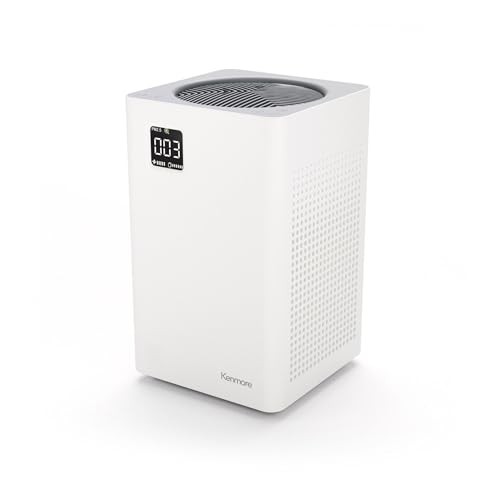
Powerful Odor Removal: On average, more than 90% of modern life is spent indoors, effectively remove odors in your home caused by dander, smoke, cooking and pollutants
Air purifier features
- HEPA filtration: Choose a true HEPA filter for airborne particles such as pollen, dander, smoke particles, dust, and spores.
- CADR and room size: CADR stands for Clean Air Delivery Rate. A higher CADR means faster particle removal, but only when the unit is matched to the room size.
- Activated carbon: Useful for some odors and gases, but not a substitute for removing the source of smoke, chemicals, or moisture.
- Filter replacement cost: Check how often filters need replacing and how much they cost.
- Noise level: A purifier only helps when you actually run it, so choose one quiet enough for the room.
- No ozone generation: Avoid units marketed mainly as ozone generators, “activated oxygen,” or similar terms.
Dehumidifier features
- Capacity: Choose a unit sized for the room and dampness level. Larger or wetter spaces need more moisture-removal capacity.
- Humidistat: This lets the unit turn on and off based on your target humidity.
- Continuous drain option: A drain hose is helpful for basements or rooms where emptying a tank gets old fast.
- Auto shutoff and auto restart: These features prevent overflow and help after power interruptions.
- Low-temperature operation: For cooler basements or garages, look for a model designed to work in lower temperatures.
- Easy cleaning: A washable intake filter and accessible tank reduce odor and maintenance problems.
Pro Tip: Buy a small hygrometer before buying a dehumidifier. If humidity is already in the 30–50% range, your problem may be particles, odors, ventilation, or cleaning—not excess moisture.
Using an Air Purifier and Dehumidifier Together
You can use an air purifier and a dehumidifier in the same room. They do different jobs, so they do not cancel each other out. For best results, leave space around both units so air can move freely. Keep the air purifier away from walls, curtains, and furniture that block airflow. Put the dehumidifier where humid air can reach it and where the tank or drain hose is easy to manage.
In a damp, allergy-prone basement, run the dehumidifier to bring humidity into the target range, then run the air purifier to reduce airborne particles. In a bedroom with pets, a HEPA air purifier may be the main device, while a dehumidifier is only needed if humidity readings are high.
Maintenance and Troubleshooting
Both devices work best when they are maintained. A clogged purifier filter reduces airflow. A dirty dehumidifier tank can smell musty and spread grime around the unit. Use the manufacturer’s schedule first, then adjust based on how dusty or humid your home is.
| Problem | Likely cause | Fix |
|---|---|---|
| Air still feels dusty | Purifier too small, clogged filter, poor placement, or dust source remains | Replace filter, move the unit into open airflow, clean surfaces, and check CADR for room size |
| Room still smells musty | Humidity still high, tank dirty, hidden moisture source, or mold growth | Check humidity, clean the tank, inspect for leaks, and remove mold safely |
| Dehumidifier runs constantly | Room is very damp, unit is undersized, doors/windows are open, or moisture source remains | Close openings, fix leaks, improve drainage, or use a larger unit |
| Air purifier does not reduce odors | No carbon filter, spent carbon, or odor source remains | Use a unit with enough activated carbon and remove the odor source |
What These Devices Cannot Do
An air purifier cannot fix a leak, dry a basement, remove mold growing on a wall, or replace cleaning. A dehumidifier cannot remove smoke particles, pollen, pet dander, or fine dust from the air. Neither device replaces ventilation, source control, routine cleaning, or medical care for asthma, COPD, allergies, cancer treatment, or other health conditions.
If the room has serious water damage, sewage contamination, widespread mold, or symptoms that are severe or worsening, treat that as a bigger home or health issue—not just an appliance problem.
Frequently Asked Questions
How do I know if I need a dehumidifier or an air purifier?
Use a hygrometer first. If humidity is often above 50% or the room smells musty, start with a dehumidifier. If humidity is normal but you are dealing with dust, pollen, smoke, pet dander, or airborne particles, choose an air purifier.
Should you use a dehumidifier if you have COPD?
A dehumidifier may help if damp air, mold, or dust mites make your breathing worse, but COPD needs personalized medical guidance. Keep humidity in a comfortable, mold-resistant range and ask your clinician what indoor air changes are appropriate for your condition.
What is the best air purifier for chemo patients?
People receiving chemotherapy may have a higher infection risk, so ask the oncology team before relying on any device for health protection. In general, choose a properly sized HEPA air purifier from a reputable brand, avoid ozone-generating units, replace filters on schedule, and keep the room clean and dry.
Do air purifiers help with nasal congestion?
They can help when congestion is triggered by airborne allergens such as pollen, pet dander, dust, or mold spores. They will not fix congestion caused by infection, dry air, medication issues, or a medical condition, so persistent symptoms should be discussed with a healthcare professional.
Can I use an air purifier and dehumidifier in the same room?
Yes. Use the dehumidifier to control moisture and the air purifier to filter airborne particles. Keep both units in open airflow, follow the manufacturer’s clearance instructions, and clean or replace filters and tanks as directed.
Does a dehumidifier clean the air?
Not in the same way an air purifier does. A dehumidifier removes water vapor, which can make the room less friendly to mold and dust mites. It does not capture pollen, smoke, pet dander, or fine dust like a HEPA air purifier.
What humidity level helps prevent mold?
Aim for about 30–50% relative humidity when possible. The EPA says indoor humidity should be kept below 60%, ideally between 30% and 50%, and CDC mold guidance recommends keeping it no higher than 50% all day when possible.
Conclusion
If you are choosing between a dehumidifier and an air purifier, solve the real problem first. Use an air purifier for airborne particles like dust, pollen, pet dander, smoke, and mold spores. Use a dehumidifier for damp air, musty odors, condensation, and humidity that stays too high. If your room has both dampness and airborne irritants, use both: the dehumidifier controls moisture, and the air purifier filters particles.
Sources
- U.S. EPA — Care for Your Air: A Guide to Indoor Air Quality — backs up indoor humidity and indoor air quality guidance.
- U.S. EPA — Mold Course, Chapter 2 — backs up humidity targets for mold prevention.
- CDC — You Can Control Mold — backs up keeping home humidity no higher than 50% when possible for mold control.
- U.S. EPA — What is a HEPA filter? — backs up the HEPA 99.97% at 0.3 microns explanation.
- U.S. EPA — Guide to Air Cleaners in the Home — backs up CADR, activated carbon, and portable air cleaner selection guidance.
- CDC — Information for Patients Who Are Getting Chemotherapy — backs up the caution that chemotherapy can weaken the immune system and increase infection risk.