
Do Dehumidifier Bags Actually Work?

Last updated: July 7, 2026 · Reviewed for accuracy
Quick answer: Yes, dehumidifier bags work in closets, wardrobes, storage bins, cars, RV cabinets, and other small enclosed spaces. They absorb moisture with calcium chloride or silica gel, so they can reduce dampness, light condensation, and musty odors. They do not fix leaks, dry standing water, or replace an electric dehumidifier in a wet basement or large room.
Use dehumidifier bags when the moisture problem is small and local. A hanging bag in a closet can protect clothes from musty odors, and a reusable silica gel pack can help with light car-window condensation while the vehicle is parked. For mold prevention, the EPA recommends keeping indoor relative humidity below 60%, ideally between 30% and 50%. A moisture bag may help you manage a small pocket of damp air, but you should still repair leaks, improve ventilation, and use a hygrometer if humidity keeps returning.
Quick Use-Case Guide
| Space or problem | Use a dehumidifier bag? | Better choice when dampness is serious |
|---|---|---|
| Closet, wardrobe, drawer, storage tote | Yes. This is the best fit because air volume is small. | Add ventilation or fix the moisture source if fabrics still smell musty. |
| Car, camper cabinet, RV storage compartment | Yes, for parked vehicles and light condensation. | Find leaks, dry wet mats, ventilate, or use a powered unit when safe. |
| Bathroom cabinet or under-sink area | Yes, if there is no active leak. | Repair plumbing leaks first. A bag cannot absorb standing water. |
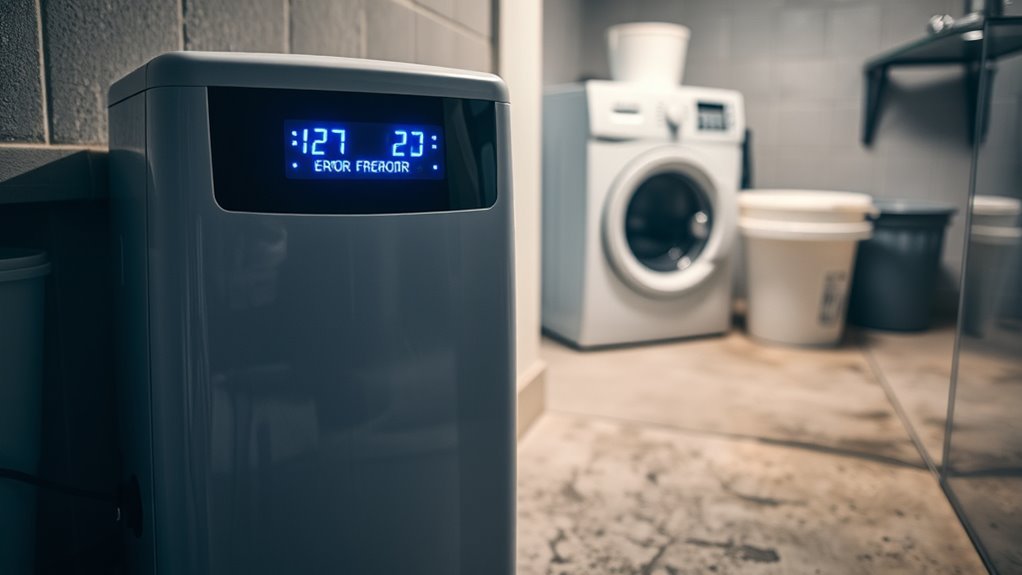
| Bedroom, basement, laundry room, open living area | Usually no. The air volume is too large. | Use an electric dehumidifier sized for the space. |
| Flooding, wet drywall, recurring mold, daily condensation | No. Passive bags are too slow. | Fix the water source, ventilate, and use mechanical drying equipment. |
What Are Dehumidifier Bags?
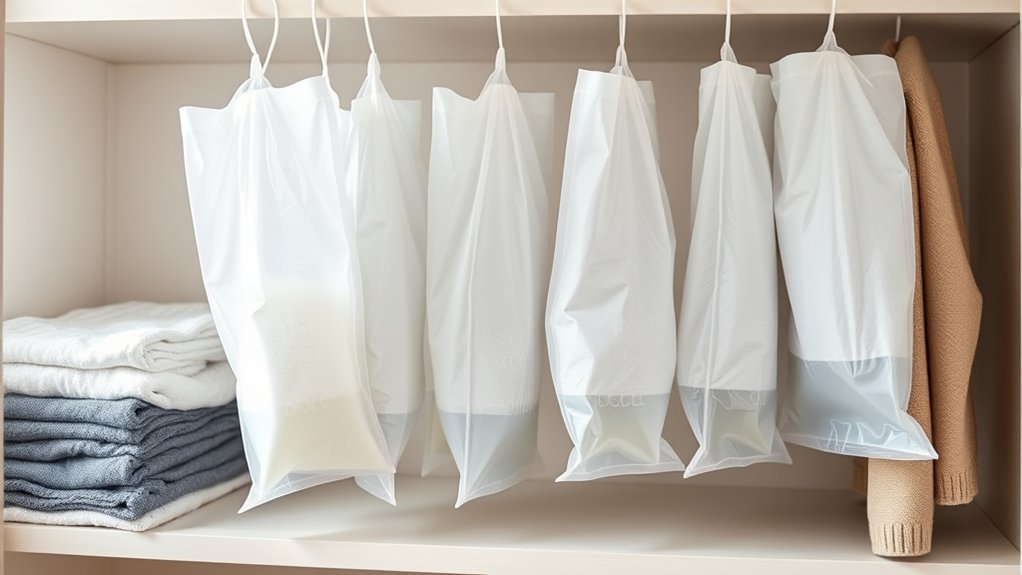
Dehumidifier bags are passive moisture absorbers. You place them in a small enclosed area, and the drying material inside pulls water vapor from the surrounding air. Many disposable hanging bags use calcium chloride, while many reusable car and closet packs use silica gel. They do not need electricity, a drain hose, or a water tank.
Calcium chloride products work differently from a powered dehumidifier. DampRid explains that its crystals absorb moisture, harden, then dissolve into a liquid brine as collected water drips into the lower chamber. That process may take a few days before visible liquid appears in the bag or container. Follow the product label, because capacity, refill rules, and disposal steps vary by brand and design.
Best Places to Use Dehumidifier Bags
You’ll get the best results from dehumidifier bags in small enclosed spaces where moisture builds faster than air can circulate. Closets, wardrobes, shoe cabinets, storage totes, tool chests, cars, camper cabinets, and RV storage bays are better targets than full rooms. Use one bag per problem area, then check it after the first week so you can judge whether the space needs more ventilation or a larger moisture absorber.
Small Enclosed Spaces
Small enclosed spaces are where dehumidifier bags perform best because the air volume is limited. Place the bag where air can move around it, not buried under clothes or pushed into a sealed corner. In a closet, hang it near the center rail. In a drawer or storage tote, keep it away from direct contact with fabrics, papers, leather, tools, and electronics in case the bag leaks or sweats.
Do not use a moisture bag as a substitute for fixing a water source. If the cabinet smells musty because a pipe is dripping, repair the leak first. If condensation forms on a cold wall, add airflow and insulation where possible. The bag helps control residual moisture, not the root cause.
Cars And Wardrobes
Cars and wardrobes suit dehumidifier bags because both trap damp air. In a car, place a reusable pack on the dashboard only if the manufacturer allows it and it will not slide, leak, block vents, or distract the driver. Safer spots include a cup holder, footwell, trunk side pocket, or under-seat area that stays dry and visible. In a wardrobe, hang the bag where it will not touch clothing.
Check the bag monthly, or sooner during rainy weather. If windows still fog every morning, the bag may be too small for the moisture load. Dry wet floor mats, check door seals, air out the cabin when weather allows, and look for hidden leaks around the windshield, sunroof, trunk, and HVAC drain.
Dehumidifier Bags for Cars and Campers
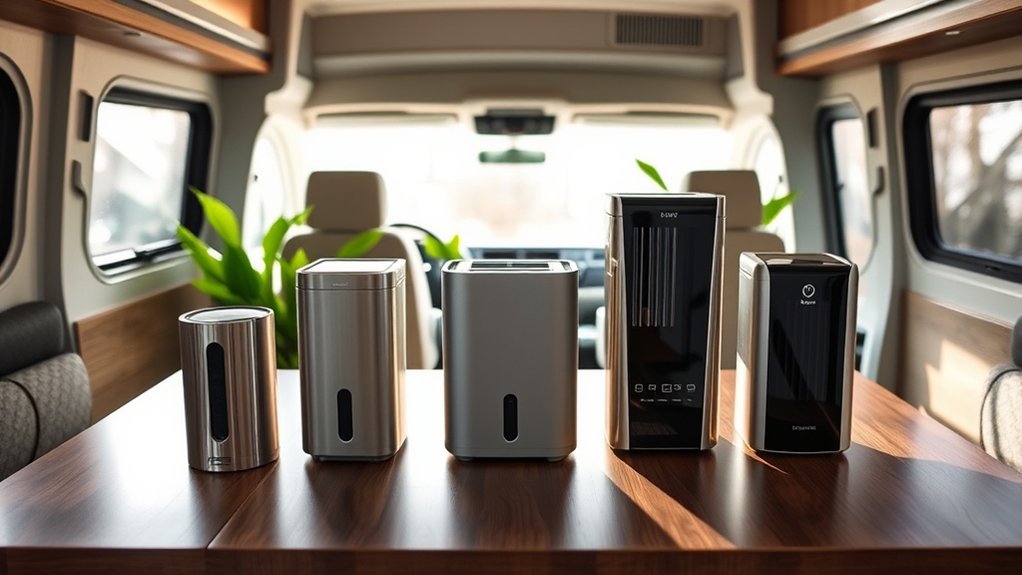
In cars and campers, dehumidifier bags can reduce light condensation while the vehicle is parked. They work best as part of a moisture-control routine: remove wet gear, lift damp mats, crack windows only when outside air is drier, and ventilate after sleeping in the vehicle. A bag can collect moisture from trapped air, but it cannot keep up with continuous water vapor from breathing, wet clothing, cooking, or a hidden leak.
- Place the bag where it cannot tip, leak, or touch upholstery.
- Keep it away from electronics, vents, pedals, and driver sight lines.
- Use reusable silica gel packs when leak risk matters more than maximum capacity.
- Use a hygrometer to compare humidity before and after placement.
Recommended Products
![wisedry 2 x 500 Gram [2.2 lbs] Rechargeable Silica Gel Car Dehumidifier, Microwave Fast Reactivated Desiccant Packets Large for Gun Safe Closet Basement Garage Storage Moisture Absorber Bag Reusable](https://m.media-amazon.com/images/I/51pHUtcOd3L._SL500_.jpg)
✅ [ CLEAR WINDOWS ] - Wisedry silica gel car dehumidifier bag reduces condensation on car windows which can be a problem on cold winter mornings. Thanks to its high moisture absorption, each 500g silica gel adsorbs 150g(max 180g) of moisture! Also suitable for preventing moisture in other larger spaces like cupboards, storage room, tool shop, garage, RV, boat, basement etc.
✅ [ NO MORE FOGGY WINDOWS ] - Wisedry car dehumidifier bag reduces the misting on car windows which can be a problem in cold winter mornings. Thanks to its high moisture absorption, each 500g silica gel adsorbs 150g(max 180g) of moisture! Also suitable for preventing moisture in other larger spaces like cupboard, gun safes, storage room, tool shop, garage, RV, boat, basement etc.

【Transparent Window】The clear window makes it easy to monitor the silica gel's moisture absorption, allowing you to conveniently check the absorption level of the desiccant packs. A color change from orange to light green signifies that the environmental RH is above 50% and that moisture absorption is nearing saturation, indicating the need for reactivation.
How Long Dehumidifier Bags Last
Most dehumidifier bags last from a few weeks to several months, depending on the product size, desiccant type, room humidity, airflow, and how often the space is opened. A larger calcium chloride bag in a mildly damp closet may last longer than a small bag in a wet camper cabinet. CHOICE notes that DampRid products claim lifespans from 45 days to six months depending on product type, so the safest rule is to follow the label and replace the unit when the indicator shows it is spent.
Typical Lifespan
A typical disposable hanging bag lasts longest in a closed closet with mild dampness. It fills faster in bathrooms, basements, vehicles, and humid climates. Reusable silica gel packs can last through many cycles, but you must recharge or dry them fully according to the instructions before reuse. If you reset a reusable pack too early, it starts the next cycle partly saturated and will not absorb as much moisture.
- Check disposable bags weekly during the first month.
- Replace calcium chloride bags when the crystals dissolve or the full marker is reached.
- Recharge reusable silica gel packs only as directed by the manufacturer.
- Record humidity with a small hygrometer if dampness keeps returning.
Factors That Shorten Life
A dehumidifier bag will fill faster when humidity is high, airflow is poor, the space is opened often, or damp items stay inside. Lower-capacity products also saturate sooner. If a bag turns to liquid quickly, do not simply add more bags and ignore the cause. Look for leaks, wet textiles, poor ventilation, cold surfaces, or outdoor humidity entering the space.
Placement matters. A bag hidden behind stacked boxes may collect less moisture from the surrounding air, while a bag placed near a damp source may overload quickly. Keep the unit upright, visible, and clear on all sides so you can check it before it leaks or stops working.
How to Tell if a Dehumidifier Bag Is Working
You can tell a dehumidifier bag is working when crystals clump, shrink, change color, or dissolve into liquid, depending on the product design. You may also notice fewer musty odors, less condensation, and drier fabrics. For a more reliable check, place a small hygrometer in the closet, car, or cabinet before adding the bag. Compare the reading after 24 to 72 hours with the door or lid closed.
Do not expect instant results. DampRid says visible liquid may take a few days to appear in its moisture absorbers. If the humidity reading does not improve, the space may be too large, too wet, too open, or still receiving moisture from a leak or condensation source.
Signs Your Dehumidifier Bag Is Full
When a dehumidifier bag is full, the crystals usually dissolve, the lower chamber fills with liquid, or the indicator changes to the replacement mark. Some silica gel packs change color when they need recharging. Replace or recharge the bag before it leaks, sags, or stops collecting moisture.
- The crystals have dissolved or clumped into a wet mass.
- The liquid chamber has reached the full line.
- The color indicator shows the pack is spent.
- Musty odors or condensation return after earlier improvement.
Handle a full bag carefully. Calcium chloride liquid can feel oily and may irritate skin or stain surfaces. Keep full or leaking bags away from children, pets, clothing, electronics, unfinished wood, and metal surfaces.
DampRid vs Other Moisture Absorbers
DampRid is one of the best-known calcium chloride moisture absorbers, but it is not the only option. The better choice depends on whether you want maximum water collection, lower leak risk, less waste, or odor control.
| Option | Best use | Main limitation |
|---|---|---|
| DampRid or similar calcium chloride bags | Closets, cabinets, storage areas with mild dampness | Disposable versions need replacement and can leak if damaged. |
| Reusable silica gel packs | Cars, toolboxes, camera bags, small storage bins | Lower capacity per cycle, and they must be recharged. |
| Refillable moisture absorber tubs | Larger closets, pantry areas, seasonal storage | They need refills and careful spill handling. |
| Charcoal bags | Odor reduction in shoes, closets, gym bags | They are not a strong substitute for moisture removal. |
| Electric dehumidifiers | Rooms, basements, laundry areas, persistent dampness | They need power, space, maintenance, and drainage. |
Independent testing shows the performance gap clearly. CHOICE reported that a DampRid container reduced humidity in a closet-sized chamber, but in a separate comparison it removed about 2 ml of water per hour, while tested electric dehumidifiers removed far more. That makes a moisture bag useful for low-level dampness, not serious ongoing humidity.
Recommended Products

POWERFUL MOISTURE & ODOR ELIMINATOR: Our advanced spherical beads instantly attract and trap excess moisture from the air, eliminating musty odors at the source. Creates fresher, cleaner air for your home and protects clothes, leather, and valuables from damp damage. Fragrance-free formula ideal for sensitive noses.
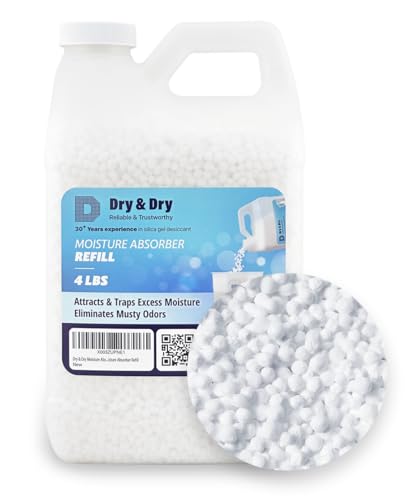
Moisture Absorber Refill, Frangrance Free, Eliminates Musty Odors, Attracts and Traps Excess Moisture

EFFICIENT DEHUMIDIFICATION: The large spherical calcium chloride particles in the moisture absorber boxes expand the contact area with air and accelerate the dehumidifying process. That's why Vacplus moisture removers can effectively collect the excess moisture in the air and keep your room comfortable.
When to Choose a Dehumidifier Instead
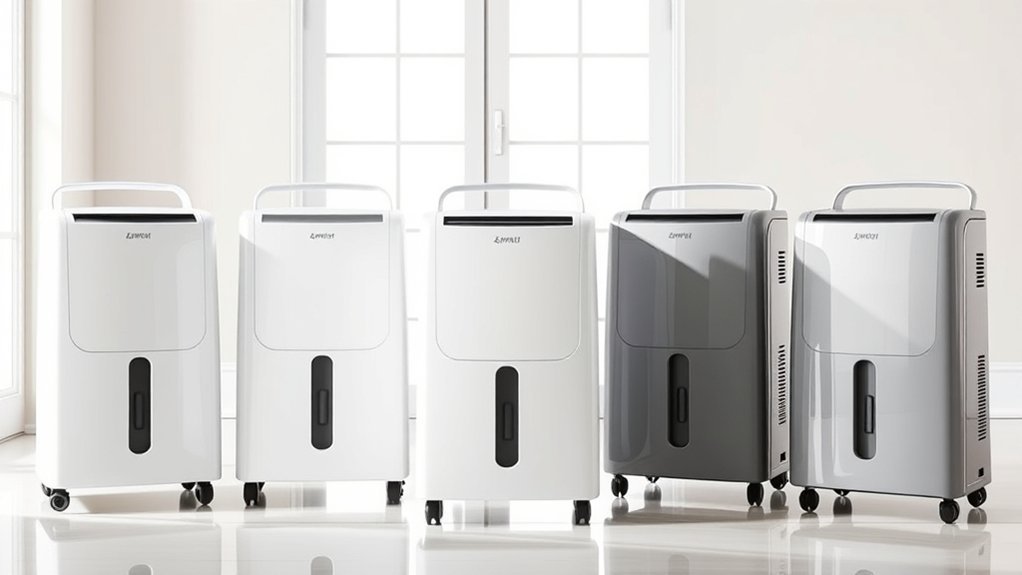
Choose an electric dehumidifier instead of a bag when dampness affects a full room, returns every day, follows rain, causes recurring mold, or comes from laundry drying, basement humidity, plumbing leaks, or poor ventilation. A powered unit actively moves air across coils or a desiccant system, removes water into a tank or drain, and can hold a target humidity with a humidistat.
- Use a powered dehumidifier in basements, laundry rooms, bathrooms without enough ventilation, and open-plan spaces.
- Choose one when humidity stays above 60% after you improve airflow.
- Prioritize auto shut-off, continuous drain options, and the right capacity for the room.
- Use professional drying help for flooding, wet drywall, or visible widespread mold.
A bag is a maintenance tool for small spaces. A dehumidifier is a control tool for rooms. If you keep replacing bags and the space still feels damp, the moisture source is too large for passive absorption.
Recommended Products

Semiconductor dehumidifiers use thermoelectric cooling to remove moisture from the air. They create a drier, more comfortable environment by reducing humidity and improving air quality.

2500 Sq. Ft High-Efficiency Dehumidifier – The KNKA basement dehumidifier features a quiet, high-performance compressor that removes up to 34 pints of moisture per day (at 95°F, 90% RH). Ideal for basements, offices, bathrooms, bedrooms, kitchens, stockrooms, living rooms, laundry rooms, garages, crawlspaces, or RVs. It helps maintain optimal humidity between 50%–70% for healthier, more comfortable living
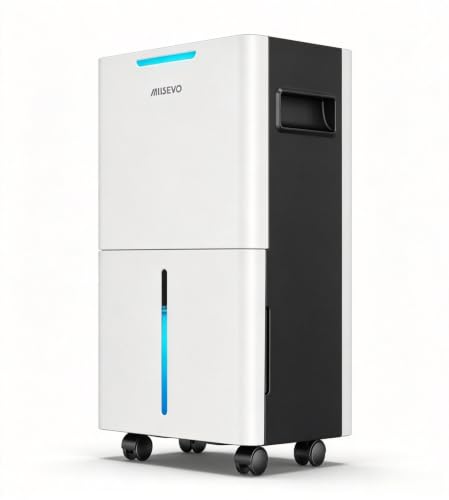
High Efficient Dehumidifier — Equipped with a high-performance compressor, Whether it’s your basement, bedroom, bathroom, living room, bathroom, crawlspace, or even an RV, this dehumidifier effectively keeps your environment dry, comfortable, and healthy.
How to Dispose of Dehumidifier Bags
Start with the manufacturer’s disposal instructions because calcium chloride bags, refillable tubs, disposable tubs, and reusable silica gel packs do not all follow the same process. DampRid says refillable products can be emptied into the toilet and refilled, while disposable products should be discarded when the crystals are gone. Its safety data sheet also says waste should be disposed of according to applicable local, state, and federal rules.
Check Product Instructions
Before disposal, confirm the product type and inspect for leaks. If the bag contains liquid brine, keep it upright and avoid contact with skin, eyes, clothing, upholstery, and electronics. If it is a reusable silica gel pack, recharge it only if the label says it is rechargeable. Do not cut open sealed packs unless the manufacturer tells you to.
- Read the disposal panel on the package.
- Keep used bags away from children and pets.
- Wear gloves if the bag is leaking or sticky.
- Seal damaged bags before placing them in waste.
Empty and Recycle Safely
If the product allows emptying, pour the collected liquid only where the label says it is safe. Do not dump loose crystals, unknown desiccant, or packaging inserts into a drain. Wipe spills quickly with plenty of water and follow the safety label if irritation occurs. Recycle only clean outer packaging that your local program accepts.
For calcium chloride products, treat the liquid as a salt brine and avoid contact with delicate surfaces. For silica gel packs, most household versions can go in regular waste when they are no longer usable, but local rules and product instructions still take priority.
Moisture Control Tips for Small Spaces
Dehumidifier bags work better when you reduce the moisture load first. Dry wet items before storage, leave space between hanging clothes, avoid packing damp shoes into closed cabinets, and air out cars or closets when outdoor air is drier. A hygrometer gives you better feedback than smell alone.
- Keep indoor humidity below 60%, ideally 30% to 50%, when possible.
- Use one bag per enclosed problem area instead of one bag for a whole room.
- Improve airflow by opening closet doors or storage lids periodically.
- Replace or recharge bags before they reach full capacity.
- Fix leaks, condensation, and wet materials before relying on absorbers.
This routine gives you a cleaner, drier space without overusing disposable products. If moisture returns quickly after every replacement, upgrade from passive absorption to ventilation, repairs, or a powered dehumidifier.
Frequently Asked Questions
Are Dehumidifier Bags Effective?
Yes, dehumidifier bags are effective in small enclosed spaces such as closets, wardrobes, cabinets, storage bins, cars, and camper compartments. They are not effective enough for large rooms, wet basements, active leaks, or standing water.
Do Moisture Bags Actually Work?
Yes, moisture bags work by absorbing water vapor from the air. Calcium chloride bags collect moisture as liquid brine, while silica gel packs hold moisture in the desiccant until they are replaced or recharged.
How Long Do Dehumidifier Bags Last?
Many bags last from a few weeks to several months. Lifespan depends on product size, desiccant type, humidity, airflow, and how often the space is opened. Replace or recharge the bag when the indicator shows it is full.
Where Should You Put Dehumidifier Bags?
Put dehumidifier bags in small, enclosed, damp-prone spots where air can move around the bag. Good locations include closet rods, cabinet shelves, storage bins, trunks, and RV compartments. Keep them away from fabrics, electronics, pets, and children.
Are Dehumidifier Bags Safe Around Pets and Children?
Use caution. Calcium chloride moisture absorbers should stay out of reach of pets and children, and leaking liquid should not touch skin, eyes, clothing, or surfaces. Follow the safety label and dispose of damaged bags promptly.
Should You Use a Dehumidifier Bag or an Electric Dehumidifier?
Use a bag for a closet, car, drawer, or storage compartment. Use an electric dehumidifier for a room, basement, laundry area, recurring mold risk, or humidity that stays above 60% after ventilation and repairs.
Conclusion
Dehumidifier bags work when you use them for the job they were built for: small, enclosed spaces with mild dampness. They can reduce musty odors, protect stored items, and lower light condensation without power. They cannot solve leaks, dry wet materials, or control humidity across a full room.
Start with one bag in the damp spot, measure the humidity if the problem keeps coming back, and replace or recharge the bag before it is full. If the space still feels wet, move to ventilation, repairs, or a properly sized electric dehumidifier.


[…] keep wet gear and cooking steam outside, tension the rainfly, and dry the tent in the morning. Moisture absorbers can help in small spaces, but ventilation does most of the […]
[…] small reach-in closet with mild dampness can use moisture absorber bags or a rechargeable desiccant unit. A larger or persistently damp walk-in closet may use a small […]