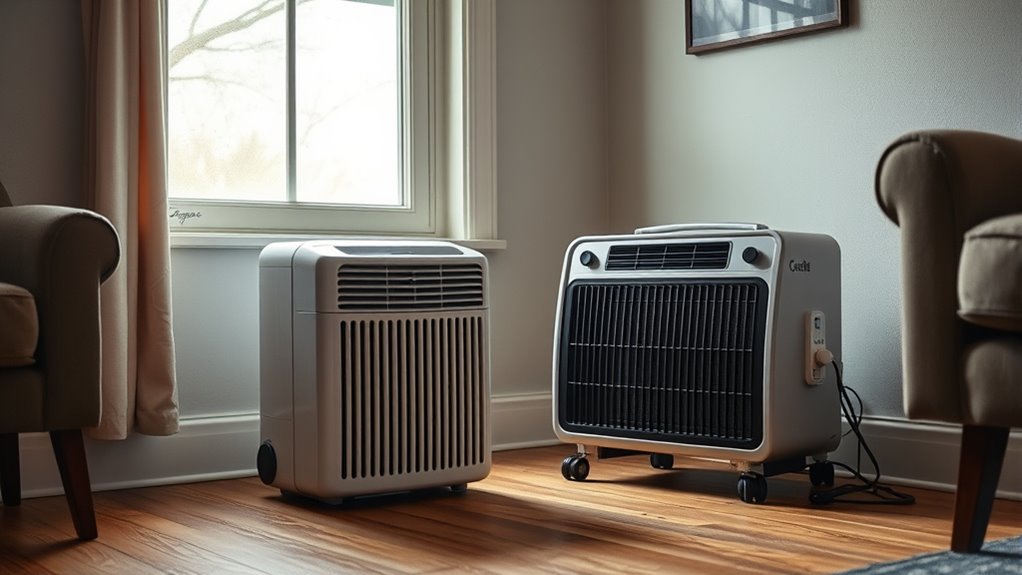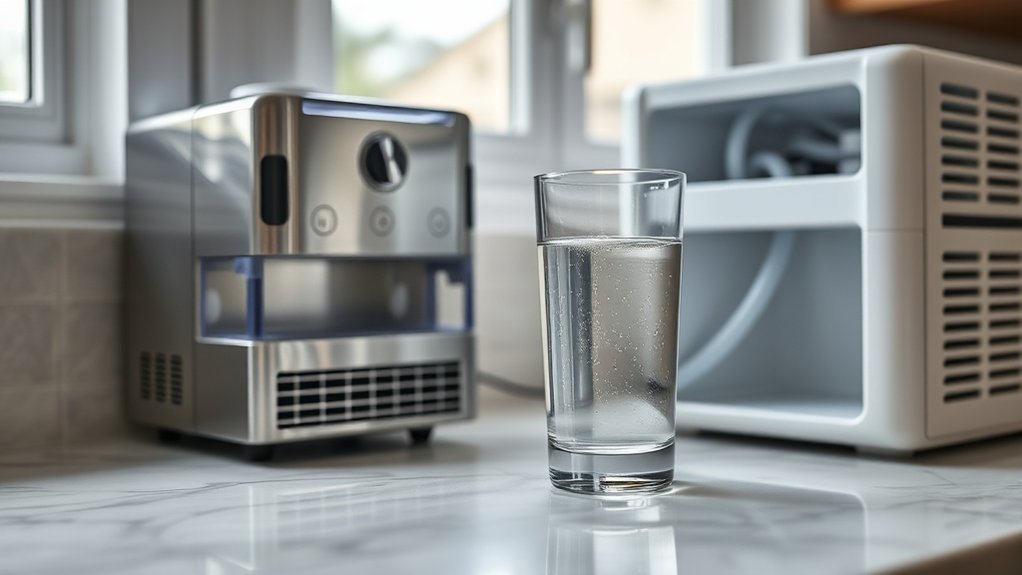
Is dehumidifier water safe to drink? No. Water from a household dehumidifier is not drinkable. It can look clear, but it passes over dusty coils and sits in a plastic tank, so it can pick up dust, mold, bacteria and residue from the unit. Use it only for non-drinking jobs, and drink regulated tap water or bottled water instead.
Is Dehumidifier Water Safe to Drink? Quick Answer
- Do not drink dehumidifier water, and do not use it for cooking, baby formula, pets, medical devices or food-prep surfaces.
- Manufacturers say the same. A Honeywell manual says the collected water “should never be used for drinking” and “is not clean.” An Amana manual says not to drink water from the bucket because it can result in sickness.
- A small accidental sip is unlikely to harm most healthy adults, but symptoms, larger amounts, or exposure of a child or vulnerable person should be taken seriously.
- Safer uses include flushing toilets, some floor cleaning and watering non-edible ornamental plants, if the unit is clean and the water is fresh.
Warning: Do not use dehumidifier water for drinking, cooking, brushing teeth, baby formula, pet bowls, CPAP machines, humidifiers, aquariums or rinsing food. You cannot judge safety by looks, smell or taste.
Why Dehumidifier Water Gets Contaminated
The water starts as condensation from room air, but it can become contaminated inside the appliance. If you are wondering whether it equals distilled water, read our explainer on dehumidifier water vs distilled water.
| Source | What can enter the water | Why it matters |
|---|---|---|
| Collection tank | Bacteria, mold, algae, slime | Standing water gets dirty quickly if the tank is not emptied and washed |
| Coils and drain path | Dust, residue, grime, possibly metal traces | These surfaces are not designed for drinking-water contact |
| Indoor air | Dust, mold spores, pet dander, smoke particles | The machine pulls room air across the coils |
| Poor maintenance | Microbial buildup and odors | A dirty filter, tank or hose makes dirty water more likely |
EPA notes that mold grows where moisture is present. A dehumidifier can help with indoor moisture, but the water it collects should still be handled as dirty water.
How a Dehumidifier Collects Water
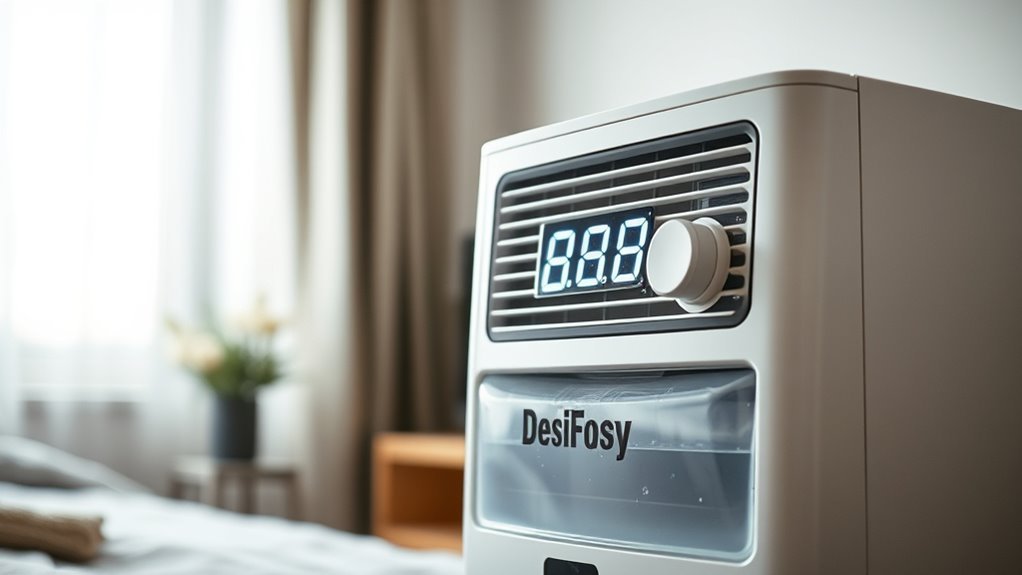
A fan pulls humid room air across cold coils. Water vapor cools into droplets that run into a tank or through a drain hose. That resembles distillation, but the appliance does not finish the job the way a drinking-water system would.
The condensate is often low in dissolved minerals because it came from vapor. That does not make it sterile. Once the droplets touch coils, fins, plastic parts, dust or a hose, it is collected appliance water. The tank is a temporary reservoir, not a food-safe container, and emptying it often helps keep the unit clean but does not make the water drinkable.
“Low mineral” does not mean “safe.” Drinking water is treated, monitored and handled through materials meant for drinking-water contact. Dehumidifier condensate is not.
What Happens If You Drink It by Accident?
A tiny sip may cause no symptoms in a healthy adult, but treat it as accidental exposure to non-drinking water. Possible symptoms include a bad taste, nausea, stomach cramps, diarrhea or vomiting. Risk is higher if the tank was dirty, the water smelled bad, the unit had visible mold, or more than a sip was swallowed.
- Stop drinking it right away.
- Rinse your mouth with clean drinking water.
- Drink a little safe water if your stomach feels normal.
- Watch for vomiting, diarrhea, fever, stomach pain, dizziness or dehydration.
- Call a doctor or Poison Control (1-800-222-1222 in the U.S.) if symptoms appear, if a child, older adult, pregnant person or immunocompromised person drank it, or if the amount was more than a sip.
Seek medical advice promptly if symptoms are persistent or severe or the water was visibly dirty or moldy. This article is general information and does not replace medical advice.
Best Non-Drinking Uses for Dehumidifier Water
You can reuse it around the home if you keep it away from mouths, food, pets and sensitive equipment. Use it promptly and discard it if it is cloudy, slimy, discolored or smells bad. For more ideas, see what to do with water from a dehumidifier and whether you can use dehumidifier water to water plants.
| Use | Safe approach | Avoid when |
|---|---|---|
| Flushing toilets | Pour it into the bowl or tank | The water is oily, discolored or has a chemical odor |
| Mopping floors | Use with a normal floor cleaner on non-food areas | Cleaning counters, cutting boards or food-prep areas |
| Rinsing outdoor tools | Rinse muddy tools, then dry them | Tools touch food, pet bowls or children’s toys |
| Watering ornamental plants | Non-edible plants only; test on one plant first | The plant is edible, diseased, or the water smells bad |
Label any saved water “non-drinking water,” keep it away from children and pets, and do not store it for days.
Recommended Products

【Premium Silica Gel Packets】The raw material of our desiccant packs is transparent silica gel beads, and the outer packaging material is made of high-quality composite paper. Our silica packets are non-toxic, harmless, pollution-free and cobalt chloride free. Premium safe silica dry packs can be widely used in daily life, e.g., moisture control, humidity control. It is a good moisture packets or humidity packets for storage, e.g., your electrinics, closet, shoes, spices.

Convenient To Carry: One desiccant pack measures 5.5x3.1 inches in size and weighs 100 grams, making it very lightweight and compact, making it easy to carry.

Convenient To Carry: One desiccant pack measures 5.5x3.1 inches in size and weighs 100 grams, making it very lightweight and compact, making it easy to carry.
What Not to Use Dehumidifier Water For
- Drinking, cooking, coffee, tea or ice
- Baby formula or children’s cups
- Pet drinking bowls
- Brushing teeth or washing produce
- Cleaning counters, dishes, cutting boards or utensils
- Humidifiers, CPAP machines, nebulizers, neti pots or other respiratory devices
- Aquariums or reptile and amphibian tanks
- Herbs, vegetables and other edible plants
- Anything that touches wounds, eyes or medical equipment
How to Clean the Tank and Coils
Cleaning helps the machine work better and makes non-drinking reuse safer. It still does not make the water drinkable. Plan on 10 to 20 minutes with mild dish soap, warm water, a soft cloth and brush, a clean towel and the owner’s manual.
- Turn off and unplug the unit. Never clean it while plugged in.
- Empty the tank and discard old water, especially if it sat overnight.
- Wash the tank with warm water and mild soap, scrubbing corners and seams where slime collects.
- Rinse well. Soap residue can cause odor and may harm plants if the water is reused.
- Dry the tank with a clean towel or let it air-dry before reinstalling.
- Clean or replace the filter as the manual directs.
- Wipe dust from the intake and exterior with a soft cloth. Do not soak electrical parts.
- Check the drain hose if you use one, and rinse or replace it if it smells musty or has buildup.
Many people wash the tank about weekly during heavy use, and more often in a basement or laundry room. Follow your model’s manual for coil and filter care.
Recommended Products
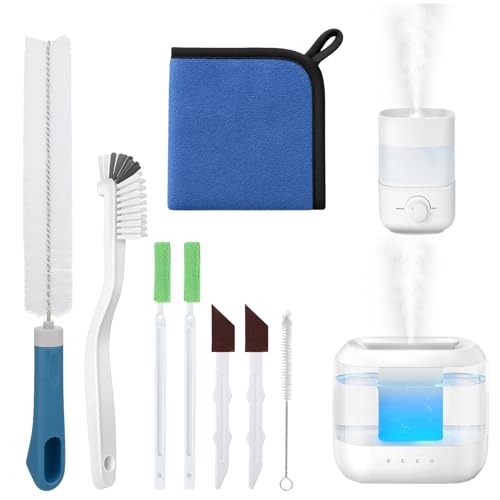
Humidifier Cleaning Solution:Still looking for a cleaning tool that can thoroughly clean your humidifier? Come and try our humidifier cleaning brush set!The nylon brush cleans the stains on the base, the sandpaper brush powerfully removes the severe scale at the bottom, and the long brush can easily reach the air outlet and the interior of the water storage tank, thoroughly cleaning every corner of the humidifier in all aspects, making your humidifier look brand new and more reassuring to use.

【All-in-One Dryer Duct Cleaning Kit】No more running to the hardware store for missing parts. This complete vent cleaning kit includes a heavy-duty dryer vent cleaning brush for 4-inch pipes, a set of flexible nylon rods, a dedicated lint brush, a dryer vent cleaner drill attachment, and protective gloves—everything you need in one box, ready to use right away.

All-in-One Dryer Duct Cleaning Kit — No more running to the hardware store for missing parts. This complete vent cleaning kit includes a heavy-duty dryer vent cleaning brush for 4-inch pipes, a set of flexible nylon rods, a dedicated lint brush, a dryer vent cleaner drill attachment, and protective gloves—everything you need in one box, ready to use right away.
Better Alternatives for Drinking Water
Start with sources meant for drinking. In the U.S., public tap water is regulated under EPA rules, and EPA sets legal limits for over 90 contaminants in drinking water.
If your tap water is under an advisory, follow your local water authority’s instructions. CDC states that boiling addresses germs only: you cannot make water containing fuel, toxic chemicals or radioactive materials safe by boiling or disinfecting it. That is why boiling is not a reliable fix for dehumidifier water, whose contents are unknown. Use bottled water or another safe source.
Devices that make drinking water from air are built and certified for that purpose. An ordinary household dehumidifier is not one of them.
Recommended Products

Advanced 4-Stage Filtration for Pure Drinking Water - Air Filtration: Removes dust and contaminants. - PPF + Activated Carbon: Pre-filters sediments and chemicals. - Reverse Osmosis (RO): Eliminates dissolved impurities (e.g., microplastics). - UV Filtration: ensuring water safety.

MAKE PURE DRINKING WATER FROM AIR The Aqua Vitale A20L atmospheric water generator produces up to 20 liters (5.3 gallons) of fresh drinking water per day directly from ambient air. No plumbing, no water lines, and no bottled water deliveries required.

Portable & Gravity-Fed: This gravity water filter system is portable, ideal for camping deals, overlanding gear, and van life essentials. Its freestanding design is a reliable choice for hunting gear, off grid living supplies, and car camping.
Related Guides
- Can you make dehumidifier water safe to drink?
- Is dehumidifier water the same as distilled water?
- What to do with water from a dehumidifier
- Can you use dehumidifier water to water plants?
Frequently Asked Questions
Is it safe to drink the water collected from a dehumidifier?
No. Dehumidifier water is not drinkable. It may pick up contaminants from indoor air, the coils, the drain path or the tank. Manufacturer manuals warn against drinking it. Use regulated tap water, bottled water or properly treated emergency water instead.
What should I do with the water from my dehumidifier?
The safest option is to pour it down the drain. To reuse it, stick to non-drinking tasks such as flushing toilets, some floor cleaning, rinsing outdoor tools or watering non-edible ornamental plants. Discard it if it is cloudy, slimy, discolored or smells bad.
Is it safe to reuse water from a dehumidifier?
Only for non-drinking uses. Reuse it cautiously for toilets, certain cleaning jobs or ornamental plants. Do not use it for drinking, cooking, pets, edible plants, medical devices, humidifiers or anything that touches food.
Can I boil dehumidifier water to make it drinkable?
Do not rely on boiling. Boiling can kill many germs, but CDC says it cannot make water containing toxic chemicals safe. Because dehumidifier water can pick up unknown residues, use a safe drinking-water source instead.
Can I use dehumidifier water on plants?
Fresh water from a clean unit can be used on some non-edible ornamental plants. Test one plant first. Do not use it on herbs, vegetables or fruiting plants, on plants with fungal disease, or if the water smells musty or looks dirty.
Sources
- Honeywell dehumidifier manual
- Amana dehumidifier owner’s manual
- U.S. EPA: Drinking Water Regulations
- CDC: Making Water Safe in an Emergency
- U.S. EPA: A Brief Guide to Mold, Moisture and Your Home