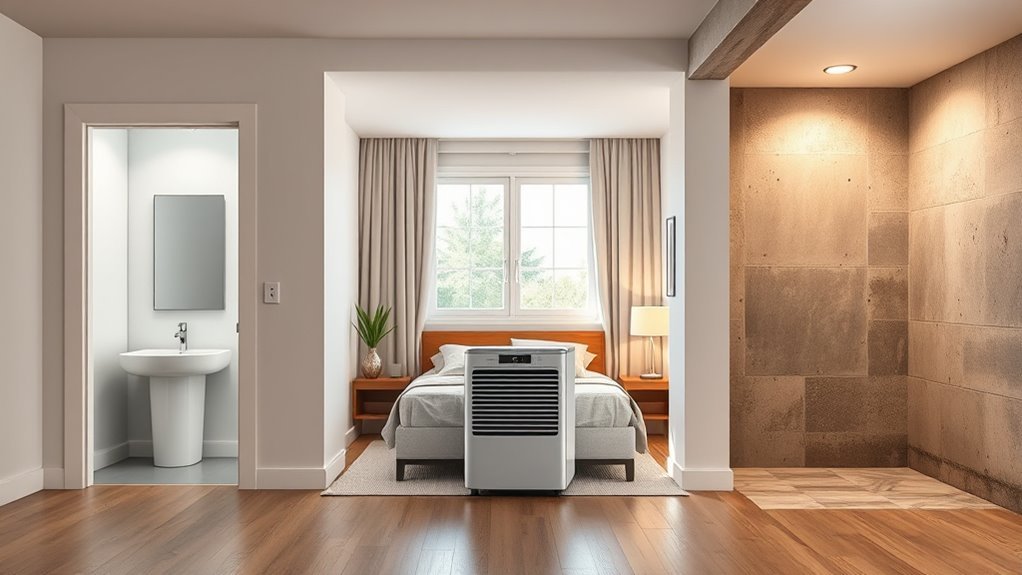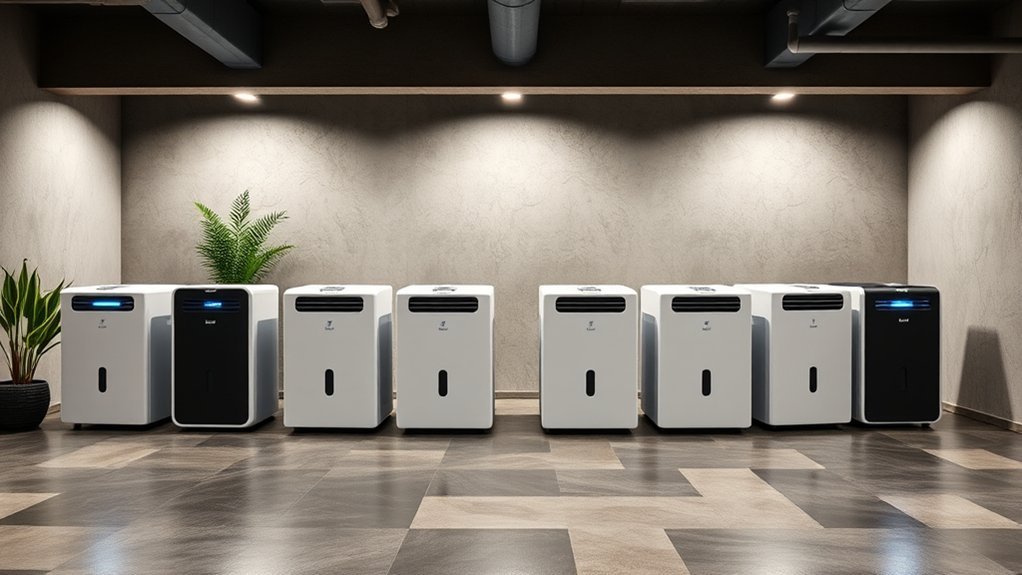
A dehumidifier can help with mildew, but it works best as a prevention tool, not as a cleanup tool. It lowers excess moisture in the air so mildew has a harder time growing back. If you already see mildew or smell a musty odor, you still need to clean the affected surface, fix the moisture source, and improve ventilation.
Quick Answer
Yes, a dehumidifier helps prevent mildew by keeping indoor humidity low. Aim for about 30% to 50% relative humidity and avoid letting rooms stay above 60%. A dehumidifier will not kill existing mildew, remove stains, fix leaks, or replace proper cleaning and ventilation.
Key Takeaways
- Use a dehumidifier to keep damp rooms near 30% to 50% relative humidity.
- A dehumidifier helps stop mildew from returning, but it does not remove mildew that is already growing.
- Basements, bathrooms, laundry rooms, crawl spaces, and poorly ventilated rooms usually benefit most.
- Fix leaks, run exhaust fans, clean visible growth, and dry wet materials quickly.
- Call a professional when mold covers more than about 10 square feet, returns after cleaning, follows flooding, or affects people with asthma, COPD, allergies, or immune suppression.
At a Glance
| Time Required | 15 minutes to set up; 24–48 hours to see whether humidity stabilizes |
| Difficulty | Easy for humidity control; moderate if cleaning small mildew spots |
| Tools Needed | Dehumidifier, hygrometer, exhaust fan or ventilation, gloves, eye protection, cleaning supplies, drain hose if available |
| Cost | Usually the cost of a portable dehumidifier plus electricity; professional remediation costs more if mold is widespread |
Does a Dehumidifier Help With Mildew?
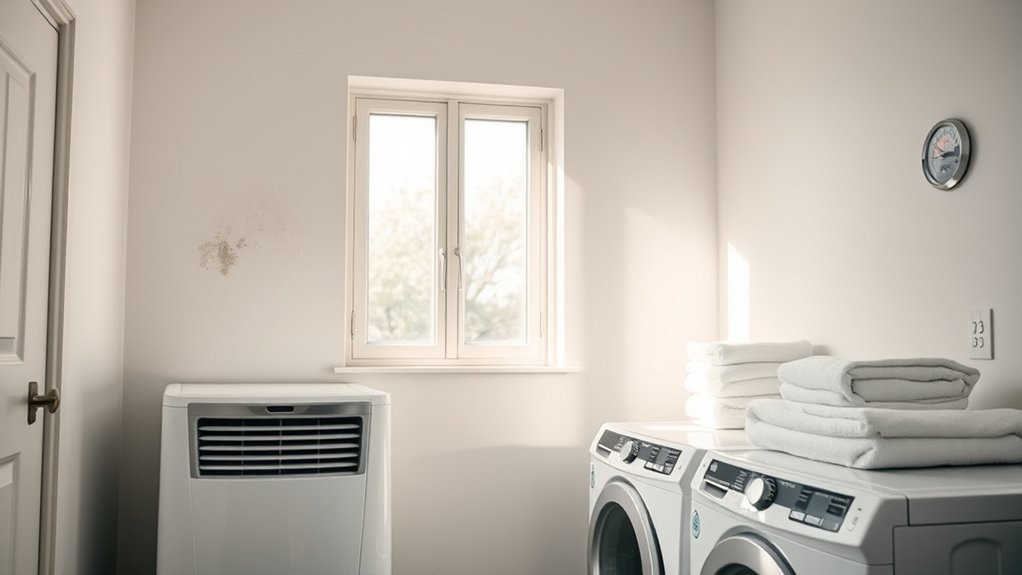
Yes—a dehumidifier helps with mildew prevention by lowering excess moisture in the air. Mildew, like other surface mold growth, needs moisture to keep growing. When you keep indoor relative humidity low, you make bathrooms, basements, laundry rooms, and other damp areas less inviting for mildew.
The safest target is simple: keep indoor humidity below 60%, and aim for 30% to 50% whenever possible. The U.S. Environmental Protection Agency recommends keeping indoor relative humidity below 60%, ideally between 30% and 50%. The CDC gives a stricter prevention target: keep home humidity no higher than 50% all day long.
That does not mean a dehumidifier is a magic mildew remover. It will not scrub mildew off grout, erase stains, dry wet drywall from the inside, repair a leak, or make a badly ventilated bathroom healthy by itself. Think of it as one part of the fix: remove moisture, clean visible growth, improve airflow, and stop the water source.
Pro Tip: Buy a small hygrometer and check the room before and after running the dehumidifier. If humidity stays above 60%, the room likely has a leak, drainage issue, poor ventilation, or a unit that is too small.
Recommended Products

🍃Advanced Small Dehumidifier for Home: Designed for lasting home use, our bathroom dehumidifier works gently and steadily to maintain a balanced humidity level. The large 44 OZ (1.3L) water tank minimizes emptying frequency. Suitable for dorm room, camper, apartment, room, office and living room. No more dampness-just fresh, comfortable air everywhere

UPGRADED HIGH EFFICIENT DEHUMIDIFICATION:Say goodbye to sticky air. This dehumidifier uses semiconductor condensation technology to quietly and efficiently pull moisture from your bedroom, bathroom, or basement. It extracts up to 23 oz (650 ml) of moisture per day under test conditions of 86°F and 60% RH, which helps you enjoy a fresher, more comfortable living space

Fast Drying & Rechargeable — Keep your enclosed spaces perfectly dry with ease! This mini dehumidifier uses silica beads to trap dampness quickly, dropping indoor humidity from 50% down to 30%. You no longer need to deal with the hassle of buying or throwing away standard disposable bags. It is built for a simple, continuous cycle. Just plug the unit in for 16 hours to fully recharge it, and you will get up to 5 days of reliable dryness for your daily life.
How Mildew Grows in Damp Air
Mildew grows when spores land on a damp surface and stay wet long enough to spread. Bathrooms, basements, kitchens, laundry rooms, closets on exterior walls, crawl spaces, and poorly ventilated corners are common problem areas because they trap moisture and dry slowly.
Moisture Triggers Mildew Growth
Moisture is the trigger. Showers, cooking, drying clothes indoors, damp towels, leaking pipes, roof leaks, wet basements, and condensation on cold surfaces can all raise indoor humidity. If wet materials are not dried quickly, mold and mildew can begin to grow. The EPA advises drying wet or damp areas within 24 to 48 hours after leaks or spills whenever possible.
A dehumidifier helps by pulling water vapor from the air. That is useful when a room feels damp, smells musty, or regularly climbs above your target humidity range. It is especially helpful after showers, storms, laundry, or long periods of humid weather.
Humidity Levels and Spread
When indoor humidity stays high, mildew has more opportunities to settle on surfaces such as grout, painted walls, window trim, cardboard boxes, fabrics, and wood. Keeping the air drier reduces the chance that spores will find a damp surface where they can keep growing.
Moisture control is the key: keep indoor humidity below 60%, and aim for 30% to 50% for a lower-risk home environment.
What Humidity Level Stops Mildew?
No humidity number can guarantee that mildew will never appear, because leaks, condensation, wet materials, and poor airflow can still create damp surfaces. But humidity control gives you a strong prevention target.
- Best target: 30% to 50% relative humidity.
- Upper limit: Do not let indoor humidity stay above 60%.
- For sensitive households: Try to stay closer to 50% or below, especially if anyone has asthma, COPD, allergies, or immune suppression.
Use a hygrometer instead of guessing. A room can feel comfortable while a corner, closet, or basement wall remains damp enough for mildew. Check readings at different times of day, especially after showers, cooking, laundry, heavy rain, or humid weather.
Note: Very low humidity can also be uncomfortable. If the air drops much below 30%, some people notice dry skin, irritated sinuses, or static electricity. The goal is balanced humidity, not the driest air possible.
Where a Dehumidifier Works Best
You will get the best results by using the dehumidifier where moisture is actually building up. Do not place it in a dry hallway and expect it to fix a wet basement corner or steamy bathroom.
Recommended Products
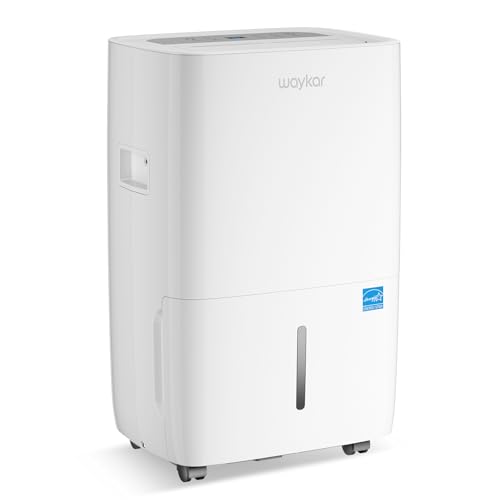
【80 Pint Capacity for Up to 5,000 Sq.Ft Spaces】Quickly removes excess moisture from basements, bathrooms, bedrooms, RVs, and other large living areas, delivering 80 pints per day (95°F, 90% RH).conditions. Designed as a powerful dehumidifier for basement, home, and large spaces, it helps eliminate damp air, condensation—and pet-related odors caused by excess humidity. Even during humid seasons, it works continuously to maintain a dry, comfortable, and healthier indoor environment.

POWERFUL 2,500 SQ. FT. COVERAGE - Stop letting sticky, heavy air dictate your comfort. The BANABIE dehumidifier utilizes a high-efficiency rotary compressor to deliver heavy-duty moisture removal, extracting 32 pints daily (at 95°F, 90%RH). Engineered with a smart integrated airflow system, this unit effectively covers up to 2,500 Sq. Ft., ensuring that your basement, crawl space, or large open floor plans stay bone-dry
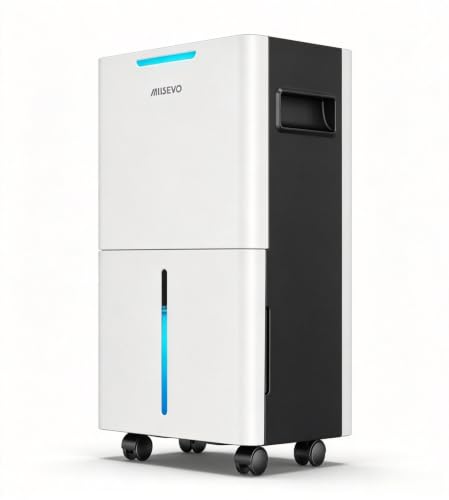
High Efficient Dehumidifier — Equipped with a high-performance compressor, Whether it’s your basement, bedroom, bathroom, living room, bathroom, crawlspace, or even an RV, this dehumidifier effectively keeps your environment dry, comfortable, and healthy.
Best Room Placement
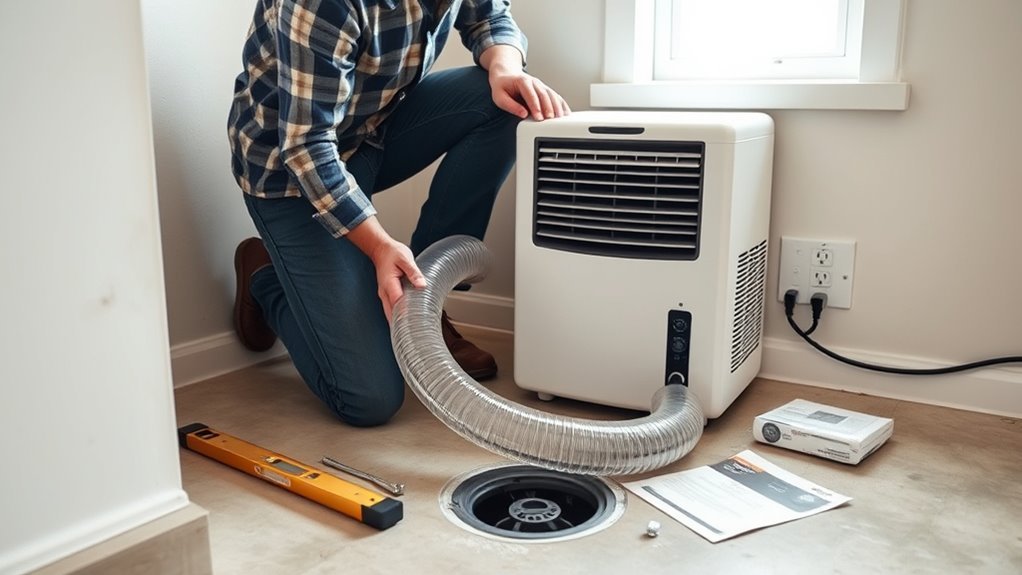
Place the unit in the damp room with at least several inches of clearance around the intake and exhaust. Keep doors and windows closed while it runs, especially when outdoor air is humid. If the room has a floor drain, choose a model with continuous drainage so the tank does not shut off when full.
- Put the dehumidifier near the dampest area, but not pressed against a wall.
- Keep air vents, furniture, curtains, and stored boxes away from the unit.
- Close windows and doors while the unit is running.
- Set the humidistat around 45% to 50% and adjust based on your hygrometer reading.
- Empty the tank, clean the filter, and rinse the bucket on schedule.
Moisture Hotspots
| Area | Why It Helps | Best Practice |
|---|---|---|
| Bathroom | Removes leftover steam after showers. | Run the exhaust fan first; use the dehumidifier if humidity stays high. |
| Basement | Controls damp air, musty odors, and condensation. | Use continuous drainage when possible. |
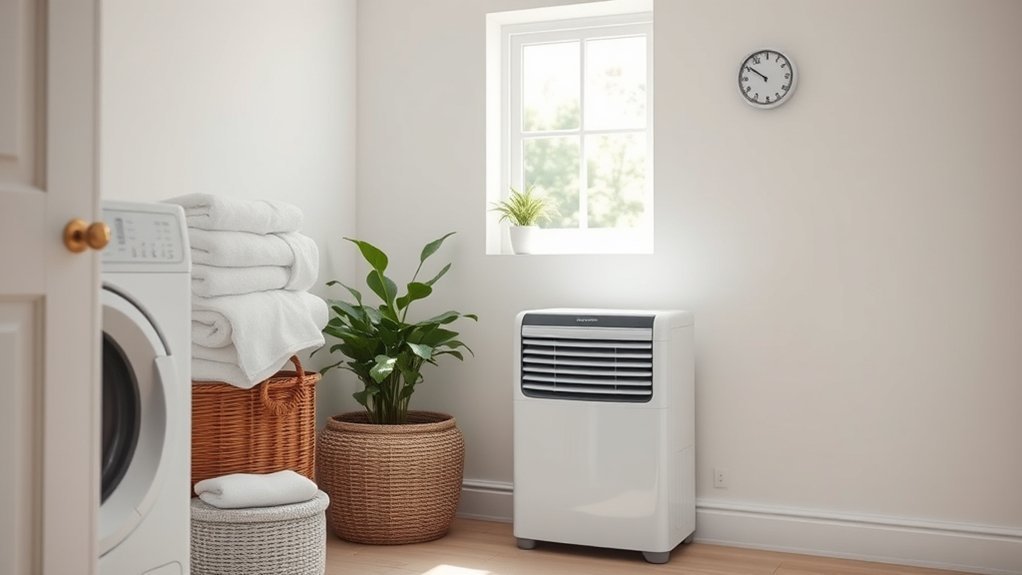
| Laundry Room | Helps after washing, drying, or hanging clothes indoors. | Make sure the dryer vents outside. |
| Kitchen | Reduces cooking steam and dishwashing moisture. | Use an exhaust fan that vents outdoors. |
| Crawl Space or Storage Area | Limits dampness around boxes, wood, and foundation areas. | Check for drainage, vapor barrier, or foundation issues too. |
When a Dehumidifier Isn’t Enough
A dehumidifier lowers moisture in the air, but it does not solve every mildew or mold problem. If the source keeps adding water, mildew will keep coming back.
Warning: Do not rely on a dehumidifier alone if you see widespread mold, smell a strong musty odor, have water damage, suspect mold in HVAC ducts, or have mold after sewage or floodwater. People with asthma, COPD, allergies, immune suppression, or worsening respiratory symptoms should avoid mold cleanup and seek professional advice.
A dehumidifier is not enough when you have:
- Existing mildew or mold: Visible growth must be physically cleaned or removed.
- Leaks: Plumbing, roof, window, foundation, and appliance leaks must be repaired.
- Wet porous materials: Soaked carpet, insulation, ceiling tile, cardboard, and drywall may need removal if they cannot be dried quickly.
- Poor ventilation: Exhaust fans, outdoor venting, and airflow may be needed in kitchens, bathrooms, and laundry rooms.
- Cold surfaces and condensation: Insulation, air sealing, or better temperature control may be needed.
- Large mold areas: If visible mold covers more than about 10 square feet, consult professional guidance.
How to Use a Dehumidifier Correctly
Using a dehumidifier correctly is mostly about measurement, placement, drainage, and cleaning. Follow this simple workflow:
- Measure first. Put a hygrometer in the damp room and record the humidity before turning the unit on.
- Remove obvious water sources. Fix leaks, dry wet towels, remove soaked items, and wipe condensation.
- Place the unit with airflow. Keep it away from walls, curtains, and furniture so air can move freely.
- Set the target humidity. Start around 45% to 50% and adjust if the room still smells musty or feels damp.
- Close windows and doors. This keeps the unit from pulling in more humid outdoor air.
- Use continuous drainage if possible. A full tank shuts many units off before the room is dry.
- Clean the unit. Wash or replace filters as directed, rinse the bucket, and keep the drain line clear.
- Recheck after 24 to 48 hours. If the room stays above 60%, look for hidden moisture or consider a larger unit.
If the room is cold, check your model’s operating temperature. ENERGY STAR notes that frost can form on coils when spaces fall below 65°F, which can hurt performance. In cold basements, garages, or crawl spaces, look for low-temperature operation or an anti-frost feature.
Can a Dehumidifier Remove Musty Smells?
A dehumidifier can reduce musty smells when the odor is caused by damp air. Lower humidity makes the room less friendly to mildew, and the smell may fade as surfaces dry. But if mildew is already growing behind baseboards, under carpet, on stored boxes, or inside wall cavities, the odor will probably return until the growth and moisture source are removed.
Moisture Control Basics
Start by drying the air, then look for the odor source. Run the dehumidifier, check humidity with a meter, and inspect common hidden spots: under sinks, behind toilets, around windows, near exterior walls, below basement stairs, around washing machines, and behind stored items.
Odor Sources Matter
Musty odor is a clue, not a diagnosis. It can come from damp fabrics, wet cardboard, old carpet, crawl spaces, dirty drain pans, mildew on grout, or hidden mold. If the smell remains after humidity stays below 50% for a few days, clean visible mildew and look for leaks or wet materials.
Routine mold testing is usually not the first step. The EPA says that if visible mold growth is present, sampling is usually unnecessary, and there are no federal limits for mold or mold spores to judge compliance in a home. The practical step is to remove the mold and fix the moisture problem.
What Size Dehumidifier Do You Need?
Dehumidifier size is measured in pints of water removed per 24 hours. The right size depends on the room size and how damp the room is without dehumidification. Do not choose by room name alone; a small bathroom with a strong exhaust fan may need less help than a small basement room with seepage.
| Room Condition | Small to Medium Room Under 2,000 sq. ft. | Large Room Over 2,000 sq. ft. |
|---|---|---|
| Slightly to moderately damp; occasional musty odor; about 50%–75% RH | 20–30 pints per day | 30+ pints per day |
| Very damp; consistent odor or damp spots; about 75%–90% RH | 25–40 pints per day | 40+ pints per day |
| Wet; sweating walls/floors, seepage, or heavy laundry drying; about 90%–100% RH | 30–50 pints per day | 50+ pints per day |
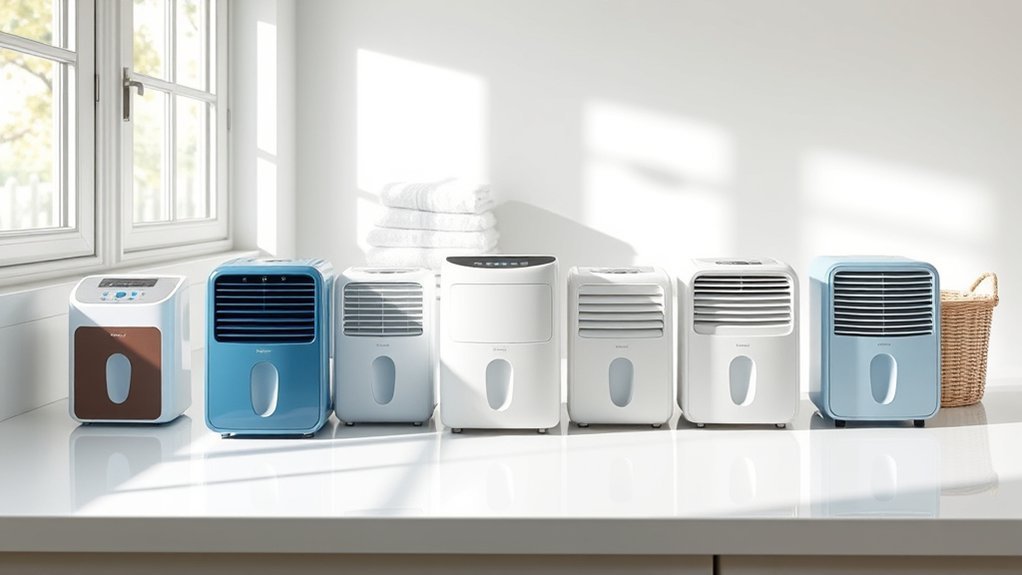
When in doubt, size up rather than down. A unit that is too small may run constantly without reaching your target humidity. Look for a built-in humidistat, washable filter, continuous drain option, auto-restart, and ENERGY STAR certification. ENERGY STAR certified dehumidifiers are designed to use less energy than non-certified models while removing moisture effectively.
Recommended Products

【Compact Size, Big Efficiency】 The upgraded 2025 Waykar dehumidifier features cutting-edge rotary compressor technology. It’s more compact but still powerful, capable of removing up to 34 pints of moisture per day (at 95℉, 90% RH), ideal for spaces up to 2,000 sq. ft. such as living rooms, basements, bedrooms, and offices. The adjustable humidity range from 30% to 80% helps you easily maintain the ideal indoor humidity

【Powerful 30-Pint Dehumidifier for Basement, Bedroom & Whole Home】This high-capacity dehumidifier removes up to 30 pints per day (95°F, 90% RH) and 25 pints under normal conditions (86°F, 80% RH).conditions, making it the go-to dehumidifier for basement spaces with sweating walls, a musty dehumidifier for bedroom comfort, and a versatile choice among dehumidifiers for home use. Covers up to 2,000 sq. ft., eliminating condensation, odors, and damp air for a fresher living environment.(Dehumidification capacity≠Water Tank Volume)

2500 Sq.Ft High Capacity Dehumidifier- The GoGuess basement dehumidifier is equipped with a quiet yet powerful compressor that efficiently extracts up to 34 pints of moisture per day (tested at 95°F and 90% RH). Perfect for use in basements, offices, bathrooms, bedrooms, kitchens, storage areas, living rooms, laundry spaces, garages, crawl spaces, and RVs. It helps maintain a healthy humidity level between 30% and 70%, promoting a more comfortable and healthier indoor environment.
Fixing Ventilation Problems That Cause Mildew
Ventilation matters because a dehumidifier removes moisture after it enters the room, while exhaust fans and outdoor venting remove moisture at the source. The best mildew prevention plan often uses both.
- Bathrooms: Run an exhaust fan during showers and after the room is no longer steamy. The fan should vent outside, not into an attic.
- Kitchens: Use a range hood or exhaust fan when boiling water, simmering food, or running the dishwasher.
- Laundry rooms: Make sure the clothes dryer vents outside and the vent is not blocked with lint.
- Basements: Check grading, gutters, foundation cracks, sump pumps, and stored cardboard boxes.
- Crawl spaces: Look for standing water, bare soil moisture, poor drainage, or missing vapor barriers.
Open windows only when outdoor air is drier than indoor air and you are not actively running the dehumidifier. In humid weather, open windows can make the unit work harder and may raise indoor humidity.
How to Clean Small Mildew Spots Safely
For small areas on hard, non-porous surfaces such as tile, glass, sealed countertops, or painted trim, cleaning may be manageable if you are not in a higher-risk health group. Wear gloves and eye protection, ventilate the area, and avoid breathing dust or spores.
- Fix the moisture source first, or the mildew will return.
- Wear gloves, eye protection, and a properly fitted N95 respirator if cleanup may disturb spores.
- Clean hard surfaces with detergent and water or a product labeled for mold/mildew cleanup.
- Dry the surface completely.
- Run the exhaust fan or dehumidifier until humidity is back in range.
- Throw away soaked porous items that cannot be fully dried or cleaned.
Never mix bleach with ammonia or other cleaners. If you use bleach, follow the product label and keep the area well ventilated. For large areas, recurring growth, sewage/floodwater damage, or HVAC contamination, bring in a qualified mold remediation professional.
When to Call for Mold Remediation
Call for mold remediation or professional evaluation when the issue is bigger than a small, easy-to-clean surface patch. A dehumidifier can help prevent future growth, but it cannot safely remove a large contamination area.
- Visible mold covers more than about 10 square feet. EPA guidance says larger areas need more caution and professional cleanup guidance.
- There was flooding, sewage, or contaminated water. These situations can involve more than simple mildew.
- You suspect mold in HVAC ducts or equipment. Do not run a contaminated HVAC system because it can spread mold through the building.
- People in the home have symptoms. Coughing, wheezing, burning eyes, skin irritation, asthma flare-ups, or COPD symptoms are reasons to be more cautious.
- Mildew keeps returning after cleaning. Recurrence usually means the moisture source is still active.
- The musty odor is strong but hidden. Mold may be behind walls, under flooring, in insulation, or around crawl spaces.
Frequently Asked Questions
Will a dehumidifier kill mildew?
No. A dehumidifier does not kill mildew or remove visible growth. It lowers humidity so mildew has a harder time growing back. You still need to clean the affected surface and fix the moisture source.
Should you use a dehumidifier if you have COPD?
A dehumidifier may help keep humidity in a safer range, but COPD makes mold exposure more serious. Do not clean mold yourself if you have COPD or another chronic respiratory condition. Ask a healthcare professional if symptoms worsen and use a qualified remediation professional for mold cleanup.
Can you live in a house with mold in the basement?
You should not ignore basement mold. Small surface spots may be cleaned safely by some homeowners, but widespread mold, recurring musty odors, flooding, or health symptoms call for professional help. Fix basement moisture first, or mold will keep returning.
Do you leave windows open when using a dehumidifier?
Usually, no. Keep windows and doors closed while the dehumidifier is running, especially when outdoor air is humid. Open windows only when outdoor air is dry and you are using fresh air as ventilation rather than active dehumidification.
What should I set my dehumidifier to for mildew prevention?
Start around 45% to 50% relative humidity. That keeps the room within the EPA’s ideal 30% to 50% range without making the air overly dry. Use a separate hygrometer to confirm the unit’s reading.
Why does mildew come back after using a dehumidifier?
Mildew usually comes back because the surface was not fully cleaned or the moisture source is still present. Check for leaks, condensation, poor ventilation, wet porous materials, blocked exhaust fans, and humidity that stays above 60%.
Conclusion
So, does a dehumidifier help with mildew? Yes, but only as part of a complete moisture-control plan. Use it to keep humidity near 30% to 50%, especially in basements, bathrooms, laundry rooms, and other damp spaces. Then clean visible mildew, improve ventilation, and fix leaks or wet materials. If growth is widespread, keeps returning, or affects anyone’s breathing, call a professional instead of relying on the dehumidifier alone.
Sources
- EPA Mold Course: Humidity — supports the below-60% and ideal 30%–50% indoor humidity guidance.
- EPA Brief Guide to Mold, Moisture and Your Home — supports moisture control, drying wet materials within 24–48 hours, ventilation, and dehumidifier use.
- EPA Mold Cleanup in Your Home — supports the 10-square-foot cleanup threshold and professional-remediation cautions.
- CDC Mold Clean Up Guidelines and Recommendations — supports PPE and higher-risk group guidance for allergies, immune suppression, asthma, and COPD.
- CDC You Can Control Mold — supports keeping humidity no higher than 50%, checking humidity with a meter, ventilation, leak repair, and drying after flooding.
- ENERGY STAR Dehumidifiers Buying Guidance — supports dehumidifier capacity, sizing by dampness and square footage, drainage options, and cold-temperature operation notes.