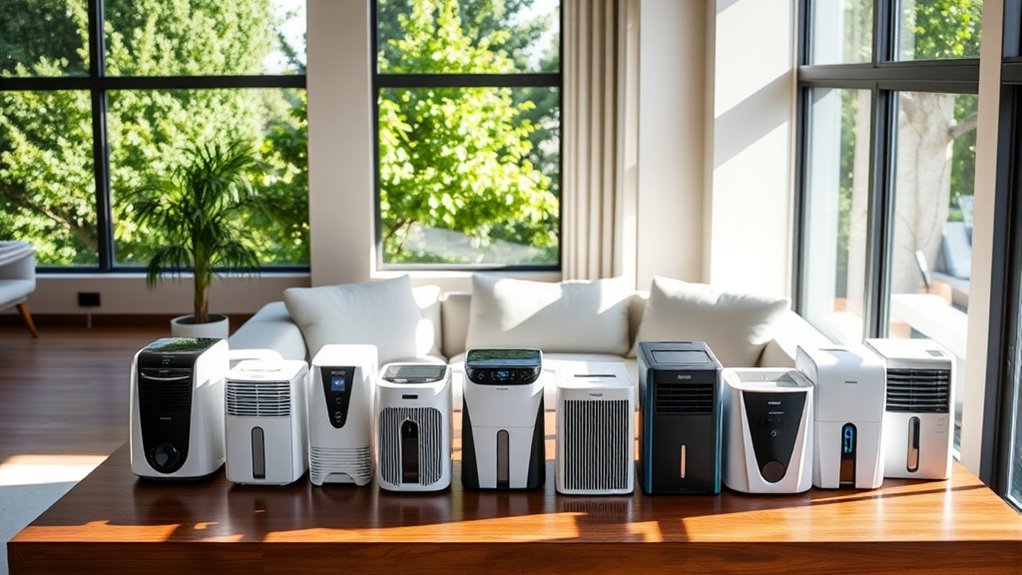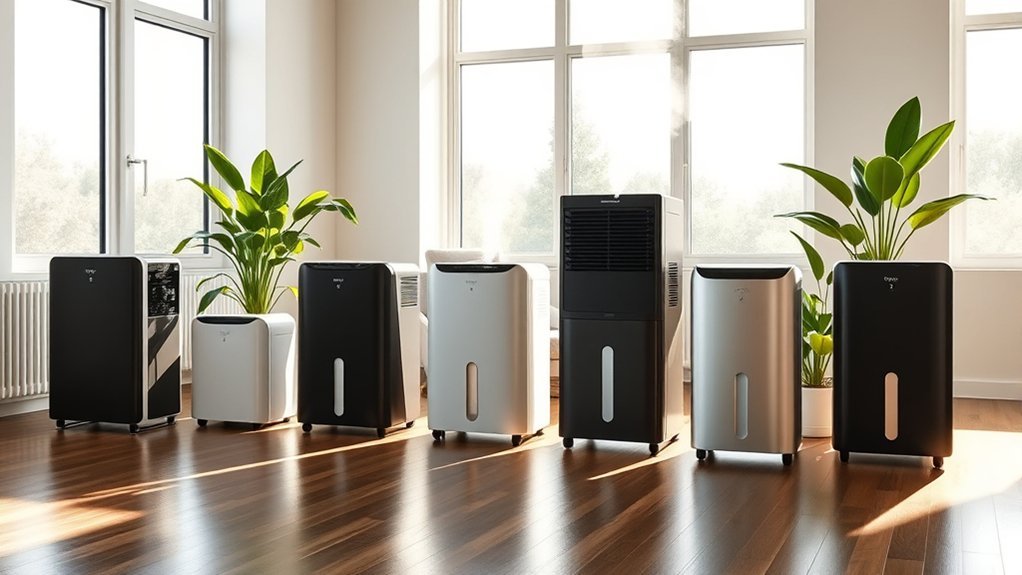
If your home feels sticky, smells musty, or shows condensation even when the thermostat looks normal, the problem may be indoor moisture rather than temperature. A whole-home dehumidifier, also called a whole-house or central dehumidifier, can control humidity across multiple rooms through your HVAC ductwork. The right choice depends on your indoor relative humidity, duct layout, drainage options, home size, and whether you have already fixed leaks, poor ventilation, or crawlspace moisture.
Quick Answer
A whole-home dehumidifier is worth considering when indoor humidity stays above about 50% to 55%, especially in a well-sealed home with central air, musty odors, window condensation, or mold-prone dampness. It works best after leaks, drainage problems, and ventilation issues are fixed first.
Key Takeaways
- Aim for indoor humidity that is generally below 50% to 60%; the EPA recommends below 60%, ideally 30% to 50%, while the CDC recommends no higher than 50% for mold prevention.
- A whole-home unit is best for widespread humidity problems, not a single damp closet or one basement corner.
- Fix water sources first: roof leaks, plumbing leaks, poor grading, clogged gutters, wet crawlspaces, and bathroom or kitchen ventilation.
- Expect equipment, ductwork, electrical, drainage, controls, and labor to affect the final installed cost.
- Choose a model by moisture load and pints per day, not by square footage alone.
Do You Need a Whole-Home Dehumidifier?
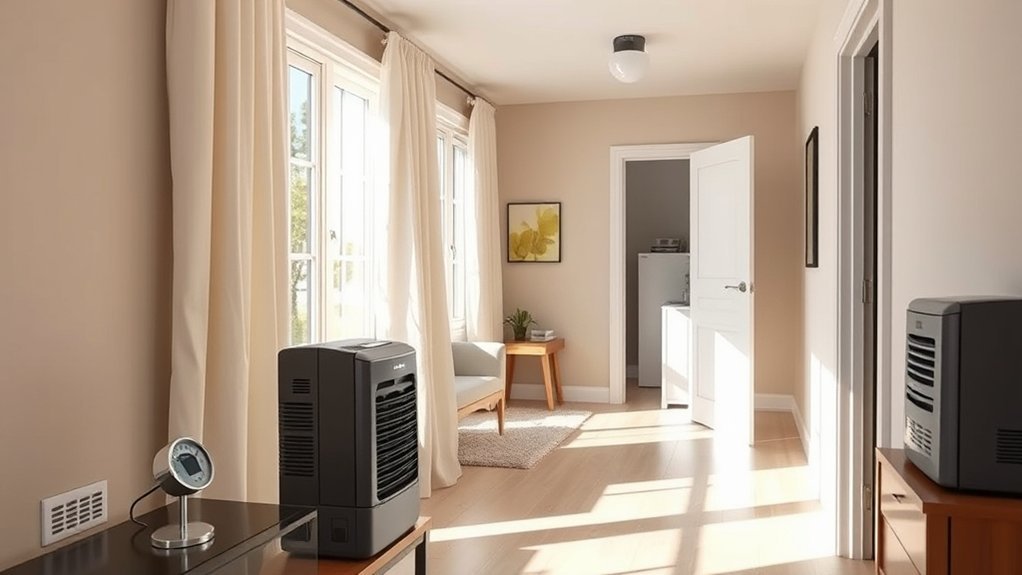
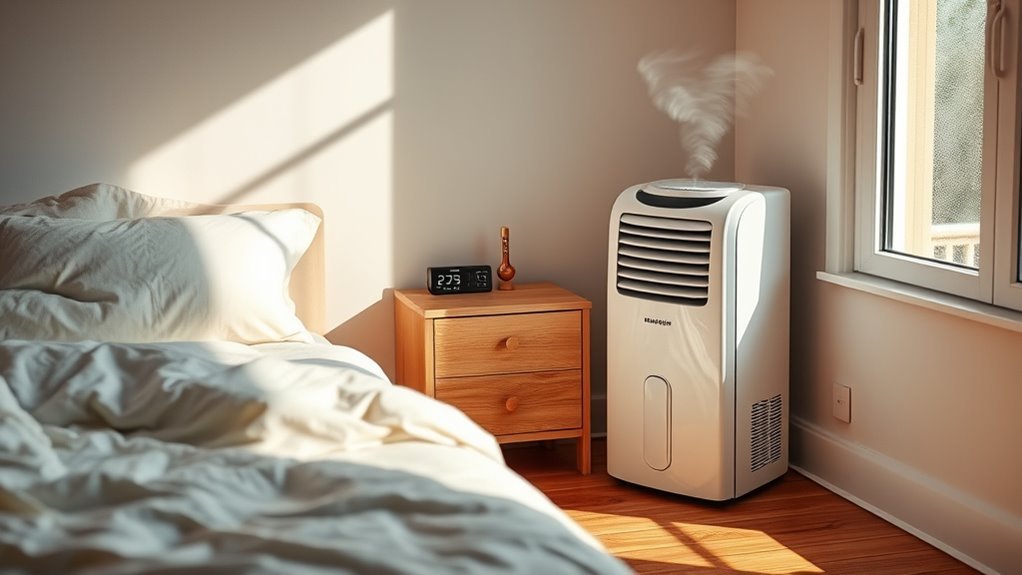
You may need a whole-home dehumidifier if humidity is high across the house, not just in one room. Start by measuring indoor relative humidity with a hygrometer for at least a week. Check several areas: the main living space, bedrooms, basement, crawlspace access area, and any room with condensation or musty odor.
A practical warning sign is humidity that often stays above 50% to 55%, especially during mild or rainy weather when the air conditioner does not run long enough to remove moisture. ENERGY STAR notes that whole-home dehumidifiers can be useful for well-sealed homes with central air systems that consistently read above 55% throughout the house.
Note: High humidity is a symptom. Before buying equipment, look for the source: leaks, standing water, wet foundation walls, unvented dryers, bathroom fans that do not vent outdoors, poor grading, or a damp crawlspace.
A whole-house system is most useful when you notice several of these signs:
- Persistent musty odors in more than one room
- Condensation on windows, cold pipes, or exterior walls
- Humidity readings above your target even when the air conditioner is working
- Visible mold or recurring mildew on surfaces
- Sticky indoor air during spring, fall, or rainy periods
- Portable dehumidifiers that fill often but never seem to solve the whole-house problem
How a Whole-Home Dehumidifier Works
A whole-home dehumidifier removes moisture by pulling humid air through the HVAC system or through a dedicated return duct. The air passes through a filter, moves across cold evaporator coils, drops moisture into a drain pan, and then returns drier air through the duct system. Many units run independently of cooling, so they can control moisture even when the air conditioner is not calling for cold air.
Air Intake and Filtration
The intake path matters. A ducted whole-home system may pull return air from the central HVAC return, a dedicated return grille, or another configuration allowed by the manufacturer. The goal is steady airflow without starving the HVAC blower or creating pressure problems.
- Air enters the dehumidifier through return ductwork or a dedicated intake.
- A filter traps dust before the air reaches the coil.
- The unit removes moisture and sends drier air back into the home.
This filtration is not a replacement for a full air-cleaning system, but it helps protect the equipment and can reduce some airborne particles moving through the unit.
Condensation and Dry Air
Once air reaches the cold coil, moisture condenses into liquid water. That water must drain safely to a floor drain, condensate pump, plumbing drain, or another approved location. The dehumidifier then reheats the air slightly before sending it back into the duct system.
| Stage | What Happens | Why It Matters |
|---|---|---|
| Filtration | Dust is trapped before the coil. | Protects equipment and airflow. |
| Cooling coil | Humid air cools below its dew point. | Moisture condenses out of the air. |
| Drain | Water leaves through a drain line or pump. | Prevents bucket emptying and overflow risk. |
| Reheat and supply | Drier air returns to the home. | Humidity drops without overcooling the house. |
Whole-Home Dehumidifier vs. Portable Units
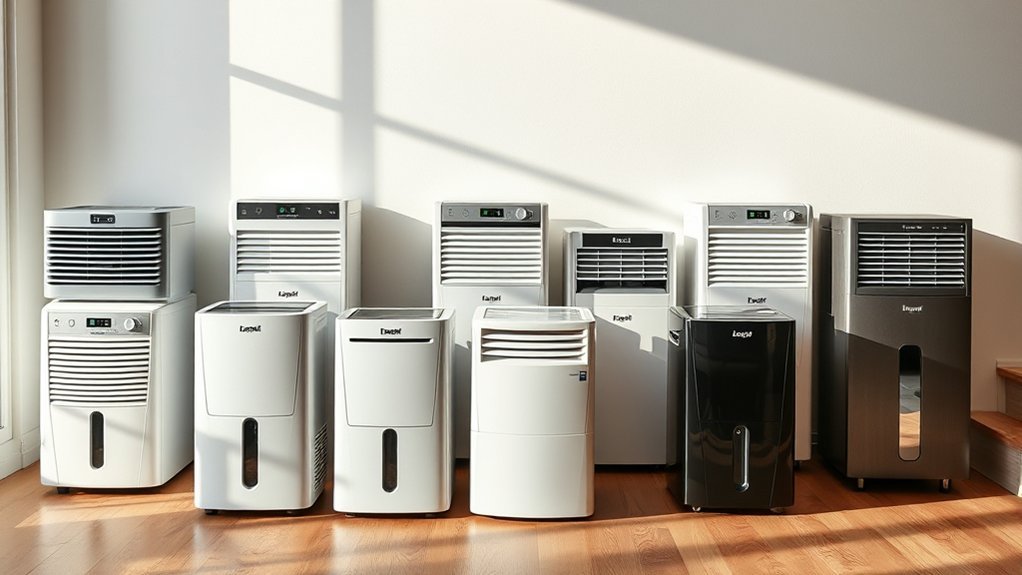
The main difference is coverage. A portable dehumidifier treats one room or zone. A whole-home dehumidifier connects to ductwork and controls moisture across larger areas.
| Feature | Whole-Home Dehumidifier | Portable Dehumidifier |
|---|---|---|
| Best for | Widespread humidity problems | One room, basement, laundry area, or temporary dampness |
| Installation | Professional HVAC installation | Plug-in setup |
| Drainage | Continuous drain or condensate pump | Bucket or hose drain |
| Upfront cost | Higher | Lower |
| Maintenance | Filter, drain, annual HVAC check | Bucket emptying, filter cleaning, placement changes |
Choose a portable unit when the problem is isolated. Choose a whole-home system when moisture is spread across the house and you want automatic control without moving equipment or emptying buckets.
Recommended Products

【The Undisputed Champion — Industry-Leading Dehumidifier Brand】When you choose AEOCKY, you get double market validation. According to data independently verified by Stackline, a leading third-party data analytics company, AEOCKY was an industry‑leading dehumidifier brand on Amazon U.S. in 2025. This means you’re not just choosing a flagship product from a market leader, but a top-performing brand backed by independent market data and trusted by millions of real users, delivering the ultimate combination of performance, quality and trust.

2500 Sq. Ft Dehumidifier - SEMKAP dehumidifier for basement features a quiet, high-performance compressor that removes up to 32 pints of moisture per day (at 95°F, 90% RH). Ideal for basements, offices, bathrooms, bedrooms, kitchens, stockrooms, living rooms, laundry rooms, garages, crawlspaces, or RVs. It helps maintain optimal humidity between 40%–60%RH for healthier, more comfortable living

POWERFUL 2,500 SQ. FT. COVERAGE - Stop letting sticky, heavy air dictate your comfort. The BANABIE dehumidifier utilizes a high-efficiency rotary compressor to deliver heavy-duty moisture removal, extracting 32 pints daily (at 95°F, 90%RH). Engineered with a smart integrated airflow system, this unit effectively covers up to 2,500 Sq. Ft., ensuring that your basement, crawl space, or large open floor plans stay bone-dry
When a Whole-Home Dehumidifier Is Worth It
A whole-home dehumidifier is most likely worth it when high humidity is persistent, measured, and widespread. It is not the first fix for an active leak or a wet foundation. If water is entering the house, drying the air may hide the symptom while the damage continues.
It may be worth the investment when:
- Your indoor humidity stays above 50% to 55% even after normal HVAC operation.
- Your air conditioner is oversized and short-cycles, cooling the house before it removes enough moisture.
- You live in a humid climate or have long shoulder seasons where the AC does not run much.
- Musty odors return after cleaning.
- Condensation forms on windows, pipes, or supply vents.
- You have a well-sealed home that traps moisture from cooking, bathing, laundry, and outdoor air infiltration.
Warning: If you can see mold, smell strong mold odor, or suspect mold inside the HVAC system, do not rely on a dehumidifier alone. The EPA recommends fixing the water problem and cleaning up mold; do not run an HVAC system you know or suspect is contaminated with mold.
How Much a Whole-Home Dehumidifier Costs
Costs vary by capacity, brand, controls, duct changes, electrical work, drainage, permits, and local labor. As a general planning range, many whole-home dehumidifier units fall around $1,500 to $3,000 for equipment, with professional installation adding more. A simple replacement near existing ductwork and drainage will cost less than a new install that needs duct modifications, a dedicated electrical circuit, or a condensate pump.
| Cost Item | What Affects It |
|---|---|
| Equipment | Capacity, ENERGY STAR certification, controls, cabinet size, brand, warranty |
| Labor | Access, duct layout, attic/basement/crawlspace conditions, installer rates |
| Ductwork | Dedicated return, supply connection, balancing dampers, static pressure concerns |
| Drainage | Floor drain, condensate pump, drain line length, overflow protection |
| Electrical and controls | Dedicated circuit, humidistat, thermostat integration, low-voltage wiring |
Recommended Products

【Reduce humidity - Enhance comfort】:Massive Capacity + Wide Coverage. This dehumidifier has dehumidification capacity ranging 45- 80 pints—outperforming standard units while covering 4,500 sq. ft. of living space. Great dehumidifier for basements, large house, garages, bedroom, bathroom and gyms where excess humidity triggers cause unpleasant odors and discomfort. The result? A noticeably drier, fresher, and more comfortable environment for your entire family.
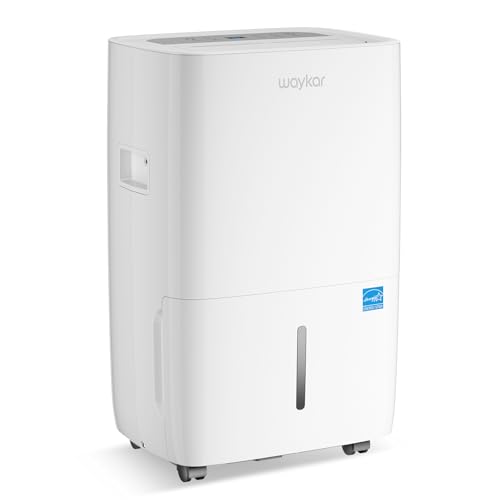
【80 Pint Capacity for Up to 5,000 Sq.Ft Spaces】Quickly removes excess moisture from basements, bathrooms, bedrooms, RVs, and other large living areas, delivering 80 pints per day (95°F, 90% RH).conditions. Designed as a powerful dehumidifier for basement, home, and large spaces, it helps eliminate damp air, condensation—and pet-related odors caused by excess humidity. Even during humid seasons, it works continuously to maintain a dry, comfortable, and healthier indoor environment.
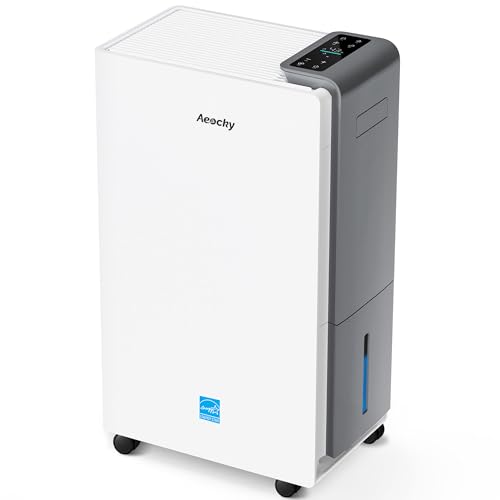
【ENERGY STAR 25 ≠ ENERGY STAR Most Efficient 2025】Don't fall for competitors' word games. With only 2.6% of ENERGY STAR models earning "Most Efficient 2025" title, these options are exceptionally rare on the market. RHEA-001 is one of the few to truly hold this top-tier certification. Many brands use misleading phrases like "Energy Star Efficient 25" or "Energy Star 25" to imply a standard they haven't met. Choosing them is a risk.With AEOCKY, you get verified performance and the peace of mind of authentic, top-tier efficiency.
Equipment Price Range
Equipment pricing usually rises with capacity and features. Larger homes, damp basements, tight building envelopes, and humid climates may need higher-capacity units. ENERGY STAR measures dehumidifier efficiency using integrated energy factor, and certified models must meet current criteria listed in the ENERGY STAR dehumidifier efficiency requirements.
Installation Cost Factors
Professional installation is usually the right choice because ducted dehumidifiers affect airflow, static pressure, condensate drainage, and HVAC controls. ENERGY STAR also recommends hiring a qualified contractor who evaluates the home instead of guessing by equipment size alone.
Ask for an itemized quote that lists the model number, capacity, duct changes, drain route, electrical work, controls, warranty, and maintenance requirements.
Long-Term Value Savings
A properly sized system can make the home feel cooler at a higher thermostat setting because drier air feels less sticky. ENERGY STAR certified dehumidifiers use more efficient refrigeration coils, compressors, and fans than similarly sized conventional models, which can reduce energy use without sacrificing moisture removal.
That does not mean every home saves money. If the humidity problem comes from a leak, open crawlspace, poor drainage, or unvented dryer, fix that source first. The best savings come from combining moisture-source control, efficient equipment, proper duct installation, and regular maintenance.
Best Places to Install One
The best location depends on the HVAC layout and where moisture is coming from. Common locations include basements, crawlspace-adjacent mechanical areas, utility rooms, attics with safe access, and mechanical closets. The unit needs service access, safe drainage, enough airflow, and a location that meets the manufacturer’s clearance requirements.
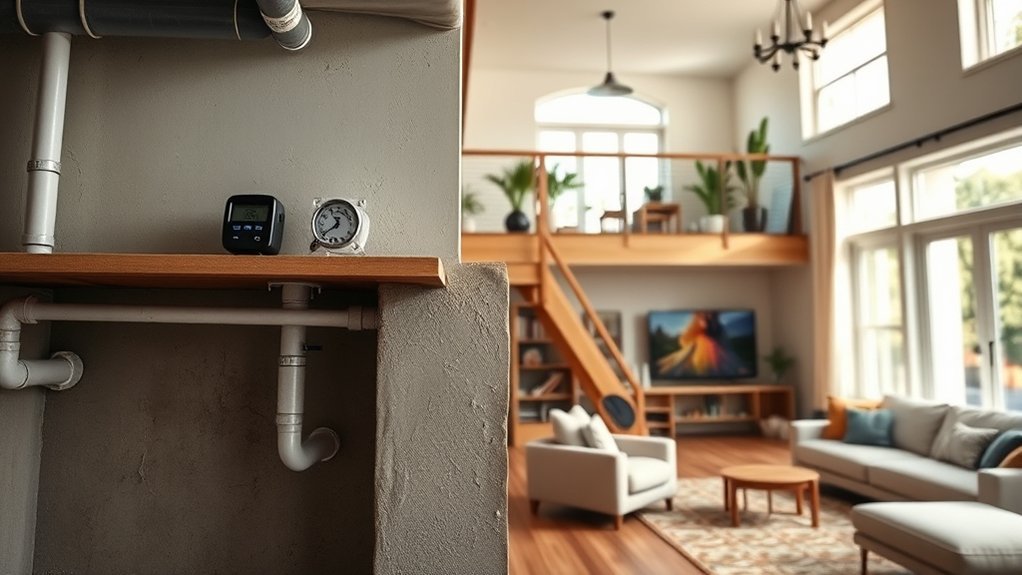
Many systems work best with a dedicated return duct so the dehumidifier can pull humid air efficiently without disrupting the main HVAC return. In other homes, the unit may connect to the return and supply sides of the central duct system. The installer should follow the manufacturer’s ducting instructions and confirm airflow after installation.
Pro Tip: Place a hygrometer in the problem area before and after installation. If humidity improves near the unit but stays high in bedrooms or upper floors, the issue may be airflow balance, duct design, or an unaddressed moisture source.
How It Improves Comfort and Air Quality
A whole-home dehumidifier can improve comfort by reducing sticky air, musty smells, and condensation. It can also help reduce conditions that support mold and mildew growth. The CDC notes that mold grows where moisture is present and that damp or moldy environments may cause health effects in some people.
Better humidity control may help:
- Limit condensation on windows, walls, and pipes
- Reduce musty odors linked to damp materials
- Make indoor air feel more comfortable without overcooling
- Lower the chance of mold-friendly conditions returning after cleanup
- Protect wood floors, trim, furniture, insulation, and stored belongings from chronic dampness
Do not treat a dehumidifier as a medical device. If someone in the home has asthma, COPD, allergies, immune suppression, or symptoms that worsen indoors, talk with a healthcare professional and address moisture, mold, ventilation, and filtration together.
How to Choose the Right Model
Choosing the right whole-home dehumidifier starts with measurement. Track humidity readings, note when they spike, and identify the areas that feel damp. Then match the unit to both home size and moisture load.
Use this checklist before buying:
- Capacity: Look at pints per day and the manufacturer’s sizing guidance.
- Efficiency: Choose an ENERGY STAR certified model when possible.
- Controls: Look for a reliable humidistat or thermostat integration.
- Drainage: Confirm where condensate will go and whether a pump is needed.
- Duct design: Ask whether the system needs a dedicated return or supply connection.
- Noise: Check sound ratings and avoid placing the unit near bedrooms when possible.
- Filter access: Make sure the filter can be reached without crawling through tight spaces.
- Warranty and service: Choose a brand your local HVAC contractor can support.
Recommended Products

【The Undisputed Champion — Industry-Leading Dehumidifier Brand】When you choose AEOCKY, you get double market validation. According to data independently verified by Stackline, a leading third-party data analytics company, AEOCKY was an industry‑leading dehumidifier brand on Amazon U.S. in 2025. This means you’re not just choosing a flagship product from a market leader, but a top-performing brand backed by independent market data and trusted by millions of real users, delivering the ultimate combination of performance, quality and trust.

Semiconductor dehumidifiers use thermoelectric cooling to remove moisture from the air. They create a drier, more comfortable environment by reducing humidity and improving air quality.

[Commercial Grade Dehumidifier] This Airzentti crawl space dehumidifier with large capacity removes moisture from basement, attic, large room and small rooms efficiently up to 155 pints per day under nearly saturated condition (70 PPD in AHAM), with 220 CFM airflow, it is ideal for space up to 7,500 square feet.
Questions to Ask Your HVAC Contractor
- What humidity readings and moisture sources did you find?
- What capacity do you recommend, and why?
- Will this use a dedicated return duct?
- How will condensate drain, and what happens if the drain clogs?
- Will the unit run independently of air conditioning?
- Will the installation affect HVAC airflow or static pressure?
- What filter does it use, and how often should I replace it?
- Is electrical work, a permit, or code inspection required?
- What maintenance is included in the first year?
Maintenance After Installation
Plan on basic maintenance. Replace or clean the filter on the schedule recommended by the manufacturer. Check the drain line for clogs or algae. Make sure the condensate pump works if one is installed. During annual HVAC service, ask the technician to inspect the dehumidifier, controls, wiring, duct connections, and drain safety switch.
Frequently Asked Questions
Should you use a dehumidifier if you have COPD?
A dehumidifier may help control dampness and mold-friendly conditions, but it is not a COPD treatment. The CDC notes that people with chronic lung disease may be at higher risk from mold exposure. If COPD symptoms seem worse indoors, speak with a healthcare professional and address humidity, mold, ventilation, filtration, and cleaning together.
Are dehumidifiers good for dry scalp?
Usually, no. If your scalp is truly dry, removing more moisture from the air can make dryness feel worse. A dehumidifier may help only when itch or irritation is related to dampness, mold, or high humidity. Keep indoor humidity in a balanced range and consider a dermatologist if dryness, flaking, or itching persists.
Will a dehumidifier help dry out plaster?
Yes, it can help remove excess moisture from the room while plaster dries, especially in humid weather. Do not force-dry new plaster too aggressively with high heat or extreme airflow, because uneven drying can contribute to cracking. Follow the plaster product guidance and keep the space ventilated and moderately dry.
Does a dehumidifier help with roaches?
It can support pest control by making damp areas less attractive. NIOSH/CDC notes that moisture can attract cockroaches, rodents, and dust mites. Still, a dehumidifier will not eliminate roaches by itself. You also need sanitation, sealed gaps, food control, plumbing repairs, and targeted pest treatment.
What humidity should I set a whole-home dehumidifier to?
A common target is about 45% to 50% in warm, humid weather. In cold climates, you may need a lower winter setting to reduce window condensation. Avoid over-drying the home; very low humidity can irritate skin, eyes, and airways and may affect wood materials.
Can a whole-home dehumidifier replace air conditioning?
No. A dehumidifier removes moisture, while an air conditioner primarily removes heat and also removes some moisture as it cools. In many homes, the two systems work together: the AC handles temperature, and the dehumidifier handles humidity when cooling alone is not enough.
How long does a whole-home dehumidifier last?
Many last roughly 8 to 15 years, depending on runtime, installation quality, filter maintenance, drain condition, and indoor dust levels. A unit in a very humid climate or dusty mechanical space may need more frequent service.
Conclusion
A whole-home dehumidifier can be a smart upgrade when humidity is high across the house, your air conditioner does not remove enough moisture, and portable units cannot keep up. Measure humidity first, fix water sources, and choose a properly sized ducted unit with safe drainage and professional installation. When the system matches your home’s moisture load, it can improve comfort, reduce condensation, limit mold-friendly conditions, and make indoor air feel cleaner without constant bucket emptying.
Sources
- U.S. EPA — A Brief Guide to Mold, Moisture and Your Home — indoor humidity targets, condensation, mold prevention, and cleanup safety.
- CDC — Mold — mold growth, prevention, possible health effects, and chronic lung disease caution.
- NIOSH/CDC — Mold in the Workplace — dampness, respiratory concerns, and moisture attracting pests such as cockroaches and dust mites.
- ENERGY STAR — Dehumidifiers — whole-home vs portable dehumidifiers, buying guidance, humidity targets, capacity, drainage, and energy savings.
- ENERGY STAR — Dehumidifiers Key Efficiency Criteria — current certified dehumidifier efficiency requirements and definitions.
- ENERGY STAR — Tips for Hiring a Heating and Cooling Contractor — contractor evaluation, sizing, written estimates, and HVAC installation guidance.