A robot vacuum usually needs 2 to 4 hours to fully charge, though some models finish sooner and others take longer. The first charge can take much more time, and battery size, dock placement, and room temperature all play a role. When charging seems slow or uneven, the cause is not always obvious. The next steps explain what is normal, what is not, and how to tell the difference.
How Long Does a Robot Vacuum Take to Charge?
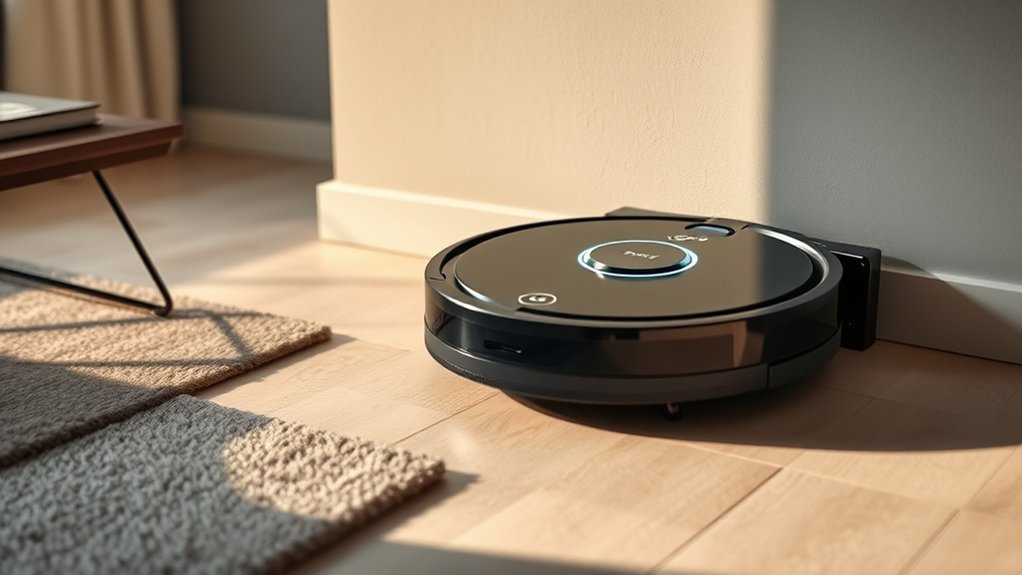
Most robot vacuums take about 2 to 4 hours to fully charge, though the exact time depends on the model and battery size. That charging time is usually enough to restore a robot vacuum battery for another round of cleaning tasks without much delay.
A high-capacity model may finish sooner; for example, some units like the Narwal Flow can reach a full charge in about 2.5 hours.
On first use, many manufacturers recommend a longer initial charge, often around 35 hours, to help the battery settle into regular operation.
After that, docking the machine at its home base after each cleaning session helps keep it ready and supports battery health. If the battery has been deeply drained, the next charge may take longer.
In practice, the goal is simple: keep the unit fully charged enough to resume work with minimal interruption.
What Affects Robot Vacuum Charging Time?
Robot vacuum charging time is shaped first by battery size and type, with larger batteries taking longer and lithium-ion units usually charging more efficiently than NiMH models.
Battery condition also matters, since older or worn cells can slow the process.
Charging conditions and dock setup, including placement and any obstructions, can further affect how quickly the vacuum returns to full power.
Battery Size and Type
Battery size plays a major role in how long a robot vacuum needs to recharge, because larger batteries hold more energy and usually take longer to refill than smaller ones. A 6400mAh pack will often need more charging time than a 2500mAh pack, even under similar use.
Lithium-ion batteries usually reach a full charge faster than nickel-metal hydride cells, and they also tend to last longer, which improves overall efficiency. On average, a robot vacuum may gain about 1% every 2 minutes, so a full charge can take around 200 minutes.
Clean charging contacts help power flow consistently, while battery chemistry sets the baseline. Users seeking more freedom from upkeep should favor models with efficient cells and appropriately sized batteries.
Charging Conditions and Dock Setup
Charging time is often shaped as much by the dock setup as by the battery itself, with many robot vacuums needing about 2 to 6 hours to recharge and some finishing in roughly 3 hours. A sound charging dock setup keeps the charging process efficient and reduces charging issues.
- Place the docking station on a flat surface.
- Leave 1.5 feet of space on each side.
- Keep 4 feet clear in front.
- Maintain the dock in one fixed location.
Environmental factors like clutter, uneven floors, and poor alignment can block docking and slow recharging.
Clean the contacts regularly and check that the vacuum aligns properly. When the station stays accessible, the robot can return freely, recharge reliably, and move back to work without delay.
How to Charge a Robot Vacuum Properly
Proper charging starts with placing the robot vacuum on its docking station so the charging pins align correctly for solid contact.
To charge a robot vacuum properly, the robot vacuum cleaner should sit squarely on the dock, with the docking station plugged into a wall outlet and kept on a flat surface with open space around it.
During first-time charging, a full session usually takes 2 to 3 hours, depending on the model, and the unit stops charging automatically when full.
Regularly clean the charging contacts on both the vacuum and dock to preserve efficient power transfer and reduce avoidable interruptions.
Charging status can be monitored through the app or indicator lights, which helps confirm that charging is underway.
This simple routine keeps the process reliable and gives the machine the freedom to return, recharge, and resume work with minimal oversight.
Why Your Robot Vacuum Won’t Charge
When a robot vacuum refuses to charge, the problem is often simple: the unit may not be seated correctly on the dock, or dust and debris may be blocking the charging contacts. Proper alignment is essential, because even a small shift can break the connection between the vacuum and the charging dock.
- Clean the charging contacts on both units.
- Check the power source and outlet.
- Reboot the vacuum or update firmware.
- Consider battery degradation if charging remains weak.
If the dock is plugged into a working outlet and its indicator shows power, the issue may lie elsewhere. Software glitches can stop the vacuum from recognizing the dock, and a restart often clears the fault.
When the machine still struggles to hold a charge after these checks, battery degradation becomes the likely cause. Replacing the battery can restore reliable operation and reduce frustration.
What Robot Vacuum Charging Lights Mean
Charging light colors give a quick status check for a robot vacuum. A green light usually means fully charged, while a red or flashing light can point to low battery or a charging problem.
Some models also use a beep or a light that turns off to show whether docking and charging have started correctly.
Charging Light Colors
A few simple light cues usually show the robot vacuum’s charging status at a glance. Charging light colors help users judge progress without waiting around.
A solid green light usually means the unit is fully charged and ready to leave the docking station. A flashing yellow or orange light often shows it is currently charging and still needs time. A red light may point to a critical battery issue or a poor charging connection.
If no light appears, the vacuum may be misaligned or the power source may be off.
- Green: fully charged
- Yellow or orange: currently charging
- Red: critical battery issue
- No light: check docking station alignment
Docking Status Signals
Robot vacuum docking status signals usually make it easy to tell whether the unit is connected, charging, or ready to clean. On many robot vacuums, a solid green light means fully charged and free for the next run, while amber or orange shows active charging at the charging dock. A flashing red light often points to a charging issue or a battery that is critically low.
| Signal | Meaning |
|---|---|
| Solid green | Fully charged |
| Amber/orange | Charging |
| Flashing red | Charging issue |
Some models add beeps during docking to confirm contact. If no light appears, the power source, dock alignment, or battery health may need attention. Clear docking status signals help users act quickly and keep cleaning routines autonomous and dependable.
How Recharge and Resume Works
When battery levels run low, the Recharge and Resume feature sends the robot vacuum back to its dock so it can recharge and continue cleaning afterward. This lets a cleaning robot finish larger jobs without constant supervision, giving users more freedom.
In a smart vacuum cleaner, how recharge and resume works is simple: the unit saves its progress, charges, then returns to the unfinished area. To charge your robot vacuum efficiently, most models need about 2-3 hours, though battery health and design affect timing.
- iRobot s9 models use Recharge and Resume for full coverage.
- i Series and j Series units follow the same automated routine.
- Braava m6 supports the feature for smoother task completion.
- The iRobot HOME App sends charging updates, while a blue light pattern signals recharging.
This process reduces interruptions and keeps cleaning on track.
Frequently Asked Questions
Can You Leave a Robot Vacuum Charging?
Yes—he can leave a robot vacuum on its charging dock safely. Modern models manage charging safety, reduce power consumption, and support efficient charging, helping preserve battery lifespan while keeping the machine ready for use.
Can I Run My Robot Vacuum Every Day?
Yes, it can. Like a diligent gatekeeper sweeping a crowded hall, a robot vacuum may handle daily cleaning across floor types; scheduling options help manage pet hair, while regular use supports battery maintenance and liberation from chores.
What Is the Average Battery Life of a Robot Vacuum?
A robot vacuum’s average battery life is 60 to 120 minutes. Battery capacity, charging duration, usage frequency, maintenance tips, and performance comparison all affect results, helping users choose tools that support freedom through efficient cleaning.
How Long Does a Roomba Take to Charge From Dead?
About 3 hours; yet a first charge may need 35 hours. Charging time depends on battery capacity and charging frequency. Maintenance tips: keep contacts clean and dock aligned to avoid performance impact.
Conclusion
In most cases, a robot vacuum takes 2 to 4 hours to charge, though first-time setup may require much longer. Charging time depends on battery size, model design, and conditions in the home. Keeping the vacuum docked after use helps preserve battery life and readiness. With proper charging habits, the machine stays dependable. Like a steady heartbeat, regular charging keeps the vacuum ready to return to work when needed.