Decorative pillows collect dust, body oils, pet hair, food crumbs, and everyday odors, but the safest way to clean them depends on two things: the outer fabric and the filling inside. Before using water, detergent, heat, or stain remover, check the care label, test for colorfastness, and choose the gentlest method that will still clean the pillow thoroughly.
Quick Answer
To clean decorative pillows without damaging the filling, remove washable covers, vacuum loose debris, spot-test stains, and wash only if the care label allows it. Use cool or warm water, mild detergent, and a gentle cycle or hand wash. Dry completely before replacing covers to prevent musty odors and mildew.
Key Takeaways
- Always follow the care label first; it tells you whether to machine wash, hand wash, tumble dry, air dry, or dry clean.
- Wash removable covers more often than inserts because covers collect surface dirt fastest.
- Polyester, cotton, down, and feather inserts may be washable if the label allows, but solid memory foam and latex usually need spot cleaning.
- Use mild detergent sparingly, rinse well, and dry pillows fully before putting them back on your sofa, bed, or chair.
At a Glance
| Time Required | 15–30 minutes of active cleaning, plus several hours for complete drying |
| Difficulty | Easy to moderate, depending on fabric and fill type |
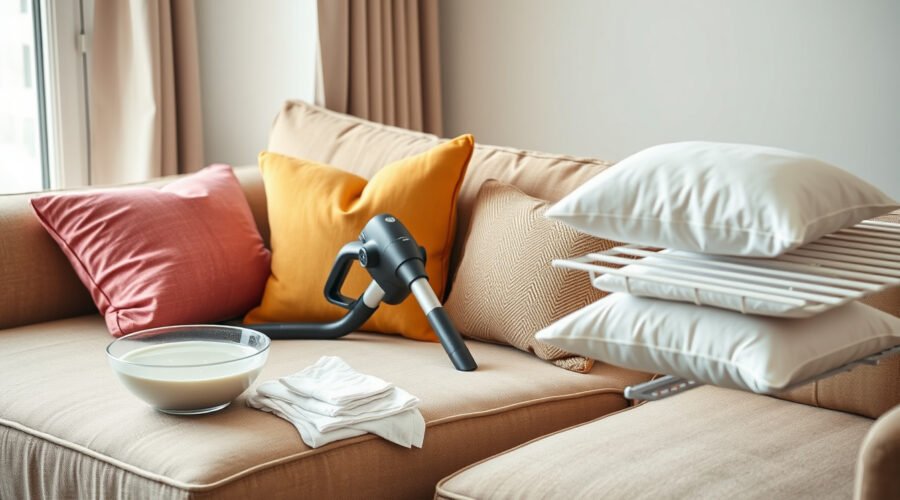
| Tools Needed | Vacuum with upholstery attachment, mild detergent, clean white cloths, basin or front-loading washer, drying rack, dryer balls if dryer-safe |
| Cost | Usually $0–$10 if you already have detergent and cleaning cloths |
Essential Cleaning Frequency for Decorative Pillows
How often you clean decorative pillows depends on how they are used. A pillow that sits untouched on a guest bed does not need the same schedule as a sofa pillow used daily by kids, pets, or snackers.
| Pillow Part | Light Use | Heavy Use |
| Removable covers | Every 1–2 months | Every 2–4 weeks, or sooner after spills |
| Pillow inserts | Every 6–12 months | Every 2–6 months, depending on label instructions |
| Non-removable pillows | Vacuum monthly; spot clean as needed | Vacuum weekly; spot clean immediately after stains |
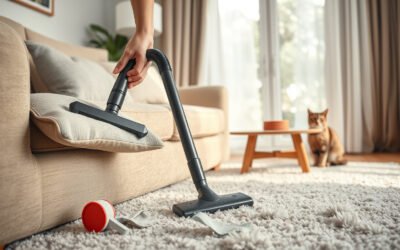
For everyday maintenance, shake pillows outside weekly and vacuum them with an upholstery attachment. This removes loose dust and debris before it settles deeper into the fabric or filling.
Choosing the Right Cleaning Method for Your Pillow
Start with the care label. In the United States, care labels for covered textile products are meant to provide regular care instructions, including washing, drying, bleaching, ironing, dry-cleaning, and warnings when a common cleaning method could cause harm. You can also use fabric-care symbols as a guide; the American Cleaning Institute explains common laundry symbols and cycle settings, and ASTM D5489 covers standardized care symbols for textile products.
Warning: Do not machine wash a pillow marked “dry clean only,” a pillow with leather, suede, heavy beading, glued trim, or a solid memory foam or latex insert unless the manufacturer’s label specifically says it is safe.
| Fabric or Filling | Best Cleaning Method | Important Caution |
| Cotton or polyester covers | Machine wash on gentle if the label allows | Wash with similar colors and avoid high heat if shrinkage is a concern |
| Silk, wool, velvet, satin, or embellished covers | Hand wash or dry clean, depending on the label | Avoid bleach, scrubbing, wringing, and tumble drying unless the tag allows it |
| Polyester, cotton, down, or feather inserts | Machine wash or hand wash only if the care label allows | Use a gentle cycle, mild detergent, extra rinse, and complete drying |
| Solid memory foam or latex inserts | Vacuum and spot clean | Too much water, agitation, or heat can tear or distort foam |
Step-by-Step Guide to Cleaning Decorative Pillows in the Machine
Machine washing works best for washable removable covers and washable inserts with durable fabric and stitching. A front-loading washer or a washer without a center agitator is gentler on bulky pillows.
Recommended Products
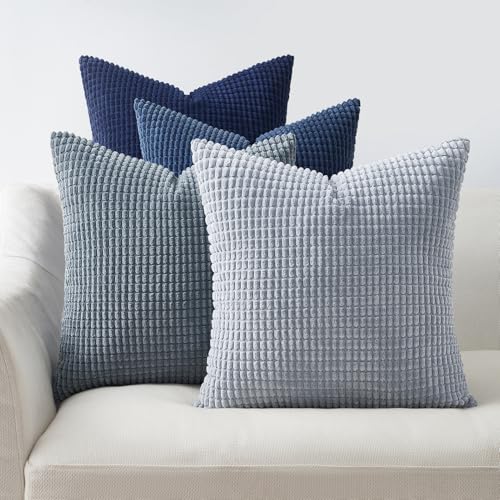
Size & Material: 4 pieces 45 x 45 cm pillowcases without pillow filling.Made of soft corduroy.very eco-friendly.durable.without unpleasant odor.The pillowcases are skin-friendly and ideal for children.also pets.

[Package Includes]: Set of 4 Halloween Pillow Covers (insert or filler not included)

Package & Size: Package includes 2 brand new square pillow covers, each 18x18 inches (45x45cm). Please allow a 1–2 cm deviation due to handmade sewing. Pillow inserts are not included. The go-to standard for effortless styling—fits most sofa cushions, bed shams, and dining chairs for instant room refresh.
Pre-Washing Preparations
- Read the care label. Look for washing temperature, cycle, bleach, drying, and dry-cleaning instructions.
- Remove covers. Wash covers separately from inserts when possible so each part gets cleaned and dried properly.
- Inspect seams and zippers. Repair loose seams before washing so filling does not escape.
- Vacuum first. Remove dust, pet hair, crumbs, and loose debris with an upholstery attachment.
- Spot-test colorfastness. Dab a hidden area with water and a small amount of detergent, then blot with a white cloth. If dye transfers, do not machine wash.
- Pre-treat stains. Apply a mild detergent solution with a clean cloth and let it sit for 10–15 minutes before washing.
Choosing the Right Cycle
Use a gentle or delicate cycle with cool or warm water unless the label gives different instructions. Use a small amount of mild detergent; too much detergent can leave residue inside the filling and make rinsing harder.
Wash two pillows or inserts at a time when possible to balance the washer. If you only have one pillow, add a few towels of similar color to help balance the load and cushion the pillow.
Pro Tip: Add an extra rinse cycle for filled pillows. It helps remove detergent trapped in the stuffing, which can otherwise leave the pillow stiff, dull, or slightly soapy.
Drying and Fluffing Techniques
After washing, check the care label again before choosing the dryer. If tumble drying is allowed, use low heat, delicate, or air-fluff/no-heat settings. Add clean dryer balls to help separate filling and reduce clumps. Stop the dryer every 30–45 minutes to shake, rotate, and knead the pillow by hand.
If the pillow is not dryer-safe, air-dry it on a rack in a well-ventilated area. Turn it often so both sides dry evenly. Never put the cover back on until both the insert and cover are completely dry.
Hand Washing Techniques for Delicate Pillow Fabrics
Hand washing is safer for many delicate covers and some non-foam inserts because it gives you more control over water, pressure, and detergent. It is especially useful for pillows with fragile stitching, textured fabric, or light soil.
| Step | Action | Tips |
| 1. Prepare | Fill a basin with cool water and a small amount of mild detergent | Use less detergent than you think you need |
| 2. Wash | Submerge the cover or washable insert and gently press the suds through it | Do not twist, scrub hard, or wring |
| 3. Rinse | Drain and refill with clean cool water until suds are gone | Repeat rinsing until the water runs clear |
| 4. Remove water | Press between clean towels to absorb moisture | Reshape while damp, then air-dry flat or on a rack |
Recommended Products

Protects Delicate Fabrics – Protects silk, wool, and other fine materials from damage while providing a thorough clean

GENTLE: Our Hand Wash & Delicates detergent was specifically formulated for fine silks, wools, and hand wash only garments. Phytolase, our advanced enzyme cleaning technology targets stains and odors at their source while being extra gentle for you, your clothes, and the planet. Consciously built with nontoxic, biobased ingredients, our formulas are safe for sensitive skin and the environment.

GENTLE CLEAN: Gentle laundry detergent liquid for machine or hand wash; delicate laundry detergent that cleans thoroughly and leaves no residue; helps maintain stretch and softness
How to Clean Decorative Pillows Without Removable Covers
If your decorative pillow does not have a removable cover, clean it more carefully because the fabric and filling must be treated as one piece.
- Vacuum both sides. Use an upholstery attachment and light pressure.
- Spot-test first. Test water and detergent on a hidden seam or back corner.
- Blot stains. Use a barely damp white cloth with mild detergent solution. Blot from the outside of the stain toward the center.
- Rinse lightly. Blot with a second cloth dampened with clean water to remove detergent residue.
- Dry with airflow. Place the pillow on a drying rack and turn it often until no dampness remains.
Note: If a pillow has a musty smell, visible mold, water damage, or filling that stays damp after repeated drying, replacing it is safer than trying to rescue it.
Recommended Products

Powerful Foam Action: Lifts and removes tough stains, dirt, and grime from upholstery, fabric, and carpets.

CHEMICAL GUYS LIGHTNING FAST STAIN EXTRACTOR (SPI_191_16) – Professional-strength stain remover formula penetrates deep into carpet, upholstery, and fabric to quickly break down and lift stains, dirt, and odors for a restored, like-new look

StainLift Technology. Lift and remove deep down dirt, stains and odors.
How to Pre-Treat Stains on Decorative Pillows
Pre-treat stains before washing, but avoid harsh cleaners unless the label says the fabric can handle them. The American Cleaning Institute recommends identifying the stain, treating it quickly, blotting instead of rubbing, and testing for colorfastness in an inconspicuous area before using a stain treatment.
Effective Stain Removal Techniques
- Dust and dry soil: Vacuum first. Do not add water until loose debris is gone.
- Food or drink spills: Blot liquid immediately with a clean white cloth, then dab with mild detergent solution.
- Greasy stains: Use a small amount of dish soap diluted in water, then blot with clean water to rinse.
- Body oils or sweat marks: Pre-treat with liquid laundry detergent, let it sit for 10–15 minutes, then wash if the label allows.
- Stubborn discoloration: Use an oxygen-based cleaner only on washable, colorfast fabrics. Avoid it on silk, wool, leather, suede, and “dry clean only” items.
Recommended Cleaning Solutions
For most washable decorative pillows, the safest first choice is mild detergent mixed with cool water. Use a clean white cloth or sponge, not a colored towel that could transfer dye. Hydrogen peroxide or oxygen-based stain removers can help on some washable light-colored fabrics, but they should be spot-tested first because they may lighten dyes or damage delicate fibers.
Timing for Best Results
Treat spills as soon as possible. Fresh stains lift more easily than dried stains, and heat from a dryer can set stains permanently. If a stain remains after washing, repeat the stain treatment before drying the pillow.
How to Dry Your Decorative Pillows Properly
Drying is the most important step for protecting the filling. Damp stuffing can clump, smell musty, or encourage mildew. The U.S. Environmental Protection Agency advises fixing moisture problems and drying items completely when preventing mold problems.
- For dryer-safe pillows: Use low heat or air fluff, add dryer balls, and pause often to shake and fluff.
- For air-dry-only pillows: Lay flat on a drying rack in a ventilated area and turn regularly.
- For foam pillows: Keep heat away. Air-dry completely after spot cleaning.
- For down or feather inserts: Dry thoroughly and fluff repeatedly so damp clumps do not remain inside.
A pillow can feel dry on the outside while the center is still damp. Press the thickest part of the pillow and smell for mustiness before putting it back into use.
Troubleshooting Common Pillow Cleaning Problems
- The filling clumped: Keep drying on low or no heat if the label allows, and break up clumps by hand between cycles.
- The pillow smells musty: It is not fully dry. Continue air drying with strong airflow. If the smell remains, replace the insert.
- The fabric feels stiff: Detergent residue may be trapped. Rinse again with clean water or run an extra rinse cycle if machine washable.
- Color transferred during spot testing: Stop wet cleaning and use dry cleaning or professional upholstery cleaning instead.
- The pillow flattened after washing: Fluff by hand, tumble on air fluff if safe, and let it rest until fully dry. Replace the insert if it no longer springs back.
Tips for Prolonging the Life of Your Decorative Pillows
- Use removable pillow covers whenever possible so the insert needs less frequent washing.
- Rotate pillows so one side does not collect all the wear, sunlight, and body oils.
- Keep pillows away from damp rooms unless they are designed for outdoor or bathroom use.
- Store seasonal pillows in breathable cotton bags, not sealed plastic, once they are completely dry.
- Clean spills immediately and vacuum regularly to reduce the need for deep washing.
- Replace inserts that stay flat, smell sour after washing, or have stained, torn, or lumpy filling.
Frequently Asked Questions
How do you wash a decorative pillow with stuffing?
Check the care label first. If the stuffed insert is washable, use a gentle cycle, mild detergent, and an extra rinse. Wash two pillows at a time for balance, then dry on low heat or air fluff if the label allows. If the insert is foam, latex, delicate, or marked dry clean only, spot clean instead.
What is the best way to clean decorative pillows?
The best method is label-first cleaning: remove and wash covers separately if possible, vacuum the pillow, spot-test stains, then machine wash, hand wash, spot clean, or dry clean based on the fabric and filling. The safest approach is the gentlest method that fully removes soil and lets the pillow dry completely.
Can decorative pillows go in the dryer?
Only put decorative pillows in the dryer if the care label says tumble drying is safe. Use low heat or air fluff and add dryer balls to reduce clumping. Do not tumble dry foam, silk, wool, leather, suede, glued trim, or embellished pillows unless the label specifically allows it.
How do you clean decorative pillows that do not have removable covers?
Vacuum both sides, spot-test a hidden area, blot stains with a mild detergent solution, rinse lightly with a damp cloth, and air-dry with strong airflow. Avoid soaking the pillow unless the care label says the entire pillow is washable.
Can you wash memory foam decorative pillows?
Most solid memory foam pillows should not be machine washed because agitation and excess water can tear or distort the foam. Remove and wash the cover if it is washable, vacuum the foam, spot clean stains with a barely damp cloth, and let the foam air-dry completely.
Why does my pillow smell musty after washing?
A musty smell usually means moisture is still trapped inside the filling. Continue drying with airflow, turn the pillow often, and use low heat or air fluff only if the label allows. If the smell remains after the pillow is fully dry, replace the insert.
Conclusion
Cleaning decorative pillows is simple when you match the method to the label, fabric, and filling. Wash removable covers regularly, spot clean delicate or non-removable pillows, use gentle cycles only when the pillow is washable, and never rush the drying step. With mild detergent, careful stain treatment, and complete drying, your pillows can stay clean, comfortable, and attractive without damaging the stuffing inside.
Sources
- Electronic Code of Federal Regulations, 16 CFR Part 423 — care-label requirements and definitions for textile care instructions.
- American Cleaning Institute: Laundry Basics — care labels, stain treatment, detergent use, washer cycles, dryer settings, and laundry best practices.
- U.S. EPA: Mold Cleanup in Your Home — drying items completely and controlling moisture to reduce mold problems.
- ASTM D5489 Standard Guide for Care Symbols for Care Instructions on Textile Products — standardized textile care-symbol guidance.
- Better Homes & Gardens: How to Wash Throw Pillows — throw-pillow cleaning frequency, removable cover care, drying, and maintenance guidance.