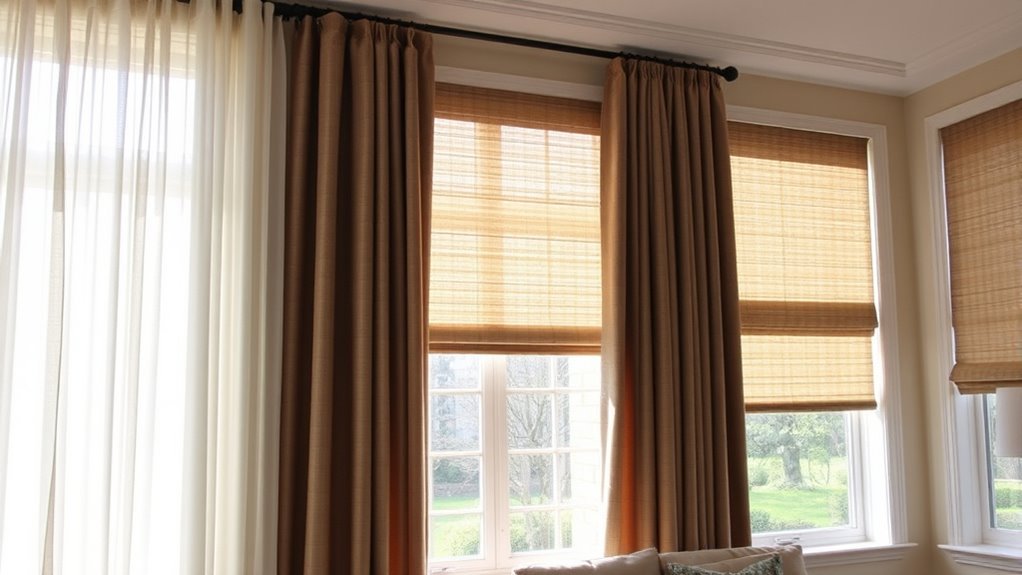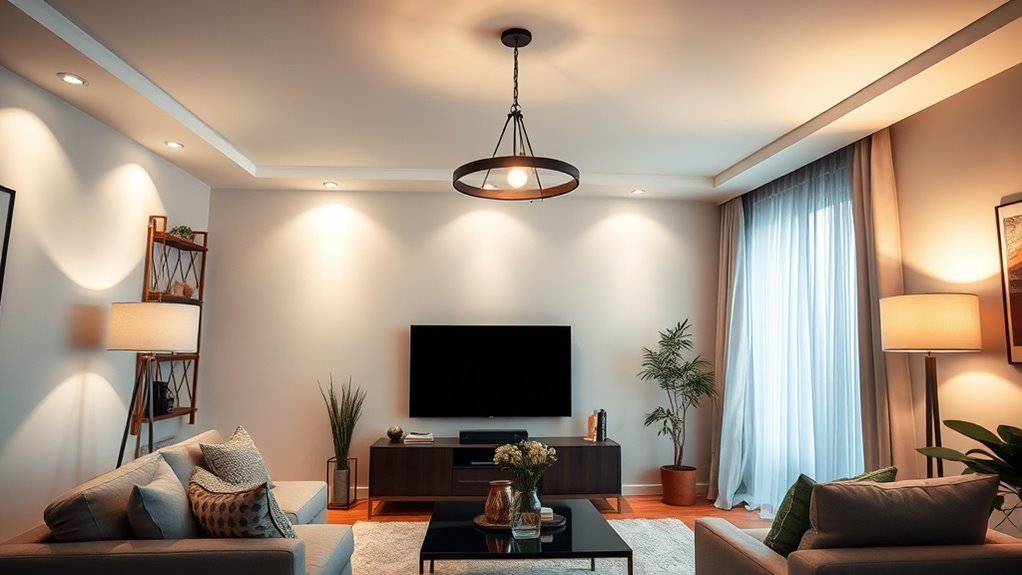
Learning how to fix harsh overhead lighting in your living room starts with diagnosing why a single ceiling fixture feels so clinical. When one bright source blasts light straight down, it washes out your walls, casts deep shadows under eyes and furniture, and leaves the corners of the room looking cave-like. Instead of ripping out your ceiling wiring, you can soften that glare in under an hour by lowering bulb color temperature, dialing back lumen output, shielding bare bulbs, and balancing the room with eye-level lamps.
Quick Answer
To fix harsh overhead lighting in your living room, swap cool bulbs for warm white LEDs (2700K to 3000K) with a 90+ CRI and lower lumen output (450 to 800 lumens per bulb). Shield exposed bulbs with frosted globes, fabric shades, or baffle trims, add two to three table or floor lamps at seated eye level, and install an LED-compatible dimmer switch.
Key Takeaways
- Warm up the Kelvin rating: Replace 4000K–5000K daylight bulbs with 2700K–3000K warm white or dim-to-warm LEDs for a relaxed evening glow.
- Size brightness by foot-candles, not watts: Aim for 10 to 20 lumens per square foot across the whole living room, split across multiple fixtures rather than one bright ceiling light.
- Hide the bulb filament: Use opal glass globes, fabric drum shades, or ribbed baffle trims on recessed cans to block direct line-of-sight glare.
- Layer light at three heights: Combine dimmed overhead ambient light with table lamps (58–64 inches combined height), floor lamps, and wall sconces (60–66 inches off the floor).
- Match LEDs to LED+ dimmers: Prevent flickering, buzzing, and early drop-out by pairing dimmable LEDs with trailing-edge or CL-rated dimmer switches.
How to Fix Harsh Overhead Lighting in Your Living Room: Quick Finder
Use this diagnostic table before spending money on a new chandelier or flush mount. Identifying whether your main issue is color temperature, excessive lumens, direct glare, high contrast, or dimmer mismatch tells you which five-minute adjustment will make the biggest difference tonight.
| Problem you notice | Likely cause | Fastest fix |
|---|---|---|
| The room feels cold, clinical, or bluish at night. | Bulbs have a cool white or daylight color temperature (4000K–6500K). | Switch to warm white or soft white LEDs rated at 2700K to 3000K, or dim-to-warm bulbs (3000K–1800K). |
| The center floor is bright, but room corners look dark. | One ceiling fixture is trying to provide 100% of the room’s lumens. | Step down ceiling lumens and add a table lamp beside seating plus a floor lamp in the opposite corner. |
| Looking up hurts your eyes or leaves afterimages. | The fixture uses clear glass shades, exposed bulbs, or shallow recessed cans. | Install frosted or opal bulbs, add a fabric diffuser, or snap ribbed baffle trims into recessed cans. |
| Lights flicker, buzz, or shut off early on a dimmer. | Non-dimmable LEDs or an older incandescent-only wall dimmer. | Pair dimmable-labeled LEDs with an LED-compatible (CL) dimmer and adjust the low-end trim dial. |
| Wood tones, rugs, and paint colors look dull or gray. | Bulbs have a low Color Rendering Index (CRI under 80). | Upgrade to bulbs labeled CRI 90+ so fabrics, skin tones, and artwork look natural. |
Why Harsh Overhead Lighting Makes a Room Feel Uncomfortable
Harsh overhead lighting makes a living room feel uncomfortable because it creates steep downward angles, high-contrast shadows, and direct glare. When all illumination radiates from a single point on the ceiling, light hits the tops of tables and heads while leaving vertical wall surfaces dim, which strains your eyes as they adjust between bright hotspots and dark corners.
According to lighting specification principles from the U.S. Department of Energy guide to LED basics, directional light sources concentrate brightness into a narrow beam unless they are diffused or bounced off surrounding surfaces. In a living room where you want to relax, watch television, or talk with guests, downward-only lighting flattens textures and creates an interrogation-room effect. Spreading softer light across multiple heights and bouncing illumination off walls and ceilings eliminates sharp shadow lines and makes the room feel larger and calmer.
Choose Bulbs That Make Overhead Lighting Softer
The fastest way to soften an overpowering ceiling fixture is to replace its bulbs with warm white (2700K to 3000K), frosted, high-CRI LEDs. Checking the FTC Lighting Facts label on the back of any bulb box lets you verify exact brightness in lumens, color appearance in Kelvins, and energy draw in watts before you buy.
Color temperature is measured on the Kelvin (K) scale. As outlined in the ENERGY STAR light bulb purchasing guide, lower Kelvin numbers produce a warm, yellowish glow similar to traditional incandescent lamps, while higher numbers emit crisp white or bluish light suited for garages and task work:
- 2200K to 2400K (Amber / Candlelight): Very warm, golden glow ideal for decorative accent lamps, though often too dim and yellow for primary ceiling fixtures.
- 2700K (Warm White / Soft White): The standard choice for cozy living rooms; mimics the familiar warmth of a classic 60-watt incandescent bulb.
- 3000K (Soft Neutral White): Slightly crisper than 2700K without turning cold; works well in modern living rooms with white walls, cool gray upholstery, or open-concept kitchens nearby.
- 3500K to 4100K (Cool White / Bright White): Noticeably whiter light designed for kitchens, bathrooms, and workspaces; often feels sterile in a living room after dark.
- 5000K to 6500K (Daylight): Bluish-white light that mimics midday sun; causes maximum evening glare and eye fatigue in relaxation spaces.
If you use your living room for daytime work as well as evening movies, look for dim-to-warm (warm-dimming) LED bulbs. Unlike standard LEDs that stay at the same Kelvin temperature and can look flat or gray when dimmed low, dim-to-warm bulbs start at a clean 3000K or 2700K at full brightness and automatically shift down to a cozy 2200K or 1800K amber glow as you lower the dimmer slider.
Finally, check the Color Rendering Index (CRI), which rates how accurately a bulb reveals colors on a scale up to 100. Standard budget bulbs sit around CRI 80, which can make walnut furniture, artwork, and warm paint colors look muddy. Choosing CRI 90+ bulbs ensures reds, woods, and skin tones look rich and natural even at low brightness.
Recommended Products
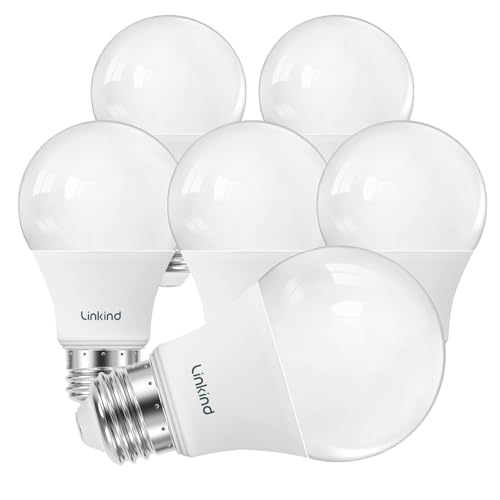
✔ 2700K WARM YELLOWISH LIGHT: The A19 dimmable LED light bulbs give off 800 lumens of 2700k cozy color light. Easy installation with the standard medium screw base E26. NOTE: Please confirm the Kelvin (K) value. This is the most accurate way to select your desired light color. This bulb is 2700K light, which produces a WARM YELLOWISH light. It is not a Bright White or Daylight White bulb. If you prefer a whiter light, please consider our 4000k Cool White or 5000K Daylight options.

【Classic Vintage Design & Wide Application】Designed based on Thomas Edison's original filament bulb, the vintage retro style making this led bulb also a beautiful decorative lights. Those led bulbs are suitable with chandeliers, ceiling fans, pendant lighting, sconces, lamp post, lanterns or any home lighting fixture with an E26 medium standard base socket. Widely used in bedroom,living room,dinning room, bathroom, laundry room, porch or entryway.
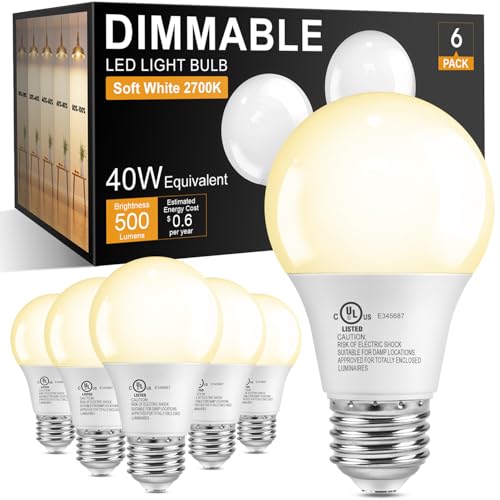
Dimming Range 10%-100%: Dimmable LED light bulbs compatible with most LED dimmers for smooth dimming. Compatibility Note: Best performance with LED dimmers. May flicker with halogen dimmers at low settings. Not for 3-way fixtures. Adjust brightness to control your space's look and feel
Match Brightness to the Room, Not the Old Wattage
A harsh overhead fixture isn’t always the wrong fixture—often, it is simply overloaded with too many lumens for the room’s square footage. When people swap old incandescent bulbs for LEDs using wattage habits alone, they frequently install 1,100-lumen or 1,600-lumen bulbs into multi-bulb ceiling fixtures, flooding the center of the room with blinding light.
Interior lighting designers calculate target room brightness using foot-candles (1 foot-candle equals 1 lumen per square foot). Living rooms need 10 to 20 lumens per square foot of total combined ambient light. For a typical 150-square-foot living room (10 by 15 feet), that equals 1,500 to 3,000 total lumens; for a 200-square-foot room (12 by 16.5 feet), aim for 2,000 to 4,000 total lumens. Instead of putting all 3,000 lumens into a single ceiling mount, limit your overhead fixture to roughly 40% to 50% of the room’s total lumens and supply the rest with lamps and sconces. If your living room has dark matte walls or ceilings higher than 9 feet, add 10% to 20% more total lumens to compensate for light absorption.
| Old Incandescent Wattage | Typical LED Wattage | Brightness (Lumens) | Best Living Room Use |
|---|---|---|---|
| 40W replacement | 5W to 6W | About 450 lumens | 3- to 5-bulb ceiling chandeliers, wall sconces, and small accent lamps |
| 60W replacement | 8W to 10W | About 800 lumens | 1- to 2-bulb flush mounts, shaded table lamps, and standard floor lamps |
| 75W replacement | 11W to 13W | About 1,100 lumens | Single-bulb pendant in a large room or reading lamp with a 3-way switch |
| 100W replacement | 14W to 17W | About 1,600 lumens | Indirect torchiere uplights on a dimmer; too harsh for unshaded ceiling fixtures |
For example, if your ceiling fan or flush mount holds three bulbs and currently uses three 800-lumen (60W equivalent) bulbs, it is blasting 2,400 lumens from a single point. Stepping down to three 450-lumen (40W equivalent) frosted bulbs cuts overhead glare nearly in half while still providing 1,350 lumens of general light, and you can compare efficiency metrics using the DOE guide to purchasing energy-efficient light bulbs.
Note: Test one bulb at night before buying a full multi-pack. Living room color temperature and wall reflections look very different after sunset than they do in mixed daylight.
Add Layered Lighting With Lamps and Sconces
Layered lighting eliminates harsh overhead shadows by dividing illumination into three roles: ambient lighting (overall room glow), task lighting (focused light for reading or games), and accent lighting (soft highlights on walls, shelves, or art). When table lamps, floor lamps, and sconces fill in mid-level and eye-level zones, you can dim or switch off the overhead light completely during the evening.
Recommended Products

[Long Working Hours & Short Charging Hours] Equipped with a 10000mAh Lithium Polymer Battery, our rechargeable battery operated wall lights can continuously work for 20-50 hours at different brightness levels to meet your daily needs. It only takes 6 hours for the light to be fully charged, and the color of the indicator lights in the light arm will indicate whether it's fully charged or not. Remember to fully charge it before its first use.

Two Installation Options: No need for hard wiring, saving the expensive cost of hiring an electrician. 1. No-Drill Hook Installation – Ideal for renters or anyone who wants to avoid wall damage. 2. Drill Installation – For a more permanent setup, ensuring a secure mount.

【High-Quality & Vintage Design】This plug in wall sconces set of two features a wall-mounted design and a metal base with a matte black finish for a glamorous look. The combination of solid wood material and diamond cage lampshade make these plug-in wall lamps a great decorative lighting option. Perfect for adding a splash of colour to your home.
Choose the Right Lamps
Place at least two to three lamps in a triangular layout around your living room so brightness wraps gently around seating areas. To prevent lamps from creating their own glare, measure your seating and table heights carefully:
- Follow the seated eye-level rule: When you sit on your sofa or armchair, your eyes are typically 40 to 42 inches off the floor. Choose a table lamp so the bottom edge of the lampshade sits right at or slightly below seated eye level—usually a combined end-table-plus-lamp height of 58 to 64 inches—hiding the bright bulb socket from view.
- Proportion the shade properly: Pick a drum or empire shade that is roughly two-thirds the width of the table base and made of translucent linen or parchment rather than dark, opaque material that traps light in a narrow vertical cone.
- Use floor lamps in dark corners: Place a shaded floor lamp (58 to 64 inches tall) or an upward-facing torchiere floor lamp 12 to 18 inches away from a corner wall. Bouncing light off two intersecting walls and the ceiling turns the corner itself into a giant, glare-free diffuser.
Use Sconces to Soften the Room
Wall sconces bridge the vertical gap between low table lamps and the ceiling fixture, washing vertical wall surfaces with warm light that makes a room feel wider and more welcoming. They work especially well flanking a fireplace mantel, sofa, bookcase, or framed artwork.
Mount wall sconces so the center of the fixture sits 60 to 66 inches above the finished floor (roughly standing adult eye level). If a sconce is mounted too low, you will look straight down into the top of the shade when standing; if mounted too high with an open bottom, it will glare into your eyes while you sit on the couch. Keep sconce bulbs at 450 lumens or lower and match their 2700K color temperature to your table lamps.
Install Dimmer Switches for Adjustable Light
Installing a dimmer switch lets a single overhead fixture serve two completely different purposes: full brightness when you are cleaning or looking for lost items, and a soft 20% to 30% background glow when you are hosting friends or watching a movie. Before buying a dimmer, verify that both your LED bulbs and your fixture are explicitly rated for dimming.
Warning: Never replace a wall switch unless you know how to work safely with household electrical wiring. Always shut off power at the main circuit breaker, test the wires with a non-contact voltage tester to confirm the circuit is dead, and hire a licensed electrician if you see aluminum wiring, warm switch plates, or unfamiliar multi-way wiring.
Recommended Products
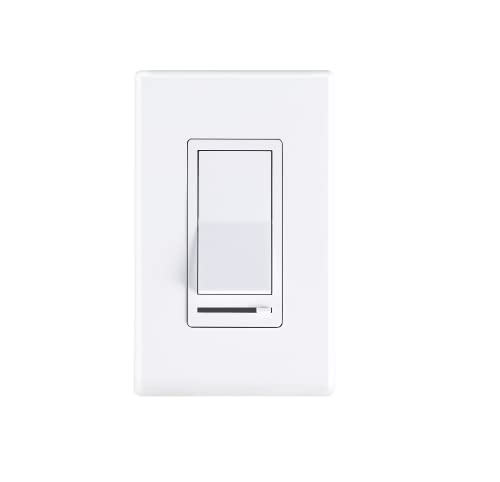
3-Way Single Pole Compatible Slide control dimmer.If UP is off(DOWN is on) after wiring, try switching around the two red wires to reverse the on/off direction

THE GOLD STANDARD IN DIMMING: Lutron’s advanced technology provides smooth LED dimming used for everyday light bulbs to reduce flicker, buzz, and delay to enhance comfort and ensures consistent dimmer switch reliability across LED lighting
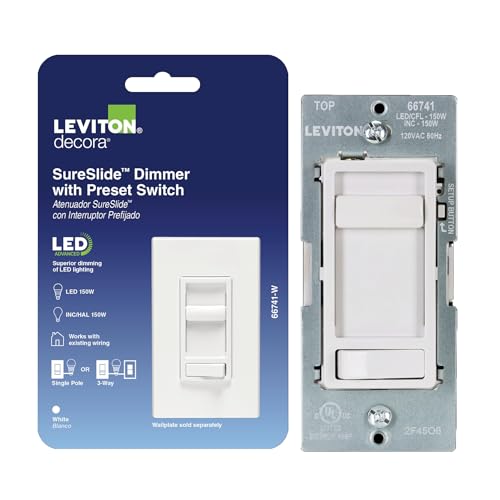
SET THE VIBE – SureSlide Dimmer Switch delivers smooth, reliable lighting control to adjust overhead lights—from bright task lighting to a soft ambient glow to create the perfect atmosphere
Benefits of Dimmer Switches
- Instant glare relief: Dropping an overhead LED fixture to 50% output makes the light feel noticeably softer while cutting harsh floor shadows.
- Day-to-night flexibility: Shift seamlessly from bright daytime task light to low evening mood lighting with one slider.
- Lower energy use and longer bulb life: Dimming compatible LEDs reduces wattage draw and lowers heat buildup inside the bulb driver.
Dimmer Installation Tips
The most common mistake homeowners make is pairing modern LED bulbs with an older rotary or slide dimmer built for incandescent bulbs. Traditional leading-edge (TRIAC) dimmers expect a heavy 60-watt to 600-watt electrical load, whereas a whole ceiling fixture of LEDs may draw only 18 to 30 watts total. Always buy a dimmer labeled LED+ or CL-rated (or a trailing-edge / ELV dimmer for low-voltage fixtures) and check the manufacturer’s compatibility chart.
If your dimmable LEDs still shimmer, hum, or turn off before the slider reaches the bottom (“drop-out”), you usually do not need a new fixture. As explained in the Lutron low-end trim adjustment guide, most modern LED wall dimmers have a small adjustment dial behind the faceplate or a button-press programming mode that raises the minimum brightness floor until the flicker disappears entirely. Review the Electrical Safety Foundation International Switch to Safety checklist if you ever notice buzzing outlets, discolored switch plates, or flickering that happens when appliances turn on.
Use Light Diffusers for Softer Lighting
Light diffusers scatter concentrated rays from a point source across a wider surface area, eliminating the painful pinpoint glare of bare bulbs and clear glass fixtures. Adding diffusion is essential if your living room has an open chandelier, a clear glass pendant, or recessed ceiling cans that shine directly into your line of sight.
- Frosted or opal glass bulbs: If your fixture leaves the bulbs visible, replace clear filament LEDs with matte frosted (“milky” white glass) bulbs or half-chrome/silver-bowl bulbs that bounce light upward against the ceiling instead of downward into your eyes.
- Clip-on shades and bottom diffuser discs: Add mini clip-on fabric shades to chandelier candelabra bulbs, or place an acrylic/frosted glass diffuser disc inside the bottom opening of a drum pendant so you cannot see the sockets from the sofa.
- Baffle and regressed trims for recessed cans: If recessed ceiling downlights (“can lights”) make your living room feel like an airport runway, swap smooth reflective trims for ribbed baffle trims or regressed gimbal trims. A baffle trim sets the bulb deeper into the ceiling and uses matte grooves to absorb side glare, while a gimbal trim lets you angle the beam toward artwork or drapes instead of straight down onto seating. Pair recessed cans with wide-beam BR30 or BR40 flood bulbs (90° to 110° beam angle) rather than narrow PAR spot bulbs.
Whenever you add an enclosed globe or cover to a ceiling fixture, verify that your LED bulbs carry a “Suitable for Enclosed Fixtures” rating on the packaging. Standard LEDs trap heat in their base electronics when sealed inside tight glass domes, which can cause premature dimming or driver failure within months.
Try Renter-Friendly Fixes Before Wiring Changes
If you rent your home or apartment, you can completely transform harsh builder-grade ceiling lights (“boob lights” or basic flush mounts) without touching a single wire behind the wall. Focus on reversible upgrades that you can pack up and take with you when your lease ends:
- Smart LED bulbs or plug-in lamp dimmers: Screw smart dimmable bulbs (2700K or tunable white) into the ceiling fixture and leave the wall switch flipped on, controlling brightness and warmth from a wireless wall-mounted remote button or phone app. Alternatively, add $10 plug-in slide dimmers to your table and floor lamps.
- Magnetic or collar-mounted drum shades: Lightweight rental shade covers attach over existing flush-mount ceiling domes using magnets or the existing center finial screw, hiding ugly glass and diffusing light through linen fabric in two minutes.
- Plug-in wall sconces and LED bias strips: Mount plug-in sconces with removable adhesive cord channels or two small drywall screws beside your sofa, and stick a warm 2700K USB LED strip behind your television to cut screen-to-wall contrast at night without turning on the ceiling light.
Arrange Your Lights for the Best Effect
Even the best warm bulbs will feel unbalanced if every lamp is clustered on the same side of the room. Follow this five-step sequence to arrange your fixtures for comfortable evening lighting:
- Dim or step down the ceiling light first: Lower your overhead fixture to 30%–50% brightness (or swap in 450-lumen bulbs) so it provides only a gentle baseline wash.
- Anchor your main seating with a task lamp: Place a shaded table lamp on an end table next to your primary sofa or reading chair, checking that the bottom of the shade sits at seated eye level (40–42 inches high).
- Balance the opposite corner with a floor lamp: Position a shaded floor lamp or torchiere uplight diagonally across the room from your table lamp so light enters the space from a second angle.
- Add a third layer on a vertical surface: Turn on wall sconces, picture lights, bookshelf LED strips, or a small console lamp along a third wall—keeping unshaded bulbs out of the reflection line of your television screen.
- Walk and sit-test the room after dark: Sit in every seat at night to check for visible bare bulbs, dark corners, or TV screen glare, and tweak shade heights or dimmer levels as needed.
Pro tip: Aim for the “triangle of light” rule—having at least three softer light sources lit in different parts of the room at different heights—so shadows cancel each other out naturally.
Choose Decorative Fixtures That Diffuse Light
If you decide to replace a harsh ceiling fixture permanently, shop for a design that either bounces light upward off the ceiling (indirect lighting) or filters it through translucent material (diffused lighting) rather than aiming bare bulbs downward.
- Semi-flush mounts with an upward bowl: Instead of a flat flush mount pressed tight against the drywall, a semi-flush fixture hangs 4 to 8 inches below the ceiling and bounces most of its lumens off the white ceiling paint, turning the ceiling itself into a soft reflector.
- Opal or milk-glass globes: Unlike trendy clear seeded-glass fixtures that expose glaring LED filaments, etched opal or milk glass spreads light evenly across the entire globe surface with zero harsh hotspots.
- Linen drum pendants with a bottom diffuser: Fabric drum shades warm up the light passing through the sides while a frosted acrylic bottom lens blocks your view of the sockets from below.
- Proper fixture scale: To size a central living room ceiling fixture in inches, add the room’s length and width in feet together (for example, a 12-foot by 16-foot room calls for a fixture roughly 28 inches in diameter) and maintain at least 7 feet of clearance from the floor to the bottom of the fixture.
Quick Installation Tips for Lighting Solutions
When upgrading your living room lighting, tackle the simplest, lowest-cost adjustments first so you only spend money where it counts:
- Fix color and lumens before hardware: A $10 pack of 2700K, CRI 90+, 450-lumen frosted LED bulbs solves harsh overhead lighting in most homes without changing the fixture.
- Keep Kelvin temperatures within 300K across the room: Mixing 2700K table lamps with a 4000K ceiling fixture makes the overhead light look jarring and blue by comparison; keep all living room bulbs between 2700K and 3000K.
- Group lamps on smart plugs or one control zone: If turning on three separate lamps every evening feels tedious, plug them into smart outlets or wireless remote plugs so one tap turns on all your cozy lamps at once.
- Hire a licensed pro for new wiring: Leave hardwired sconce installations, ceiling box replacements, and complex multi-location dimmer wiring to a qualified electrician.
Frequently Asked Questions
How do you soften harsh overhead lighting?
You can soften harsh overhead lighting by switching to 2700K–3000K warm white bulbs with frosted glass, stepping down to 450–800 lumens per bulb, and covering bare sockets with a fabric shade or opal diffuser. Pair the softened ceiling light with two or three table and floor lamps so the overhead fixture no longer has to light the whole room alone.
How do you reduce glare from overhead lights?
Reduce glare from overhead lights by blocking your direct view of the bulb filament using frosted bulbs, linen drum shades with bottom diffuser discs, or ribbed baffle trims inside recessed ceiling cans. Installing an LED-compatible dimmer switch also lets you lower the fixture’s intensity after sunset when glare feels sharpest.
What color temperature is best for a living room?
Warm white light between 2700K and 3000K is best for a living room because it produces a relaxing, inviting glow without the bluish harshness of 4000K–5000K cool white or daylight bulbs. Choose 2700K for traditional cozy spaces, 3000K for crisp modern rooms, or dim-to-warm LEDs (3000K down to 1800K) for maximum flexibility.
Can lamps replace overhead lighting?
Yes, three to four well-placed table lamps, floor lamps, and wall sconces can completely replace overhead lighting for everyday relaxing, reading, and watching TV. Most living rooms still benefit from keeping a dimmable overhead fixture for cleaning, daytime tasks, or large gatherings that require full-room illumination.
Are dimmer switches worth it for living room lighting?
Dimmer switches are well worth the investment because they let a single overhead ceiling fixture provide bright task lighting during the day and soft, glare-free ambient light at night. They also reduce electricity consumption and extend bulb lifespan when paired with compatible dimmable LEDs.
Why do LED lights flicker on a dimmer?
LED lights usually flicker on a dimmer because either the bulb is non-dimmable or the wall switch is an older incandescent dimmer that cannot handle the low wattage of LEDs. Upgrading to an LED-compatible (CL-rated) dimmer and adjusting its low-end trim setting resolves almost all flickering and buzzing.
What is the cheapest way to fix harsh living room lighting?
The cheapest way to fix harsh living room lighting is swapping your current ceiling bulbs for frosted, 2700K warm white LEDs with a lower lumen rating (450 to 800 lumens), which typically costs under $15. If shadows remain, adding a single thrifted or budget table lamp near your sofa is the next best low-cost upgrade.
How many lumens do you need for a living room?
A living room needs 10 to 20 lumens per square foot (foot-candles), which works out to 1,500 to 3,000 total lumens for a 150-square-foot room or 2,000 to 4,000 lumens for a 200-square-foot space. Divide those lumens across three to four light sources rather than putting them all in one ceiling fixture.
Conclusion
Fixing harsh overhead lighting comes down to replacing cold, concentrated ceiling glare with warm, diffused light spread across multiple heights. Start tonight by checking the Kelvin and lumen ratings on your existing ceiling bulbs, swapping in 2700K–3000K frosted LEDs, and turning on at least two eye-level lamps in opposite corners of the room. Once you see how the space feels after sunset, you can add a plug-in dimmer, baffle trim, or wall sconce to lock in a calm, balanced glow.
Sources
Use these official references when checking bulb brightness, dimmer compatibility, color rendering, and electrical safety before you buy or install lighting parts.
- U.S. Department of Energy: Lumens and the Lighting Facts Label: Guide to measuring brightness in lumens and reading bulb packaging labels.
- U.S. Department of Energy: Purchasing Energy-Efficient Light Bulbs: Efficiency metrics, luminous efficacy, and cost-effective bulb selection.
- U.S. Department of Energy: LED Basics: Solid-state lighting technology, directional light behavior, and white-light phosphor conversion.
- U.S. Department of Energy: Lighting Controls: Dimmer switches, sensors, and energy-saving residential lighting controls.
- Electrical Safety Foundation International: Switch to Safety: Warning signs of faulty switches, dimmer compatibility, and safe electrical installation practices.
- Federal Trade Commission: Shopping for Light Bulbs: Consumer guide to the FTC Lighting Facts label, wattage vs. lumens, and bulb life ratings.
- ENERGY STAR: Qualified Light Bulbs Guide: Standard wattage-to-lumen equivalency chart, Kelvin color temperature ranges (2700K–6500K), and CRI benchmarks.
- Lutron Support: Troubleshooting Flickering or Flashing LED Lights: Technical steps for resolving LED dimmer flicker, buzzing, drop-out, and low-end trim calibration.