
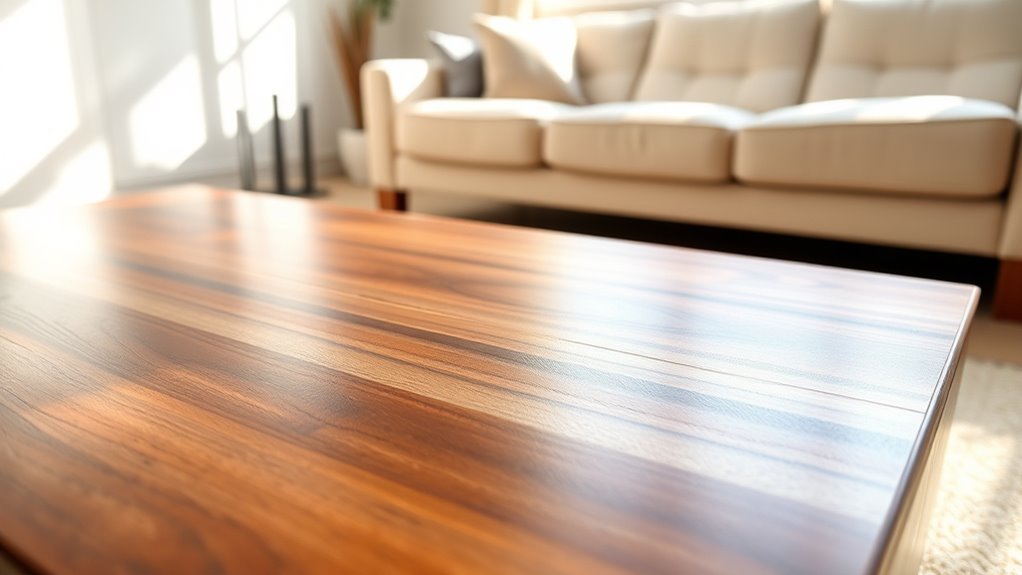
The safest way to clean wood furniture without stripping the finish is to dust first, test a hidden spot, wipe sealed wood with a barely damp cloth and a weak dish-soap solution, then dry immediately. Use dry care only for raw, waxed, oiled, antique, shellac, lacquer, painted, or unknown finishes until you confirm what the surface can handle. Avoid alcohol, ammonia, steam, abrasive pads, full-strength vinegar, and silicone-heavy polish because these can dull, soften, swell, or contaminate the finish.
Last updated: July 7, 2026
Quick Answer
To clean wood furniture without stripping the finish, dust with a dry microfiber cloth, then wipe sealed wood with a barely damp cloth and a few drops of mild dish soap in warm water. Dry immediately, avoid alcohol, full-strength vinegar, abrasive scrubbers, and silicone-heavy polish, and test every method in a hidden spot first.
Key Takeaways
- Start dry: dust first so grit does not scratch the finish during wet cleaning.
- Use a barely damp cloth, not a wet one, and dry the surface right away.
- Match the method to the finish. Sealed wood can usually handle mild soap; unfinished, waxed, oiled, antique, lacquered, and shellac finishes need lighter care.
- Avoid harsh cleaners, alcohol, full-strength vinegar, abrasive powders, magic erasers, steam, and silicone-heavy polish.
- Use wax or polish sparingly and only when the finish is compatible and the product label supports it.
At a Glance
| Time Required | 10–20 minutes for routine cleaning; longer for sticky buildup or stain testing |
| Difficulty | Easy, as long as the finish is stable and you test first |
| Tools Needed | Dry microfiber cloths, soft cotton cloth, small bowl, warm water, mild dish soap, cotton swabs, coasters or placemats |
| Cost | Usually under $10 if you already have cloths and mild soap |
Finish-Safe Cleaning Matrix
Use this quick matrix before you add water, soap, wax, or polish. If you cannot identify the finish, treat the piece as delicate and stop at dry dusting until you can confirm the surface.
| Finish or Surface | Safest Cleaning Choice | Avoid |
|---|---|---|
| Modern sealed varnish or polyurethane | Dry dust, then use a barely damp cloth with highly diluted mild dish soap if needed. Dry immediately. | Soaking, direct spray, abrasive pads, harsh cleaners, and routine oiling. |
| Lacquer or shellac | Dust gently and test first. Use only minimal moisture unless the maker or restorer confirms the finish is stable. | Alcohol, heat, strong solvents, aggressive stain removal, and wet cleaning. |
| Waxed or oiled wood | Dust first. Refresh only with a compatible wax or oil when the surface looks dry and the product label matches the finish. | Full-strength vinegar, silicone sprays, excess water, and mixing unknown products. |
| Unfinished or raw wood | Dry dust only, or use a soft brush for crevices. Ask the maker before using soap or water. | Wet cleaning, oil experiments, vinegar, bleach, peroxide, and scrubbing. |
| Antique, veneer, painted, or unknown finish | Dry dust, blot spills, and consult a conservator or restorer before deeper cleaning. | Steam, solvent hacks, magic erasers, soaking, and stain-removal shortcuts. |
Warning: Do not use alcohol, ammonia, bleach, steam cleaners, abrasive powders, magic erasers, full-strength vinegar, or soaking-wet cloths on wood furniture. These can dull, soften, discolor, swell, or strip the finish.
Step-By-Step Guide to Cleaning Wood Furniture
Before you clean, look closely at the piece. A glossy, hard surface is often sealed with varnish, polyurethane, lacquer, or another clear finish. A soft, matte, dry, or raw-looking surface may be unfinished, oiled, waxed, or worn. Older furniture may also have shellac, veneer, fragile glue, loose joints, or a finish that reacts badly to water and solvents.
Step 1: Check the Finish and Test First
Choose a hidden area, such as the underside of a tabletop, the back of a leg, or the inside edge of a drawer. Touch the spot with a lightly damp cloth and wait a few minutes. If the cloth picks up color, the finish feels tacky, the sheen changes, or the surface turns cloudy, stop and use dry dusting only until you can identify the finish.
The Canadian Conservation Institute recommends careful basic care for furniture and wooden objects, and museum-style guidance generally favors the least aggressive cleaning method that works.
Step 2: Dust With a Dry Cloth
Use a clean, dry microfiber cloth or soft cotton cloth. Wipe with the grain rather than scrubbing across it. Dusting first removes grit that could scratch the finish once moisture is added.
For carved details, seams, or turned legs, use a soft brush or a dry cotton swab to loosen dust. Avoid feather dusters with broken quills, stiff bristles, or anything that can snag veneer or scratch a glossy surface.
Step 3: Mix a Gentle Cleaning Solution
For sealed wood only, mix warm water with two or three drops of mild dish soap in a small bowl. The goal is a weak solution, not a sudsy wash. Dip a microfiber cloth into the solution, then wring it out until it feels barely damp.
For unfinished, waxed, oiled, antique, painted, lacquered, shellac, or unknown finishes, skip the soap at first. Use a dry cloth or a cloth barely dampened with plain water, then dry immediately.
Step 4: Wipe Lightly
Wipe one small section at a time using light pressure. Do not spray water or cleaner directly onto the furniture. Work with the grain and keep moisture away from seams, veneer edges, cracks, carvings, and joints.
If the cloth becomes dirty, switch to a clean section or rinse and wring it thoroughly. A dirty cloth can smear grime back onto the finish.
Step 5: Dry Immediately
Follow each damp pass with a dry microfiber cloth. This step matters because standing moisture can cause haze, swelling, raised grain, white marks, or lifted veneer. Pay special attention to edges, decorative grooves, and areas around hardware.
Pro Tip: If the surface looks clean after dry dusting, stop there. The safest cleaner for many delicate wood finishes is no cleaner at all.
Step 6: Polish or Wax Only If Needed
Do not polish automatically after every cleaning. Many finished wood pieces only need dusting and occasional gentle cleaning. If the furniture has a compatible waxed finish and looks dry or dull after cleaning, apply a very thin coat of paste wax according to the product label, let it haze, and buff with a soft cloth.
Avoid silicone-heavy sprays and routine oiling on finished furniture. The American Institute for Conservation’s furniture care guidance cautions that some oils and silicone polishes can leave residue that attracts dirt or complicates future finish work.
How Often Should You Clean Different Types of Wood Furniture?
The right cleaning schedule depends on how often the piece is used, what finish it has, and whether it is modern, antique, sealed, waxed, oiled, or unfinished.
Frequency by Furniture Type
- Dining tables, coffee tables, and nightstands: Dust weekly and wipe spills immediately. Clean with a barely damp cloth only when dusting is not enough.
- Bookcases, dressers, cabinets, and decorative pieces: Dust weekly or every other week, depending on the room. Deep cleaning is rarely needed unless grime builds up.
- Antique or heirloom furniture: Dust gently and avoid routine wet cleaning, oils, silicone sprays, and aggressive stain removal. Use a professional conservator or furniture restorer for valuable pieces.
- Unfinished or raw wood: Keep moisture to an absolute minimum. Dust regularly and avoid soap unless the maker specifically recommends it.
- Waxed or oiled wood: Dust regularly and refresh only with a compatible wax or oil when the surface truly needs it.
Seasonal vs. Monthly Care
A high-use table may need a light monthly cleaning, while a low-use cabinet may only need dusting and occasional spot cleaning. Seasonal care should focus on prevention: check for fading from sunlight, loose veneer, sticky residue, dry cracks, water rings, and wax buildup.
For antiques, less is usually better. Expert antique-care advice often recommends occasional waxing measured in years, not weeks, depending on use and surface condition.
Best Materials for Cleaning Wood Furniture Safely
Use gentle, non-abrasive materials that clean the surface without cutting into the finish.
- Dry microfiber cloths: Best for routine dusting and final drying.
- Soft cotton cloths: Good for delicate finishes and buffing wax.
- Warm water: Use sparingly and only on finishes that tolerate light moisture.
- Mild dish soap: Safe for many sealed finishes when heavily diluted.
- Cotton swabs: Helpful for corners, grooves, and small sticky spots.
- Soft brush: Useful for carved details and dust in crevices.
- Compatible paste wax: Optional for waxed finishes or certain sealed pieces when the product label allows it.
Recommended Products
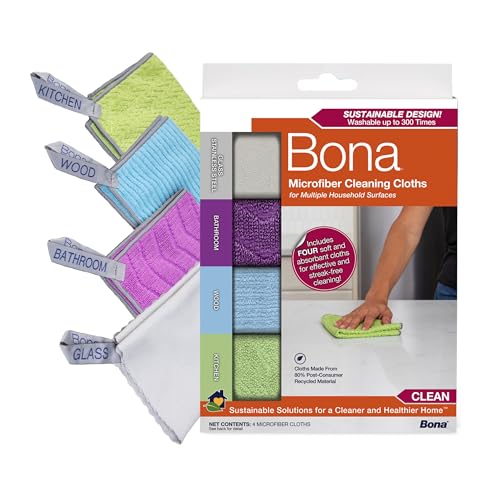
Four unique microfiber cloths for all the surfaces around your home

Microfiber 16 x 12-inch cleaning cloth (24-pack); ideal for cleaning cars, trucks, boats, and more

ULTRA SOFT MATERIAL & SCRATCH FREE - Ultra soft and highly absorbent microfiber cleaning cloths, great for cleaning windows, kitchenware, car or other delicate surfaces.
What to Avoid When Cleaning Wood Furniture
The biggest mistakes usually come from too much moisture, too much friction, or the wrong chemical.
- Alcohol and ammonia: These can soften or damage certain finishes.
- Full-strength vinegar: Acid can dull or etch some surfaces.
- Bleach and peroxide: These can lighten wood and create uneven color.
- Abrasive cleaners and baking soda scrubs: These can scratch or haze the finish.
- Magic erasers: They act like very fine sandpaper and can dull sheen.
- Steam cleaners: Heat and moisture can swell wood, loosen glue, and lift veneer.
- Silicone-heavy polish: It can leave residue that is difficult to remove later.
- Soaking-wet cloths: Excess water can cause rings, raised grain, swelling, or veneer damage.
How to Effectively Remove Stains From Wood Surfaces
Stain removal depends on whether the mark is sitting on top of the finish, trapped in the finish, or inside the wood. Start with the mildest option and stop if the finish changes.
Recommended Products

REJUVENATE YOUR WOOD SURFACES: Bring new life to your natural wood furniture and cabinets with the Weiman Wood and Cabinet Restorer 3-In-1 Bundle that comes with a microfiber cloth. This bundle was specifically designed for all type of wood surfaces like antique wood, tables, chairs, desk, bedroom sets, wood cabinets, wood panels, wood doors, trim, office furniture, and bedroom furniture.

Old English Scratch Cover restores damaged wood

CITRISTRIP Paint & Varnish Stripping & Removing Gel is easy to use.
Fresh Spills
Blot spills immediately with a dry cloth. Do not rub the spill across the surface. After blotting, wipe with a barely damp cloth if the finish is sealed, then dry thoroughly.
Water Rings
White water rings are often moisture trapped in the finish. First, wait a day to see whether the mark fades as the finish dries. If it remains, gently buff with a dry cloth. For ordinary sealed furniture only, you can test a tiny amount of non-gel toothpaste on a hidden area, then use very light pressure on the ring. Stop immediately if the sheen changes.
Do not use this method on antiques, shellac, lacquer, painted finishes, veneer, or unknown finishes. The abrasion may create a dull patch that is more noticeable than the ring.
Sticky Grime or Old Product Buildup
Sticky residue often comes from cooking film, hand oils, smoke, or too much polish. Start with diluted mild dish soap on a barely damp cloth. Work in small areas and dry immediately. If the residue does not lift, do not keep scrubbing. Repeated rubbing can soften or dull the finish.
On modern sealed furniture only, a furniture repair professional may recommend mineral spirits for stubborn waxy buildup. Do not use mineral spirits on antiques, shellac, lacquer, painted finishes, raw wood, veneer with lifting edges, or any unknown finish without expert guidance.
Heat Marks
Heat marks can be difficult because heat may alter the finish itself. Avoid ironing the surface unless you are willing to risk finish damage. For valuable furniture, ask a professional before trying heat-based fixes.
Dark Stains
Dark stains usually mean moisture or color has moved through the finish and into the wood. At that point, household cleaning often will not solve the problem evenly. Avoid peroxide or bleach unless you are prepared for possible lightening, refinishing, or professional repair.
Note: If a stain is on an antique, a family heirloom, a veneer surface, or a piece with unknown finish, stop at dry dusting and gentle blotting. A furniture conservator or restorer can often prevent a small mark from becoming permanent damage.
Tips for Preventing Damage to Wood Furniture
Prevention protects the finish better than repeated cleaning. Most damage comes from moisture, heat, sunlight, abrasion, and product buildup.
Use Protective Coasters
Place coasters under glasses, mugs, bottles, planters, and vases. Cork, felt, and cloth-backed coasters are gentle on the finish. For dining tables, use placemats, trivets, and table pads to protect against hot dishes, water, and scratches.
Control Sunlight and Heat
Keep wood furniture away from direct sun when possible. Sunlight can fade finishes and change wood color over time. Also avoid placing furniture directly next to radiators, fireplaces, heat vents, or humidifiers.
The National Park Service Museum Handbook guidance on wooden objects discusses environmental risks such as light, moisture, and deterioration, which also apply to careful home maintenance.
Manage Humidity
Wood expands and contracts as humidity changes. Very dry air can contribute to cracks, while damp conditions can encourage swelling, mold, or loose veneer. A stable indoor environment is better than frequent swings between dry and humid air.
Clean Spills Quickly
Do not let water, alcohol, perfume, nail polish remover, plant runoff, or cleaning sprays sit on wood. Blot first, then clean gently only if needed. Alcohol and solvent spills are especially urgent because they can soften some finishes quickly.
Essential Tips for Polishing and Conditioning Wood Furniture
Polishing and conditioning are not the same as cleaning. Cleaning removes dust and grime. Polishing changes the surface appearance. Conditioning is usually for specific oil or wax finishes, not for every finished wood surface.
- Use polish sparingly: If the furniture already looks clean and even, skip polish.
- Avoid silicone buildup: Silicone can leave a slick film that attracts dust and complicates refinishing.
- Do not oil sealed wood automatically: Oil usually cannot nourish wood through an intact finish; it may only sit on top and collect grime.
- Wax only compatible finishes: Apply a thin coat, buff well, and avoid wax buildup in carvings, seams, and around hardware.
- Follow the product label: If the label excludes certain finishes, do not use it on those surfaces.
For old or valuable furniture, ask a conservator before adding wax, oil, or polish. The wrong product can make future repair more difficult.
Recommended Products

ENHANCES NATURAL BEAUTY: This blend of beeswax, carnauba wax, and orange oil for wood brings out natural grain and beauty, making it an excellent choice as a wood conditioner and polish furniture product
What Mistakes Should You Avoid When Cleaning Wood Furniture?
Common Cleaning Errors
- Cleaning before dusting: Dust and grit can scratch when rubbed into the finish.
- Using too much water: Excess moisture can cause swelling, haze, and veneer problems.
- Spraying cleaner directly on wood: Liquid can run into seams, joints, and cracks.
- Scrubbing stains aggressively: Heavy pressure can dull or remove the finish.
- Using one method for every piece: Different finishes need different levels of care.
- Skipping the test spot: A hidden test can prevent visible damage.
Using Harsh Chemicals
Strong cleaners may promise faster results, but they can cause permanent finish damage. Avoid glass cleaner, disinfecting sprays, oven cleaner, bathroom cleaner, bleach, ammonia, rubbing alcohol, acetone, and degreasers unless a furniture professional specifically recommends them for that exact finish.
Ignoring Moisture Control
A damp cloth should feel almost dry in your hand. If water beads, drips, or leaves a wet trail, the cloth is too wet. Dry each section immediately after wiping.
How to Protect Your Wood Furniture During Cleaning
Remove lamps, frames, books, candles, and decorative items before cleaning. Lift objects instead of dragging them. Check the bottoms of accessories for grit, rough ceramic edges, metal feet, or old felt pads that may scratch the finish.
If the furniture has metal hardware, avoid soaking the area around pulls, hinges, and escutcheons. Moisture can tarnish metal and seep into screw holes or veneer edges. Clean around hardware with a cotton swab rather than flooding the area.
When Not to Clean Wood Furniture Yourself
Some furniture should not be cleaned beyond gentle dry dusting without professional advice. Stop and get help if you notice:
- Flaking, bubbling, sticky, or alligatored finish
- Loose veneer or lifting edges
- White haze that spreads during cleaning
- Color transferring to your cloth
- Paint that may be old enough to contain lead
- Strong mildew odor or visible mold
- Insect holes, fresh powder, or crumbling wood
- Valuable antique, heirloom, or museum-quality furniture
The American Institute for Conservation’s Find a Professional Member tool can help locate a qualified professional for valuable or fragile pieces.
Community Insights on Wood Furniture Care
The best real-world advice is simple: use coasters, clean spills immediately, dust often, and avoid turning routine cleaning into a refinishing project. Many damaged finishes happen because someone tried to remove a small mark with a strong cleaner, abrasive paste, or too much water.
For everyday furniture, a mild method usually works. For antiques and sentimental pieces, preserve the existing finish whenever possible. Patina, slight color variation, and small age marks are often part of the furniture’s character.
Additional Resources for Wood Furniture Maintenance
For modern furniture, start with the manufacturer’s care label or website. For older or valuable furniture, rely on conservation-based guidance and professional restorers rather than viral cleaning hacks. Keep a small care kit with microfiber cloths, soft cotton cloths, mild dish soap, cotton swabs, coasters, and the exact wax or care product recommended for your finish.
Frequently Asked Questions
How do you remove years of grime from wood furniture?
Start with dry dusting, then use a barely damp microfiber cloth with warm water and a few drops of mild dish soap if the wood is sealed. Work in small sections and dry immediately. If the surface stays sticky after gentle cleaning, stop before scrubbing through the finish and ask a furniture professional.
How do you make wooden furniture look new and shiny?
Clean it gently first, then decide whether it actually needs polish or wax. If the finish is compatible, apply a very thin coat of paste wax and buff it well. Avoid silicone-heavy sprays and routine oiling on sealed furniture because residue can build up and attract dust.
Can you clean wood furniture with vinegar?
Avoid full-strength vinegar on wood furniture. It is acidic and can dull or damage some finishes. If a manufacturer specifically recommends a diluted vinegar solution for your piece, test it first in a hidden area and dry the surface immediately.
Is dish soap safe for wood furniture?
A few drops of mild dish soap in warm water can be safe for many sealed wood finishes when used with a barely damp cloth. It is not the best first choice for unfinished, waxed, oiled, antique, shellac, lacquer, painted, or unknown finishes.
How often should you wax wood furniture?
Only wax when the finish is compatible and the surface needs it. Many pieces do not need frequent waxing. High-use waxed surfaces may need occasional refreshes, while decorative or antique pieces may need very little intervention. Too much wax can create dull buildup.
What should I do if cleaning makes the finish cloudy?
Stop cleaning immediately and dry the area with a soft cloth. Cloudiness can mean moisture or cleaner is affecting the finish. Do not add more cleaner, oil, alcohol, or heat. If the haze does not fade after the surface dries, contact a furniture restorer.
Conclusion
Cleaning wood furniture without stripping the finish is mostly about restraint. Dust first, use minimal moisture, choose mild soap only when the finish can handle it, and dry every section right away. Skip harsh chemicals, abrasive stain hacks, and automatic polishing. With coasters, stable humidity, sunlight control, and gentle routine care, your wood furniture can stay clean, warm, and beautiful without losing the finish that protects it.
Sources
- Canadian Conservation Institute — Basic care: furniture and objects made of wood — supports gentle, conservation-minded care for wooden objects.
- National Park Service Museum Handbook, Appendix N: Curatorial Care of Wooden Objects — supports cautions about environmental damage, moisture, and deterioration risks.
- American Institute for Conservation — Caring for Your Treasures: Furniture — supports cautious care, avoidance of problematic oils and silicone polishes, and professional conservation principles.
- American Institute for Conservation — Find a Professional Member — supports professional help for valuable, antique, or fragile furniture.
- Real Simple — How to Clean Wood Furniture — supports practical home-cleaning steps such as dusting, testing first, and using a damp cloth carefully on sealed wood.




[…] water-sensitive and should never be wiped with a damp cloth. For deeper care, see our guides to cleaning wood furniture without stripping the finish and wood finishes […]