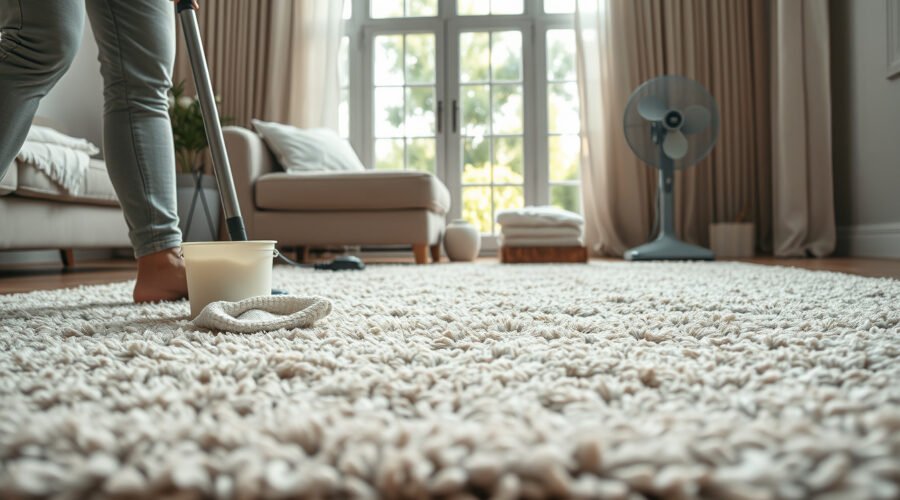
Cleaning a wool area rug at home is possible, but wool needs a gentler approach than synthetic rugs. The safest method is to remove dry soil first, test the rug before using moisture, clean with a wool-safe product, rinse lightly, and dry the rug quickly with strong airflow.
Quick Answer
To clean a wool area rug, vacuum both sides, test for colorfastness, then clean small sections with cool water and a WoolSafe-approved detergent. Blot instead of rubbing, rinse with a damp cloth, remove as much moisture as possible, and dry with airflow. Avoid dish soap, bleach, hot water, and soaking.
Key Takeaways
- Use only a cleaner labeled safe for wool rugs or a WoolSafe-approved carpet care product.
- Always test a hidden area before cleaning the whole rug.
- Blot spills and stains; rubbing can distort the pile and push soil deeper.
- Use as little water as practical because over-wetting can cause dye bleed, shrinkage, odors, or mold.
- Call a professional for antique, hand-knotted, silk-blend, bleeding, pet-soiled, or high-value wool rugs.
At a Glance
| Time Required | 30–90 minutes of hands-on cleaning, plus drying time |
| Difficulty | Moderate; easy if the rug is colorfast and lightly soiled |
| Tools Needed | Vacuum, white cloths, bucket, cool water, wool-safe detergent, sponge or soft brush, towels, fan or dehumidifier |
| Cost | Usually under $25 if you already own a vacuum and fan |
Warning: Do not use bleach, oxygen bleach, ammonia, dish soap, laundry detergent, hot water, steam, or a rented carpet-cleaning machine on a wool rug unless the care label specifically allows it. These can cause color bleeding, rapid re-soiling, pile damage, shrinkage, or backing problems.
Before You Start: Check the Rug First
Before adding any water or cleaner, inspect the rug carefully. Look for a care label, fiber content tag, backing material, loose fringe, weak seams, unstable dyes, or old repairs. If the label says “dry clean only,” “professional clean only,” or warns against wet cleaning, do not wash the rug at home.
Test for colorfastness by dampening a clean white cloth with cool water and a tiny amount of wool-safe detergent. Blot a hidden corner or the back edge of the rug. If any color transfers to the cloth, stop and contact a rug-cleaning professional.
Protect the floor under the rug before spot cleaning. Wool can hold moisture, and dye can transfer to wood, laminate, or stone if the rug is left damp against the floor.
Note: Antique, Persian, Oriental, hand-knotted, silk-blend, viscose-blend, or heirloom wool rugs are safer in the hands of a professional rug cleaner. DIY cleaning can permanently affect dyes, fringe, pile direction, and foundation fibers.
Essential Tools and Materials for Cleaning Your Wool Rug
Gather everything before you start so the rug does not stay damp longer than necessary.
- Vacuum with suction control: Use suction only or the gentlest rug setting. Avoid catching fringe in the brush roll.
- Clean white cloths or towels: White cloths make it easier to see dye transfer and prevent colored towels from bleeding onto the rug.
- Cool water: Cool water is safer for wool than hot water.
- Wool-safe detergent: Choose a product labeled safe for wool or certified through WoolSafe product testing.
- Soft sponge or soft-bristled brush: Use gentle pressure only.
- Bucket or spray bottle: A bucket is best for controlled dilution; a spray bottle can help lightly dampen small sections.
- Fan or dehumidifier: Air movement helps the rug dry faster and reduces odor risk.
Skip vinegar, baking soda pastes, dish soap, laundry detergent, fabric softener, enzyme cleaners not labeled for wool, and general-purpose stain removers unless the product label specifically says it is safe for wool rugs.
Recommended Products
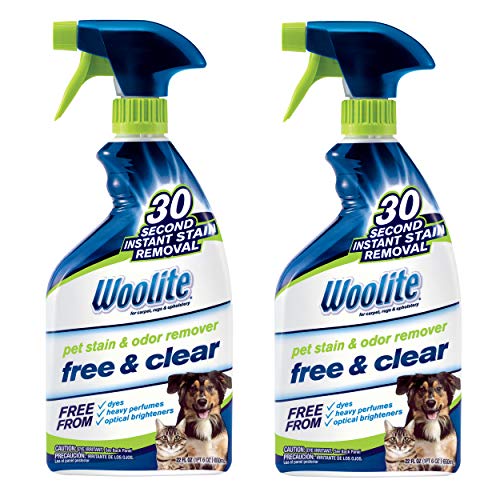
Instant stain removal technology, packed into a free and clear formula.

2X formula is concentrated to provide same great cleaning to remove soil and stains

StainLift Technology. Lift and remove deep down dirt, stains and odors.
Why Wool Rugs Need Special Care: Key Considerations
Wool is durable, resilient, and naturally soil-hiding, but it is still sensitive to high alkalinity, harsh chemicals, aggressive scrubbing, and excess moisture. The wrong cleaner can leave sticky residue that attracts dirt, while too much water can affect the backing, dyes, and shape of the rug.
Because wool fibers can trap gritty soil, regular vacuuming is one of the most important maintenance habits. Grit acts like sandpaper when people walk across the rug, so removing dry soil before washing protects the pile.
Step 1: Vacuum and Shake Out Dirt
Start with dry soil removal. Do not wet a dirty rug first, because moisture can turn dry soil into mud and push it deeper into the pile.
- Take the rug outside if practical: Shake it gently to loosen dust and grit.
- Beat lightly, not aggressively: Hang the rug over a sturdy railing and tap it with a broom handle or rug beater. Avoid hard strikes on old or delicate rugs.
- Vacuum the front: Use slow passes and low suction if the pile is delicate.
- Vacuum the back: The underside often holds fine grit that works into the foundation.
- Protect the fringe: Vacuum up to the fringe, not across it. Comb fringe gently by hand if needed.
Pro Tip: If the rug is small enough, flip it face down and vacuum the back first. This helps loosen embedded dry soil, which you can then vacuum from the front.
Choose the Right Cleaning Method for Your Wool Rug
The right method depends on the rug’s condition, construction, dye stability, and soil level. When in doubt, choose the gentlest option.
Recommended Products
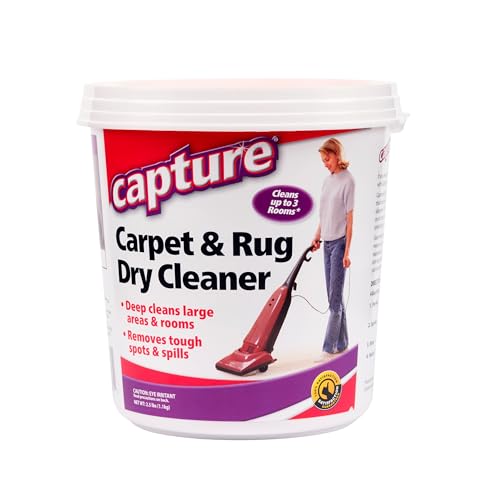
ABSORBENT DEEP DRY CLEANING: Wet cleaners cause wicking by leaving moisture in carpets, rugs, upholstery, furniture, sofa, and couch. With Capture Powder Cleaner, the spots do not reappear, it acts like heavy-duty sponges to absorb dirt and spills.
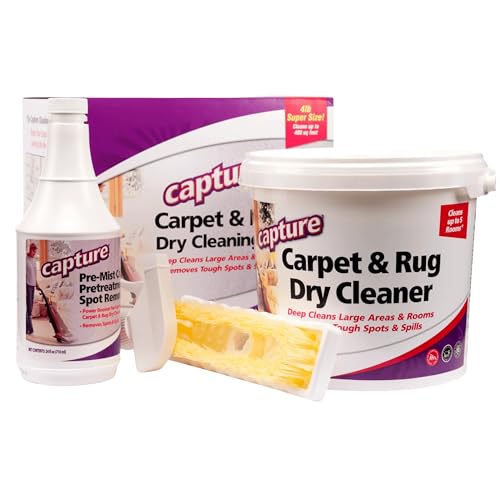
COMPACT CLEANING SOLUTION: Everything you need to clean spots or whole rooms. Includes 4 lb Carpet & Rug Dry Cleaner powder, 24oz Soil Release Pre-Mist and a bonus carpet brush (handle not included). With Capture Powder Cleaner, the spots do not reappear and act like heavy-duty sponges to absorb dirt and spills.
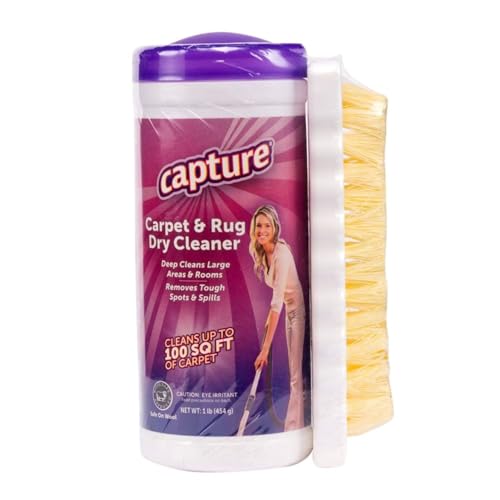
ABSORBENT DEEP DRY CLEANING: Wet cleaners cause wicking by leaving moisture in carpets, rugs, upholstery, furniture, sofa, and couch. With Capture Powder Cleaner, the spots do not reappear, it acts like heavy-duty sponges to absorb dirt and spills. This superior deodorizer and cleaner eliminates strong odors for long-lasting freshness.
Dry Cleaning Options
For lightly soiled wool rugs, a wool-approved dry compound or dry extraction powder may be safer than wet cleaning. Follow the product label exactly, work gently, and vacuum thoroughly afterward. Do not use scented powders, baking soda piles, or deodorizing powders that are not labeled safe for wool, because residue can remain in the pile and backing.
Wet Cleaning Techniques
For colorfast rugs with ordinary soil, use controlled damp cleaning rather than soaking. Mix a small amount of wool-safe detergent with cool water according to the label. Clean one small section at a time with a damp sponge or soft brush, then rinse that section with a clean damp cloth.
Professional hot-water extraction or other machine cleaning can be appropriate for some wool rugs, but it requires the right chemistry, moisture control, extraction, and drying setup. Do not assume a household carpet cleaner or rental machine is safe for your rug.
How to Gently Clean and Scrub Your Wool Rug
Once the rug passes the colorfastness test, clean it in sections.
- Mix the cleaner: Add the wool-safe detergent to cool water at the label dilution. More detergent is not better; excess residue attracts soil.
- Dampen, do not soak: Dip a sponge or soft brush into the solution and wring it out so it is damp, not dripping.
- Work with the pile: Clean in the direction the fibers naturally lay. Use light strokes instead of circular scrubbing.
- Blot as you go: Press a clean towel onto the cleaned section to lift soil and moisture.
- Move section by section: Overlap slightly so you do not leave uneven clean patches.
If the rug starts to smell strongly of wet wool, dyes begin to transfer, or the backing feels saturated, stop cleaning and begin drying immediately.
How to Spot Clean Spills and Stains
Fast action matters. The longer a spill sits, the harder it is to remove without leaving a ring or residue.
- Blot liquid immediately: Press with a clean white towel. Do not rub.
- Lift solids first: Scoop or scrape gently with a spoon or dull edge.
- Work from the edge inward: This helps prevent the stain from spreading.
- Use small amounts of cleaner: Apply a wool-safe spot remover to a cloth, not directly to the rug, unless the label says otherwise.
- Rinse lightly: Blot with a cloth dampened with clean water to remove cleaner residue.
- Dry the spot: Blot with dry towels, then use a fan.
For urine, vomit, red wine, ink, nail polish, bleach marks, old stains, or stains that keep returning, contact a professional. These problems often need specialized chemistry and controlled drying.
Recommended Products

Permanent Pet Stain Removal. Triple Action Cleaning System with oxy action.

Professional Strength Formula: Designed to tackle the toughest carpet stains quickly and effectively.

WORKS ACROSS MANY SURFACES – It safely lifts stains from upholstery, carpets, rugs, and other water-safe, colorfast materials. The formula is water based, non-flammable, and odor free for worry-free cleaning anywhere in your home.
Rinsing Techniques to Avoid Damage
Rinsing removes detergent residue, but too much rinse water can damage wool. Use a clean cloth or sponge dampened with cool water, and blot the cleaned area instead of pouring water onto the rug.
| Rinse Technique | Purpose | Moisture Control |
|---|---|---|
| Use cool water | Helps protect wool fibers and dyes | Avoids heat-related shrinkage or fading risk |
| Dab with a damp cloth | Removes cleaner residue | Limits water absorption |
| Work in small sections | Keeps the process controlled | Prevents soaking the backing |
| Blot with dry towels | Pulls out excess moisture | Speeds drying and reduces odor risk |
Effective Drying Methods to Preserve Your Rug
Drying is just as important as cleaning. The EPA’s mold guidance recommends drying wet or damp materials quickly to help prevent mold growth, so do not leave a wool rug damp on the floor.
- Remove moisture first: Press dry towels into the rug and replace them as they become damp.
- Elevate the rug: Place it over a clean drying rack, slatted surface, or breathable setup so air reaches both sides.
- Use airflow: Aim a fan across the rug, not directly into one wet spot.
- Use a dehumidifier if humidity is high: Lower humidity helps moisture evaporate faster.
- Avoid harsh sun and heat: Brief indirect sunlight can help, but strong direct sun can fade dyes.
- Wait until fully dry: The rug, backing, fringe, and floor underneath should all be dry before the rug goes back in place.
Troubleshooting Common Wool Rug Cleaning Problems
- Colors bleed during testing: Stop and use a professional rug cleaner.
- The rug feels stiff after drying: Detergent residue may remain. Blot lightly with a clean damp cloth, then dry again with airflow.
- A stain comes back: Soil or liquid may be wicking up from deeper layers. Blot again and call a professional if it returns.
- The rug smells musty: It stayed damp too long or the backing is still wet. Increase airflow and use a dehumidifier. If odor remains, get professional help.
- The pile looks uneven: Gently brush or groom the pile in one direction once the rug is fully dry.
Easy Tips for Keeping Your Rug Spotless
Regular care keeps a wool area rug cleaner and reduces the need for deep cleaning.
- Vacuum regularly: Vacuum once or twice a week in normal areas and more often in high-traffic or pet areas.
- Use entry mats: Less tracked-in grit means less wear on the rug fibers.
- Rotate the rug: Rotate every few months to balance traffic, sunlight, and furniture pressure.
- Blot spills immediately: Fast blotting prevents many stains from setting.
- Keep it dry: Avoid placing wool rugs in constantly damp rooms.
- Use a quality rug pad: A breathable rug pad helps reduce slipping, wear, and trapped grit.
- Schedule professional cleaning when needed: Use a specialist for heavy soil, odors, pet accidents, dye instability, or valuable rugs. The ANSI/IICRC S100 standard covers professional cleaning principles for textile floor coverings, including rugs.
Common Mistakes When Cleaning Wool Rugs
- Using dish soap: It can leave residue and contribute to re-soiling.
- Using hot water or steam: Heat can affect dyes, fibers, and shape.
- Scrubbing aggressively: Hard scrubbing can fuzz, distort, or damage the pile.
- Skipping the color test: Unstable dyes can bleed quickly once damp.
- Over-wetting the rug: Saturation can affect the backing and slow drying.
- Putting the rug back too soon: A damp rug trapped against the floor can develop odors or mold.
Frequently Asked Questions
What is the best way to clean wool area rugs?
The best way is to vacuum both sides, test a hidden area, clean small sections with cool water and a wool-safe detergent, rinse with a damp cloth, blot out moisture, and dry the rug quickly with airflow. For valuable or dye-unstable rugs, use a professional rug cleaner.
What are the common mistakes when cleaning wool rugs?
The biggest mistakes are using dish soap, bleach, hot water, steam, too much detergent, or too much water. Other common problems include rubbing stains, skipping the colorfastness test, soaking the backing, and returning the rug to the floor before it is completely dry.
Can I use Dawn dish soap on a wool rug?
No. Dawn and other dish soaps are not the safest choice for wool rugs. They can leave residue, encourage rapid re-soiling, and may affect dyes or backing materials. Use a cleaner specifically labeled safe for wool rugs instead.
Can you wash a 100% wool rug?
You can clean many 100% wool rugs with a controlled damp-cleaning method if the rug is colorfast and the care label allows it. Do not machine wash, soak, or steam-clean a wool rug unless the manufacturer specifically says it is safe. When in doubt, choose professional cleaning.
How often should I vacuum a wool area rug?
Vacuum most wool area rugs once or twice a week. Vacuum high-traffic rugs, entry rugs, and rugs in homes with pets more often. Use gentle suction and avoid pulling fringe into the vacuum.
Can I use vinegar or baking soda on a wool rug?
Avoid using vinegar or baking soda as default wool rug cleaners. Vinegar can affect some dyes or finishes, and baking soda can leave fine residue in the pile and backing. A wool-safe spot cleaner is a better first choice.
Conclusion
A clean wool area rug starts with dry soil removal, gentle products, careful moisture control, and thorough drying. Keep the process simple: vacuum well, test first, clean with a wool-safe detergent, blot instead of scrub, rinse lightly, and dry with airflow. If the rug is valuable, unstable, heavily stained, or slow to dry, professional cleaning is the safer investment.
Sources
- The WoolSafe Organisation: Safe Way to Care for Your Wool Carpets and Rugs — supports regular vacuuming, prompt spill response, approved wool products, and avoiding household detergents.
- The WoolSafe Organisation: Product Testing — explains performance and safety criteria for products used on wool carpets and rugs.
- The WoolSafe Organisation: Approved Carpet Care Products — helps readers find products tested for wool-safe use.
- U.S. EPA: A Brief Guide to Mold, Moisture and Your Home — supports fast drying, moisture control, and mold-prevention guidance.
- ANSI/IICRC S100 Standard for Professional Cleaning of Textile Floor Coverings — supports professional cleaning principles for carpets and rugs.