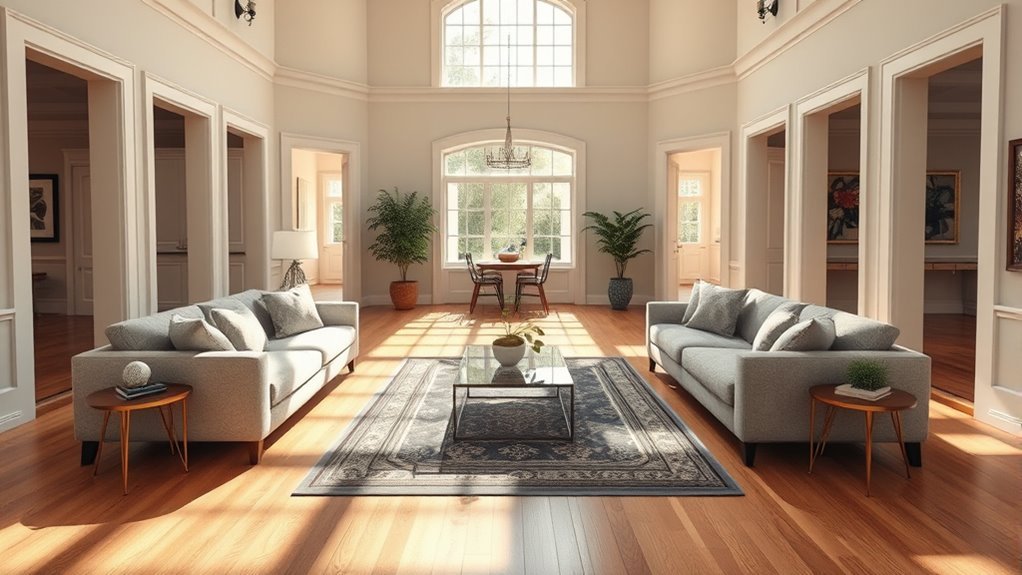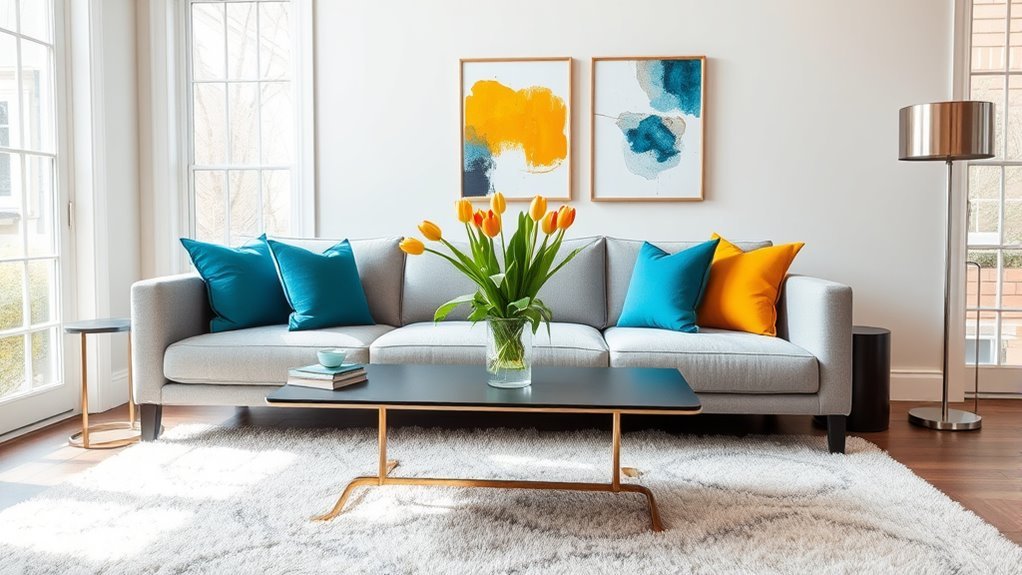
Deciding on an accent wall vs color drenching comes down to one core question: do you want a single bold focal point, or do you want your entire living room wrapped in one cohesive mood? An accent wall is faster, costs less, and works best when your room already has a natural architectural feature to highlight. Color drenching creates a tailored, enveloping atmosphere, though it requires more paint, careful sheen planning, and multi-wall sampling.
Quick Answer
Choose an accent wall for a budget-friendly focal point behind a fireplace, sofa, media console, or built-in bookcase using just one quart to one gallon of paint. Choose color drenching for a calm, unified living room where the walls, ceiling, trim, and doors share one coordinated shade across varied finishes.
Last checked: October 17, 2026. Dates and figures were verified against official sources.
At a Glance
| Time Required | Accent wall: 4 to 6 hours (one day including prep and 2-to-4-hour recoat drying time). Color drenching: 1 to 2 full days because ceiling, trim, door, and detail work take longer. |
| Difficulty | Accent wall: beginner-friendly (four crisp tape lines). Color drenching: intermediate, requiring separate sheens for ceiling, drywall, and wood trim. |
| Tools Needed | Large peel-and-stick or poster-board samples, painter’s tape, canvas drop cloths, 2-inch angled sash brush, 9-inch and 4-inch rollers, extension pole, paint tray, ladder, primer, and surface-matched paint finishes. |
| Cost | Accent wall: $45 to $120 in DIY paint and supplies (1 quart to 1 gallon). Color drenching: $220 to $500+ in DIY materials (3 to 5 gallons across flat ceiling, eggshell wall, and satin trim cans). |
Accent Wall vs. Color Drenching: Key Differences Compared
The primary difference between an accent wall and color drenching is how your eye moves through the living room. An accent wall relies on high contrast to stop the eye on a single featured surface, while color drenching removes visual borders so the entire room reads as one continuous environment.
According to Sherwin-Williams paint calculator guidelines, one quart of paint covers about 100 square feet and one gallon covers 350 to 400 square feet per coat. Because a standard 12-by-15-foot living room with 8-foot ceilings has roughly 430 square feet of wall area plus 180 square feet of ceiling, drenching requires three to four times as much paint as a single feature wall.
| Feature | Accent Wall | Full Color Drenching | 75% Drench / Color Capping |
|---|---|---|---|
| Surfaces Painted | One architectural focal wall only | All four walls, ceiling, trim, doors, baseboards, and built-ins | All walls and trim in one hue; ceiling in a lighter or darker tonal shade |
| Paint Needed (12×15 ft Room, 2 Coats) | 1 quart to 1 gallon (100–120 sq ft wall) | 3 to 5 gallons across wall, ceiling, and trim formulas | 2 to 3 gallons for walls/trim plus 1 gallon for the ceiling |
| Visual Impact | High contrast; draws immediate attention to one zone | Low contrast; blurs corner lines and softens busy trim | Medium contrast; wraps the room while preserving vertical height |
| Best Room Layout | Open-concept living rooms or spaces with a fireplace/media wall | Enclosed living rooms, snugs, libraries, or rooms with heavy millwork | Living rooms with low 8-foot ceilings or tall 10-foot+ walls needing balance |
| Ease of Repainting | Very easy; ideal for renters and frequent updaters | High effort; requires priming and repainting ceiling and woodwork | Moderate; easier if the ceiling remains a soft off-white |
What Is Color Drenching in a Living Room?
Color drenching is an interior paint technique where you apply one main color across almost every surface in the room: walls, ceiling, window casings, doors, baseboards, built-ins, radiators, and sometimes furniture. As the Farrow & Ball color drenching guide notes, eliminating crisp white trim lines removes visual breaks and creates a cohesive, wrapped-in-color atmosphere.
Recent Real Simple coverage on how color drenching will define 2026 interiors highlights how this approach shifts the focus from a single wall to the mood of the whole room. Deep shades like olive, navy, oxblood, espresso brown, smoky blue-green, and mushroom make a living room feel cozy and tailored. Softer mid-tones such as sage green, dusty blue, plaster pink, and warm taupe feel airy and restorative.
Pro Tip: Color drenching does not mean every surface needs the same paint formula. Combine a flat ceiling paint (0–4% light reflectance), eggshell walls (10–25% reflectance), and satin trim (20–35% reflectance) tinted to the exact same color code to add subtle dimension.
What Is an Accent Wall?
An accent wall (also called a feature wall) is a single interior wall painted or finished differently from the surrounding three walls to create an instant focal point. While paint is the most common medium, an effective accent wall can also use patterned wallpaper, vertical wood slats, picture-frame molding, limewash, Roman clay, stone, or tile.
Accent walls succeed when the chosen wall already carries architectural weight. The surface behind a fireplace mantel, built-in shelving, a primary sofa, or a mounted television naturally anchors the room. Painting a blank side wall with no architectural feature often makes the contrast feel arbitrary rather than planned.
Accent Wall vs. Color Drenching: Which Should You Choose?
Let your living room’s architecture, natural light, floor plan, and your comfort level with commitment guide your decision. An enclosed room with heavy moldings rewards full saturation, whereas an open-concept layout usually benefits from a contained focal wall.
Recommended Products

PAINT + PRIMER: KILZ TRIBUTE is a low VOC, 100% acrylic advanced technology paint and primer in one formulated for superior hide and coverage with exceptional durability. Paint and primer covers light-medium stains and light-dark color changes.

PAINT plus PRIMER: KILZ TRIBUTE is a low VOC, 100 percent acrylic advanced technology paint and primer in one formulated for superior hide and coverage with exceptional durability. Paint and primer covers light-medium stains and light-dark color changes.

PAINT plus PRIMER: KILZ TRIBUTE is a low VOC, 100 percent acrylic advanced technology paint and primer in one formulated for superior hide and coverage with exceptional durability. Paint and primer covers light-medium stains and light-dark color changes.
Choose an Accent Wall If…
- You want a noticeable weekend upgrade without priming and painting ceilings, doors, and baseboards.
- Your living room has an open-concept layout that flows directly into the kitchen or dining area with no doorway break.
- Your space features a natural anchor, such as a fireplace surround, recessed media alcove, or bookcase wall.
- You rent your home or plan to sell soon and want a surface you can return to neutral in one afternoon.
- You prefer crisp contrast and want to highlight artwork, a statement sofa, or a fireplace mantel against a single backdrop.
Choose Color Drenching If…
- You want your living room to feel cocooning, calm, and custom-designed from floor to ceiling.
- Your room has lots of crown molding, window casings,wainscoting, radiator covers, or doors that look choppy when painted bright white.
- Your space has sloped ceilings, dormers, or awkward wall angles that you want to soften visually.
- You have tested a shade you genuinely love in all lighting conditions rather than picking a passing trend color.
- You are ready to invest in separate ceiling, wall, and trim paint cans and spend an extra day on prep work.
Note: A random painted accent wall can look dated, but a purposeful focal wall remains timeless. If you want an accent wall to look current in 2026, pair the paint color with architectural texture such as box trim, wood paneling, or limewash.
How Each Technique Changes the Mood of a Living Room
An accent wall introduces visual energy through contrast. By placing a darker or richer shade against three lighter walls, you tell the eye exactly where to land first, which helps ground a floating sofa or make a black television screen blend into the background.
Color drenching builds visual serenity through continuity. Because your eye does not stop at high-contrast white baseboards or a stark white ceiling line, the corners of the room recede. This lowers visual clutter and lets textured upholstery, warm wood tables, brass lamps, and framed art stand out against a unified backdrop.
For a restful evening lounge, color drenching works best in muted, smoky, or earthy shades with a Light Reflectance Value (LRV) between 10 and 45. For a bright daytime family room, an accent wall paired with warm off-white walls (LRV 65 to 80) keeps the space lively without absorbing too much daylight.
How Room Size, LRV, and Natural Light Affect Your Choice
Small and medium enclosed living rooms handle color drenching remarkably well because removing the contrast line between the wall and ceiling blurs the room’s boundaries. Large living rooms and open-concept spaces require more restraint, since a single saturated hue can overwhelm adjacent hallways and dining zones if there is no trim frame or archway to stop the paint.
When comparing paint swatches, check the Light Reflectance Value (LRV) printed on the back of the chip or technical sheet, which measures reflected light on a scale from 0 (absolute black) to 100 (pure white):
- LRV 65–85 (Light & Airy): Warm whites, creams, and pale greiges reflect abundant light, making them forgiving for open-plan drenching or as the three supporting walls around an accent wall.
- LRV 35–60 (Balanced Mid-Tones): Sage greens, warm khakis, dusty blues, and mushrooms offer visible color saturation without making a living room feel dark during the day.
- LRV 8–34 (Moody & Dramatic): Deep jades, navy blues, charcoals, and espresso browns absorb most incoming light, creating an intimate evening feel that requires layered lamps and sconces.
Window orientation changes how these numbers behave in real life. North-facing rooms receive cool, indirect daylight that accentuates gray and blue undertones, while south-facing rooms bathe walls in warm sunlight from morning to late afternoon. East-facing living rooms look bright and crisp in the morning but fall into cool shadow after noon, whereas west-facing rooms turn golden and intense near sunset.
The safest paint choice is not always the lightest swatch on the strip. The right choice is the color that holds its undertone in your room’s real morning daylight, afternoon shadows, and warm evening lamplight.
Is Color Drenching Still in Style for 2026?
Yes, color drenching remains one of the strongest interior paint trends of 2026, alongside newer tonal variations that give homeowners more flexibility. According to the official Zillow 2026 Home Trends Report, mentions of color drenching in real estate listings jumped 149% year over year, while cozy reading nooks rose 48%, as covered in Good Housekeeping’s 2026 home trends report.
Major paint brands also built their 2026 palettes around versatile shades suited for both full-room drenching and architectural accents:
- Smoky Blue-Greens: The Behr 2026 Color of the Year announcement named Hidden Gem (N430-6A), a smoky jade that House Beautiful’s review of Behr’s 2026 shade highlights as rich enough for a moody room wrap yet grounded enough to act like a livable neutral on millwork.
- Tailored Espresso & Khaki Neutrals: Benjamin Moore selected Silhouette (AF-655, LRV 10.18), a deep burnt-umber espresso with charcoal notes, while Sherwin-Williams chose Universal Khaki (SW 6150), an earthy mid-tone neutral ideal for warm, low-contrast living rooms.
- Color Capping & 75% Drenching: Instead of painting every surface the exact same shade, designers in 2026 frequently use color capping—painting the walls and trim one hue while carrying a slightly lighter or deeper shade from the same color strip across the ceiling and upper wall line.
- Double Drenching: Popularized by heritage paint houses, double drenching wraps a room in two closely related colors from the same family (such as olive walls with moss-green woodwork and ceiling) to add depth without returning to stark white trim.
Best Living Room Spaces for Color Drenching
Color drenching shines in living rooms with defined boundaries or rich architectural millwork. Wrapping woodwork and drywall in one hue unifies busy details so they feel custom rather than cluttered.
- Living rooms with floor-to-ceiling built-ins: Painting bookshelves, cabinets, crown molding, and surrounding walls the same shade creates a tailored library aesthetic.
- Snugs, dens, and TV lounges: Saturated mid-to-dark tones make smaller secondary living spaces feel purposeful and intimate.
- Rooms with asymmetrical angles or sloped ceilings: Carrying the wall color straight onto the ceiling hides sharp drywall transitions.
- Historic rooms with ornate trim: A single hue lets light and shadow highlight the carved profile of baseboards, wainscoting, and window casings without high-contrast white outlines.
- Dedicated reading corners: Drenching a recessed nook or bay-window seating zone carves out a quiet retreat.
Best Living Room Spaces for Accent Walls
Accent walls perform best when the surface has a clear structural job in the room. Start by identifying your living room’s natural focal wall before looking at paint chips.
- Fireplace mantel wall: A deeper tone behind a chimney breast or surround frames the firebox and anchors the seating arrangement.
- TV or media console wall: Charcoal, deep olive, navy, or espresso behind a mounted television reduces screen glare and helps black electronics recede when turned off.
- Primary sofa wall: Painting, paneling, or wallpapering the wall behind your main couch defines the conversation zone in a long rectangular room.
- Architectural alcoves and niches: Arched recesses beside a fireplace can handle bold paint or patterned wallpaper without dominating the room.
- Backed bookcase interiors: Painting only the back panel behind open shelving adds depth while keeping the main walls light.
How to Make Color Drenching Look Polished
Successful color drenching depends on surface preparation, varied paint sheens, and tactile contrast. As Business Insider’s guide to avoiding flat color-drenching results explains, applying a single flat finish across drywall, wood trim, and doors without texture variation can make a room look unfinished.
- Test 12-by-12-inch sample boards across multiple surfaces. Tape samples on at least two walls with different light exposure, right against the trim and ceiling line, and view them at 9 a.m., 2 p.m., and 8 p.m.
- Vary your paint sheen by surface. Following the Benjamin Moore paint finish guide, use ultra-flat or flat on the ceiling to hide drywall seams, matte or eggshell on walls for a velvety wash, and satin or semi-gloss enamel on trim, doors, and built-in shelves for scuff resistance and light bounce.
- Work from top to bottom. Paint two coats on the ceiling first, then coat the trim and doors with wood enamel, and finish by cutting in and rolling the walls so drips never mar finished surfaces.
- Blend or upgrade hardware and plates. Replace stark white plastic outlet covers, switch plates, and return vents with paintable primers and covers or solid brass, bronze, or matte-black plates.
- Layer contrasting textures and warm lighting. Break up the monochromatic walls with bouclé or linen upholstery, natural oak or walnut wood tones, woven rugs, and at least three light sources at eye level (table lamps, floor lamps, and wall sconces with 2700K warm bulbs).
Recommended Products

PERFECT SAMPLES: These 12" x 9" white, styrene panels provide a smooth, warp-free surface for testing up to 5 color samples with paint, stain or other coatings.

PAINT COLOR SAMPLE BOARDS - Organize paint colors while exploring and comparing them effortlessly with this 24-pack paint board set. Each tester board features a blank space on the front for paint-out and a label on the back to identify all the details of the particular color you are testing

PREMIUM QUALITY: 150 Pcs nail swatches sticks made of high quality acrylic, it's sturdy and durable, with smooth surface and transparent design, using clear swatches helps you to get accurate pigmentation of colors more easier and shows the true color of the polish
How to Make an Accent Wall Look Intentional
An intentional accent wall looks integrated with the rest of your decor rather than like a paint project that ran out of time after one wall. Repeat the accent shade at least three times elsewhere in the living room to tie the palette together.
- Confirm the wall has no competing cutouts. Avoid walls broken up by multiple hallway doors, thermostat clusters, or off-center windows that disrupt the color block.
- Pull the hue from existing textiles. Select a shade already present in your area rug, drapery, throw pillows, or large-scale artwork.
- Add dimensional texture before painting. Installing picture-frame molding, board-and-batten, vertical wood slats, or a limewash finish gives the focal wall architectural weight.
- Match undertones on the other three walls. Pair a warm terracotta, olive, or espresso accent wall with a creamy warm white (such as Swiss Coffee or Alabaster) rather than a stark, cool bluish white.
- Score and pull tape while the second coat is slightly damp. Use high-adhesion painter’s tape along the ceiling and adjacent corners, seal the edge gently, and pull the tape back at a 45-degree angle before the paint fully cures to prevent peeling.
Warning: Always open windows, run box fans exhausting outdoors, and keep children and pets out of the room while painting. According to U.S. EPA guidance on volatile organic compounds (VOCs), indoor VOC concentrations average 2 to 5 times higher than outdoor levels and spike sharply during painting, so choose zero-VOC or low-VOC formulas (under 50 g/L) and maintain steady fresh air circulation for 48 to 72 hours.
Recommended Products

[Long Working Hours & Short Charging Hours] Equipped with a 10000mAh Lithium Polymer Battery, our rechargeable battery operated wall lights can continuously work for 20-50 hours at different brightness levels to meet your daily needs. It only takes 6 hours for the light to be fully charged, and the color of the indicator lights in the light arm will indicate whether it's fully charged or not. Remember to fully charge it before its first use.

Two Installation Options: No need for hard wiring, saving the expensive cost of hiring an electrician. 1. No-Drill Hook Installation – Ideal for renters or anyone who wants to avoid wall damage. 2. Drill Installation – For a more permanent setup, ensuring a secure mount.

【High-Quality & Vintage Design】This plug in wall sconces set of two features a wall-mounted design and a metal base with a matte black finish for a glamorous look. The combination of solid wood material and diamond cage lampshade make these plug-in wall lamps a great decorative lighting option. Perfect for adding a splash of colour to your home.
Common Mistakes to Avoid
- Picking a shade from a backlit phone screen: Digital screens cannot replicate how natural daylight or LED bulbs shift paint undertones.
- Using wall drywall paint on wood trim and doors: Standard wall eggshell can stick or scuff on doors and bookshelves; always buy a dedicated trim and cabinet enamel tinted to match.
- Leaving a stark white ceiling over dark drenched walls without a plan: Unless you intentionally design a 75% drench with high ceilings, an accidental bright-white ceiling can chop the room’s height in half.
- Painting an accent wall that faces away from the seating arrangement: If your sofa backs up to the accent wall and faces a blank white TV wall, you spend most of your time looking away from your focal point.
- Skipping tinted primer under deep colors: Dark blues, greens, reds, and charcoals often require three to four coats over white drywall unless you apply a gray-tinted primer first.
Real-Life Living Room Examples
Example 1: Fireplace mantel accent wall. Painting a recessed chimney breast and surrounding alcoves in a deep charcoal-brown (LRV 10–12) makes a white stone or wood mantel stand out while keeping the remaining three walls bright and adaptable.
Example 2: Color-drenched built-in library wall and room. Coating built-in bookcases, window casings, baseboards, ceiling, and drywall in a smoky jade blue-green like Behr Hidden Gem (N430-6A) creates a custom study feel when paired with cognac leather seating and brass picture lights.
Example 3: Soft mid-tone neutral color drench. Wrapping walls, trim, and ceiling in a warm mushroom, taupe, or khaki (such as Sherwin-Williams Universal Khaki SW 6150) eliminates visual clutter in a small living room without making the space feel dark.
Example 4: Textured or wallpapered sofa accent wall. Applying botanical wallpaper or limewash behind the main sofa adds organic movement and depth while allowing open-concept dining and kitchen walls to stay a clean, warm neutral.
Key Takeaways
- Accent walls deliver high-contrast focus for $45 to $120 in DIY materials and work best on walls with built-in architecture like fireplaces, media consoles, or alcoves.
- Color drenching wraps walls, ceilings, doors, and trim in one shade across 3 to 5 gallons of paint to blur room boundaries and quiet down busy moldings.
- In 2026, Zillow listing mentions of color drenching are up 149% year over year, joined by tonal approaches like color capping and double drenching.
- Vary your paint finishes when drenching—flat on the ceiling, eggshell on walls, and satin or semi-gloss enamel on woodwork—so the room looks dimensional rather than flat.
- Check the paint’s Light Reflectance Value (LRV) and test large sample boards in morning, afternoon, and evening light before buying full gallons.
Frequently Asked Questions
What is the main difference between an accent wall and color drenching?
An accent wall highlights a single wall to create contrast and a focal point, while color drenching wraps the entire room—including walls, ceiling, trim, and doors—in one coordinated shade. Accent walls direct your eye to one feature, whereas color drenching creates a calm, enveloping mood.
Are accent walls out of style for living rooms in 2026?
No, intentional accent walls are still in style when they highlight real architecture or include texture. Painting a random blank wall in a loud color feels dated, but a fireplace wall, built-in bookcase wall, wood-slat feature, or limewashed alcove looks current in 2026.
Is color drenching still in style for 2026?
Yes, color drenching is a leading 2026 interior trend, with mentions in Zillow home listings rising 149% year over year. Many designers now pair classic single-color drenching with varied paint sheens, color capping on ceilings, or double drenching using two related tones.
Does color drenching make a small living room look smaller?
Not necessarily. Painting the walls, trim, and ceiling the same color removes the high-contrast border lines where surfaces meet, which helps corners recede and makes a small room feel more continuous. Mid-tone colors keep the room feeling open, while dark shades create a cozy, cocoon-like atmosphere.
What paint finish should I use for color drenching?
Use flat or ultra-flat paint on the ceiling, matte or eggshell on the drywall walls, and satin or semi-gloss enamel on trim, doors, and built-ins. Keeping the color identical while varying the sheen gives the room subtle depth and ensures woodwork stays washable.
Which option is better if I plan to sell my home soon?
An accent wall is easier to repaint before listing, though well-executed color drenching in livable shades like sage green, smoky blue-green, or warm taupe photographs beautifully for listings. If resale is near, avoid overly dark or neon shades and stick to sophisticated nature-inspired tones.
What is the difference between color drenching and color capping?
Color drenching uses one identical paint shade across walls, trim, and ceiling, whereas color capping pairs two related shades from the same color family by painting the ceiling and upper wall line a lighter or darker tone. Color capping adds vertical dimension while keeping a soft, tonal look.
Conclusion
Both accent walls and color drenching can transform a living room when matched to the right architecture. Pick an accent wall if you want a fast, low-cost focal point behind a fireplace, media center, or sofa in an open layout. Pick color drenching if you want to unify trim, doors, and ceilings into a calm, custom envelope—then grab two or three large sample boards and test your favorite shade in morning, afternoon, and evening light before buying your paint.
Sources
- Sherwin-Williams Paint Calculator FAQs: Supports square-footage coverage per quart (100 sq ft) and per gallon (350–400 sq ft) for walls and primer.
- Farrow & Ball Colour Drenching Guide: Supports the definition of color drenching across walls, woodwork, ceilings, and radiators.
- Real Simple: Color-Drenching Will Define 2026 Interiors: Supports how color drenching differs from single-wall contrast in 2026 interiors.
- Zillow 2026 Home Trends Report: Supports the 149% year-over-year increase in color-drenching listing mentions and 48% rise in reading nooks.
- Good Housekeeping: 2026 Home Trends to Watch: Supports 2026 color-drenching trend context and Zillow listing analysis.
- Behr Paint Company 2026 Color of the Year Announcement: Supports Hidden Gem (N430-6A) as Behr’s 2026 smoky jade Color of the Year.
- House Beautiful: Behr 2026 Color of the Year: Supports the 2026 shift toward smoky, livable shades for color-drenched rooms.
- Business Insider: Color Drenching Mistakes: Supports designer advice on sampling paint in varied light and avoiding flat single-sheen mistakes.
- Benjamin Moore Paint Finish Guide: Supports sheen selection and durability differences across flat ceilings, eggshell walls, and satin or semi-gloss trim.
- U.S. EPA: Volatile Organic Compounds’ Impact on Indoor Air Quality: Supports indoor VOC concentration data (2 to 5 times outdoor levels) and ventilation safety precautions during painting.