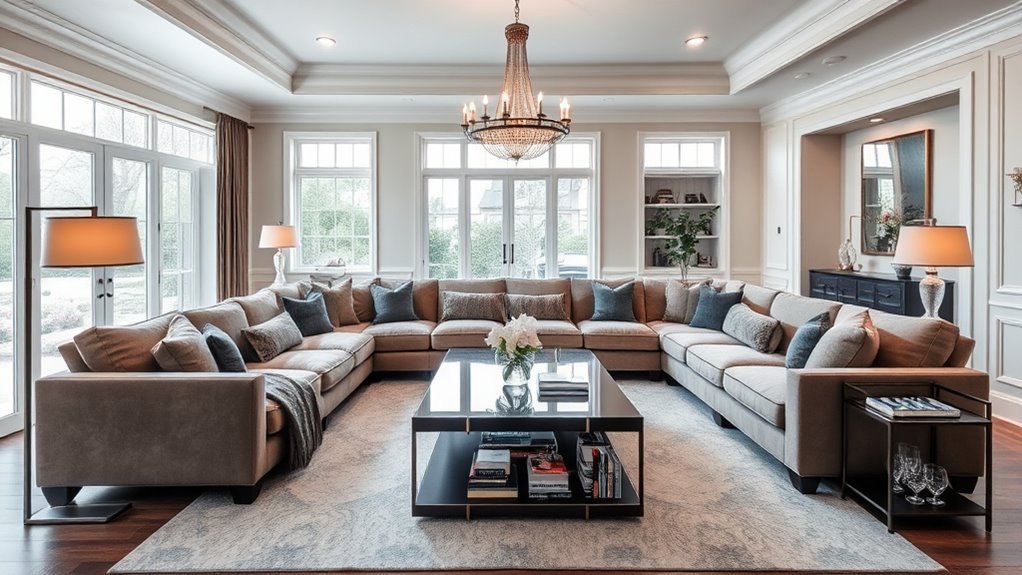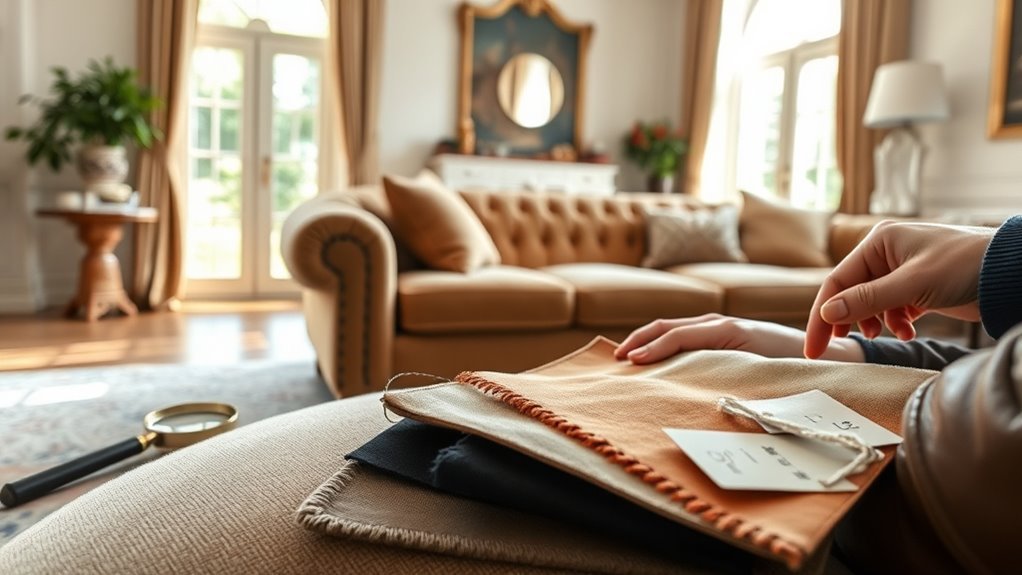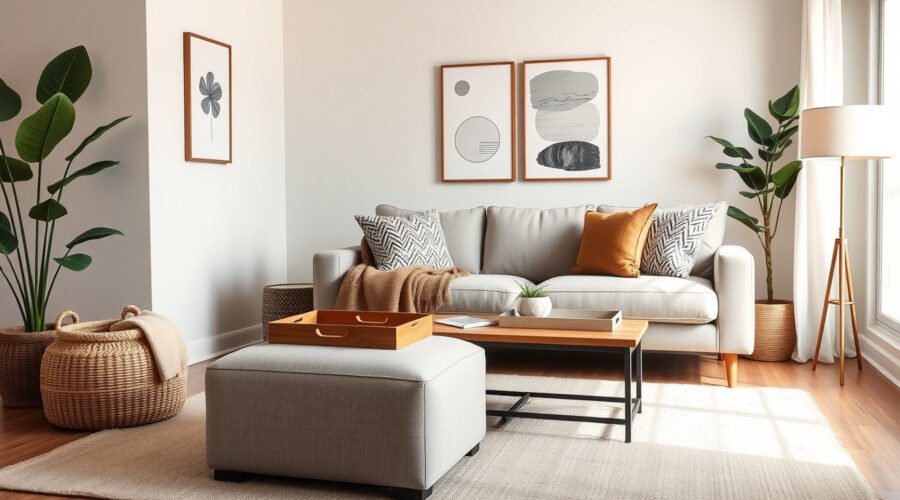
A living room can feel cluttered fast, even when you use everything in it. The goal isn’t to strip the room bare. Declutter in three passes: remove visual noise, contain the everyday items that remain, then restore warmth with texture, lighting, plants, art, and a few meaningful focal pieces.
Quick Answer
To declutter your living room without making it feel empty, first remove items that do not belong or no longer serve you. Next, give the daily-use items that remain a clear home using hidden or attractive storage. Finally, bring warmth back with soft textiles, layered lighting, plants, art, and a small edited group of personal pieces.
Key Takeaways
- Declutter before buying baskets, bins, or other organizers.
- Keep daily-use items within reach, but give each one a clear home.
- Choose furniture that adds storage or function without crowding the room.
- Use plants, art, lighting, and soft textures to restore warmth after you clear clutter.
- Protect a few clear surfaces and walking paths so visual clutter does not rebuild.
Last updated: August 19, 2026
Planning estimate: A basic living room reset may take 1 to 3 hours, or you can work in 15- to 30-minute sections. Actual time depends on the room size and how much sorting is needed.
How to Declutter a Living Room Without Making It Feel Empty
The easiest way to keep a decluttered living room from feeling bare is to separate removing clutter from adding warmth. Do not try to style the room while you are still deciding what belongs there.
| Pass | What to Do | Goal |
|---|---|---|
| 1. Remove | Clear misplaced, broken, duplicate, unused, and unnecessary items. | Reduce visual noise. |
| 2. Contain | Give remotes, chargers, games, blankets, toys, and other daily items a home. | Keep useful items accessible without leaving them scattered. |
| 3. Warm Up | Return art, plants, textiles, lighting, and meaningful personal pieces. | Make the room feel intentional rather than empty. |
Choose multifunctional furniture when it solves a real need. A storage ottoman can hide blankets, games, or remotes while still functioning as seating or a footrest.
Add vertical storage, such as wall shelves, when it helps move useful items off crowded surfaces. A lighter or more cohesive color scheme can also reduce visual breaks, but layout and clutter control matter more than color alone.
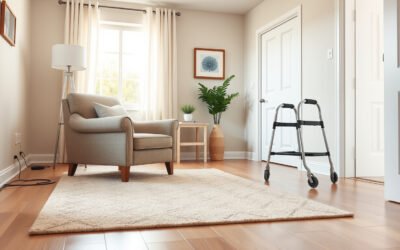
Arrange furniture so the main walking paths stay open and each seating area has a clear purpose. Remove unnecessary furniture before adding another cabinet or organizer.
Before You Begin Decluttering Your Living Room
Gather a few boxes or bags before you start. Label them “keep,” “donate,” “move,” and “trash” so you can make decisions without repeatedly leaving the room.
Do not buy organizers during this first pass. Remove what does not belong first, then look at the amount that remains and choose storage for that actual volume. Current professional decluttering guidance also recommends decluttering before relying on new storage systems.
Work from one side of the room to the other instead of jumping between areas. This keeps the process simple and makes progress easier to see.
Pro tip: Take a quick photo before you start. A photo often makes crowded surfaces, awkward furniture, loose cables, and scattered decor easier to notice.
Follow These Steps to Declutter Without Making the Room Feel Bare
- Clear flat surfaces first. Remove loose items from coffee tables, side tables, media units, and shelves.
- Sort each item by purpose. Keep what you use or value, donate usable items you no longer need, relocate anything that belongs elsewhere, and discard what is no longer useful.
- Group similar items together. Place books, remotes, games, blankets, chargers, toys, and other categories together so you can see how much storage each group actually needs.
- Choose storage only after sorting. Use baskets, trays, drawers, shelves, or hidden compartments for the useful items that remain.
- Return your strongest decorative pieces. Add art, plants, textiles, and personal objects after the room feels orderly.
- Reset the room regularly. Return loose items to their assigned homes before they turn into new piles.
Identify Essential Items to Keep in Your Living Room
To identify essential items in your living room, focus on what supports the way you actually use the room. A reading space, family TV room, entertaining area, and multipurpose living room will not need the same things.
Prioritize Daily Necessities
Start with the daily necessities that make the room useful, such as remote controls, coasters, chargers, reading material, blankets, games, or children’s items that are genuinely used there.
The goal is not to hide everything. Frequently used items can stay accessible if they have a defined home, such as a tray for remotes, a drawer for charging cables, or a basket for blankets.
If an item repeatedly ends up on the same surface, treat that as a storage clue. Give it a nearby home instead of expecting everyone to carry it to another room after every use.
Keep Meaningful Decor Items
As you streamline your living room, keep decor that adds personal meaning, supports a focal point, or contributes useful color, texture, or shape.
Instead of following a fixed number of accessories, use a small edited group that fits the scale of the surface and leaves visible open space around it. Consider keeping:
- A standout art piece that gives the eye a clear destination.
- A cherished memento from a special trip or life event.
- A useful decorative item, such as a tray, bowl, lamp, or vase.
Maintain Functional Furniture Pieces
A well-organized living room depends on furniture that earns the space it occupies. Keep pieces that support seating, storage, lighting, conversation, work, or another real function.
Prioritize comfortable seating while keeping the main routes through the room unobstructed. Side tables, shelves, benches, and storage pieces should stay only when they improve how the room works.
| Item Type | Purpose |
|---|---|
| Multifunctional Table | Workspace and dining |
| Storage Ottoman | Seating and hidden storage |
| Comfortable Sofa | Relaxing and social interaction |
| Side Table | Drink placement and convenience |
| Curated Decor | Personal style without unnecessary visual clutter |
Use Stylish Storage Solutions to Organize Clutter
To create an organized living room that also looks good, choose storage solutions for the items you decided to keep. The best storage solves a specific recurring problem rather than giving unnecessary belongings somewhere else to accumulate.
Declutter first. Then choose storage that looks intentional and fits what is actually left.
- Decorative baskets: Store blankets, magazines, pet toys, or children’s toys.
- Multifunctional furniture: Choose coffee tables, benches, or ottomans with hidden storage when you need both functions.
- Shelves with decorative boxes: Organize papers, games, electronics, and small items without leaving everything exposed.
- Drawers or cabinets: Use closed storage for visually busy items such as cables, controllers, spare chargers, and paperwork.
Wall-mounted cabinets and floating shelves can also free up floor area when the wall can support them safely. Choose containers that work with the room’s existing materials and colors so storage feels like part of the design.
Recommended Products

Soft Material : Made up of cotton, which is soft and never scratches the skin, yet sturdy as plastic, makes it suitable for home use, especially for storing blankets, clothes, toys or maybe pet toys

Reinforced Built-in Handles - Features thickened seamless integrated handles with multilayer woven construction for strong load-bearing. Smooth edge design avoids snagging clothes. Soft grip allows easy carrying from room to room.

【SANZIE LEATHER TRAY】SANZIE Leather Tray with Metal is made with high-quality leather and features exquisite workmanship. The edges are neatly stitched, and the metal flakes are securely embedded into the leather
Choose Meaningful Decorative Accessories for a Cohesive Look
When choosing decorative accessories, focus on pieces that reflect your style while supporting the room’s overall balance. After decluttering, you do not need to refill every blank surface.
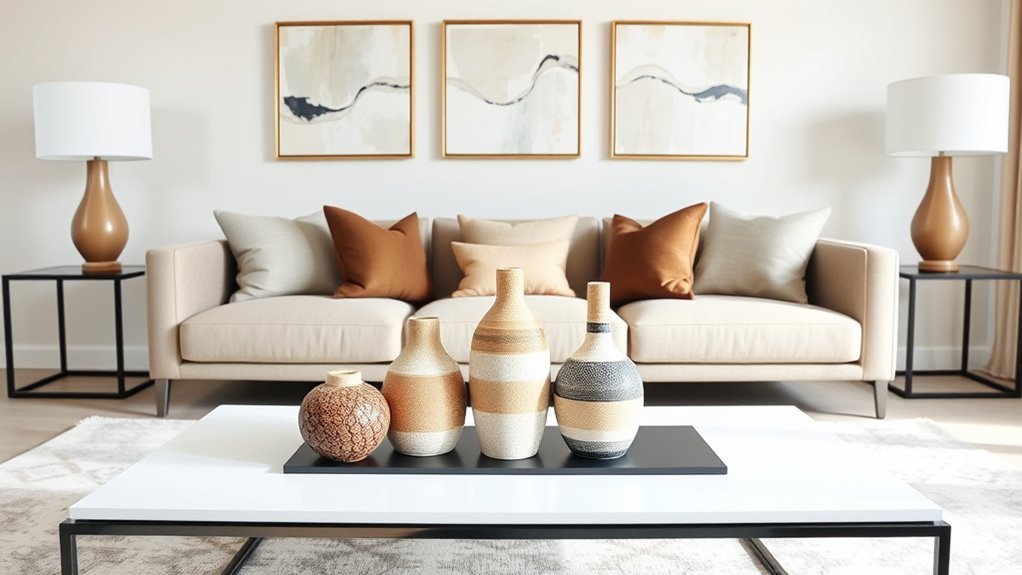
Natural elements, art, textiles, and lighting can add warmth without creating rows of small objects. A larger plant or piece of artwork can often create more impact than several unrelated accessories spread across the room.
Recommended Products

Luxurious Boho Texture: Crafted from super-soft, premium corduroy, these decorative throw pillow covers are a must-have for boho decor and bedroom decor, adding instant character with an elegant stripe pattern.

VERSATILE SET: Collection includes 4 uniquely shaped ceramic vases in complementary neutral tones - Terracotta, Cacao brown, and peachy hues for a cohesive look
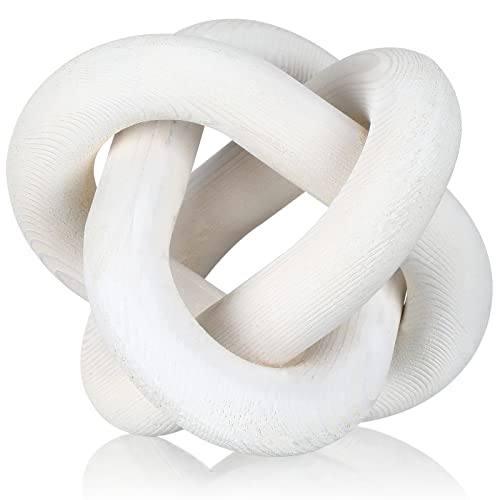
What Can You Get: what you will receive is a wooden chain link decor, designed with 3 links, suitable for placement in various parts of your home, adding artistic beauty and rustic ambiance to your space, which can meet your daily home decor needs
Select Personal Favorites Only
Selecting personal favorites can keep your living room from feeling anonymous after you declutter. Choose decorative accessories that hold meaning and fit the room’s overall style.
- Edit instead of counting: Keep a small group that suits the scale of the shelf or table.
- Vary heights and textures: Mix shapes and materials without filling every open spot.
- Repeat a few colors or materials: This helps separate an intentional collection from random visual clutter.
Recheck your decor when the room begins to feel crowded again. Rotate or store pieces instead of displaying everything at the same time.
Balance Functionality and Aesthetics
The right balance between function and style can make a living room feel calm without feeling unfinished. Art, family photos, lamps, trays, plants, and vases can all contribute visually while some also perform a useful job.
Leave some surfaces partly open rather than filling them edge to edge. Negative space gives the eye a resting point and makes the items you do display easier to notice.
Add functional decor, such as storage trays, baskets, attractive boxes, or furniture with concealed compartments, where those pieces solve a recurring organization problem.
Incorporate Natural Elements Strategically
Adding natural elements can make a decluttered room feel softer and more lived in. Choose plants that suit the available light and the amount of care you want to provide.
- Use one larger plant or a small intentional group instead of scattering plants across every surface.
- Pair greenery with meaningful accessories such as family heirlooms or travel souvenirs.
- Repeat colors or materials already used elsewhere in the room so natural elements feel connected to the design.
Leave visible space around displays. The goal is to create a few intentional moments rather than replace household clutter with decorative clutter.
Create Meaningful Focal Points for Visual Interest
Meaningful focal points help a decluttered living room look intentionally designed instead of unfinished. Choose one main feature, such as artwork, a fireplace, a large plant, a distinctive chair, a view, or a media wall.
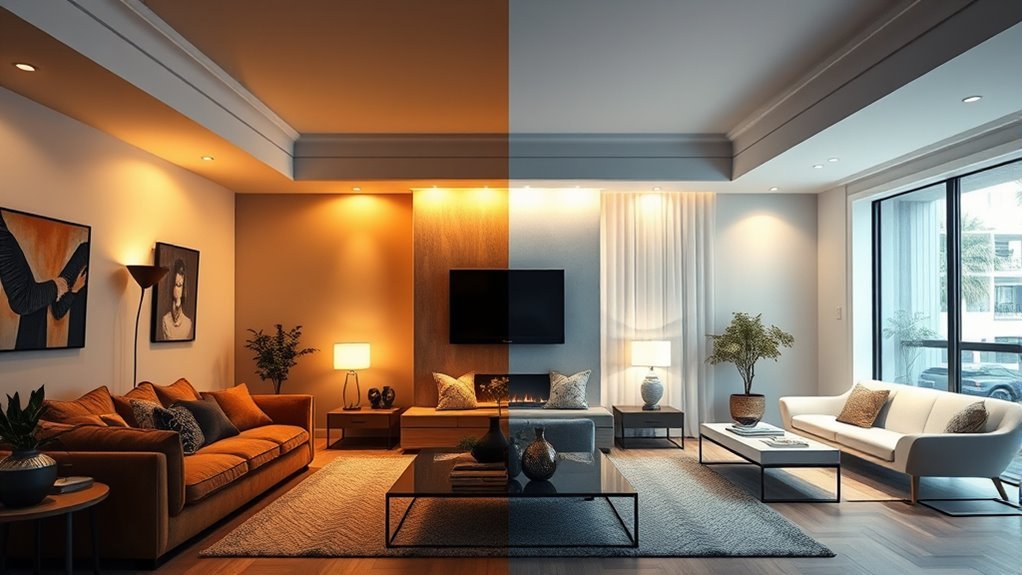
Add layered textures, such as a throw, woven basket, rug, curtain, or textured pillow, to soften hard surfaces. Use strategic lighting to support reading, conversation, or the room’s main focal point.
Group smaller decor items rather than scattering them across unrelated surfaces. If two or three areas compete equally for attention, simplify one so the room has a clearer visual hierarchy.
Set a Regular Schedule to Evaluate Your Belongings
To keep your living room clutter-free, choose a review rhythm that fits how quickly clutter returns. A busy family room may need frequent small resets, while a lightly used room may need only an occasional seasonal review.
Use these simple habits during a larger review:
- Set a short timer if a defined stopping point helps you stay focused.
- Sort items into “keep,” “donate,” “move,” and “discard” groups.
- Create a temporary “maybe” box for items you are genuinely unsure about.
Put a date on the “maybe” box and revisit it during a future review. If the items are still not being used or missed, you will have more information for making the final decision.
Incorporate Plants and Art for Warmth and Character
After you declutter your living room, plants and art can bring the space back to life without filling tables and shelves with small objects.
Choose art that reflects your style or establishes a focal point. A larger artwork can often fill visual space more cleanly than many unrelated small pieces.
Plants can add organic shape and texture. Match the plant to the room’s light and care conditions rather than choosing it only for appearance.
Recommended Products
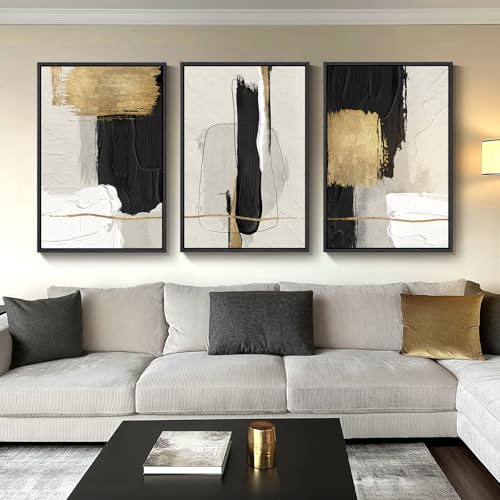
[Framed Wall art]: A set of 3 large contemporary minimalist black white and gold abstract wall art each 24x36 inches, 3 pieces totaling 36" H x 72" W. The sturdy 1.38-inch solid wood frames feature a sleek black finish that complements a variety of home decor styles

【Canvas Wall Art Size】 This is a modern canvas print measuring 29" H x 58" W.(73cm*147cm) For the best look, please measure your wall space before buying to make sure this size is just right for your decorating expectations.

【Framed Wall Art】Large framed pastel grunge forest tree landscape wall arts, encased in robust wood-colored frames, each measuring 24x36 inches (totaling 36"H x 72"W). These nature-inspired abstract artwork pieces enhance any space with a sense of tranquility and modern charm, adding a touch of vintage elegance with their minimalist design.
Implement a Daily Maintenance Routine to Prevent Clutter
After you create a clean and inviting room, a maintenance routine helps stop the same clutter from rebuilding. The routine does not need to be long. It needs to address the places where loose items repeatedly land.
Use this simple daily checklist:
- Clear obvious loose items from the main surfaces.
- Return remotes, chargers, toys, books, and blankets to their assigned homes.
- Protect “no clutter zones,” such as the main walking path or part of the coffee table.
- Move mail, paperwork, dishes, clothing, and other items that belong elsewhere out of the living room.
Ask family members to take responsibility for the items they regularly use. Shared storage works best when everyone can understand where things belong.
Common Mistakes That Make a Decluttered Room Feel Empty
A room can feel bare when you remove not only clutter but also the visual elements that create comfort. Avoid stripping away every textile, personal item, lamp, plant, and piece of wall art simply because you want a cleaner look.
Add softness back with rugs, pillows, curtains, upholstered pieces, plants, and layered lighting. Designer guidance on creating a cozier living room without adding clutter similarly emphasizes texture, ambient lighting, and meaningful personal elements rather than simply adding more objects.
Note: Empty space works best when you pair it with texture, warmth, and one or two clear focal areas.
Which Living Room Clutter Should You Hide First?
If the room still looks busy after the first decluttering pass, focus on the items with the most visual repetition or the weakest connection to the room’s main purpose. Small loose objects often create more visual noise than one larger intentional piece.
| Clutter Type | Best Next Step | Where It Can Go |
|---|---|---|
| Mail and paperwork | Move it out of the living room unless it is actively needed there. | Desk, filing area, or household admin station |
| Chargers and cables | Group the ones you use and remove unused duplicates. | Drawer, cable box, or concealed charging area |
| Toys and games | Keep current favorites accessible and rotate excess items. | Basket, bench, cabinet, or storage ottoman |
| Blankets and pillows | Keep the amount the seating area actually uses. | Basket, ottoman, sofa, or nearby cabinet |
| Remotes and controllers | Assign one repeatable home near the equipment. | Tray, drawer, box, or media cabinet |
| Small decor | Group favorites and rotate the rest. | One intentional display plus closed storage |
Celebrate Your Progress and Enjoy Your New Space
Notice small wins, such as clearing one shelf, creating a home for the remotes, or opening a walking path that used to collect belongings.
Take before-and-after photos so you can compare the room as a whole rather than judging individual objects. The comparison can also show which types of clutter return first.
Most importantly, use the room. A successful decluttering system should make everyday living easier, not make you afraid to move a pillow or leave a book beside your chair.
Frequently Asked Questions
How to Make a Living Room Look Less Cluttered?
Clear flat surfaces, remove items that belong in other rooms, and give every frequently used object a repeatable home. Use closed storage for visually busy items such as cables, games, papers, and spare electronics, then keep a few intentional focal pieces visible.
What Should You Remove First When Decluttering a Living Room?
Start with obvious trash, broken items, dishes, clothing, mail, and anything that belongs in another room. Next, clear flat surfaces and remove duplicate or rarely used objects. Leave sentimental decisions until later so easy choices create visible progress first.
What Is the 10-10-10 Rule for Decluttering?
There is no single standardized 10-10-10 decluttering rule. Different sources use the name for different systems, such as working for 10 minutes in 10 areas while removing items, or sorting groups of items into actions such as donate, discard, or put away. Treat it as a flexible framework rather than a universal rule.
How Many Decor Items Should You Keep in a Living Room?
There is no ideal number for every living room. Keep an edited group that fits the size of the surface or wall, supports the room’s focal point, and leaves visible breathing space. A large shelf can handle more than a small side table, so use scale rather than a fixed item count.
How Do You Declutter When You Want a Cozy Room?
Remove visual clutter but keep the elements that create comfort: soft textiles, warm or layered lighting, plants, art, useful books, and meaningful personal pieces. Cozy rooms need texture and character, but those features work best when everyday clutter has a clear home.
Should You Buy Storage Before Decluttering?
Usually, declutter first. Sorting tells you how much you actually need to store and which categories need containers. Buying baskets or cabinets before removing unnecessary items can leave you organizing things you did not need to keep.
How Often Should You Declutter Your Living Room?
Use the room itself as the trigger. Reset it when your main surfaces, walking paths, baskets, or drawers start overflowing, and schedule a deeper review when unused belongings begin accumulating again. Busy family rooms may need more frequent resets than lightly used spaces.
Conclusion
A living room feels its best when useful items have a clear home and the remaining decor has room to be noticed. Declutter in three passes: remove what does not belong, contain what you use, and then add warmth back deliberately.
Start with one visible surface or one clutter category today. Once the room is easier to use, protect that progress with simple storage homes and regular resets instead of trying to keep the space perfectly empty.