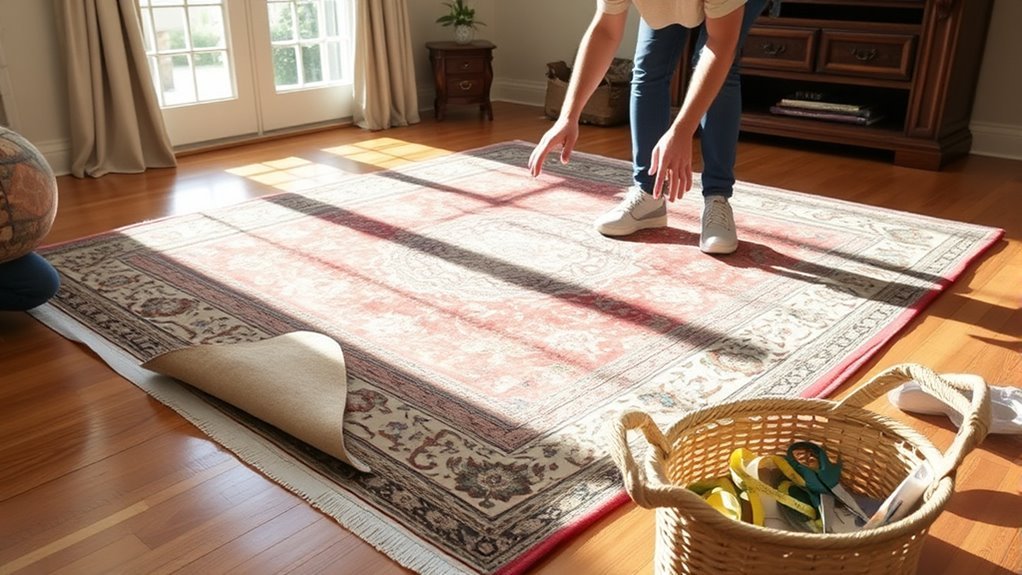
To keep rugs from slipping on hardwood floors, start with a clean, dry floor and a non-slip rug pad that is specifically labeled safe for your hardwood or floor finish. For most large rugs, felt with a natural-rubber grip layer is a practical choice. Cut the pad about 1–2 inches shorter than the rug in both length and width, leaving roughly a ½–1-inch inset around the edges. If only a corner or edge still moves, use a hardwood-safe corner gripper or removable rug tape only where extra hold is needed.
Quick Answer
To keep rugs from slipping on hardwood floors, use a rug pad labeled safe for hardwood, ideally felt with a natural-rubber grip layer for larger rugs. Cut the pad about 1–2 inches shorter than the rug in both length and width, clean dust and grit from the floor first, and add corner grippers or removable hardwood-safe rug tape only where extra hold is needed.
Key Takeaways
- A hardwood-safe rug pad is the best first step because it adds grip, cushioning, and a protective layer between the rug and floor.
- For a typical area rug, cut the pad about 1–2 inches shorter than the rug in both dimensions so the pad stays hidden and the rug edges can lie flat.
- Avoid unlabeled PVC or plastic waffle pads, shelf liner, and strong adhesives unless the manufacturer specifically says they are compatible with your floor finish.
- Clean dust, grit, and debris under the rug regularly so the pad can grip properly and abrasive particles are less likely to scratch the finish.
At a Glance
| Time Required | 10–30 minutes per rug |
| Difficulty | Easy |
| Tools Needed | Tape measure, scissors or utility knife, vacuum or dust mop, hardwood-safe rug pad, optional corner grippers or rug tape |
| Cost | Varies by rug size, pad material, thickness, and optional grippers or tape |
Why Is Rug Stability Important on Hardwood Floors?
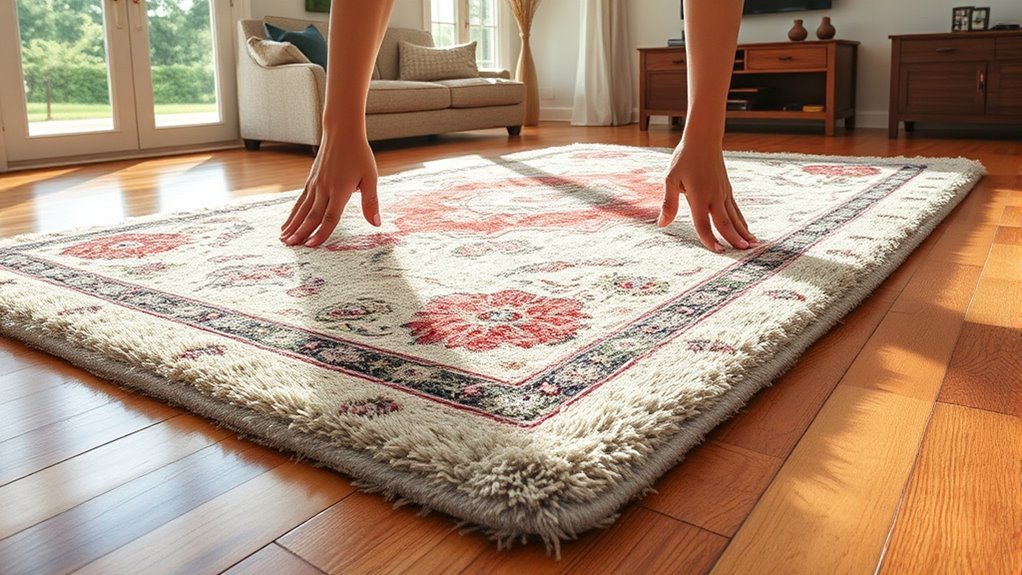
When you place a rug on hardwood floors, stability matters for two reasons: safety and floor protection. A loose rug can slide underfoot, curl at the corners, or bunch up when someone walks across it. Repeated movement can also shift dust and grit beneath the rug, so keeping the floor and pad clean is part of protecting the finish.
The National Wood Flooring Association recommends routine sweeping, dust mopping, or vacuuming with a bare-floor setting to remove dust and dirt from wood floors. It also recommends cleaning spills with a dry or slightly damp cloth rather than using wet or steam mops.
A secure rug should lie flat, stay centered, clear door swings, and still allow the hardwood floor to be cleaned and inspected. The goal is not to glue the rug permanently to the floor. The goal is to add enough grip while respecting the floor manufacturer’s finish and maintenance requirements.
Warning: Never assume a rubber, PVC, silicone, tape, or adhesive product is safe for every hardwood finish. Check the product label and your flooring or finish manufacturer’s instructions, and test removable products in a hidden spot when appropriate.
Why Do Rugs Slip on Hardwood Floors?
Rugs usually slide on hardwood because there is not enough friction between the rug backing and the smooth floor. The most common causes include:
- Smooth rug backing: Cotton, jute, polyester, and many washable rugs often have an underside that moves easily on finished wood.
- No rug pad: A rug without a pad has less grip and cushioning, especially in hallways, kitchens, entryways, and living rooms.
- A worn-out pad: Old waffle pads and thin grippers can lose traction, flatten out, or leave residue.
- Dust and grit under the rug: Dirt can reduce grip and may contribute to scratching as the rug moves.
- Wrong pad size: A pad that is too large can show at the edges, while one that is much too small may not support the rug evenly.
- Curling corners: Rug edges that lift create a tripping point and make the rug easier to kick out of place.
- Seasonal floor movement: Wood responds to moisture changes. The NWFA recommends keeping homes around 60–80°F and 30–50% humidity year-round to minimize excessive wood movement.
What Rug Features Make Slipping Less Likely?
The easiest rugs to secure on hardwood are rugs that lie flat, have enough weight to resist bunching, and work well with an appropriate rug pad. Natural fibers like wool and cotton can be good choices, but fiber alone does not make a rug non-slip. A lightweight cotton runner can still slide, and a heavy wool rug can still creep without the right pad underneath.
Look for these rug features:
- Flat edges: Rugs with curled corners or wavy edges are harder to secure.
- Medium or low pile: Low-profile rugs are easier to stabilize near doors and in walkways.
- Tight weave: Flatweave and tightly woven rugs tend to lie more evenly than loose, floppy rugs.
- Floor-compatible backing: Avoid rough backings that can scratch wood, and do not assume an unlabeled rubber, plastic, or PVC backing is compatible with your finish.
- Correct size for the room: A rug partly anchored by furniture is usually more stable than a small floating rug in the middle of a walkway.
If you already own a rug that slides, you probably do not need to replace it. Start with a quality rug pad, then add a targeted corner or edge solution only if needed.
What Is the Best Rug Pad for Hardwood Floors?
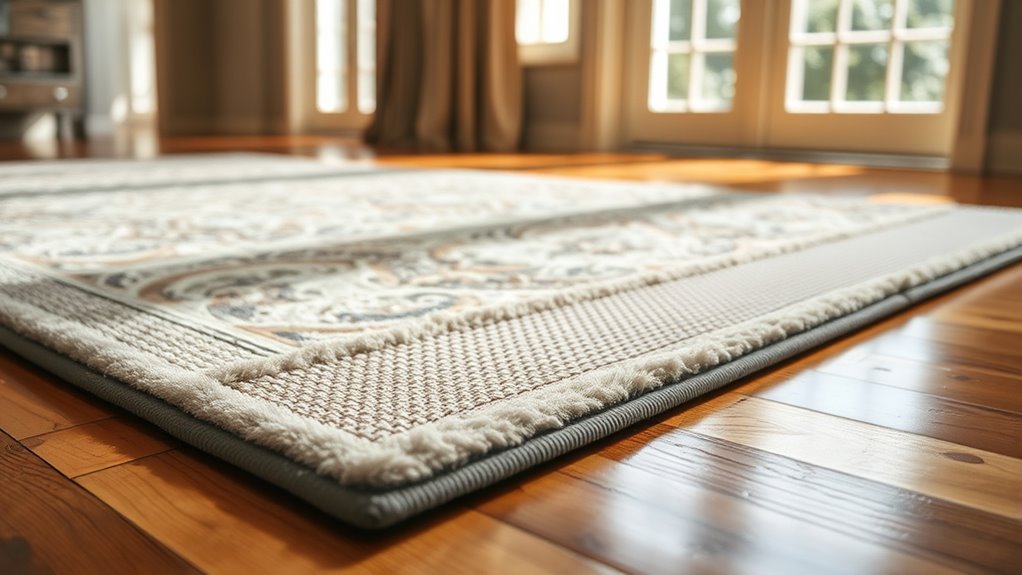
A non-slip rug pad is the best all-around starting point for most hardwood floors. It helps the rug grip the floor, cushions each step, reduces bunching, and creates a protective layer between the rug backing and the wood finish.
For hardwood, choose a pad explicitly labeled compatible with wood floors and your type of finish. Bona recommends felt or natural-rubber rug pads for wood floors, and felt-and-rubber combinations can provide both cushioning and grip. A thin natural-rubber pad can work well under low-profile runners where door clearance matters. Material is only the starting point, so follow your flooring or finish manufacturer’s instructions if they are more restrictive.
Recommended Products

THE ORIGINAL EXTRA STRONG GRIPPER: our trusted Gorilla Grip nonadhesive rug pads offer a unique, dual sided grip that firmly holds onto both the rug pad and your hard floor to help prevent rug movement
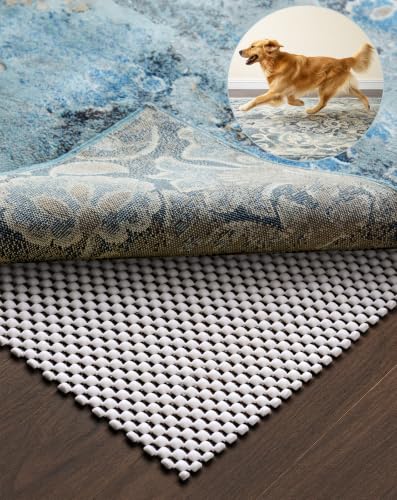
Non-slip Protection: Our pad's signature grip keeps rugs securely in place, preventing bunching and sliding during daily use. It also protects your floors from wear and tear, including damage from high heels, children at play, and more.
Enhanced Rug Stability
A full-size rug pad improves stability by increasing friction across most of the rug instead of anchoring only the corners. This helps control sliding, buckling, and repeated edge movement in high-traffic areas.
Protection for Floors
A suitable pad separates the rug backing from the hardwood and helps keep abrasive debris away from direct contact with the finish. Choose a non-staining pad that the manufacturer identifies as compatible with wood floors, and avoid adhesive coatings that are not approved for your floor.
Improved Comfort Levels
Rug pads can also add cushioning underfoot. A thin pad works well for runners and rugs near doors, while a thicker felt-and-rubber pad can add comfort under a living room or bedroom rug. Avoid adding so much thickness that the rug edge becomes difficult to clear safely.
Pro Tip: For a typical area rug, cut the pad about 1–2 inches shorter than the rug in both length and width. That leaves roughly a ½–1-inch inset around the edges. Very thick or high-pile rugs may need a larger inset to keep their edges flat, so follow the pad manufacturer’s sizing instructions.
Step-by-Step: How to Keep a Rug From Sliding on Hardwood
- Clean the floor first. Lift the rug and vacuum, sweep, or dust mop the hardwood. Use only a lightly damp cloth if needed, then let the floor dry completely.
- Measure the rug. Measure the length and width from edge to edge.
- Choose the right pad. Select a rug pad labeled safe for your hardwood or floor finish. Felt plus natural rubber is a practical option for many larger rugs, while a low-profile pad may work better for runners near doors.
- Trim the pad. Cut it about 1–2 inches shorter than the rug in both length and width, which normally leaves roughly a ½–1-inch inset at each edge.
- Place the pad flat. Smooth the pad onto the clean, dry floor with no folds, waves, or overlapping pieces.
- Lay the rug on top. Center the rug over the pad and smooth from the middle outward.
- Test the rug. Walk across it from several directions. If a corner curls or a runner creeps, add a hardwood-compatible corner gripper or removable rug tape only where needed.
- Recheck the installation. Lift a corner after the pad has settled and inspect for residue, trapped grit, moisture, or unwanted movement.
Which Non-Slip Solution Should You Use on Hardwood Floors?
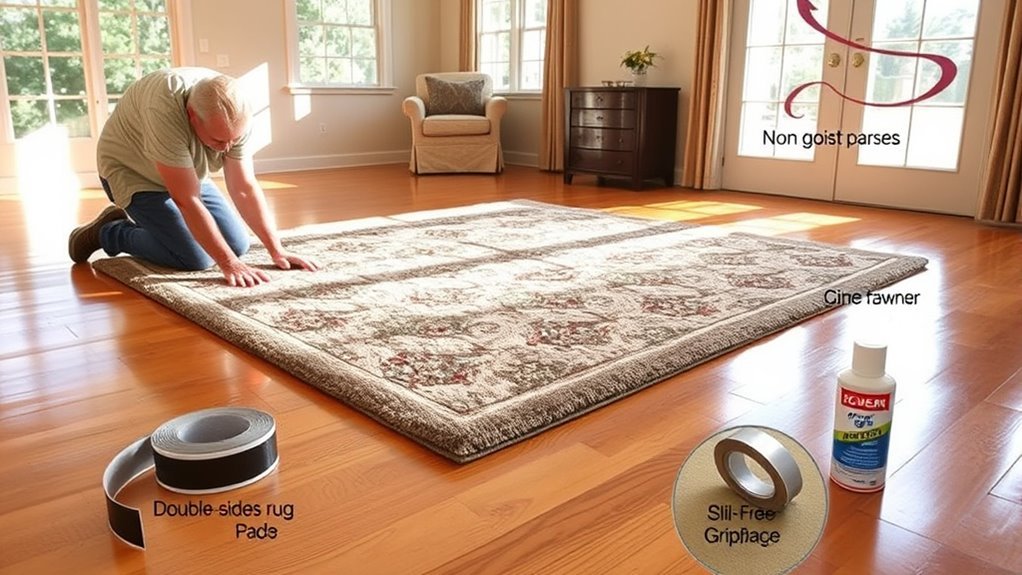
Choose the least aggressive solution that solves the actual problem. A full-size hardwood-compatible pad is the default for a rug that slides as a whole. Grippers are more useful for isolated curling corners. Adhesive products should be backup options rather than the first fix.
| Solution | Best For | Caution |
| Felt + natural-rubber rug pad | First choice for many large living room, dining room, and bedroom rugs | Confirm hardwood/finish compatibility and size it slightly smaller than the rug. |
| Thin natural-rubber pad | Hall runners, kitchen runners, and low-clearance doors | Use only a pad labeled compatible with the floor and inspect it periodically. |
| Corner rug grippers | Corners that curl or small rugs that shift slightly | Choose products specifically approved for the rug and flooring surface. |
| Floor-safe rug tape | Small mats or runners that still creep after a pad is fitted | Use only removable tape approved for the finish; adhesives can leave residue or damage some coatings. |
| Hook-and-loop strips | Small rugs that must be lifted regularly | The floor-side adhesive can create the same compatibility concerns as rug tape. |
| Silicone caulk dots | DIY backup method for inexpensive, sturdy rugs | Do not use unless both the rug and flooring/finish guidance allow it; cured silicone still contacts the floor. |
Recommended Products

Upgraded Cushioning and Grip: Unlike other pure felt pads, our pad has a durable natural rubber backing to increase gripping and durability. 1/4" thick felt forming a dense, cushioned surface, aims to make your rugs cozier and provide extra comfort underfoot, even the thinnest rugs can feel soft and comfortable. Dense fibers surface securely holds rugs in place without bunching, while offering noise reduction and insulation

Unique Design: Do you still worry about the traditional glue rug tape harm your floor ? This gripper uses VACUUM TECH design which grips hard smooth floors firmly and easily, this design can protect your floor perfectly as no glue used on floor. But it does not work for rug on carpeted floor. It does not work for rubber backed rug ,jute rug or fluff backing rug.
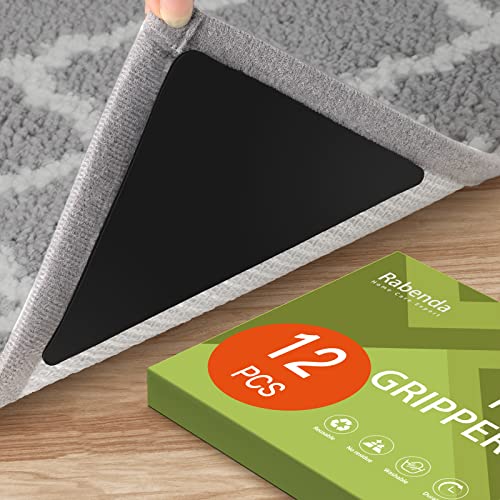
Advantaged Triangle Design: The Triangle Design grippers for area rugs and hardwood floors will maximum increase the contact surface. The strong adhesion will help stick firmly and keep your area rugs in place. Moreover, the rug stickers for wood floors will prevent the rug corners and edges curling and always keep your rugs steady and safe
Is Silicone Caulk a Safe Way to Stop a Rug From Slipping?
Silicone caulk can create grip on the back of some rugs, but it is a DIY backup method rather than the safest first choice for hardwood. A full-size floor-compatible rug pad gives you grip without permanently modifying the rug backing.
If the rug manufacturer permits this type of modification, small dots or thin lines of clear silicone can be applied to the rug backing and allowed to cure completely before the rug is turned over. However, curing the silicone does not prove compatibility with your hardwood finish. The cured material still touches the floor, so do not use this method unless the rug maker and the flooring or finish manufacturer allow it.
Note: Do not apply silicone caulk directly to hardwood floors. Avoid this method on antique rugs, delicate fibers, washable rugs, jute rugs that may shed, or any rug whose warranty prohibits backing modifications.
Are Hook-and-Loop Strips Safe for Hardwood Floors?
Hook-and-loop strips, often called Velcro strips, can hold small rugs or mats while still letting you separate the rug from the floor-side fastener. The main concern is not the hook-and-loop material itself but the adhesive used to attach it to the flooring.
Use this method only when the product is explicitly labeled removable and compatible with your hardwood or finish. Test according to the manufacturer’s instructions, and do not pull an adhesive strip sharply away from a finished wood surface.
For larger rugs, a full-size rug pad is usually the better foundation. If a specific edge still moves, a manufacturer-approved targeted gripper may solve the problem without covering the floor with adhesive.
Recommended Products

Grip Design: the original Gorilla Grip grippers for hard floors help to keep your rugs in place and prevent corner and side curling; easy to apply to the underside of carpet corners and floors to help rugs stay in place and flat against the floor
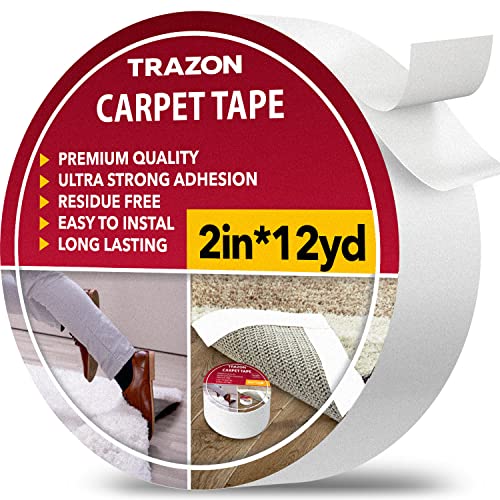
Hot Melt Technology for Extra Sticking Power. Get a rug holder that will finally do its job! Our hot melt double stick carpet tape is highly adhesive compared to acrylic tapes. It offers an outstanding holding power to fix your rugs, runners, carpets, or other stuff you want to keep in its place. Because of increased tensile strength, our two sided carpet tape will be doing its sticky job for 6 months and more.
Can Rug Tape and Corner Grippers Be Used Safely on Hardwood?
Rug tape and corner grippers can help when a rug pad controls most of the movement but a rug still creeps or curls. They are most useful for small mats, runners, and isolated corners rather than as the default solution under a large rug.
Use these products carefully on hardwood:
- Check floor compatibility: Look for a product that specifically identifies wood or hardwood as an approved surface.
- Avoid permanent adhesives: Strong carpet tape may leave residue or affect some finishes.
- Use the least amount needed: Target the problem corner or edge instead of covering the entire rug backing.
- Follow removal instructions: Remove tape or grippers using the manufacturer’s recommended direction and method.
- Inspect the contact area: Check initially for residue, discoloration, or finish changes rather than assuming compatibility indefinitely.
What Should You Avoid Under Rugs on Hardwood Floors?
Some quick fixes create more risk than they solve. Unless the product label and your flooring guidance specifically approve it for the finish, avoid:
- Rubberized shelf liner: Shelf liner is not automatically designed or tested as a hardwood-floor rug pad.
- Unlabeled PVC or plastic waffle pads: Low-quality or incompatible pads can lose grip, deteriorate, or interact with some floor finishes.
- Permanent carpet tape: Strong adhesive can be difficult to remove cleanly from a finished wood surface.
- Hot glue on delicate rugs: It can permanently modify the backing and damage fibers.
- Wet or steam cleaning under the rug: The NWFA advises against wet and steam mops on wood floors.
- Rug pins or tacks: These are not appropriate for finished hardwood because they can physically damage the flooring.
Can You Put a Rug on Newly Refinished Hardwood Floors?
Do not put a rug back on newly finished or refinished hardwood until the specific finish has cured enough for covering. The waiting period is not universal. Bona’s sanding-and-finishing guidance says area rugs can be put down after one week when the finish is fully cured. Other finishes can require much longer.
For example, Waterlox’s Pure Tung Oil application guide says low furniture and area rugs should remain off the surface for at least 30 days because that finish cures through oxidation. This difference is why you should follow the instructions for the actual coating on your floor rather than using one generic waiting period.
Important: If you do not know which finish was applied, ask the installer, flooring professional, or finish manufacturer before covering a newly refinished floor with an area rug or rug pad.
How Should You Clean Under a Rug on Hardwood?
Cleaning is part of rug stability and floor care. Dust, pet hair, crumbs, and grit can collect beneath rugs, and a dirty pad may not grip as well as a clean one.
- Vacuum the rug regularly. Use a setting appropriate for the rug type so you do not pull fibers or lift edges.
- Clean under the rug and pad. Sweep, dust mop, or vacuum the hardwood using the method recommended for your floor.
- Avoid soaking the floor. The NWFA recommends a dry or slightly damp cloth for spills and warns against wet and steam mops.
- Inspect the pad. Look for flattening, crumbling, odor, residue, discoloration, or loss of grip.
- Follow the floor maker’s schedule. For example, Shaw’s hardwood care guidance includes checking and cleaning under area rugs weekly.
If you do not know which cleaner is appropriate, follow the flooring or finish manufacturer’s care instructions rather than using a general-purpose cleaner, harsh chemical, wet mop, or steam mop.
How Do You Keep a Rug Secure Long Term?
Once the rug is secure, a few habits will help the setup keep working:
- Replace worn pads: If a pad no longer grips, feels powdery, curls, crumbles, or leaves residue, stop using it.
- Use furniture wisely: Furniture can help stabilize a large rug, but do not rely on one furniture leg to control a loose rug in a walking path.
- Control indoor humidity: Follow the flooring manufacturer’s recommended humidity range. The NWFA gives 30–50% relative humidity and 60–80°F as its general year-round guidance.
- Keep entrances clean: Walk-off mats help reduce dirt and grit tracked onto hardwood.
- Recheck high-traffic rugs: Runners and entry rugs deserve more frequent inspection because repeated foot traffic can expose movement or loss of grip sooner.
What If the Rug Still Slides After Adding a Pad?
If your rug still moves after adding a pad, match the next fix to the specific problem:
- The whole rug slides: Check whether the pad is compatible, correctly sized, clean, flat, and still grippy. Replace it if it is worn or inappropriate for the floor.
- Only the corners curl: Use a rug-compatible corner gripper or first flatten the curled edge before adding more floor contact.
- The runner creeps in one direction: Make sure the pad runs beneath most of the runner. If needed, use a removable floor-compatible edge solution.
- The rug blocks a door: Switch to a thinner pad or lower-profile rug rather than allowing the door to catch the edge.
- The pad leaves marks: Remove it and clean the floor according to the flooring or finish manufacturer’s instructions before trying another pad.
- Pets or kids keep shifting it: A full-size pad plus targeted corner control is generally safer than relying on a small lightweight rug in a running path.
Frequently Asked Questions
How do you make a rug not slide on hardwood floors?
Use a rug pad labeled safe for your hardwood or floor finish, place it on a clean and dry floor, and cut it about 1–2 inches shorter than the rug in both length and width. If only a corner or edge still moves, add a compatible corner gripper or removable rug tape where needed.
What is the best thing to use to stop a rug from sliding?
For most area rugs on hardwood, start with a non-slip rug pad specifically labeled compatible with wood floors. Felt with a natural-rubber backing provides both cushioning and grip for many larger rugs, while a thinner compatible pad is useful where door clearance is limited.
Can rug tape damage hardwood floors?
Yes. An incompatible adhesive can leave residue or affect some hardwood finishes. Use only tape that the manufacturer identifies as removable and compatible with your flooring or finish, and follow its application and removal instructions.
Are rubber-backed rugs safe for hardwood floors?
Some products are designed for hardwood, but you should not assume every rubber, PVC, or plastic backing is compatible with every wood-floor finish. Check both the rug or pad label and the flooring or finish manufacturer’s instructions before long-term use.
How do you add grip to a rug without a rug pad?
A compatible corner gripper or removable rug tape can control a small problem area. Hook-and-loop strips and silicone modifications involve more floor or rug compatibility risk, so a full-size hardwood-safe rug pad remains the safer first choice for most rugs.
How often should you clean under rugs on hardwood floors?
Follow your flooring manufacturer’s maintenance schedule and check high-traffic rugs frequently. As one example, Shaw’s hardwood-care guidance includes checking and cleaning under area rugs weekly. Remove dust and grit, inspect the pad, and make sure the floor is dry before replacing the rug.
Can you put a rug on newly refinished hardwood floors?
Only after the specific floor finish has cured enough for covering. Cure times vary by product. Bona’s sanding-and-finishing guidance says area rugs can be put down after one week when the finish is fully cured, while Waterlox’s Pure Tung Oil guide says to keep area rugs off for at least 30 days. Follow the instructions for the finish actually used on your floor.
Conclusion
Keeping rugs from slipping on hardwood floors starts with a clean floor and a non-slip rug pad that is compatible with the wood finish. Size the pad slightly smaller than the rug, then use targeted grippers or removable tape only if a specific edge still moves. Avoid assuming that adhesives, PVC, rubber, or silicone are universally floor-safe, and give newly refinished hardwood the full cure time required by its finish manufacturer. The best setup keeps the rug flat, protects the floor, and still lets you lift both rug and pad for inspection and cleaning.
Sources
- National Wood Flooring Association: Maintenance — hardwood floor cleaning, spill cleanup, and wet/steam mop cautions.
- National Wood Flooring Association: Problem Prevention — humidity range, wood movement, and scratch prevention.
- Bona: Best Rug Pads for Wood Floors — felt, natural rubber, and rug-pad considerations for wood floors.
- Bona: What to Expect When Sanding and Finishing Hardwood Floors — guidance on returning area rugs after finishing.
- Shaw Floors: Hardwood Care — routine hardwood maintenance and checking beneath area rugs.
- Waterlox: Pure Tung Oil Application Guide — finish curing and area-rug waiting guidance.
- Better Homes & Gardens: How to Keep Rugs from Sliding — rug pads, corner grippers, rug tape, silicone caulk, and hook-and-loop fasteners.
- Better Homes & Gardens: Best Rug Pads — rug-pad material, thickness, sizing, floor compatibility, and adhesive cautions.
- The Spruce: Ways to Keep Rugs From Sliding — rug pads, grippers, and other anti-slip methods.
- Architectural Digest: How to Clean Wood Floors — hardwood cleaning and scratch-prevention guidance.