
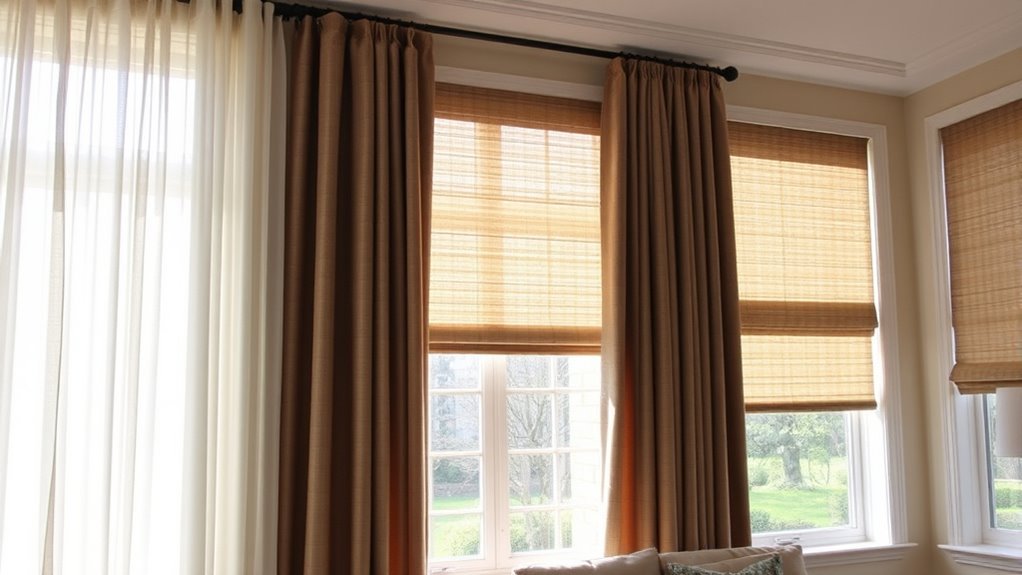
Your living room collects dust, crumbs, pet hair, skin flakes, outdoor dirt, fingerprints, odors, and clutter because it is one of the most-used rooms in the home. A simple weekly reset keeps it comfortable, but a deeper clean every few months helps you reach the areas that quick tidying misses: under furniture, inside cushions, behind electronics, along baseboards, on curtains, and deep in rugs.
Quick Answer
Deep clean your living room about every three months. Clean high-touch items weekly, vacuum upholstery and rugs weekly, wash washable textiles seasonally, and deep-clean carpets or rugs every 6 to 12 months. Homes with pets, allergies, toddlers, heavy traffic, smoke, or frequent guests may need deeper cleaning every 6 to 8 weeks.
Key Takeaways
- Use three months as your baseline deep-cleaning schedule, then adjust for pets, allergies, children, traffic, and odors.
- Vacuum soft furnishings weekly because dust, pet dander, crumbs, and skin flakes settle into upholstery, rugs, and carpet.
- Clean high-touch items such as remotes, switches, and handles weekly; disinfect them only when needed and always follow the product label.
- Musty smells should not be covered up with fragrance. Look for moisture, hidden spills, damp textiles, or mold-prone areas.
- Deep cleaning works best when you follow a top-to-bottom order: declutter, dust, vacuum, spot-clean, wipe, wash textiles, clean floors, and reset the room.
At a Glance
| Time Required | 2 to 4 hours for an average living room; longer for heavy clutter, pets, or carpet shampooing |
| Difficulty | Easy to moderate |
| Tools Needed | Vacuum with upholstery attachment, microfiber cloths, duster, lint roller, mild cleaner, glass cleaner, laundry basket, mop, trash bag, and fabric-safe spot cleaner |
| Cost | Usually $0 to $25 if you already own basic supplies; more if renting a carpet cleaner or hiring a professional |
Why Deep Cleaning Your Living Room Matters
Deep cleaning matters because the living room is a dust-and-fabric zone. Upholstery, cushions, rugs, curtains, blankets, and carpet can hold dust, crumbs, pollen, pet dander, and other particles. The EPA’s indoor air quality guidance explains that indoor air problems are reduced through source control, ventilation, and filtration. Cleaning supports that first step by removing dust and debris before it builds up.
Deep cleaning also protects the room itself. Vacuuming under furniture, rotating cushions, wiping spills quickly, and cleaning textiles according to their care labels can help prevent stains, odors, and uneven wear. The result is not just a room that looks cleaner, but one that feels easier to relax in and easier to maintain between deep cleans.
Signs That Your Living Room Needs a Deep Clean
You do not have to wait exactly three months if the room is showing signs of buildup. Use the schedule as a baseline, then deep clean sooner when you notice these clues.
Clutter Accumulation Observed
Clutter is often the first sign that the living room needs attention. Look for stacks of magazines, toys, blankets, cups, delivery boxes, pet items, mail, and items that belong in other rooms. Clutter traps dust and makes it harder to vacuum, wipe, and spot-clean.
- Remove trash, dishes, and obvious out-of-place items first.
- Sort items into keep, donate, relocate, and toss piles.
- Use baskets, trays, shelves, and closed storage to stop piles from reforming.
- Follow a “one in, one out” habit for magazines, décor, toys, and throw pillows.
Dust and Grime Visible
If you can write your name in the dust, see pet hair on the sofa, or notice crumbs in cushion seams, the room is ready for a deeper reset. Dust often gathers on shelves, electronics, baseboards, ceiling fans, blinds, lampshades, and the tops of picture frames.
For allergy-sensitive homes, pay special attention to fabric surfaces. The Asthma and Allergy Foundation of America notes that dust mites and their debris can trigger year-round allergies and allergic asthma, and that dust mites feed on skin flakes that settle into fabric items such as furniture, carpet, bedding, and stuffed toys.
Unpleasant Odors Present
Odors can come from food crumbs, pet bedding, dirty throw blankets, damp textiles, old spills, trash, smoke residue, or hidden moisture. A musty smell deserves extra attention because the EPA’s mold guidance says mold growth should be controlled by controlling moisture, and hidden mold may be suspected when a building smells moldy but the source is not visible.
- Wash blankets, removable cushion covers, and curtains if the care label allows.
- Vacuum upholstery, rugs, and under furniture slowly.
- Check plant saucers, window areas, humid corners, and under rugs for moisture.
- Clean hard surfaces before using fragrance, candles, or sprays to mask odors.
Note: If allergy or asthma symptoms are severe, persistent, or worse in the living room, cleaning can help reduce dust and allergens, but it is not medical treatment. Speak with a qualified health professional for diagnosis and care.
Establishing Your Living Room Deep Cleaning Schedule
For most homes, a quarterly deep clean is enough to stay ahead of dust, clutter, and odors. Between deep cleans, use a lighter routine so the room never becomes overwhelming.
| Frequency | Living Room Tasks |
| Daily or every few days | Pick up trash, dishes, toys, blankets, and items that belong elsewhere. Fluff cushions and open the room for ventilation when weather and outdoor air quality allow. |
| Weekly | Dust visible surfaces, vacuum rugs and upholstery, lint-roll pet hair, clean remotes and switches, and tidy shelves and tables. |
| Monthly | Vacuum under movable furniture, wipe baseboards, clean lampshades, wipe window sills, organize media and books, and spot-clean fingerprints or stains. |
| Every 3 months | Do a full deep clean: move furniture, dust high and low, vacuum cushions and crevices, wash washable textiles, clean windows and blinds, and mop or detail-clean floors. |
| Every 6 to 12 months | Deep-clean carpet and area rugs if the manufacturer allows. Clean behind heavy furniture and inspect for moisture, pests, or hidden dust. |
| As needed | Clean spills immediately, disinfect after illness or contamination, wash pet bedding, and deep clean sooner after parties, smoke exposure, water leaks, or heavy shedding. |
When to Deep Clean More Often
Some living rooms need more frequent deep cleaning than others. Move from a quarterly schedule to every 6 to 8 weeks if any of these apply:
- Pets: Fur, dander, tracked-in dirt, and pet odors build up quickly on upholstery and rugs. Mayo Clinic notes that pet dander is small, can stay airborne, and collects easily in upholstered furniture and clothing.
- Allergies or asthma: Dust mites, mold, pollen, and pet dander can settle into soft surfaces. Use a vacuum with a HEPA filter or double-layer microfilter bag when possible.
- Young children: Crumbs, sticky fingerprints, toys, and spills make weekly surface cleaning more important.
- High traffic: Busy households, frequent guests, and shoes indoors create more dust and floor debris.
- Candles, fireplace use, or smoke: Soot and odor residue can settle on walls, fabrics, glass, and décor.
- Recent illness: Clean high-touch surfaces and use an appropriate disinfectant when needed, following the product label exactly.
Must-Have Tools and Supplies for Living Room Deep Cleaning
A good cleaning kit makes the job faster and safer. You do not need every specialty product on the shelf; you need the right basics for dust, fabrics, hard surfaces, glass, and floors.
- Vacuum cleaner with attachments: Use the crevice tool for cushions, edges, baseboards, and under furniture. A HEPA filter or double-layer microfilter bag is helpful for allergen control.
- Microfiber cloths: Use separate cloths for dusty surfaces, glass, electronics, and dirtier jobs.
- Extendable duster: Reach ceiling fans, light fixtures, high shelves, vents, and corners.
- Lint roller or pet-hair tool: Quickly lifts hair from upholstery, curtains, lampshades, and throw pillows.
- Mild all-purpose cleaner: Use on sealed hard surfaces when the label says it is safe for that material.
- Glass cleaner: Use for windows, mirrors, and glass tabletops.
- Fabric-safe spot cleaner: Test first in a hidden area and follow the upholstery care tag.
- Mop or floor tool: Choose a product that matches your floor type.
- EPA-registered disinfectant: Use only when needed and only on surfaces approved by the label.
- Trash bags and laundry baskets: Use them to sort trash, donations, misplaced items, and washable textiles.
Warning: Never mix cleaning products, especially bleach with ammonia or acidic cleaners. When using disinfectants, follow the label for surface type, dilution, safety precautions, and contact time. The EPA explains that contact time is how long the surface must remain visibly wet for the product to work.
Recommended Products

A value pack of items for $28.99!


[HIGH-PERFORMANCE TOILET UNCLOGGING]: Engineered with a heavy-duty rubber suction cup, this plunger generates strong downward pressure to clear stubborn blockages effortlessly. Combined with a 360-degree dense nylon bristle bowl cleaning brush, this combo offers professional-grade sanitation for your home.
Step-by-Step Guide to Deep Cleaning Your Living Room
The best deep clean follows a clear order. Work from high to low and clean from dry tasks to wet tasks so you do not spread dust onto surfaces you already finished.
Recommended Products

Strong Absorbent & Streak-Free: Crafted with premium microfiber, these cleaning rags quickly absorb water and wipe away spills, dust, grease, and dirt without leaving streaks. Ideal for drying dishes, cleaning countertops, or polishing surfaces in the kitchen, car, or around the home.

Cuts through 100% of Dirt, Grease, and Grime

LUXURY FRAGRANCE EXPERIENCE: Crafted by master perfumers for an elevated clean with a long-lasting, luxurious scent with notes of rose and vanilla orchid
1. Reset and Declutter the Room
Start by removing anything that does not belong in the living room. Put dishes in the kitchen, laundry in a hamper, toys in a bin, and mail in a sorting tray. Throw away trash and recycle boxes, papers, and packaging.
Once the room is clear, remove small décor, throws, pillows, and movable furniture from the area you want to clean. This gives you open surfaces and floor space so you can clean properly instead of working around piles.
2. Dust From Top to Bottom
Begin with ceiling corners, fans, light fixtures, curtain rods, tall shelves, and the tops of frames. Then move to lamps, tables, electronics, bookcases, décor, window sills, and baseboards. Use a microfiber cloth or a slightly damp cloth on surfaces that can handle moisture.
Pro Tip: Dust before vacuuming. Any dust that falls will land on the floor or upholstery, where the vacuum can pick it up during the next step.
3. Vacuum Upholstery and Cushions
Remove sofa cushions if possible. Vacuum the top, bottom, sides, seams, and the frame underneath. Use the crevice tool along cushion edges where crumbs and pet hair collect. If your cushions are reversible, rotate or flip them after cleaning to help them wear evenly.
For homes with pets, vacuum slowly and use overlapping passes. Hair and dander cling to fabric, so one fast pass is rarely enough. Clean pet blankets and pet beds separately according to their care labels.
4. Spot-Clean Fabric Safely
Before using any fabric cleaner, check the furniture care tag and test the product on a hidden spot. Avoid soaking upholstery because too much moisture can cause water marks, odor, or mildew. Blot stains instead of rubbing them, and work from the outside of the stain toward the center.
If the stain is old, large, oily, or on delicate fabric, consider a professional upholstery cleaner. The same applies to antique, silk, wool, leather, suede, or sentimental pieces.
5. Clean Hard Surfaces and Electronics
Wipe coffee tables, side tables, shelves, TV stands, cabinet pulls, and other hard surfaces with a cleaner approved for the material. For wood, stone, painted furniture, metal, and acrylic, check the product label first.
For electronics, do not spray cleaner directly onto screens, remotes, speakers, or game controllers. Lightly dampen a microfiber cloth instead, and follow the manufacturer’s care instructions. Use a dry brush or cotton swab for remote-control buttons and tight seams.
6. Clean or Disinfect High-Touch Areas
High-touch living room areas include remote controls, light switches, game controllers, drawer pulls, door handles, tabletops, and the arms of chairs. Clean them weekly to remove dust, oils, and grime.
Disinfect when someone has been sick, after contamination, or when you have a specific reason to kill germs on a label-approved surface. The EPA’s disinfectant guidance explains that disinfectants must be used according to their labels, including where they can be used and how long the surface must stay wet.
7. Wash Curtains, Throws, and Removable Covers
Wash washable throw blankets, pillow covers, slipcovers, and curtains according to their care labels. If curtains are not washable, vacuum them with an upholstery attachment or use a fabric-safe method recommended by the manufacturer.
Let all textiles dry completely before returning them to the room. Damp fabric can create odors and may encourage mold or mildew if moisture lingers.
8. Clean Windows, Blinds, and Lampshades
Dust blinds first, then clean glass with a glass cleaner and a lint-free cloth. Wipe window sills and tracks, where dust and dead insects often collect. Vacuum fabric lampshades with a soft brush attachment or use a lint roller for surface dust.
9. Vacuum and Clean the Floors
Move lightweight furniture and vacuum the entire floor, including under sofas, tables, and media cabinets. For rugs, vacuum both the top and the underside if the rug can be safely moved. For hard floors, vacuum or sweep first, then mop with a floor-safe cleaner.
Deep-clean carpets and rugs every 6 to 12 months if the manufacturer allows it. Homes with pets, allergies, heavy traffic, or frequent spills may need carpet cleaning more often.
10. Reset the Room
Put back only what belongs in the space. Return books, remotes, blankets, and décor to assigned spots. Replace only clean, dry textiles. Finish by emptying the vacuum canister or bag, washing used cloths, and putting cleaning tools away so they are ready for the next session.
Furniture and Upholstery Care
Furniture usually needs light care every week and deeper care every few months. Vacuum upholstered furniture weekly, especially the seat, arms, cushion seams, and the area under removable cushions. If you have pets, use a pet-hair tool before vacuuming to lift embedded fur.
Rotate cushions every few months so one spot does not wear faster than the rest. Clean spills as soon as they happen, and avoid using harsh cleaners unless the manufacturer recommends them. For leather, suede, wool, velvet, and antique upholstery, use products made for that material or hire a professional.
Recommended Products

Know when it's full: the translucent window shows you when its time to empty

Superior Efficiency: Our innovative triangle pet hair remover makes pet hair removal a breeze. Say goodbye to stubbornly trapped fur on car mats, furniture, clothing, and more. Experience 10X faster and more efficient hair removal with Analan!

Series Compatibility Notice: This upholstery tool is compatible with Bissell Pet Hair Eraser models 2390, 23903, 2390A, and 2284W only and is not designed for use with the 1782 series vacuum cleaners
Decluttering and Organization Tips
A clean living room is easier to maintain when every item has a home. Use baskets for blankets, trays for remotes, closed bins for toys, and shelves for books or games. Keep flat surfaces mostly clear so dusting takes minutes instead of half an hour.
- Keep one basket near the doorway for items that belong in other rooms.
- Limit coffee-table décor to a few easy-to-move pieces.
- Donate books, games, toys, or décor you no longer use.
- Store seasonal throws and pillows when they are not in use.
- Spend 10 minutes once a week returning everything to its place.
Daily Tips to Freshen Your Living Room
Daily cleaning does not need to be intense. A short reset keeps clutter and odors from taking over before your next deep clean.
- Remove dishes, cups, snack wrappers, and trash.
- Fold throws and fluff cushions.
- Put remotes, chargers, toys, and books back in their spots.
- Open windows for ventilation when weather and outdoor air quality are suitable.
- Clean fresh spills immediately before they become stains.
Weekly Living Room Cleaning Tasks
Weekly cleaning is your maintenance layer. It keeps dust, crumbs, and fingerprints under control so quarterly deep cleaning is easier.
Regular Dusting Practices
Dust from top to bottom using a microfiber cloth or duster. Pay attention to TV stands, side tables, shelves, picture frames, lamps, windowsills, baseboards, and decorative objects. For delicate décor, use a soft brush or dry microfiber cloth.
Vacuuming Techniques Explained
Vacuum high-traffic areas slowly, using overlapping strokes. Use attachments on sofa seams, under cushions, baseboards, and corners. If you are sensitive to dust, Mayo Clinic recommends using a vacuum with a double-layered microfilter bag or a high-efficiency particulate air filter when controlling dust mite allergens.
If vacuuming stirs up symptoms, have someone else vacuum when possible, wear a well-fitting mask, and leave the room while dust settles.
Monthly Living Room Care Checklist
Once a month, go beyond the visible surfaces. These tasks prevent buildup in the spots that are easy to ignore.
- Vacuum under movable furniture.
- Dust baseboards, vents, lampshades, and low corners.
- Wipe fingerprints from doors, trim, switch plates, and cabinet fronts.
- Clean windowsills and tracks.
- Organize books, magazines, remotes, chargers, and media items.
- Spot-clean rugs, upholstery, and throw pillows if the care label allows.
- Check for odors, hidden spills, pet stains, or moisture near windows and plants.
Seasonal Focus Areas for Living Room Deep Cleaning
Seasonal cleaning is the right time to handle fabric and dust reservoirs that do not need weekly attention.
- Spring: Wash or vacuum curtains, clean windows and blinds, rotate décor, and remove dust from shelves and corners.
- Summer: Control tracked-in dirt, clean high-traffic floors, and check humidity if the room feels damp or musty.
- Fall: Deep-clean rugs or carpets before the room gets heavy winter use. Wash throws and inspect fireplace areas if applicable.
- Winter: Dust more often if windows stay closed, candles are used, or heating systems dry out and circulate dust.
Ongoing Maintenance for a Pristine Living Room
The easiest living room to deep clean is the one that never gets too far behind. Build a simple routine: reset daily, dust and vacuum weekly, detail-clean monthly, and deep clean quarterly.
For indoor air support, remember that filtration is only one part of the system. The EPA’s guide to air cleaners in the home says portable air cleaners and HVAC filters can reduce indoor air pollution, but they cannot remove all pollutants and should not replace source control and ventilation. Choose a portable air cleaner with a CADR suited to the room size, replace filters as directed, and avoid ozone-generating air cleaners in occupied spaces.
Frequently Asked Questions
How often should I deep clean my living room?
Deep clean your living room about every three months. If you have pets, allergies, toddlers, heavy traffic, smoke, or frequent guests, deep clean every 6 to 8 weeks and keep up with weekly dusting and vacuuming.
What is included in a living room deep clean?
A full deep clean includes decluttering, dusting high and low surfaces, vacuuming upholstery and cushions, cleaning under furniture, wiping high-touch surfaces, washing washable textiles, cleaning windows and blinds, spot-cleaning stains, and cleaning the floors.
Should I disinfect my living room every week?
Clean high-touch items weekly, but disinfect only when needed, such as after illness, contamination, or heavy shared use. Always use an EPA-registered disinfectant only on approved surfaces and follow the label for contact time and safety directions.
How often should I vacuum living room upholstery?
Vacuum upholstery once a week in most homes. Vacuum more often if you have pets, allergies, crumbs, heavy use, or visible dust. Use the upholstery and crevice attachments to clean cushion seams, chair arms, and the frame beneath removable cushions.
Why does my living room smell musty after cleaning?
A musty smell can come from damp fabric, old spills, dirty rugs, pet bedding, or hidden moisture. Check under rugs, near windows, around plant saucers, and behind furniture. If you find mold or moisture, clean the mold safely and fix the water source so it does not return.
Do I need a HEPA vacuum or air purifier?
You do not need one for every home, but a HEPA vacuum or double-layer microfilter vacuum can help if you are trying to reduce dust and allergens. A room air purifier can also help filter particles when sized correctly, but it does not replace cleaning, source control, or ventilation.
Conclusion
For a living room that stays comfortable without constant scrubbing, use a simple rhythm: tidy daily, dust and vacuum weekly, detail-clean monthly, and deep clean every three months. Adjust the schedule if your home has pets, allergies, children, smoke, frequent guests, or recurring odors. A clean living room is not about perfection; it is about keeping dust, clutter, stains, and odors from building up faster than you can manage them.
Sources
- U.S. EPA — The Inside Story: A Guide to Indoor Air Quality — backs source control, ventilation, and indoor air quality context.
- U.S. EPA — Guide to Air Cleaners in the Home — backs HEPA, CADR, filtration limits, and air cleaner cautions.
- U.S. EPA — A Brief Guide to Mold, Moisture and Your Home — backs moisture control, musty odor, and mold cleanup cautions.
- U.S. EPA — Selected EPA-Registered Disinfectants — backs disinfectant label directions and contact time.
- Asthma and Allergy Foundation of America — Dust Mite Allergy — backs dust mite allergen information and fabric-reservoir guidance.
- Mayo Clinic — Pet Allergy — backs pet dander information for upholstered furniture and clothing.






[…] How Often to Deep Clean a Living Room: Cleaning Schedule: Step-by-Step Guide […]