A living room plant can look lush one week and droop the next if light, water, and humidity don’t match its needs. Most problems start with simple care mismatches, not a lack of effort. Use this guide to choose the right plants, set up the right containers, and build a care routine that keeps your indoor garden healthy.
Quick Answer
To keep indoor plants healthy in your living room, match each plant to the room’s light, water only when the soil needs it, and use pots with drainage. Keep humidity steady for tropical plants, prune dead growth, fertilize during active growth, and check weekly for pests.
Key Takeaways
- Choose plants that match your living room’s light level and available space.
- Check soil moisture before watering so roots don’t dry out or rot.
- Use containers with drainage holes to protect roots from standing water.
- Group humidity-loving plants together to help them stay fresh and full.
- Inspect leaves and stems weekly so you can catch pests early.
Before You Begin: Indoor Plant Care Basics
Plan for about 20 to 30 minutes each week to check your plants, water when needed, remove dead leaves, and look for pests. Your exact routine depends on plant type, light level, season, and room conditions.
Keep these basic items nearby:
- A pot with drainage holes
- A saucer or tray to catch extra water
- Well-draining potting mix suited to the plant type
- Room-temperature water
- Clean pruning shears or scissors
- A balanced houseplant fertilizer for active growth periods
- A hygrometer if you grow tropical plants
How to Choose the Best Indoor Plants for Your Living Room
Start by checking how much light your living room gets during the day. Bright indirect light suits plants like monstera and ficus, while snake plants and pothos can handle lower-light corners.
Next, choose a size that fits the space. A fiddle leaf fig can make a bold statement near a bright window, while smaller plants work well on shelves, side tables, and plant stands.
Check care needs before you buy. If your schedule feels tight, choose low-maintenance plants such as snake plants, pothos, ZZ plants, or many succulents. If you have pets or children, check plant toxicity before bringing a new plant home.
Recommended Products

LIVE INDOOR HOUSEPLANTS: Includes a rotating assortment of 6 popular indoor plants in 2 in. grower pots, ranging in height by variety - approximately 4 - 6 in. tall

HOUSE PLANT BOX: Includes a rotating assortment of 4 greenhouse-grown, low-maintenance plants in 4.25" nursery pots

FARM-DIRECT PACKAGING & ARRIVAL: Each Money Tree is hand-selected at the greenhouse and secured in breathable, reinforced transit-safe materials. This direct-from-nursery process maintains plant integrity and soil moisture, providing a healthy houseplant ready for immediate indoor display
Mastering Light Requirements for Healthy Growth
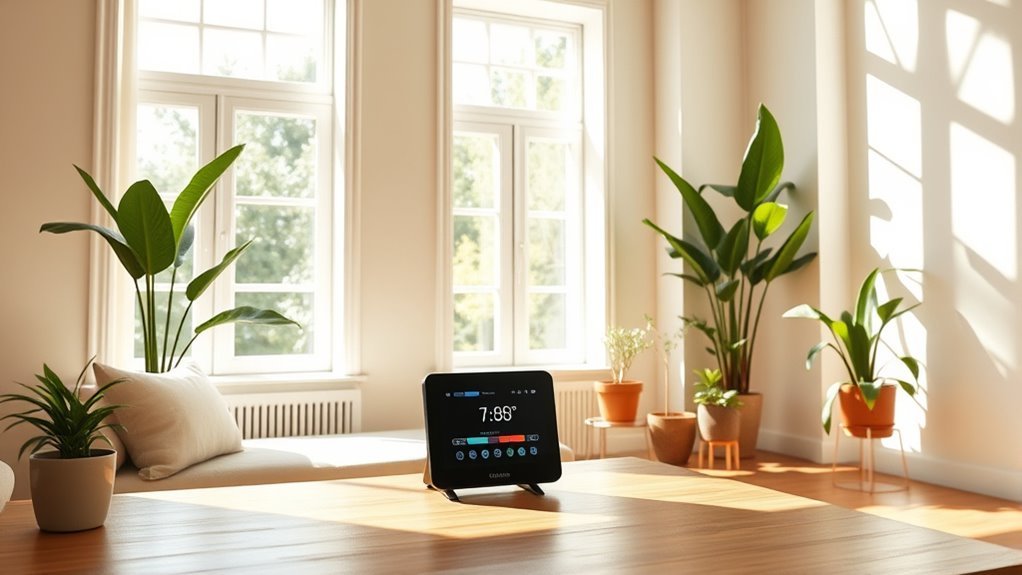
Light drives plant growth, so plant placement matters more than decor alone. South-facing windows often give the brightest light, while north-facing rooms usually stay dimmer.
Most popular houseplants prefer bright indirect light because direct sun can scorch leaves. Succulents and cacti usually need more direct light than tropical foliage plants.
Rotate your plants every few weeks so each side gets light. If a plant grows long, pale stems or drops leaves, move it closer to a brighter spot or use a light-emitting diode (LED) grow light for extra support.
Pro tip: Place a hand between the window and plant at midday to test light strength. A soft shadow usually means bright indirect light.
Recommended Products

FULL SPECTRUM & NATURAL LIGHT: A19 full spectrum grow light appears 4000K white to eyes but has a red/blue light spectrum. Same as natural sun shine, perfect for tomatoes, cucumbers, peppers, leafy greens and herbs at all growth stages.
Watering Techniques: How to Water Based on Light Needs?
Plants in brighter light usually use water faster because they grow more and lose more moisture through their leaves. Plants in low light often need less water and stay wet longer.
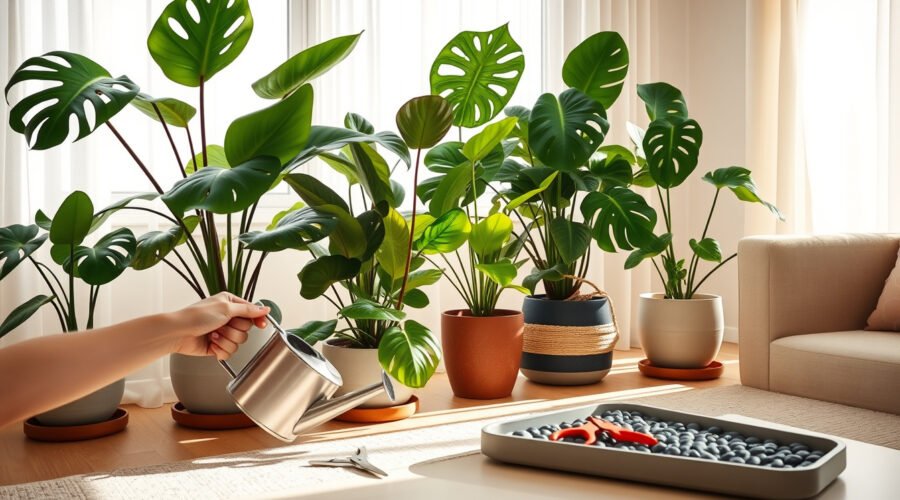
Follow these steps to water with more control:
- Check the top two inches of soil with your finger before watering.
- Water only when the soil feels dry at that depth for most common houseplants.
- Pour room-temperature water evenly over the soil until extra water drains from the bottom.
- Empty the saucer after drainage stops so roots don’t sit in water.
- Adjust your schedule in cooler months when growth slows and soil dries more slowly.
Soil Moisture Assessment
Soil moisture tells you more than a calendar can. Check the soil before each watering, especially if your room’s light changes with the season.
If the top two inches feel dry, water most foliage plants thoroughly. If the soil still feels damp, wait a few days and check again.
Adjusting Watering Frequency
Bright-light plants may need water every 5 to 7 days during active growth, but this timing can vary by pot size and room temperature. Low-light plants may go 1 to 2 weeks between waterings.
Watch the plant and soil together. Wilting, crispy edges, and dry soil often point to underwatering, while yellow leaves and soggy soil may point to overwatering.
Warning: Don’t let pots sit in standing water because wet roots can rot quickly.
How to Keep Humidity Levels Just Right for Your Plants?
Many tropical houseplants prefer moderate to high humidity, while succulents and cacti usually prefer drier air. A hygrometer helps you track your room instead of guessing.
Group humidity-loving plants together to create a small pocket of moisture. You can also place pots above trays filled with moist gravel, but keep the pot base above the waterline.
Misting may freshen leaves for a short time, but it won’t raise room humidity for long. A humidifier works better if your living room stays very dry.
Best Containers for Indoor Plants: What to Choose?
The best indoor plant containers support healthy roots first and style second. Choose pots with drainage holes so extra water can leave the soil.
Terracotta pots breathe well and help soil dry faster, which can help plants that dislike wet roots. Plastic and glazed ceramic pots hold moisture longer, so they suit plants that need steadier moisture.
Pick a pot that fits the root system. A pot that’s too small can restrict growth, while a pot that’s too large can hold extra water around the roots.
Recommended Products

【With Drain Holes and Mesh Pad】:Large drain holes are good for draining, and with leak-proof mesh pads, it keeps soil from running away, suitable for orchids, succulents, cacti, other flowers and green plants, perfect for home decoration.

【Practical Size Combo】-These plastic planters indoor combines with 6 different sizes, 8 inch 7inch 6.5 inch 6 inch 5.5 inch 5 inch which are suitable for planting most small and medium-sized home office plants.Ideal gift,Carbonfree Certified.
Essential Ongoing Care: Pruning, Fertilizing, and Health Monitoring
Regular care keeps plants neat and helps you catch problems early. Remove dead, yellow, or damaged leaves with clean scissors so the plant can put energy into healthy growth.
Fertilize during active growth, often in spring and summer, using the label directions for your product. Too much fertilizer can burn roots, so avoid feeding more often than the label recommends.
Check leaves, stems, and soil weekly for pests. Look for sticky residue, fine webbing, cottony white spots, or small moving insects.
| Care Task | Frequency |
|---|---|
| Pruning | As needed |
| Fertilizing | Every 4-6 weeks during active growth |
| Pest Monitoring | Weekly |
| Plant Rotation | Every few weeks |
Common Mistakes That Hurt Living Room Plants
The most common mistake is watering on a fixed schedule without checking soil moisture. Room light, pot type, plant size, and season all change how fast soil dries.
Another mistake is placing plants near heating vents, cold drafts, or doors that open often. Sudden temperature swings can stress leaves and slow growth.
Also avoid moving plants too often. Give each plant time to adjust after a location change before you judge its health.
Common Questions About Indoor Plant Care
As you care for your indoor plants, questions often come up about plant placement, watering, humidity, and pests. Use the answers below as a quick guide when you need a simple care check.
How to Keep Indoor Plants in a Living Room?
Match each plant to the room’s light level, use a pot with drainage, and check soil moisture before watering. Rotate plants every few weeks and inspect them often for pests or damaged leaves.
Which Plant Should Be Kept in Front of the Main Door?
A snake plant, pothos, or peace lily can work well near a main door if the spot has the right light and temperature. Avoid placing tender plants where cold drafts, strong heat, or frequent door movement can stress them.
How Often Should You Water Living Room Plants?
Water when the top two inches of soil feel dry for most common indoor plants. Bright rooms, small pots, and warm air often dry soil faster, while low light and cool rooms slow drying.
Why Are My Indoor Plant Leaves Turning Yellow?
Yellow leaves can come from overwatering, poor drainage, low light, pests, or normal aging. Check the soil first because soggy soil often causes yellowing in living room plants.
Do Indoor Plants Need Fertilizer?
Most indoor plants benefit from fertilizer during active growth. Use a balanced houseplant fertilizer as directed, and reduce or stop feeding when growth slows.
Conclusion
Healthy living room plants start with the right match between plant, light, water, humidity, and container. Check your room before you buy, then build a simple weekly routine around soil moisture, pruning, and pest checks.
Start with one or two easy plants, learn their signals, and adjust your care as they grow. With steady attention, your living room can become a calm, green space that feels alive year-round.