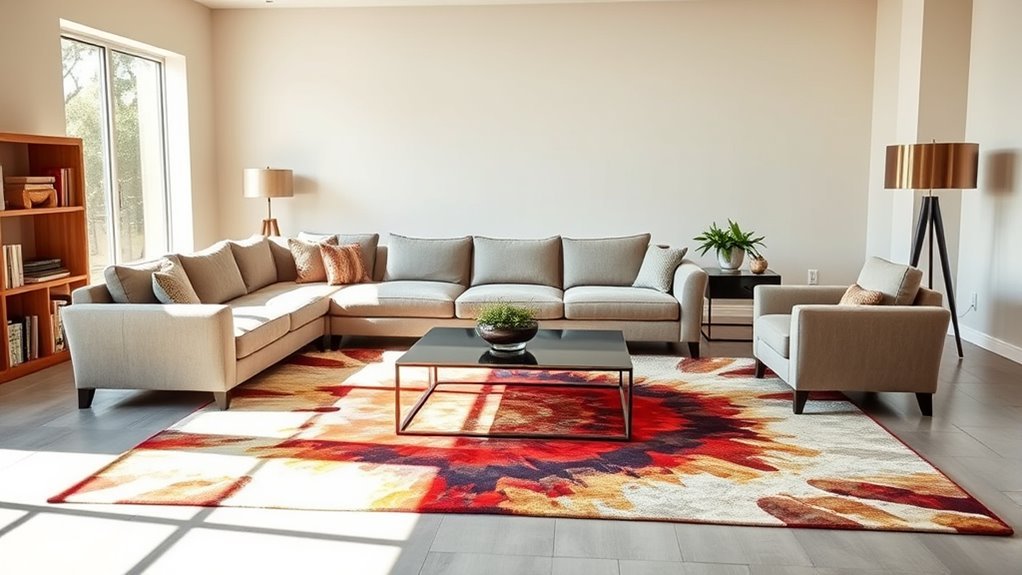
Sunlight can make a living room feel warm and inviting, but it can also fade upholstery, dull wood finishes, dry out leather, and discolor rugs over time. The best way to prevent sun fading on living room furniture is to reduce direct sunlight first, then add UV-filtering window treatments, rotate exposed pieces, and use material-safe maintenance products only where they make sense.
Quick Answer
To prevent sun fading on living room furniture, block or filter direct sunlight with curtains, blinds, solar shades, window film, or low-E glass. Move delicate pieces away from bright windows, rotate cushions and rugs, use breathable covers during peak sun, and clean or treat each material according to its care instructions.
Key Takeaways
- Direct sunlight is the biggest fading risk, but UV rays, visible light, and solar heat can all contribute to color change.
- Window treatments are the strongest everyday fix because they reduce exposure before it reaches your sofa, chairs, rugs, and wood furniture.
- UV sprays and fabric protectors can help some materials, but they are not a substitute for shade and should always be patch-tested first.
- Light damage is cumulative, so small daily habits such as closing blinds during peak sun can make a big long-term difference.
At a Glance
| Time Required | 15–30 minutes for a basic layout check; 1–2 hours if installing shades, film, or protective covers |
| Difficulty | Easy for curtains, rotation, and covers; moderate for window film or new window treatments |
| Tools Needed | Tape measure, curtains or shades, furniture covers, soft cloth, vacuum, manufacturer-approved cleaner or protectant |
| Cost | $0 for rearranging; low to moderate for covers or curtains; higher for custom shades, window film, or low-E window upgrades |
Understanding the Impact of Sunlight on Furniture
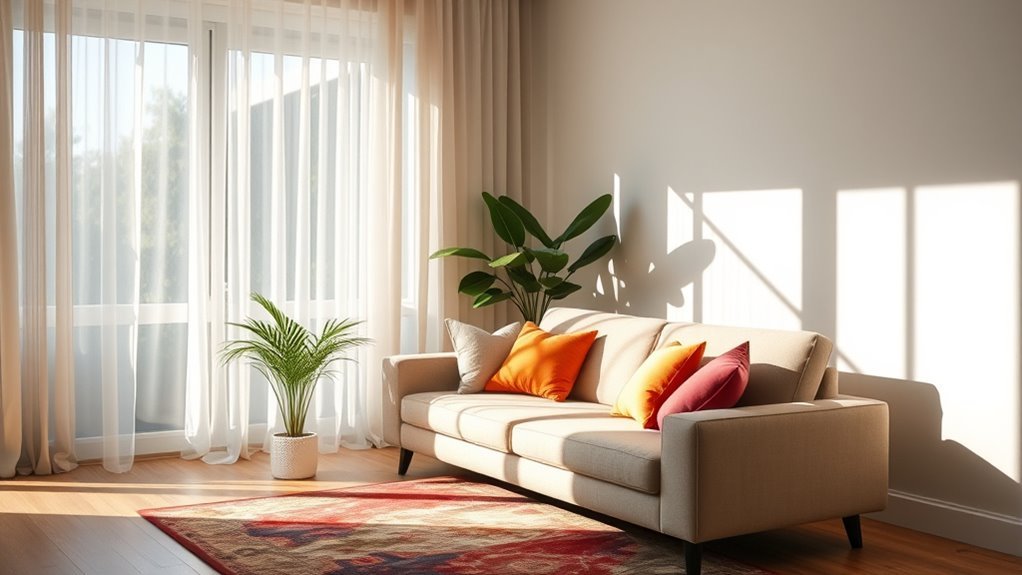
Sun fading happens because light changes the chemistry of dyes, finishes, fibers, and surface coatings. The Library of Congress explains that ultraviolet rays can break down chemical bonds in colorants, while visible light and solar heat also contribute to fading.
This damage is not just cosmetic. Upholstery can lose color, textiles can weaken, leather can dry out, and wood finishes can become dull or uneven. Light damage is cumulative, which means a little direct sun every day can cause the same kind of long-term harm as stronger light over a shorter period.
Note: Sunlight does not create mold by itself. Mold problems usually come from moisture, leaks, damp surfaces, or condensation. Keep furniture dry and leave airflow behind large pieces placed near windows.
Key Signs of Sun Fading to Watch For
Sun damage often appears slowly, so check the furniture that sits closest to windows every few weeks. Look for lighter patches on sofa arms, cushion tops, chair backs, rugs, wood tabletops, and leather seats.
- Upholstery: Bleached spots, uneven color, brittle fibers, or fabric that looks weaker where the sun hits.
- Wood furniture: A dull, washed-out finish, uneven darkening, pale patches, or hairline cracks in the finish.
- Leather: Dryness, stiffness, surface cracking, or a lighter patch on the sun-facing side.
- Rugs and carpets: A clear difference between exposed areas and the portions hidden under furniture.
- Decor and artwork: Yellowing, color shift, or faded prints near sunny windows.
If you notice uneven fading, act quickly. You may not be able to reverse the original color loss, but you can slow additional damage by reducing light exposure and rotating the affected item.
Effective Window Treatments to Block UV Rays
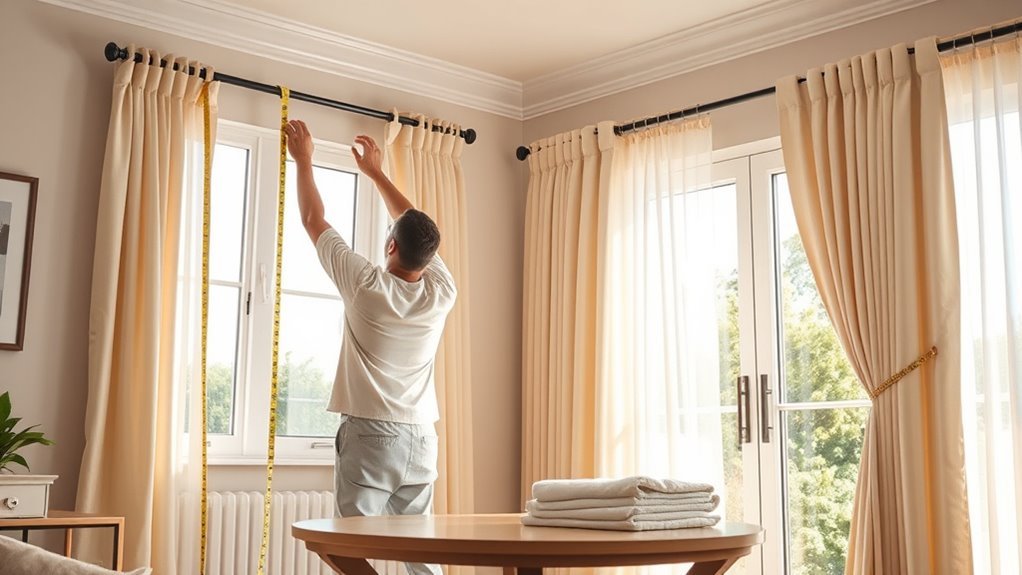
Window treatments are the most reliable first line of defense because they reduce sunlight before it reaches your furniture. According to the U.S. Department of Energy, window attachments such as shades, blinds, curtains, shutters, screens, and films can help control daylight, glare, privacy, temperature, and solar heat gain.
Recommended Products

Heat Control, Energy Saving: This window tint reflects 91% infrared rays to cut glass heat transfer, proven to noticeably reduce room heat for hot south/west-facing windows. It keeps rooms cool in summer and retains warmth in winter, reducing excess AC consumption for improved energy efficiency. Note: Do not apply on double-pane windows exposed to prolonged sunlight

2026 Updated Backing Grids: Our window tint for home has been upgraded to the latest version! There are 1 inch grids on the backing for you to cut it easily. Now you can complete the installation more easily!
Note: 1. Dwersty one way window film provides superb DAYTIME privacy, with a mirror effect looking in from outside when the light is stronger outside than inside. However, when inside light is stronger than outside (for example, at nighttime or when it's very cloudy), the mirror effect disappears and you can see in from outside. Remember to draw the curtains at night for privacy. 2. The free tools are inside of the paper tube.
Types of Window Treatments
- Blackout curtains: Best for rooms where you can block most light during peak sun. They work well for media rooms, formal living rooms, and rooms with west-facing windows.
- UV-filtering blinds or solar shades: Better when you still want daylight and a view. Choose a product with clear manufacturer specifications for UV filtering and openness level.
- Cellular shades: Useful when you want light control plus insulation. They can also soften glare and reduce heat gain.
- Sheer curtains with UV protection: Good for softening bright light, but they should be labeled for UV protection if fading prevention is the goal.
- Window film: A practical option for large windows, rentals, or rooms where you do not want heavy drapes. Check whether film affects the window warranty, tint, glare, plant light, or outside appearance.
- Low-E windows or storm windows: A larger upgrade, but low-E coatings can reduce UV-induced fading. The Department of Energy’s consumer guide notes that energy-efficient windows can filter damaging ultraviolet light.
UV-Blocking Fabric Options
When choosing drapes, shades, or furniture covers, look for product details instead of relying on vague terms like “sun safe” or “UV resistant.” A good product listing should explain UV protection, openness factor, fabric density, lining, or performance testing. Darker and tightly woven fabrics often block more light, but they may also make the room feel heavier, so balance protection with the look you want.
Pro Tip: For a bright living room, combine layers: a solar shade for daytime glare control and lined curtains for the strongest afternoon sun.
How Regular Maintenance Prevents Sun Damage
Maintenance will not stop fading by itself, but it helps furniture age more evenly and prevents dirt, dryness, and surface wear from making sun damage look worse.
- Vacuum upholstery and rugs regularly. Dust and grit can abrade fibers, making faded areas look older and weaker.
- Dust wood with a soft cloth. Use the cleaner or polish recommended by the furniture maker, and avoid harsh products that can strip finishes.
- Condition leather only when appropriate. Use a leather conditioner made for your leather type, and keep leather out of hot direct sun whenever possible.
- Rotate cushions, throws, and rugs. This spreads exposure more evenly so one side does not fade much faster than the rest.
- Clean according to the care tag. Some upholstery can handle water-based cleaning, while other fabrics require solvent cleaning or vacuum-only care.
Warning: Do not steam clean upholstery unless the manufacturer’s care instructions allow water-based cleaning. Steam can leave rings, shrink fabric, damage backing, or harm delicate materials.
Creative Strategies for Rearranging Your Living Space
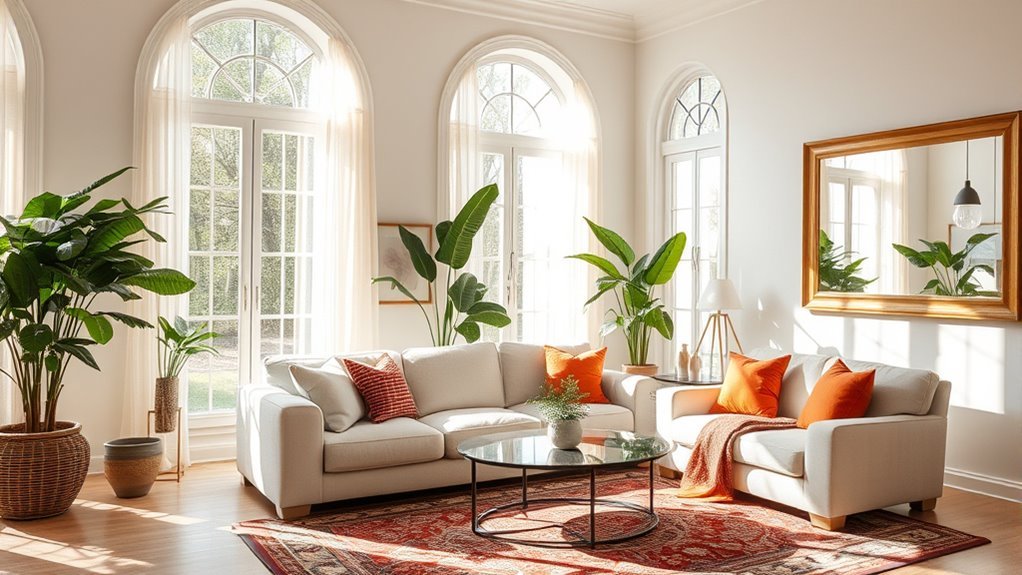
Rearranging furniture is the cheapest way to reduce sun fading. Start by watching how sunlight moves across the room in the morning, midday, and late afternoon. Mark the brightest spots, then move the most delicate or expensive pieces out of those zones.
- Move anchor pieces away from windows. Sofas, leather chairs, antique wood tables, and heirloom pieces should not sit in the strongest beam of afternoon sun.
- Use durable pieces in sunny spots. A side table, plant stand, or washable slipcovered chair may handle bright light better than a velvet sofa or vintage rug.
- Angle furniture to reduce direct exposure. Even a small shift can move the most vulnerable surface out of the sun path.
- Create shade with room elements. Bookshelves, tall plants, screens, and curtains can break up direct light without making the room feel closed.
- Rotate seasonally. Sun angles change through the year, so a safe summer layout may not be safe in winter.
Using Covers to Guard Against Sunlight Damage
Covers work best when you have a sofa, chair, table, or rug that receives strong sun during a predictable part of the day. They are also useful in second homes, sunrooms, or formal rooms that are not used every day.
Recommended Products

Superior Fabric: 80% Polyester+20% Spandex, high quality stretchy jacquard fabric, soft and comfortable.

PREMIUM STRETCH JACQUARD FABRIC: KEKUOU couch cover for sofa is made from high-quality stretch jacquard fabric with excellent elasticity, Designed for 3 cushion couches measuring 78"–94". Soft, breathable, and durable, it provides a comfortable feel while enhancing your furniture’s appearance.
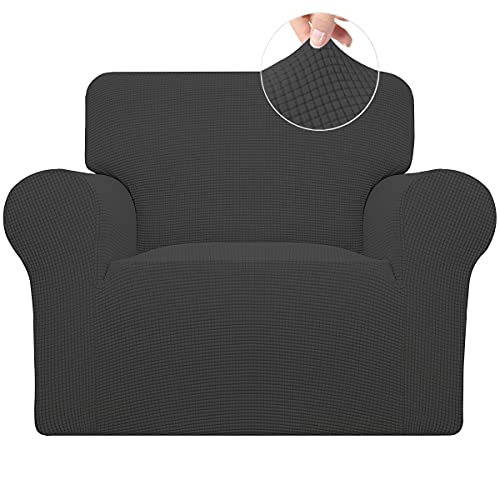
Superior Fabric: 80% Polyester+20% Spandex, high quality stretchy jacquard fabric, soft and comfortable.
Types of Furniture Covers
- Lightweight fabric covers: Cotton sheets, throws, or breathable blankets are easy to use during peak sunlight hours.
- UV-resistant covers: These are better for furniture that gets frequent exposure. Choose breathable indoor covers to reduce trapped heat and moisture.
- Custom-fit covers: Tailored covers give fuller protection for high-value sofas, chairs, and wood pieces.
- Slipcovers: Washable slipcovers can protect the original upholstery and are practical for family rooms.
Best Practices for Covering
Use breathable covers, especially on leather and wood, so heat and moisture do not get trapped against the surface. Remove covers when the sun is weaker so air can circulate and the room still looks inviting. Wash covers regularly so dust does not rub into upholstery or finishes.
Seasonal Covering Strategies
In summer, focus on afternoon sun and west-facing windows. In winter, low-angle sunlight may reach deeper into the room, so check areas that were shaded during warmer months. If you travel or close up the room for several weeks, cover delicate furniture and close UV-filtering treatments before you leave.
How to Use UV Protection Sprays to Keep Furniture Safe
UV protection sprays can add a layer of defense for some fabrics, outdoor-style cushions used indoors, rugs, and certain wood finishes. They are not magic shields, and they should not be used on every material. Always read the label and make sure the product is meant for your surface.
- Choose the right formula. Use fabric protectant for textiles, leather-safe products for leather, and finish-safe products for wood.
- Spot test first. Apply a small amount in a hidden area and wait until it dries fully. Check for staining, darkening, texture change, odor, or residue.
- Clean before applying. Dust, vacuum, or wipe the surface according to the care instructions before using any protectant.
- Apply lightly and evenly. Heavy application can cause buildup, stiffness, or uneven sheen.
- Reapply only as directed. More product is not always better. Follow the label schedule and avoid mixing products.
Note: Shade and UV-filtering window treatments do more to prevent fading than sprays alone. Treat sprays as backup protection, not the main solution.
Recommended Products

WATER REPELLENT SPRAY: One Scotchgard Outdoor Sun & Water Shield Fabric Spray, 10.5 oz can, that repels water and protects against the sun's UVA/UVB rays

Superior UV inhibitors protect against color fading, peeling and cracking caused by the sun on Outdoor Garden and Décor

Prevents Fading on Outdoor and Indoor Fabric with a superior UV inhibitors that resist color fading caused by the sun
Seasonal Tips for Sun Protection
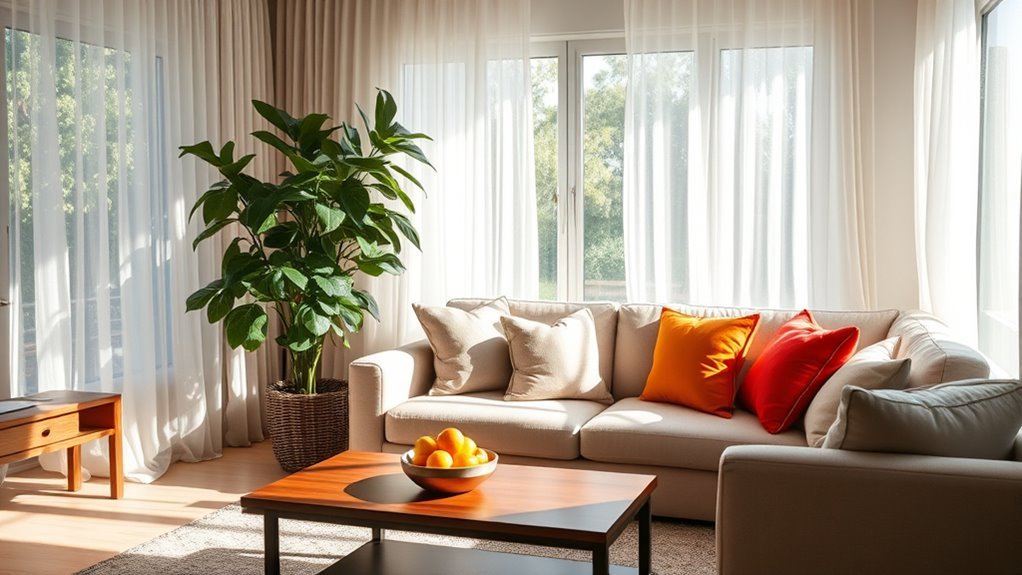
Because sunlight changes throughout the year, your furniture-protection routine should change too.
- Spring: Watch where the sun lands as days get longer. Rotate rugs and cushions before visible fading starts.
- Summer: Close blinds, solar shades, or curtains during the strongest daylight hours. Use covers for furniture that gets direct afternoon sun.
- Fall: Recheck the sun path. Lower-angle light may hit furniture that was protected in summer.
- Winter: Enjoy natural warmth when you want it, but protect leather, wood, rugs, and artwork from long direct exposure.
The easiest habit is also one of the most effective: close or tilt window treatments whenever direct sun falls on the same furniture surface for more than an hour.
Long-Term Solutions to Prevent Furniture Sun Damage
For long-term protection, build layers instead of relying on one fix. A strong plan combines room layout, window control, product-safe care, and regular inspections.
- Map the sunlight. Check the room at different times of day and identify the strongest exposure zones.
- Protect the windows first. Add curtains, UV-filtering blinds, cellular shades, solar shades, window film, or low-E glass where direct sunlight is strongest.
- Move vulnerable furniture. Keep leather, antique wood, dyed textiles, and expensive upholstery out of direct sun whenever possible.
- Rotate exposed pieces. Flip cushions, rotate rugs, and shift decorative items to prevent one-sided fading.
- Use covers when needed. Cover high-value furniture during peak sun or when the room is not in use.
- Use protectants carefully. Patch test and follow the manufacturer’s directions.
- Inspect monthly. Look for fading, dryness, cracking, yellowing, or uneven color so you can adjust before damage spreads.
Material-Specific Sun Protection Tips
Different furniture materials react to sunlight in different ways. Use the same basic strategy—reduce direct light—but adjust the care method to the surface.
- Fabric sofas and chairs: Use lined curtains or solar shades, rotate cushions, vacuum often, and avoid harsh cleaners that can strip dyes.
- Wood furniture: Keep tabletops out of direct sun, use coasters and runners, dust gently, and avoid placing hot direct sunlight on one part of the surface every day.
- Leather: Keep leather away from hot sunny windows, condition only with a leather-safe product, and avoid plastic covers that trap heat.
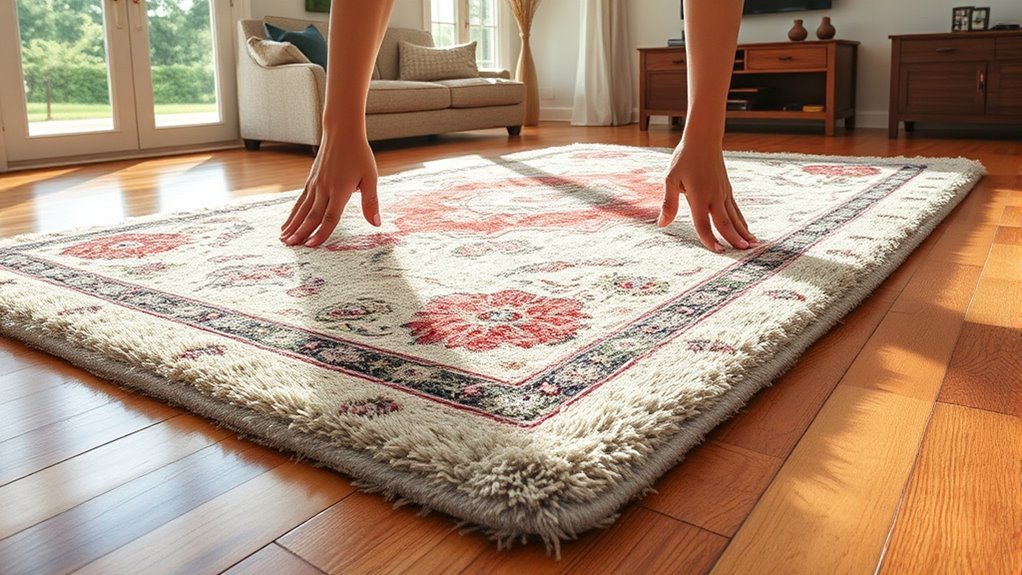
- Rugs: Rotate rugs every few months and use window treatments on rooms with strong sun paths.
- Artwork and photos: Avoid direct sunlight and consider UV-filtering glazing for valuable framed pieces.
Frequently Asked Questions
How do you keep furniture from fading in the sun?
Keep furniture out of direct sunlight whenever possible, then add UV-filtering curtains, blinds, solar shades, or window film. Rotate cushions and rugs, cover delicate pieces during peak sun, and use material-safe cleaners or protectants only after checking the manufacturer’s instructions.
What is the 2/3 rule in furniture placement?
The 2/3 rule is a design guideline that suggests a main furniture piece should be about two-thirds the size of the wall, rug, or nearby anchor piece it relates to. For sun protection, use it as a layout guide, but do not let the rule force a sofa or chair into direct sunlight.
How do you fix sun fading on a couch?
Mild fading may be improved with fabric-safe color restoration products, slipcovers, cushion rotation, or professional upholstery cleaning. Severe fading is usually permanent and may require reupholstery. Before using dye, paint, cleaner, or protectant, test a hidden area first.
How can you protect indoor furniture from sunlight with DIY methods?
The easiest DIY methods are closing curtains during peak sun, moving furniture out of direct light, rotating cushions and rugs, using breathable cotton covers, and adding removable UV-filtering window film if it is safe for your windows.
Do sheer curtains prevent furniture fading?
Sheer curtains can soften light and reduce glare, but ordinary sheers may not block enough UV or visible light to protect delicate furniture. For better protection, choose sheers labeled for UV filtering or layer them with lined curtains, blinds, or solar shades.
Conclusion
Preventing sun fading on living room furniture starts with controlling light before it reaches your furniture. Use window treatments, smart placement, covers, cushion rotation, and material-safe care to reduce daily exposure. Once fading happens, it can be hard or impossible to fully reverse, so the best strategy is simple: block direct sun early, inspect often, and protect the pieces you want to keep beautiful for years.
Sources
- Library of Congress — Limiting Light Damage — supports cumulative and irreversible light-damage guidance.
- Library of Congress — Why Ultraviolet Light Causes Color to Fade — explains UV, visible light, solar heat, and photodegradation.
- Canadian Conservation Institute — Textiles and the Environment — supports textile fading, UV damage, and light-exposure reduction.
- U.S. Department of Energy — Energy Efficient Window Coverings — supports window attachments for daylight, glare, privacy, temperature, and heat-gain control.
- U.S. Department of Energy — Consumer Guide to Energy-Efficient Windows — supports low-E and energy-efficient window guidance.
- U.S. Environmental Protection Agency — Mold, Moisture, and Your Home — supports the correction that mold prevention depends on moisture control.