Pet hair on living room upholstery and rugs is easiest to remove when you work in the right order: loosen the hair, vacuum it slowly, lift the stubborn strands by hand, and only then spot-clean stains or odors. The goal is to remove dry fur first so you do not smear dirt, push hair deeper into fibers, or overwet fabric.
Quick Answer
To remove pet hair from upholstery and rugs, vacuum slowly with a pet hair or upholstery attachment, then use a lint roller, rubber gloves, damp microfiber cloth, rubber-bristled brush, or squeegee for stuck hair. For stains, check the care label, blot first, use a pet-safe cleaner, and let the area dry fully.
Key Takeaways
- Remove dry pet hair before using any liquid cleaner; wet hair clumps and can sink deeper into fabric.
- Vacuum in slow, overlapping passes and move in more than one direction on rugs to lift hair trapped in the pile.
- Use rubber tools, lint rollers, and damp microfiber cloths for seams, cushions, corners, and quick touch-ups.
- Always check upholstery and rug care labels before deep cleaning, and test cleaners in a hidden spot first.
- Regular brushing, washable covers, and a properly sized air purifier can reduce buildup between cleanings.
At a Glance
| Time Required | 10–20 minutes for quick hair removal; 30–60 minutes for vacuuming and spot cleaning; longer for deep cleaning and drying. |
| Difficulty | Easy for routine cleaning; moderate for deep cleaning delicate upholstery or rugs. |
| Tools Needed | Vacuum with pet hair or upholstery attachment, crevice tool, lint roller, rubber gloves, damp microfiber cloth, rubber-bristled brush, squeegee, pet-safe cleaner, clean white cloths. |
| Cost | $0–$20 if you already own a vacuum; $20–$150+ for specialty pet tools, washable covers, or a portable spot cleaner. |
Before You Start: Check the Fabric and Rug First
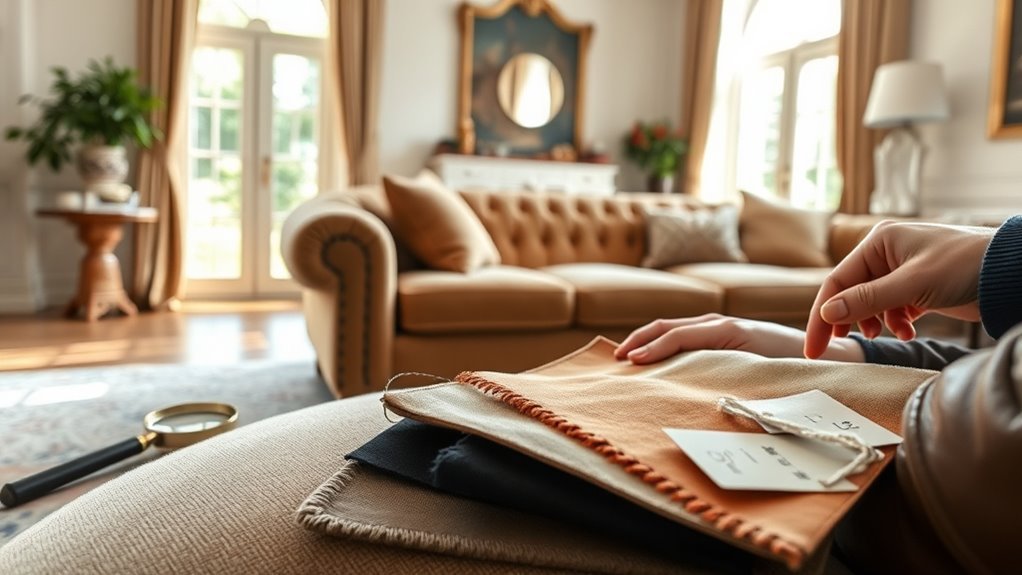
Before you clean upholstery or rugs, look for the care tag. Upholstery marked W usually allows water-based cleaners, S requires solvent-based cleaning, WS may allow either, and X means vacuum only. For rugs, check the backing or manufacturer label for fiber type and cleaning instructions. Wool, silk, viscose, jute, sisal, antique rugs, and delicate upholstery can be damaged by too much water or scrubbing.
Warning: Never soak upholstery, natural-fiber rugs, or cushions. Too much moisture can cause dye bleed, water rings, backing damage, odors, or mold. Test any cleaner in a hidden spot first and wait until it dries before cleaning a larger area.
If you are dealing with a pet accident, remove the hair first, then treat the stain. Blot liquid messes with a clean white cloth instead of rubbing. For urine, vomit, or odor, use a pet-safe enzymatic cleaner that is approved for the fabric or rug type, and follow the product directions carefully.
Spot Cleaning Techniques for Pet Hair
Removing pet hair from upholstery and rugs can feel like a constant chore, but the right spot-cleaning method makes quick touch-ups manageable. Start with dry methods, then move to lightly damp tools only when needed.
- Lint roller: Best for sofa arms, throw pillows, lampshades, and small fabric areas. Roll in short strokes and replace sheets as soon as they lose tack.
- Rubber gloves: Put on clean rubber gloves, lightly dampen them, and sweep your hands across the fabric. The friction helps gather hair into clumps you can pick up or vacuum.
- Damp microfiber cloth: Use a barely damp cloth for stubborn hair on durable upholstery. Wipe in one direction, rinse the cloth, wring it well, and repeat.
- Squeegee: Use short pulls on low-pile rugs and carpeted stairs to bring embedded hair to the surface before vacuuming.
- Sticky tape: Wrap tape around your hand, sticky side out, for small areas such as cushion seams or car cloth seats.
Pro Tip: Work from the top down. Clean pillows, sofa backs, arms, cushions, and seams first, then vacuum the rug last so fallen hair does not land on a freshly cleaned surface.
Step-by-Step Guide to Vacuuming Pet Hair
After spot cleaning, tackle the larger job of vacuuming pet hair from your upholstery and rugs. A slow, methodical pass removes more fur than rushing over the same area several times.
- Clear the area. Remove throws, toys, baskets, and small furniture so you can reach edges and corners.
- Loosen the hair first. Use rubber gloves, a rubber-bristled brush, or a squeegee on areas where fur is matted into the fabric or rug pile.
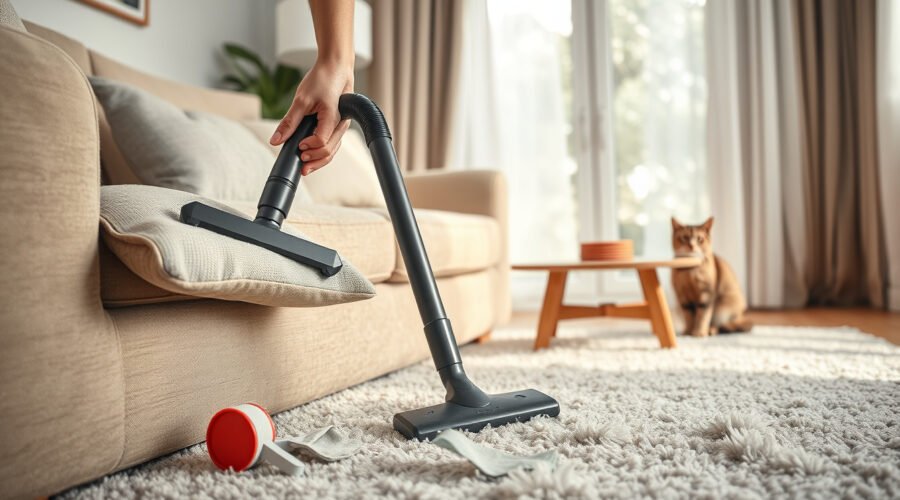
- Use the right attachment. Choose an upholstery tool for sofas and chairs, a crevice tool for seams and corners, and a motorized pet tool if your vacuum has one.
- Vacuum slowly. Use overlapping passes. On rugs, vacuum in one direction, then turn and vacuum across the grain to lift hair from different angles.
- Focus on hiding spots. Clean cushion seams, under cushions, sofa backs, rug edges, under furniture, and corners where fur collects.
- Empty and maintain the vacuum. Empty the canister or replace the bag before it is packed full. Remove wrapped hair from the brush roll and clean or replace filters according to the manual.
For allergy-sensitive homes, a vacuum with a sealed system and high-efficiency filtration is helpful because pet dander is much smaller than visible hair. A portable air cleaner can also support indoor air quality when it has a clean air delivery rate, or CADR, sized for the room, but it should not replace vacuuming, grooming, or washing soft surfaces.
Recommended Products

Worlds Fastest Pet Hair Remover.

EFFECTIVE PET HAIR REMOVAL – Designed to help remove embedded pet hair, lint, dust, and debris from carpets, rugs, upholstery, stairs, and other surfaces.

1. Upgraded Pet Hair Power Brush Tool Attachment Compatible with shark NV360 NV350 NV350W NV350W_N NV351 NV351C NV352 NV352Q NV353 NV355 NV355C NV355WM1 NV356E NV356Q NV357 NV358 NV360 NV370 NV391 NV391C NV41 NV42 NV22 NV22L NV85 UV440 UV440CCO UV440CCOFS UV550 UV420 NV361BK NV361PR NV352E NV353Q NV353QRD NV354QBK NV354QGN NV354QRD NV36A NV350WC NV352BRN NV355CFS NV358BRN NV370_26 NV380 NV380CNV150 Part number 19FFJ 351FJV540 224FFJ480
Top Tools for Effortless Pet Hair Removal
When it comes to tackling pet hair, the best tool depends on the surface. Keep a few simple tools together in a small cleaning caddy so you can handle quick fur buildup before it spreads.
Recommended Products

Pet Hair Brush (ACC_S06) - Professional rubber car pet hair removal tool removes stubborn pet hair, lint, and debris from car seats, carpets, and upholstery as well as home furniture and rugs with ease

Widely Use:2 Types Reusable Pet Hair Remover for Different Materials --- Copper pet hair remover be used for heavy duty and thick piled items, such as carpet, rug, couch, furniture, blanket, cat tree, car interiors, winter coats and etc. Plastic fabric shaver can be used for soft and thin fabrics, like upholstery, ottoman, velvet, bed sheet, sweatshirt and etc
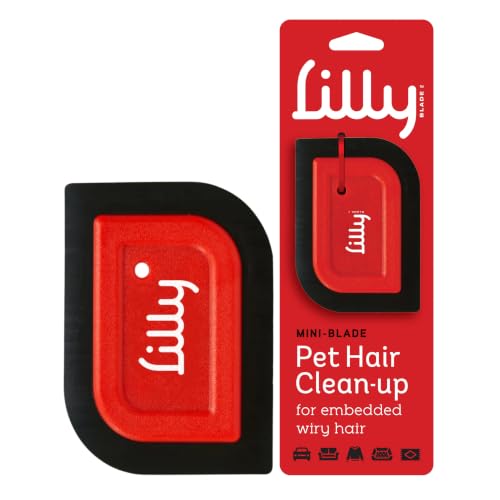
REMOVE STUBBORN PET HAIR IN SECONDS! The MINI Cat Fur Remover works great on (1) deeply embedded pet hair (2) vacuum resistant pet hair, (3) hard to remove lint. It's the original (and still the best!) small, portable pet hair remover tool.
Best Pet Hair Tools
A rubber-bristled brush or carpet rake is useful for lifting hair from low-pile rugs, carpeted stairs, and sturdy upholstery. Use short strokes and light pressure so you do not fuzz or distort the fabric. For seams and tight corners, switch to a crevice tool or sticky tape. For everyday maintenance, a vacuum with an upholstery attachment is still the main tool because it removes loose hair, dust, crumbs, and dander together.
Effective Cleaning Techniques
For the fastest results, pair tools instead of relying on one method. Loosen hair with a rubber tool, vacuum slowly, then finish with a lint roller or damp microfiber cloth for visible strays. This routine works especially well on sofas, accent chairs, cloth seats, and low- to medium-pile rugs.
| Tool | Best For | Tips |
|---|---|---|
| Rubber-bristled brush | Embedded hair on sturdy upholstery and rugs | Use short, light strokes; avoid delicate fibers. |
| Lint roller | Quick touch-ups | Keep one near the sofa or entryway. |
| Vacuum with upholstery attachment | Routine cleaning and loose dander | Use slow, overlapping passes and clean the filter regularly. |
| Damp microfiber cloth | Stubborn hair on durable fabric | Use barely damp, not wet, and test first. |
| Squeegee | Low-pile rugs and carpeted stairs | Pull hair to the surface, then vacuum. |
How to Deep Clean Your Upholstery and Rugs Safely
Deep cleaning your upholstery and rugs is useful when pet hair comes with dirt, odor, or stains, but it should be done carefully. Start by vacuuming thoroughly with an upholstery attachment, paying special attention to seams, crevices, rug edges, and the areas under cushions.
Next, check the care label and test your cleaner in a hidden spot. If the fabric or rug tolerates the cleaner, blot stains with a clean white cloth and apply a suitable pet-safe formula. For pet accident odors, an enzyme cleaner is usually more appropriate than perfume-heavy sprays because it targets organic residue. For carpets, the Carpet and Rug Institute’s Spot Solver is a useful reference for matching the cleaning method to the specific stain.
If you use a portable deep cleaner, follow the machine and solution directions. Use the least amount of water needed, make extra dry passes to extract moisture, and let the upholstery or rug air dry completely before replacing cushions, throws, or furniture. Run a fan, open windows when outdoor conditions are suitable, and keep pets off the cleaned area until it is dry.
Note: Call a professional cleaner for silk, viscose, antique rugs, jute, sisal, unfinished leather, heavy odors, large urine accidents, dye bleed, or upholstery labeled X. These materials can be damaged by DIY water-based cleaning.
Recommended Products

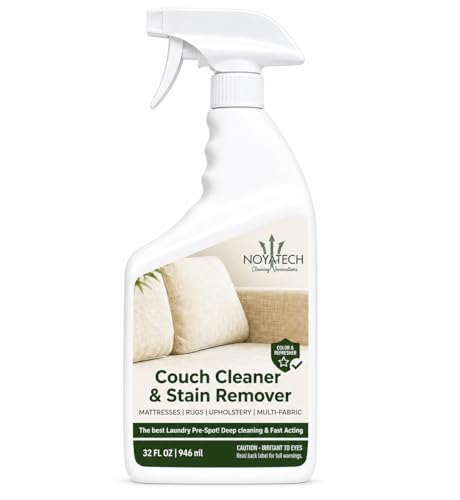
HARDWORKING: A made-for-your-pet cleaner is great for cleaning up typical pet messes and stinks like accidents and odors on soft surfaces

Effective Stain Removal: The Pink Stuff Foaming Carpet and Upholstery Stain Remover is your go-to solution for tackling tough and unsightly stains. Say goodbye to stubborn carpet and upholstery stains with ease
Lifts tough stains fast - spray on, let it dwell 30 to 60 seconds, then blot; make a second pass on set-in spots.
Effective Strategies to Reduce Pet Hair at Home
While managing pet hair can feel overwhelming, you can reduce buildup before it reaches your upholstery and rugs. Start with grooming. The ASPCA notes that regular brushing can reduce the amount of hair in your home, although normal shedding cannot be stopped. Short-coated pets may need weekly brushing, while long-haired pets often need daily attention.
Protect your upholstery with machine-washable covers, throw blankets, or washable pet mats in your pet’s favorite lounging spots. Wash pet bedding regularly, and shake out throws outdoors before laundering. If your pet sheds heavily during seasonal changes, increase vacuuming from once a week to several times a week until the shedding slows.
A properly sized air purifier with particle filtration can help reduce airborne particles such as some pet dander, but it will not remove hair that has already settled on furniture and rugs. Avoid air cleaners that intentionally produce ozone. The EPA warns that ozone can harm health and is generally ineffective for controlling indoor air pollution at safe levels.
Regular Cleaning Tips for a Pet-Friendly Space
Creating a pet-friendly space is easier when your routine is simple and repeatable. Use this schedule as a starting point, then adjust for your pet’s coat, the number of pets, allergies in the home, and how often your living room is used.
- Daily or as needed: Use a lint roller or rubber glove on visible fur patches, especially on favorite pet spots.
- Weekly: Vacuum upholstery, rugs, corners, and under cushions with the right attachments.
- Every 1–2 weeks: Wash pet throws, slipcovers, and washable bedding.
- Monthly: Clean vacuum filters or replace bags as directed, inspect brush rolls for wrapped hair, and move furniture to vacuum hidden edges.
- As needed: Deep clean only when the fabric or rug is visibly dirty, smells musty, has stains, or the manufacturer recommends it.
The biggest time-saver is prevention: a few minutes of brushing, washable covers, and slow weekly vacuuming can keep fur from becoming embedded in upholstery and rug fibers.
Frequently Asked Questions
What’s the best way to get dog hair out of cloth seats?
Vacuum cloth seats first with a crevice tool and upholstery attachment. Then sweep the fabric with clean rubber gloves or a slightly damp microfiber cloth to clump stubborn hair. Finish with a lint roller or tape for seams. Avoid fabric softener or sprays unless the seat’s care instructions allow them.
How do I remove pet hair that is stuck deep in a rug?
Use a rubber-bristled brush, carpet rake, or squeegee to pull the hair toward the surface. Then vacuum slowly in overlapping passes from two directions. For shag, antique, or delicate rugs, use light suction and avoid aggressive brushing that can damage fibers.
Is a damp cloth safe for removing pet hair from upholstery?
A barely damp microfiber cloth is safe for many durable fabrics, but not all upholstery can handle water. Check the care tag first and test a hidden spot. Do not use a wet cloth on X-coded upholstery, unfinished leather, silk, viscose, or fabrics that water spot easily.
How often should I vacuum rugs and upholstery if I have pets?
Vacuum at least once a week for routine maintenance. Increase to two or three times a week during heavy shedding seasons, in high-traffic rooms, or if someone in the home is sensitive to dander. Clean favorite pet lounging spots more often than unused areas.
Will an air purifier remove pet hair from furniture?
No. An air purifier can help reduce some airborne particles, including some dander, when it is sized correctly and maintained well. It will not remove visible hair from upholstery or rugs. You still need vacuuming, brushing, washable covers, and regular pet grooming.
Conclusion
Removing pet hair from your living room does not have to be frustrating. Start with dry removal, vacuum slowly with the right attachment, use rubber or microfiber tools for stubborn strands, and save wet cleaning for stains and odors. By combining regular maintenance with careful deep cleaning, you can keep your upholstery and rugs comfortable, cleaner, and ready for both people and pets.
Sources
- U.S. Environmental Protection Agency: Guide to Air Cleaners in the Home — supports guidance on CADR, portable air cleaners, HVAC filters, and the limits of filtration.
- U.S. Environmental Protection Agency: Ozone Generators that are Sold as Air Cleaners — supports the warning to avoid ozone-generating air cleaners in occupied spaces.
- ASPCA: Dog Grooming Tips — supports brushing and grooming guidance for reducing shed hair in the home.
- The Carpet and Rug Institute: Spot Solver — supports matching carpet spot-cleaning methods to the type of stain.