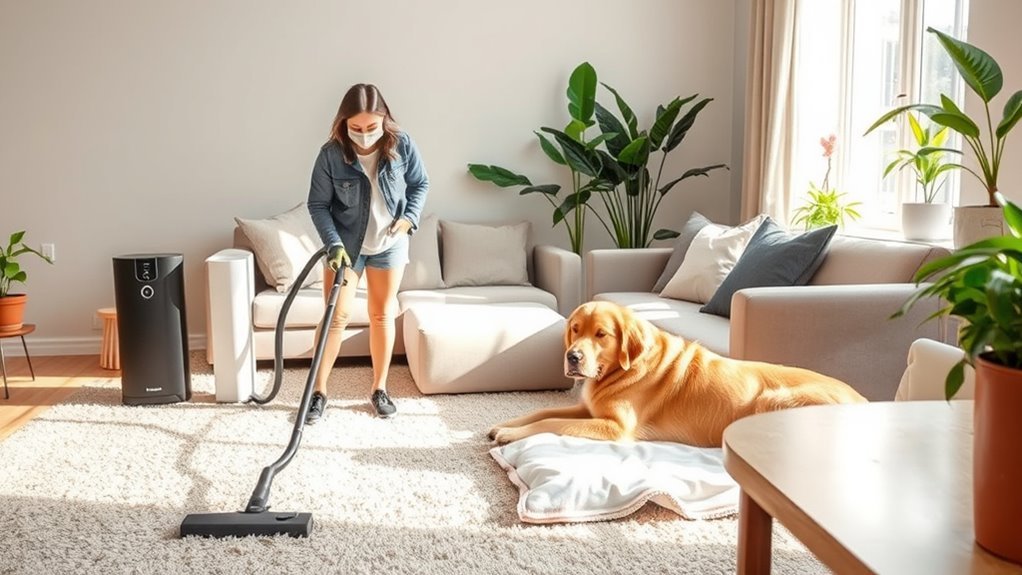
Reducing dust mites and pet dander in your living room starts with source control: lower the humidity, remove dust-trapping fabrics where practical, clean soft surfaces on a schedule, and keep pets away from the places where allergic people sit or rest most often. You cannot make a normal home completely allergen-free, but you can lower exposure enough to make the room easier to breathe in.
Quick Answer
To reduce dust mites and pet dander in a living room, keep humidity around 30–50%, vacuum weekly with a HEPA-filter or sealed-system vacuum, damp-dust hard surfaces, wash washable textiles in hot water, choose hard flooring when possible, use allergen covers on soft furnishings, and run a properly sized air purifier as a supplement.
Key Takeaways
- Humidity control is one of the biggest dust-mite controls; use a hygrometer and aim for about 30–50% relative humidity when comfortable.
- Dust mites live deep in fabric, bedding, upholstered furniture, carpets, and stuffed items; pet dander can stick to fabrics and become airborne easily.
- Air purifiers can help filter airborne particles, but they do not replace cleaning, washing, pet-zone rules, or moisture control.
- Hard floors, washable textiles, allergen covers, and regular damp cleaning make allergen control easier over time.
At a Glance
| Time Required | 30–60 minutes for a weekly reset; 1 weekend for bigger upgrades like covers, washable textiles, or flooring changes |
| Difficulty | Easy to moderate |
| Tools Needed | Hygrometer, damp microfiber cloths, washable covers, HEPA-filter or sealed-system vacuum, dehumidifier or air conditioner, properly sized air purifier |
| Cost | Low for cleaning supplies; moderate for allergen covers or air purifiers; higher for carpet replacement |
Practical Steps to Reduce Dust Mites and Pet Dander
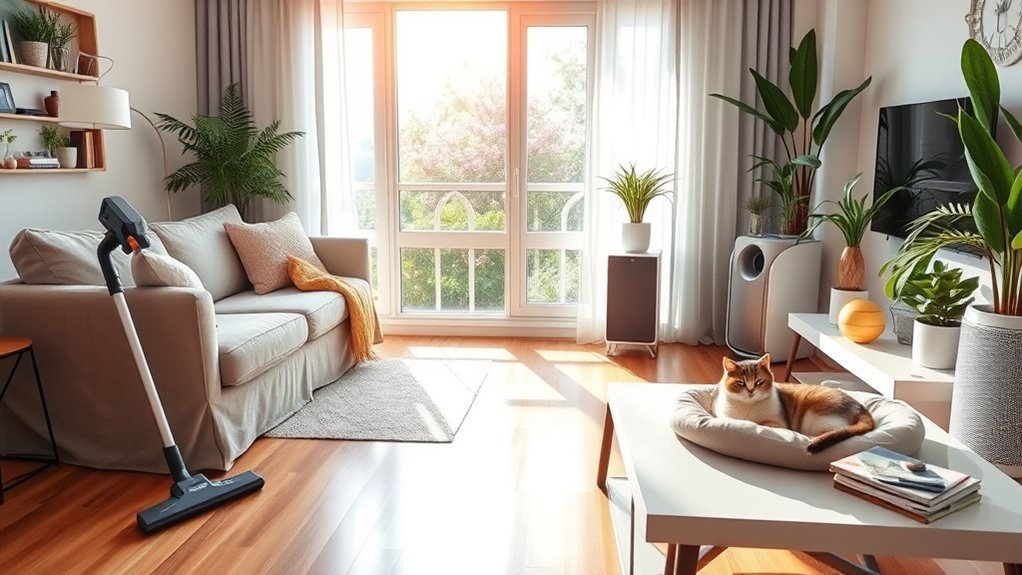
Start with the places where allergens collect the most: upholstered seating, throw pillows, blankets, curtains, rugs, carpets, pet beds, and dusty shelves. Dust mites feed on shed skin cells and thrive in warm, humid fabric areas. Pet dander comes from shed animal skin cells and can also mix with proteins from saliva, urine, and feces.
For the fastest improvement, follow this order:
- Measure humidity first. Use a hygrometer in the living room and aim for about 30–50% relative humidity when comfortable. The Mayo Clinic recommends keeping indoor relative humidity below 50% to help control dust mites.
- Wash what can be washed. Wash throw blankets, washable pillow covers, pet bedding, and washable rugs regularly. For dust mites, hot water at 130°F (54.4°C) can kill mites; always follow the fabric care label.
- Damp-dust before vacuuming. Use a damp microfiber cloth so dust sticks to the cloth instead of floating back into the room.
- Vacuum soft surfaces weekly. Use a vacuum with a HEPA filter, sealed system, or double-layered microfilter bag. Vacuuming helps with surface dust, but it will not remove every mite living deep inside cushions, carpets, or upholstery.
- Create pet-free seating zones. Keep pets off sofas, chairs, and blankets used by the person with allergies or asthma.
- Use an air purifier as a helper, not the whole plan. Choose one with a clean air delivery rate (CADR) sized for the room, and keep airflow unobstructed.
Note: Allergen reduction can lower exposure, but it does not replace medical care. If allergies trigger wheezing, chest tightness, frequent coughing, sleep disruption, or asthma flares, talk with a health care professional or allergist.
Why Humidity Matters for Dust Mites and Mold
Humidity is one of the biggest reasons dust mites survive indoors. Dust mites absorb moisture from the air, so they do best in warm, humid spaces. The American Lung Association recommends keeping the home below 50% humidity to help reduce dust mites.
Moisture control also helps prevent mold. The U.S. Environmental Protection Agency recommends keeping indoor humidity below 60%, ideally between 30% and 50%, and fixing leaks or water problems quickly.
Use these humidity-control habits in the living room:
- Place a hygrometer in the room and check it weekly.
- Use air conditioning or a dehumidifier when humidity rises.
- Fix leaks, damp walls, condensation, and musty smells quickly.
- Avoid drying wet laundry indoors near the living room.
- Vent bathrooms, kitchens, and laundry areas so moisture does not spread through the home.
Warning: If you see visible mold, smell a musty odor, or have damp carpet or walls, fix the moisture source first. Air purifiers may reduce some airborne particles, but they do not solve mold or moisture problems.
Carpet vs. Hard Flooring: Which Is Better for Allergens?
Hard flooring is usually easier to manage for people with dust mite or pet allergies because it can be damp-mopped and does not hold allergens the way carpet fibers do. Carpets, rugs, and carpet pads can trap dust, skin flakes, pet hair, pet dander, and mite debris.
If you are renovating, choose smooth flooring such as sealed hardwood, tile, vinyl, or laminate. If replacing carpet is not realistic, reduce exposure by using washable area rugs, vacuuming weekly with a HEPA-filter vacuum, and deep-cleaning rugs according to the manufacturer’s instructions.
Recommended Products

Soft Comfort & Certified Materials — Made from soft 100% polyester carpet material certified to OEKO-TEX STANDARD 100, this washable rug offers a cozy, comfortable feel underfoot. Available in compact, runner, and room-size options, it adds warmth to entryways, hallways, bedrooms, home offices, living rooms, and dining areas. Inviting for barefoot use and active households, it brings together everyday comfort, versatile style, and trusted material standards.
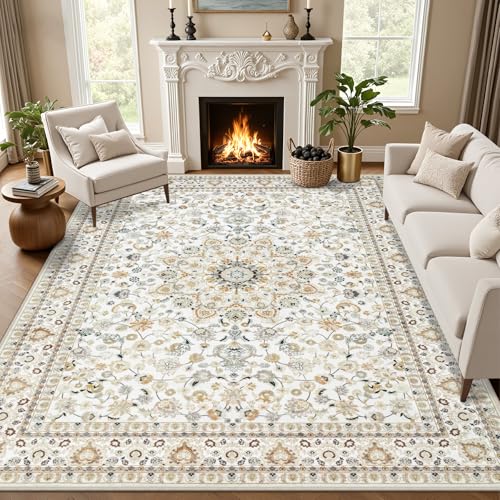
Timeless Classic Design Rug: Featuring an elaborate traditional pattern and harmonious color palette, these 5x7 area rugs bring artistic elegance to the interior. The versatile design works with various decor styles from vintage and bohemian to contemporary, making it suitable for living room, bedrooms, dining room, hallway, kids' playrooms, or home offices. Built to withstand daily use while maintaining its visual appeal, these rugs for living room 5x7 combines durability with timeless beauty

MACHINE WASHABLE: Our rug can be washed directly in washing machine in cold water and dried without heat. Daily maintenance is simple and convenient
Dust Mite Habitats
Dust mites commonly live in mattresses, pillows, upholstered furniture, carpets, curtains, blankets, and stuffed items. In a living room, the biggest reservoirs are usually fabric sofas, recliners, throw pillows, thick rugs, and pet beds.
To make the room less mite-friendly, reduce unnecessary fabric, choose washable covers, and avoid storing piles of blankets or pillows that rarely get cleaned.
Maintenance and Cleaning Ease
Hard floors are easier to clean because dust and dander sit on the surface. Use a damp mop or microfiber pad so particles are picked up instead of pushed into the air. Avoid dry sweeping when possible because it can stir dust.
For rugs and carpet that stay in the room, vacuum slowly in overlapping passes. Empty vacuum canisters outside when possible, and replace filters on schedule.
Allergens in Flooring Types
Use this simple guide when choosing or managing flooring:
- Best for allergen control: smooth hard flooring that can be damp-mopped.
- Acceptable with maintenance: small washable rugs that can be laundered or cleaned often.
- Hardest to control: wall-to-wall carpet, thick rugs, and carpet over damp concrete.
Best Cleaning Products for Allergen Control
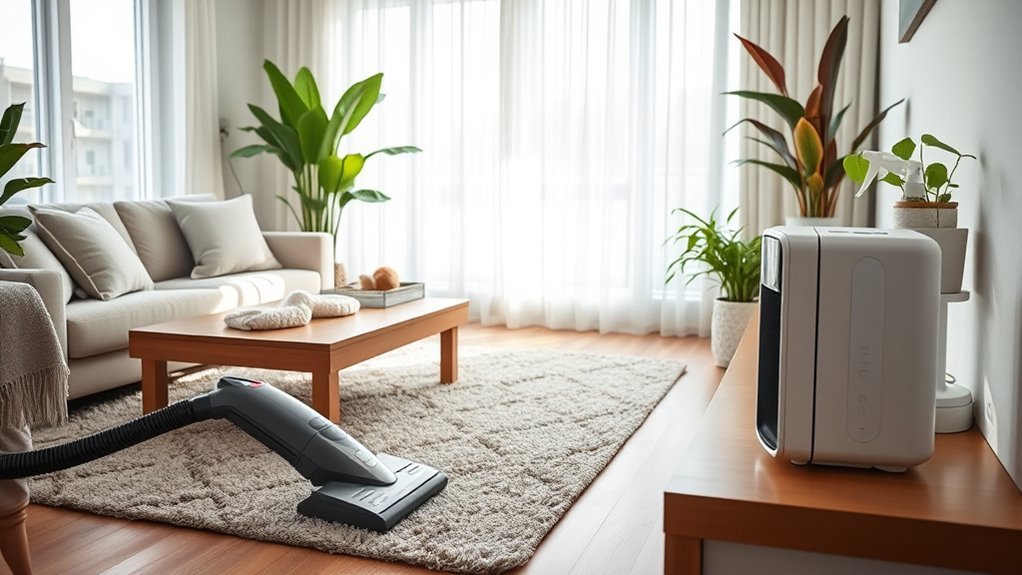
You do not need harsh fragrances or complicated sprays to control allergens. The most useful tools are simple: damp microfiber cloths, washable covers, a good vacuum, hot-water washable textiles, and a way to control humidity.
Recommended Products

【High-Efficiency Deep Cleaning】Our UV mattress vacuum cleaner features a powerful 500W motor, providing 16kPa of strong suction and 30,000 RPM high-frequency tapping. It penetrates deeply into mattresses and fabric layers, effectively removing fine dust, skin flakes. Keep your mattress and sofa consistently fresh and clean, creating a healthier sleep environment and allowing you to enjoy a healthier home life. (NOTE: Not suitable to absorb pet hair)
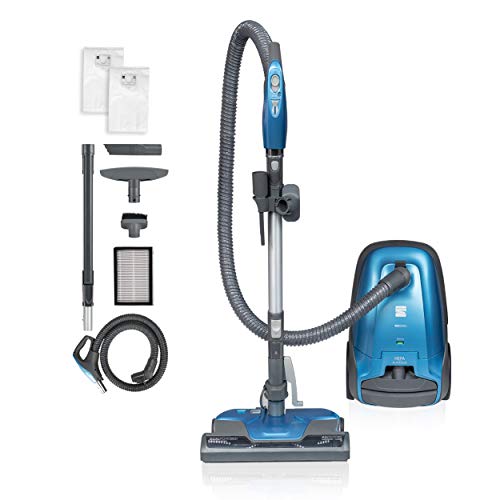
Lightweight and Maneuverable: At less than 20 pounds, this lightweight design with swivel steering is easy to maneuver. Suction Power (Hose End) 210W. Vol./Amps 120v 12A. 210.0 watts. Cleaning Width 14 inches. Allergen Seal: Yes. Suction Type: Motorized

PET HAIR SPECIALIST — FurFinder LED Headlights reveal 8X more pet fur(1) and debris , while the Tangle-Free Brush Roll picks up hair up to 8" long without clogging. See it, clean it, done.
Allergen-Proof Cleaning Supplies
- Microfiber cloths: Use damp cloths for shelves, tables, TV stands, baseboards, and window ledges.
- Washable cushion and pillow covers: Choose covers that can be removed and washed regularly.
- Allergen-barrier covers: Use zippered allergen-barrier covers for pillows or cushions that cannot be washed often.
- HEPA-filter or sealed-system vacuum: Choose a vacuum designed to trap fine particles rather than blow them back into the room.
- Unscented or low-irritant cleaners: Strong fragrances can bother some people with asthma or allergies.
Certified Asthma-Friendly Products
Certified Asthma & Allergy Friendly® products can be helpful when choosing allergen-barrier covers, filters, vacuums, or air cleaners. The Asthma and Allergy Foundation of America recommends zippered allergen-barrier covers, weekly hot-water washing, reduced clutter, HEPA-filter vacuuming, and humidity control for dust mite allergy management.
| Product Type | What It Helps With |
|---|---|
| HEPA-filter or sealed-system vacuum | Surface dust, pet hair, dander, and mite debris on carpets and upholstery |
| Allergen-barrier covers | Pillows, cushions, or soft items that are hard to wash often |
| Damp microfiber cloths | Dust on shelves, electronics, tables, and baseboards without stirring particles into the air |
| Washable throws and rugs | Easier routine cleaning than non-washable soft furnishings |
How Air Purifiers Help—and What They Cannot Do
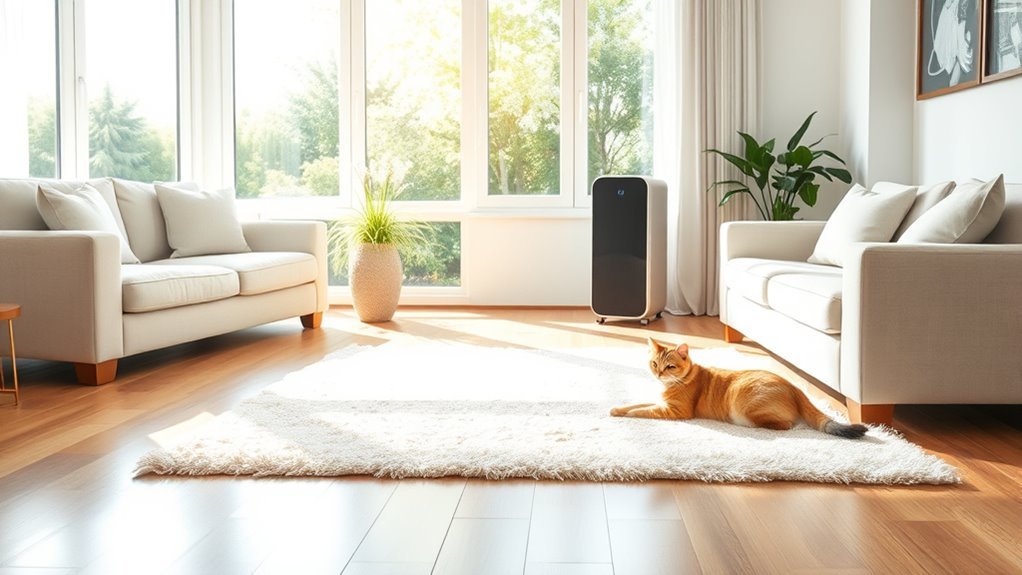
Air purifiers can help reduce airborne particles, including some pet dander, dust, pollen, and mold particles. They are most useful when paired with cleaning, humidity control, and source reduction. The EPA’s Guide to Air Cleaners in the Home recommends choosing a portable air cleaner with a CADR large enough for the room.
For best results:
- Choose a unit sized for the square footage of the living room.
- Look for a high CADR for particles.
- Use a true particle filter such as HEPA or another high-efficiency filter.
- Keep the air intake and outlet away from curtains, furniture, and walls.
- Run the unit long enough to filter the room air, especially during high-use hours.
- Replace filters on the schedule in the owner’s manual.
Warning: Avoid air cleaners that intentionally produce ozone. The EPA warns that ozone is a lung irritant, and some ionizers, electrostatic devices, UV systems, or plasma air cleaners may emit ozone.
Recommended Products

𝐖𝐇𝐘 𝐂𝐇𝐎𝐎𝐒𝐄 𝐀𝐇𝐀𝐌 𝐕𝐄𝐑𝐈𝐅𝐈𝐃𝐄 𝐏𝐑𝐎𝐃𝐔𝐂𝐓𝐒: AHAM (Association of Home Appliance Manufacturers) is an ANSI-accredited organization that sets strict standards for appliance performance. Air purifiers with the AHAM VERIFIDE seal have been independently tested for air cleaning performance, safety, and energy efficiency. When you choose an AHAM certified air purifier, you're choosing a product trusted for reliable and effective indoor air quality improvement.
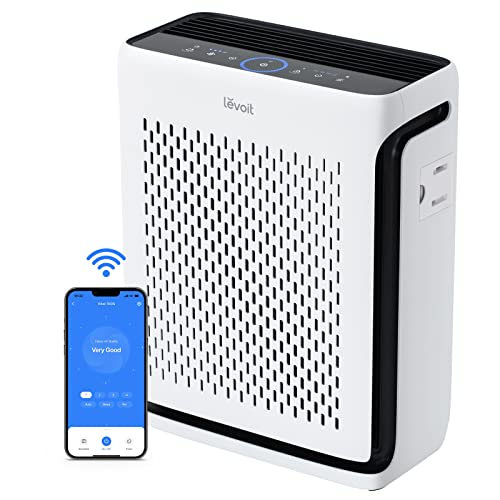
𝐖𝐇𝐘 𝐂𝐇𝐎𝐎𝐒𝐄 𝐀𝐇𝐀𝐌 𝐕𝐄𝐑𝐈𝐅𝐈𝐃𝐄 𝐀𝐈𝐑 𝐏𝐔𝐑𝐈𝐅𝐈𝐄𝐑𝐒: AHAM (Association of Home Appliance Manufacturers) is an ANSI-accredited organization that sets strict standards for appliance performance. Air purifiers with the AHAM VERIFIDE seal have been independently tested for air cleaning performance and energy efficiency. When you choose an AHAM certified air purifier, you're choosing a product trusted for reliable and effective indoor air quality improvement

𝐇𝐢𝐠𝐡𝐞𝐫 𝐀𝐢𝐫 𝐈𝐧𝐭𝐚𝐤𝐞 & 𝐋𝐚𝐫𝐠𝐞𝐫 𝐂𝐨𝐯𝐞𝐫𝐚𝐠𝐞 𝐟𝐨𝐫 𝐏𝐞𝐭 𝐋𝐨𝐯𝐞𝐫𝐬: This air purifier for home pets is designed with a larger front air inlet and wider dual-side air inlet, which can pull air from multiple sides and trap airborne pet hairs and odors more easily. Engineered to tackle the wildfire smoke, floating ash, and heavy smog, this high-performance air purifier creates a safe haven indoors, keeping your indoor air fresh during severe air quality alerts
Creating a Lower-Allergen Zone for Pets
A truly allergen-free pet zone is difficult if pets live in the home, but a lower-allergen zone is realistic. Pet dander is tiny and can stick to furniture, bedding, clothing, carpets, and fabrics. The American Lung Association recommends minimizing exposure, keeping pets off furniture and out of bedrooms used by allergic people, cleaning fabrics after contact, and creating pet-free zones.
Use these pet-specific steps in the living room:
- Keep pets off the sofa or reserve one washable, covered chair or pet bed for them.
- Wash pet beds, blankets, and soft toys often.
- Brush pets in a closed-off area away from the allergic person, or outside when practical.
- Wash hands after direct pet contact.
- Use washable furniture covers if pets sit on furniture.
- Vacuum pet paths, corners, and under furniture weekly.
Pro Tip: Put one washable throw or cover on the spot where your pet naturally rests. It is easier to wash one cover twice a week than to deep-clean an entire sofa.
Additional Tips for Long-Term Allergen Management
The best long-term plan is consistent, not extreme. Focus on a routine you can actually keep.
The biggest wins are humidity control, washable fabrics, fewer dust reservoirs, pet-free seating rules, and a weekly damp-dust-and-vacuum routine.
Weekly Living Room Reset
- Wash throw blankets, washable pet bedding, and washable cushion covers.
- Damp-dust shelves, tables, electronics, lamps, windowsills, and baseboards.
- Vacuum upholstery, rugs, carpet edges, and under furniture.
- Damp-mop hard floors.
- Check humidity and empty the dehumidifier if needed.
- Brush pets away from the main living area.
Monthly Allergen Check
- Wash or replace HVAC filters according to the filter instructions.
- Inspect air purifier filters.
- Clean curtains or replace them with washable curtains or hard blinds.
- Vacuum under sofa cushions and behind furniture.
- Review clutter: remove items that collect dust but are hard to clean.
How to Maintain a Dust Mite-Resistant Environment
A completely dust mite-free home is not realistic, but a dust mite-resistant living room is. The goal is to make the room dry enough, washable enough, and uncluttered enough that dust mite allergens do not build up quickly.
Maintain your living room with these habits:
- Keep humidity around 30–50% when comfortable.
- Use washable throws instead of heavy non-washable blankets.
- Choose leather, wood, metal, or tightly covered furniture when replacing pieces.
- Use allergen-barrier covers on pillows or cushions that cannot be washed often.
- Use hard flooring or washable rugs where possible.
- Store extra blankets and pillows in closed bins or closets.
- Clean from high to low: shelves first, floors last.
Troubleshooting Common Allergen Problems
Humidity Stays Above 50%
Check for indoor moisture sources such as leaks, damp crawl spaces, wet carpet pads, poor bathroom ventilation, or unvented dryers. Use exhaust fans when cooking or showering, run air conditioning when appropriate, and consider a dehumidifier sized for the space.
The Room Smells Musty
A musty smell usually means moisture is present. Look behind furniture, under rugs, near windows, around exterior walls, and under potted plants. If you find mold or water damage, fix the moisture source before relying on air filtration.
Symptoms Get Worse After Cleaning
Dry dusting and fast vacuuming can stir allergens into the air. Switch to damp microfiber dusting, vacuum slowly with a high-efficiency filter, wear an N95-style mask if needed, and leave the room for 20–30 minutes after cleaning if you are sensitive.
Frequently Asked Questions
How do I get rid of dust mite allergy in my house?
You cannot remove every dust mite, but you can reduce exposure. Start in the rooms where you spend the most time. Keep humidity below 50%, wash bedding and washable fabrics weekly, use allergen-barrier covers, reduce clutter, vacuum with a HEPA-filter or sealed-system vacuum, and replace heavy fabric items with washable or hard-surface options when practical.
How do I clear a room of dust and allergens?
Work from top to bottom. Damp-dust shelves, electronics, window ledges, and tables first. Wash soft items that can be washed. Vacuum upholstery, rugs, and floors slowly with a high-efficiency vacuum. Finish by damp-mopping hard floors and running a properly sized air purifier while keeping airflow clear.
Does opening a window help with dust mite allergy?
Sometimes, but not always. Opening a window may help if outdoor air is dry and clean. It may make symptoms worse if outdoor humidity, pollen, smoke, or pollution is high. For dust mite control, humidity matters most, so air conditioning or a dehumidifier is often more reliable in humid weather.
Do air purifiers work for dust mite allergies?
Air purifiers can help filter airborne particles, but dust mite allergens often settle into dust and fabrics quickly. Use an air purifier as a supplement, not a replacement for humidity control, washing, damp dusting, vacuuming, and reducing fabric reservoirs.
How can I reduce pet dander without removing my pet?
Create pet-free seating and sleeping zones, wash pet bedding often, use washable furniture covers, brush pets away from the allergic person, vacuum pet areas weekly, and run a properly sized air purifier in the room. If symptoms remain severe, talk with an allergist about testing and treatment options.
How often should I clean to keep allergens low?
A weekly reset works for most homes: wash washable fabrics, damp-dust surfaces, vacuum upholstery and floors, and mop hard flooring. Homes with pets, high humidity, or asthma-sensitive occupants may need pet bedding washed and high-contact surfaces cleaned more often.
Conclusion
Reducing dust mites and pet dander in your living room is not about one miracle product. It is about stacking small controls that work together: keep humidity in check, wash fabrics, reduce dust-trapping surfaces, vacuum with a high-efficiency filter, create pet-free zones, and use a properly sized air purifier as backup. With a simple weekly routine, your living room can collect fewer allergens and feel easier to breathe in.
Sources
- Mayo Clinic: Dust mite allergy — Diagnosis & treatment — hot-water washing, humidity control, allergen covers, vacuum guidance, and medical treatment context.
- American Lung Association: Dust Mites — dust mite sources, humidity, hard flooring, washing, and cleaning guidance.
- American Lung Association: Pet Dander — pet dander sources, health effects, and pet exposure reduction.
- U.S. EPA: Guide to Air Cleaners in the Home — CADR sizing, filtration limits, HVAC filters, and ozone cautions.
- U.S. EPA: A Brief Guide to Mold, Moisture and Your Home — moisture control, humidity range, and mold prevention.
- Asthma and Allergy Foundation of America: Dust Mite Allergy — dust mite allergy symptoms, prevention steps, allergen-barrier covers, and certified product guidance.