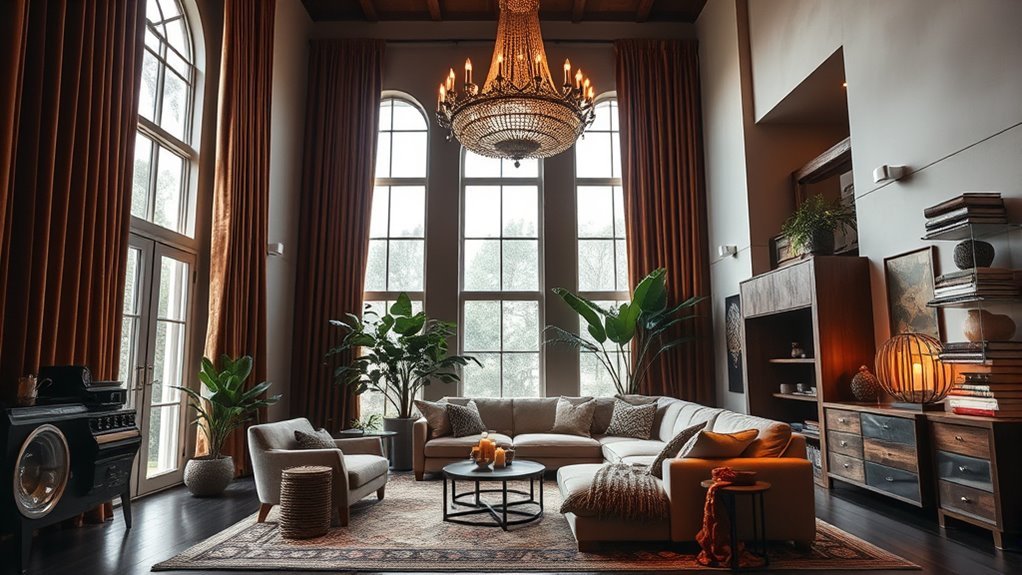
A high-ceiling living room can feel grand and beautiful, but it can also feel echoey, chilly, or disconnected if all the visual weight sits near the floor. The goal is not to hide the height. It is to balance it with warmth, scale, layered light, soft textiles, and a clear furniture plan so the room feels inviting at human level.
Quick Answer
To make a high-ceiling living room feel cozy, lower the visual focus with large-scale furniture, tall curtains, warm layered lighting, oversized art, plush rugs, and soft upholstery. Add warmth through earthy colors and texture, then manage echo and temperature with lined window treatments, rugs, and properly installed ceiling fans.
Key Takeaways
- Start with the furniture layout, not the wall height. A defined seating zone makes the room feel grounded.
- Use warm colors, layered rugs, heavy curtains, and textured fabrics to soften hard surfaces and tall walls.
- Combine ambient, task, accent, and decorative lighting so the room glows at several heights.
- Choose large art, tall bookcases, mirrors, plants, and curtains to connect the lower seating area with the upper wall space.
- Manage echo and comfort with soft materials, insulated window treatments, and ceiling fans installed at the right height.
At a Glance
| Time Required | 2–6 hours for styling changes; 1–3 weekends if painting, hanging tall curtains, or changing lighting |
| Difficulty | Easy to moderate; hire a pro for tall ladder work, electrical fixtures, ceiling fans, or heavy mirrors |
| Tools Needed | Tape measure, painter’s tape, level, stud finder, dimmable bulbs, curtain hardware, rug pad, and proper hanging hardware |
| Cost | $0–$300 for rearranging and styling; $300–$2,500+ for rugs, lighting, window treatments, paint, or professional installation |
Start With a Cozy Layout Before Decorating the Height
Before you buy new decor, decide where the living room should feel most intimate. In a high-ceiling space, the seating area should feel like a room within the room. Pull furniture away from the walls when possible, face chairs toward the sofa, and use a large rug to connect every main seat.
A good rule is to let at least the front legs of the sofa and chairs sit on the rug. This creates one grounded conversation zone instead of a few small pieces floating under a tall ceiling. If the room is very large, divide it into two zones: one for conversation and one for reading, music, games, or a console table.
Then create a lower visual line around the room. You can do this with tall bookcases, curtain panels, art groupings, picture lights, a large mirror, or a darker paint color on the lower part of the wall. This keeps the eye from jumping straight to the ceiling and helps the space feel more settled.
Warm Color Palettes and Textural Layers for Coziness

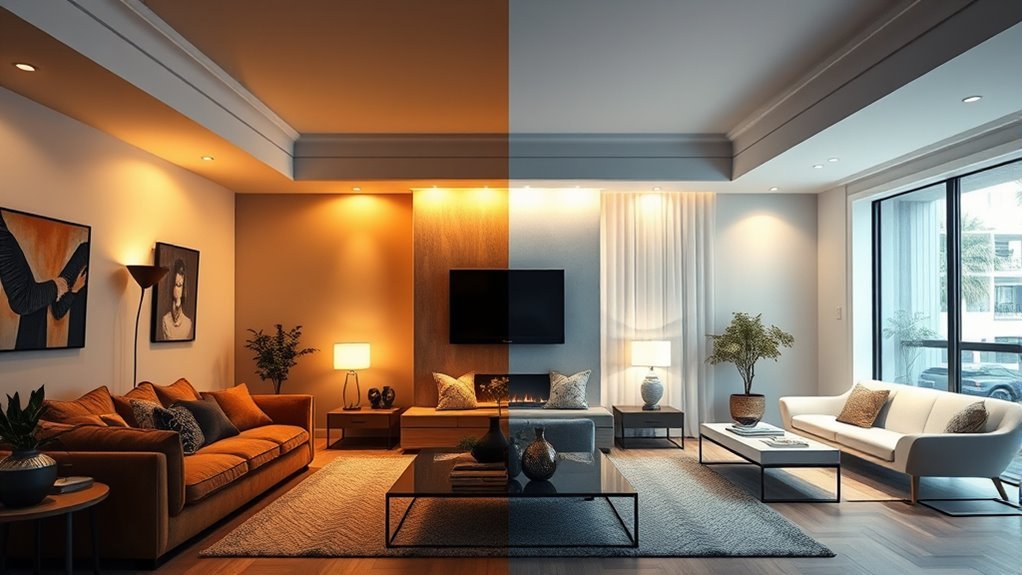
To transform your high-ceiling living room into a cozy retreat, start with a warm color palette and rich textural layers. Deep reds, terracotta, warm brown, olive, camel, rust, taupe, and creamy white can make a tall room feel more grounded than stark white or cool gray alone.
You do not have to paint every wall dark. If the room gets limited natural light, try a warm neutral on the main walls and use deeper color on one accent wall, built-ins, the fireplace wall, or the ceiling. Painting the ceiling a slightly warmer or deeper shade can visually lower the room without making it feel cramped.
Texture matters as much as color. Pair smooth walls and tall windows with plush rugs, wool throws, velvet pillows, boucle chairs, woven baskets, linen curtains, and upholstered furniture. These layers soften the verticality of the space and make the seating area feel more touchable and relaxed.
Pro Tip: Repeat one warm color at least three times: for example, rust in the rug, a pillow, and an art print. Repetition makes a tall room feel intentional instead of busy.
Choose Oversized Furniture for Scale and Comfort
After establishing warmth with color and texture, choose furniture that matches the room’s scale. A high-ceiling room can swallow delicate furniture, so look for pieces with enough visual weight: a deep sofa, a generous sectional, a pair of substantial lounge chairs, a large coffee table, or an oversized ottoman.
Oversized does not mean bulky everywhere. The best mix is usually one or two large anchor pieces balanced with slimmer accents. For example, pair a large sectional with leggy side tables, or combine a chunky ottoman with lighter-framed accent chairs. This keeps the room cozy without blocking movement.
Tall bookcases, étagères, cabinets, and built-ins are especially useful in a high-ceiling living room because they add storage while filling vertical space. Style them with a mix of books, baskets, ceramics, framed art, and a few larger objects. Too many tiny accessories can look scattered on a tall wall.
Recommended Products

Multiple Package: 3 packages may arrive separately. Please be patient while the parcel arrives

【BONELESS CONSTRUCTION】Be ready in one step! Setting up this cloud couch with ottoman is incredibly easy. Simply unbox the cushions, place them together, and let them naturally expand over 48-72 hours. No extra tools or complicated assembly steps are needed – it’s ready to use this oversized cloud sofas for living room with minimal effort!

Multifunctional U Shaped Sectional: Store remotes, books, and more in the built-in storage box. Keep drinks handy in cup holders and charge devices effortlessly via USB ports. This U shape cloud couch seamlessly blends convenience with comfort—perfect for lounging or hosting
Layered Lighting for Coziness
While high ceilings can create a stunning sense of space, they can also make a room feel cold if the only light source is a single ceiling fixture. Use layered lighting so the room glows from more than one level.
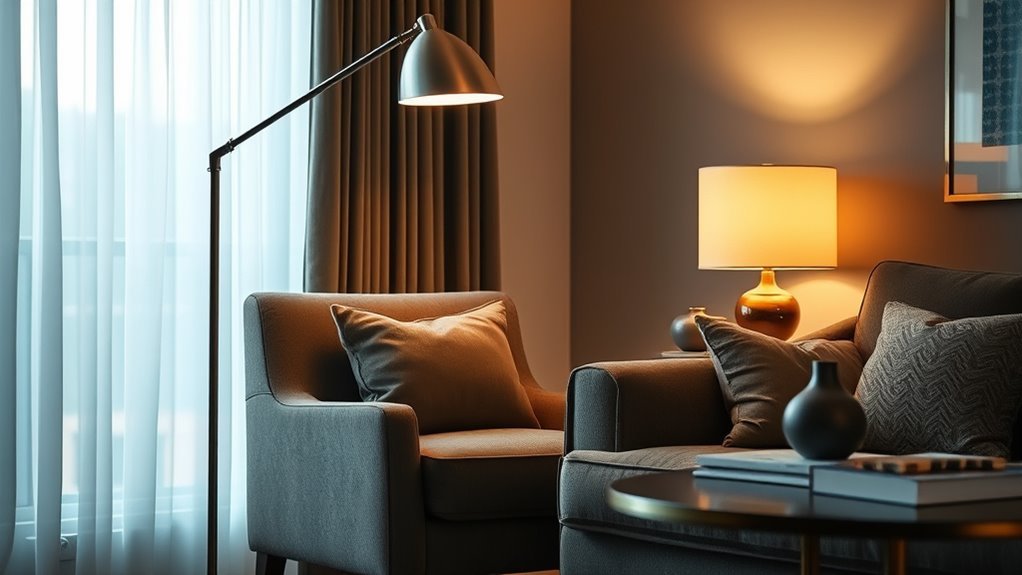
Start with ambient lighting, such as a chandelier, pendant, or recessed lights on dimmers. Then add task lighting with floor lamps beside chairs and table lamps near the sofa. Finally, add accent lighting with wall sconces, picture lights, uplights behind plants, or small lamps on bookcases.
A dramatic chandelier can be a beautiful focal point, but it should not do all the work. In a tall room, the coziest light often comes from eye level and below. Choose warm bulbs, use dimmers where possible, and avoid relying on harsh overhead light in the evening.
Note: If the ceiling fixture feels too small, do not automatically replace it first. Add floor lamps, sconces, and table lamps before deciding whether the chandelier is truly undersized.
Recommended Products

Multi-Function Dimmable Lamp: Vertical lamp includes an 12W dimmable LED bulbs that can be set to different color temperatures (3000K-6500K). 5%-100% dimmable brightness can be used to create different atmospheres and customize your favorite bedroom floor lamp.

Modern Fully Dimmable(0-100%) Floor Lamp & Convenient Rotary Switch: Compared with traditional Non-dimmable floor lamps for living room, our floor lamp is fully Stepless Dimmable, which suitable for all the room style and using situation ,find the perfect light for your needs. This standing lamp is very easy to turn on and off. Just simply twist it and then you can adjust the arc floor lamps brightness what you want. 4.1FT rotary switch, which is very convenient for you to adjust it.

Stable Base & Linen Shade: This floor lamp set features a sturdy metal base that provides reliable support, preventing wobbling or tipping. The matching linen shade diffuses light softly and evenly, effortlessly creating a warm and inviting home atmosphere
Use Art and Decor to Emphasize Vertical Space
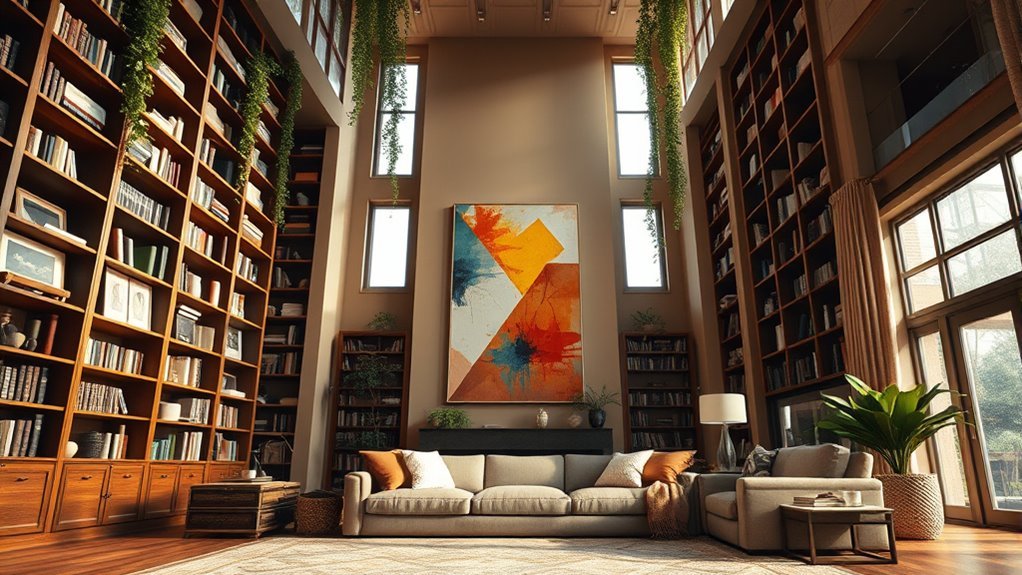
High ceilings can feel like a blank canvas, so use art and decor to connect the lower seating area with the upper wall space. The goal is balance, not filling every inch.
A cozy high-ceiling room needs both vertical movement and a grounded seating zone. Let the eye travel upward, but give it warm, comfortable places to rest along the way.
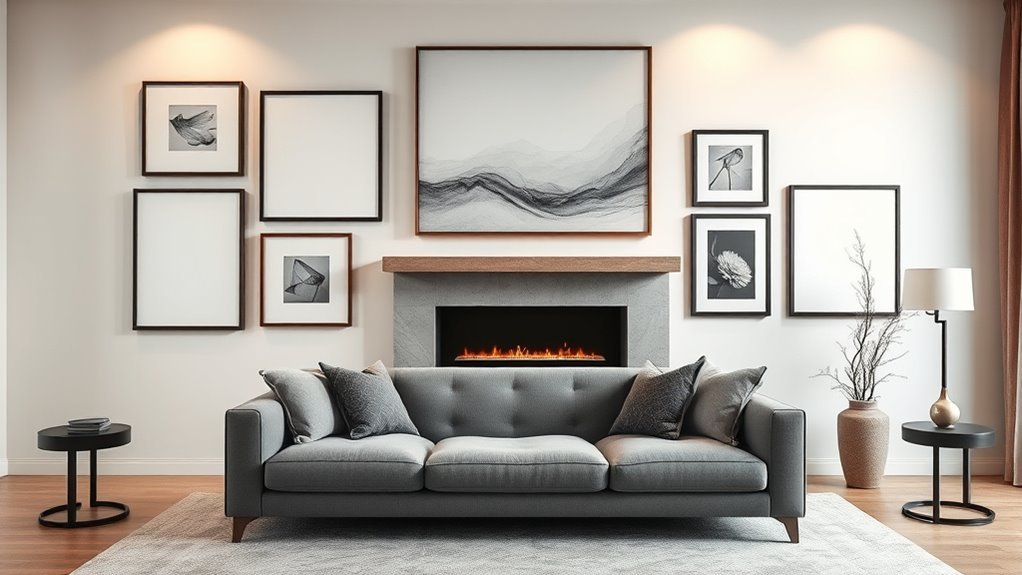
- Hang large art so the center of the piece is around 57–60 inches from the floor, then adjust slightly for furniture height and the room’s proportions.
- Use vertical pairs, stacked art, or a gallery wall to fill tall wall space without placing one small frame too high.
- Leave about 6–10 inches between the top of a sofa or console and the bottom of art when hanging pieces above furniture.
- Add tall indoor plants, oversized mirrors, sculptural branches, or floor lamps to draw the eye upward naturally.
- Use fewer, larger accessories instead of many small items, which can look cluttered against a tall wall.
Warning: Use proper wall anchors, studs, and weight-rated hardware for heavy art and mirrors. For tall ladder work, ceiling fixtures, fans, or electrical changes, hire a qualified professional. OSHA advises using the right ladder, avoiding the top rung, and maintaining three points of contact when climbing.
Hang Curtains High to Soften Tall Windows
Tall windows can make a high-ceiling living room feel elegant, but bare glass often adds echo, glare, and visual coldness. Floor-to-ceiling curtains are one of the fastest ways to soften the room.
Mount the curtain rod close to the ceiling or just below the crown molding, then let the panels reach the floor. This emphasizes height in a graceful way while adding softness from top to bottom. Choose lined linen, velvet, wool-blend, or heavyweight cotton panels for a richer look.
Window treatments also help with comfort. The U.S. Department of Energy notes that window coverings can improve comfort, regulate temperatures, and reduce energy use depending on the product, season, climate, and operation. DOE guidance on energy-efficient window coverings also notes that tightly installed cellular shades and properly used draperies can help reduce heat loss through windows.
Acoustic and Temperature Management for a Cozy Living Room
When transforming a high-ceiling living room into a cozy retreat, managing acoustics and temperature is essential. Tall ceilings, hard floors, large windows, and open layouts can make sound bounce and warm air collect above the seating area.
Start with soft finishes. A thick rug and rug pad help quiet footsteps. Lined curtains, upholstered seating, fabric lampshades, wall hangings, and bookshelves can reduce some echo by adding softer, more irregular surfaces. If the room still sounds hollow, consider acoustic panels disguised as art or fabric-wrapped panels on the tallest blank walls.
For temperature comfort, look at windows and airflow. According to the U.S. Department of Energy, about 30% of a home’s heating energy is lost through windows, and properly chosen window coverings can help improve comfort. Energy-efficient curtains, drapes, shades, and window attachments are especially helpful in rooms with large or tall windows.
A ceiling fan can also help, but installation matters. ENERGY STAR recommends installing ceiling fans at least 7 feet above the floor and 18 inches from walls; if ceiling height allows, 8–9 feet above the floor is best for airflow. ENERGY STAR ceiling fan basics also notes that extended mounts can help place fans correctly in tall-ceiling rooms.
Use the fan correctly by season. ENERGY STAR advises running ceiling fans counterclockwise in summer for a cooling breeze and clockwise on low in winter to help move warm air down from the ceiling. Fans cool people, not rooms, so turn them off when the living room is empty. ENERGY STAR installation and usage tips also recommend using a ceiling-fan-rated electrical box and reading manufacturer instructions before installation.
| Acoustic Solutions | Temperature Solutions |
|---|---|
| Large rug with a dense rug pad | Ceiling fan installed at the correct height |
| Lined curtains or drapes | Insulated cellular shades or well-fitted drapes |
| Plush upholstery and fabric lampshades | Seasonal fan direction and thermostat adjustment |
| Bookshelves, wall hangings, or acoustic art panels | Sealed drafts, layered window treatments, and balanced airflow |
Recommended Products

100% Blackout & Privacy: With a dual-layer, heavy-duty design, these curtains block 100% of sunlight and UV rays, providing complete darkness and privacy. Ideal for bedrooms, nurseries, and home offices that need a peaceful, undisturbed environment
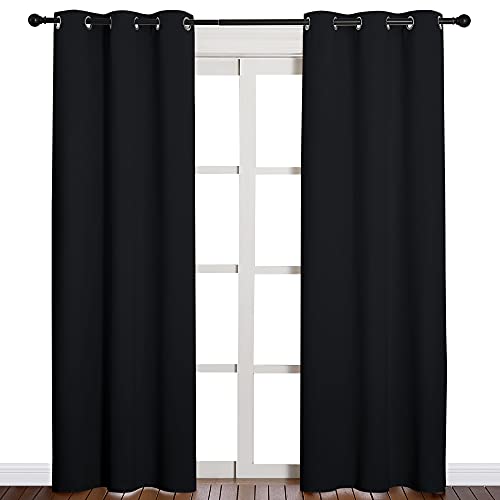
READY MADE: Set includes 2 BLACKOUT PANELS of 42" wide x 84" length with 6 grommets top each. Quality fabric without liner feels soft and heavy.

Common High-Ceiling Living Room Mistakes to Avoid
- Using only small furniture: Petite pieces can look lost. Anchor the room with at least one substantial sofa, sectional, coffee table, or cabinet.
- Pushing everything against the walls: This makes the room feel like a waiting area. Pull seating into a conversation zone.
- Hanging art too high: Tall ceilings tempt people to chase the height. Keep the main art connected to the furniture and eye level.
- Relying on one overhead light: A chandelier alone can leave the seating area dim and cold. Add lamps and sconces.
- Skipping curtains: Bare tall windows can add glare, echo, and a sense of emptiness.
- Choosing too many tiny accessories: Use fewer, larger pieces so the decor matches the room’s scale.
- Ignoring echo and airflow: A room can look finished but still feel uncomfortable if it sounds hollow or holds heat near the ceiling.
Frequently Asked Questions
What is the 3-5-7 rule of decorating?
The 3-5-7 rule suggests grouping decorative items in odd numbers because odd-numbered groupings often look more natural and balanced. In a high-ceiling living room, use this rule for coffee table decor, shelves, mantel styling, pillows, and plant groupings. Vary the height, shape, and texture so the arrangement does not feel stiff.
What are common high-ceiling design mistakes?
The most common mistakes are using furniture that is too small, hanging art too high, leaving windows bare, relying on one overhead light, ignoring echo, and failing to create a grounded seating zone. Balance the height with large furniture, layered lighting, tall curtains, oversized art, and soft textiles.
What is the 2/3 rule for living rooms?
The 2/3 rule means an item should usually be about two-thirds the width of the piece it relates to. For example, art above a sofa often looks balanced when it spans about two-thirds of the sofa width. In high-ceiling rooms, this helps wall decor feel connected to the furniture instead of floating on a large wall.
What is the best color for a living room with high ceilings?
Warm neutrals, earthy browns, terracotta, muted olive, deep red, warm taupe, camel, and creamy white all work well. The best color depends on the room’s natural light and furniture. If you want coziness without darkness, use a warm neutral on the walls and bring deeper color through curtains, rugs, pillows, art, and wood tones.
Should curtains go all the way to the ceiling in a high-ceiling living room?
In most high-ceiling living rooms, yes. Hanging curtains close to the ceiling and letting them reach the floor makes tall windows feel intentional, softens the wall, and adds a strong vertical design element. For the coziest look, choose lined panels with enough fullness so they do not look thin when closed.
How do you make a high-ceiling living room warmer in winter?
Use lined curtains or insulated cellular shades, add a thick rug and rug pad, seal drafts, and run a properly installed ceiling fan clockwise on low to help move warm air down from the ceiling. Keep the seating area grouped away from drafty windows when possible.
Conclusion
A high-ceiling living room feels cozy when the lower half of the room is warm, comfortable, and well defined, while the upper half feels intentionally styled instead of empty. Start with a grounded furniture layout, then add warm colors, plush rugs, tall curtains, layered lighting, oversized art, and acoustic softness. With the right scale and a few comfort upgrades, your tall living room can feel impressive and welcoming at the same time.
Sources
- U.S. Department of Energy — Energy Efficient Window Coverings — supports the guidance on window heat loss, curtains, cellular shades, comfort, and energy performance.
- ENERGY STAR — Ceiling Fan Basics — supports ceiling fan sizing, mounting height, wall clearance, and downrod guidance for tall ceilings.
- ENERGY STAR — Ceiling Fan Installation and Usage Tips — supports ceiling-fan-rated electrical boxes, seasonal fan direction, and turning fans off in empty rooms.
- OSHA — Falling Off Ladders Can Kill: Use Them Safely — supports the ladder safety warning for high-wall decorating and installation work.
- W3C Web Accessibility Initiative — Images Tutorial — supports the use of meaningful image alt text for accessibility.