Dust in the living room comes from more than one place: outdoor dirt, fabric fibers, pet dander, skin flakes, pollen, cooking particles, HVAC airflow, and everyday movement through the room. The fastest way to reduce it is to remove dust-catching clutter, clean from top to bottom, vacuum soft surfaces with the right filter, and stop new dust at the door.
Quick Answer
To reduce dust in your living room, declutter surfaces, dust high-to-low with a slightly damp microfiber cloth, vacuum carpets and upholstery with a sealed HEPA vacuum, wash soft textiles, maintain HVAC filters, and block outdoor dust with doormats and a no-shoes habit. Add a correctly sized HEPA air purifier for airborne particles.
Key Takeaways
- Dust from the top down so particles fall onto areas you have not cleaned yet.
- Use microfiber or a slightly damp cloth instead of feather dusters that push dust into the air.
- Vacuum carpets, rugs, upholstery, curtains, and crevices with a sealed vacuum and HEPA filter when possible.
- Follow HVAC filter replacement directions; many home filters are typically changed every 60 to 90 days, or sooner when dirty.
- Air purifiers help with airborne particles, but they do not remove dust already settled on shelves, floors, and furniture.
At a Glance
| Time Required | 20 to 45 minutes weekly; 1 to 2 hours for seasonal deep cleaning |
| Difficulty | Easy |
| Tools Needed | Microfiber cloths, extendable duster, HEPA vacuum, brush and crevice attachments, washable mop, HVAC filters, optional HEPA air purifier |
| Cost | $0 to $25 if you already own cleaning tools; more if buying a vacuum, filters, or air purifier |
Understanding Why Dust Accumulates in Your Living Room
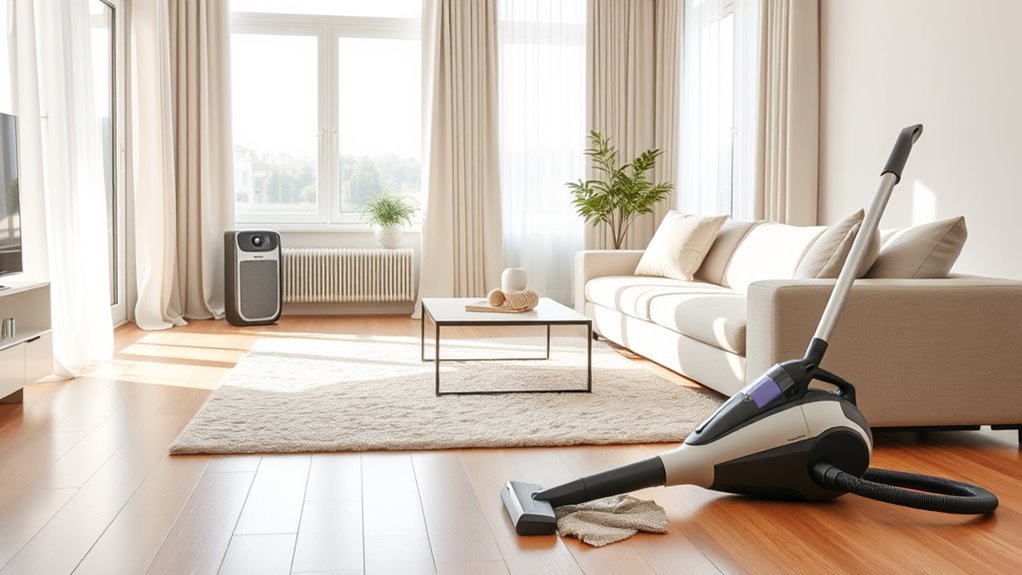
Dust builds up because the living room usually has the perfect mix of soft fabrics, foot traffic, electronics, pets, open shelves, and airflow. Particles can come from outdoors, from indoor activities, and from furnishings and fabrics. The U.S. Environmental Protection Agency notes that indoor particulate matter can include particles from outdoor air, indoor sources, and daily activities.
Common living-room dust sources include:
- Skin flakes, hair, pet dander, and fabric fibers from blankets, pillows, rugs, and upholstery.
- Pollen, soil, and outdoor debris carried in on shoes, clothing, pets, and open windows.
- Particles stirred up by walking, sitting, moving cushions, and using ceiling fans.
- Dust recirculated through vents, return grilles, and dirty HVAC filters.
- Cluttered shelves, books, decor, blinds, lampshades, and electronics that create extra surfaces for dust to settle.
Note: You cannot make a lived-in living room completely dust-free. The goal is to reduce dust sources, remove settled dust before it spreads, and improve filtration where it makes sense.
Decluttering Tips to Reduce Dust Accumulation
Decluttering is one of the easiest ways to reduce dust because every extra object becomes another surface to clean. Start with flat surfaces: coffee tables, media consoles, bookshelves, side tables, mantels, and windowsills.
- Remove small decor you do not love or use. Fewer objects mean faster dusting and fewer dust traps.
- Store loose items in closed bins, baskets, drawers, or cabinets. Open piles of magazines, papers, toys, and remotes collect dust quickly.
- Use the “one in, one out” rule. When you bring in a new decorative item, book stack, basket, or throw pillow, remove one dust-catching item.
- Keep electronics simple. Game consoles, speakers, cords, and charging stations attract dust; group cords and wipe electronics weekly with a dry microfiber cloth.
- Rotate seasonal decor. Store off-season pieces in sealed containers instead of leaving them exposed year-round.
Must-Have Tools for Effective Dusting and Vacuuming
The right tools matter because poor dusting tools simply move dust from one surface to another. Use tools that trap dust instead of scattering it.
| Cleaning Supply | Purpose |
|---|---|
| Microfiber cloths | Trap dust on shelves, tables, frames, lamps, and electronics without pushing it back into the air. |
| Slightly damp cloth | Grabs sticky dust on hard surfaces, baseboards, and windowsills. |
| Extendable duster | Reaches ceiling fans, curtain rods, high shelves, and corners. |
| Vacuum with HEPA filter | Helps keep fine particles from blowing back out of the vacuum exhaust. |
| Brush and crevice attachments | Clean upholstery, cushion seams, vents, lampshades, baseboards, and tight corners. |
| Washable mop | Removes fine dust from hard floors after vacuuming. |
Recommended Products

POWERFUL SUCTION FOR CARPET & HARD FLOORS: Clean carpets and hardwood floors with strong multi-surface suction. This lightweight upright vacuum cleaner lifts dirt, debris, and pet hair for a complete home clean.

Versatile Cleaning: 2-in-1 Stick Vacuum Cleaner can easily switch to handheld vacuum with various attachments allowing you to clean everywhere in your home. Accessories include: floor nozzle, crevice tool and 2 in 1 brush tool suitable for edges, drawers, drapes and more

POWERFUL UPRIGHT VACUUM CLEANER: DuoClean PowerFins Technology combines two brushrolls—a PowerFins and soft roller—for nonstop contact to deep clean carpets and area rugs, directly engage hard floors, and pick up more debris in every pass (vs. original DuoClean)
Essential Cleaning Supplies
Choose washable microfiber cloths in several sizes. Keep a dry cloth for electronics and a lightly damp cloth for hard surfaces. Avoid feather dusters for routine cleaning because they often lift dust into the air instead of removing it.
Pro Tip: Fold a microfiber cloth into quarters. When one side looks dusty, refold to a clean side instead of wiping the same dust back across the surface.
Effective Vacuum Features
For dust control, look for a vacuum with a sealed body, a true HEPA filter, adjustable suction, and upholstery tools. A sealed system matters because air should pass through the filter before leaving the vacuum, not leak around the housing.
A true HEPA filter is rated to capture at least 99.97% of 0.30-micron particles from air passing through the filter, according to the EPA’s MERV guidance.
For bagless vacuums, empty the canister outdoors when possible so fine dust does not puff back into the living room. Wash or replace filters according to the vacuum manufacturer’s instructions.
How to Dust and Vacuum Your Living Room
A good cleaning order keeps you from doing the same job twice. Work from the highest surfaces down to the floor, then finish with vacuuming and mopping.
Recommended Products
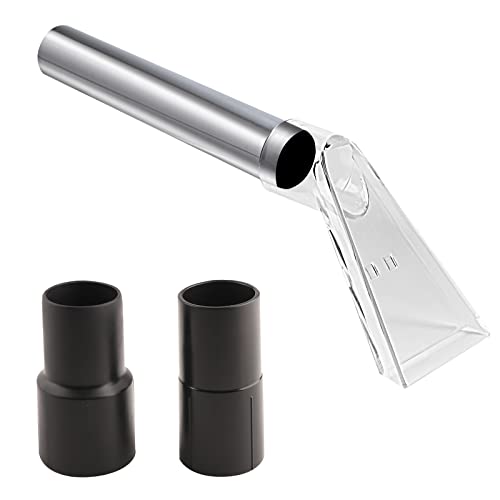
EXTRACTOR ATTACHMENT: This tool turns any wet/dry vacuum cleaner and shop vac into a powerful extractor. Has the ability to remove dirt and dirty water. Easy to install and reusable.
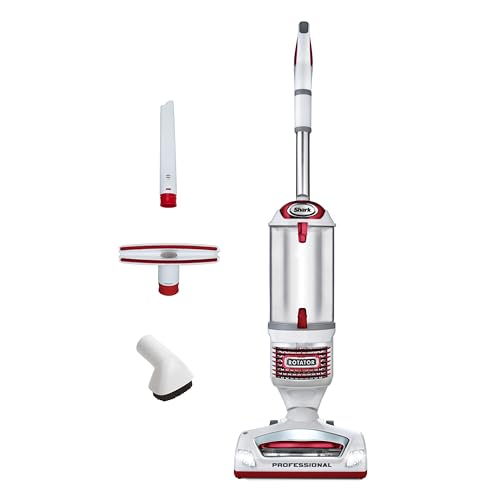
POWERFUL SUCTION FOR CARPET & HARD FLOORS: Clean carpets and hard floors with strong multi-surface suction. This lightweight upright vacuum lifts dirt, debris, and pet hair for a complete home clean.

EVERY PURCHASE SAVES PETS. Every purchase makes it possible for BISSELL to continue our support of BISSELL Pet Foundation and its mission of saving pets in need.
Effective Dusting Techniques
- Prep the room. Pick up toys, blankets, dishes, papers, and loose items so every surface is easy to reach.
- Start high. Dust ceiling fan blades, corners, curtain rods, high shelves, wall art, and light fixtures.
- Move to mid-level surfaces. Wipe shelves, frames, lamps, tables, media units, and electronics.
- Clean fabric surfaces. Shake washable throws outside, vacuum cushions, and use a brush attachment on upholstery and lampshades.
- Finish low. Wipe baseboards, vents, table legs, chair legs, and corners before vacuuming the floor.
Vacuuming Best Practices
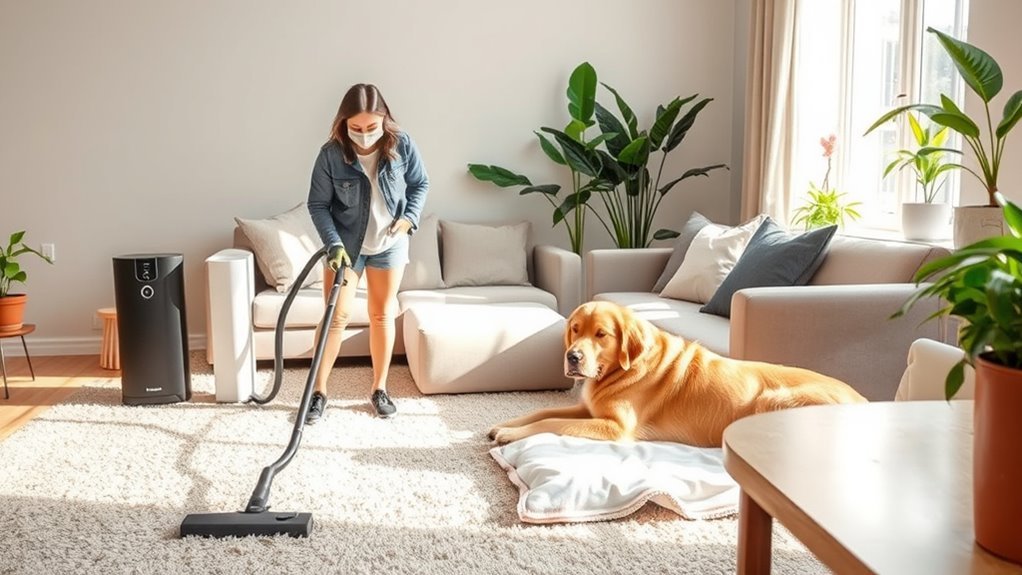
Vacuum slowly so the machine has time to lift dust from carpet fibers, rugs, and upholstery. Use overlapping passes in high-traffic areas and switch attachments for seams, corners, and soft furniture.
| Area to Clean | Recommended Frequency |
|---|---|
| High-traffic rugs and carpet paths | 2 to 3 times per week |
| Low-traffic carpet and hard floors | Once per week |
| Sofas, chairs, cushions, and ottomans | Weekly, or more often with pets |
| Baseboards, corners, and under furniture | Every 2 to 4 weeks |
| Curtains, blinds, lampshades, and vents | Monthly |
If dust or allergies bother you, wear a well-fitting mask while cleaning and leave the room for a short period after vacuuming. If you have asthma or persistent allergy symptoms, talk with a qualified healthcare professional for personalized advice.
Maintaining Your HVAC System to Minimize Dust
Your HVAC system can help filter particles, but only when it is running and only when the filter fits and is maintained correctly. The EPA’s home air cleaner guide recommends choosing at least MERV 13 or the highest-rated filter your system fan and filter slot can accommodate.
- Check the filter monthly. Replace it sooner if it looks loaded with dust, pet hair, or debris.
- Follow the manufacturer’s replacement schedule. Many home HVAC filters are typically replaced every 60 to 90 days, but your filter type, pets, wildfire smoke, remodeling dust, and heavy system use can shorten that window.
- Use the right size. A filter should fit snugly without gaps, bending, or crushing.
- Clean vents and return grilles. Vacuum the grille and surrounding wall or floor so dust is not pulled back into the system.
- Schedule maintenance. Have heating and cooling equipment inspected and serviced as recommended for your system.
Warning: Do not force a high-MERV filter into a system that cannot handle it; restricted airflow can strain equipment. Also avoid air cleaners that intentionally produce ozone, because EPA warns that ozone is a lung irritant.
Using an Air Purifier for Extra Dust Control
A portable air purifier can reduce airborne dust, pollen, smoke particles, and pet dander in the room where it runs. It will not clean settled dust from shelves, sofas, floors, or blinds, so use it alongside regular dusting and vacuuming.
For best results:
- Choose a unit with a true HEPA filter for particles.
- Match the clean air delivery rate, or CADR, to the room size.
- Place the purifier where airflow is not blocked by curtains, furniture, or walls.
- Run it longer on days with high pollen, smoke, heavy cleaning, or lots of activity in the room.
- Replace filters on schedule; a dirty purifier filter will not work well.
Recommended Products

𝐇𝐢𝐠𝐡𝐞𝐫 𝐀𝐢𝐫 𝐈𝐧𝐭𝐚𝐤𝐞 & 𝐋𝐚𝐫𝐠𝐞𝐫 𝐂𝐨𝐯𝐞𝐫𝐚𝐠𝐞 𝐟𝐨𝐫 𝐏𝐞𝐭 𝐋𝐨𝐯𝐞𝐫𝐬: This air purifier for home pets is designed with a larger front air inlet and wider dual-side air inlet, which can pull air from multiple sides and trap airborne pet hairs and odors more easily. Engineered to tackle the wildfire smoke, floating ash, and heavy smog, this high-performance air purifier creates a safe haven indoors, keeping your indoor air fresh during severe air quality alerts

Cleaner Air In Minutes: Purivortex is proven to filter common pollutants from your home’s air. This air purifier purifies rooms up to 880 ft² in one hour. It can purify a 215 ft² room in about 15 minutes, giving you noticeably fresher air in a short time. Breathe clean, crisp air and feel the difference in your space. (*Tested in an ISO 17025 certified laboratory under typical residential room ventilation conditions.)

WHY CHOOSE AHAM VERIFIDE AIR PURIFIERS: AHAM (Association of Home Appliance Manufacturers) is an ANSI-accredited organization that sets strict standards for appliance performance. Air purifiers with the AHAM VERIFIDE seal have been independently tested for air cleaning performance and energy efficiency. When you choose an AHAM certified air purifier, you're choosing a product trusted for reliable and effective indoor air quality improvement
Simple Ways to Keep Dust Out of Your Home
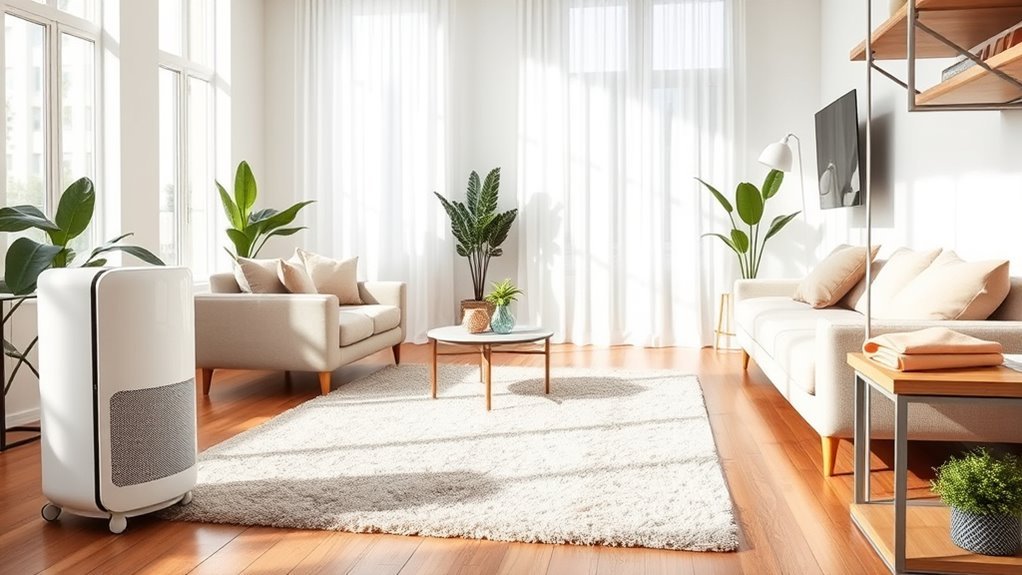
The less dust that enters your living room, the less you have to clean later. Focus on the entry points first.
- Use two doormats. Place one outside and one inside each main entrance.
- Adopt a no-shoes habit. Keep a shoe tray, bench, or basket near the door so the habit is easy.
- Brush pets regularly. Grooming helps reduce loose hair and dander before it spreads to sofas and rugs.
- Close windows on windy or high-pollen days. Open windows can bring in pollen, soil, and outdoor particles.
- Seal obvious gaps. Weatherstripping around drafty doors and windows can reduce outdoor dust entry and improve comfort.
- Wash entry rugs often. Small washable rugs are easier to clean than large decorative rugs.
Regular Maintenance Routines for a Dust-Free Living Room
A dust-control routine works best when it is simple enough to repeat. Use this schedule as a starting point and adjust it for pets, kids, allergies, carpeting, and how often the room is used.
| Schedule | Tasks |
|---|---|
| Daily or as needed | Put away clutter, shake entry mats outdoors, remove shoes at the door, brush visible pet hair from upholstery. |
| Weekly | Dust high-to-low, vacuum rugs and upholstery, mop hard floors, wash throw blankets if used often. |
| Monthly | Vacuum curtains, blinds, lampshades, vents, baseboards, under furniture, and behind media units. |
| Every 2 to 3 months | Check or replace HVAC filters according to the filter and equipment instructions; wash cushion covers and curtains if washable. |
| Seasonally | Deep clean behind furniture, rotate or wash textiles, clean window tracks, inspect weatherstripping, and declutter shelves. |
Seasonal Deep Cleaning Tips to Keep Dust Away
Seasonal cleaning is where you handle the dust traps that are easy to ignore during quick weekly cleaning. Plan a deeper session at the start of spring, summer, fall, and winter.
- Move furniture. Vacuum behind and under sofas, chairs, consoles, and bookshelves.
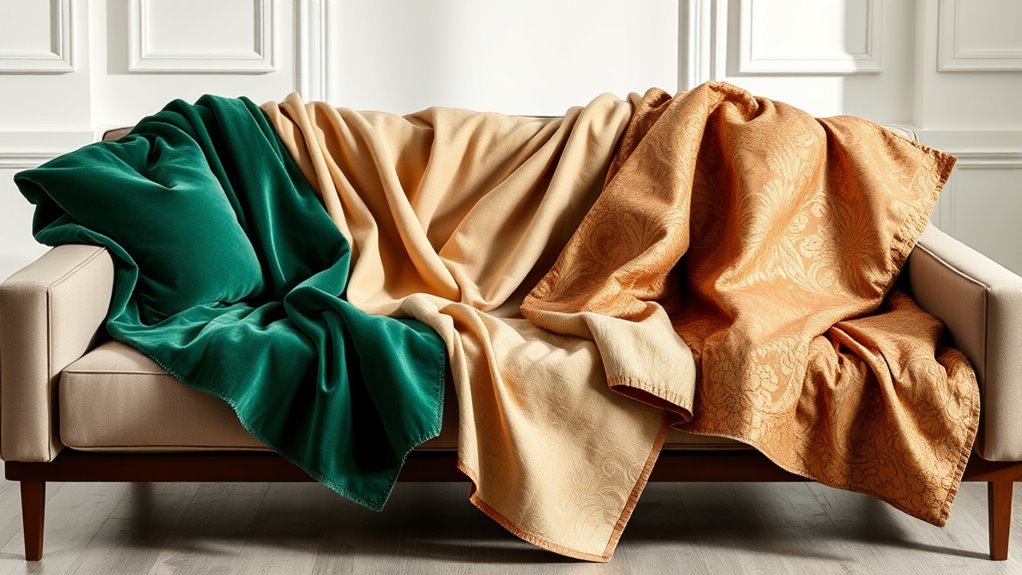
- Wash soft textiles. Launder washable curtains, throw blankets, cushion covers, and small rugs according to care labels.
- Clean window areas. Wipe sills, tracks, blinds, and curtain rods.
- Clean high surfaces. Dust ceiling fans, picture rails, tall shelves, and light fixtures.
- Refresh filters. Check HVAC filters, vacuum return grilles, and replace air purifier filters if due.
- Declutter again. Remove anything that has become a dust magnet since the last deep clean.
Troubleshooting: Why Your Living Room Still Gets Dusty
If dust returns quickly after cleaning, one of these problems may be the cause:
- The HVAC filter is dirty or poorly fitted. Replace it if it is loaded with dust and make sure air cannot bypass the filter edges.
- Your vacuum is leaking fine dust. Clean or replace filters, check seals, and empty the canister outdoors.
- There are too many exposed textiles. Extra pillows, throws, curtains, and rugs shed fibers and hold dust.
- Outdoor dust is entering at the door. Add better mats, remove shoes, and clean entry rugs often.
- The air purifier is too small for the room. Choose a CADR that matches the square footage and keep airflow clear.
- Pets are spreading hair and dander. Groom pets regularly and vacuum their favorite resting spots more often.
- You are dusting after vacuuming. Reverse the order: dust first, then vacuum and mop.
Frequently Asked Questions
How do you get rid of dust in a living room?
Start by decluttering dust-catching surfaces. Then dust from high to low with a microfiber cloth, vacuum upholstery and floors with a HEPA-filter vacuum, mop hard floors, wash soft textiles, and keep HVAC filters maintained. Prevent new dust by using doormats and removing shoes indoors.
What is Grandma’s simple trick to eliminate dust?
The classic trick is to use a slightly damp microfiber cloth instead of a dry duster. The damp cloth grabs dust so it does not float into the air and settle somewhere else. Use a dry microfiber cloth only for electronics or delicate surfaces that should not get damp.
What is the golden rule of dusting?
Always dust from top to bottom. Clean ceiling fans, corners, shelves, and lamps before tables, baseboards, upholstery, and floors. That way, falling particles land on areas you have not cleaned yet.
Do air purifiers help with dust in the living room?
Yes, a correctly sized HEPA air purifier can reduce airborne particles in the room where it runs. It will not remove settled dust from shelves, blinds, floors, or sofas, so it works best with regular dusting and vacuuming.
Why does my living room get dusty so fast?
Fast dust buildup usually comes from high foot traffic, pets, open windows, dirty HVAC filters, leaky vacuum filters, lots of textiles, or too much clutter. Check entryways, filters, upholstery, rugs, and shelves first.
How often should I dust and vacuum a living room?
For most homes, dust and vacuum once a week. High-traffic homes, homes with pets, or homes with allergy concerns may need vacuuming two to three times per week in busy areas. Deep clean vents, curtains, baseboards, and under furniture monthly or seasonally.
Conclusion
A cleaner living room starts with fewer dust traps and a consistent top-to-bottom routine. Declutter the surfaces, use microfiber cloths, vacuum soft furnishings and floors, maintain HVAC filters, and stop outdoor dust before it reaches the room. With a simple weekly rhythm and a deeper seasonal reset, your living room will feel fresher, easier to clean, and more comfortable every day.
Sources
- U.S. EPA — Guide to Air Cleaners in the Home — backs up air purifier, CADR, HVAC filter, filter replacement, and ozone cautions.
- U.S. EPA — What is a MERV rating? — backs up MERV, MERV 13, and HEPA particle-capture guidance.
- U.S. EPA — Indoor Particulate Matter — backs up indoor particle sources and filter maintenance guidance.
- Mayo Clinic — Dust mite allergy self-care — backs up damp dusting, clutter reduction, hot-water washing, low humidity, and HEPA vacuum guidance.