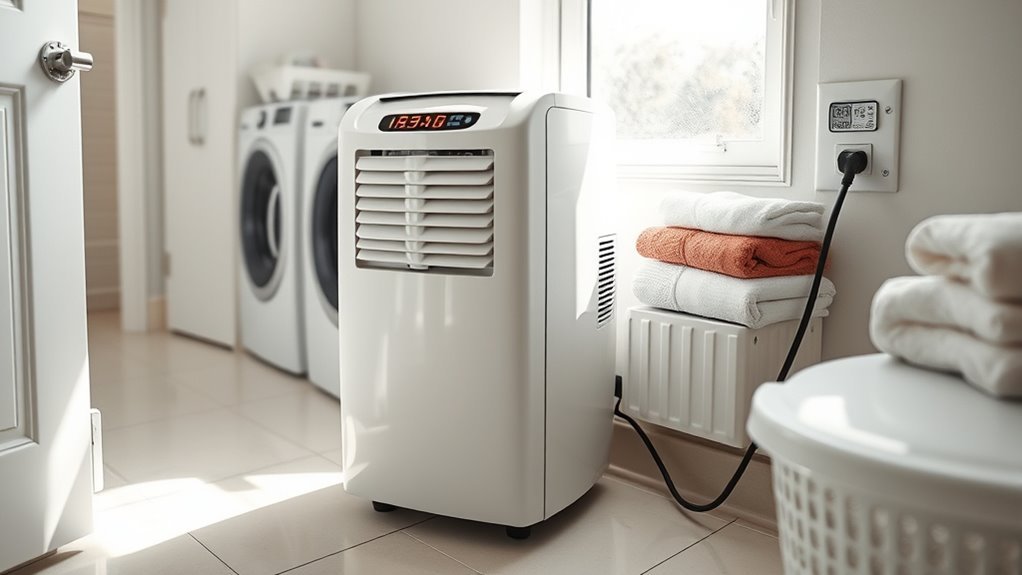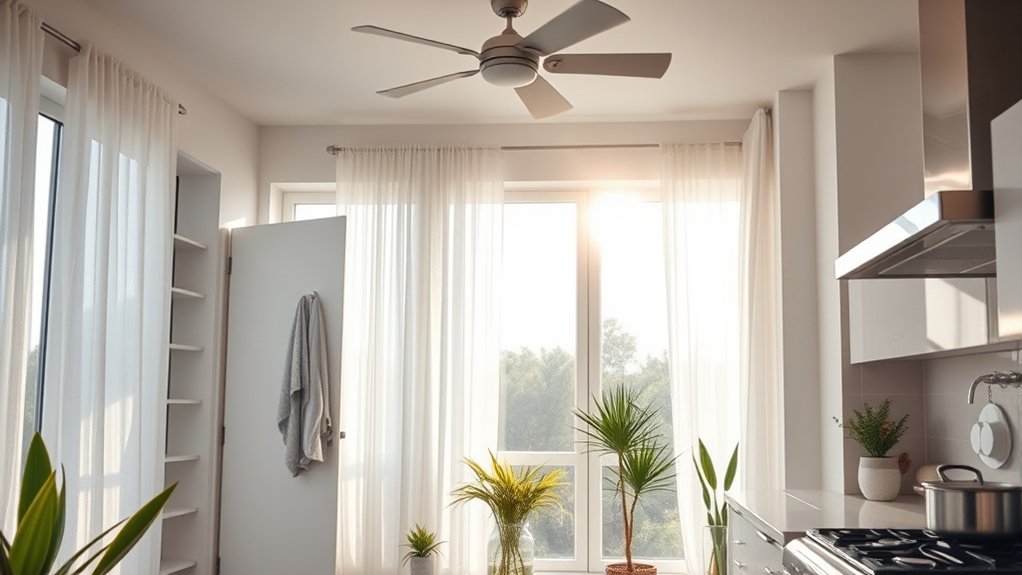
You can lower indoor humidity without a dehumidifier by stopping water at its source, exhausting steam outdoors, fixing leaks, and bringing in outdoor air only when it is genuinely drier. Start with a hygrometer so you can see which actions work. Small moisture absorbers may help closets and cabinets, but they cannot correct a wet basement, faulty vent, plumbing leak, or humid outdoor-air problem.
Quick Answer
Lower indoor humidity by stopping moisture at the source, exhausting shower and cooking steam outdoors, fixing leaks, venting the clothes dryer, and opening windows only when outdoor air is drier. Use a hygrometer to keep relative humidity near 30% to 50%. Passive absorbers help small enclosed spaces, not entire damp rooms.
Key Takeaways
- Measure humidity first. Aim for about 30% to 50% and investigate readings that repeatedly remain above 60%.
- Bathroom, kitchen, and dryer exhausts must discharge outdoors, not into an attic, ceiling, crawlspace, or cabinet.
- Ceiling and portable fans move air but do not remove water vapor unless they help exhaust moist air or bring in drier air.
- Do not open windows simply because the room feels damp. Humid outdoor air can make the problem worse.
- Baking soda, salt, silica gel, and calcium chloride have limited capacity and cannot fix leaks, ground moisture, or whole-house humidity.
At a Glance
| Time Required | About 20–30 minutes for an initial inspection, followed by daily monitoring |
| Difficulty | Easy for routine control; moderate if leaks, drainage, insulation, or ventilation repairs are needed |
| Tools Needed | Digital hygrometer, flashlight, tissue or paper for airflow checks, caulk or weather stripping where appropriate |
| Cost | Often $0–$40 for monitoring and minor source-control measures; repairs may cost more |
Reduce Humidity Fast
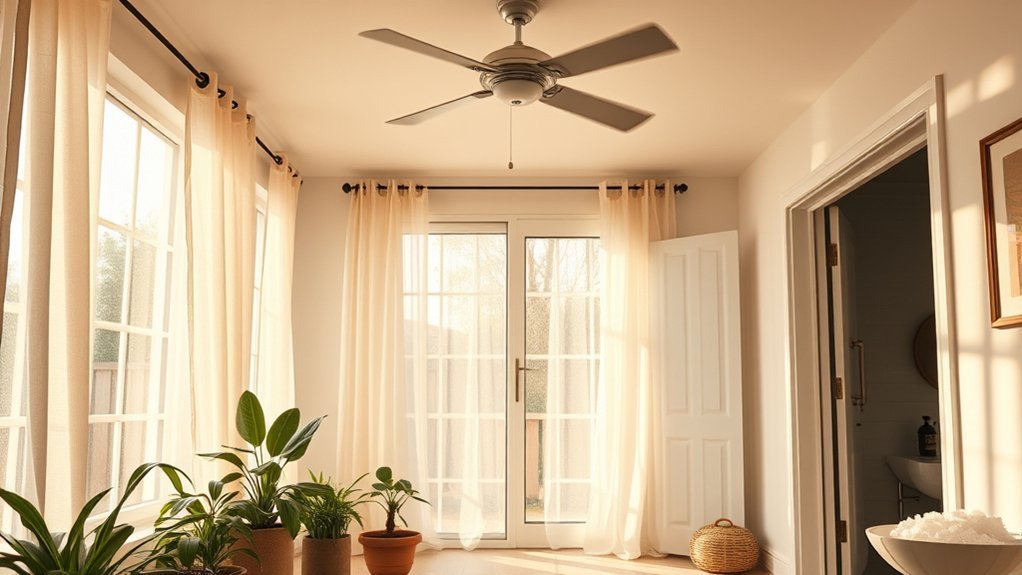
To reduce humidity fast, deal with the largest moisture sources before trying bowls, packets, or other passive products. Use this order:
- Stop active water. Repair plumbing leaks, close rain-entry points, remove standing water, and dry wet materials.
- Exhaust steam outdoors. Run bathroom and kitchen exhaust fans during moisture-producing activities.
- Reduce evaporation. Take shorter, cooler showers, cover cooking pots, and avoid drying wet laundry in closed rooms.
- Ventilate only with drier outdoor air. Do not automatically open windows during humid, rainy, or muggy weather.
- Measure the result. Recheck the hygrometer after 30–60 minutes and again several hours later.
The U.S. Environmental Protection Agency recommends keeping indoor relative humidity below 60% and ideally between 30% and 50%. It also advises drying wet areas and materials within 24–48 hours when possible to limit mold growth. See the EPA’s moisture and mold guidance.
Warning: Opening windows can raise indoor humidity when outdoor air is warm and humid. It can be especially harmful in a cool basement, where incoming moisture may condense on cold walls and floors.
Move Moist Air Out With Fans
Fans help only when you use the right type for the job. A ceiling fan or portable fan improves air circulation, helps damp surfaces dry, and warms cold corners by mixing room air. It does not remove water vapor from the building by itself.
An exhaust fan lowers moisture when it sends humid indoor air outdoors and replacement air is drier. Check that bathroom and kitchen fans discharge through an exterior wall or roof. They should not empty into an attic, ceiling cavity, crawlspace, or another room. EPA guidance specifically recommends venting bathroom, kitchen, and laundry exhaust directly outside.
- Run the bathroom fan while showering and for about 20–30 minutes afterward.
- Use a range hood that vents outdoors while boiling, steaming, frying, or using a gas stove.
- Aim a portable fan toward an open window only when outdoor air is drier than indoor air.
- Open a second window or door to provide a controlled path for replacement air.
- Clean fan grilles and blades so dust does not restrict airflow.
The Home Ventilating Institute recommends controls that allow bathroom ventilation to continue for at least 20–30 minutes after a shower.
Pro Tip: Test a bathroom fan by holding a single sheet of toilet tissue against the grille. The fan should pull and hold it in place. This simple check does not measure the exact airflow, but it can reveal a severely clogged, disconnected, or weak fan.
When Should You Open the Windows?
Open windows when outdoor air contains less moisture and outdoor air quality is acceptable. Cool winter air is often dry enough to help, even when its outdoor relative humidity appears high. Warm summer air may contain far more moisture and can increase indoor humidity.
- Check the local dew point or “feels humid” conditions before opening windows.
- Avoid window ventilation during rain, fog, muggy weather, or high outdoor pollution.
- Watch the indoor hygrometer. If the reading rises after opening windows, close them.
- Do not open basement windows on a humid summer day merely to create airflow.
The University of Minnesota lists outside air during humid weather as a possible indoor moisture source and recommends bringing in outdoor air only when it is dry enough to replace moist indoor air. See its guide to controlling home moisture problems.
Cut Bathroom and Kitchen Moisture
Bathrooms and kitchens create large bursts of water vapor, so controlling steam at the source is usually more effective than trying to absorb it later. Use an outdoor-vented exhaust fan during each activity and keep the bathroom fan running after the visible steam has cleared.
| Area | Action | Result |
|---|---|---|
| Bathroom | Run an outdoor-vented exhaust fan during bathing and for 20–30 minutes afterward | Removes moisture before it spreads through the house |
| Shower | Shorten the shower, use slightly cooler water, and close the bathroom door | Produces less steam and contains it near the exhaust fan |
| Kitchen | Use the range hood and cover simmering or boiling pots | Captures vapor and reduces condensation on cabinets and windows |
| Dishwasher | Allow the cycle to finish and use kitchen exhaust when opening a steamy machine | Limits the sudden release of humid air |
| Laundry | Vent the dryer outdoors or dry clothes outside when weather permits | Prevents large amounts of laundry moisture from entering the room |
If you must dry clothes indoors, use a well-ventilated laundry area, keep garments separated, and place the rack near an outdoor-vented exhaust fan. Do not place wet laundry in a closed bedroom or closet.
Recommended Products

Product Specifications: 120V(with power plug), 50CFM, 0.6A, 3000Rpm , 60Hz. Precision-balanced 5/8 coil pack and aerodynamic blade keep noise below 1.5 sones, so quiet you'll forget it's running
Stop Leaks and Condensation
Track down leaks and condensation before they create a recurring humidity problem. Inspect plumbing connections, supply lines, drains, the roof, window flashing, exterior walls, air-conditioning drain pans, and areas around tubs and showers.
Condensation is a warning that a surface has become cold enough for moisture in the surrounding air to turn into liquid. It may result from high indoor humidity, weak insulation, thermal bridging, air leakage, blocked airflow, or a combination of those conditions.
- Dry condensation from windows, walls, and pipes promptly.
- Insulate cold-water pipes that repeatedly sweat.
- Move furniture a few inches away from cold exterior walls so air can circulate.
- Repair roof and plumbing leaks instead of painting or caulking over the damage.
- Clean gutters and direct downspouts away from the foundation.
- Check the air conditioner’s drain pan and condensate line for blockage.
- Reinspect problem areas after heavy rain or rapid temperature changes.
Repeated condensation is not merely a cleaning problem. It is evidence that moisture, surface temperature, or airflow needs to be corrected.
When Moisture May Be Coming From Below
Basements and crawlspaces may receive moisture from damp soil, groundwater, foundation cracks, missing drainage, or humid outdoor air condensing on cool surfaces. Check for staining, mineral deposits, musty odors, damp insulation, standing water, and wet soil near foundation walls.
Make sure gutters are clear, downspouts discharge away from the building, and the surrounding ground slopes away from the foundation. Crawlspace ground-moisture and vapor-control work should follow local building requirements because the correct design depends on climate and construction.
Seal Air Leaks Without Trapping Moisture
Air sealing can keep humid outdoor air from leaking through gaps around windows, doors, plumbing penetrations, attic openings, and utility lines. Use suitable weather stripping or caulk on confirmed leakage paths, especially between conditioned rooms and attics, garages, crawlspaces, or wall cavities.
However, do not treat uncontrolled leakage as a substitute for ventilation. A tighter home still needs working kitchen and bathroom exhaust and, in some homes, a properly designed whole-house ventilation system. Sealing every visible crack while leaving exhaust fans broken may trap moisture and pollutants indoors.
Note: Do not seal over active water entry, damp materials, or visible mold. Fix the water source and dry the area first.
Use DIY Moisture Absorbers
DIY moisture absorbers can support humidity control in small, enclosed spaces, but their capacity varies greatly. They work best in drawers, shoe boxes, storage bins, cabinets, and compact closets with little air exchange.
- Baking soda: Useful mainly for odors and very small enclosed spaces. An open bowl does not have enough capacity to control a damp bedroom or bathroom.
- Rock salt: It may attract and clump with moisture, but it is slow and difficult to use as a controlled room-drying method.
- Silica gel: A practical choice for drawers, toolboxes, camera cases, medicine storage, and sealed containers. Follow the packet manufacturer’s instructions before attempting to dry or reuse it.
- Charcoal briquettes: Better suited to odor adsorption than reliable humidity reduction. Do not depend on charcoal to correct damp building conditions.
- Calcium chloride: Stronger than common household bowls and used in products such as DampRid. The crystals absorb moisture and eventually form liquid brine.
Commercial calcium-chloride absorbers come in tubs, hanging bags, and refillable containers. Follow the product’s stated room-size guidance and replacement instructions. Manufacturer information explains how the crystals dissolve as they collect water in calcium-chloride moisture absorbers.
Warning: Calcium-chloride absorbers produce salty liquid that can spill, irritate skin or eyes, and damage some surfaces. Keep containers upright, place them where they cannot be knocked over, and keep them away from children and pets.
Essential oils and scented air fresheners do not remove moisture. They may hide musty odors temporarily, which can delay discovery of a leak or mold problem.
Check Indoor Humidity Levels
Use a digital hygrometer to track humidity instead of judging the room only by how it feels. A general target of 30% to 50% relative humidity works for many homes, while levels should remain below 60%. During cold weather, you may need a lower indoor setting to prevent condensation on windows and other cold surfaces.
- Place the hygrometer away from direct sunlight, vents, open windows, showers, and cooking appliances.
- Allow a newly moved meter time to adjust before trusting the reading.
- Measure the bathroom, kitchen, laundry room, basement, and any room with a musty odor.
- Compare readings before and after showering, cooking, ventilation, or leak repair.
- If two meters disagree sharply, place them side by side for several hours and compare them again.
Do not react to a brief spike alone. Humidity naturally rises during a shower or while boiling water. The more important question is whether the level returns toward the normal range after the activity ends.
Room-by-Room Moisture Checklist
| Room | Common Sources | First Checks |
|---|---|---|
| Bathroom | Long showers, weak fan, wet towels, plumbing leaks | Confirm outdoor exhaust, clean the grille, shorten showers, hang towels open to dry |
| Kitchen | Boiling, dishwasher steam, recirculating hood, gas cooking | Use lids, verify outdoor hood discharge, inspect sink and dishwasher lines |
| Laundry | Indoor drying, disconnected dryer duct, washer leaks | Check the exterior dryer outlet, lint buildup, hoses, drain, and floor |
| Basement | Ground moisture, foundation leakage, humid summer air, blocked drains | Inspect walls and floor edges, gutters, downspouts, grading, and floor drains |
| Bedroom | Closed door, many occupants, wet laundry, dense plant collection | Improve air transfer, remove wet items, empty plant saucers, monitor overnight readings |
| Closet or cabinet | Cold exterior wall, packed contents, damp shoes or clothing | Dry contents first, allow space for air movement, then use an appropriate desiccant |
Reduce Moisture From Plants and Household Items
Houseplants do not function as natural dehumidifiers. Plants release water through transpiration, and damp potting soil also evaporates moisture. A systematic review of indoor-plant studies found that increased humidity was a common measured effect. See the research summary indexed by the U.S. National Library of Medicine.
- Do not overwater plants.
- Empty standing water from saucers and decorative outer pots.
- Move large plant collections out of persistently humid rooms.
- Cover aquariums where suitable for the species and equipment.
- Do not store wet firewood, damp rugs, or soaked sports equipment indoors.
- Turn off unnecessary humidifiers and check that they are not leaking.
- Avoid unvented combustion heaters, which can add both moisture and hazardous pollutants.
What to Do If Humidity Stays Above 60%
If the reading stays above 60% after routine source control, work through the problem methodically:
- Verify the meter. Compare it with a second hygrometer in the same location.
- Check outdoor conditions. Close windows if humid outdoor air is entering.
- Inspect for water. Look under sinks, behind toilets, around appliances, near ceilings, and along exterior walls.
- Test local exhaust. Confirm that bathroom, kitchen, and dryer ducts are connected, clear, and venting outdoors.
- Check the building exterior. Inspect gutters, downspouts, roof drainage, grading, and foundation entry points.
- Review cooling operation. A poorly performing or oversized air conditioner may cool the room without running long enough to remove sufficient moisture.
- Look for hidden dampness. Musty odors, peeling paint, soft drywall, stained trim, and damp carpet may indicate concealed water.
Humidity near 70%–80% is not a minor comfort issue. It usually means a major moisture source, unsuitable outdoor-air ventilation, water intrusion, ground moisture, or inadequate mechanical drying. Passive bowls and packets will not be enough.
When Professional Help Is Appropriate
- Call a plumber for active supply, drain, toilet, or appliance leaks.
- Call a roofer or building-envelope specialist for rain entry, flashing failures, or repeated wall and ceiling stains.
- Call an HVAC technician if cooling runs poorly, condensate does not drain, exhaust ducts are disconnected, or humidity stays high with the windows closed.
- Consult a drainage or foundation professional for standing basement water, wet crawlspaces, or recurring seepage.
- Consider experienced mold-remediation help when growth is extensive, hidden, linked to contaminated water, or associated with health concerns.
In a hot, humid climate, source control and exhaust ventilation may not be enough by themselves. A properly operating air conditioner or dehumidifier may be necessary to maintain a safe indoor humidity level. Using one when needed is more effective than repeatedly opening windows or replacing small passive absorbers.
Frequently Asked Questions
How can you lower humidity in a house quickly and naturally?
Stop active leaks, run outdoor-vented bathroom and kitchen fans, shorten showers, cover boiling pots, vent the clothes dryer outdoors, remove wet materials, and bring in outdoor air only when it is drier. Measure the result with a hygrometer instead of relying on how the room feels.
Should you use a dehumidifier if you have COPD?
A dehumidifier may help when high humidity is one of your COPD triggers, but it does not treat COPD. The American Lung Association identifies high humidity as a possible trigger and recommends discussing personal triggers with your healthcare provider. Keep any humidity-control equipment clean, avoid scented products if fragrances bother you, and seek medical care for new or worsening breathing symptoms. See the Association’s COPD trigger guidance.
What draws moisture out of a room?
Outdoor-vented exhaust, air conditioning, and dehumidification can remove meaningful amounts of moisture from a room. Calcium chloride or silica gel can help small enclosed spaces. Baking soda, rock salt, charcoal, plants, and essential oils should not be treated as whole-room moisture-control systems.
What causes 80% humidity in a house?
A reading near 80% may come from humid outdoor air, water intrusion, plumbing leaks, wet foundations or crawlspaces, indoor laundry drying, unvented cooking or bathing, a disconnected dryer duct, or inadequate cooling and ventilation. Confirm the reading with a second hygrometer and investigate the source promptly.
Do ceiling fans lower humidity?
No. A ceiling fan moves air and can help wet surfaces dry, but it does not remove water vapor from the house. Humidity falls only when moisture is exhausted, replaced by drier air, condensed by cooling equipment, or collected by a dehumidifying process.
Should you open windows when indoor humidity is high?
Open them only when outdoor air is drier and outdoor air quality is acceptable. During humid, rainy, or muggy weather, open windows may increase indoor moisture. Watch your hygrometer after opening them; close the windows if the indoor reading rises.
Conclusion
You can lower humidity without a dehumidifier when the problem comes from manageable indoor sources. Start by measuring the humidity, stopping leaks, exhausting shower and cooking steam outdoors, venting the dryer, and reducing indoor evaporation. Use windows only when outdoor air is drier, and reserve passive absorbers for small enclosed spaces.
If humidity repeatedly remains above 60%, especially near 70%–80%, do not keep adding bowls of salt or baking soda. Find the water source, verify the ventilation system, and arrange the repair or mechanical drying the building actually needs.
Sources
- U.S. Environmental Protection Agency: A Brief Guide to Mold, Moisture and Your Home — humidity targets, condensation, leak control, drying time, ventilation, and mold prevention.
- U.S. Environmental Protection Agency: Addressing Indoor Environmental Concerns During Remodeling — outdoor-vented bathroom, kitchen, and dryer exhaust guidance.
- Home Ventilating Institute: Ventilating Living Areas — bathroom fan sizing and post-shower runtime recommendations.
- University of Minnesota Extension: Controlling Moisture Problems in Your Home — indoor moisture sources, seasonal ventilation, and outdoor humidity considerations.
- PubMed: Effects of Indoor Plants on Air Quality—A Systematic Review — evidence that indoor plants commonly increase humidity through transpiration.
- American Lung Association: Prevent a COPD Exacerbation or Flare Up — high humidity, fragrances, weather, and other potential COPD triggers.