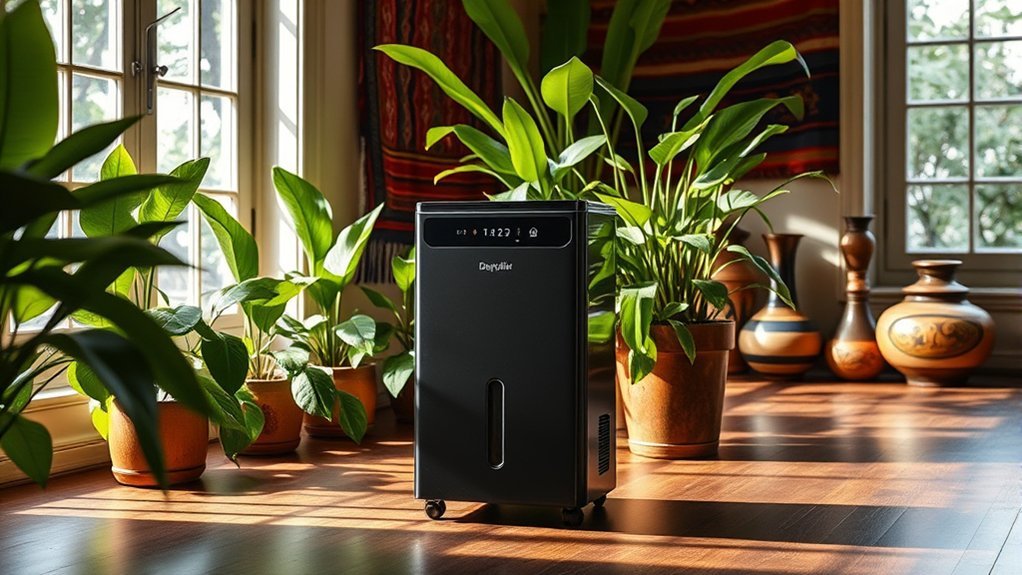
Yes, you can usually leave a dehumidifier on when you’re not home if the unit is modern, not recalled, plugged into a grounded outlet, and protected by auto-shutoff, a humidistat, and thermal protection. Set the target around 40%–50% relative humidity, keep the unit level with open airflow, and empty the tank or use tested continuous drainage. Do not leave it running if the cord is damaged, the unit smells hot, the tank switch fails, the room is too cold for the model, or the appliance appears on a recall list.
Last updated: July 7, 2026 · Safety and humidity guidance checked against EPA, CDC, CPSC, ENERGY STAR, and Health Canada resources.
Quick Answer
You can leave a dehumidifier on while you are away for normal daily use if it has a working full-tank shutoff, humidistat, clean filter, clear airflow, and safe drainage. Keep indoor humidity near 40%–50%, check the tank or hose before leaving, and unplug the unit if it is old, damaged, recalled, overheating, or running in a room colder than the manufacturer allows.
Is It Safe to Leave a Dehumidifier On?
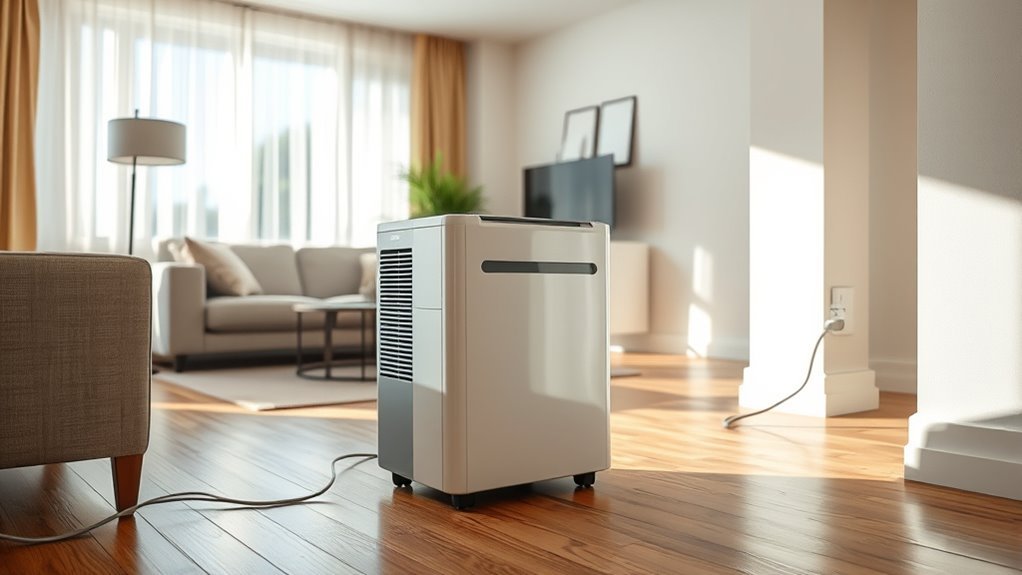
Yes, it is generally safe to leave a dehumidifier on when you are not home if the appliance is in good condition and has the right safeguards. The most important protections are automatic shutoff for a full bucket, a built-in humidistat that cycles the unit on and off, and thermal protection that stops unsafe overheating. These features reduce the two biggest unattended-use risks: water overflow and electrical overheating.
Still, “safe” does not mean “ignore it.” Check the tank, filter, cord, plug, and drain hose before you leave. Keep the unit on a flat surface, away from curtains, paper, cardboard, and blocked vents. If the dehumidifier is older, secondhand, or stored for years, check it against the current CPSC recall list before unattended use. Recalled dehumidifiers have caused serious fire incidents, so a recall check is not optional.
Dehumidifier Safety Checklist Before You Leave
| Check | Safe setup | Do not leave it running if… |
|---|---|---|
| Water collection | Tank is empty, seated correctly, or drain hose has been tested. | The tank switch sticks, the hose leaks, or water drains near cords. |
| Humidity setting | Humidistat is set around 40%–50% RH. | Indoor humidity is already below 30%. |
| Electrical safety | Plugged directly into a grounded outlet with no damaged cord. | You need an extension cord, power strip, or overloaded outlet. |
| Airflow | Vents are clear and doors/windows to the damp space are closed. | Furniture, laundry, dust, or storage boxes block the intake or exhaust. |
| Temperature | Room temperature matches the manual’s operating range. | A compressor model frosts up or runs in a cold room below its rating. |
| Recall status | Brand and model are not listed in an active recall. | The unit appears on a recall list or has no readable model label. |
Recommended Products
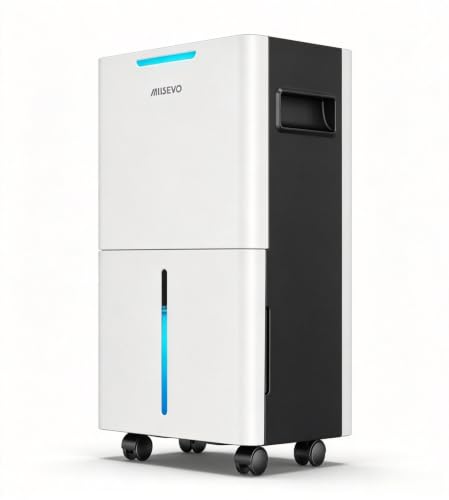
High Efficient Dehumidifier — Equipped with a high-performance compressor, Whether it’s your basement, bedroom, bathroom, living room, bathroom, crawlspace, or even an RV, this dehumidifier effectively keeps your environment dry, comfortable, and healthy.

Engineered with Dual Semiconductor Technology - Mecmic dehumidifier is designed with two semiconductor modules work together to remove moisture more efficiently than traditional single-semiconductor designs, up to 34 oz (1000 ml) of moisture per day under ideal conditions,helping your space feel fresher and more comfortable in less time. Specifically for bedrooms, bathrooms, closets, laundry rooms, RVs, and other compact areas.
How a Dehumidifier Stays Safe Running
You can leave many modern dehumidifiers running because auto-shutoff stops the unit when the reservoir fills. A built-in humidistat lets you set your target humidity, and the machine cycles itself instead of running nonstop. If you need longer operation, choose a model designed for continuous drainage and confirm that the hose drains correctly before you leave.
Auto-Shutoff Protection
Auto-shutoff protection keeps a dehumidifier from continuing after the bucket reaches capacity. That matters because overflow can damage flooring, trigger odors, and create new dampness. A built-in humidistat adds another layer by stopping the unit once the room reaches the set humidity, which reduces wasted energy and machine wear. Look for these protections:
- Full-tank auto-shutoff
- Built-in humidistat control
- Thermal overload protection
- Bucket-full lights, alerts, or fault codes
These safeguards let the unit respond when conditions change. If your model includes thermal overload protection, it should shut down before overheating becomes dangerous. That protection helps, but it does not replace regular checks, cleaning, and recall screening.
Humidistat Control
A built-in humidistat senses real-time moisture levels and turns the compressor or fan on and off as needed. With humidistat control, you set a target and let the unit maintain it without constant attention. Aim for 40%–50% humidity for everyday comfort, and keep the broader safe range around 30%–50% unless your home or climate calls for a different setting. This prevents over-drying while still reducing dampness.
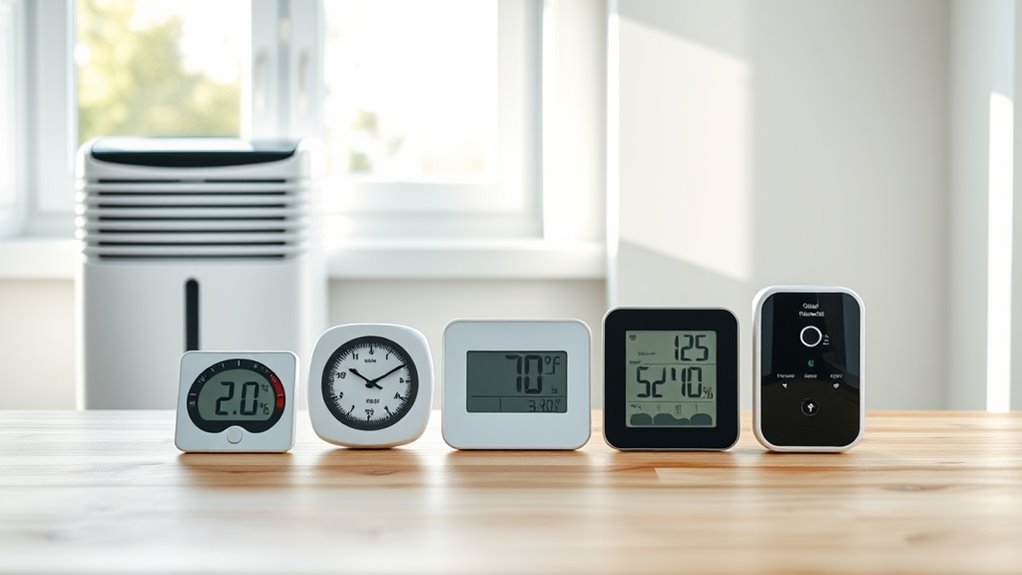
Use a separate hygrometer if your dehumidifier only shows vague settings like “normal” or “dry.” A cheap gauge gives you the actual room reading, so you know whether the unit needs to run at all. This also helps you catch a failed humidistat before you leave it unattended.
Continuous-Run Design
Continuous-run dehumidifiers are safer for long use when they combine a humidistat, automatic shutoff, fault protection, and a reliable drain path. The drain setup matters most. A gravity hose must slope down to a floor drain, sump, or utility sink. A pump model can move water upward, but you should test it first and make sure the hose cannot kink, freeze, or pop loose.
- Automatic shutoff stops overflow when the bucket fills.
- Thermal protection cuts power if unsafe heat builds up.
- Continuous drainage reduces the need for manual emptying.
- Filter and coil cleaning help the unit move air without strain.
When you leave one running, you are relying on several systems working together. Test those systems while you are home before you trust them unattended.
What Makes a Dehumidifier Safe Unattended?
You can leave a dehumidifier running more safely when it has auto-shutoff, humidistat control, and reliable drainage. These features lower the risk of overflow, over-drying, and unnecessary runtime. Certified electrical construction also matters, so look for a recognized safety mark for your region, such as UL or ETL in the United States, and follow the manual exactly.
Auto-Shutoff And Drainage
What makes a dehumidifier safe to leave unattended is usually a mix of built-in safeguards and smart drainage. With auto-shutoff, the unit stops when the tank fills. With continuous drainage, water leaves through a hose or pump so the bucket does not need constant emptying. Before you rely on either feature, check:
- Whether the float switch shuts the unit off when the tank is full
- Whether the drain hose flows downhill or the pump works correctly
- Whether the hose stays away from outlets, plugs, and cords
- Whether the unit has shown any fault codes, leaks, or overheating signs
A drain hose is only safer when it is installed correctly. If the hose leaks, backs up, or runs near electrical connections, the drainage setup becomes a risk instead of a safeguard.
Built-In Safety Controls
A few built-in safety controls make a dehumidifier much safer to leave unattended. A humidistat stops the unit once your target humidity is reached. Automatic shutoff helps prevent overflow by turning the machine off when the tank fills. Thermal overload protection shuts the dehumidifier down if it overheats. Auto-defrost can also help compressor models avoid frost buildup in cooler rooms.
These features reduce risk, but they do not make every unit safe. Stop using a dehumidifier that has a cracked plug, frayed cord, burning smell, repeated breaker trips, leaking tank, unusual buzzing, or a hot exterior. Those are inspection or replacement signs, not normal operating quirks.
How to Set the Right Humidity Level
Set your dehumidifier to keep indoor humidity around 40%–50% for most living spaces. EPA guidance places the ideal indoor range between 30% and 50%, and CDC mold guidance says home humidity should stay no higher than 50% all day. This range helps limit dampness without making the air uncomfortably dry.
- Aim for 40%–50% RH for everyday comfort.
- Use 30%–50% as the broader healthy indoor range.
- Run the unit longer if readings rise above 55%–60% and the room feels damp.
- Turn the unit off or raise the setting if humidity falls below 30%.
Do not guess by how the room feels. Use a hygrometer, check the reading in the dampest area, and adjust the humidistat as seasons change. Basements, laundry rooms, bathrooms, and closed storage rooms often need different settings than bedrooms or living rooms.
Where to Place Your Dehumidifier
Place your dehumidifier in the damp room where moisture collects, such as a basement, laundry room, bathroom area, or storage space. If the unit does not discharge air from the top, keep it away from walls and furniture so air can circulate freely around the intake and exhaust. Close windows and doors while it runs, because open windows can bring in more humid air and waste energy.
Set the dehumidifier on a level, stable surface. Keep paper, fabric, curtains, cardboard boxes, and laundry away from the vents. If you use a drain hose, keep the hose short, straight, and away from electrical cords. Do not route water near outlets, power strips, or extension cords. Good placement helps the unit remove moisture faster and reduces strain on the motor and compressor.
Recommended Products

【45-80 Pints for 4500 Sq.Ft Moisture Control】:This dehumidifier for basement and home features flexible 45–80 pints dehumidification output with an ultra-wide 4500 square feet coverage range, offering premium whole-space moisture control. No matter damp basement, humid bathroom, quiet bedroom for restful sleep, large living room, or compact RV traveling space, this multi-functional dehumidifier for home effortlessly sucks up excess moisture,, maintaining ideal humidity levels for all indoor environments.

【Reduce humidity - Enhance comfort】:Massive Capacity + Wide Coverage. This dehumidifier has dehumidification capacity ranging 45- 80 pints—outperforming standard units while covering 4,500 sq. ft. of living space. Great dehumidifier for basements, large house, garages, bedroom, bathroom and gyms where excess humidity triggers cause unpleasant odors and discomfort. The result? A noticeably drier, fresher, and more comfortable environment for your entire family.

【𝐄𝐍𝐄𝐑𝐆𝐘 𝐒𝐓𝐀𝐑 𝐂𝐞𝐫𝐭𝐢𝐟𝐢𝐞𝐝 𝐟𝐨𝐫 𝐄𝐟𝐟𝐢𝐜𝐢𝐞𝐧𝐭 𝐏𝐞𝐫𝐟𝐨𝐫𝐦𝐚𝐧𝐜𝐞】Delivers consistent dehumidification across a variety of real-life conditions. Designed for energy-efficient operation, helping reduce excess power consumption and lower long-term energy costs without sacrificing performance
Which Dehumidifier Features Matter Most?
When you choose a dehumidifier for regular or unattended use, focus on safety first. Start with a built-in humidistat, full-tank auto-shutoff, and a clear bucket-full alert. Then decide whether you need a gravity drain, a built-in pump, or manual bucket emptying. Pick the drainage style based on where the water will actually go.
For unattended use, a humidistat, full-tank shutoff, safe drainage, and recall-free model matter more than smart-app features.
- Humidistat: cycles the unit once the room reaches your target RH.
- Auto-shutoff: stops operation when the tank fills.
- Continuous drainage: helps in basements, laundry rooms, and long humid periods.
- Auto-defrost: helps compressor models in cooler spaces.
- ENERGY STAR certification: reduces electricity use during long runtimes.
Noise rating, caster wheels, washable filters, and smart controls are useful, but they are secondary. A quiet app-controlled unit is still a poor choice if the drain hose leaks or the model has a recall history.
Recommended Products

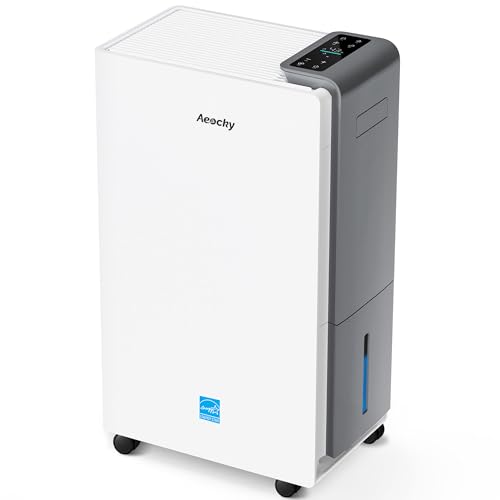
【ENERGY STAR 25 ≠ ENERGY STAR Most Efficient 2025】Don't fall for competitors' word games. With only 2.6% of ENERGY STAR models earning "Most Efficient 2025" title, these options are exceptionally rare on the market. RHEA-001 is one of the few to truly hold this top-tier certification. Many brands use misleading phrases like "Energy Star Efficient 25" or "Energy Star 25" to imply a standard they haven't met. Choosing them is a risk.With AEOCKY, you get verified performance and the peace of mind of authentic, top-tier efficiency.

Upgrade High Efficient Dehumidification: Dehumidifier utilize semi conductor condensation technology, ensuring quiet operation while effectively extracting moisture from the air. This advanced feature helps keep humidity levels below 45%
When You Should Not Leave It On
You should not leave a dehumidifier on if the humidity is already below 30%, since extra runtime can dry the air too much. Turn it off if you see frost on the coils, water under the unit, a frayed cord, a cracked plug, a burning smell, repeated error codes, or a breaker that trips when the unit starts.
Avoid unattended operation in very cold rooms unless the manual says the model can handle that temperature. ENERGY STAR notes that frost can form on condensing coils when air temperature drops below 65°F, which can reduce performance and cause repeated compressor cycling. In cold basements, garages, or storage rooms, use a low-temperature model or a desiccant dehumidifier designed for those conditions.
How to Run a Dehumidifier Overnight
Running a dehumidifier overnight can be reasonable if the room is damp, the appliance works properly, and the setup is safe. Set the humidistat before bed instead of using maximum mode all night. Close windows, keep airflow clear, and confirm that the tank is empty or the drain hose works.
- Set the target around 40%–50% RH.
- Use sleep, low, or quiet mode if the room is occupied.
- Confirm auto-shutoff works before relying on the tank overnight.
- Keep the unit away from bedding, curtains, and furniture.
- Check the hygrometer in the morning and adjust the setting if the room gets too dry.
This approach lets the dehumidifier control moisture without running harder than needed. If the unit wakes you with loud rattling, hot smells, or repeated cycling, turn it off and inspect it before using it again.
Why Dehumidifiers Help With Mold and Comfort
By keeping indoor humidity near 40%–50%, a dehumidifier makes damp rooms less friendly to mold, mildew, dust mites, and musty odors. Moisture control matters because mold needs water to grow. If you see condensation on windows, wet walls, damp carpet, or recurring musty smells, a dehumidifier can help, but it should not be the only fix.
Always repair the moisture source first. Fix leaks, improve bathroom and kitchen ventilation, vent clothes dryers outdoors, and dry wet materials quickly after leaks or flooding. A dehumidifier lowers airborne moisture, but it cannot solve a roof leak, plumbing leak, drainage issue, or hidden water damage on its own.
Sources Checked for This Update
The safety guidance in this article was checked against these public references:
- EPA: Care for Your Air, indoor humidity guidance
- EPA: A Brief Guide to Mold, Moisture and Your Home
- CDC: Mold prevention guidance
- CPSC: Dehumidifier recall and fire hazard notices
- ENERGY STAR: Dehumidifier buying and placement guidance
- Health Canada: Moisture and mould prevention at home
Frequently Asked Questions
Can I Leave a Dehumidifier on When Not Home?
Yes, you can leave a dehumidifier on when you are not home if it has working auto-shutoff, a humidistat, safe drainage, clear airflow, and no recall or damage history. Empty the tank or test the drain hose first, set the humidity near 40%–50%, and plug the unit directly into a grounded outlet.
Should You Use a Dehumidifier if You Have COPD?
A dehumidifier may help if damp air, mold, or musty conditions irritate your breathing, but it is not a COPD treatment. Keep humidity in a comfortable range and avoid over-drying the air. If you have COPD, asthma, or another lung condition, ask your clinician what humidity range is safest for your home.
Do Dehumidifiers Pose a Fire Risk?
Yes, a dehumidifier can pose a fire risk if it is recalled, damaged, overheating, clogged with dust, plugged into an unsafe cord setup, or used against the manual. CPSC has warned consumers about recalled dehumidifiers that can overheat, smoke, and catch fire. Check recall status before leaving an older unit unattended.
Can a Dehumidifier Help With Snoring?
A dehumidifier may help if excess humidity contributes to nasal stuffiness, mold exposure, or dust mite problems in the bedroom. It will not treat sleep apnea or every cause of snoring. If snoring is loud, frequent, or linked with gasping or daytime sleepiness, talk with a medical professional.
What Humidity Should I Set My Dehumidifier To?
Set most home dehumidifiers around 40%–50% RH. EPA guidance puts the ideal indoor range between 30% and 50%, while CDC mold guidance says home humidity should stay no higher than 50% all day. Use a hygrometer if your unit does not show actual RH.
Is Continuous Drainage Safer Than Emptying the Tank?
Continuous drainage can be safer for long runtimes because it reduces overflow risk, but only when the hose or pump is installed correctly. Test the setup while you are home, keep the hose away from cords and outlets, and make sure water reaches a proper floor drain, sump, sink, or condensate pump.
Conclusion
Yes, you can usually leave a dehumidifier on when you are not home if it is in good condition, not recalled, set correctly, and placed safely. Use auto-shutoff, a humidistat, and a tested drainage setup. Keep humidity around 40%–50%, check the cord and filter, and give the unit clear airflow.
Do not run it unattended if the room is too cold for the model, the tank or hose leaks, the appliance smells hot, or the unit appears on a recall list. Moisture control protects your home, but safe setup protects everything else.