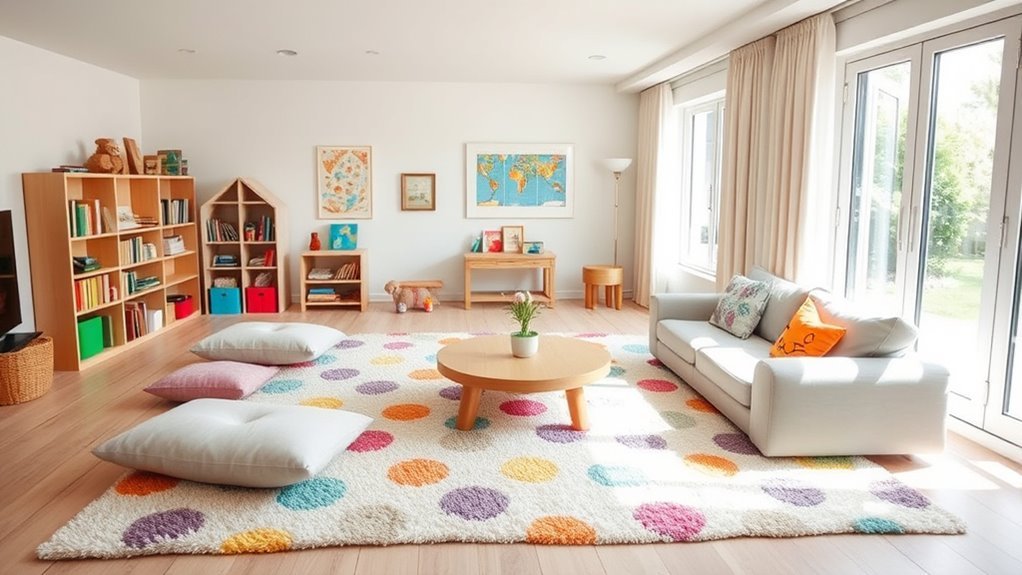
Designing a living room is easier when you treat it like a checklist instead of a guessing game. Before you buy a sofa, rug, coffee table, or lamp, decide how the room needs to work: relaxing, entertaining, watching TV, reading, playing with kids, hosting guests, or all of the above. Then measure, choose your anchor pieces, layer in lighting, and finish with decor that feels personal without crowding the space.
Quick Answer
A complete living room design checklist should include room measurements, seating needs, sofa size, coffee table scale, rug placement, storage, layered lighting, family safety, personal decor, delivery access, and final setup. Start with function and measurements first, then choose furniture, lighting, and accessories that fit your lifestyle.
Key Takeaways
- Measure the room, doorways, hallways, and stair turns before ordering large furniture.
- Choose the sofa first because it usually anchors the entire living room layout.
- Use layered lighting: ambient light, task light, accent light, and daylight where possible.
- Pick durable, easy-clean materials if you have children, pets, or heavy daily use.
- Finish with personal decor, but leave enough open space for movement and comfort.
At a Glance
| Time Required | 2–4 hours to plan; longer if ordering furniture or repainting |
| Difficulty | Beginner to moderate |
| Tools Needed | Tape measure, painter’s tape, notebook, phone camera, floor plan app or graph paper, stud finder for anchoring |
| Cost | Flexible: refresh with decor under a few hundred dollars, or furnish the room fully based on your budget |
Why You Need a Living Room Design Checklist
A living room design checklist keeps the project organized and helps you avoid expensive mistakes. Without one, it is easy to buy a sofa that blocks a walkway, choose a coffee table that sits too high, forget storage, or fall in love with a rug that is too small for the seating area.
Use your checklist to answer five questions before shopping:
- How will the room be used? Daily lounging, movie nights, kids’ play, reading, hosting, remote work, or formal entertaining?
- How many people need a comfortable seat? Count household members first, then add space for guests if you entertain often.
- What must stay? Note existing furniture, artwork, TV placement, outlets, windows, and architectural features.
- What is the budget? Decide where to invest, such as the sofa and rug, and where to save, such as small accessories.
- What is the style direction? Choose a simple palette, main materials, and the mood you want before buying individual pieces.
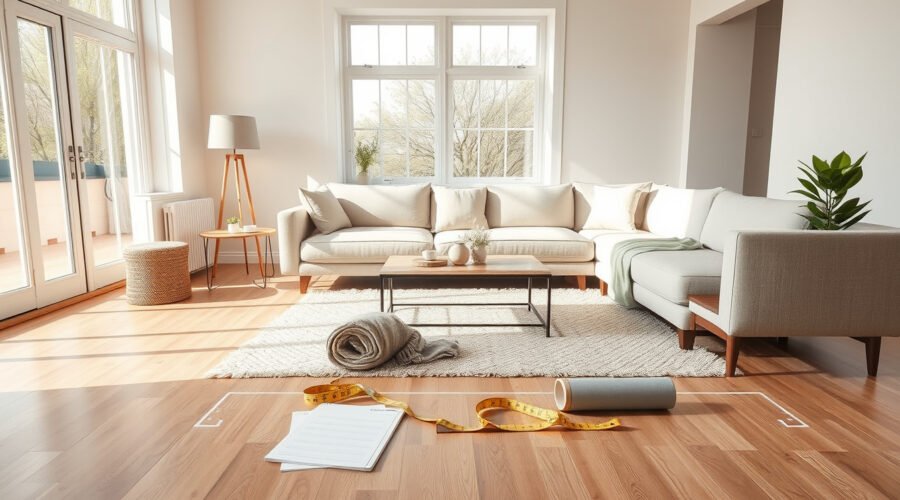
Pro Tip: Use painter’s tape on the floor to mark the sofa, rug, coffee table, media console, and chairs before you order. Walk around the taped layout for a day so you can feel whether the room flows naturally.
Measure and Plan Before You Buy
Measurements come before mood boards. Start with the full room length and width, then measure the ceiling height, windows, door swings, fireplace, built-ins, outlets, vents, and any awkward corners. Also measure entry points, including exterior doors, interior doors, hallways, elevators, stair landings, and tight turns.
Write down these numbers:
- Room length and width
- Ceiling height
- Window width, height, and distance from the floor
- Doorway and hallway widths
- Fireplace, media wall, or built-in dimensions
- Outlet and floor vent locations
- Maximum sofa width and depth that can fit through delivery paths
After measuring, sketch a simple floor plan. It does not need to be perfect. The goal is to place major pieces on paper before you spend money. Leave comfortable walking paths between furniture, and avoid blocking doors, vents, or access to windows.
Set a Budget and Style Direction
A living room can get expensive quickly, so split your budget into “investment” and “flexible” categories. Invest in pieces that get daily use: the sofa, main rug, storage, and lighting. Save on items that are easier to change later, such as pillows, throws, trays, vases, seasonal decor, and small side tables.
Next, choose a style direction that feels realistic for your home. You do not need a strict label like modern farmhouse, coastal, traditional, or mid-century. A simple style sentence works better: “warm neutrals with wood, soft textures, and black accents” or “light, casual, family-friendly, and easy to clean.”
Build your palette with:
- One base color: walls, sofa, or largest rug color
- One or two secondary colors: chairs, curtains, pillows, or art
- One accent finish: black metal, brass, chrome, woven texture, or warm wood
- One repeated texture: linen, boucle, leather, rattan, oak, wool, or performance fabric
Essential Furniture and Sofa Selection
The sofa is usually the anchor of the living room, so choose it before buying smaller pieces. Start with function. A family that watches movies every night may need a sectional, while a smaller apartment may work better with a compact sofa and one lounge chair. If you entertain, consider a sofa plus chairs facing each other to create conversation.
When comparing sofas, check:
- Seat depth: deeper seats feel lounge-like; shallower seats are easier for upright sitting.
- Arm height: lower arms feel casual; higher arms offer more support.
- Back height: low backs look sleek; tall backs feel cozier and more supportive.
- Frame quality: solid wood or reinforced frames generally hold up better than flimsy construction.
- Upholstery: performance fabrics, microfiber, leather, and washable slipcovers can be smart for busy homes.
- Delivery fit: confirm the sofa can pass through doors, stairs, and hallways.
Test comfort whenever possible. Sit the way you actually live: feet up, sitting upright, leaning into the arm, or lounging with family. A beautiful sofa is not the right sofa if no one wants to sit on it.
Recommended Products

Multiple Package Issues: Multiple package may not arrive at the same time. If you have any questions about the tracking numbers or the tracking state of the sectional sleeper sofa we will help you

【105" SPACIOUS U-SHAPE】Measuring 105"L × 35"W × 48"D, this U-shaped sectional couches fits seamlessly into most living spaces. 23" deep seating and 10" wide armrest pillow effortlessly satisfies all your relaxation needs.
Pick the Perfect Coffee Table: Shape, Height, and Material
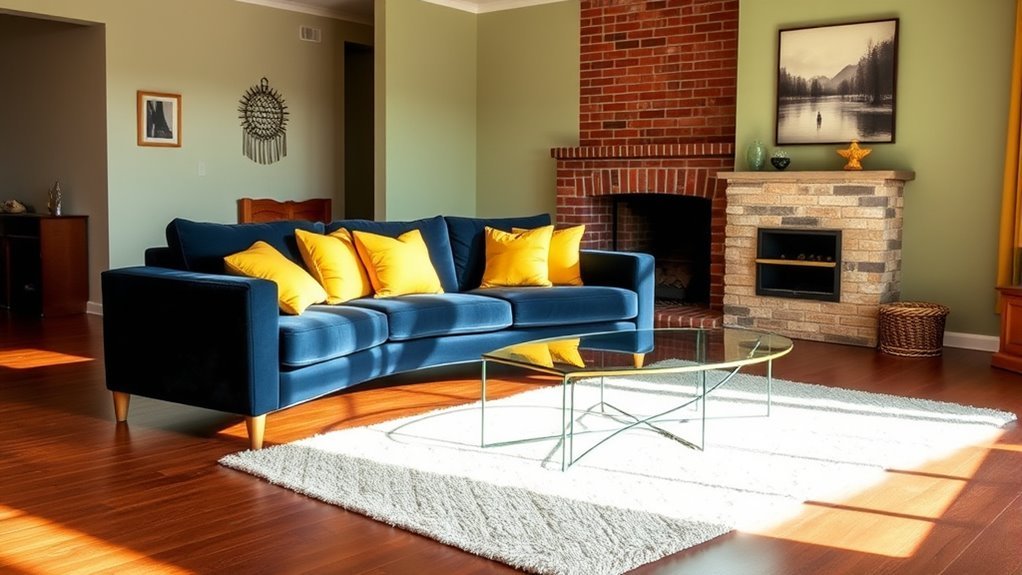
A coffee table should support daily life, not interrupt it. The best choice depends on your sofa shape, room size, and how you use the surface. Rectangular tables work well with standard sofas and sectionals. Round or oval tables soften a room and are easier to move around in tighter spaces. Square tables can work beautifully with large sectionals or symmetrical seating plans.
For height, choose a coffee table close to the height of your sofa seat or slightly lower. If the table is too tall, it can feel awkward. If it is too low, reaching drinks, remotes, or books becomes inconvenient.
Choose materials based on your lifestyle:
- Wood: warm, durable, and easy to style.
- Tempered glass: visually light, helpful in smaller rooms, but shows fingerprints.
- Upholstered ottoman: soft and family-friendly, especially with a tray on top.
- Stone or marble: polished and substantial, but heavy and often higher maintenance.
- Lift-top or storage table: useful for remotes, blankets, games, and small-space living.
Recommended Products

Spacious Hidden Storage: This square coffee table comes from our LIRY Collection—cleverly conceals a 56-gallon storage compartment underneath to neatly stow away your blankets, pillows, and books, promoting your living room tidy and organized
Choose the Right Rug
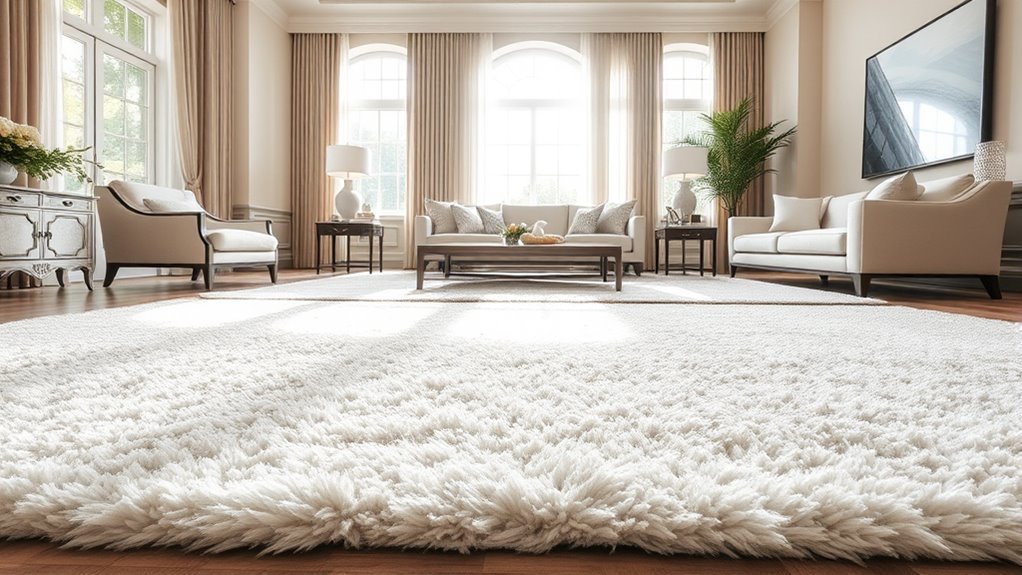
A rug visually connects the seating area. A rug that is too small can make the room feel unfinished, even when the furniture is beautiful. As a general rule, choose a rug large enough for at least the front legs of the sofa and chairs to sit on it. In a larger room, placing all furniture legs on the rug can create a more generous, grounded look.
Think about maintenance too. Low-pile rugs are easier to vacuum, patterned rugs hide everyday messes, and washable rugs can be helpful in homes with kids or pets. If the living room is a high-traffic space, use a quality rug pad to reduce slipping and add comfort underfoot.
Recommended Products

Soft & Durable: This 8x10 area rug low-pile combines soft faux wool fibers with a 0.25-inch height for comfort. Tight weaving reduces shedding and edge fraying, making it perfect for high-traffic areas like living rooms, bedrooms, and entryways
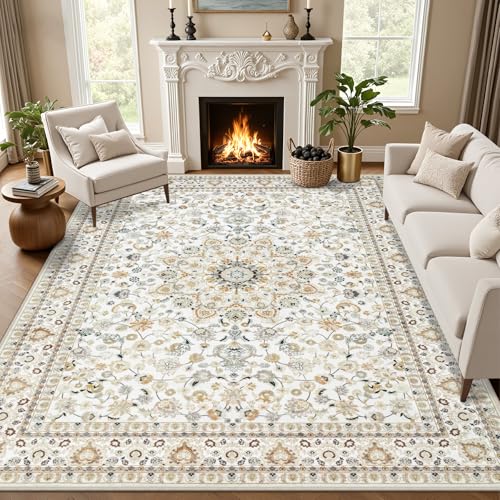
Timeless Classic Design Rug: Featuring an elaborate traditional pattern and harmonious color palette, these 5x7 area rugs bring artistic elegance to the interior. The versatile design works with various decor styles from vintage and bohemian to contemporary, making it suitable for living room, bedrooms, dining room, hallway, kids' playrooms, or home offices. Built to withstand daily use while maintaining its visual appeal, these rugs for living room 5x7 combines durability with timeless beauty

Modern Area Rug: This area rug is designed with a Bohemian and Moroccan style pattern using a combination of geometric lines and shapes, able to integrate into any interior design style easily, it can add elegance and fashion to your home space.
Key Decorative Items to Enhance Your Living Room
Decorative items bring personality into the room after the main layout is working. Start with artwork, then layer textiles, plants, books, trays, and meaningful objects. The goal is not to fill every surface. It is to create a room that feels lived-in, balanced, and personal.
Use these finishing pieces thoughtfully:
- Artwork: choose pieces that connect to your color palette or tell a story.
- Pillows and throws: add texture, pattern, and seasonal flexibility.
- Books: stack a few on a coffee table, shelf, or console for height and personality.
- Trays: group remotes, candles, coasters, or small decor so surfaces look intentional.
- Plants: add natural color and softness, but do not rely on them as your main indoor air-quality strategy.
- Mirrors: reflect light and can make a small or dark room feel more open.
Note: The U.S. Environmental Protection Agency says source control, ventilation, and filtration are the basic strategies for improving indoor air quality. A reasonable number of houseplants has not been shown to remove significant pollutants in homes and offices, so enjoy plants for beauty rather than treating them as air cleaners.
Living Room Lighting: Creating Ambiance and Functionality
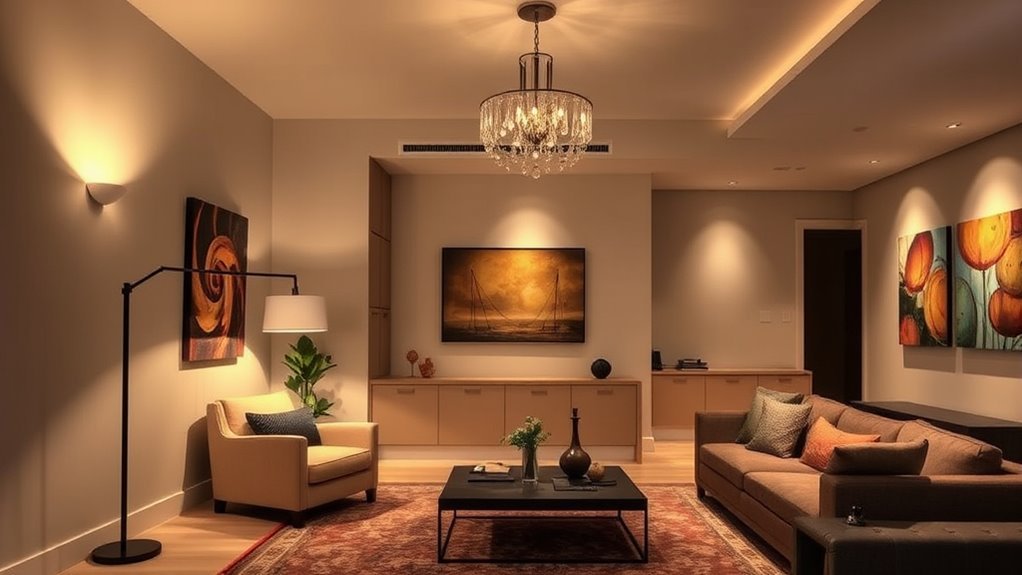
Lighting can transform your living room from flat to warm, cozy, and functional. A single overhead light rarely does enough. A better plan uses layers: ambient light for overall brightness, task light for reading or work, and accent light for artwork, shelves, or architectural features.
The U.S. Department of Energy notes that good lighting design should match the amount and quality of light to the function being performed and use task lights where needed. DOE also says LEDs use up to 90% less energy and last up to 25 times longer than traditional incandescent bulbs, making them a practical choice for frequently used living room fixtures.
Layered Lighting Techniques
Start with ambient light, such as a ceiling fixture, recessed lights, or a central pendant. Then add task lighting where people read, work, or play games. Finally, add accent lighting to make the room feel finished.
- Ambient lighting: overhead fixture, recessed lights, flush mount, chandelier, or large floor lamp.
- Task lighting: table lamps, swing-arm lamps, reading lamps, or plug-in wall sconces.
- Accent lighting: picture lights, shelf lighting, LED strips, or small lamps on consoles.
- Dimmers: useful for shifting from bright family activity to relaxed evening lighting.
Choosing Fixture Styles
Fixtures should support the room’s style without fighting the furniture. If your room has warm woods and soft neutrals, brass, bronze, ceramic, linen, and woven shades can feel natural. If your room is modern, black metal, glass, chrome, or sculptural fixtures may fit better.
Repeat finishes intentionally. For example, if your curtain rods are black, a black floor lamp can make the room feel coordinated. If your coffee table has brass details, a brass lamp or picture light can echo that finish without overdoing it.
Maximizing Natural Light
Natural light should be part of the plan. DOE describes daylighting as the use of windows and skylights to bring sunlight into the home. Window direction matters: south-facing windows can bring in useful winter sunlight, north-facing windows provide more even natural light, and east- or west-facing windows may need shading to control glare and heat.
To make the most of daylight, keep heavy furniture from blocking windows, use light-filtering curtains where privacy is needed, and place mirrors where they reflect brightness without creating glare. Light wall colors can also reduce the need for artificial lighting during the day.
Incorporating Personal Touches and Family Memories
A well-designed living room should not look like a showroom. Personal touches make the space feel like home. Family photos, travel souvenirs, handmade pieces, children’s artwork, heirlooms, and favorite books can all belong in the room when they are displayed with intention.
Personal Mementos Display Ideas
Use shelves, trays, shadow boxes, or a dedicated cabinet to display meaningful items without making every surface feel crowded. Group smaller objects in odd numbers, vary heights, and leave breathing room around each arrangement. This makes sentimental pieces look curated instead of cluttered.
Family Photo Wall
A family photo wall can become a warm focal point. For a clean look, use matching frames and a grid layout. For a collected feel, mix frame sizes and finishes while keeping one common element, such as black-and-white photos or a consistent mat color. Add small captions or dates if you want the wall to tell a clearer story.
DIY Decor Projects
DIY decor can add charm when it feels intentional. Frame children’s artwork, sew pillow covers from meaningful fabric, paint a thrifted side table, or create a memory box with travel tickets and small keepsakes. Choose projects that match your color palette so they blend into the room rather than feeling random.
Durable and Family-Friendly Furniture Options
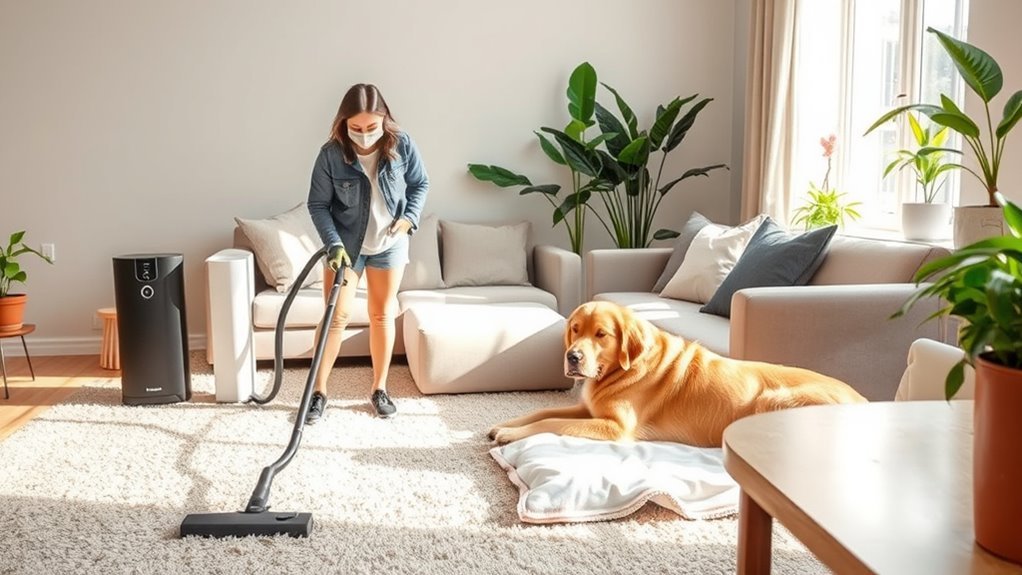
Family-friendly furniture should be comfortable, durable, and easy to maintain. Look for tight-weave fabrics, performance upholstery, removable covers, washable pillow covers, and tables with rounded corners if young children use the room. For pets, consider fabrics that resist snagging and colors or patterns that help disguise fur between cleanings.
For heavy-use living rooms, prioritize:
- Solid or reinforced frames
- Washable or cleanable upholstery
- Stain-resistant fabric options
- Rounded corners where possible
- Storage for toys, blankets, remotes, and games
- Stable bookcases, media units, and cabinets
Warning: Anchor tall furniture, bookcases, media units, and TVs to the wall, especially in homes with children. The U.S. Consumer Product Safety Commission’s Anchor It campaign emphasizes anchoring furniture with drawers, doors, and shelves to help prevent tip-over injuries and deaths.
Decorating Your Living Room: Tips and Tricks
Once the main furniture is placed, decorate in layers. Start with the rug and window treatments, then add pillows, throws, art, lighting, and accessories. Work from large to small so the room does not become visually busy before the main pieces are settled.
Use this simple order:
- Place the sofa and main seating. Make sure the room has clear paths and comfortable conversation areas.
- Add the rug. Use it to connect the seating arrangement.
- Place coffee and side tables. Keep drinks, remotes, and lamps within easy reach.
- Layer lighting. Add lamps before final decor so dark corners are solved early.
- Add textiles. Pillows, throws, and curtains soften the room.
- Finish with art and objects. Choose meaningful pieces, not filler.
The best living rooms feel balanced because every piece has a job: comfort, storage, light, beauty, safety, or connection.
Maximizing Layout: Space Optimization Strategies
A good layout makes the room easy to use. Place the largest piece first, usually the sofa, then build the conversation area around it. Avoid pushing every piece against the wall unless the room is very small. Even a few inches of breathing room can make a layout feel more intentional.
Furniture Arrangement Tips
Arrange seating so people can talk without twisting their bodies. In a TV room, balance the screen view with conversation. In a formal room, chairs facing the sofa may matter more than TV placement.
- Create a focal point: fireplace, TV, window view, large artwork, or coffee table grouping.
- Keep pathways clear: avoid forcing people to squeeze between furniture.
- Use side tables: every main seat should have a nearby spot for a drink or book.
- Balance visual weight: pair a large sofa with substantial art, a rug, or chairs so one side of the room does not feel heavy.
- Float furniture when possible: this can create a more welcoming conversation area.
Multi-Functional Space Solutions
If your living room serves several purposes, choose flexible pieces. A storage ottoman can hold blankets and act as a footrest. A lift-top coffee table can support occasional laptop use. Nesting tables can move around when guests visit. A sofa bed can turn the room into a guest space without needing a separate bedroom.
Use vertical space when floor space is limited. Tall bookcases, wall shelves, mounted lighting, and slim cabinets add storage without crowding the middle of the room. Keep the lower half of the room visually open when you want a small space to feel larger.
Finalizing Your Design: Delivery and Setup Tips
Before delivery day, confirm the dimensions of every large item and compare them with your doorways, stairs, elevator, and hallway turns. Clear the path from the entry to the living room, protect floors if needed, and decide where each piece should go before the delivery team arrives.
Use this final setup checklist:
- Confirm order details, fabric, color, and dimensions.
- Measure doorways, stairways, elevators, and hall turns.
- Clear old furniture before delivery if possible.
- Keep tools ready for assembly.
- Place rugs and rug pads before heavy furniture arrives.
- Check each item for damage before removing packaging completely.
- Anchor tall furniture and media pieces after placement.
- Test lamps, dimmers, outlets, and cord placement.
- Style decor last, after the room is functional.
Common Living Room Design Mistakes to Avoid
Many living room problems come from buying too quickly. Slow down before checkout and watch for these common mistakes:
- Buying furniture before measuring: a sofa that looks perfect online may not fit the room or delivery path.
- Choosing a rug that is too small: this can make the seating area feel disconnected.
- Using only overhead lighting: the room may feel harsh at night and dim in corners.
- Ignoring storage: remotes, toys, blankets, chargers, and games need a home.
- Overdecorating surfaces: too many small items can make the room feel busy.
- Forgetting safety: tall furniture and TVs should be stable and anchored when needed.
- Following trends too closely: trendy pieces are fine in small doses, but large investments should fit your long-term style.
Frequently Asked Questions
What do you need for a living room checklist?
A living room checklist should include room measurements, seating needs, sofa size, rug size, coffee table height, lighting layers, storage, window treatments, decor, safety checks, delivery access, and a budget. Start with function and layout before choosing colors and accessories.
What do I need for a new house living room checklist?
For a new house, start with the essentials: a sofa, rug, coffee table, side tables, lamps, window coverings, storage, and a few personal decor pieces. Add extra seating, art, plants, pillows, and throws once the main layout is comfortable and functional.
What should I buy first when designing a living room?
Buy the sofa or main seating first because it sets the room’s scale, layout, and comfort level. After that, choose the rug, coffee table, storage, lighting, and decor. Always measure before ordering large pieces.
How do I make a living room feel cozy but not cluttered?
Use soft lighting, a correctly sized rug, comfortable seating, warm textures, and personal decor. To avoid clutter, group small items on trays, use hidden storage, leave some surfaces open, and repeat a simple color palette throughout the room.
Conclusion
Designing your living room is not just about choosing attractive furniture. It is about creating a comfortable, practical space that fits your real life. Start with measurements and function, choose durable anchor pieces, layer your lighting, add storage, and finish with personal touches that make the room feel like home. When every piece has a purpose, your living room becomes easier to use, easier to maintain, and more enjoyable every day.
Sources
- U.S. Department of Energy — Lighting Choices to Save You Money — LED energy savings and lighting efficiency guidance.
- U.S. Department of Energy — Lighting Design — layered lighting, task lighting, daylight, and energy-efficient lighting principles.
- U.S. Department of Energy — Daylighting — natural light, window orientation, glare, and daylight planning.
- U.S. Environmental Protection Agency — Improving Indoor Air Quality — source control, ventilation, filtration, and houseplant air-quality guidance.
- U.S. Consumer Product Safety Commission — Anchor It — furniture and TV tip-over prevention guidance.