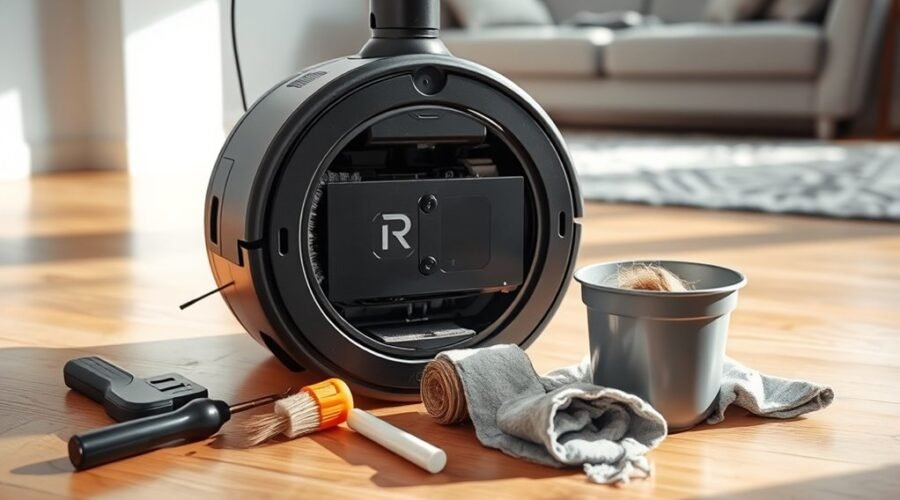
A robot vacuum can only clean reliably if its maintenance follows a set schedule. Brushes need weekly attention to stop tangles, filters benefit from bi-weekly rinsing, and the dustbin should be cleared after each run. Side brushes, sensors, and wheels also need periodic checks to prevent reduced performance. With pets or allergies, the intervals may need tightening, and the details matter more than most owners expect.
How Often Should You Run Your Robot Vacuum?
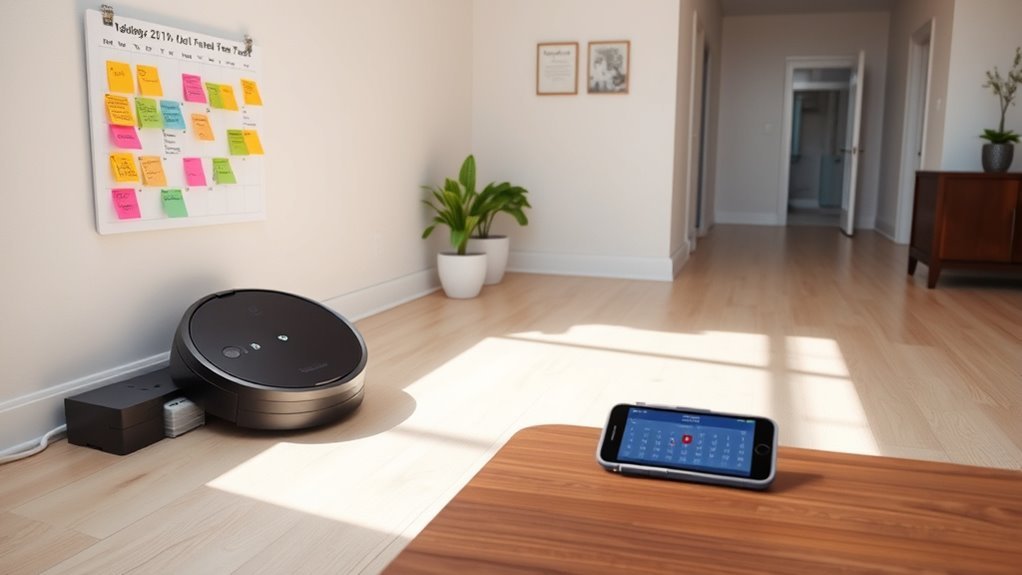
How often a robot vacuum should run depends on household size, floor type, and pet presence. A single occupant can usually manage with cleaning sessions a few times a week, while larger households may need alternate-day use or a robot vacuum daily to stay on top of debris.
In homes with pets, frequent cleaning is often justified because pet hair and dander accumulate quickly. High-traffic areas such as kitchens and living rooms benefit from regular cleaning, often three to four times weekly, to maintain cleaning performance.
Hardwood floors generally need vacuuming two to three times a week; carpets often require more frequent cleaning to prevent buildup. The exact plan also depends on how often you use shared spaces and how much dirt enters from outside.
Scheduling runs during off-peak times can improve coverage because surfaces remain less obstructed. This routine supports maintaining your robot vacuum as a practical tool for cleaner floors and greater household autonomy.
Brush And Filter Maintenance Schedule
A consistent run schedule only works if the vacuum’s brushes, filters, and dustbin are maintained on a routine basis.
In robot vacuum maintenance, weekly cleaning of the main brushes prevents tangles and protects peak suction, especially in homes with pet hair. Non-machine-washable filters should be rinsed under warm water every two weeks to preserve airflow and cleaning efficiency, then replaced per manufacturer guidance.
Weekly brush cleaning prevents tangles and keeps suction strong, especially in homes with pet hair.
The dustbin should be emptied and washed after every cleaning cycle, then dried fully before reinsertion to avoid clogs and preserve hygienic operation.
Side brushes deserve regular inspection for trapped debris and replacement every 3–6 months to maintain edge coverage.
A monthly routine should include a deep-clean of all brushes and mop heads so performance remains steady and lifespan extends.
Consistent attention to brushes and filters helps keep the machine free, efficient, and ready for reliable, self-directed cleaning.
How To Clean Sensors, Wheels, And Brushes
Regular cleaning of the sensors, wheels, and brushes helps preserve navigation accuracy and maintain consistent cleaning performance.
To clean sensors, use a soft microfiber cloth; if needed, apply a small amount of cleaning solution to lift residue without flooding the housing. The goal is to keep guidance systems clear so the machine can move freely and avoid misdirection.
Next, inspect wheels for hair and debris buildup, since obstruction can reduce traction and slow travel. Remove hair carefully from axles and treads.
For the main brushes, remove them, wash in warm, soapy water, and dry fully before reinstalling; this helps prevent tangles and maintain suction power. Side brushes should also be checked and cleared of threads or blockages so edge coverage remains effective.
Regular maintenance of these parts supports reliable operation, improves efficiency, and helps prolong vacuum lifespan.
When To Empty The Dustbin And Replace Filters
Emptying the dustbin after each cleaning cycle helps prevent clogs and preserves suction performance, while also reducing debris buildup that can impede efficiency.
A reliable vacuum schedule treats the dustbin as a daily task and the filters as routine maintenance. The dustbin should be checked for compacted debris before each run, since overflow can reduce suction power and limit overall performance.
Filters should be cleaned every two weeks; washable models can be rinsed and dried fully, while nonwashable filters should be replaced every 3 to 6 months, depending on use.
When the vacuum signals weaker pickup or slower charging, both dustbin and filters deserve inspection for blockage or wear. Keeping these parts clean supports air quality and extends service life, freeing the vacuum to work with less strain.
Clear maintenance rules allow the machine to operate reliably, without avoidable loss of function.
How To Adjust Cleaning For Pets And Allergies
Homes with pets benefit from robot vacuum runs daily or every other day to control hair and dander, while allergy-prone environments are best served by vacuuming at least every alternate day to reduce dust and airborne irritants.
A disciplined cleaning schedule keeps pet hair from collecting in corners and limits allergens that trigger discomfort. In high-traffic zones and pet beds, Max Mode supports thorough cleaning and better pickup of pet dander, dust mites, and debris.
The robot vacuum should be scheduled during early mornings or late evenings, when airborne particles are lower and circulation is calmer. This timing helps preserve indoor air quality without disrupting daily routines.
Regular maintenance matters: brushes and filters should be cleaned every two weeks to protect suction and prevent buildup.
With consistent attention, the system stays efficient, freeing the household from avoidable cleaning pressure and supporting cleaner, more independent living.
Frequently Asked Questions
What Is the Average Lifespan of a Robot Vacuum Cleaner?
The average lifespan is 3 to 6 years. Robot vacuum technology, cleaning efficiency, battery lifespan, smart features, app connectivity, noise levels, filter types, maintenance costs, brand comparisons, and user reviews all influence durability.
How Often Should I Set My Robot Vacuum to Clean?
Two to seven weekly cleanings suit most homes; one statistic shows pets often double debris. Robot vacuum frequency should follow floor type considerations, pet hair management, and smart home integration, with maintenance reminders, dustbin emptying routine, battery care tips, seasonal cleaning adjustments, ideal cleaning times, cleaning schedule tips.
How Do I Maintain My Robot Vacuum Cleaner?
They maintain it by prioritizing battery care, filter replacement, brush cleaning, app updates, and debris management, while checking floor types, navigation issues, charging station alignment, noise levels, and warranty tips regularly for reliable performance.
What Are the Most Common Problems With Robot Vacuums?
Dead floor, spinning chassis: common robot vacuum failures include suction power loss, battery problems, navigation issues, sensor malfunctions, brush wear, debris blockage, connectivity errors, scheduling conflicts, and neglected software updates, all reducing cleaning efficiency.
Conclusion
In the house of clean floors, the little cartographer keeps its paths true only when tended. Each week, its bristles are combed like fields after harvest; every two weeks, its filter is rinsed like a sieve cleared of dust. After each journey, the bin must be emptied, and every month the hidden gears should be checked. When pets or allergies enter, the schedule tightens. Care, not chance, preserves suction, air quality, and steady performance.