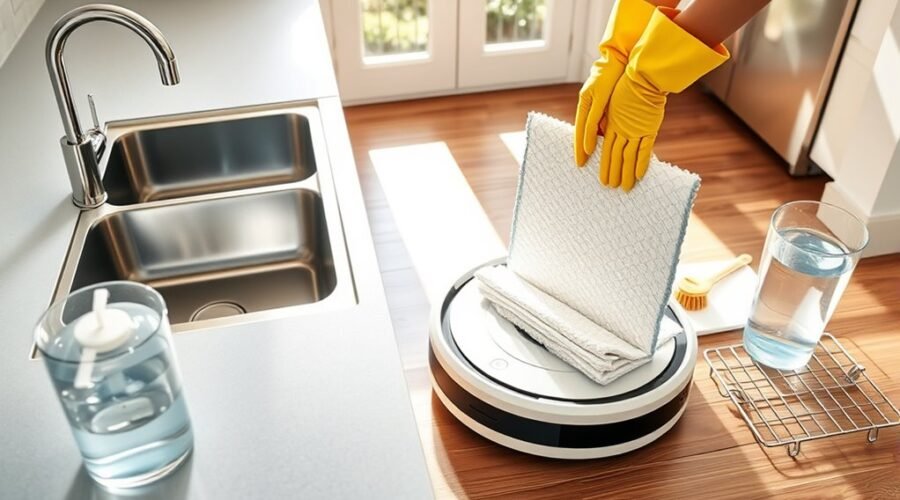
Robot vacuum mops often start to smell when dust, damp pads, and dirty water are left inside too long. Regular upkeep can prevent most odors before they spread through the home. Emptying bins, washing parts, and drying components are simple tasks, yet they make a noticeable difference. A few small habits can keep the machine fresher, but one maintenance step is often overlooked.
Why Robot Vacuum Mops Smell
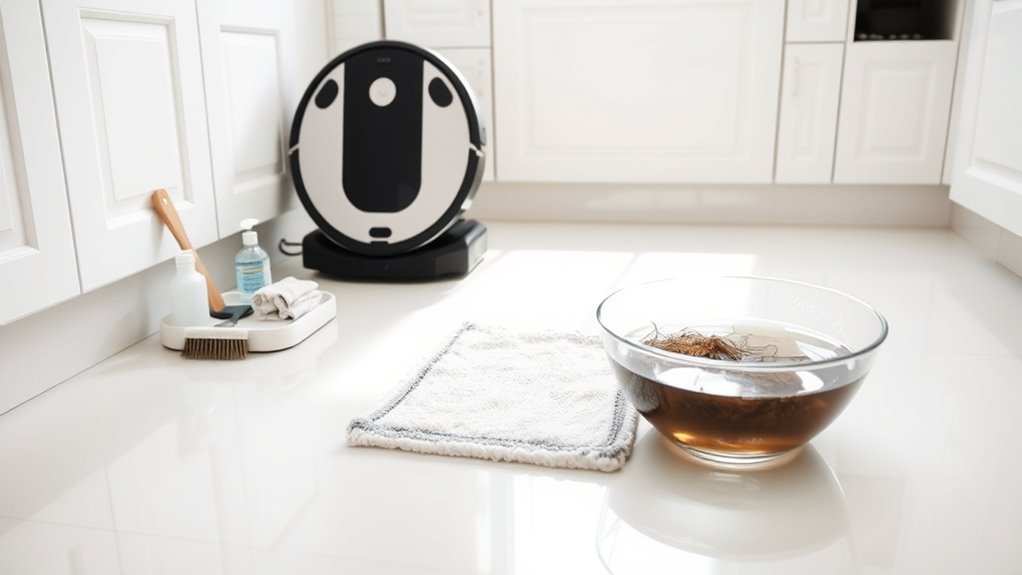
Robot vacuum mops often develop odors when moisture is left sitting in the wastewater tank, creating conditions where mold and mildew can grow. This is one of the most common robot vacuum issues, and it usually starts in the dirty water tank.
When wastewater is not removed promptly, bacteria and mildew spread, creating a sour smell that escapes during use. Pet hair and debris trapped in the mop pads can add another layer of odor, especially in homes with animals.
Clogged filters also worsen the problem by holding dust and allergens instead of clearing them. To reduce smell, users should empty the waste after each run, clean mop pads, and keep the tank dry between cycles.
Regular maintenance limits buildup and helps the machine stay effective. A clean system supports healthier air, less waste, and more control over the household environment.
Empty the Dustbin After Every Run
Along with keeping the wastewater tank dry, the dustbin should be emptied after every run to prevent dirt, dust, pet hair, and dander from sitting inside the unit. This simple step limits odors and supports steady maintenance. A full bin can restrict suction power, leaving debris behind and allowing smells to build during operation.
| Action | Benefit |
|---|---|
| Empty the dustbin | Reduces trapped dirt and odors |
| Wipe the bin dry | Limits bacteria and mold growth |
| Check for pet hair | Prevents buildup and keeps airflow open |
Practical cleaning tips include clearing the bin immediately after use, rinsing it only when needed, and drying it fully before reinstalling. Routine care keeps the machine free from stale residue and helps it work with greater freedom and efficiency. When the bin stays clean, the robot vacuum mop is less likely to carry musty smells into the next cycle.
Clean or Replace Robot Vacuum Filters
Robot vacuum filters should be cleaned regularly to prevent dust and bacteria from building up and causing odors.
Washable filters usually need cleaning every 2 to 4 weeks, while clogged HEPA filters should be replaced every 3 to 6 months.
Keeping filters in good condition improves airflow, supports suction, and reduces stale or musty smells.
Clean Filters Regularly
Keeping the robot vacuum’s filters clean is one of the simplest ways to reduce odor and preserve suction power. Regular maintenance keeps filters from becoming clogged, helping the machine perform without trapping dust, allergens, and odors. Washable filters should be cleaned every 2–4 weeks; non-washable HEPA filters should be replaced every 3–6 months.
| Task | Timing |
|---|---|
| Clean washable filters | Every 2–4 weeks |
| Dry fully before use | After each rinse |
| Replace worn filters | When odors persist |
Rinse washable filters under running water, then let them dry completely before reinserting. Moisture left behind can encourage mold and new smells. If odors remain after cleaning, replacing the filter is the practical next step. Clean filters support better suction and a healthier indoor environment.
Replace Clogged HEPA Filters
When a robot vacuum mop begins to smell musty or lose suction, the HEPA filter is often the cause. To restore freedom from stale air, replace clogged HEPA filters or follow the maker’s guidance for washable types.
Clean filters every 3–6 months, and wash reusable ones every 2–4 weeks; after cleaning, keep them completely dry before reinstalling. Regular cleaning prevents odors, reduces dust buildup, and protects the vacuum’s performance.
During cleaning of the dustbin, inspect the filter for trapped debris and wear.
- Relief comes from fresh airflow
- Dust and allergens lose their grip
- Odors fade before they spread
- Suction returns with less strain
- Maintenance stays simple and empowering
Wash Mop Pads and Dry Them Fully
Regularly washing mop pads helps remove the dirt and bacteria that build up during cleaning and can create unpleasant odors.
To keep maintenance simple and effective, wash mop pads after several uses, or sooner when residue is visible. A mild detergent is enough to lift grime and neutralize odors without damaging the fabric.
After washing, allow pads to dry completely before reattaching them to the robot. This step helps prevent mold growth and mildew, which can quickly undo careful cleaning. If pads stay damp, odor control suffers and performance declines.
Worn or damaged pads should be replaced on a regular schedule, often every 3 to 6 months, to maintain reliable cleaning and prevent development of persistent smells.
Clean pads can also be stored in a cool, dry place until needed again. Consistent care gives the machine a fresh start each run and supports longer-lasting, odor-free operation.
Clear Hair From Brush Rolls and Wheels
Hair should be removed from the brush rolls and wheels after each use to prevent buildup that can trap debris and create odors. To clear hair from brush rolls and wheels, a careful routine with scissors or a specialized tool works best. This prevents damage to bristles while restoring contact with the floor and improving cleaning efficiency.
- Less frustration from tangled strands
- Fewer unpleasant smells in the living space
- Better effective navigation across rooms
- More control through consistent maintenance
- Longer service life when parts stay clear
A weekly inspection helps expose hidden wraps before they become stubborn. Accumulated hair can slow movement, strain the motor, and reduce suction performance, so prompt removal supports freedom from avoidable repairs.
Consistent attention keeps the machine moving cleanly, prevents buildup, and extends lifespan without added effort.
Rinse the Water Tank and Dirty Water Bin
Rinse the clean water tank after each use to prevent residue buildup that can cause odors, and empty the dirty water bin immediately after every mopping cycle to stop stagnant water smells.
This simple habit supports a fresher machine and helps prevent odors before they spread. A quick rinse with mild soap removes film without harming parts, while plain water can handle lighter cleaning.
The water tank and dirty water bin should then be wiped and left completely dry before reassembly. Moisture left behind can turn into a source of bad smells and weak performance.
Regular maintenance of these containers keeps the system sanitary and reduces the need for deeper cleaning later.
For anyone who wants a cleaner, more autonomous routine, treating these tasks as nonnegotiable protects daily use and preserves the freedom of a mop that stays ready, fresh, and low effort.
Prevent Mold and Mildew Buildup
Mold and mildew are best prevented by keeping every damp part of the robot vacuum mop as dry as possible after use. This simple maintenance routine helps prevent mold and mildew buildup without effort or guesswork.
- Empty the wastewater tank after each mop cycle.
- Rinse the clean-water tank thoroughly.
- Let the tank air-dry completely before storage.
- Wash mop pads after each use; replace damp pads when worn.
- Check hoses and internal parts for trapped moisture.
A cool, dry storage area further reduces moisture accumulation and protects the machine from lingering odors.
Clean parts deny mold the darkness and dampness it needs, preserving a fresher mop and more independent cleaning routine.
Stop Burning Smells and Overheating
If a burning smell appears, the vacuum should be stopped at once and unplugged to reduce fire risk.
The brush roll should then be checked for hair, debris, or other blockages that could cause strain and overheating.
During longer cleaning sessions, the unit should be monitored for heat and given breaks if needed, especially in warm conditions.
Stop Using Immediately
A burning smell from a robot vacuum signals an immediate stop: the device should be turned off and unplugged at once to reduce fire risk. For safe operation, he or she should stop using immediately and begin maintenance checks without delay.
- Inspect the brush rolls for clogs.
- Watch for overheating during long runs.
- Pause and cool the unit.
- Look for electrical problems in wires.
- Contact support if damage appears.
Hair and debris can trap heat and trigger a burning smell, but continued use only deepens the fault. The machine should remain out of service until the issue is resolved.
This practical restraint protects freedom from avoidable damage, preserves the vacuum, and keeps the home safer.
Inspect Brush Roll
After the robot vacuum has been stopped and cooled, the brush roll should be inspected for hair, lint, and debris buildup.
A careful inspect brush roll routine removes tangled hair and trapped fibers that can strain the drive system. Clean brushes after each use to maintain peak performance and prevent overheating, which can shorten motor life and create unpleasant odors.
Any worn or damaged bristles should be noted, because they reduce pickup and allow residue to linger.
After cleaning, the brush roll must be reinstalled securely so it turns freely and does not cause mechanical noise or smell.
As part of regular maintenance, monitor its condition and replace every 6-12 months, or sooner if the manufacturer recommends it.
Check For Overheating
When a burning smell appears, the robot vacuum should be stopped immediately and unplugged to reduce fire risk. The next step is to check and clean possible odor sources, focusing on overheating symptoms.
Clogged filters and a dirty brush roll can trap heat, so regular maintenance should remove debris, clean the brush roll, and clog filters less often to prevent strain. Long cleaning runs should include pauses so the machine can cool and stay free.
- Stop use at the first burnt odor.
- Clear vents and airflow paths.
- Clean the brush roll often.
- Rest the unit during long sessions.
- Inspect for electrical problems if smells persist.
This disciplined care keeps the device safer, freer from damage, and ready to work without forcing the motor.
Keep Your Robot Vacuum Mop Fresh
Keeping a robot vacuum mop fresh starts with simple maintenance after every use. The wastewater tank should be emptied promptly so stagnant water cannot create odors.
A quick rinse of the clean-water tank, followed by full air-drying, helps prevent moisture buildup and the mold or mildew it can invite. Mop pads should be replaced often; worn pads hold dirt, reduce cleaning power, and keep smells alive.
For extra odor control, a small amount of baking soda can be added to the wastewater tank to neutralize lingering smells between emptying cycles.
Removable parts deserve regular cleaning as well. The dustbin, brush rolls, and other accessible components can trap dust, bacteria, and debris that feed unpleasant odors.
Consistent maintenance keeps the machine efficient, sanitary, and ready for work without the burden of stale water or trapped grime.
Frequently Asked Questions
How to Stop Robot Mop From Smelling?
Empty the water tank after each use, rinse and dry it, replace pads, and follow a cleaning schedule. Odor eliminators, filter replacement, and maintenance tips reduce dirt buildup, pet hair, and smell safely. Check surface compatibility.
Why Does My Roomba Mop Smell Bad?
Roomba mop smells because stagnant wastewater, dirty pads, and trapped debris create bacteria. Roomba maintenance tips, common cleaning issues, and odor removal solutions improve robot mop hygiene through effective cleaning routines, robot vacuum care, and scent prevention methods.
Why Does My Robot Vacuum Smell so Bad?
Robot vacuum odors usually come from common causes like pet hair, moisture buildup, clogged filters, and user mistakes. Regular maintenance tips, a cleaning schedule, and timely filter replacement keep the machine fresh and effective.
Can I Put Vinegar in My Robot Mop?
A compass, not a hammer: vinegar can be used only if the maker approves. Its vinegar benefits aid odor elimination, but safe ingredients, proper vinegar dilution, and approved cleaning solutions protect robot maintenance, mop care, robot longevity.
Conclusion
In the end, preventing robot vacuum mop odor comes down to small, steady habits. Empty the dustbin after every run, rinse the dirty-water tank, and wash mop pads before smells have time to settle in. A clogged filter or damp pad can act like a forgotten gym bag in a hot car—one small oversight that quickly takes over the whole space. With regular cleaning and dry storage, the machine stays fresher and works better for longer.